

Did you know that styes are surprisingly common and often appear when we least expect them? A stye, that painful bump on the eyelid, can not only disrupt your day but also impact your self-confidence. Understanding how to effectively clear a stye is essential for quick relief and maintaining eye health.
In this guide, we’ll explore practical and effective methods for treating styes, from simple at-home remedies to professional treatments. Whether you’re seeking immediate relief or looking to prevent future occurrences, knowing the right steps can empower you to reclaim your comfort and confidence. So, let’s dive into the ways you can get that pesky stye under control and on your path to recovery.
Understanding What a Stye Is
A stye is a common eye condition that presents as a small, red, tender bump on or near the eyelid, resembling a pimple. This irritation occurs when one of the tiny oil glands at the base of an eyelash becomes clogged or infected. Often, styes develop rapidly and may cause discomfort, irritation, and sensitivity to light, serving as a reminder to pay closer attention to eye health and hygiene.
This condition typically results from bacterial infections, particularly from the Staphylococcus bacteria, which can thrive in environments where hygiene is compromised. When oil glands are blocked by dirt, makeup, or other debris, bacteria can multiply and lead to inflammation. Although styes often appear suddenly, their development may be influenced by certain risk factors such as stress, hormonal changes, or chronic conditions like blepharitis, a common eyelid infection.
and the underlying factors that can contribute to its occurrence is crucial for effective management. Recognizing the signs early on, such as localized redness, swelling, and tenderness, allows for timely interventions. Employing preventative measures, like proper eye hygiene and avoiding touching the eyes with unclean hands, can significantly reduce the likelihood of developing a stye in the first place. Embracing these practices not only helps in managing styes but also supports overall eye health, ensuring your eyes remain bright and clear.
Common Causes of Styes in Your Eye
Styes can often emerge unexpectedly, causing discomfort and concern. Understanding the common causes of these pesky bumps can empower you to take proactive steps in managing your eye health. A stye, or hordeolum, typically develops when the oil glands at the base of your eyelashes become blocked or infected, often by bacteria. This can occur in environments where hygiene is compromised, but several specific factors can increase your susceptibility.
- Poor Eyelid Hygiene: Neglecting to clean your eyelids regularly can lead to the buildup of oils, dirt, and bacteria, creating a breeding ground for infection. Regularly washing your eyelids with a gentle cleanser or a diluted baby shampoo can help keep this area clean.
- Makeup Usage: Using old or contaminated makeup, especially around the eyes, can introduce bacteria. Always remove eye makeup before bed and replace your makeup every few months to minimize this risk.
- Chronic Eye Conditions: Conditions like blepharitis-an inflammation of the eyelid margins-can make you more prone to developing styes. Managing these underlying issues through proper eye care is essential for prevention.
- Touching Your Eyes: Frequently touching your face or eyes, especially with unwashed hands, can easily transfer bacteria. Practice good hand hygiene by washing your hands before touching your face.
- Stress and Hormonal Changes: Stress and hormonal fluctuations can weaken your immune system, making you more vulnerable to skin infections, including styes. Incorporating stress-reducing activities into your routine-like yoga, meditation, or regular exercise-can be beneficial.
By understanding these causes, you can adopt appropriate measures to reduce the likelihood of developing a stye. Simple practices like maintaining eyelid hygiene, being cautious with makeup products, and being conscious of hand hygiene can play a significant role in stye prevention. Empower yourself with knowledge and take charge of your eye health to keep your eyes looking and feeling their best.
Signs and Symptoms of a Stye
A stye often manifests quickly, catching you off guard with its discomfort and noticeable presence. The telltale sign of a stye is a small, red bump that typically forms on the edge of your eyelid, resembling an acne spot. This bump is usually tender to the touch and can sometimes develop a white or yellow center as pus accumulates beneath the skin, similar to a pimple. You might notice that the affected eye feels swollen or sensitive, and there may be accompanying discomfort that makes blinking or wearing makeup feel irritating.
In addition to the visible signs, styes can present a range of symptoms that can impact your daily life. You might experience a sensation of heaviness or itchiness in the affected area, and the eyelid may become swollen and red. It’s also common to experience tearing, as the body reacts to the irritation of the blocked oil gland. In some cases, systemic symptoms such as mild fever or fatigue may arise, signaling an inflammatory response in your body.
To provide some comfort while dealing with a stye, consider applying a warm compress to the affected area. This simple method can help alleviate discomfort by promoting drainage and speeding up the healing process. Here’s how to do it effectively: soak a clean washcloth in warm (not hot) water, wring it out, and place it gently over your closed eye for about 10 minutes, repeating this process several times a day. Additionally, avoiding eye makeup or contact lenses until the stye has healed is advisable as these can further irritate the area or prolong healing.
Recognizing the symptoms of a stye early can empower you to take timely action to manage discomfort. Knowing what to look for not only helps you respond effectively but also encourages good eye hygiene practices that can reduce the frequency of styes in the future. If symptoms persist or worsen, consulting with a healthcare provider can help ensure effective treatment and rule out other conditions.
Immediate Steps to Relieve Stye Discomfort
Dealing with a stye can be uncomfortable and frustrating, often causing irritation and distress. Fortunately, several immediate steps can help relieve discomfort and promote healing. Start by applying a warm compress to the affected area. This simple yet effective remedy encourages blood circulation and aids in the drainage of the clogged oil gland. Soak a clean washcloth in warm (but not hot) water, wring it out, and gently place it over your closed eyelid for about 10 minutes. This process can be repeated several times a day, providing much-needed relief.
In addition to the warm compress, keeping the area clean is crucial. Gently wash your eyelids with a mild soap or a baby shampoo diluted in water to remove any debris and reduce the risk of additional irritation. Pat the area dry with a clean towel, avoiding rubbing or harsh scrubbing, to prevent further aggravation. Make sure to wash your hands thoroughly before touching your face or eyes to maintain hygiene and avoid introducing new bacteria.
Avoid wearing makeup or contact lenses while dealing with a stye, as these can further irritate your eyes and potentially worsen the condition. If you need to use eye drops or other medications, consult a healthcare provider for recommendations suitable for styes. It’s also essential to resist the urge to pop or squeeze the stye, as this can lead to infection and prolong the healing process.
If discomfort persists despite these measures, or if you notice increased redness, swelling, or pain, it’s important to seek medical advice. A healthcare professional can provide further insight and suggest more specific treatments to address the issue effectively. By taking these immediate steps, you empower yourself to manage the discomfort associated with a stye and support your healing journey.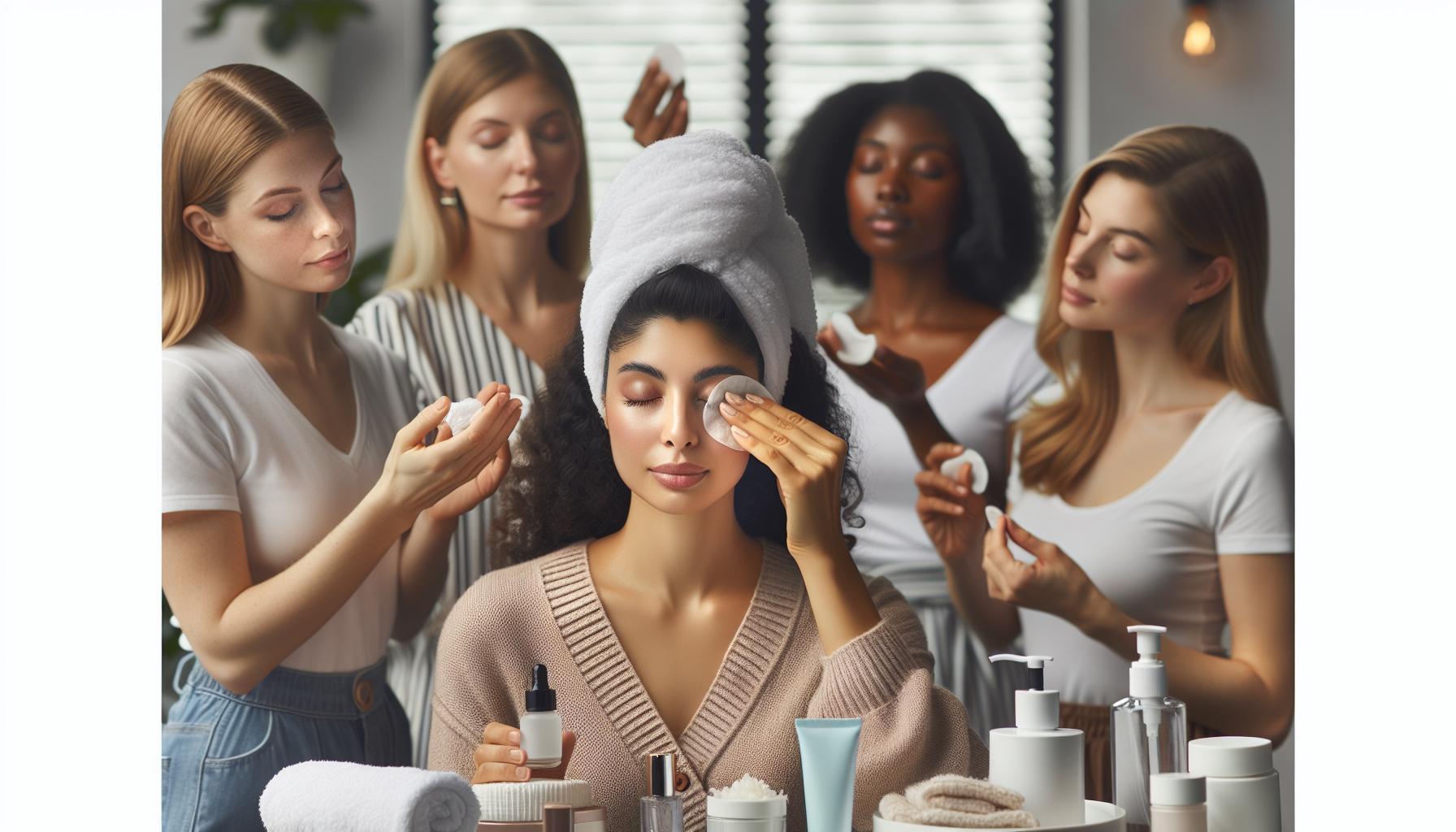
Effective Home Remedies for Styes
Effective home remedies for a stye can provide significant relief and support healing without the need for prescription medications. Many effective strategies involve natural, easy-to-access methods that you can incorporate into your daily routine.
One of the most commonly recommended remedies is the use of warm compresses. This simple technique not only eases the discomfort associated with a stye but can also help facilitate drainage. To create a warm compress, soak a clean washcloth in warm (not hot) water, wring it out, and gently place it over the affected eyelid for about 10-15 minutes. This can be repeated several times a day.
In addition to warm compresses, maintaining cleanliness around your eyes is vital. Use a gentle cleanser, such as diluted baby shampoo, to wash your eyelids daily. This helps remove any debris and reduce irritation, minimizing the chances of the stye worsening. Remember to pat the area dry gently with a clean towel to avoid aggravation.
Another effective remedy includes using natural ingredients like tea bags or honey. Green or black tea bags can be beneficial due to their anti-inflammatory properties. Let a used tea bag cool after steeping, then place it on your closed eyelid for about 10 minutes. Honey has natural antibacterial properties and can be diluted with warm water to create a soothing wash for your eyelids.
While these home remedies can alleviate symptoms and encourage healing, it’s essential to remember that everyone’s situation is unique. If a stye persists or worsens, seeking medical advice is crucial to prevent complications and ensure appropriate care. By integrating these remedies into your routine, you not only tackle the discomfort of a stye but also cultivate a proactive approach to your eye health.
Over-the-Counter Treatments for Styes
Over-the-counter treatments can provide valuable relief from the discomfort of styes and help expedite the healing process. Many individuals find themselves at a loss when faced with a stye, but a few readily available options can make a significant difference. Whether it’s an ointment, drops, or cleansing pads, understanding how to use these treatments effectively can empower you to address stye symptoms efficiently.
One of the most common over-the-counter remedies is antibiotic ointment. These topical treatments often contain active ingredients like bacitracin or neomycin, which help combat bacterial infections that may contribute to stye formation. When using antibiotic ointment, apply a thin layer directly to the affected area as directed, ensuring that you wash your hands before and after application to maintain hygiene.
In addition, eye drops designed for lubricating or moisturizing the eye can alleviate some irritation caused by styes. These drops help flush out any potential irritants and keep the eye surface lubricated, which can reduce discomfort. Look for preservative-free options to avoid further irritation.
For those seeking to cleanse the area thoroughly, eye cleansing pads are another excellent choice. These pads are pre-moistened and formulated to remove debris and bacteria, helping to keep the eyelid area clean and potentially reducing the risk of further complications. Use these pads as directed, gently wiping the eyelid without causing additional distress.
Always remember that while over-the-counter treatments can provide symptomatic relief, they are typically not a substitute for professional medical advice. If symptoms persist or worsen after using these products, it’s advisable to consult with a healthcare professional to explore more tailored treatment options and avoid complications. Keeping your eye health a priority with these accessible remedies can help you face any stye with confidence.
When to See a Doctor for a Stye
Recognizing when to seek professional help for a stye is crucial for ensuring proper care and preventing complications. While many styes are benign and will resolve on their own with home treatment, there are specific situations where a visit to the doctor becomes important to safeguard your eye health.
If a stye persists for more than a few days despite home care, it may require medical intervention. In cases where the swelling increases significantly or if you develop a fever or experience vision problems, these can be signs of a more serious issue necessitating professional attention. Additionally, if the stye appears repeatedly in the same location, it might indicate an underlying condition that should be evaluated by a healthcare provider.
Moreover, if you notice excessive pain that does not improve with over-the-counter treatments or natural remedies, it’s advisable to consult a doctor. Persistent discomfort could be indicative of an infection that needs antibiotic treatment or other interventions. Your doctor can assess the stye and provide appropriate therapies, which may include medicated drops or, in rare cases, minor surgical drainage.
Lastly, if you have a compromised immune system or any pre-existing eye conditions, it’s wise to err on the side of caution and consult a healthcare professional sooner rather than later. Understanding these signals can empower you to take action when necessary, ensuring that you maintain your eye health and clarity of vision.
Preventative Measures to Avoid Styes
Maintaining eye health is essential, especially when it comes to preventing conditions like styes. Incorporating simple, effective practices into your daily routine can significantly lower your risk of developing these painful bumps. One of the most critical aspects of prevention is maintaining good hygiene around the eyes. Regularly washing your hands and avoiding touching your eyes can minimize the introduction of bacteria that lead to infections. Additionally, make it a habit to remove makeup before bed, as leftover products can clog the small glands along the eyelids.
Incorporate the following preventative measures into your routine to further safeguard your eyes:
- Clean Eyelids: Use a gentle eyelid scrub or a diluted baby shampoo to clean your eyelids and lashes daily, especially if you wear eye makeup regularly.
- Warm Compresses: Applying a warm compress to your eyes a few times a week can help to keep the meibomian glands clear and functioning, reducing the likelihood of blockages.
- Avoid Sharing Personal Items: Personal hygiene is vital. Never share towels, washcloths, or makeup with others to prevent bacterial transfer.
- Manage Stress: Stress can impact your immune system, making it harder for your body to fight infections. Consider stress-relief activities like yoga or meditation to bolster your overall health.
Educating yourself about the symptoms of irritation or infection can also empower you to take early action. If you notice the beginnings of redness or swelling around your eyelids, address the issue promptly rather than letting it worsen. Making lifestyle changes, such as eating a balanced diet rich in omega-3 fatty acids and antioxidants, can also promote eye health and immunity.
By adopting these practices, you not only protect your eyes from styes but also enhance your overall well-being. Your eyes deserve the best care, and a little attention goes a long way in keeping them healthy and irritation-free.
Lifestyle Changes to Support Eye Health
Making simple lifestyle adjustments can significantly enhance your eye health and reduce the risk of developing styes. Just like a well-rounded diet nourishes your body, what you consume can directly impact your eyes. Incorporating foods rich in omega-3 fatty acids-like fatty fish, walnuts, and flaxseeds-can help support moisture balance in your eyes, minimizing irritation and dryness that lead to conditions like styes. Additionally, antioxidants found in fruits and vegetables, such as berries, spinach, and carrots, are vital for combating oxidative stress that can affect eye health.
Engaging in regular physical activity also plays a crucial role in maintaining eye health. Exercise increases blood circulation, promoting nutrient and oxygen delivery to eye tissues. Furthermore, managing screen time is essential in our digital era. Frequent breaks using the 20-20-20 rule-looking at something 20 feet away for 20 seconds every 20 minutes-helps reduce eye strain, a contributor to inflammation and potential stye development.
Staying hydrated is another critical factor in promoting optimal eye function. Water helps to maintain the mucous membranes in your eyes, preventing dryness and irritation. Alongside hydration, practicing mindfulness and stress management techniques can also have a positive effect. Stress can lead to hormonal changes that may weaken your immune system, making you more susceptible to infections, including those that cause styes. Incorporating activities such as yoga or deep-breathing exercises can enhance your overall well-being and help you maintain a healthy lifestyle.
By adopting these practical strategies, you’ll not only support your eye health but also enhance your quality of life. Every small change contributes to better eye care, paving the way for clearer, more vibrant vision.
Natural Ingredients to Soothe Eye Irritation
Natural remedies can be a gentle and effective way to alleviate eye irritation caused by styes. Incorporating specific soothing ingredients into your home care routine can significantly help in reducing discomfort and promoting healing. For example, warm compresses-using a clean cloth soaked in warm water-can be applied to the affected area for 10 to 15 minutes. This simple treatment encourages circulation, which can help with the drainage of the stye and reduce inflammation.
Another beneficial ingredient is tea bags, particularly those containing black or green tea. The tannins in these teas have natural astringent properties that may help reduce inflammation. After brewing a tea bag, allow it to cool slightly, then place it on the affected eye for about 10-15 minutes. This not only calms irritation but can also give you a moment to relax and take a break from the hustle of daily life.
Additionally, consider using aloe vera gel. Known for its healing properties, aloe vera is gentle on the skin and can provide hydration while reducing inflammation. You can apply a small amount of pure aloe vera directly to the area around the stye, ensuring not to get it into your eye. It’s important to use pure aloe vera to avoid irritation from additives or preservatives.
Lastly, coconut oil stands out for its antibacterial properties. Applying a small dab of organic coconut oil on the stye can help fend off potential infections while providing moisture to the surrounding skin, helping it heal faster. Make sure your hands are clean when applying any ingredient to avoid introducing more bacteria.
By using these natural ingredients thoughtfully, you can soothe eye irritation effectively, enhancing your comfort while dealing with a stye. Just remember to always perform a patch test before applying any substance to ensure you don’t have an allergic reaction, and maintain good hygiene practices to minimize the risk of recurrence.
Managing Recurring Styes: Tips and Tricks
The struggle with recurring styes can be frustrating, often leaving you wondering what more you could do differently. Thankfully, there are practical strategies you can implement to decrease the likelihood of experiencing these painful bumps on your eyelids. Regular eye hygiene is the foundation of prevention. Make it a habit to thoroughly wash your hands before touching your face or eyes, and always ensure your eye makeup tools-such as brushes and applicators-are clean. This simple act can significantly reduce the transfer of bacteria that often leads to infections.
Another effective approach involves managing the oil on your eyelids. Glands around your eyelashes can become clogged, leading to styes. Incorporating a gentle eyelid scrub into your routine can help remove excess oil and debris. You can create a DIY eyelid scrub using diluted baby shampoo or saline solution, applying it with a clean cotton pad or cloth. Additionally, if you wear makeup regularly, consider opting for hypoallergenic products that are less likely to irritate your eyes or clog your glands.
Stress is also a surprising trigger for styes, as it can weaken your immune system. Engage in stress-reducing activities such as yoga, meditation, or simply taking a moment to breathe deeply throughout your day. Maintaining a balanced diet rich in vitamins A, C, and E can also bolster your immune response, supporting overall eye health. Emphasizing hydration is crucial too, as adequate fluid intake helps to keep your skin and eyelids healthy.
Lastly, if you find that styes keep recurring despite following these practices, it could be beneficial to consult with a healthcare professional. A doctor or eye specialist can provide personalized advice, and if necessary, prescription treatments to assist in managing any underlying issues. By taking these proactive steps, you’re not only addressing immediate concerns but also paving the way for long-term eye health.
Safeguarding Your Eyes: Hygiene Practices
To maintain optimal eye health and reduce the risk of styes, implementing robust hygiene practices is essential. Did you know that basic habits, like washing your hands regularly and cleaning your makeup tools, can significantly decrease the likelihood of eye infections? These simple yet effective steps are foundational in creating a barrier against bacteria and irritants that can lead to conditions such as styes.
A crucial first step is to always wash your hands thoroughly with soap and water before touching your eyes or face. This minimizes the transmission of bacteria that can cause infections. It’s equally important to keep your eye makeup tools, like brushes and applicators, clean; ideally, they should be washed after each use to avoid contamination. Consider adopting a cleaning schedule for your makeup items, ensuring they stay fresh and free from harmful buildup.
Managing Eyelid Oil and Debris
In addition to hand hygiene, managing the natural oils and debris on your eyelids plays a vital role in preventing styes. The glands surrounding your eyelashes can become clogged, which can lead to inflammation and infection. To address this, incorporate a gentle eyelid scrub into your routine. You can easily create a DIY scrub using diluted baby shampoo or saline solution. By using a clean cotton pad or cloth, apply the mixture to your eyelids and gently rub to remove any excess oil and debris.
- Use diluted baby shampoo or saline solution: Mix a few drops with water for a gentle cleanse.
- Apply with a clean cotton pad: Ensure your tools are always sanitized.
- Be consistent: Making this part of your regular routine can greatly help with preventing blockages.
Before applying makeup, ensure the skin around your eyes is clean and dry. Opt for hypoallergenic makeup products that are less likely to irritate your skin or clog your glands. This can further reduce the risk of developing styes and ensure your eye area stays healthy and well-cared-for.
By following these comprehensive hygiene practices, you not only protect your eyes but also enhance your overall well-being. Building these habits into your daily routine can empower you to take charge of your eye health, allowing you to enjoy life without the discomfort of recurring styes.
Frequently asked questions
Q: What causes a stye in your eye?
A: A stye, or hordeolum, is primarily caused by a bacterial infection in the oil glands of the eyelid. Poor hygiene, touching your eyes with unclean hands, or using contaminated makeup can lead to styes. Regularly clean your eyelids to minimize the risk of infection.
Q: How can I prevent styes from forming?
A: To prevent styes, maintain good eyelid hygiene by cleaning your eyelids regularly with warm water and gentle soap. Avoid using expired cosmetic products and ensure hands are clean before touching your face. Consider applying warm compresses as a preventive measure.
Q: Are there any home remedies to quickly reduce stye discomfort?
A: Applying a warm compress to the affected area for 10-15 minutes several times a day can help reduce pain and promote drainage. Ensure the compress is clean to avoid further infection. Over-the-counter pain relievers may also be effective for managing discomfort.
Q: How long does a stye usually last?
A: Most styes resolve within 7 to 10 days. If a stye persists beyond two weeks or worsens, consult a healthcare professional for further evaluation and treatment. Early intervention can prevent complications.
Q: Can I use makeup while I have a stye?
A: It’s best to avoid makeup during a stye outbreak to prevent further irritation and potential spread of bacteria. If makeup has been used while a stye is present, it should be discarded to avoid re-infection in the future.
Q: What are the signs that I need to see a doctor for my stye?
A: Seek medical attention if your stye worsens, does not improve after two weeks, if you experience vision changes, or if there is increased redness or swelling around the eye. These symptoms might indicate a more serious condition requiring treatment.
Q: Are styes contagious?
A: Styes themselves are not contagious, but the bacteria that cause them can spread through contact. Avoid sharing towels, makeup, or touching the eyes to reduce the risk of spreading bacteria to others.
Q: What should I do if my stye bursts?
A: If a stye bursts, gently clean the area with warm water and a mild soap. Avoid squeezing or picking at the stye. This can facilitate healing and prevent infection. If symptoms worsen or don’t improve, consult a healthcare provider.
In Conclusion
Now that you’ve learned effective methods to clear a stye in your eye, it’s crucial to take action promptly for optimal relief. Remember, proper eye care is essential not just for treating this condition but for maintaining overall eye health. If your symptoms persist, don’t hesitate to consult a healthcare professional for further guidance.
For more insightful tips, check out our guides on “Preventing Eye Infections” and “Essential Eye Care Routines.” Join our community by signing up for our newsletter, where you’ll find ongoing support and expert advice on women’s health and beauty. Have questions or personal experiences to share? We’d love to hear from you in the comments! Your journey to better eye health starts here-take the next step today!


