

When faced with eye discomfort, it’s common to seek quick solutions, and stye ointments often come to mind. However, many women wonder: can these ointments also help treat pink eye? Understanding the distinct conditions and effective treatments is crucial, as both can impact your daily life and well-being. By clarifying the differences and exploring the best treatment options, you can make informed choices to restore your eye health. Join us as we uncover the facts about stye ointments and their role in managing pink eye, ensuring you have the knowledge needed for effective care.
Does Stye Ointment Work for Pink Eye?
Styes and pink eye (conjunctivitis) are common eye issues that can lead to confusion regarding treatment options. While a stye manifests as a painful, swollen bump on the eyelid, pink eye is characterized by redness, watering, and irritation of the eye. Given that both conditions affect the eye area but arise from different causes-styes are typically caused by blocked glands or bacterial infection, while pink eye can stem from allergies, viruses, or bacteria-their treatments differ significantly.
Using a stye ointment for pink eye is generally not recommended. Stye ointments are formulated to treat localized infections and inflammation affecting the eyelid, but they do not address the underlying causes of pink eye. For instance, if pink eye is due to a viral infection, a stye ointment would be ineffective. Treatments for pink eye often involve antihistamines for allergies, lubricating eye drops for dryness, or antibiotic eye drops for bacterial infections.
To treat pink eye effectively, it is crucial to identify its type and source. Here are some common treatment options tailored to the type of pink eye:
- Viral Pink Eye: Usually resolves on its own, with palliative care such as cool compresses and lubricating eye drops.
- Bacterial Pink Eye: Often treated with antibiotic eye drops or ointments.
- Allergic Pink Eye: Managed with antihistamines or anti-inflammatory eye drops.
If you suspect you have pink eye, it’s best to consult a healthcare professional for a proper diagnosis and treatment plan tailored to your specific needs. Understanding the distinct nature of each condition is essential for choosing the right course of action and ensuring your eyes stay healthy.
Understanding Pink Eye: Types and Symptoms

Pink eye, or conjunctivitis, is a common eye condition that can occur in anyone, and understanding its types and symptoms is essential for effective management. It manifests primarily in three forms: viral, bacterial, and allergic conjunctivitis, each stemming from different causes and therefore requiring distinct treatment approaches.
Viral pink eye is often linked to common cold viruses. It is highly contagious and typically presents with symptoms such as watery eyes, redness, and sensitivity to light. This type usually resolves on its own within a week or two, with supportive care like cool compresses providing relief.
On the other hand, bacterial pink eye is caused by bacterial infections. Symptoms often include thick yellow or green discharge, which may crust over the eyelids during sleep. This form is also contagious and generally requires antibiotic eye drops or ointments for effective treatment to clear the infection.
Allergic pink eye occurs when the eyes come into contact with allergens such as pollen or pet dander, leading to symptoms like itching, redness, and tearing. This type is not contagious and is often treated with antihistamines or anti-inflammatory eye drops to alleviate symptoms.
Being aware of these differences is crucial for anyone experiencing eye discomfort. Identifying the type of pink eye can aid in seeking the appropriate treatment, ensuring a quicker recovery and a return to comfortable eye health. If you’re unsure about your symptoms, consulting a healthcare professional can provide clarity and direction for the best course of action.
What Is a Stye and How Does It Form?

A stye, also known as a hordeolum, is a painful lump that forms on the eyelid due to a bacterial infection in the oil glands near the base of your eyelashes. These tiny glands can become blocked, leading to the gathering of pus and resulting in the swollen, red bump that many recognize as a stye. Not only can it be uncomfortable, but it often draws attention, prompting many to seek solutions both for relief and aesthetic reasons.
The development of a stye typically begins with irritation or blockage of the gland, often exacerbated by poor hygiene or touching the eyes with unwashed hands. This infection is most commonly caused by Staphylococcus aureus, a type of bacteria frequently found on the skin. Once the infection takes hold, the body’s immune response attempts to combat the bacteria, resulting in inflammation and the accumulation of pus. While styes can be quite bothersome, they usually resolve on their own within a week or two without serious complications. However, it’s important to keep the area clean and avoid squeezing or trying to pop the stye, as this can lead to further infection or complications.
Treatment for styes often involves the application of warm compresses, which helps to reduce swelling and promote drainage of the blocked gland. In some cases, over-the-counter stye ointments may provide symptomatic relief; however, it’s essential to understand that these are specifically designed for styes and may not be effective for other eye infections like pink eye (conjunctivitis). When it comes to stye ointments, ingredients such as antibiotics or soothing agents can support recovery, but knowing the form of eye irritation you’re dealing with is crucial for effective treatment. Understanding the distinction between a stye and pink eye will empower you to choose the right approach to eye care.
How Stye Ointments Work: Active Ingredients Explained
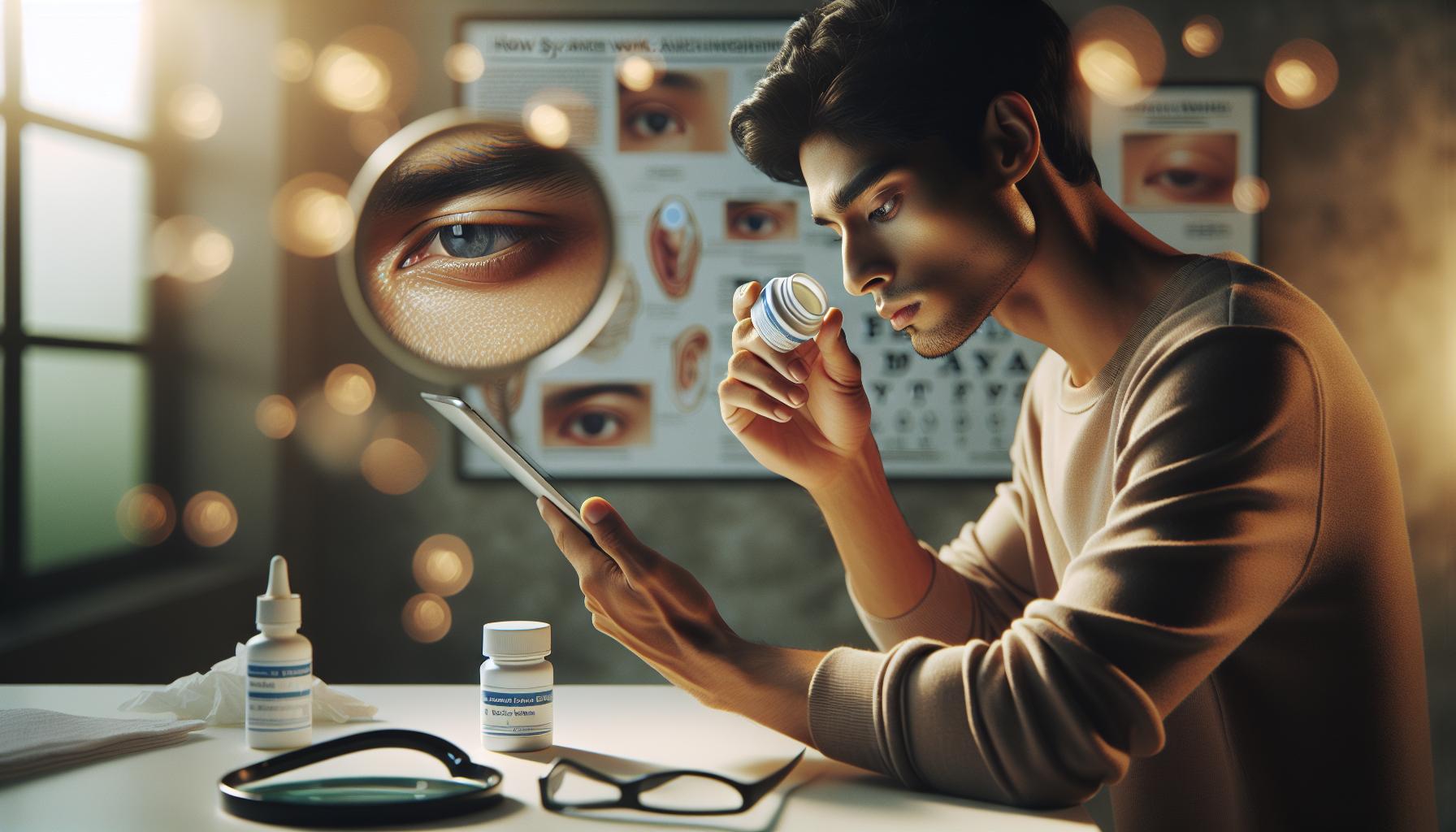
Stye ointments are formulated to target the specific causes and symptoms of a stye, which typically stems from a bacterial infection in the oil glands of your eyelid. Understanding how these ointments work can clarify whether they might be beneficial for treating other conditions, such as pink eye. The active ingredients in stye ointments often include antibiotics and soothing agents that help alleviate symptoms and promote healing.
Active Ingredients in Stye Ointments
In most over-the-counter stye ointments, you’ll find ingredients designed to combat infection and reduce inflammation. Common active ingredients include:
- Antibiotics: Such as bacitracin or polymyxin B, which specifically target the bacteria commonly associated with stye infections. These help to cleanse the area and reduce the chance of further infection.
- Anti-inflammatory agents: Some ointments may contain ingredients like hydrocortisone to reduce swelling and relieve discomfort.
- Lubricating agents: Used to soothe irritation, these ingredients can provide comfort by preventing dryness in the affected area.
While these components are effective for treating styes, the same remedies are not necessarily suitable for pink eye. Pink eye, or conjunctivitis, can be caused by various factors, including viral infections, allergens, or irritants. The treatment for pink eye often requires different active ingredients that target the underlying cause, such as antivirals for viral infections or antihistamines for allergic reactions.
Understanding the Limitations
Using a stye ointment for pink eye may not only be ineffective but could potentially worsen the condition. If you’re experiencing symptoms of pink eye, such as redness, oozing, or increased tearing, it’s critical to consult a healthcare provider for appropriate treatment, which may include prescription medications that more accurately address the specific type of conjunctivitis. By understanding how stye ointments work and recognizing their intended use, you can make more informed choices about your eye care and seek appropriate remedies for your symptoms.
Differences Between Styes and Pink Eye
A common source of confusion in eye health is the distinction between styes and pink eye, both of which can lead to discomfort and irritation but have very different causes and treatments. While a stye is a localized infection-often a red and painful bump on the eyelid resulting from blocked oil glands, pink eye, or conjunctivitis, involves a broader inflammation of the conjunctiva, which is the membrane covering the white part of the eye and the inner eyelids. This inflammation can arise from various factors including viral or bacterial infections, allergies, or irritants, each demanding a tailored approach to treatment.
Unique Characteristics
Styes typically present as a small, tender bump which can make the eyelid feel sore and swollen. They often develop rapidly and may be accompanied by a sensation of grittiness or pressure in the eyelid. Most styes are benign and can be managed effectively at home, frequently resolving on their own with warm compresses and proper hygiene.
In contrast, pink eye manifests with symptoms affecting vision more broadly. This may include redness, excessive tearing, discharge that can crust over the eyes, and increased light sensitivity. Because pink eye can be caused by infectious agents as well as non-infectious factors, its treatment hinges on identifying the root cause: viral conjunctivitis typically clears up on its own, while bacterial conjunctivitis may require antibiotic eye drops. Allergic conjunctivitis often benefits from antihistamines.
Implications for Treatment
Given their different underlying mechanisms, the treatments for styes and pink eye are not interchangeable. Using stye ointments-which are designed to address bacterial infections of the eyelid-on pink eye could not only be ineffective, but in some cases, it might aggravate the condition. Instead, seeking a proper diagnosis from a healthcare professional is essential when experiencing symptoms of pink eye, ensuring that the treatment aligns with the specific condition at hand. This understanding empowers you to take informed steps in your eye care routine, ensuring you’re addressing the right issue with the right tools.
Can Stye Ointment Be Used for Pink Eye?
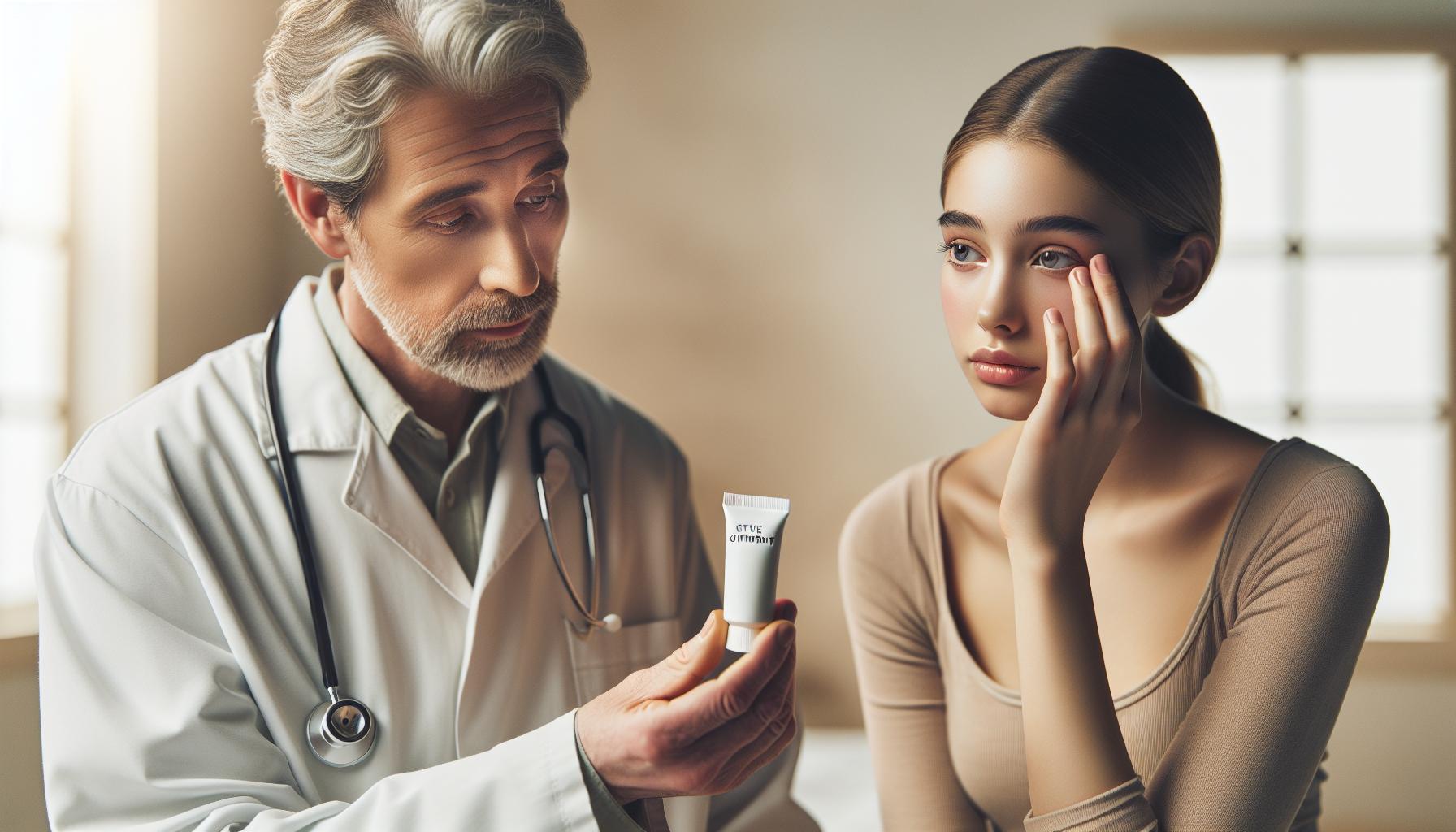
Using stye ointment for pink eye may seem like a simple solution, but it’s important to understand their distinct functions. Stye ointments are specifically formulated to provide relief from the localized infection of a stye, primarily targeting the eyelid area and its clogged oil glands. They often include soothing agents that relieve discomfort and irritation surrounding the stye. However, pink eye, or conjunctivitis, can occur due to viral or bacterial infections, allergies, or irritants affecting the entire eye area, making its treatment more complex.
While some ingredients in stye ointments, like lubricants, might seem helpful for temporarily easing discomfort, they do not address the underlying causes of pink eye. In fact, using stye ointments on pink eye could potentially worsen the condition or delay appropriate treatment. For instance, if pink eye is caused by bacteria, antibiotic eye drops prescribed by a healthcare professional would be more effective. On the other hand, viral pink eye usually resolves on its own, and treatments focus on alleviating symptoms.
To effectively manage pink eye, it’s crucial to identify its specific cause and choose the right treatment accordingly. If symptoms like redness, discharge, and excessive tearing appear, seeking medical advice is vital. Your healthcare provider can prescribe the appropriate medications, such as antibiotic drops for bacterial infections or antihistamines for allergic reactions, ensuring a quicker and more effective recovery.
In summary, while stye ointments serve a purpose in treating styes, they are not suitable for pink eye and may complicate the condition. The best approach is informed and tailored treatment based on professional guidance to promote healthy eyes. Always prioritize a visit to your eye care provider when experiencing any discomfort or unusual symptoms.
Effective Treatments for Pink Eye: What You Need to Know
Pink eye, or conjunctivitis, is a common eye condition that can turn from a mere irritation into a major health concern if not handled properly. With diverse underlying causes, the effective treatment of pink eye hinges on a precise diagnosis. This will determine whether it is caused by bacteria, a virus, allergies, or environmental irritants. Since each type requires a distinct approach, understanding the right methods can empower you to tackle pink eye swiftly and efficiently.
Common Treatments for Pink Eye
- Bacterial Conjunctivitis: This type often results in discomfort and discharge. Treatment typically involves antibiotic eye drops or ointments prescribed by a healthcare professional. It’s essential to complete the full course of antibiotics, even if symptoms improve before finishing the medication.
- Viral Conjunctivitis: Known for being highly contagious, viral pink eye usually resolves within one to two weeks without specific treatment. Symptomatic care is the focus here, which includes using warm compresses to alleviate discomfort and over-the-counter artificial tears to soothe irritation.
- Allergic Conjunctivitis: Triggered by allergens like pollen or pet dander, this type can often be managed with allergy medications such as antihistamines, either taken orally or as eye drops. Keeping away from allergens when possible and using cool compresses can also provide relief.
- Irritant Conjunctivitis: For pink eye caused by irritants like smoke or chlorine, the most effective treatment is to wash your eyes with saline solution and remove the irritant. If symptoms persist, a visit to an eye care specialist is advised.
Self-Care and Home Remedies
In addition to these treatments, there are several home remedies that can help alleviate symptoms:
- Warm or Cool Compresses: Applying a warm compress can help if your eyes feel gritty or irritated, while a cool compress can soothe redness and swelling.
- Avoiding Contact Lenses: If you wear contact lenses, it’s best to refrain from using them until your symptoms clear.
- Good Hygiene Practices: Regular handwashing and avoiding touching the face can significantly reduce the risk of spreading infections.
Regardless of the cause, a critical aspect of managing pink eye involves avoidance-limiting exposure to irritants, practicing cleanliness, and maintaining good eye hygiene. If symptoms escalate or fail to improve, consulting an eye care provider is essential to prevent complications and ensure appropriate treatment. Armed with knowledge and proactive measures, you can navigate the journey of caring for your eye health with confidence.
Home Remedies for Pink Eye: Natural Alternatives
To soothe the discomfort of pink eye naturally, many people turn to home remedies that can be both effective and easy to implement. Understanding how to care for your eyes at home can provide relief from inflammation and redness while supporting overall eye health. One of the simplest yet most effective home remedies is the application of warm or cool compresses. Warm compresses can help alleviate the gritty sensation often associated with pink eye, while cool compresses can effectively reduce redness and swelling. Simply soak a clean cloth in warm or cool water, wring it out, and apply it gently over your closed eyes for 5-10 minutes at a time.
Another beneficial approach is the use of saline solution to rinse your eyes. This can help to remove debris and soothe irritation. You can create a saline solution by dissolving a teaspoon of salt in a cup of distilled or boiled water. Allow the mixture to cool, then use it to flush your eyes. It’s crucial to use sterile materials to avoid introducing new irritants.
Maintaining proper eye hygiene is also essential in preventing the spread of pink eye. This includes frequent handwashing and refraining from touching your face, which can transfer bacteria and irritants to your eyes. Also, avoid sharing towels, pillows, and cosmetics, as these items can harbor the virus or bacteria causing conjunctivitis.
If you’re looking for a more direct strategy, ingredients like chamomile and green tea have anti-inflammatory properties. Brewing these teas and allowing them to cool can create effective home remedies. Use a clean cloth to apply the cooled tea bags to your closed eyes for soothing relief. These natural alternatives not only help alleviate symptoms but also promote a sense of care and comfort during your recovery from pink eye.
When to Seek Professional Help for Eye Issues
Recognizing is crucial to maintaining good eye health. Many women experience eye irritation, redness, or discomfort at some point, often wondering whether a condition like pink eye or a stye might be to blame. While many eye-related issues can be treated at home with simple remedies, some symptoms warrant a visit to your healthcare provider to avoid complications.
If you experience significant pain or swelling around your eyes, it could be a sign of a more serious infection or condition requiring medical attention. Other red flags include persistent symptoms lasting longer than a week, vision changes, or if the discharge from your eye is thick, yellow, or accompanies fever. Additionally, if you develop a stye that doesn’t improve with basic treatments like warm compresses or over-the-counter ointments, it’s advisable to consult a healthcare professional, as sometimes antibiotics may be necessary to treat bacterial infections.
For anyone with a known history of eye problems or specific health conditions, being proactive is especially important. Conditions such as diabetes or autoimmune diseases can complicate eye issues, making it essential to discuss new symptoms with your doctor. Furthermore, if you are wearing contact lenses and notice any discomfort, redness, or excessive tearing, remove the lenses immediately and seek advice from your eye care provider to prevent potential infections.
In summary, understanding your symptoms and being observant can greatly enhance your eye health journey. Don’t hesitate to seek professional help if you have any concerns, as early intervention can prevent more serious complications down the line. Regular eye exams and consultations are key components of maintaining optimal eye health, empowering you to enjoy clear vision and comfort.
Preventing Pink Eye: Tips and Best Practices
Taking proactive steps to maintain your eye health can significantly reduce the risk of developing pink eye, also known as conjunctivitis. This common eye condition is often caused by allergies, bacteria, or viruses and can lead to red, itchy, and watery eyes. By implementing a few simple best practices, you can minimize your chances of encountering this unwelcome issue.
- Maintain Good Hygiene: Regular hand washing is essential. Always wash your hands thoroughly before touching your eyes or handling contact lenses. This simple habit can help prevent the spread of bacteria and viruses that cause pink eye.
- Avoid Touching Your Eyes: Refrain from rubbing or touching your eyes, especially with unwashed hands. If you have rubbed your eyes, wash your hands immediately.
- Be Cautious with Contact Lenses: If you wear contact lenses, ensure they are clean and properly stored. Avoid wearing them while swimming, and never share them with others.
- Use Separate Towels: Use your own towel and avoid sharing personal items like eye makeup and tissues, which can transfer bacteria or allergens.
- Protect Against Allergens: If you are prone to allergic reactions, keep your environment clean and consider using air purifiers to reduce allergens like dust and pollen.
- Avoid Close Contact with Infected Individuals: If someone you know has pink eye, limit your contact with them until they have fully recovered to avoid transmission.
Being informed and vigilant about eye health can significantly decrease your risk of experiencing pink eye. In addition to good hygiene practices, consider incorporating a healthy diet rich in vitamins A, C, and E, which promote eye health. Should you experience any symptoms of pink eye, such as redness or discharge, seeking medical advice early can be key to effective treatment and recovery.
The Role of Hygiene in Eye Health
Good hygiene is your first line of defense against a variety of eye conditions, including pink eye and styes. Simple yet effective practices can significantly reduce your risk of infection and promote overall eye health. For instance, did you know that bacteria and viruses can easily spread from your hands to your eyes? This is why washing your hands frequently and thoroughly is crucial. Always use soap and water for at least 20 seconds, especially before touching your face or eyes, to eliminate any potential pathogens.
Additionally, it’s vital to avoid touching or rubbing your eyes. Even the most hygienic hands can carry irritants or infectious agents that can lead to conditions like pink eye. If you find yourself rubbing your eyes, make a conscious effort to redirect that behavior. Instead, consider using a clean, soft cloth or eye drops specifically designed to soothe irritation. If you’re a contact lens wearer, keep a stringent lens hygiene routine. Ensure your lenses are cleaned properly, and refrain from sharing them with others, as this can lead to contamination.
Using separate personal items like towels, makeup, or eye drops can also help minimize the risk of transferring germs to your eyes. It’s advisable to designate a specific towel for your face and to avoid sharing cosmetics, which can harbor bacteria. Keeping your living environment clean is equally important. Regularly dust and wipe down surfaces to reduce allergens that could contribute to discomfort or eye conditions.
Lastly, if you or someone close to you has pink eye, maintaining distance until recovery is essential. Awareness and mindful practices regarding hygiene can go a long way in maintaining your eye health and preventing conditions like pink eye and styes. By adopting these habits, you empower yourself to better manage and protect your eye health.
Understanding Prescription Treatments for Pink Eye
Understanding effective treatments for pink eye is crucial for maintaining eye health and alleviating discomfort. Pink eye, or conjunctivitis, can stem from various causes, including bacterial infections, viral infections, and allergies. As each type requires different treatment approaches, a proper diagnosis is key. For bacterial conjunctivitis, prescription antibiotics, such as erythromycin or azithromycin, are often recommended to effectively target the infection. These antibiotic eye drops or ointments work by eliminating the bacteria causing the infection, leading to quicker relief from symptoms like redness, swelling, and discharge.
In instances of viral conjunctivitis, the treatment is more focused on symptom relief since antibiotics won’t work against viral infections. Antihistamines or anti-inflammatory eye drops are commonly prescribed to manage irritation and reduce inflammation, especially in allergic cases. Patients should also be aware that, in most cases of viral conjunctivitis, the condition will resolve on its own within a week or two, but supportive measures can enhance comfort during this period.
Key Treatment Options for Pink Eye
- Bacterial Conjunctivitis: Antibiotic eye drops or ointments.
- Viral Conjunctivitis: Symptom relief with antihistamines or anti-inflammatory drops.
- Allergic Conjunctivitis: Antihistamine drops or anti-inflammatory medications.
Patients are encouraged to consult healthcare professionals for personalized advice and treatment options. Self-medication or using treatments meant for other conditions, such as stye ointment, may not provide the desired results and can potentially worsen the symptoms. When in doubt, seek guidance to ensure that the right treatment plan is implemented for your specific needs, paving the way for a smooth recovery. Remember, maintaining good hygiene practices during treatment can significantly reduce the risk of spreading infections, ensuring your eyes stay healthy and comfortable.
Faq
Q: Can stye ointment help with the symptoms of pink eye?
A: Stye ointment is primarily designed to treat styes and may offer temporary relief for mild symptoms of pink eye, such as eyelid irritation. However, it is not an effective treatment for the underlying cause of pink eye. For proper symptoms management, consult a healthcare professional.
Q: How long can pink eye last without treatment?
A: Pink eye can last from a few days to two weeks without treatment, depending on its cause. Viral pink eye usually resolves on its own, while bacterial pink eye may require antibiotic treatment. Monitoring symptoms is essential; seek medical advice if they worsen.
Q: What are the main differences between allergies and pink eye?
A: Allergic conjunctivitis often includes symptoms like itchiness and watery eyes, while pink eye typically involves redness, discharge, and crusting. Identifying symptoms helps determine the appropriate treatment. For a detailed comparison, refer to the “Differences Between Styes and Pink Eye” section.
Q: When should I see a doctor for pink eye?
A: Seek medical attention for pink eye if you experience severe pain, vision changes, or if symptoms persist beyond a week. Prompt evaluation ensures that you receive the proper treatment to avoid complications.
Q: Are there any over-the-counter treatments for pink eye?
A: Over-the-counter treatments for pink eye may include antihistamines for allergy-related symptoms. However, for viral or bacterial infections, prescription medications are often necessary. Consult with a healthcare provider for the right course of treatment.
Q: Can I use stye ointment if I have both a stye and pink eye?
A: Using stye ointment may provide temporary relief for the stye, but it won’t treat pink eye. It’s best to address each condition with appropriate treatments. Consult your doctor for tailored therapy.
Q: What are common causes of pink eye?
A: Common causes of pink eye include viruses, bacteria, allergens, and irritants. Each type requires specific management strategies. For effective treatments, refer to the “Effective Treatments for Pink Eye” section for insights and recommendations.
Q: How can I prevent getting pink eye?
A: To prevent pink eye, practice good hygiene, avoid touching your eyes, and wash hands frequently. Additionally, stay clear of allergens and irritants. For more preventive tips, check the “Preventing Pink Eye” section of the article.
In Conclusion
If you’re still puzzled about using stye ointment for pink eye, you’ve taken an important step toward clarity! Remember, while stye ointments can offer some relief, they are not always the go-to solution for pink eye treatment. Understanding the nuances of eye care is vital for your health. For comprehensive guidance on effective treatments, check out our detailed articles on stye management and pink eye remedies.
Act now-don’t let uncertainty keep you from taking care of your eyes. Explore our resources to find proven solutions and expert advice tailored to your needs. Have questions or personal experiences to share? We encourage you to join the conversation in the comments below! Your engagement helps foster a community where everyone can learn more about maintaining healthy eyes.
Stay informed and empowered by subscribing to our newsletter for updates on women’s health, beauty tips, and more. Navigate your eye care journey with confidence, and don’t hesitate to revisit for further insights that address your ongoing concerns!


