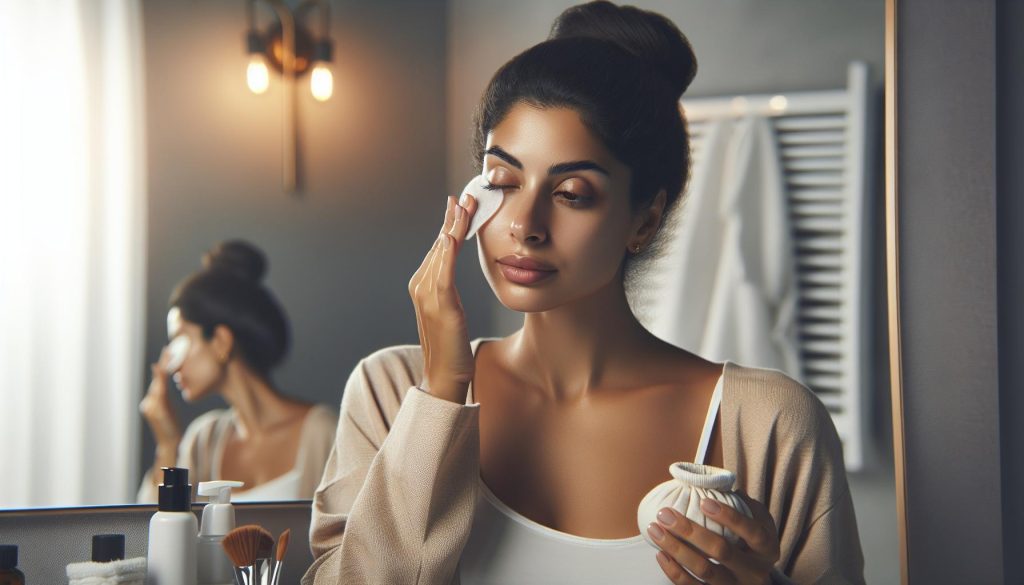
Did you know that lack of sleep can impact not just your energy levels but also your skin and overall health? One common concern that often arises in the context of sleep deprivation is eye styes-those painful bumps that can develop on your eyelids. Understanding the relationship between insufficient rest and the likelihood of developing styes is crucial for maintaining both your eye health and your beauty regimen.
In this article, we’ll delve into the connection between sleep and eye styes, exploring how stress and fatigue can contribute to their formation. If you’ve ever woken up to find a red, swollen eyelid staring back at you, you’re not alone. Many women are affected by styes, especially during hectic periods that disrupt their sleep. Learn how prioritizing rest and adopting effective eye care practices can help you prevent and manage these pesky irritations. Your path to clearer eyes and increased well-being starts here!
Causes of Eye Styes: Understanding Risk Factors
Styes, often an uncomfortable and unsightly irritation, can stem from a variety of risk factors that are crucial to understand. Interestingly, one common cause lies in the functioning of our skin’s oil glands. When these glands in the eyelid become blocked, typically due to bacteria, dirt, or debris, a stye can develop. This blockage creates a breeding ground for bacteria, leading to inflammation and discomfort. Regularly cleaning the eyelid area can help prevent these blockages and mitigate risks.
Another significant factor is personal hygiene. Poor hygiene practices, such as not removing makeup before sleep or touching the eyes with unwashed hands, increase susceptibility to stye formation. It’s essential to keep your hands clean and refrain from rubbing your eyes, which can introduce harmful bacteria. Additionally, underlying health issues such as diabetes or conditions that compromise the immune system can also elevate the risk of developing styes.
Moreover, lifestyle choices play a pivotal role; chronic stress and lack of sleep can weaken the immune system, making you more vulnerable to infections. Ensuring you have a consistent sleep routine not only supports overall health but can also bolster your body’s defenses against styes and other infections. Staying mindful of these risk factors allows for proactive measures to maintain eye health, reducing the likelihood of uncomfortable styes appearing.
How Lack of Sleep Affects Eye Health
Insufficient sleep can significantly impact eye health in ways that many people may not realize. When the body doesn’t receive adequate rest, it struggles to function optimally, and one such area affected is the immune system. A diminished immune response can lead to increased susceptibility to infections, including the bacteria that cause styes. These small, painful lumps form when the oil glands in the eyelids become blocked, creating the perfect environment for bacteria to flourish.
Additionally, lack of sleep can contribute to dry eyes, which might exacerbate existing conditions. Sleep is essential for the eyes to recover and rejuvenate through the production of tears that keep them lubricated. When you’re sleep-deprived, your tear production can diminish, leading to irritation and an overall feeling of discomfort. The result? Increased chances of rubbing your eyes or touching them frequently, behaviors that further elevate the risk of introducing bacteria and developing styes.
Maintaining a consistent sleep pattern is crucial. Aim for 7-9 hours of quality sleep each night, as this promotes optimal health not just for your eyes but for your entire body. Consider implementing a calming bedtime routine that may include practices such as meditation or gentle yoga, which can enhance both relaxation and your ability to fall asleep. Avoiding screens at least an hour before bed can also help in achieving better quality sleep. This combination of self-care will not only improve your sleep but can also play a vital role in lowering the risk of styes and promoting overall eye health.
It’s essential to recognize that while lack of sleep can contribute to the development of styes, paying attention to your rest and eye care routine can set you on a path toward healthier eyes. Prioritize your rest, practice good hygiene, and you may find yourself enjoying clearer, more comfortable eyes as a result.
The Connection Between Stress and Eye Styes
Stress can be a significant contributor to the development of eye styes, though it’s often overlooked. When your body and mind are under pressure, it triggers a cascade of physiological responses that can weaken your immune system. This heightened stress response can lead to inflammation and may disrupt your body’s natural defenses, making it easier for the bacteria that cause styes to take hold in your eyelids.
One of the less obvious links between stress and eye health is how it affects your habits. During stressful times, many people find themselves touching their faces more frequently, whether it’s to rub tired eyes or absentmindedly press their fingers against their eyelids. This increased physical contact can transfer bacteria from your hands to your eyes, heightening the risk of developing styes. Stress also contributes to neglecting basic self-care routines, like maintaining good eye hygiene and getting enough rest-both critical elements in keeping potential infections at bay.
To manage stress effectively and protect your eye health, consider incorporating practices such as mindfulness, exercise, and adequate relaxation into your daily routine. Activities like yoga and meditation not only promote relaxation but also improve overall body function, which can help bolster your immune system. Creating a calming bedtime ritual that includes limiting screen time and embracing a digital detox can also significantly enhance your quality of sleep-another crucial factor in maintaining eye health.
In summary, while styes may seem like minor irritations, understanding the broader connections between stress, hygiene, and overall health can empower you to take proactive steps. By addressing both your stress levels and your eye care routine, you can reduce your chances of experiencing styes and foster a healthier, more comfortable existence.
Do Lifestyle Choices Influence Stye Development?
Certain lifestyle choices play a crucial role in the development of eye styes, often in ways that may be surprising. Your daily habits- from how well you manage stress to your nutrition-can significantly affect your eye health and predisposition to conditions like styes. For instance, inadequate sleep is not merely a cosmetic issue; it can lead to increased inflammation and weakened immune response, which may heighten the risk of infections, including those that contribute to stye formation. Restoring balance in your sleep schedule is a proactive way to help your eyes combat potential infections.
Hygiene Factors
One of the most significant lifestyle factors influencing stye development is hygiene. Poor hygiene practices, such as frequently touching your face or eyes, can transfer bacteria to your eyelids. To combat this, make it a habit to wash your hands thoroughly before touching your face. Creating a makeup-free day or regularly cleaning your eye makeup brushes can also minimize bacteria build-up, supporting a robust defense against stye-causing germs.
Diet and Nutrition
The role of diet in eye health cannot be overstated. Consuming inflammatory foods-like those high in sugar and unhealthy fats-can negatively impact your overall health, including your skin and eyes. A diet rich in antioxidants, vitamins A, C, and E, and omega-3 fatty acids can bolster your immune system and improve skin health around the eyes. Consider incorporating foods such as leafy greens, nuts, and fish into your meals to promote clear eyes and healthy skin.
Stress Management
Lastly, the way you manage stress is vital. Chronic stress can lead to inflammation and contribute to immune deficiencies, making you susceptible to infections. Strategies like mindfulness, physical activity, and hobbies you enjoy can help alleviate stress. Prioritizing these practices not only enhances your mental well-being but also protects your eye health in the long run.
By making mindful choices regarding your lifestyle, you can lessen your risk of developing styes. Simple yet effective changes can make a huge difference, allowing your eyes to thrive in an environment of health and care.
Effective Home Remedies for Eye Styes
Hot compresses are one of the simplest yet most effective home remedies for alleviating the discomfort of an eye stye. By promoting blood circulation and encouraging the drainage of the clogged oil glands, hot compresses can help reduce inflammation and pain. To create a hot compress, soak a clean cloth in warm water, wring it out, and apply it to the affected area for about 10-15 minutes. Repeat this process several times a day to help speed up healing. Ensure the temperature is comfortable to avoid burns; if necessary, test it on your wrist first.
Another helpful remedy is the use of tea bags, particularly green or chamomile tea. The natural anti-inflammatory properties of these teas can assist in soothing irritation. After brewing a tea bag, let it cool slightly and then place it on the closed eye for around 10 minutes. This not only helps reduce swelling but can also provide a calming effect, allowing for a moment of relaxation. Be sure to dispose of the tea bag after use to maintain hygiene.
For those interested in essential oils, diluted lavender or tea tree oil may offer mild antimicrobial benefits. Mix a drop of the essential oil with a carrier oil, such as coconut or jojoba oil, and gently apply it around the stye. However, caution is essential-always dilute essential oils and avoid direct contact with the eye. It’s also wise to perform a patch test on your skin before use to check for any allergic reactions.
Maintaining proper hygiene is critical for stye treatment. Ensure that your hands are clean before touching your face or eyes, and avoid wearing eye makeup until the stye has healed. Additionally, using disposable towels and pillows can help reduce the risk of bacterial spread. In line with gentle care, consider incorporating foods high in antioxidants and omega-3 fatty acids into your diet, such as berries, nuts, and fatty fish, which can promote overall eye health.
By using these home remedies mindfully, you can effectively manage the symptoms of a stye while supporting the healing process. Remember to be patient and listen to your body-if the stye worsens or does not improve after a few days of home treatment, it is important to consult a healthcare professional for further guidance.
Preventing Eye Styes: Best Practices for Eye Care
Ensuring the health of your eyes is not just about what you do when a stye appears; it’s equally about what you do every day to prevent them. One of the key aspects of eye care is maintaining a proper hygiene routine. Start by washing your face daily with a gentle cleanser to remove excess oil and dirt that can clog the glands around your eyes. Make it a habit to wash your hands frequently, especially before touching your face or applying any products. This simple act significantly reduces the risk of transferring bacteria that can lead to stye development.
In addition to hygiene, consider your skincare and makeup routines. If you wear eye makeup, be sure to use a high-quality remover at the end of the day to effectively cleanse your eyelids. Using old or contaminated makeup products can increase your risk of infection, so regularly replace items like mascara and eyeliner. Opt for non-comedogenic products that are less likely to clog pores around your eyes. On the skincare front, moisturizing the area around your eyes can help maintain skin elasticity and overall eye health. Look for products containing ingredients like hyaluronic acid or ceramides for added hydration.
Stress management also plays a pivotal role in maintaining eye health. Chronic stress can exacerbate various health issues, including skin and infection-related problems. Incorporating stress-reducing practices such as mindfulness, yoga, or even a daily walk can benefit not only your mental health but also your skin and eyes. Furthermore, adequate sleep is essential for overall bodily health, including your eyes. Aim for 7-9 hours of quality sleep each night to allow your body to rest and repair. Insufficient sleep can weaken your immune system, making it harder for your body to fend off infections.
Lastly, pay attention to your diet. Consuming foods rich in vitamins A, C, and E, along with omega-3 fatty acids, can promote better eye health. Incorporate leafy greens, carrots, nuts, and fish into your meals, as these foods not only contribute to your overall well-being but also strengthen your body’s defenses against infections like styes. By following these preventive strategies, you empower yourself to protect your eyes and maintain a radiant appearance, steering clear of potential stye troubles.
When to Seek Medical Attention for Eye Styes
Determining when to seek medical attention for an eye stye can be pivotal in preventing complications and ensuring your overall eye health. While styes often resolve on their own, there are specific signs and symptoms that indicate it’s time to consult a healthcare professional. If your stye persists for more than a week or does not show improvement with at-home treatments, such as warm compresses or over-the-counter pain relief, it’s wise to seek medical advice. Persistent styes could signal an underlying issue that requires a doctor’s evaluation.
Additionally, if you experience heightened levels of discomfort, including significant pain or swelling, this can be a sign of an infection that may need medical intervention. Watch for changes in your vision, increased redness of the eye, or if the stye is accompanied by fever; these symptoms suggest a more serious infection, necessitating prompt medical care.
Moreover, individuals with underlying health conditions such as diabetes or those who are immunocompromised should be especially vigilant. Your healthcare provider may prescribe antibiotics or other treatments to assist in your recovery. Remember, the earlier you seek help when symptoms arise, the easier it can be to manage your eye health effectively.
Taking care of your eyes is part of your overall well-being, so don’t hesitate to reach out for professional help when symptoms persist or worsen.
The Role of Diet in Preventing Styes
Maintaining a balanced diet can play a critical role in preventing the formation of eye styes, which are often caused by blocked oil glands. The food you eat not only nourishes your body but also significantly influences your immune system and overall eye health. A diet rich in antioxidants, vitamins, and essential fatty acids can help bolster your body’s defenses against inflammation and infection, potentially reducing the risk of styes.
Incorporate foods high in vitamins A, C, and E, as these nutrients are vital for maintaining healthy skin and mucous membranes around your eyes. Consider adding the following to your meals:
- Leafy greens (like spinach and kale) for vitamin A
- Berries (such as blueberries and strawberries) for vitamin C
- Nuts and seeds (like almonds and sunflower seeds) for vitamin E and healthy fats
Omega-3 fatty acids are another essential component that helps to keep the oil produced by your glands fluid, which may prevent blockage. Foods rich in omega-3s include fatty fish (like salmon and mackerel), flaxseeds, and walnuts. Additionally, staying hydrated is crucial; drinking plenty of water helps your body function optimally and supports healthy skin.
Moreover, be mindful of your sugar and refined carbohydrate intake. High sugar consumption can lead to fluctuations in insulin levels and inflammation, which may contribute to the development of styes. Instead of sugary snacks, opt for whole grains and complex carbohydrates found in foods like brown rice and quinoa. They provide sustained energy as well as additional fiber, which is beneficial for digestive health.
Ultimately, making intentional food choices not only empowers women to take control of their health but also encourages a holistic approach to eye care. By understanding the connection between diet and eye health, you can help minimize your risk of styes and cultivate a more vibrant overall well-being.
Skincare Routines to Support Eye Health
Maintaining a consistent skincare routine is essential for supporting eye health, especially for those concerned about styes. Did you know that a simple series of thoughtful steps can help keep your eyes clean and balanced? A well-structured routine not only emphasizes gentle cleansing but also focuses on hydration and protection to keep the delicate skin around your eyes healthy and stye-free.
Begin by incorporating a gentle cleanser to remove makeup and impurities without stripping the skin of its natural oils. Choose non-comedogenic products that won’t clog pores. Follow this with the use of warm compresses, ideally made with a soft cloth soaked in warm water, applied to the eyes for several minutes. This method helps unclog oil glands, reducing the risk of stye development. For added benefits, consider using an eyelid scrub or a diluted baby shampoo to ensure the eyelid area remains clean.
Hydration and Protection
Hydration is crucial, so opt for a lightweight, hypoallergenic moisturizer specifically designed for the eye area. Look for ingredients such as hyaluronic acid and glycerin that provide intense moisture and help maintain the skin barrier. Sunscreen is equally important; apply a broad-spectrum SPF around the eyes (avoid putting it directly in the eye) to protect against UV damage, which can weaken the skin’s integrity and promote issues like inflammation.
Makeup Considerations
If you wear makeup, consider using mineral-based products that are less likely to irritate or clog your skin. Additionally, always remove your makeup before bed to give your eyes the opportunity to breathe and recover overnight. Regularly clean your makeup brushes and replace old cosmetics to minimize the risk of introducing bacteria around the eye area.
By implementing these skincare strategies, you empower yourself to protect your eye health effectively. A mindful approach to skincare not only helps in preventing styes but also promotes overall well-being and confidence in your appearance.
Debunking Myths: Sleep and Eye Styes
Not getting enough sleep can often lead to a whole host of health issues, but there’s a common misunderstanding when it comes to its direct impact on eye styes. Many believe that lack of sleep directly causes styes, which are small, painful lumps on the eyelid that occur due to the blockage of oil glands. While it’s true that insufficient sleep can weaken the immune system and lead to greater stress levels, thereby making you more susceptible to infections including those related to styes, sleep itself is not a direct cause.
Instead, think of sleep as part of the larger picture of eye health. When your body is well-rested, it fights off bacteria and supports skin repair processes effectively. This is crucial for maintaining the health of your eyelids and preventing blockages. Good sleep hygiene can also reduce stress levels, which have been linked to flare-ups in various skin conditions, including styes.
To ward off the development of styes, prioritize quality sleep by establishing a calming nighttime routine. Keep your sleep environment dark, cool, and free from distractions. Aim for at least 7-9 hours of uninterrupted sleep each night, which will not only support your overall health but also enhance your body’s natural defenses against infections. Coupled with a consistent skincare routine, you’ll create a strong foundation for maintaining optimal eye health.
Increasing awareness about how lifestyle choices, including sleep, affect eye condition is vital. While a single night of poor sleep isn’t a definitive cause for a stye, chronic sleep deprivation could make one more prone to developing them. By debunking these myths and emphasizing the importance of holistic self-care, you empower yourself to take control of your health and well-being.
Long-Term Eye Health: Tips for Better Sleep
A well-rested body not only feels rejuvenated but also significantly contributes to maintaining optimal eye health. Ensuring quality sleep acts as an ally against conditions like eye styes, which are not directly caused by lack of sleep, yet can become more prevalent with chronic sleep deprivation due to weakened immune responses and increased stress. Here are several practical tips to help you cultivate better sleep habits that can ultimately protect your eyes.
- Establish a Consistent Sleep Schedule: Go to bed and wake up at the same time every day, even on weekends. This regularity helps to regulate your body’s internal clock, improving the quality of your sleep.
- Create a Sleep-Inducing Environment: Design your bedroom to be a sleep sanctuary. Keep it dark, cool, and quiet. Consider using blackout curtains, a white noise machine, or earplugs to limit disturbances.
- Limit Screen Time Before Bed: The blue light emitted by screens can interfere with your melatonin production. Aim to shut down electronics at least an hour before bed; instead, opt for calming activities like reading or meditative practices.
- Mind Your Diet: What you consume can affect how well you sleep. Avoid caffeine and heavy meals close to bedtime, as they can lead to restlessness. Instead, consider light snacks that promote sleep, such as bananas or herbal teas.
- Incorporate Relaxation Techniques: Engaging in relaxation exercises such as deep breathing, yoga, or gentle stretching before you sleep can calm your mind and prepare your body for rest.
Even small changes in your daily routine can lead to a more restful night’s sleep, fostering both physical and emotional wellness. Prioritizing sleep not only benefits your overall health but also strengthens your ability to fend off infections and potential irritations that can lead to styes, making it an essential aspect of your self-care routine. Remember, the journey to healthier eyes begins with a well-rested mind and body-so embrace these practices regularly!
Q&A
Q: Can lack of sleep lead to more frequent eye styes?
A: Yes, lack of sleep can weaken your immune system, making your body more susceptible to infections, including those that cause eye styes. Ensuring adequate rest can help maintain overall eye health and prevent styes. For more on the impact of sleep on eye health, see the section on “How Lack of Sleep Affects Eye Health.”
Q: How can I prevent eye styes related to sleep deprivation?
A: To prevent eye styes associated with lack of sleep, establish a regular sleep schedule, avoid late-night screen time, and practice good hygiene, especially around the eyes. This proactive approach will support eye health and reduce the risk of stye development.
Q: Do eye styes heal faster with proper rest?
A: Yes, proper rest can promote faster healing of eye styes. Sleep aids in tissue repair and immune function, enhancing the body’s ability to combat infections. Prioritize getting 7-9 hours of sleep per night to support recovery.
Q: What are common symptoms of eye styes?
A: Common symptoms of eye styes include redness, swelling, and painful lumps on the eyelid, often accompanied by tearing or a burning sensation. Recognizing these symptoms early can help with prompt home treatment or medical consultation, as discussed in the section “When to Seek Medical Attention for Eye Styes.”
Q: Is stress linked to the development of eye styes?
A: Yes, stress can contribute to the development of eye styes by impacting sleep quality and immune function. Managing stress through relaxation techniques and proper sleep hygiene can help reduce the risk of stye formation.
Q: How does diet influence the occurrence of eye styes?
A: A balanced diet rich in vitamins and minerals supports immune health, potentially reducing the risk of eye styes. Incorporate foods high in antioxidants, such as fruits and vegetables, to bolster overall eye wellness, as noted in “The Role of Diet in Preventing Styes.”
Q: Are there specific skincare routines that help prevent styes?
A: Yes, a gentle skincare routine that includes regular cleansing of the eyelids can help prevent styes. Use a mild cleanser and avoid touching your eyes with dirty hands. For more tips on eye care, refer to “Skincare Routines to Support Eye Health.”
Q: What should I do if I feel a stye coming on?
A: If you feel a stye forming, apply a warm compress to the affected area to reduce swelling and promote drainage. Avoid squeezing the stye, as this can worsen the infection. For detailed remedies, check out the section “Effective Home Remedies for Eye Styes.”
Key Takeaways
If you’re dealing with eye styes and wondering about the impact of sleep, remember that prioritizing rest is crucial for your overall eye health. By adopting consistent sleep habits and incorporating preventive care, you can significantly reduce the risk of developing these bothersome styes. Don’t let those sleepless nights sabotage your beauty-your eyes deserve the best care!
For more insights on eye health and effective skincare routines, check out our articles on “Effective Home Remedies for Eye Styes” and “Skincare Essentials for Healthy Eyes.” And while you’re here, consider subscribing to our newsletter for expert tips straight to your inbox. Your journey to beautiful, healthy eyes starts now-invest in your well-being today and explore more of our content to empower your beauty routine!