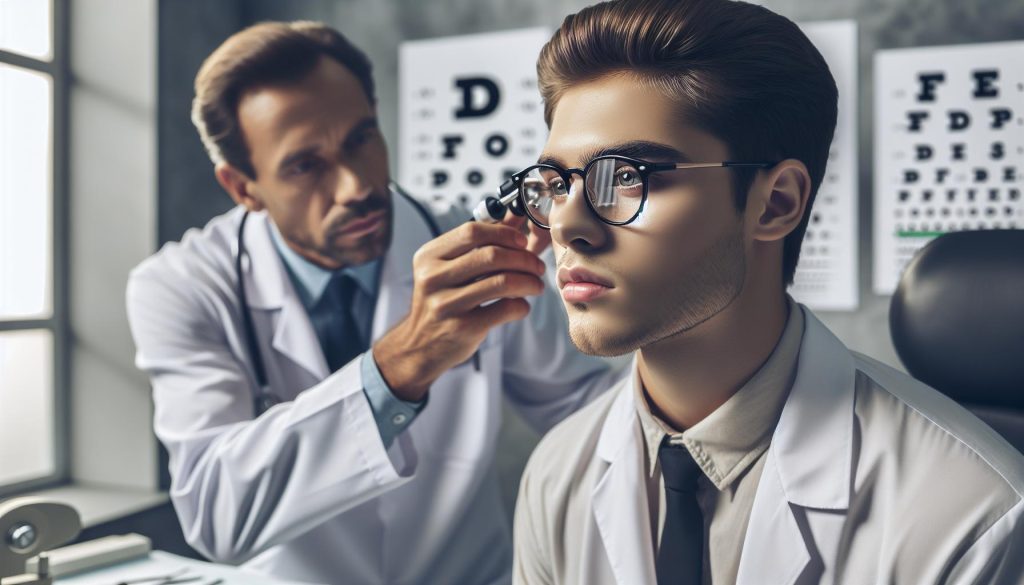
Did you know that stress might not directly cause eye styes, but it can create conditions that increase your risk? As many of us navigate the demands of daily life, our bodies respond to stress in ways we might not always notice, including weakened immune defenses and poor sleep. These factors can contribute to the development of styes, those uncomfortable and unsightly bumps on the eyelid that often signal an infection.
Understanding the connection between stress and styes is crucial for safeguarding your eye health. By recognizing how stress affects our bodies, you can take proactive steps to manage it, potentially reducing the risk of styes and other stress-related issues. Curious about how to protect yourself? Keep reading as we delve deeper into this surprising relationship and explore effective strategies for maintaining both physical and emotional well-being.
Are Eye Styes Caused by Stress? The Surprising Truth Revealed
Stress can often feel like a silent contributor to many health issues, but when it comes to eye styes, the connection may be more nuanced than one might think. While the direct causation of styes from stress remains unsupported, it’s essential to consider the broader implications of stress on your immunity and overall eye health. Stress can weaken your immune system, making you more susceptible to infections, including the bacteria that can lead to styes. Understanding this connection provides an opportunity to explore ways to enhance your eye health through stress management.
When looking at what a stye is-a red, painful lump near the edge of the eyelid caused by an infected oil gland-it’s clear that external factors such as poor hygiene or irritants may play a significant role in their occurrence. However, lifestyle habits often influenced by stress, such as inadequate sleep and neglect of personal care routines, can contribute to an increased risk of developing these bothersome lumps. For example, failing to remove makeup properly or touching the eyes with unwashed hands can introduce bacteria that lead to infections. Therefore, managing stress not only aids in maintaining a healthy immune system but also encourages better eye hygiene and self-care practices.
To tackle the potential impact of stress and promote healthier eyes, consider implementing a few simple lifestyle changes. Practices like yoga, meditation, and mindful breathing can significantly reduce stress levels, subsequently helping you maintain your overall health, including your eye health. Additionally, establishing a consistent skincare routine that includes proper cleaning and moisturizing of the eye area can prevent styes and other irritations. By taking these proactive measures, you empower yourself to take control of your health and enhance your beauty routines, all while diminishing the likelihood of unpleasant concerns like styes.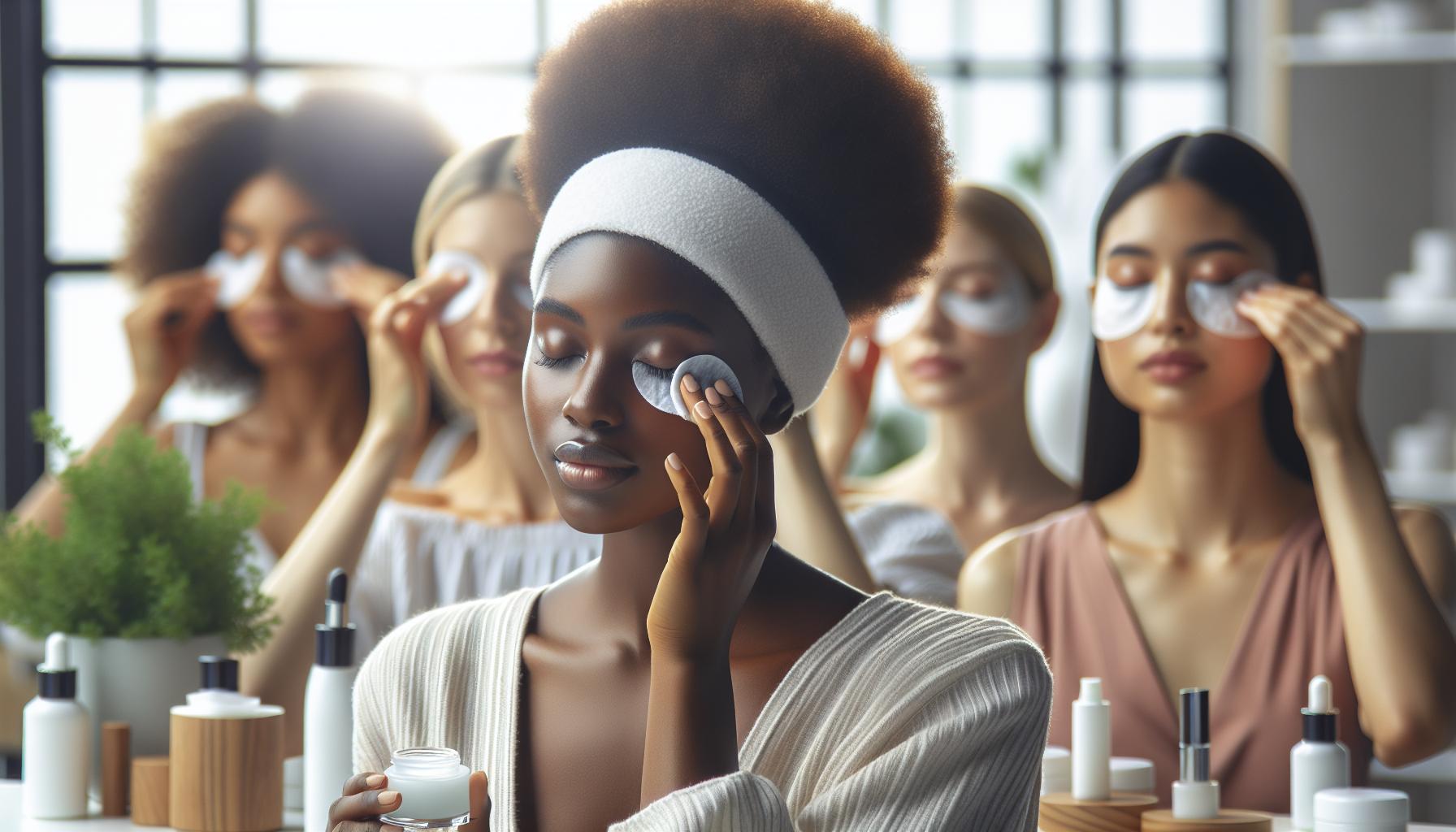
What Are Eye Styes and Their Symptoms?
A stye, often mistaken for a pimple on the eyelid, is a painful red bump that typically forms at the edge of the eyelid or inside it. Caused by an infection of oil glands, styes can result from bacteria such as Staphylococcus, which flourish when hygiene is compromised. This condition can affect anyone, but factors like poor eyelid hygiene, using old makeup products, or not removing eye makeup properly significantly increase the risk. With the dual pressure of busy lives and stress, it’s not uncommon for these basic self-care routines to slip through the cracks, potentially leading to the formation of styes.
In addition to the obvious visible bump, symptoms associated with a stye can include swelling, tenderness, and warmth around the eyelid, as well as discomfort especially when blinking. Some individuals may even experience tearing or a gritty sensation in the eye. While alarming, it’s reassuring to note that most styes resolve within a week or two with proper care, minimizing the worry they often cause. It’s critical to resist the temptation to squeeze or pop a stye; this can worsen the infection or spread bacteria to other areas of the eye, escalating the issue.
To effectively manage and treat styes, adopting good hygiene practices is essential. Regularly washing your hands, avoiding touching the face, and ensuring that makeup brushes and products are clean can help prevent the occurrence of styes. If you do find yourself with one, gentle warmth from a warm compress can alleviate discomfort and promote healing, helping to break down any obstructions in the oil glands. By paying attention to these signals from your body, you can better navigate the delicate balance between stress management and maintaining eye health, ultimately empowering yourself in taking care of your well-being.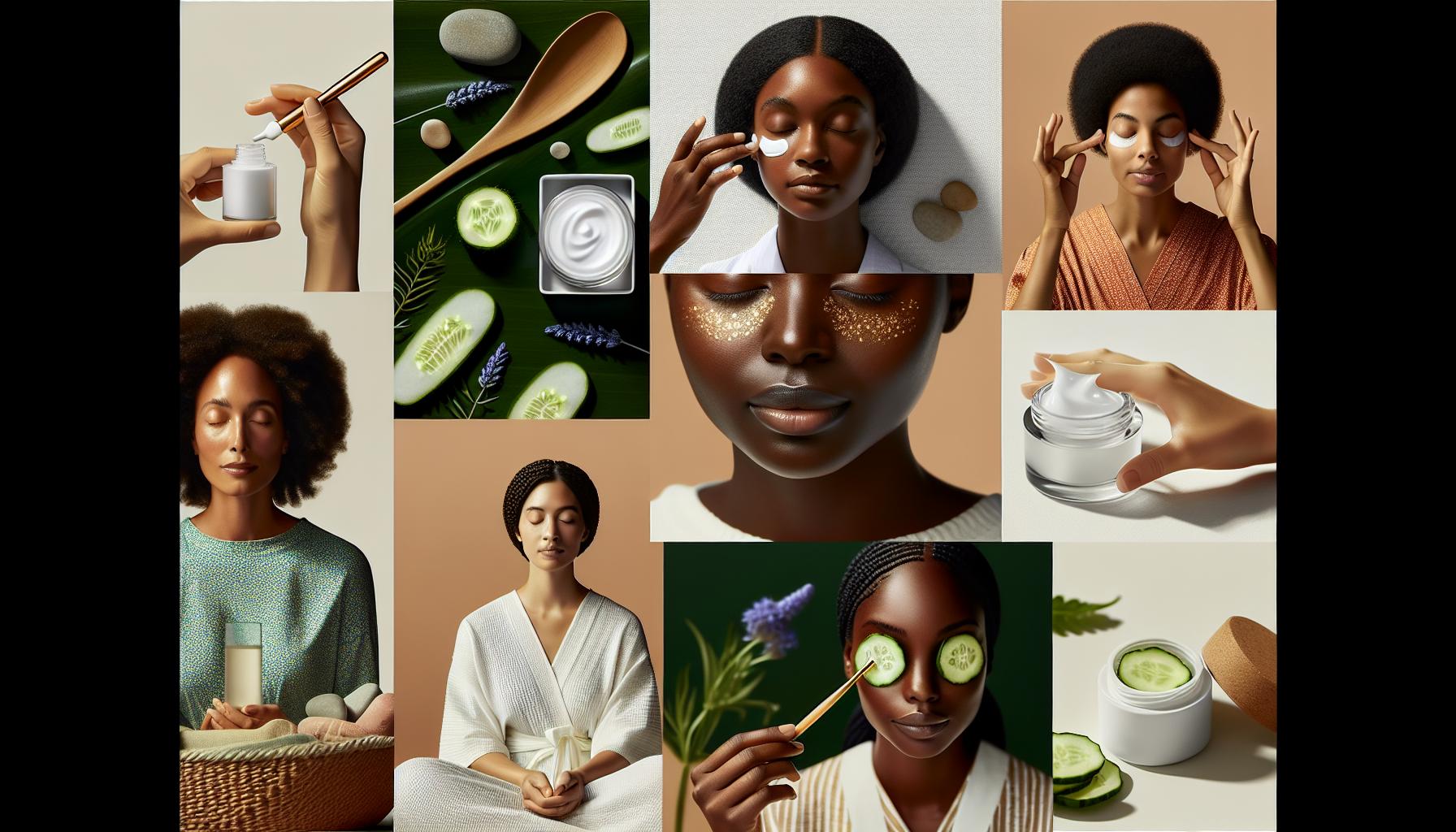
Understanding the Role of Stress in Eye Health
Stress can have a profound impact on various aspects of our health, including our eye health. When you’re overwhelmed, your body goes through a range of physiological changes. These changes can weaken your immune system, making you more susceptible to infections, including those that lead to styes. While stress itself does not directly cause styes, it can set off a chain of reactions in the body that increases the likelihood of developing one. This happens because elevated stress levels can lead to decreased hygiene practices as self-care takes a backseat, leaving you vulnerable to bacterial infections that often trigger styes.
Adopting strategies to manage stress can significantly improve your overall eye health. Engaging in mindfulness practices such as yoga and meditation can help regulate stress levels, promoting a more balanced internal state. Additionally, maintaining a regular sleep schedule plays a vital role in stress management. Lack of sleep not only increases irritability but also hampers the body’s ability to replenish itself, including the immune system’s defenses. Consider incorporating restorative practices into your daily routine, such as taking a few moments in the day for deep breathing exercises or practicing gratitude journaling to shift your focus away from stressors.
It’s also essential to be mindful of how stress manifests in your daily habits. Rushing through a skincare routine or neglecting to properly remove eye makeup can create an environment ripe for styes. Take time to establish a gentle yet thorough eye care routine. Regular cleansing of your eyelids with a mild soap or eyelid scrub can help prevent bacteria buildup around the eyes, especially if you’re prone to stress-induced lapses in hygiene. This proactive approach helps mitigate risk factors associated with stye formation, empowering you to take charge of your eye health.
Lastly, fostering supportive relationships can enhance your emotional resilience. Surrounding yourself with understanding friends and family provides an essential support system during stressful times. Sharing your experiences and concerns can help alleviate some of the burdens, thereby reducing overall stress and its potential impact on your health, including the formation of styes. By integrating these strategies into your routine, you not only improve your eye health but also cultivate a holistic approach to well-being that empowers you in every aspect of life.
Common Myths About Styes and Stress
It’s a common belief that stress is a major culprit behind eye styes, but this might not be the whole story. While stress can indeed play a role in overall health and predisposition to infections, misconceptions abound about its direct connection to the development of styes. Understanding these myths is essential for maintaining both your eye health and emotional well-being.
One prevalent myth is that stress alone can cause a stye. In reality, styes are primarily caused by bacterial infections, often resulting from poor hygiene or blockage of the eyelid glands. Stress may contribute indirectly by affecting hygiene practices; for example, people under stress might neglect proper eye care or sleep, making them more susceptible to bacterial growth. This highlights the importance of maintaining good hygiene and self-care routines, even during stressful times.
Another misconception is that certain emotional states or lifestyle habits exclusively increase the likelihood of developing a stye. While stress can impact your immune system and overall health, it is not the sole factor. Factors such as hormonal changes, certain medical conditions, and even the use of cosmetics can also trigger styes. Therefore, it’s essential to take a multifaceted approach to eye care, focusing on hygiene, nutrition, and emotional well-being all at once.
In navigating the myths around styes and stress, empowering yourself with accurate information is crucial. Instead of succumbing to the belief that stress alone is the enemy, consider adopting balanced self-care practices that promote both mental and physical health. By rooting out these misconceptions, you can better equip yourself to prevent styes and bolster your overall eye health, ensuring that you’re not only looking after your eyes but also nurturing your mind in the process.
The Science Behind Eyelid Conditions
While eye styes are often perceived as merely an annoying cosmetic issue, they are a reflection of complex biological processes occurring within our eyelids. At their core, styes are localized infections typically involving the glands on the eyelids that produce oil, known as Meibomian glands. When these glands become blocked-often due to oil, bacteria, or debris-a stye can develop, presenting as a tender bump filled with pus.
The body’s immune response plays a critical role in the development of styes. When the bacterial infection takes hold, the immune system springs into action, causing inflammation and swelling in the affected area. This inflammatory reaction, while a natural part of healing, can lead to discomfort and redness that make the stye noticeable. Understanding these mechanisms emphasizes the importance of maintaining eye hygiene to prevent blockages and infections.
Another aspect to consider is how systemic health can influence eyelid conditions. For instance, hormonal fluctuations, common during menstrual cycles or menopause, can alter oil production in the glands. This hormonal interplay can create an environment conducive to stye formation. Additionally, underlying conditions such as diabetes can impair the immune response, making individuals more susceptible to both styes and other infections.
Finally, lifestyle choices, particularly stress management, play a pivotal role in eye health. Chronic stress can weaken the immune system, making it harder to fend off infections, including those affecting the eyes. Prioritizing self-care tactics-like good sleep hygiene, balanced nutrition, and mindfulness practices-can reduce stress and improve overall wellness. By integrating these approaches into daily life, you can support the health of your eyelids and reduce the likelihood of styes developing. Moreover, simple daily routines, such as thorough makeup removal and not touching your eyes with unclean hands, can significantly mitigate the risk of styes forming, drawing from the natural synergy between basic hygiene practices and health awareness.
Stress Triggers: How They Affect Your Body
Experiencing stress is nearly universal in today’s fast-paced world, yet many may not realize how deeply it can affect their physical health, particularly concerning eye conditions such as styes. When we face chronic stress, our bodies respond by activating the fight-or-flight response, a biological mechanism designed to help us survive. However, prolonged exposure to stress hormones like cortisol can have adverse effects, including weakened immune function. This means your body may not respond effectively when confronted with infections, making you more susceptible to conditions like styes.
One of the ways stress manifests physically is through increased inflammation. Stress triggers a complex chain reaction in the body, leading to heightened inflammation levels, which can affect various systems, including the skin and eyes. As inflammation spreads, the already sensitive structures of the eyelids can react poorly, potentially blocking glands that lubricate the eyes. This blockage may lead to a build-up of oil and bacteria, creating an environment ripe for stye formation.
To combat the effects of stress on your body and eyes, adopting healthy lifestyle habits is essential. Here are a few practical strategies to consider:
- Mindfulness and Relaxation: Incorporate practices such as yoga, meditation, or deep-breathing exercises into your routine. These techniques can significantly lower stress levels and promote a better immune response.
- Physical Activity: Regular exercise is not only great for overall health but also helps to relieve stress. Aim for at least 30 minutes of moderate exercise most days of the week.
- Nutrition: A balanced diet rich in antioxidants found in fruits and vegetables can help reduce inflammation. Consider foods high in omega-3 fatty acids, like salmon, which support immune health.
- Sleep Hygiene: Prioritize good sleep habits by ensuring you get adequate rest each night. Aim for 7-9 hours of quality sleep, as this is when your body undergoes critical restorative processes.
By understanding how stress affects your body, particularly in relation to eye health, you can take proactive steps to mitigate its impact. Creating a balanced routine that includes stress management techniques can empower you to maintain both your mental well-being and the health of your eyes. Remember, when you treat your body with care and attention, you not only enhance your eye health but also foster a sense of overall well-being.
Lifestyle Changes to Reduce Stress and Styes
To promote overall wellness and mitigate the risk of eye styes, embracing a holistic lifestyle approach is vital. Simple yet effective changes in daily habits can significantly lower stress levels, enhance immune function, and support eye health. One powerful strategy is to engage in regular physical activity, which not only improves cardiovascular health but also releases endorphins-your body’s natural mood lifters. Aim for at least 30 minutes of moderate exercise most days of the week, whether that means brisk walking, dancing, or yoga, which also incorporates relaxation techniques to ease stress.
Incorporating mindfulness practices can serve as a robust buffer against stress. Activities such as meditation, deep breathing exercises, and even journaling can help center your thoughts, reduce anxiety levels, and provide a much-needed emotional reset. Creating a dedicated space for mindfulness in your home can make this practice even more inviting. Start with just a few minutes a day and gradually increase your practice as you become more comfortable.
Nutrition plays a pivotal role too; consider making dietary adjustments to emphasize anti-inflammatory foods. A colorful variety of fruits and vegetables should adorn your meals, while omega-3 rich foods like salmon, walnuts, and flaxseeds can bolster your immune system. Additionally, staying hydrated and limiting sugar intake can further minimize inflammation, reducing the likelihood of stye outbreaks. Remember, each small step towards healthier eating contributes to both your overall health and eye care.
Lastly, never underestimate the importance of restorative sleep. Aim for 7-9 hours of quality rest each night by establishing a nighttime routine that encourages relaxation-dim the lights, keep screens away, and indulge in a good book or calming herbal tea. Good sleep hygiene not only rejuvenates your body but also enhances your immune response, providing your body with the strength needed to fend off potential infections that could lead to styes. Embracing these lifestyle changes can empower you to reclaim control over your health and well-being.
Natural Remedies for Eye Styes at Home
A stye can be an uncomfortable and unsightly nuisance, often leading many to seek immediate relief. Fortunately, there are several effective natural remedies that can help soothe symptoms and promote healing at home. These gentle methods not only target the stye directly but also support overall eye health, making them great options for those who prefer to manage minor issues before seeking professional help.
One of the most popular home remedies is the application of warm compresses. Simply soak a clean cloth in warm (not hot) water and gently place it over your closed eyelid for 10-15 minutes, several times a day. This can help to increase blood circulation, soften the blockage in the gland, and promote drainage. Another benefit of warm compresses is their ability to provide immediate comfort by soothing inflamed areas.
Gentle Eye Care Practices
In addition to warm compresses, maintaining excellent hygiene is crucial. Always wash your hands before touching your face, and avoid squeezing or attempting to pop the stye, as this can lead to further infection. Instead, consider using a mild, tear-free baby shampoo mixed with water to gently cleanse the eyelids. This can help remove dirt and excess oils while preventing future clogs in the oil glands.
Using certain natural ingredients can also aid in reducing inflammation and pain. For instance, chamomile tea bags can be cooled and placed on the affected eye. Chamomile is known for its anti-inflammatory properties, offering soothing relief and promoting healing. Similarly, applying aloe vera gel can be beneficial due to its antibacterial and anti-inflammatory effects. Just ensure that you’re using 100% pure aloe vera, and avoid applying it on open wounds.
What to Avoid
While these natural remedies are safe for most individuals, be cautious with topical applications. Avoid using makeup or eye creams until the stye has completely resolved, as these can irritate the area further and introduce bacteria. Additionally, steer clear of DIY remedies that involve harsh substances or excessive scrubbing, as these can damage sensitive skin and exacerbate inflammation.
Many women worry about the impact of stress on their overall health, including eye conditions like styes. By integrating these natural remedies, you’re not only treating the symptom but also taking proactive steps to support your eye health and reduce potential stress triggers. Following a gentle care routine and allowing your body to heal naturally empowers you to address health concerns effectively while fostering a sense of calm amidst the chaos of daily life.
When to Seek Medical Help for Styes
Experiencing a stye can understandably cause concern, especially if it lingers longer than expected. While many styes resolve on their own within a week or two, there are specific signs and symptoms that indicate when it’s time to seek professional medical assistance. If the stye is not responding to home treatments, such as warm compresses, or if it continues to grow in size, it’s essential to consult an eye care professional for further evaluation.
One important factor to consider is the presence of severe pain or swelling that extends beyond the eyelid. If you notice that the area around the stye becomes significantly red, warm to the touch, or exhibits pus drainage, these could indicate an underlying infection that requires medical intervention. Additionally, if you start to experience changes in your vision or excessive tearing, these symptoms should not be ignored. They may suggest a more serious condition that requires prompt attention.
Another situation that warrants a visit to the doctor is if styes appear frequently or if they recur in quick succession. This pattern may indicate an issue with the oil glands in your eyelids or an unresolved underlying health condition, potentially linked to stress or other lifestyle factors. Seeking professional insight can help identify and address these root causes, which can be essential for maintaining your overall eye health.
Lastly, any stye that persists beyond a couple of weeks without improvement should be assessed by a medical professional. They can provide treatments that may include prescription medications or, in some cases, minor surgical procedures to drain the stye. By being proactive in these situations, you empower yourself to take control of your eye health and mitigate any complications that could arise from untreated conditions.
Preventive Measures for Healthy Eyes
Maintaining the health of your eyes is crucial, especially as they can often reflect underlying issues exacerbated by stress. Adopting preventive measures can reduce your susceptibility to conditions like styes and promote overall eye health. Simple daily habits can have a profound impact on your emotional well-being while also safeguarding your vision.
To start, practicing good hygiene is essential for eye health. Always wash your hands thoroughly before touching your face or eyes to minimize the risk of transferring bacteria that can lead to styes. Regularly changing and washing pillowcases and towels can also prevent bacterial buildup. Additionally, ensure your eye makeup is fresh and not expired-discard any products that are older than three months.
Another vital aspect is hydration and nutrition. Drinking plenty of water helps maintain optimal moisture levels in your eyes, while a diet rich in omega-3 fatty acids, vitamins A, C, and E, can support overall eye function. Foods like salmon, spinach, and carrots should be staples in your meals. Moreover, incorporating foods high in antioxidants can help combat oxidative stress, potentially reducing the risk of eyelid conditions.
Stress management techniques can’t be overlooked. Engage in relaxation practices such as yoga, meditation, or regular physical activity, which not only enhances mental well-being but also contributes to a more robust immune system. Lowering stress can reduce the likelihood of various health issues, including those affecting your eyes.
Lastly, consider regular eye exams. Routine check-ups with an eye care professional can detect early signs of potential problems and offer tailored advice to promote better eye health. By taking pro-active steps in your eye care routine, you empower yourself to enjoy clearer vision and better well-being, effectively tackling the connection between stress and eye conditions comprehensively.
The Connection Between Eye Care and Stress Relief
The eyes are often viewed as a window to our health, reflecting both our emotional state and physical well-being. Therefore, caring for your eyes is not just a matter of regular check-ups and hygiene; it’s also about embracing practices that alleviate stress, which can have a profound impact on their health. Studies reveal that stress does not cause eye styes directly, but it can weaken your immune system, making you more susceptible to infections and conditions that affect eye health, including styes [1[1].
Integrating mindfulness and relaxation techniques into your daily routine can be a game-changer for both your emotional health and your eyes. Consider adding activities like yoga or meditation to your schedule. These practices not only help to reduce stress but also encourage better blood circulation and relaxation, which can contribute to a more vibrant appearance of the eyes. Taking these moments for yourself allows you to disconnect from daily stressors, improving focus and clarity while also enhancing your overall well-being.
A well-rounded approach to nutrition is essential as well. Foods rich in omega-3 fatty acids, antioxidants, and vitamins A, C, and E not only support optimal vision but also bolster your body’s defenses against stress-induced issues. Hydration plays a crucial role too; drinking sufficient water ensures that your eyes remain moist and resilient, reducing the likelihood of irritation that can occur under stress. Additionally, establishing a consistent skincare routine that includes gentle eye care helps in maintaining the skin around the eyes, which can also reflect stress levels.
Incorporating these strategies does more than just protect your eyes; it creates an empowering cycle of well-being. When you prioritize your eye health, you boost your confidence and give yourself the tools to manage stress more effectively. Taking small, mindful actions daily can lead to a significant reduction in stress impacts on your overall health, ensuring your eyes not only look good but feel good too.
Skincare Routines for Eye Health Enhancement
Maintaining a skincare routine specifically designed for eye health is essential for preventing issues like styes and promoting overall well-being. The delicate skin around the eyes is prone to irritation and infection due to its thinness and proximity to oil glands. Implementing a few simple yet effective practices can significantly enhance your eye health and reduce your susceptibility to conditions exacerbated by stress.
To start, cleansing is crucial. Gently wash your eyelids and the area around your eyes at least once a day using a mild, hypoallergenic cleanser. Avoid harsh soaps that can strip moisture and irritate your skin. Incorporate a warm compress for a few minutes daily; this not only feels soothing but also helps unblock oil glands, preventing them from becoming infected. It’s a simple action that goes a long way in maintaining the health of your eyelids.
Another important element is hydration. Keeping the skin around your eyes well-hydrated helps maintain its integrity and resilience. Opt for eye creams that contain ingredients like hyaluronic acid or glycerin, which can draw moisture into the skin. Products enriched with antioxidants such as vitamin C and E can combat oxidative stress and improve the appearance of your under-eye area, promoting a more youthful and vibrant look.
Finally, don’t underestimate the importance of protection. When venturing outdoors, wearing sunglasses with UV protection not only shields your eyes from harmful rays but also prevents dryness and irritation caused by environmental factors. Additionally, consider a gentle exfoliation routine once a week to remove dead skin cells and promote renewal. Look for exfoliants designed specifically for the eye area to ensure they’re safe and effective.
By embracing these simple yet powerful skincare practices, you can enhance the health of your eyes and mitigate the stresses that may contribute to conditions like styes. Prioritizing this aspect of your self-care routine fosters a sense of empowerment, not just in how you look but in how you feel-a vital step in managing both stress and beauty.
Empowering Women: Caring for Your Eyes and Mind
The health of our eyes goes hand in hand with overall well-being, especially for women who often juggle multiple responsibilities. Empowering women to take care of their eyes and mind involves a holistic approach that encompasses not only eye care but also mental health strategies. Stress can play a significant role in various health issues, including conditions like styes, which are painful bumps on the eyelid. By understanding the interconnectedness of physical and mental health, women can take proactive steps to enhance both.
Creating a nurturing routine for your eyes begins with daily habits that prioritize their health. Regularly cleansing the eyelids with soothing properties can prevent blockages and infections. Use a hypoallergenic cleanser to avoid irritation, and consider incorporating warm compresses into your routine to relieve tension while promoting circulation and oil drainage. Alongside these practices, using moisturizers with beneficial ingredients such as hyaluronic acid helps to maintain moisture levels in the delicate skin around your eyes.
Equally important is the reduction of stress in your daily life. Practices such as mindfulness, yoga, or even simple breathing exercises can significantly decrease stress levels, contributing to better overall eye health. Engaging in regular physical activity is another effective way to manage stress; even a brisk walk can boost endorphins and clear your mind. Remember that mental clarity and emotional well-being directly influence physical health, reinforcing the idea that caring for your mind equally nurtures your body.
Additionally, a balanced diet enriched with omega-3 fatty acids, antioxidants, and vitamins can work wonders for your eye health. Foods like salmon, leafy greens, and nuts not only improve skin and eye resilience but also support cognitive function and mood. Integrating these nutritional elements with your skincare routine forms a comprehensive approach to both beauty and emotional health, reinforcing the belief that caring for yourself holistically empowers you to face life’s challenges with confidence.
Faq
Q: Can stress lead to more frequent eye styes?
A: Yes, stress can contribute to the frequency of eye styes. Stress influences the immune system and may disrupt skin health, making the eyelids more susceptible to infections, leading to stye development. Consider implementing stress management techniques, such as meditation or yoga, to help reduce this risk.
Q: What should I do if I notice a stye on my eye?
A: If you notice a stye, apply a warm compress to the area several times a day to promote drainage and relieve discomfort. Avoid squeezing the stye. If it worsens or persists after several days, consult a healthcare professional for further advice. This information correlates with the “When to Seek Medical Help for Styes” section.
Q: Do home remedies effectively treat eye styes?
A: Many home remedies, like warm compresses, can effectively ease the symptoms of styes. However, they may not eliminate the underlying infection. For persistent issues, consult a healthcare provider. Explore additional treatments in the “Natural Remedies for Eye Styes at Home” section of the article.
Q: Are there dietary changes that can help prevent styes?
A: Yes, maintaining a balanced diet rich in vitamins A, C, and E can support eye health and potentially prevent styes. Incorporating foods like leafy greens, nuts, and citrus fruits can contribute to overall wellness. Consider reviewing the “Lifestyle Changes to Reduce Stress and Styes” section for more tips.
Q: How can I tell if a stye is infected?
A: An infected stye often appears red, swollen, and may produce pus or cause significant pain. If you experience increasing discomfort, fever, or the stye does not improve within a few days, seek medical attention to prevent complications. This ties into the “When to Seek Medical Help for Styes” guidance.
Q: What role does sleep play in preventing styes?
A: Adequate sleep is crucial for maintaining a strong immune system. Poor sleep can increase stress levels and susceptibility to infections, including styes. Aim for 7-9 hours of quality sleep each night to support overall eye health and well-being.
Q: Can eye styes occur without any noticeable symptoms?
A: Yes, in some cases, an early stye may not present noticeable symptoms initially. However, watch for redness or tenderness, which typically accompany the development. Regular eyelid hygiene can help prevent stye formation. For more preventive measures, refer to the “Preventive Measures for Healthy Eyes” section of the article.
Q: How often should I wash my eyelids to prevent styes?
A: It is recommended to wash your eyelids gently daily with a mild soap or eyelid scrub, especially if you are prone to styes. This practice can help remove oils and debris, reducing the risk of blockage and infection. Read more in the “Skincare Routines for Eye Health Enhancement” section.
The Way Forward
Eye styes can be both frustrating and painful, but understanding their causes-like stress-is the first step in effective management. If you’re looking for proactive ways to prevent styes or improve your eye health, check out our guides on natural eye care remedies and stress management techniques. Don’t let discomfort linger; explore these resources and empower yourself with knowledge that promotes well-being.
If you found this information helpful, be sure to subscribe to our newsletter for more insights on women’s health and beauty topics. Have questions or experiences to share? Leave a comment below! Remember, taking small steps today can significantly impact your overall eye health tomorrow. Stay informed, stay healthy!