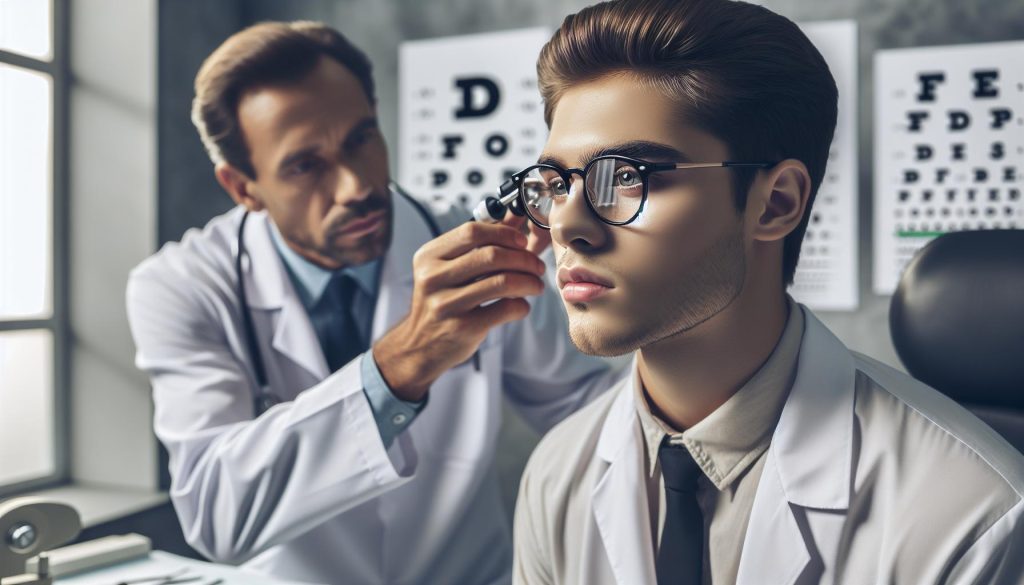
Experiencing discomfort from an eye stye can be frustrating and concerning, often leaving you wondering about the best ways to manage the pain. Eye styes, small bumps on the eyelid caused by clogged glands, can lead to irritation and swelling, impacting your daily life. Understanding their symptoms and learning how to alleviate discomfort is essential for maintaining your eye health and overall well-being.
If you’ve ever felt the nagging ache of a stye or worried about how it might affect your appearance, you’re not alone. Many women face this issue, and finding effective ways to soothe the discomfort can be transformative. In this guide, we’ll explore practical, research-backed strategies to help you manage stye pain and improve your comfort. From at-home remedies to professional advice, we’re here to empower you with the knowledge you need to take control of your eye care. Continue reading to discover how to alleviate the discomfort and support your eye health like a pro.
Are Eye Styes Painful? Understanding the Discomfort
Experiencing an eye stye can be both surprising and uncomfortable. Often arising abruptly, these small, painful lumps located on the eyelid are caused by an infection of the oil glands. This discomfort can vary widely; for some, it may feel like a persistent itch, while for others, it resembles a sharp pain that becomes increasingly distracting throughout the day. Understanding the nature of this discomfort is the first step toward managing it effectively and maintaining your daily routine.
The pain associated with a stye typically begins as a gentle sensitivity that might be mistaken for mere fatigue. As the infection progresses, the affected area can become red, swollen, and tender. It might feel like there’s a foreign object in your eye, which only adds to the discomfort. Some individuals might also notice increased tearing or light sensitivity, making it challenging to engage in regular activities. This sensation can serve as a reminder to be mindful of eye health and hygiene, as styes often point to clogged glands or bacteria buildup.
To alleviate discomfort, several gentle and natural remedies can be employed. Applying a warm compress can provide soothing relief, encouraging drainage and reducing inflammation. This simple yet effective approach not only eases pain but can also promote healing. Additionally, maintaining proper hygiene by regularly cleaning your eyelids with mild soap or eyelid wipes can help prevent further irritation or recurrences. With an understanding of the discomfort associated with styes, it’s possible to take proactive steps to manage pain and maintain eye health.
What is an Eye Stye? Symptoms and Causes
A stye, which is a common eye ailment, often appears as a small, red bump on the eyelid that can be both painful and aesthetically concerning. This occurrence is primarily due to the blockage and subsequent infection of the oil glands present at the base of your eyelashes. When these glands become clogged-often by bacteria, dead skin cells, or oil-swelling and redness ensue, leading to that pesky lump that we recognize as a stye.
The symptoms accompanying a stye can vary but typically include a combination of pain, swelling, and tenderness in the affected area. You may also notice increased tearing, light sensitivity, and sometimes even blurred vision if the pus from the stye spreads across the eye surface. It’s important to remember that while styes usually resolve on their own within a few days, the discomfort can be quite bothersome, prompting the need for effective management strategies.
Understanding the causes of styes is crucial for prevention. In addition to poor eyelid hygiene, factors such as hormonal changes, use of outdated cosmetics, or even specific medical conditions like rosacea can contribute to their development. Addressing these underlying issues not only helps in the immediate relief of symptoms but also plays an essential role in reducing the risk of future occurrences. Maintaining a consistent eyelid care routine, which may involve gentle cleaning of the eyelids and proper disposal of old makeup, can make a significant difference in your eye health and overall comfort.
Do Eye Styes Hurt? Exploring the Pain Factor
Experiencing discomfort from a stye can feel like being caught between annoyance and pain, and understanding the nature of this pain can empower you to manage your symptoms effectively. A stye typically arises due to inflammation or infection of the oil glands on your eyelid, leading to a red, swollen bump that can become tender to the touch. The pain associated with a stye varies from person to person; some might describe it as a dull ache that exacerbates when blinking, while others report a sharper, more intense discomfort.
The underlying cause of the pain is often linked to the body’s immune response as it attempts to fight off the bacteria causing the stye. This immune response leads to inflammation, which is both a protective measure and the source of that irritating pain. Along with the obvious redness and swelling, you may also experience sensitivity to light or increased tearing, which can make daily activities difficult.
Managing this discomfort effectively involves several practical steps. Applying a warm compress to the area can significantly relieve pain and facilitate drainage. Simply soak a clean cloth in warm water, wring it out, and place it over your closed eyelid for 10-15 minutes several times a day. Additionally, over-the-counter pain relievers such as ibuprofen or acetaminophen can alleviate the pain, making you feel more comfortable. However, it’s essential to avoid squeezing or trying to pop the stye, as this can lead to further infection and prolonged discomfort.
For many women, understanding their bodies and the unique experiences of their health is empowering. Being proactive about styes includes practicing good eyelid hygiene, avoiding the use of old or contaminated cosmetics, and reducing stress factors that may exacerbate oil gland blockage. By incorporating these strategies, you can navigate the discomfort of styes with greater confidence and ease.
Top Home Remedies to Alleviate Stye Discomfort
Applying a warm compress is one of the most effective and comforting remedies for alleviating discomfort from a stye. The warmth helps improve blood circulation in the area, promoting healing while softening any hardened oil or pus that may be blocking the gland. To create a warm compress, soak a clean cloth in warm (not hot) water, wring it out, and gently place it over your closed eyelid for about 10-15 minutes. Repeat this 3-4 times a day to relieve pain and facilitate drainage.
In addition to warm compresses, consider using an eyelid scrub made from baby shampoo or commercial eyelid scrub pads, which can help keep the area clean and free from irritants. Gently wash your eyelids with mild soap and water, being careful not to irritate the stye further. This can prevent any buildup of bacteria and reduce the chances of future occurrences.
Another helpful remedy is the application of aloe vera gel. Known for its soothing and anti-inflammatory properties, aloe vera can be applied directly to the affected area. Use a clean finger or cotton swab to apply a small amount, taking care to avoid direct contact with your eye. This natural remedy not only provides relief but also helps soothe the skin around the stye, reducing redness and swelling.
Lastly, maintaining hydration is vital for overall eye health. Drinking plenty of water can support your body’s healing process and keep your skin hydrated. Aim for at least eight glasses a day, and consider incorporating foods high in omega-3 fatty acids, like fish, flaxseeds, and walnuts, which can enhance your body’s healing capabilities. By integrating these home remedies, you not only manage the discomfort effectively but also empower yourself with knowledge and care strategies that support your eye health.
When to Seek Medical Attention for a Stye
When dealing with an eye stye, it’s essential to recognize when it’s time to consult a healthcare professional. While many styes can be managed effectively at home with simple treatments, certain signs indicate that you should seek medical attention. For instance, if your stye persists for more than a week, despite your best efforts, this could signal a more severe underlying issue that warrants professional evaluation.
Additionally, if you notice swelling that extends beyond your eyelid, or if you experience significant pain or discomfort that interferes with your daily activities, a visit to the doctor becomes important. These symptoms can indicate an infection that may require antibiotics or other medical interventions. Always take note if you experience vision changes or an increase in redness or soreness in the eye area, as these are serious concerns that necessitate prompt medical attention.
For those experiencing recurrent styes, it may be beneficial to discuss this pattern with an eye care specialist. They can assess your overall eye health, evaluate any potential underlying conditions, and suggest preventive measures tailored to you. Remember that your health is paramount, and proactive care is crucial to maintaining your well-being. Don’t hesitate to reach out when something feels off; your eyes deserve expert attention when needed.
Preventive Measures: How to Avoid Future Styes
To maintain healthy eyes and minimize the risk of developing future styes, adopting proactive and mindful practices can go a long way. Styes often arise from blocked oil glands, irritation, or bacteria, making cleanliness and eye care paramount. One of the simplest yet most effective preventive measures is to practice good hygiene. Always wash your hands thoroughly before touching your face or eyes. Regularly cleanse your eyelids using a gentle cleanser or commercially available eyelid wipes to remove excess oil and debris. This routine not only reduces the chance of blockage in your oil glands but also keeps the area around your eyes free of bacteria.
Another significant factor in stye prevention is being cautious with makeup and skincare products. Avoid sharing cosmetics or tools like eyeliner brushes and mascara wands, as these can harbor bacteria. Make a habit of replacing eye makeup every three months to prevent potential buildup of harmful microbes. When applying makeup, ensure that your brushes and applicators are clean and well-maintained, as dirty tools can transfer bacteria to your eyes.
Furthermore, paying attention to your overall health can impact eye health as well. Hydration is crucial; drinking plenty of water helps maintain skin health, including the delicate skin around your eyes. Adequate sleep is equally important as it helps your body recover and supports a robust immune system that can fend off infections. Consider implementing a nutritious diet rich in antioxidants, such as fruits and vegetables, which can bolster your body’s defenses against common irritants and infections.
Protective Measures and Environmental Considerations
Protecting your eyes from environmental factors is also essential. Wearing sunglasses that block UV rays can shield your eyes from potential sun damage and irritation that might lead to styes. If you frequently find yourself in dusty or polluted areas, consider wearing protective eyewear. Additionally, if you use contact lenses, ensure you follow proper hygiene guidelines to avoid irritation and the possibility of developing a stye.
By integrating these daily practices into your routine, you create an environment less conducive to stye development, empowering yourself with the knowledge and habits to maintain optimal eye health.
Lifestyle Changes to Support Eye Health
Making mindful lifestyle choices can significantly enhance your overall eye health and help minimize the risk of developing styes. Incorporating a few simple habits into your daily routine can go a long way in promoting the well-being of your eyes. For instance, ensuring that you have a balanced diet rich in essential nutrients not only supports your immune system but also contributes to healthier skin around your eyes. Foods high in omega-3 fatty acids, such as salmon and walnuts, as well as those rich in vitamins A, C, and E, like carrots and spinach, can help maintain the integrity of your eye tissues.
Additionally, hydration is key. Staying well-hydrated can significantly improve the condition of your skin, including the delicate areas around your eyes. Water helps to flush out toxins and maintain moisture levels, reducing the risk of irritation that might lead to stye development. Aim to drink at least eight glasses of water a day, adjusting based on your activity level and climate.
Moreover, managing stress effectively can bolster your eye health. High stress levels can affect your immune system, making you more susceptible to infections, including those that can lead to styes. Engaging in relaxation techniques such as yoga, meditation, or even simple breathing exercises can lower stress and promote a sense of well-being. Regular exercise not only enhances circulation, which is beneficial for eye health, but also supports overall physical and mental health.
Lastly, consider the impact of your sleeping habits. Quality sleep aids in the body’s recovery processes, including those that fight off infections. Aim for 7-9 hours of restorative sleep nightly to support your body’s defense against irritants and infections that could compromise eye health. Implementing these lifestyle changes can empower you to take charge of your eye health, reducing the likelihood of discomfort from conditions like styes.
Choosing the Right Eye Care Products for Styes
Selecting the right eye care products is crucial for managing and preventing eye styes, which can be uncomfortable and frustrating. Understanding the specific needs of your eye area will help you choose products that soothe irritation and reduce the risk of stye formation. The delicate skin around your eyes requires gentle yet effective care, so consider opting for products that contain calming ingredients and avoid harsh chemicals.
Gentle Cleansers
Using a mild, non-irritating cleanser can help keep your eyelids clean and free from excess oil and debris that contribute to stye formation. Look for formulations that are hypoallergenic and sulfate-free. Avoid products with strong fragrances, as these can irritate the sensitive skin around your eyes. A basic saline solution or eyelid wipes designed for sensitive skin can also be a good option for daily cleansing.
Moisturizers
Hydration is key to maintaining skin health, including around your eyes. Choose an eye cream or gel that is lightweight and non-comedogenic to avoid clogging pores. Look for ingredients like hyaluronic acid or glycerin, which help retain moisture without feeling greasy. This can support the skin barrier and may reduce the tendency for styes to develop by ensuring that the skin retains its natural balance.
Warm Compresses
Incorporating warm compresses into your routine can provide relief if you already have a stye. Consider investing in a reusable eye mask or heating pad specifically designed for the eyes. Applying warmth can help to unclog oil glands and promote drainage, alleviating discomfort and promoting faster healing.
Ointments and Treatments
When dealing with an active stye, topical treatments may be beneficial. Products containing chamomile or calendula can soothe irritation, while antibiotic ointments may help prevent secondary infections. Always consult a healthcare professional before starting any new treatments to ensure they are appropriate for your situation.
By choosing products thoughtfully, you can enhance your eye care routine to support stye recovery and prevent future occurrences. Remember to prioritize gentle, nourishing ingredients and consult with your eye care provider if you’re uncertain about what products are best for your unique needs.
Understanding Risk Factors for Developing Styes
Certain risk factors can increase the likelihood of developing eye styes, shedding light on why some individuals might find themselves battling this common nuisance more than others. Understanding these factors is crucial as it empowers you to make informed choices that promote eye health.
One of the primary contributors to stye formation is poor eyelid hygiene. Regular cleaning helps prevent oil and debris buildup, which can obstruct the oil glands. For instance, if you’re prone to heavy makeup use or wear contact lenses, it’s essential to maintain strict hygiene around your eyes. Using gentle eyelid scrubs can help remove any residual makeup or pollutants and prevent inflammation that could lead to styes.
Additionally, a compromised immune system can play a significant role. Conditions such as diabetes or autoimmune disorders can impair your body’s ability to fend off infections, making you more susceptible to styes. Therefore, managing chronic health conditions requires close attention, especially when it comes to monitoring any symptoms that might arise around your eyes.
Another aspect worth considering is lifestyle choices. Stress can weaken your immune response, and inadequate sleep can lead to inflammation throughout your body, including the eyelids. Incorporating stress-reducing techniques, such as mindfulness or regular exercise, along with ensuring you get sufficient rest can fortify your body’s defenses against stye development.
Lastly, hormonal changes can impact oil production in your skin, which might increase the risk of clogging gland openings. Women may experience fluctuations in hormone levels during their menstrual cycles or pregnancy, making awareness of this correlation even more vital. Taking proactive measures, like maintaining a balanced diet rich in antioxidants and omega-3 fatty acids, can contribute to healthier skin and potentially minimize stye occurrence.
By recognizing and addressing these risk factors, you can take meaningful steps towards reducing the chances of developing eye styes and preserving your eye health.
Myths and Facts: Debunking Misconceptions About Styes
Misconceptions about eye styes can lead to unnecessary worry or even mismanagement of the condition. One prevalent myth is that styes are contagious and can be spread from person to person. In reality, styes are caused by the blockage of oil glands in the eyelids, often due to bacteria that are normally present on the skin. They can develop as a result of poor hygiene, using old makeup, or other individual factors, but they cannot be transmitted between individuals.
Another common belief is that styes are primarily caused by poor diet or lack of nutrition. While a balanced diet is vital for overall health, styes are more directly linked to factors like eyelid hygiene and skin conditions rather than nutrition alone. That said, maintaining a healthy lifestyle can help bolster your immune system, reducing the likelihood of infections that may lead to stye formation.
Many people think that once a stye appears, they should leave it alone and let it heal on its own without any care. While many styes do resolve on their own, applying warm compresses can significantly alleviate pain and speed up the healing process. Gentle eyelid scrubs can also help maintain hygiene and prevent further irritation or infection.
Lastly, some believe that using makeup can conceal a stye without causing irritation. However, applying makeup over an active stye can potentially exacerbate the condition by clogging glands and introducing more bacteria. If you have a stye, it’s best to refrain from wearing makeup on or around your eyes until it has healed completely to avoid further complications.
Understanding the facts behind these myths empowers you to take responsible steps toward managing styes effectively, ensuring both relief and improved eye health.
What to Expect During Treatment for Eye Styes
Experiencing a stye can be uncomfortable and alarming, but knowing what to expect during treatment can empower you to manage your symptoms effectively. Typically characterized by a red, painful bump on the eyelid caused by a blocked oil gland, a stye may not only cause tenderness but can also impact your daily routine and confidence. The good news is that most styes are self-limiting and can be managed at home with simple, effective methods.
Start with warm compresses, which are your best first step. This method involves soaking a clean washcloth in warm water, wringing it out, and gently pressing it against the affected eyelid for about 10 to 15 minutes. The warmth helps to increase circulation and can promote drainage of the blocked gland. Repeat this process several times a day to potentially expedite healing and lessen discomfort. Many find relief from the soothing warmth, especially during the uncomfortable early stages.
In addition to warm compresses, maintaining eyelid hygiene is crucial. Gentle eyelid scrubs using a diluted baby shampoo or commercially available eyelid scrub pads can help remove debris and bacteria while promoting healing. It’s important to avoid squeezing or popping the stye, as this can worsen inflammation or lead to further infection. If discomfort persists or worsens, over-the-counter pain relief options like acetaminophen or ibuprofen can be considered to manage pain effectively.
While home remedies work for many, some styes may require professional medical intervention, especially if they don’t improve within a few days or if they begin to interfere with your vision. In such instances, an eye care professional can prescribe topical antibiotics or, in rare cases, perform a minor procedure to drain the stye. Gentle care, patience, and vigilant hygiene practices usually lead to a swift resolution. Embracing these methods can ensure a smoother recovery and a return to your daily activities with clarity and comfort.
FAQ
Q: How can I tell if a stye is infected?
A: An infected stye typically exhibits increased redness, swelling, and possible pus formation. You may also experience greater pain or discomfort. If symptoms worsen, consult a healthcare provider for proper evaluation and treatment. For more details, check the section on when to seek medical attention.
Q: What are the early signs of a stye?
A: Early signs of a stye include localized redness and tenderness on the eyelid, a swollen lump, and possibly a watery eye. Noticing these symptoms early can help in managing discomfort effectively. Refer to the section discussing stye symptoms for more insights.
Q: Can stress contribute to the development of eye styes?
A: Yes, stress can weaken the immune system, making it easier for bacteria to cause infections, including eye styes. Managing stress through relaxation techniques can support eye health. Explore lifestyle changes for better eye care in the article.
Q: Are there risk factors for recurrent styes I should know about?
A: Yes, risk factors for recurrent styes include poor eyelid hygiene, using outdated cosmetics, skin conditions like blepharitis, or hormonal changes. Recognizing these can help you take preventive measures. Dive into the preventive measures section for more information.
Q: How does diet affect eye health and stye prevention?
A: A diet rich in vitamins A, C, and E, as well as omega-3 fatty acids, promotes overall eye health and may help prevent styes. Consider adding leafy greens, fish, and nuts to your meals. For more dietary tips, look into lifestyle changes for eye health.
Q: Can I continue wearing makeup with a stye?
A: It’s advisable to avoid wearing eye makeup when you have a stye to prevent further irritation or spreading the infection. Wait until the stye heals before resuming use. For guidance on eye care products, refer to the article section dedicated to choosing the right products for styes.
Q: What over-the-counter remedies are best for stye relief?
A: Over-the-counter remedies like warm compresses can help soothe stye discomfort. Non-prescription medications such as pain relievers may also provide relief. Always consult your healthcare provider for personalized advice. For effective home remedies, check the section on alleviating stye discomfort.
Q: How do hot compresses help with styes?
A: Hot compresses promote drainage of the stye and reduce pain by increasing blood flow to the area. Applying a warm, moist cloth for 10-15 minutes several times a day can speed up recovery. For more detailed home remedies, visit the article’s section on alleviating discomfort.
In Conclusion
Understanding how to manage discomfort from eye styes can transform your experience and help you regain comfort. Remember, while styes can be painful, effective home remedies and professional advice can make a significant difference. If you haven’t yet, check out our article on “Eye Care Essentials” to deepen your understanding and learn practical tips for prevention and care.
Ready to take control? Subscribe to our newsletter for expert insights and exclusive content on eye health and beauty treatments. Don’t let lingering discomfort hold you back-explore our resources on skincare routines and natural remedies to empower your self-care journey. Share your thoughts and experiences in the comments below; we value your input and are here to help you feel your best every day!