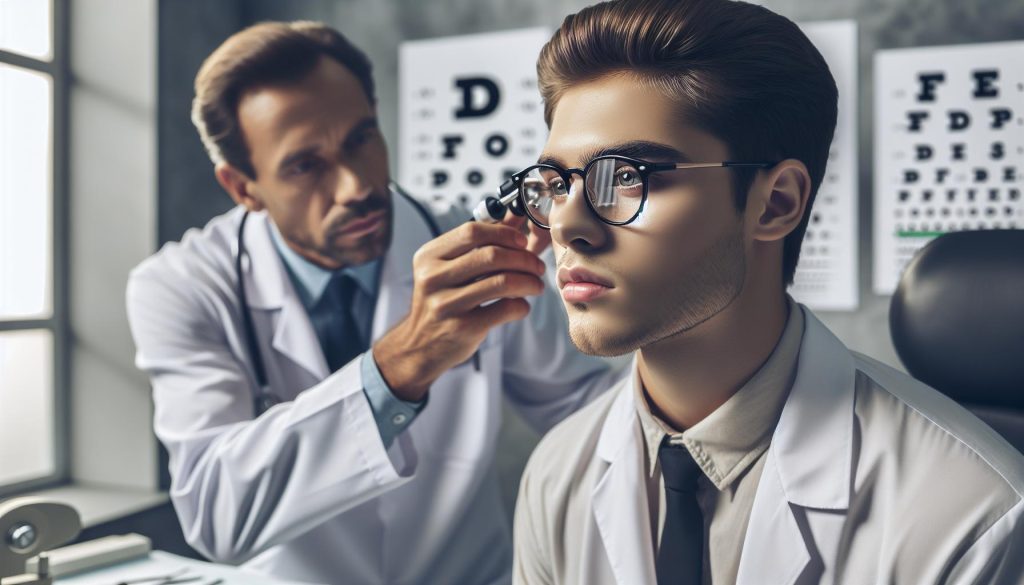
Styes, those painful red lumps on the eyelid, are more than just uncomfortable; they can also bring about concerns like bruising under the eyes. Many people may wonder if a stye could be the culprit behind unexpected discoloration in that delicate area. Understanding the connection between styes and bruising is essential for effective treatment and reassurance.
If you’ve ever experienced the irritation of a stye, you know how it can affect your daily life and confidence. Not only can styes cause discomfort and sensitivity, but they can also lead to noticeable changes in your appearance, making it crucial to address this issue comprehensively. By exploring expert insights, you can learn what to look for, when to seek help, and how to manage the symptoms effectively.
Join us as we dive into the expert answers surrounding the common question: Can a stye cause bruising under the eye? This knowledge can empower you to take control of your eye health and beauty routines, ensuring you remain informed and confident.
Understanding Styes: What You Need to Know
A stye, often characterized by a painful red lump on the eyelid, is typically a result of a bacterial infection involving oil glands near the base of the eyelashes. This common eye condition can not only be uncomfortable but may also impact your overall eye appearance. When experiencing a stye, some people might notice accompanying symptoms such as bruising or puffiness around the affected area, which can be quite concerning.
Understanding the pain and aesthetic changes involved with styes is crucial for effective self-care. Styes can cause inflammation, leading to swelling and sometimes bruising. This is particularly noticeable if the condition is severe or if there’s a history of trauma or rubbing at the eye area, which can aggravate the situation. In many cases, these symptoms resolve over time with appropriate treatment, like the application of warm compresses, which can help soothe discomfort and promote healing.
To assist in managing a stye, it’s vital to maintain good eye hygiene. Regularly cleaning the eyelids with a gentle, hypoallergenic cleanser can help prevent the occurrence of styes by removing excess oils and debris. Additionally, avoiding the use of eye makeup during an active infection is recommended to prevent further irritation or infection of the surrounding eye area. If bruising or swelling worsens or is accompanied by vision changes, seeking medical advice is essential to rule out more serious conditions and obtain appropriate treatment.
How Styes Can Affect Eye Appearance
Experiencing a stye can be more than just a momentary discomfort; it can also significantly alter the way your eyes look, impacting your confidence and daily routines. A stye often appears as a painful, swollen lump on the eyelid, which can draw attention away from your eyes and create feelings of self-consciousness. In severe cases, styes can lead to inflammation and bruising around the eye area, adding further visual distress. Understanding how these changes occur can empower you to take control of your eye health and appearance.
As a stye develops, it can cause the affected eyelid to become red and swollen, leading to an unmistakable change in your overall appearance. The surrounding tissues may also become inflamed and, in some cases, exhibit a bruised appearance due to congestion of blood vessels and fluid accumulation. This can be particularly noticeable if excessive rubbing or irritation occurs, either from attempting to relieve discomfort or due to the stye’s presence. Furthermore, if you’re dealing with multiple styes or a particularly severe case, the increased swelling may obscure the natural shape of your eyes, creating an uneven look.
Beyond aesthetics, it’s essential to be mindful of the emotional toll that visible styes can take. Women, in particular, may feel that changes in their eye appearance affect their overall beauty and self-esteem. To manage and mitigate these effects, maintaining good eye hygiene is crucial. This includes gently cleaning the eyelids with a hypoallergenic cleanser and applying warm compresses to soothe irritation, which helps reduce swelling and can promote the healing process.
In summary, while styes can undoubtedly affect how your eyes look, knowing that these symptoms are temporary can alleviate some worry. By practicing proper eye care and addressing any discomforts proactively, you can not only help restore your eye’s natural appearance but also feel more confident in your skin. Remember, if symptoms persist or worsen, seeking medical advice is always a wise step to ensure your eyes remain healthy and vibrant.
The Science Behind Eye Bruising and Styes
The delicate balance of our eye health can easily be disrupted by conditions like styes, which, while benign, can lead to surprising cosmetic consequences, including bruising. Understanding this phenomenon begins with recognizing how styes form. Typically, a stye arises from a bacterial infection of the oil glands at the base of the eyelashes, resulting in a red, swollen lump on the eyelid. This localized inflammation can cause the smallest blood vessels nearby to dilate and leak, leading to discoloration around the eye, which may resemble bruising.
The connection between styes and bruising under the eyes often stems from the body’s inflammatory response. Inflammation is a natural response to infection, but it can cause surrounding tissues to swell and become tender. When the eyelid swells, it can place pressure on the blood vessels in the area, disrupting circulation and causing leakage. As this fluid accumulates and the area becomes congested, you may observe a dark shadow or bruise-like appearance, particularly if you’ve been rubbing your eyes, either instinctively out of discomfort or in attempts to relieve the irritation a stye can cause.
To manage and reduce the risk of bruising due to styes, it’s vital to practice good eye hygiene. This involves gently cleansing the eyelids daily with a mild, hypoallergenic cleanser to keep the area free of bacteria and excess oil. Applying warm compresses can help reduce inflammation and promote drainage, alleviating pressure on the blood vessels. Additionally, if you notice the development of a stye, avoid touching or rubbing your eyes, as this can exacerbate swelling and heighten bruising.
Recognizing that the effects of styes are typically temporary can provide comfort. By following a proper eye care routine, you can minimize discomfort and support the healing process. If you find that symptoms persist or worsen, consulting an eye care professional should be your next step. They can assess the situation, rule out other conditions, and provide tailored advice to restore your eye health and appearance effectively.
Identifying Symptoms: Stye vs. Other Conditions
Recognizing the symptoms associated with styes is the first step in addressing the discomfort and potential bruising under the eyes. A stye typically manifests as a red, swollen lump along the eyelid, often accompanied by tenderness and a constant feeling of irritation or itchiness. It’s characterized by a localized inflammation of the oil glands, but it’s vital to differentiate this from other common eye issues that may present similarly, such as chalazia, conjunctivitis, or allergic reactions. Understanding these distinctions can help in promptly managing your eye health.
Key Differences in Symptoms
Styes and chalazia are often confused due to their visual similarities; however, they originate from different underlying causes. A stye is usually painful and appears as a red, pus-filled bump, while a chalazion is generally painless and results from a blocked oil gland, leading to a larger, firm swelling. Take note of accompanying symptoms. If you find yourself dealing with redness, watering eyes, or discharge, it may indicate conjunctivitis-an inflammation of the conjunctiva typically caused by viral or bacterial infections.
Identifying allergic reactions is crucial too. If your eyes are itchy, swollen, and watery without the presence of a hard lump, an allergy is more likely at play. Keeping a close watch on how your body reacts can help you communicate effectively with your healthcare provider.
What to Look For
When monitoring the symptoms around your eyes, consider tracking the following:
- Pain Level: Styes can be painful, while chalazia are usually not.
- Location: Styes are commonly found along the eyelid margins, whereas chalazia tend to form further back.
- Discharge: Notice if there’s any pus or discharge (common with styes) versus watery eyes typical in allergies or conjunctivitis.
- Swelling Type: Assess whether swelling is localized (more likely a stye or chalazion) or widespread (suggestive of an allergic reaction).
By understanding these distinctions and recognizing the specific symptoms of styes, you empower yourself to take timely action. Incorporating effective self-care strategies, such as warm compresses, can alleviate discomfort while promoting healing. However, if symptoms extend beyond typical stye presentations-such as persistent swelling, vision changes, or severe pain-consulting an eye care professional is crucial for further evaluation and treatment. Your eyes are valuable, and being informed is the first step toward maintaining their health and beauty.
Common Causes of Eye Bruising Beyond Styes
Bruising around the eyes can occur for several reasons that extend beyond the common concern of styes. One of the most prevalent causes is trauma or injury, which can lead to periorbital bruising or “black eyes.” This can happen from accidental bumps, falls, or sports-related incidents. The delicate skin in this area, being thin and sensitive, bruises easily, showcasing the shock of any impact. Even minor injuries that may seem inconsequential at first can result in noticeable dark circles around the eyes.
Another factor to consider is allergies. Allergic reactions, particularly to pollen, pet dander, or certain cosmetics, can cause inflammation of the tissues around the eyes, resulting in swelling and darkness. This can resemble bruising and lead to similar discomfort. Additionally, rubbing or scratching the eyes as a response to itchiness may aggravate the area and contribute to a bruised appearance.
Chronic conditions such as sinusitis or other respiratory issues can also play a role. Sinus congestion leads to swelling and pressure buildup around the eyes, often making them appear darker. The lack of sleep, a common companion to sinus infections, can further exacerbate the situation, adding to the overall fatigue look that underscores dark circles.
It’s essential to remember that certain medical conditions have been associated with eye bruising as well. For instance, platelet disorders or issues with blood clotting can make individuals more susceptible to bruising even from minor incidents. If frequent soreness or discoloration occurs with no clear cause, it’s advisable to seek medical advice to rule out underlying health issues.
By being aware of these and taking proactive steps-like wearing protective eyewear during activities and managing allergies effectively-you can enhance your eye health and maintain a vibrant appearance around the delicate eye area. Regular hydration, sufficient sleep, and a nourishing skincare routine can also contribute to lessening the appearance of dark circles and bruises, ensuring your eyes remain as bright as your spirit.
When to Seek Medical Advice for Eye Issues
Experiencing discomfort and visible changes around the eyes can be alarming, especially when it affects your appearance and day-to-day life. When it comes to styes, while they are often benign and resolve on their own, there are circumstances where medical advice is warranted. Bruising under the eye, particularly in connection to a stye, can be indicative of complications that need prompt attention.
If you notice persistent bruising around the eyes that does not improve within a few days, or if it worsens, seeking medical advice is essential. This could signal an underlying issue that might require professional intervention. Additionally, if you experience symptoms such as increased pain, swelling, or fever accompanying the stye, this could suggest that an infection is present or worsening. Early intervention can prevent complications, ensuring that your overall eye health is safeguarded.
Furthermore, if bruising or discoloration appears suddenly without any obvious cause, or if you have a history of bleeding disorders, it is crucial to consult a healthcare provider. Such presenting symptoms might require evaluation of your coagulation status and a detailed health history, leading to further diagnostics. Remember, though styes are common and generally not serious, staying in tune with your body and understanding when to reach out for medical expertise can make all the difference in your recovery and peace of mind.
Recognizing the signs that point towards the need for medical attention can empower you to take charge of your eye health. Always prioritize your well-being, and do not hesitate to seek help when uncertain. Healthy eyes contribute enormously to your quality of life and self-confidence, so don’t let potential issues linger longer than necessary.
Effective Treatments for Styes and Bruising
Experiencing a stye can often come with not just discomfort but also concerns about how it affects your appearance, particularly when bruising occurs under the eye. Effective treatment for styes typically starts at home, focusing on warm compresses, which remain a cornerstone in relieving symptoms. Applying a warm, moist cloth to the affected area for about 10 to 15 minutes, three to four times a day can help to soothe irritation and promote drainage. This gentle approach not only alleviates pain but also can diminish any accompanying bruising.
In addition to warm compresses, maintaining good eyelid hygiene is essential. Cleaning the eyelid with diluted baby shampoo or commercial lid scrubs can help reduce the risk of infection and support the healing process. If your stye does not improve after a week or so, or if the discomfort escalates, it may be time to consult a healthcare professional. They may suggest antibiotic ointments or, in some cases, a minor procedure to drain the stye if it’s particularly large or persistent.
For bruising caused by or related to a stye, over-the-counter treatments like arnica gel or creams can be used to reduce discoloration and promote healing. Integrating these remedies with a skincare routine that emphasizes gentleness around the eyes can further enhance recovery. Make sure to avoid touching or rubbing the area, as this can aggravate the situation and lead to additional complications.
Lastly, focusing on overall eye health through lifestyle changes can be proactive in preventing future styes and keeping bruising at bay. This includes staying hydrated, eating a balanced diet rich in omega-3 fatty acids, and ensuring adequate sleep. Embracing these holistic steps not only supports your eye health but also contributes to a radiant appearance that boosts your self-confidence. Remember, consistent care can make a significant difference, so listen to your body and take action when needed.
Preventive Measures: Keeping Your Eyes Healthy
Understanding the importance of maintaining eye health is essential, especially for those concerned about the appearance of bruising related to styes. Simple, proactive measures can significantly reduce the risk of developing styes and other eye conditions. Regular eyelid hygiene is crucial; consider incorporating a gentle cleaning routine using diluted baby shampoo or eyelid scrubs specifically designed for this purpose. Cleaning the eyelids daily helps remove debris and excess oil, minimizing the likelihood of blockage in the glands that can lead to a stye.
Moreover, a balanced diet plays a pivotal role in eye health. Incorporating foods rich in omega-3 fatty acids, such as fatty fish (salmon, mackerel), flaxseeds, and walnuts, can help maintain a healthy tear film and reduce inflammation. Staying well-hydrated is equally important; aim to drink plenty of water throughout the day, as good hydration keeps the eyes lubricated and protects against dryness that could contribute to irritation.
In addition to diet, addressing lifestyle habits can greatly benefit eye health. Prioritize adequate sleep each night, as this is when your body repairs itself, including your skin and eyes. Avoid rubbing your eyes, even when they feel itchy or irritated, as this can worsen inflammation and lead to complications, including the development of styes. For those who wear makeup, it’s essential to remove eye makeup gently every night to prevent buildup that can irritate the eyelids.
Lastly, implementing a regular routine of eye care products can enhance your protective measures. Using sunscreen around the eyes and wearing sunglasses outdoors can shield against UV damage, which could exacerbate skin issues around the eyes. Consulting with an eye care professional for regular check-ups ensures any potential problems are caught early-for your overall health and beauty routine, these practices are your allies in maintaining beautiful, healthy eyes.
Natural Remedies for Styes and Eye Discomfort
If you’re dealing with the discomfort of a stye, you’re certainly not alone-many people experience this common ailment. While styes can be painful and unsightly, there are several natural remedies that can provide relief and help expedite healing, ensuring your eyes feel and look their best.
One of the simplest and most effective home remedies is the use of warm compresses. Applying a warm, damp cloth to the affected eyelid for 10-15 minutes, several times a day, can help loosen any blockage in the oil gland, easing inflammation and promoting drainage of the stye. Furthermore, this warmth increases blood circulation to the area, aiding in the healing process.
Another soothing option is to keep your eyelids clean by gently washing them with mild soap or baby shampoo diluted in warm water. This can help remove debris and excess oil that may contribute to blockages and styes. After cleansing, be sure to rinse thoroughly and pat dry with a clean towel to avoid introducing bacteria.
You may also consider using tea bags as a natural remedy. Chamomile or green tea bags, steeped in hot water and then cooled, can be placed over the eyes. Both varieties have anti-inflammatory and antibacterial properties, which can help soothe discomfort and reduce swelling.
If you’re seeking a bit of extra relief, essential oils like lavender or tea tree oil, when diluted and applied carefully around the stye (never directly in the eye), may provide antimicrobial benefits. Always remember, though, to perform a patch test first to ensure you don’t have any adverse reactions.
In the realm of nutrition, incorporating anti-inflammatory foods into your diet can further support your eye health. Foods rich in omega-3 fatty acids, antioxidants, and vitamins A, C, and E may not only aid in healing but also help prevent future styes. Staying hydrated is crucial as well, as proper hydration helps maintain the moisture barrier of the delicate skin around the eyes.
These natural remedies not only ease discomfort but also empower you to take charge of your eye care. Remember to listen to your body; if symptoms persist or worsen, consulting a healthcare professional is essential to ensure the best care for your eyes.
Lifestyle Changes to Minimize Eye Problems
Incorporating lifestyle changes can significantly impact eye health and minimize the likelihood of developing styes and related conditions. One effective strategy is maintaining a balanced diet rich in vitamins and minerals that promote eye health. Foods high in omega-3 fatty acids, such as salmon, walnuts, and flaxseeds, help reduce inflammation and support overall wellness. Including a variety of colorful fruits and vegetables, especially those high in antioxidants like vitamins C and E, can bolster your immune system and protect your eyes from potential irritants.
Moreover, practicing good hygiene is crucial in preventing eye-related issues. Make it a habit to wash your hands thoroughly before touching your face or eyes, and avoid rubbing or picking at your eyelids. When using makeup, choose non-comedogenic products, and ensure that you remove all makeup gently before going to bed. Regularly replacing cosmetics and tools, such as mascara or eyeliner, is also essential to limit bacterial contamination that can lead to styes.
Staying hydrated is another often-overlooked aspect that plays a vital role in eye health. Proper hydration helps maintain moisture in the delicate tissues around your eyes, reducing the risk of irritation and dryness, which can contribute to the formation of styes. Aim for at least eight glasses of water a day, and consider using a humidifier in your home, especially during the dry months, to keep the air moist.
Stress management techniques can also have a profound effect on your eye health. Stress can lead to various bodily reactions, including inflammation, which may increase the likelihood of developing styes. Mindful practices such as yoga, meditation, or simple breathing exercises can help alleviate stress and promote relaxation, further supporting your overall health and well-being.
Expert Tips for Eye Care and Skin Health
While many may not be aware, our eyes are the windows to our health and can reflect underlying issues, including conditions like styes. These common eyelid infections can not only cause discomfort but may also lead to dark circles or bruising under the eyes due to inflammation or blocked glands. To safeguard your eye health and extend the vitality of the skin around your eyes, here are some expert tips.
Prioritize Gentle Cleansing
Maintaining cleanliness around your eyes is vital. Use a mild, non-irritating cleanser to wash your face, ensuring you gently remove makeup and dirt without scrubbing the delicate skin. Consider incorporating a makeup remover that is specifically formulated to be gentle on the eyes. Always cleanse your eye area at the end of the day to prevent buildup that can lead to infections like styes.
Practice Smart Moisturizing
Hydration is key for healthy skin, particularly around the eyes where skin is thin and sensitive. Opt for eye creams rich in hyaluronic acid or peptides, which help retain moisture and restore elasticity. Make it a routine to apply your eye cream with your ring finger, as it applies the least pressure, avoiding unnecessary stress on the fragile skin.
Optimize Your Diet for Better Eye Health
Your skin’s appearance and eye health can significantly benefit from a diet rich in essential nutrients. Aim to include foods high in vitamins A, C, and E. Carrots, nuts, and leafy greens can help keep your eyes healthy and the skin around them nourished. Additionally, consider hydrating foods like cucumbers and watermelon that can combat dryness, potentially reducing the risk of styes.
Monitor Potential Irritants
Be mindful of products that come in contact with your eyes. Avoid using expired cosmetics, and always replace eye makeup every three months. Additionally, take precautions against allergens that can exacerbate eye irritation. If you wear contact lenses, ensure they are clean and properly cared for to reduce the likelihood of stye development.
With these practical and proactive strategies, you can enhance your overall eye care routine, minimize the risk of styes and bruising, and maintain vibrant, healthy skin around your eyes. Remember, consistency is key; adopting these habits will foster long-term health and beauty for your eyes.
Myths and Facts About Styes and Bruising
Many people harbor misconceptions about styes and their effects on the appearance of the eyes, particularly regarding bruising. One common myth is that a stye will inevitably cause dark circles or bruises under the eye. While a stye, which is an infection of the eyelid gland, can lead to localized swelling and redness, bruising is not a direct symptom of the infection itself. When inflamed or infected, the tissue around the eye may swell, casting a shadow that could resemble a bruise, but this is a misunderstanding of how these conditions manifest.
Another frequently encountered myth revolves around the idea that styes are purely cosmetic concerns and don’t require treatment. This overlooks the fact that styes are infections that can lead to further complications if left untreated. If you notice symptoms like increasing redness, discomfort, or swelling that extends beyond the eyelid, it’s crucial to consult a healthcare professional. As styes can sometimes mimic more serious conditions, such as chalazia or conjunctivitis, discerning the exact problem is essential for receiving appropriate care.
Inflammation from styes can lead to temporary changes in appearance due to the skin’s reaction to infection. The body’s natural inflammatory response often causes surrounding areas to appear darker or more shadowed, particularly in the delicate eye region. This can be exacerbated by rubbing or touching the eye, which many people do instinctively when there’s discomfort.
To manage these concerns effectively, consider gentle eye care practices that alleviate irritation. Avoid touching or rubbing the affected area, and apply warm compresses to help reduce swelling and promote healing. Embracing a consistent skincare routine can also support the skin around your eyes and mitigate signs of irritation or inflammation. Regular cleansing with a mild cleanser, combined with hydrating creams rich in antioxidants, can protect your skin’s health and improve its resilience against infections like styes.
Frequently asked questions
Q: Can a stye cause bruising under the eye?
A: Yes, a stye can cause bruising under the eye. The inflammation and swelling associated with a stye may lead to discoloration in the surrounding area due to increased blood flow or pressure. If bruising persists, it’s advisable to consult a healthcare professional for evaluation.
Q: What are the symptoms of a stye?
A: Symptoms of a stye include a painful, red bump on the eyelid, swelling, and sometimes bruising. Additional symptoms may be watery eyes, sensitivity to light, or crusting along the eyelid. Keeping the area clean can help alleviate discomfort and promote healing.
Q: How do you treat bruising caused by a stye?
A: To treat bruising caused by a stye, apply a warm compress for 10-15 minutes several times a day, which can reduce inflammation and promote healing. Avoid squeezing the stye, and if bruising or pain worsens, seek medical attention for further treatment options.
Q: When should I see a doctor about a stye?
A: You should see a doctor if the stye persists for more than a week, if there’s significant pain, or if there’s associated vision changes and worsening bruising. Early medical intervention can prevent complications and promote faster recovery.
Q: Can a stye lead to more serious eye conditions?
A: While most styes resolve without complications, they can sometimes lead to more serious conditions like cellulitis or chalazion if not treated properly. Keeping the area clean and seeking medical care for persistent symptoms is crucial.
Q: Are there natural remedies for treating styes?
A: Natural remedies for treating styes include warm compresses, which help reduce swelling and drainage of the stye. Additionally, maintaining a clean area around the eyes and avoiding eye makeup during treatment can promote healing.
Q: Is there a connection between eye trauma and styes?
A: Yes, trauma to the eye area can contribute to the development of styes. Infections following injuries can block oil glands, leading to stye formation. Proper care during recovery can help prevent such occurrences.
Q: What preventive measures can I take to avoid styes?
A: To prevent styes, practice good hygiene by regularly washing your hands and avoiding touching your eyes. Removing makeup before bed and using clean towels can also help reduce the risk of infections. Stay hydrated and maintain a healthy diet to support overall eye health.
The Way Forward
Understanding the connection between styes and bruising under the eye is crucial for effective eye care. If you’re experiencing discomfort or changes to your eyelids, don’t hesitate to explore treatment options like warm compresses and proper hygiene to help alleviate stye symptoms and avoid complications. Your eye health is paramount, so take a moment to check out our related articles on effective stye treatments and essential eye care tips to empower your health journey.
Additionally, consider signing up for our newsletter to stay updated on the latest in women’s health and beauty. If you’re looking for personalized advice, schedule a consultation with one of our experts who can guide you in achieving optimal eye health. Remember, proactive care helps you shine brighter every day! Feel free to share your thoughts or questions in the comments below-we’re here to support you!