Did you know that a seemingly harmless stye can sometimes lead to swelling under your eye? This common eyelid condition, characterized by a red, painful lump, often arises from an infection of the oil glands in your eyelid. While styes typically resolve on their own, they can occasionally cause discomfort and swelling in the surrounding areas, raising concerns about their impact on your eye health and appearance.
Understanding the link between styes and under-eye swelling is crucial for addressing your symptoms effectively. If you’ve experienced this issue, you’re not alone; many women share your concerns about eye health and beauty. In this article, we’ll explore the causes of styes, how they can lead to swelling, and the best treatments and relief options available. Stay with us to empower yourself with knowledge and take proactive steps towards healthier eyes.
Understanding a Stye: What You Need to Know
A stye, a common yet often uncomfortable condition, arises when a gland in the eyelid becomes blocked or infected, resulting in a painful swelling. Understanding what a stye is, including its causes and symptoms, is essential for effective management and prevention. Typically, styes are caused by bacterial infections, often stemming from the body’s own bacteria. They can manifest as red, swollen bumps at the edge of the eyelid, sometimes resembling a pimple. While most styes are harmless and will resolve on their own, they can be bothersome and inconvenient, especially when they interfere with daily activities such as makeup application or contact lens wear.
Familiarizing yourself with the signs of a stye can dramatically enhance your ability to respond promptly. Common symptoms include pain, redness, swelling, and a sensation of tenderness near the eyelid. Sometimes, styes can cause additional issues, such as blurry vision or sensitivity to light if the swelling affects nearby eye structures. Addressing these symptoms early with simple home remedies, such as warm compresses, can help relieve discomfort and expedite healing.
In addition to understanding the nature of a stye, recognizing its potential to cause under-eye swelling is critical. Although a stye primarily affects the eyelid, it can lead to localized swelling that extends to the area beneath the eye. This occurs due to inflammation and the body’s natural response to infection, which can cause nearby tissues to swell. Being aware of this connection empowers you to take prompt action, ensuring you maintain comfort and clarity in your daily life.
Signs and Symptoms of a Stye

Experiencing a stye can be uncomfortable and worrisome, especially when you’re not familiar with its symptoms. A stye typically presents itself as a red, swollen lump at the edge of the eyelid, and it can feel quite tender to the touch. This painful bump is the result of a bacterial infection in the oil glands at the base of your eyelashes, often leading to pus-filled formations that can resemble a pimple or boil. In addition to the localized swelling, you may notice an increase in sensitivity around the affected eye, as well as tenderness and sometimes even a burning sensation.
Recognizing the signs of a stye early can empower you to take action. Most commonly, people report pain, redness, and swelling, which can sometimes extend beyond the eyelid. The inflammation caused by the stye can lead to swelling of the tissue underneath the eye, contributing to an overall puffy appearance in the surrounding areas. This swelling can make your eyes look tired or older than they are, which can be an added concern, particularly if you’re preparing for a social event or important meeting.
If you notice additional symptoms such as blurry vision or sensitivity to light, it’s vital to pay attention, as these can indicate that the stye is impacting nearby eye structures. Moreover, keep an eye out for any discharge from the eye, which can provide further clues about the severity of the infection. Early intervention is key; using warm compresses several times a day can help promote drainage and alleviate some of the discomfort associated with a stye. Remember, while many styes resolve on their own, understanding their signs can lead to quicker relief and help maintain your overall eye health.
Can a Stye Really Cause Under Eye Swelling?

A stye, often that dreaded little bump on the edge of the eyelid, is more than just a minor annoyance; it can indeed cause swelling under the eyes. This occurs because the inflammation and infection associated with a stye can extend beyond the immediate area of the eyelid, affecting surrounding tissue. When the oil glands at the base of your eyelashes become blocked and infected, your body’s immune response kicks in, leading to redness and swelling not just at the site of the stye, but also in the delicate tissue underneath the eye. This can result in a puffy appearance that many find concerning, especially if they have plans or events coming up.
In many cases, the swelling under the eye mirrors the pain and redness present at the eyelid. This can draw attention and may lead to feelings of self-consciousness. If you find that the puffiness persists or is accompanied by other symptoms such as blurry vision or sensitivity to light, it’s crucial to consult a healthcare provider. These signs can indicate the potential spread of infection or other underlying concerns that need professional evaluation.
For those looking to alleviate the swelling associated with a stye, warm compresses can be beneficial. Applying a clean, warm cloth to the affected area for about 10-15 minutes several times a day can help promote drainage and reduce inflammation. Additionally, ensuring proper hygiene by washing your hands frequently and avoiding touching your eyes can prevent styes from forming or worsening. Empowering yourself with knowledge about how a stye can affect not just your eyelid but also the area underneath your eyes enables you to take proactive steps in managing your eye health and appearance.
The Science Behind Stye-Related Swelling

Inflammation is the body’s natural defense mechanism, but sometimes it can lead to unwanted side effects, such as swelling. When a stye forms, typically due to a clogged oil gland at the base of the eyelashes, your immune system springs into action, causing blood vessels to dilate and increased fluid to accumulate in the surrounding tissues. This response not only targets the immediate area of the stye but can also manifest as swelling beneath the eyes, highlighting the interconnectedness of the facial structures.
The delicate anatomy surrounding your eyelids and under-eye area plays a significant role in how swelling is perceived. The skin here is thinner and more sensitive, which makes any inflammation more noticeable. As the stye develops, the accompanying redness, tenderness, and swelling can create a puffed appearance under the eyes, contributing to discomfort and self-consciousness. Additionally, the tension from the inflammation might spread to nearby tissues, exacerbating the swelling.
To combat this swelling, a practical approach is to incorporate warm compresses into your routine. Applying a clean, warm cloth around the affected area for 10-15 minutes can promote drainage from the clogged gland, helping to reduce both the stye and associated swelling. Furthermore, maintaining proper hygiene, such as washing your hands and avoiding eye contact, can prevent worsening the condition and support quicker healing.
Understanding how a stye affects the entire eye area empowers you to make informed decisions about your self-care practices. Whether it’s through warm compresses, appropriate hygiene measures, or recognizing symptoms that warrant a doctor’s visit, being proactive can not only alleviate discomfort but also enhance your confidence and daily life.
Effective Home Remedies for Stye Relief

Applying targeted home remedies can significantly alleviate the discomfort of a stye while enhancing your overall eye health. One of the most effective and accessible remedies is the use of warm compresses. By soaking a clean cloth in warm (but not hot) water and gently pressing it against the affected eye for 10-15 minutes several times daily, you can help the clogged oil gland drain more effectively. This not only eases the stye’s irritation but also reduces any associated swelling under the eye, allowing for a soothing relief that can boost your confidence.
Another excellent option is eyelid hygiene. Keeping your eyelids clean can help remove debris and bacteria that may exacerbate the condition. You can gently wash your eyelids with a mixture of warm water and mild soap or baby shampoo, using a cotton ball to apply the solution. This practice not only helps in managing existing styes but also serves as a preventive measure against future occurrences.
Incorporating anti-inflammatory foods into your diet can be beneficial as well. Foods rich in omega-3 fatty acids, such as salmon, flaxseeds, and walnuts, can promote healthy skin and immune function. Staying hydrated is equally important; drinking adequate water supports skin elasticity and overall health, potentially minimizing the severity of eye-related issues.
In addition to these remedies, taking breaks from screens and avoiding rubbing your eyes can prevent strain and irritation. Following these steps consistently allows you to empower yourself in managing stye-related discomfort effectively. Remember, these remedies are not a substitute for professional medical advice, but they can significantly support recovery and help maintain your eye health.
When to See a Doctor for Stye Issues
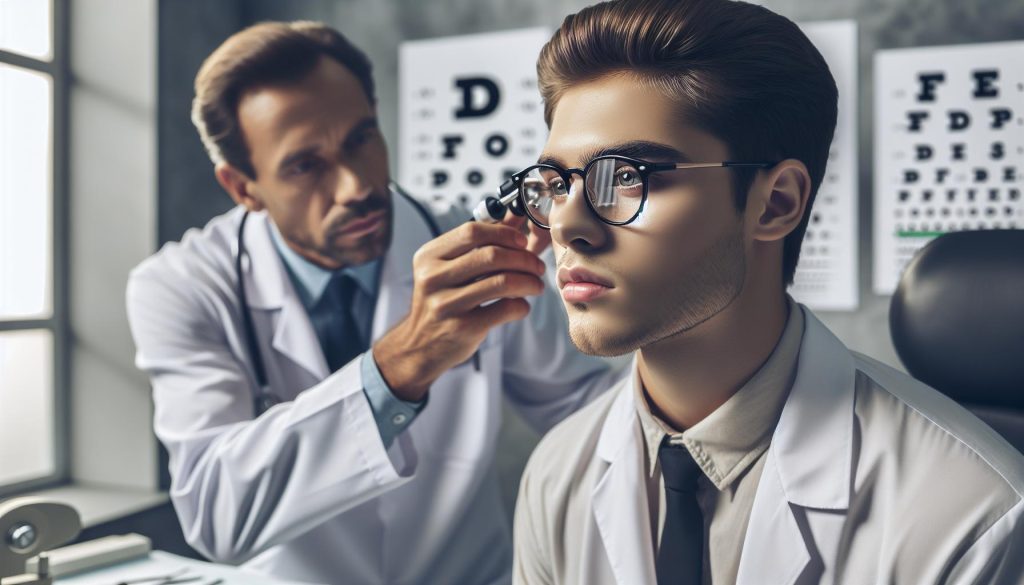
When a stye develops, it can often feel uncomfortable, and the resulting swelling could be concerning, leading to questions about whether medical intervention is necessary. While many styes resolve on their own, there are specific signs and symptoms that indicate it might be time to seek professional help. If you experience persistent swelling, redness, or tenderness around the stye that doesn’t improve after a few days of home care, it’s advisable to consult a healthcare provider. Ignoring these symptoms can sometimes lead to complications, particularly if the stye evolves into a more severe infection.
Additionally, if the stye affects your vision or if you notice a discharge that is green or yellow, it’s crucial to get medical advice. This could suggest an underlying infection that needs treatment. Other red flags to watch for include fever or swelling that spreads beyond the initial site, which could indicate a systemic infection. In such cases, prompt medical attention is essential to prevent further issues.
For those with recurring styes or underlying conditions like blepharitis, diabetes, or a weakened immune system, professional consultation is highly recommended even for what appears to be a minor stye. Regular check-ups can empower you with tailored advice on how to manage your eye health more effectively, ensuring that you can enjoy optimal vision and comfort. Ultimately, staying informed and attentive to your body’s signals is key to effective health management. Remember, early intervention can often lead to quicker resolutions and less discomfort overall.
Preventing Styes: Tips for Healthy Eyes
Maintaining healthy eyes is crucial for avoiding uncomfortable conditions like styes, which can cause not only redness and irritation but also significant swelling around the eyelid. One of the simplest yet most effective preventive measures you can take is to practice good hygiene. Always wash your hands thoroughly before touching your face, and specifically the areas around your eyes. This action helps prevent the transfer of bacteria that can lead to infections. Additionally, avoid using dirty towels to pat your face, as this can introduce harmful germs right where you don’t want them.
Using cosmetics wisely can also help reduce your risk of developing styes. Makeup should be applied carefully and removed thoroughly each evening. Ensure that your eye makeup products are clean and avoid sharing them with others. Also, consider replacing products regularly, as they can harbor bacteria over time. When it comes to contact lenses, always follow the recommended cleaning and storage procedures to keep your lenses free from infection-causing microorganisms.
Daily Care for Your Eyes
Establishing a daily routine that includes eye care can further diminish your chances of experiencing styes. Here are some practical tips:
- Warm Compresses: Applying a warm compress to your eyelids can stimulate the glands and promote health, reducing the likelihood of blockages.
- Regular Eye Exams: Schedule regular check-ups with an eye care provider, particularly if you have a history of recurring styes or other eye issues.
- Managing Stress: Stress can weaken your immune system, making you more susceptible to infections. Techniques like mindfulness and relaxation exercises can be beneficial.
Integrating a balanced diet rich in vitamins and minerals also plays a role in eye health. Nutrients such as Vitamin A, Omega-3 fatty acids, and antioxidants can promote healthy tear production and eye lubrication, reducing the likelihood of irritation that can lead to styes. Consider foods like leafy greens, fish, and nuts to enhance your diet.
Taking proactive steps towards eye care not only protects against styes but also contributes to overall eye health. By incorporating good hygiene, regular care, and a nourishing diet into your routine, you can maintain the comfort and beauty of your eyes, preventing the discomfort that a stye can bring.
All About Stye Treatments: Medical Options and More
Understanding the nuances of stye treatment is crucial for effective relief and quicker recovery. Many people wonder about medical options available, especially when home remedies don’t bring the desired comfort. While most styes resolve on their own, there are several medical interventions that can expedite healing, particularly in cases where swelling under the eye persists or worsens.
For mild styes, warm compresses are often the first line of treatment. Applying a clean, warm cloth to the affected area for about 10 to 15 minutes several times a day can help reduce inflammation and promote drainage. If symptoms do not improve after a couple of days, it’s advisable to consult a healthcare provider. They might recommend topical antibiotics if there’s a bacterial infection or prescribe oral antibiotics in more severe cases.
In situations where a stye causes significant discomfort or does not respond to initial treatments, a healthcare provider may recommend drainage procedures. This is particularly relevant if a stye turns into a chalazion (a larger lump that can be painless but may obstruct vision). A physician can perform a minor procedure to drain the fluid, which can alleviate pressure and promote healing.
Over-the-Counter Options
In addition to medical treatments, there are over-the-counter solutions that can assist in managing symptoms. Pain relievers such as acetaminophen or ibuprofen can help alleviate discomfort. Eye drops formulated to reduce redness may also provide temporary relief from irritation. It’s essential, however, to consult with a healthcare professional before using any products to ensure they are appropriate for your specific condition.
Post-Treatment Care
Once treatment begins, maintaining proper eye hygiene becomes even more crucial. Avoid touching or rubbing your eyes, as this can exacerbate irritation or spread bacteria. Follow your eye care provider’s advice regarding any follow-up treatments or visits to ensure complete recovery. Moisturizing eye care products can also be beneficial during recovery to support your eyelids and skin.
By arming yourself with knowledge about the medical treatments available for styes, you can take proactive steps toward relief and maintain your eye health effectively. Clear communication with your healthcare provider will ensure you get the right care tailored to your situation, helping you regain comfort swiftly. Remember, while styes can cause unwelcome swelling and discomfort, there is a range of treatments that can bring you relief.
Differentiating Between Styes and Other Eye Conditions
Understanding the subtle distinctions between a stye and other eye conditions is essential for effective treatment and comfort. While a stye, which appears as a red, swollen bump on the eyelid, is commonly caused by bacterial infection in the oil glands, other conditions can mimic its symptoms or contribute to similar discomfort. Recognizing these differences can empower you to seek appropriate care more promptly.
A condition known as a chalazion often gets confused with a stye. Though both can cause localized swelling on the eyelid, a chalazion typically develops more slowly and may become larger over time but usually isn’t painful. This condition results from blocked oil glands rather than infection, leading to a firm lump that can cause pressure on the eye. If you notice a lump that persists beyond a week or two, it’s crucial to consult with an eye health professional for an accurate diagnosis and appropriate intervention.
Similarly, conditions like blepharitis, characterized by inflammation of the eyelid margins, can cause redness, swelling, and discomfort. However, blepharitis often involves more generalized irritation and scaling, which may require different treatment options, such as eyelid scrubs and improved hygiene practices. It’s essential to differentiate between these conditions to avoid mismanagement, which could worsen symptoms or prolong recovery.
When faced with a swollen eyelid, taking the time to observe other potential symptoms-like the presence of crusting, itching, or pain-can aid in understanding the source of the issue. If symptoms persist or worsen despite home care, such as applying warm compresses, do not hesitate to reach out to a healthcare provider who can guide you on the best course of action tailored to your specific condition. Through understanding and proactive management, you can more effectively maintain eye health and comfort.
Caring for Your Eyes Post-Stye: Best Practices
To ensure your eyes remain healthy and prevent future styes after experiencing one, it’s vital to establish a robust post-stye care routine. This includes mindfulness about hygiene, attentiveness to your body, and preventative practices that benefit overall eye health.
Start by maintaining excellent eyelid hygiene. Clean your eyelids gently but thoroughly with lukewarm water and a mild cleanser, ideally one that is free from irritants. You can also use commercially available eyelid scrubs, which can help to remove debris and oil that might clog the glands. This practice can prevent bacteria from building up and reduce the chances of a recurrence. If you’re inclined, natural solutions such as diluted baby shampoo or saline solution can be effective for daily eyelid care.
Keep in mind that your eye area is sensitive; use a soft cloth or cotton pad to avoid irritations. Avoid touching or rubbing your eyes as this can introduce more bacteria and exacerbate irritations. Additionally, while it may be tempting, refrain from wearing eye makeup until your stye has completely healed to eliminate any risk of further irritation or infection.
Nutrition plays an essential role in eye health as well. Incorporate foods rich in vitamins A, C, and E, as well as omega-3 fatty acids, found in fish and flaxseeds, into your diet. These nutrients contribute to overall eye health and may bolster your immune system, aiding in quick recovery and reduced risk of future issues.
Stay hydrated and consider using an eye medication or supplement if recommended by your healthcare provider. If you find yourself experiencing any abnormalities, such as persistent swelling or pain, don’t hesitate to contact a healthcare professional for personalized advice. Your proactive approach will empower your eye health, allowing you to feel more in control and informed about your care journey.
The Role of Nutrition in Eye Health
A well-nourished body significantly enhances eye health, and this is particularly vital when dealing with conditions like styes. Foods rich in certain vitamins and nutrients can improve immunity and support overall eye function, reducing the likelihood of infections and inflammation. A diet abundant in antioxidants is crucial as they combat oxidative stress, which can affect eye health.
Key Nutrients for Eye Health
- Vitamin A: Essential for maintaining proper vision, this vitamin can help prevent dryness and support the overall health of the eye. Sources include carrots, sweet potatoes, spinach, and other leafy greens.
- Vitamin C: This powerful antioxidant not only supports immune function but also helps in repairing tissue and reducing inflammation. Citrus fruits, bell peppers, and strawberries are excellent sources.
- Vitamin E: Another antioxidant, vitamin E helps protect eye cells from damage. Nuts, seeds, and vegetable oils are great options to include in your diet.
- Omega-3 Fatty Acids: These healthy fats play a role in the structure and function of the cells in the retina and have anti-inflammatory properties. Fatty fish like salmon, walnuts, and flaxseeds are rich in omega-3s.
Additionally, staying hydrated is crucial. Drinking plenty of water supports overall bodily functions and helps keep mucous membranes, including those in the eyes, moist and healthy.
Incorporating these nutrients into your diet not only fortifies your immune system but also promotes recovery from conditions like styes, which can otherwise lead to complications such as swelling and discomfort. For an added boost, consider foods with anti-inflammatory properties, such as berries and green tea, which can help in reducing any inflammation associated with styes.
Ultimately, focusing on nutrition empowers you to take charge of your eye health. By making these dietary adjustments, you can reduce the risk of styes and other eye-related issues, keeping your vision sharp and your eyes feeling their best.
Empower Yourself: Self-Care Tips for Stye Management
Managing a stye effectively often involves simple, yet crucial self-care techniques that can significantly improve your comfort and speed up the healing process. One of the fundamental steps is implementing a consistent warm compress routine. Applying a warm, damp cloth to your closed eyelid for about 10-15 minutes, several times a day, can help increase circulation, reduce inflammation, and promote drainage of the clogged glands. This gentle heat facilitates the natural drainage process, making it one of the most recommended home remedies.
Maintaining proper eyelid hygiene is equally essential. Cleaning your eyelids daily can help prevent further irritation and the spread of bacteria. You can use diluted baby shampoo or commercial eyelid scrub pads that are specifically designed for this purpose. Gently wipe the base of your eyelashes and the eyelid margins; this not only cleans the area but also helps remove any crust or debris that may contribute to stye formation.
Another practical tip involves monitoring your makeup and skincare products. It’s wise to avoid eye makeup while you have a stye to prevent further irritation and reduce the risk of infection. If you can’t resist wearing makeup, ensure that all products are hypoallergenic and past their expiration dates. Remember, your eye health comes first, so give your eyes a break during this healing time.
Paying attention to your nutrition can also play a significant role in eye health. Incorporating foods rich in vitamins A, C, E, and omega-3 fatty acids can not only support your immune system but also assist in the overall healing process. Stay hydrated to help flush out toxins and maintain the moisture of your mucous membranes. Foods like leafy greens, nuts, fatty fish, and citrus fruits should be staples in your diet as they provide notable health benefits.
Lastly, take notice of any additional symptoms such as increased redness, swelling, or pain. If your stye does not improve within a week, or if you experience vision changes, it’s essential to reach out to a healthcare professional. Early intervention can prevent complications and ensure proper treatment. Empowering yourself with these knowledge and self-care strategies can make a tremendous difference in managing a stye effectively and ensuring your eyes stay healthy and vibrant.
Frequently Asked Questions
Q: Can a stye cause swelling under the eye?
A: Yes, a stye can cause swelling under the eye. This is due to the inflammation and infection of the eyelid glands that can extend to the surrounding tissue. If you experience significant swelling or pain, it is advisable to seek medical attention.
Q: How long does swelling from a stye last?
A: Swelling from a stye typically lasts for a few days to a week. Most styes heal on their own within this time frame. If swelling persists beyond a week, consider consulting a healthcare professional.
Q: What are the symptoms of a stye besides swelling?
A: In addition to swelling, symptoms of a stye include redness, tenderness, pain at the site, formation of a lump, and sometimes a discharge. If these symptoms worsen, it’s important to consult your doctor for guidance.
Q: Can under-eye swelling from a stye be treated at home?
A: Yes, home remedies like warm compresses can effectively reduce swelling and pain. Apply a warm, damp cloth to the affected area for 10-15 minutes several times a day. Ensure good hygiene to avoid aggravation.
Q: Are styes contagious, and can they spread swelling?
A: Styes themselves are not contagious, but the bacteria that cause them can potentially spread to others. The swelling from a stye generally does not spread to other people but can impact the surrounding areas of your eye.
Q: When should I see a doctor for a stye?
A: You should see a doctor if the stye doesn’t improve within 48 hours, worsens, or is accompanied by vision changes or severe pain. Immediate attention is necessary if swelling affects your vision or spreads significantly.
Q: Can a stye lead to complications if not treated?
A: Yes, if a stye is left untreated, it can lead to complications such as a chalazion (a hard lump) or even a more severe infection that may require medical intervention. Early treatment helps prevent these issues.
Q: What are the best preventive measures for styes?
A: Good hygiene practices, such as cleaning the eyelids regularly and avoiding touching the eyes with dirty hands, can help prevent styes. Keeping makeup and cosmetic products clean and not sharing them is also essential.
Closing Remarks
Understanding how a stye can lead to swelling under your eye is crucial for your comfort and eye health. If you’re experiencing discomfort or persistent swelling, don’t hesitate to seek professional advice. For effective relief, explore our comprehensive guide on stye treatments and preventative measures. Additionally, check out our articles on eye care tips and skincare routines for maintaining optimal health around your eyes.
Your journey to relief starts now! Sign up for our newsletter to stay informed about the latest in eye health and beauty topics tailored for women. Share your thoughts or experiences in the comments below; together, we can empower each other through shared knowledge. Remember, your vision and confidence are worth prioritizing!