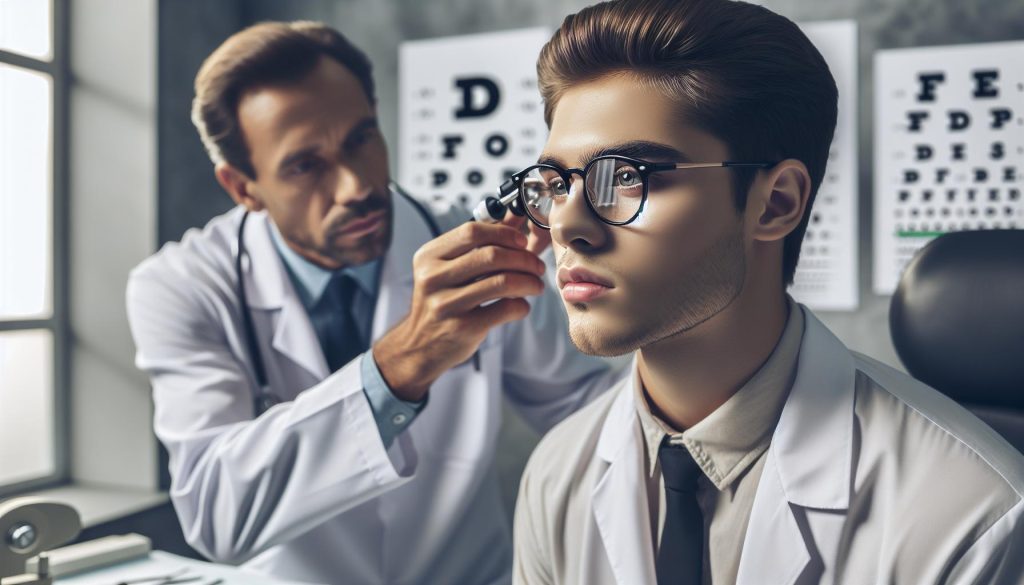
Did you know that a common eye issue, like a stye, can lead to bloodshot eyes? A stye, often presenting as a painful lump on the eyelid, is usually harmless but can cause discomfort and concern. If you’ve ever experienced one, you might have noticed that your eye also appears red or irritated. Understanding the connection between styes and bloodshot eyes is essential for maintaining your eye health and knowing when to seek help.
As you navigate the world of eye care, it’s crucial to be aware of the signs that may indicate a more severe underlying issue. Addressing concerns about your eye’s appearance and health can empower you to take action and seek appropriate treatment when necessary. Keep reading to discover how styes can impact your eyes and what symptoms to watch for to ensure your vision and comfort remain a priority.
Understanding Styes: Causes and Symptoms

A stye often emerges unexpectedly, bringing with it discomfort and concern. This common eye condition, characterized by a red, painful lump at the eyelid’s edge, is typically the result of a bacterial infection targeting the oil glands located near your eyelashes. Styes primarily occur when these glands become blocked, leading to the accumulation of bacteria, inflammation, and pus. While anyone can develop a stye, certain factors can increase your risk, including stress, poor hygiene, and underlying skin conditions.
Recognizing the symptoms of a stye is essential for timely care. Typically, the affected eyelid may appear swollen, tender, and red. You might also experience discomfort or pain, a sensation of fullness in the eyelid, and even irritation or itchiness around the area. One key indicator to monitor is bloodshot eyes, which can accompany a stye due to inflammation or irritation in the eyelid. This visual cue may signal that it’s time to explore treatment options, especially if swelling or redness persists.
While styes are generally self-limiting, understanding when to seek professional help is crucial. If a stye doesn’t improve with home care measures after a couple of days or if the discomfort worsens, it’s advisable to consult an eye care specialist. They may suggest treatments ranging from warm compresses to antibiotic ointments, depending on the severity of the condition. Being informed about the nature of styes empowers you to take proactive steps in managing symptoms and seeking appropriate care, ensuring that your eye health remains a priority.
How a Stye Affects Eye Appearance
The presence of a stye can dramatically alter your eye’s appearance, often leading to significant distress. When a stye forms, typically as a painful bump near the eyelid, it can cause inflammation and redness in the surrounding tissues, which is frequently mistaken for an eye infection. One of the most noticeable changes is the development of bloodshot eyes. This redness occurs due to increased blood flow to the affected area as your body responds to infection or irritation. Such visual changes can create a perception of fatigue or illness even when you feel otherwise healthy.
Individuals experiencing a stye may also notice that the affected eyelid appears swollen and can even droop slightly. This swelling, paired with the redness of the eye, can detract from your overall appearance and may impact your self-confidence. Some report feeling an uncomfortable fullness in the eyelid, which can further alter how you see and feel about yourself.
Moreover, the emotional impact of these changes shouldn’t be underestimated. Seeing oneself with red and swollen eyes might lead one to feel self-conscious in social settings, prompting a desire to hide or avoid interactions. Although styes are generally benign and temporary, it’s essential to prioritize your eye health. Simple measures, like warm compresses, can help reduce inflammation and speed up healing, allowing you to regain your usual appearance and confidence more quickly.
In the meantime, managing the symptoms can be beneficial. Staying hydrated, maintaining good eye hygiene, and avoiding touching or rubbing your eyes can all foster a speedy recovery. If the appearance of bloodshot eyes persists beyond a few days or worsens, consulting an eye care professional can provide guidance and reassurance, ensuring that your eyes remain healthy and bright.
Is a Bloodshot Eye a Sign of Infection?
Experiencing a bloodshot eye can be alarming, and for many, it raises the question: “Is this a sign of infection?” Bloodshot eyes are often attributed to various factors, including irritation, fatigue, or allergies. However, when accompanied by a stye, the redness can significantly increase, leading to concerns that it may indicate a bacterial infection. A stye itself typically begins as a small, painful bump on the eyelid caused by an infection of the oil glands. This localized infection can result in inflammation and a colored appearance of the eye, prompting an immune response that manifests as increased blood flow to the area.
When evaluating whether a bloodshot eye is indeed a sign of infection, consider additional symptoms that might accompany the redness. If the area around the stye feels warm to the touch, there is increased sensitivity to light, significant swelling, or pus discharge, these may all suggest a more pronounced irritation or infection requiring further attention. In more serious cases, if the redness spreads to the white part of the eye or the surrounding skin appears infected, it is essential to seek medical advice. Generally, while a stye itself is not contagious, the bacteria causing it can be; hence, maintaining good hygiene is crucial.
To alleviate bloodshot eyes and associated discomfort, implementing simple home remedies can often provide relief. Applying a warm compress to the affected area for 10-15 minutes several times a day can help reduce inflammation and encourage healing. Staying hydrated is also beneficial, as it aids in overall eye health and lessens dryness, which can contribute to feelings of irritation. If symptoms persist for more than a few days, or if the redness intensifies, it’s wise to consult an eye care professional. This ensures that any underlying conditions can be appropriately addressed, allowing you to enjoy clear and comfortable vision once again.
Identifying Other Common Signs of Styes
The presence of a stye can pave the way for a range of other signs that may not be as obvious at first glance. Often manifesting as a small, swollen lump on the eyelid, a stye is frequently accompanied by other symptoms that can signal its irritation and the body’s inflammatory response. Recognizing these signs can empower you to act swiftly, alleviating discomfort and preventing the condition from escalating.
- Pain and Tenderness: One of the earliest indicators accompanying a stye is localized pain. You might notice tenderness around the bump, which could worsen with touch or blinking.
- Redness and Swelling: Beyond the visible stye, the surrounding eyelid may become red and swollen. This inflammation reflects the body’s immune response to the infection.
- Crusty Eyelashes: It’s not uncommon for styes to lead to flaky skin or crusted eyelashes, particularly upon waking up. This occurs due to discharge from the infection that dries overnight.
- Increased Tear Production: Some individuals find that their eyes feel watery; this can occur as a response to irritation from the stye.
- Blurry Vision: If the stye grows large enough, it may obstruct your vision temporarily. You might also experience moments of blurriness, particularly if you find yourself squinting often because of discomfort.
- Sensitivity to Light: Increased sensitivity may occur, making bright environments uncomfortable. This can be particularly disconcerting if you’re frequently in front of screens or under direct sunlight.
Being proactive about these symptoms can significantly affect your ability to manage a stye efficiently. Applying warm compresses-gently pressing a clean, warm cloth against the affected area for about 10-15 minutes, several times a day-can help reduce pain and encourage healing by promoting better blood flow and reducing swelling. If symptoms persist or worsen despite self-care measures, seeking a medical evaluation is advisable. Recognizing these accompanying signs ensures you stay ahead of potential complications, allowing for effective home care while preparing you for professional help if needed.
Distinguishing between Styes and Other Eye Conditions

Recognizing the differences between a stye and other common eye conditions is essential for effective self-care and treatment. While a stye appears as a small, tender lump on the eyelid, it can easily be confused with similar issues such as chalazia, conjunctivitis, or even allergic reactions. Each of these conditions has distinguishing features, and knowing them can help you identify the appropriate course of action.
A chalazion, often mistaken for a stye, typically presents as a painless lump on the eyelid rather than being painful and swollen like a stye. This occurs due to blocked oil glands that lead to inflammation without infection. Unlike styes, chalazia may not cause redness or irritation around the eye, making them less likely to trigger symptoms like increased tear production or sensitivity to light. If you notice a lump that feels hard and remains painless after a week, it may be a chalazion rather than a stye.
Conjunctivitis, or pink eye, can also present with redness, swelling, and tearing, but typically involves additional symptoms such as discharge that may crust the eyelashes. If your eye appears bloodshot and you also experience itching, burning, or a gritty sensation that seems unrelated to a visible bump, conjunctivitis could be the culprit. Allergy-related eye redness, often accompanied by sneezing or runny nose, will also feel different, usually improving with antihistamines or cold compresses.
In short, if you see a red, painful bump on your eyelid, it’s likely a stye. However, if you observe a painless lump, unusual discharge, or ongoing itchiness, consider one of the other conditions. Understanding these distinctions allows for more informed decision-making regarding treatment options, whether that be home remedies like warm compresses or consulting with a healthcare professional for more persistent issues. Remember, maintaining good hygiene and monitoring your eye health can prevent many of these conditions from escalating, ensuring your eyes stay both healthy and beautiful.
Immediate Steps to Reduce Bloodshot Eyes

Experiencing bloodshot eyes can be unsettling, especially when they are accompanied by discomfort from a stye. Fortunately, there are immediate actions you can take to alleviate the redness and irritation while your stye heals. Start by applying a warm compress. Soak a clean cloth in warm (not hot) water, wring it out, and gently place it over your closed eye for about 10-15 minutes. This simple technique can help loosen any crust that may have formed and promote drainage of the stye, which in turn can reduce inflammation and redness in your eye.
It’s also beneficial to limit potential irritants during this time. Avoid wearing makeup or contact lenses until the stye has resolved; these can exacerbate irritation and introduce bacteria to the affected area. Instead, focus on keeping your eye clean. Use a mild, unscented cleanser to gently wash your eyelids and lashes, as maintaining cleanliness can prevent further infection and aid in healing.
Stay hydrated and make sure to get adequate rest. Sometimes, eye redness may be exacerbated by fatigue or dehydration, so drinking plenty of water and prioritizing sleep can positively impact your overall eye health. If you find that your eyes are still bloodshot, consider over-the-counter artificial tears to provide moisture and soothe irritation.
In cases where bloodshot eyes persist or are accompanied by severe pain, vision changes, or significant swelling, it’s crucial to consult a healthcare professional. They can determine whether there’s a more serious underlying issue that needs to be addressed, ensuring your eye health remains a priority.
When to See a Doctor for Eye Symptoms

Experiencing discomfort from a stye can often leave you wondering about the state of your eye health, especially when accompanied by bloodshot eyes. While a stye is typically a benign condition caused by blocked oil glands, certain symptoms may indicate that it’s time to seek medical advice. Understanding these signs can empower you to take control of your eye health and ensure timely intervention when necessary.
If you notice persistent bloodshot eyes alongside severe pain, significant swelling, or changes in vision, it’s essential to consult a healthcare professional. These symptoms might suggest complications such as an infections or abscess formation that could require treatment beyond home remedies. Additionally, if the redness and discomfort do not improve within a few days of applying warm compresses or if the stye appears to swell larger, professional input is crucial for appropriate management.
When to Seek Medical Help
- Severe Pain: If the pain intensifies and becomes unbearable.
- Swelling: Rapid or significant swelling that spreads beyond the stye.
- Vision Changes: Any alterations in your vision, such as blurriness or loss of vision.
- Duration: When symptoms persist beyond a week without improvement, even with at-home care.
It’s also worth mentioning that those with underlying health issues, such as diabetes or compromised immune systems, should seek medical advice sooner rather than later. Given that eye health is interconnected with overall well-being, recognizing the urgency of symptoms and understanding when to seek help can make a significant difference in your recovery. Stay informed, listen to your body, and prioritize your eye care to maintain optimal health.
Home Remedies for Styes and Eye Care
A stye, while typically a harmless condition, can be frustrating and uncomfortable, potentially leading to bloodshot eyes and inflammation. Luckily, several home remedies can provide relief, enhance eye care, and help expedite the healing process. Understanding these methods can empower you to manage your eye health effectively and reduce the cosmetic impact of styes.
One of the simplest yet most effective remedies involves the application of warm compresses. By soaking a clean cloth in warm water and placing it over your closed eyelid for 5 to 10 minutes several times a day, you can help to soften the stye and promote drainage. This soothing approach not only alleviates discomfort but also encourages the natural healing of your eye. If you’re looking for additional relief, you might consider incorporating eyelid scrubs made from diluted baby shampoo, which can assist in removing debris and bacteria that may contribute to stye formation.
Moreover, it’s essential to keep the affected area clean and avoid touching or squeezing the stye, as this can worsen the infection and lead to further complications. Maintaining proper eye hygiene is crucial; wash your hands before touching your face, and use disposable tissues for any eye-related discomfort to minimize the risk of spreading bacteria. For those who have frequent styes, consider using warm, moist eye packs or commercially available eyelid wipes that are designed to be gentle on the eyes while effectively removing oils and debris.
Lastly, nourishing your body with a balanced diet rich in vitamins A, C, and E supports overall eye health. Foods such as carrots, spinach, and fish can help to fortify your immune system and may reduce the likelihood of developing styes. Staying well-hydrated also plays a critical role in maintaining optimal eye function and appearance.
By integrating these practices into your routine, you not only treat existing styes but also pave the way for better eye health moving forward. Remember, while home remedies can be effective, consult a healthcare professional if symptoms worsen or do not improve after a few days.
Preventive Measures to Avoid Styes
Taking proactive steps to avoid styes can significantly enhance your overall eye health and appearance. Styes, while usually harmless, can be both uncomfortable and cosmetically unappealing, often leading to self-consciousness. By maintaining good hygiene and being mindful of common triggers, you can reduce your risk of developing these irritating bumps.
One effective preventive measure is to practice rigorous eyelid hygiene. Keeping your eyelids clean can help prevent the buildup of oil and bacteria that lead to stye formation. Consider using eyelid scrubs or wipes specifically designed for this purpose, which can gently remove debris without irritating the delicate skin around your eyes. Additionally, incorporating a routine of regular warm compresses can promote healthy oil flow from the glands in your eyelids, which reduces the potential for blockages. A simple method is to soak a clean cloth in warm water and apply it to your closed eyelids for a few minutes each day.
It’s equally important to pay attention to your makeup practices. Regularly replace eye makeup products, such as eyeliner and mascara, especially if you notice any irritation or if they have expired. Using non-comedogenic products can also help keep your eyelids clear of clogs. Furthermore, always ensure that you remove all makeup before going to bed, as sleeping in makeup can increase the likelihood of bacterial buildup.
Proper hand hygiene is another crucial element in stye prevention. Wash your hands thoroughly before touching your face or eyes, and avoid rubbing your eyes, as this can introduce germs. If you wear contact lenses, ensure they are cleaned and stored properly to minimize contamination. Lastly, maintaining a healthy diet rich in antioxidants and omega-3 fatty acids can strengthen your immune system, making you less susceptible to infections that might lead to styes. Foods such as nuts, fish, and leafy greens are excellent choices to support not just your eye health but your overall well-being.
By integrating these practical preventive measures into your routine, you can not only reduce the chances of stye occurrences but also promote a future of clearer, healthier eyes.
The Role of Hygiene in Eye Health
Maintaining cleanliness is not just an aesthetic choice; it’s a fundamental aspect of keeping your eyes healthy and avoiding common issues like styes, which can lead to uncomfortable symptoms such as redness and swelling. Our eyelids are prone to accumulating oil, dirt, and bacteria, making regular hygiene an essential practice to prevent infections. By adopting a diligent eyelid care routine, you can significantly mitigate the risk of developing styes and improve the overall health of your eyes.
Start with simple yet effective steps: use lukewarm water with a gentle, hypoallergenic soap to wash your eyelids every day. This daily cleansing can help remove debris that can clog oil glands. Additionally, considering eyelid scrubs or wipes specifically designed for this purpose can ensure a more thorough clean without irritation. A gentle massage with these products can aid in the unblocking of oil glands, promoting healthy function and reducing the likelihood of infection.
In addition to eyelid hygiene, it’s vital to consider the products you use around your eyes. Opt for cosmetics that are labeled non-comedogenic to reduce the risk of pore blockage. Regularly replacing aging makeup, especially eyeliner and mascara, is a good practice, as these can harbor bacteria over time. Furthermore, never underestimate the importance of removing all makeup before bed; leaving residues on your eyelids can contribute to irritation and potential stye development.
Another often-overlooked aspect of eye hygiene is hand health. Wash your hands thoroughly before touching your face or eyes, and create habits that discourage eye rubbing. If you wear contact lenses, ensure they are cleaned according to your eye care provider’s instructions and replaced as necessary. This simple practice can drastically lower the risk of introducing harmful pathogens that may lead to infections, including styes. By integrating these hygiene practices into your daily routine, you’ll not only minimize the appearance of eye issues but also embrace a pathway to clearer, healthier eyes.
Common Misconceptions About Styes and Bloodshot Eyes
It’s a common misconception that styes only appear as isolated lumps and that they won’t affect the overall appearance of the eye. Many believe that a stye can’t cause other symptoms like redness or bloodshot eyes. In fact, when a stye develops, it may lead to localized inflammation, which can give the eye a puffy, red appearance around the affected area. The bacteria responsible for the infection can cause your eyelid to swell and become tender, contributing to a general redness that might be mistaken for conjunctivitis or another eye issue.
Moreover, styes can often be associated with other underlying eye conditions that may contribute to or exacerbate bloodshot eyes. For instance, if your eyelid becomes swollen and irritates the surface of your eye, you may experience increased tearing or discomfort, which in turn can lead to eye redness. This cyclical interaction can leave you puzzled, especially if you’re unsure whether the redness is solely due to the stye or an indication of a more serious condition.
It’s also a misunderstanding that styes are solely caused by poor hygiene. While hygiene plays a crucial role in prevention, factors like stress, hormonal changes, and even certain skin conditions can predispose individuals to styes. Furthermore, having a stye does not mean you’re not taking care of your eyes; infections can occur even in the cleanest situations, highlighting the importance of regular eye care routines.
When dealing with a stye, be vigilant in observing any changes. If bloodshot eyes accompany the stye, it is essential to monitor for additional symptoms and consult an eye care professional if the situation worsens. Remember that understanding the link between styes and other eye conditions enables you to take proactive steps in your eye health journey, empowering you to manage and alleviate discomfort effectively.
Emotional Impact: Dealing with the Appearance of Eye Issues
Dealing with the appearance of eye issues such as styes can be emotionally challenging, especially since our eyes play a central role in communication and expression. It’s natural to feel self-conscious when your eyes don’t look their best, as changes can impact how we perceive ourselves and how others perceive us. The discomfort and visible symptoms of a stye, combined with the potential for bloodshot eyes, can leave you feeling frustrated and worried about your appearance.
Addressing the emotional impact means acknowledging these feelings while also focusing on positive steps to manage and mitigate them. For instance, practicing gentle self-care can boost your confidence. Incorporating soothing warm compresses can help alleviate swelling and pain from a stye; this not only aids in healing but also provides a moment of relaxation that is essential during stressful times. Additionally, maintaining a simple but effective eye care routine can help you feel more in control. Look for hypoallergenic and non-irritating products that nourish your skin around the eyes while avoiding further irritation.
Mindful Practices
Engagement in mindfulness or relaxation techniques may also help combat feelings of frustration and anxiety surrounding your appearance. Consider deep breathing exercises or short meditation sessions focused on body positivity and self-acceptance. Remind yourself that styes are temporary and that your worth is not diminished by a transient physical condition. Sharing your experiences with friends or family can also provide reassurance and support, helping alleviate feelings of isolation.
Finally, when facing any visible eye condition, understand that seeking professional advice fosters a proactive approach to your eye health. Consulting with an eye care professional will not only provide tailored treatments but will enhance your knowledge of eye health, helping you to feel empowered regarding your self-care decisions. Acknowledging both the emotional and physical aspects of dealing with styes can be instrumental in maintaining a positive self-image while navigating through these inconvenient moments.
Q&A
Q: Can a stye cause bloodshot eyes?
A: Yes, a stye can cause bloodshot eyes due to inflammation and irritation in the eyelid area. This inflammation can lead to dilated blood vessels, making the eye appear red. If you notice persistent redness with pain, consult an eye care professional as this may indicate infection or other complications.
Q: What are the signs that a stye is getting worse?
A: Signs that a stye is worsening include increased swelling, more intense pain, spreading redness, and pus formation. If these symptoms develop, it’s essential to seek medical attention to prevent possible complications, as discussed in the sections on identifying signs of styes in your article.
Q: Why are eyes sometimes red when dealing with a stye?
A: Redness in the eyes during a stye occurs due to local inflammation and swelling near the eyelid. The body’s immune response can cause blood vessels to expand, resulting in a bloodshot appearance. Maintaining eye hygiene can help mitigate these effects.
Q: When should I see a doctor for a stye and bloodshot eyes?
A: You should see a doctor if the stye does not improve after 48 hours of self-care, if there is severe pain, or if you experience vision changes or increasing redness. Immediate medical consultation can help ensure proper treatment and recovery, as outlined in the “When to See a Doctor” section.
Q: Can a stye burst and still leave the eye red?
A: Yes, a stye can burst and the eye may remain red afterwards due to residual irritation and inflammation. While this is generally a normal part of healing, continued redness or discomfort may warrant evaluation by an eye care provider.
Q: How can I reduce bloodshot eyes caused by a stye?
A: To reduce bloodshot eyes caused by a stye, apply warm compresses to the affected area several times a day. This can promote drainage and alleviate swelling. Keeping your eyelids clean and avoiding eye makeup can also help, as suggested in “Immediate Steps to Reduce Bloodshot Eyes.”
Q: What home remedies can help soothe a stye and reduce eye redness?
A: Home remedies like warm compresses, gentle eyelid scrubs with baby shampoo, and avoiding irritants can soothe a stye and reduce redness. Maintaining hygiene is critical, supporting the preventive measures discussed in your article.
Q: Are there other conditions that can cause similar symptoms to a stye?
A: Yes, conditions such as chalazia, conjunctivitis, or other infections can cause similar symptoms like redness and swelling. Distinguishing between these conditions is vital for appropriate treatment, as noted in the section on distinguishing styes from other eye conditions.
Future Outlook
In summary, understanding the connection between styes and bloodshot eyes is crucial for your eye health. If you notice any signs, don’t hesitate to consult a healthcare professional for personalized advice and treatment options. To dive deeper into eye care, explore our articles on effective home remedies for eye irritation and common eye conditions to watch out for.
Act now-your eye health matters! Subscribe to our newsletter for tips on skincare routines and preventive care that empower you to take control of your beauty and wellness journey. Share your experiences in the comments below, and remember to check back frequently for updates on women’s health and beauty insights. Remember, taking swift action can make a difference in your well-being!