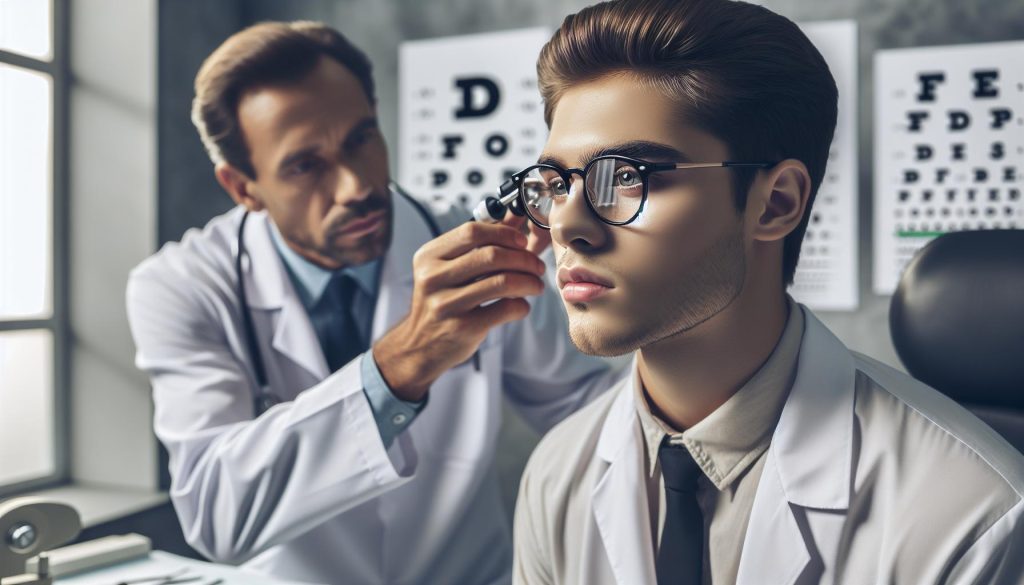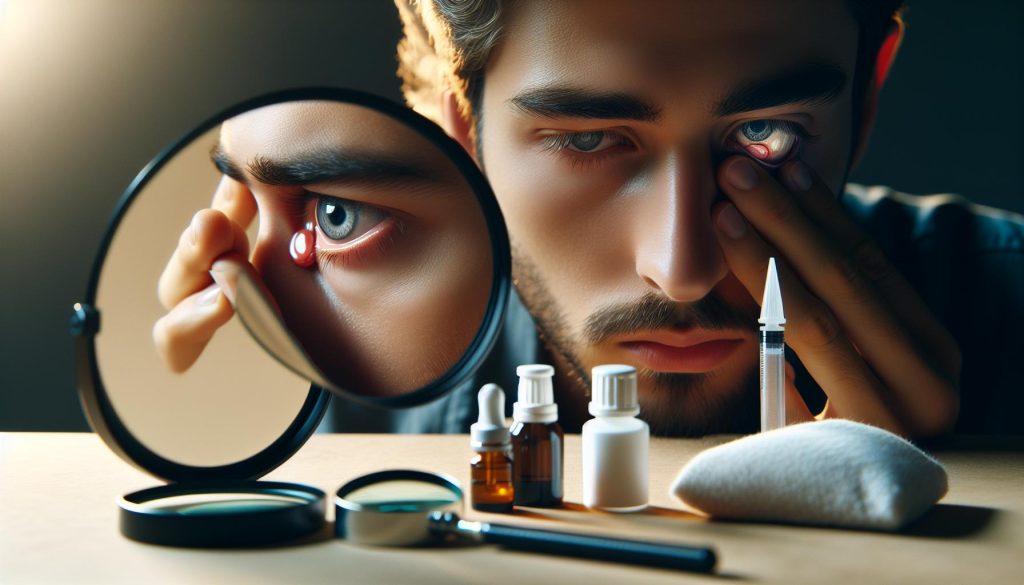
Styes are small, painful lumps that can develop along the eyelash line, often causing discomfort and concern, especially for those who prioritize eye health and beauty. Many wonder: can a stye pop in your eye? While they may seem harmless, understanding the potential consequences of a stye bursting is crucial to safeguarding your vision and overall eye health.
If left untreated, a stye can lead to complications, and the thought of it bursting in the eye can be unsettling. Eye infections, swelling, and even vision problems may follow, making it essential to be aware of proper care and treatment options. This article will explore the ins and outs of styes, including preventive measures and what to do if you find yourself in this situation. Stay informed and empowered to make the best decisions for your eye care journey.
Can a Stye Pop in Your Eye? Understanding Styes and Their Risks

A stye is more than just a bothersome bump on your eyelid; it’s a reminder of how delicate our eye health is. When a stye forms, it is primarily due to a bacterial infection in the oil glands of the eyelid, resulting in an inflamed, painful lump that can be red and swollen. This annoying condition can happen to anyone and is often triggered by stress, poor hygiene, or blocked glands. Recognizing the symptoms early on is crucial to managing discomfort and preventing complications.
While some may wonder if a stye can pop like a pimple, it’s essential to understand the risks associated with attempting this. Trying to burst a stye can lead to further infection, as bacteria may spread to nearby tissues. Additionally, this action could introduce dirt and other irritants, exacerbating the condition. Instead of popping, gentle warm compresses can help reduce swelling and promote healing. This method provides relief without the dangers associated with self-popping.
If a stye persists, becomes increasingly painful, or shows no signs of improvement after a few days, it is wise to seek medical advice. A healthcare provider may prescribe antibiotics or suggest other treatments to alleviate the issue. Maintaining good hygiene-such as washing your hands before touching your eyes and avoiding sharing eye products-will significantly contribute to preventing future occurrences. By prioritizing eye hygiene and understanding the nature of styes, you can empower yourself toward healthier eyes and a more comfortable experience during this common issue.
What is a Stye? Symptoms and Causes Explained

A stye, or hordeolum, is not just a temporary annoyance; it’s a clear signal from your body that your eyelid’s oil glands are struggling, often due to a bacterial infection. These small, painful bumps typically appear on the outer edge of your eyelid but can also form internally. The result is an uncomfortable, red swelling that may tear down your confidence and impact your daily routine. Styes can emerge from various triggers, including stress, poor eyelid hygiene, and even blocked glands. Understanding the signs and causes of a stye can help you tackle this issue effectively before it escalates into a more severe concern.
Common symptoms of a stye include localized redness and swelling, tenderness to the touch, increased tearing, and the sensation of a foreign body in the eye. Sometimes, styes might be accompanied by a cover of pus that, while tempting to pop, poses significant risks-most notably, the possibility of spreading the bacterial infection. They generally resolve independently in a week or two, but knowing when they tend to pop up can offer insight into their management. Often, styes are linked to chronic conditions like blepharitis, which is an ongoing inflammation of the eyelid margins.
To minimize the occurrence of styes and keep your eyelids healthy, prioritize good hygiene practices. Regularly washing your face and avoiding touching your eyes with unwashed hands are foundational steps. Additionally, understanding your skin type can help you select suitable makeup products and skincare routines to maintain your eye health, as clogged pores can lead to more styes. Embracing preventative measures is key to a healthier and more comfortable eye experience.
How Styes Form: The Science Behind Eye Infections
Understanding how styes develop can demystify this common yet uncomfortable condition. Styes, medically known as hordeola, are essentially infections of the oil glands located at the base of the eyelashes. When these glands become blocked-frequently due to a buildup of oil and dead skin cells-bacteria can invade and trigger an inflammatory response. The most common culprit is Staphylococcus bacteria, which are normally found on the skin but can become problematic when they penetrate the eyelid tissues.
The formation of a stye is a multi-step process. Initially, bacteria may enter through tiny openings in the skin or due to poor eyelid hygiene. Factors such as stress, hormonal fluctuations, or chronic eye conditions like blepharitis can further exacerbate the situation by creating an environment conducive to bacterial growth. When the oil gland becomes clogged, it swells, leading to the characteristic painful bump. This inflammatory response manifests as redness, swelling, and tenderness in the affected area, often accompanied by a feeling of pressure or irritation.
While styes typically resolve on their own within a week or two, understanding their development is crucial in preventing recurrence. Maintaining good eyelid hygiene is instrumental; gentle cleaning of the eyelid margins can help clear blocked glands. Warm compresses can also promote drainage and alleviate discomfort, providing a simple yet effective home remedy. Managing underlying conditions, like blepharitis, and being mindful of makeup hygiene can further reduce risk factors associated with stye formation.
In summary, styes signify that your body’s natural defenses are at play against local infections. By nurturing your eye health through proper hygiene and awareness of triggering conditions, you can effectively minimize the chances of these pesky bumps disrupting your daily life.
Can Styes Burst? Risks of Popping a Stye Yourself
Attempting to pop a stye can be tempting, especially when you’re dealing with the discomfort and irritation it brings. However, it’s crucial to understand the risks associated with this action. When a stye forms, it’s essentially a localized infection of the oil glands in your eyelid, often presenting as a red, swollen bump. Popping it may seem like a quick fix, but doing so can introduce harmful bacteria into the eye or exacerbate the infection.
When you try to forcefully rupture a stye, you risk not only spreading the existing infection to surrounding tissues but also pushing bacteria deeper into the eyelid. This can lead to more severe conditions, such as cellulitis, which is a bacterial infection of the skin and underlying tissues. Instead of alleviating discomfort, you might find yourself facing increased pain, swelling, and even vision problems if the infection worsens.
It’s essential to approach stye care with patience and proper hygiene. Use warm compresses to encourage natural drainage and soothe irritation. This method is far safer and more effective than trying to pop the stye yourself. If you notice that the stye isn’t improving after a few days or is accompanied by significant pain, it’s best to consult a healthcare professional. They can provide appropriate treatment, which may include draining the stye safely under sterile conditions or prescribing medications if necessary.
In conclusion, while the urge to pop a stye might arise, consider the potential complications that could arise from this action. Focusing on gentle, supportive care and seeking professional advice when needed is the best path to healing and maintaining your eye health.
Potential Complications: When a Stye Becomes Dangerous
Attempting to manage a stye on your own can lead to unexpected and concerning outcomes. One of the most alarming possibilities is the risk of serious infection. When you push or pop a stye, you can inadvertently introduce bacteria from your hands or the surrounding area into the eye, leading to complications such as cellulitis, which is an infection of the skin and underlying tissues. This can cause increased swelling, redness, and significant pain. If the infection spreads, it can affect nearby tissues, including those around the eye, which might also pose risks to your vision.
Another potential complication is the formation of a chalazion, which occurs when a stye does not heal properly. This type of bump is typically painless and results from a blocked oil gland. While chalazia are often less urgent than styes, they can still lead to discomfort and persistent swelling. If left untreated, they may require more extensive medical intervention, such as surgical drainage.
Knowing when a stye may become dangerous is crucial. If you notice symptoms like worsening pain, increased redness, swelling that spreads, or changes in your vision, these can be warning signs that the infection is escalating. Seeking medical attention promptly can help prevent more serious complications and ensure proper treatment, which may include antibiotics or a professional drainage procedure.
In summary, while styes are common and often harmless, improper care can transform a minor irritation into a significant health concern. Focus on natural, supportive treatments like warm compresses, and always consult a healthcare provider if you’re uncertain about the severity of your condition. This proactive approach helps protect not just your eye health, but your overall well-being.
Home Remedies for Treating Styes Safely
Warm compresses are often considered the gold standard in at-home care for soothing a stye. Applying a clean, warm, wet cloth to the affected eyelid for about 10-15 minutes, several times a day, can help reduce discomfort and facilitate drainage by encouraging natural healing processes. This simple method works wonders by softening the oil in the clogged gland, helping it to open and relieve pressure.
In addition to compresses, maintaining proper eyelid hygiene is crucial. Gently cleaning the area around the stye with a mild soap or eyelid scrub can help prevent further irritation or infection. Avoid touching your eyes, and make sure to wash your hands thoroughly before and after doing so. Keeping the eyelids clean can minimize the risk of new styes forming and help current ones heal quicker.
While home remedies are effective, a few natural ingredients can offer additional supportive benefits. For instance, tea bags-especially chamomile or green tea-can provide anti-inflammatory properties and antioxidants. After brewing, allow the tea bag to cool to a comfortable temperature and then apply it to the stye for 10-15 minutes. Honey, with its natural antibacterial properties, can also be diluted with warm water and gently dabbed onto the stye. This not only helps combat bacterial growth but also soothes the inflamed skin.
Lastly, if the stye persists for more than a week or worsens despite home treatment, consider consulting a healthcare professional. They can evaluate your situation and provide more targeted treatments, such as antibiotic ointments or, in rare cases, drainage procedures. Remember, while at-home remedies can be very effective, your eye health is paramount, so don’t hesitate to seek help if needed.
When to Seek Medical Help for a Stye
Recognizing when a stye requires medical attention is essential in managing eye health and preventing potential complications. While styes are usually benign and resolve on their own, certain symptoms can indicate a need for professional evaluation. If your stye persists beyond a week despite home treatment, worsens, or you notice significant discomfort, it’s time to consult a healthcare provider. This is particularly important if the stye is accompanied by severe pain, swelling that spreads beyond the eyelid, or changes in vision.
Additionally, if you experience recurrent styes, this may signal an underlying chronic condition such as blepharitis or rosacea that warrants a more comprehensive treatment approach. Also, if you notice yellow or green discharge from your eye or if the area becomes increasingly red and inflamed, these signs could suggest a bacterial infection that may require prescription antibiotics.
A healthcare professional can provide targeted treatments, including antibiotic ointments, and, in some cases, a minor surgical procedure to drain the stye if it has formed an abscess. It’s crucial not to attempt popping a stye yourself, as this could lead to more significant issues, such as spreading the infection or causing scarring. Your eyes deserve the utmost care, so don’t hesitate to seek help if you notice these warning signs. Remember, timely intervention can prevent complications and promote a smoother recovery, allowing you to feel your best.
Preventing Styes: Tips for Healthy Eyes
Maintaining healthy eyes is essential for preventing styes and ensuring overall eye health. Styes, those painful red bumps at the edge of the eyelid, can often be avoided with some simple yet effective practices. One such critical action is to prioritize eye hygiene. Regularly washing your face and eyelids with a gentle cleanser can help remove excess oil and debris that may block the tiny glands at the base of your eyelashes.
It’s also wise to avoid touching your eyes unnecessarily. Hands can carry bacteria and irritants that contribute to infections. When you’re applying makeup, choose hypoallergenic products and make sure to replace eye makeup every three to six months. This not only reduces the risk of introducing harmful bacteria but also keeps your makeup fresh and safe to use.
Incorporating warm compresses into your routine can be beneficial too. Applying a warm, clean cloth to your eyelids for a few minutes each day can help keep the glands opening smoothly and can help prevent blockages. Additionally, if you wear contact lenses, ensure they are properly cleaned and fresh to prevent irritation and infections that could lead to styes.
Regular lifestyle choices also play a pivotal role in eye health. For example, a balanced diet rich in vitamins A and C, along with omega-3 fatty acids, can contribute to the overall health of your eyes. Staying hydrated and managing stress effectively can also help reduce the risk of conditions that lead to styes. By following these simple tips, you can give your eyes the best chance at remaining healthy and free of bothersome styes.
Styes vs. Chalazia: Key Differences You Should Know
Understanding the difference between styes and chalazia is essential for effective eye care. Both conditions can be uncomfortable and unsightly, yet they stem from different causes and require distinct approaches for treatment. A stye, medically known as a hordeolum, arises from a bacterial infection in the oil glands at the base of the eyelashes, often manifesting as a painful, red bump. In contrast, a chalazion occurs when one of these glands becomes blocked, leading to a non-infectious lump that is typically not painful but can cause swelling in the eyelid and change in appearance.
Differences in Symptoms
Styes often present sudden onset symptoms, including tenderness, swelling, and sometimes even pus at the site of the infection. They can be quite painful, especially when touched or during blinking. Chalazia, however, develop more gradually, generally causing a firm lump without the intense pain associated with styes. This lump may be red and inflamed initially but is less likely to trigger the same degree of discomfort.
Treatment Approaches
When it comes to treatment, managing a stye typically involves applying warm compresses to the affected area to encourage drainage and relieve discomfort. Over-the-counter pain relief and topical antibiotic ointments may also be recommended. Conversely, handling a chalazion may include similar warm compresses; however, if it persists or disrupts vision, a healthcare provider might suggest a cortisone injection or minor surgical procedure to remove it.
- Stye: Painful bump, requires antibiotic treatment and warm compresses.
- Chalazion: Firm lump with milder symptoms, may need medical intervention if persistent.
Being informed about these differences allows for better self-care and timely intervention. If you’re unsure about your symptoms or they worsen, consulting with a healthcare professional ensures appropriate treatment to safeguard your eye health.
Debunking Myths: Misconceptions About Eye Health
Many people harbor misconceptions about styes and eye health that can inadvertently lead to poor care decisions. One pervasive myth is that styes are caused by a lack of hygiene. While poor hygiene can contribute to the bacteria that lead to a stye, a variety of factors-including hormonal changes, high-stress levels, and underlying health conditions-can also play a significant role in their development. It’s important to note that even those who practice excellent eye hygiene can occasionally experience styes.
Another common belief is that styes will resolve on their own without treatment. While many minor styes may drain and heal independently, others may not. Ignoring a stye may lead to increased discomfort or potential complications, such as the spread of infection. Instead, applying warm compresses can not only soothe the affected area but may also promote drainage and accelerate healing. Knowledge about proper home care can reduce anxiety surrounding this condition.
Many assume that it’s safe to pop a stye, similar to acne. However, this can be particularly hazardous. Attempting to squeeze or lance a stye may push bacteria deeper into the skin, leading to more significant infections or complications. It’s far safer to allow a stye to drain naturally or seek professional medical advice if it doesn’t improve within a few days.
Awareness of these myths empowers individuals to take the correct steps in managing their eye health. By understanding that styes are not purely a hygiene issue and recognizing the risks associated with DIY treatments, one can foster better health practices, ultimately leading to healthier eyes.
The Importance of Eye Hygiene in Preventing Styes
Maintaining proper eye hygiene is crucial not only for reducing the occurrence of styes but also for overall eye health. Styes typically form when the glands at the base of the eyelashes become blocked, often due to the build-up of oils, debris, and bacteria. By adopting a few simple yet effective hygiene practices, individuals can significantly minimize their risk of developing styes while promoting healthier eyes.
- Regular Cleaning: Gently wash your eyelids daily with a mild soap or eyelid scrub to remove any build-up of dirt and oils. This is particularly important for those who wear makeup, as lingering residue can clog pores and lead to stye formation.
- Avoid Touching Your Eyes: Touching your eyes or eyelids with unwashed hands can transfer bacteria and oils that exacerbate the risk of infection. Always wash your hands thoroughly before touching your face.
- Proper Makeup Practices: Remove eye makeup every night before bed. Additionally, replace eye makeup regularly and avoid sharing cosmetics to prevent bacterial transfer.
- Contact Lens Hygiene: If you wear contact lenses, ensure they are cleaned and stored properly. Follow your eye care professional’s recommendations for wearing and storing lenses to prevent irritation and infection.
Incorporating these habits into your routine can act as a shield against styes. Remember, even individuals with excellent hygiene can occasionally experience them, but the likelihood diminishes significantly with proper care. Understanding the role of hygiene in preventing styes empowers you to take proactive steps in maintaining both your eye health and confidence.
Empowering Your Eye Care: Strategies for Long-term Health
Maintaining long-term eye health isn’t just about treating problems as they arise; proactive care can significantly enhance your eye well-being and reduce the risk of conditions like styes. Did you know that the simple act of keeping your eyelids clean can be your first line of defense against many eye infections? Regular eyelid hygiene removes built-up oils, bacteria, and debris, which are the main culprits behind stye formation. Gently cleansing your eyelids with mild soap or an eyelid scrub every day can make a remarkable difference, especially for makeup users.
Equally vital is the practice of avoiding unnecessary touching of your eyes. Our hands harbor countless bacteria; transferring these to your face can easily lead to infections. Establish a habit of washing your hands thoroughly before touching your face or applying makeup. This not only helps prevent styes but is also beneficial for overall health. If you wear contact lenses, adherence to proper care and hygiene protocols is essential. This includes regularly cleaning and replacing your lenses and ensuring proper storage to avoid irritation and potential infections.
For those who may be prone to styes or are dealing with frequent eyelid issues, consider incorporating specific nutrients into your diet that promote eye health. Omega-3 fatty acids found in fish like salmon, as well as leafy greens rich in lutein, can help maintain healthy tears and reduce inflammation. Additionally, staying well-hydrated is vital for maintaining optimal eyelid health and function. Implementing these lifestyle changes not only bolsters your eye health but also empowers you to take charge of your beauty routine with confidence.
By adopting these straightforward yet effective strategies, you can safeguard your eyes against styes and foster a healthier, more vibrant appearance. Remember, the small steps you take today can have lasting effects on your overall eye health and beauty for years to come.
FAQ
Q: What happens if a stye pops in your eye?
A: If a stye pops in your eye, it may release pus and can potentially cause an infection or increase inflammation. It’s essential to keep the area clean and avoid touching the eye. If symptoms worsen, consult a healthcare professional promptly.
Q: Can a stye lead to more serious eye conditions?
A: Yes, while styes are generally harmless, they can lead to complications like chalazia or conjunctivitis if not treated properly. Persistent styes can indicate underlying issues that may need medical attention, so monitoring symptoms is crucial.
Q: How can I safely relieve discomfort from a stye?
A: To relieve discomfort from a stye, apply a warm compress to the affected area for 10-15 minutes, several times a day. This can help reduce inflammation and promote drainage. Avoid squeezing the stye to minimize the risk of infection.
Q: Are there any effective over-the-counter treatments for styes?
A: Over-the-counter treatments like antibacterial ointments and pain relief medications can help manage symptoms. However, it’s advisable to consult a healthcare provider for specific recommendations, especially if the stye persists.
Q: How can I prevent styes from occurring in the future?
A: To prevent styes, practice good eye hygiene by regularly washing your hands and avoiding touching your eyes. Remove eye makeup before sleeping and try not to share personal items like towels. For more tips, refer to our section on preventing styes.
Q: What are the signs a stye is getting worse?
A: Signs that a stye is worsening include increased redness, swelling, pain, or vision changes. If you experience these symptoms, it’s essential to seek medical attention to prevent further complications.
Q: Can allergies cause styes to form?
A: Yes, allergies can lead to inflammation and blockages in the oil glands around the eyelids, contributing to the formation of styes. Managing allergies through appropriate medications may help reduce the risk of developing styes.
Q: When should I consider surgical intervention for a stye?
A: Surgical intervention may be considered if a stye does not respond to home treatments and persists for several weeks or becomes recurrent. A healthcare provider can evaluate whether drainage or other procedures are necessary.
Key Takeaways
Understanding the implications of a stye and its potential to pop is crucial for maintaining your eye health. If you have lingering concerns or symptoms, make sure to consult with a healthcare professional for personalized advice. Don’t let discomfort persist-explore our comprehensive guide on eye care routines and learn how to prevent future issues.
If you found this information helpful, consider signing up for our newsletter for the latest insights into women’s health and beauty. You might also be interested in related articles on skincare treatments and home remedies that can boost your well-being. Your health journey is important, and we’re here to support you every step of the way. Remember, empowered choices lead to healthier habits-stay informed and take action today!