A stye, a common yet uncomfortable eye condition, can often leave you wondering about its effects on surrounding tissues, including bruising or color changes in the eye area. Have you noticed unusual discoloration alongside a stye? Understanding the relationship between a stye and skin changes is crucial for both your peace of mind and proper care.
In this article, we will decode why you may experience bruising or color shifts when dealing with a stye. By exploring the underlying mechanisms and providing practical tips on care and management, you’ll feel more empowered to navigate this health concern. Let’s delve into what these color changes really mean and how to best approach treatment for optimal eye health.
Can Eye Styes Lead to Bruising? Understanding the Connection

Inflammation often accompanies eye styes, which can occasionally lead to noticeable discoloration or bruising in the surrounding area. When a stye forms, it creates a localized swelling, which can cause the skin to stretch and in some cases, break tiny blood vessels. This phenomenon may result in the skin changing color to a reddish or purplish hue, resembling a bruise. Such color changes are most common around the eyelid and can be alarming, but they typically indicate inflammation rather than a serious concern.
Understanding the connection between styes and bruising can be empowering. If you notice these color changes, it’s essential to monitor the condition closely. Styes often resolve themselves within a week or two, leading to a gradual return of normal skin color. However, in some cases, the pressure buildup from the stye can exacerbate the situation, contributing to further discoloration. Applying warm compresses can alleviate discomfort and promote healing. Doing so increases blood circulation to the area and may reduce inflammation effectively.
It’s important to recognize that while bruising can occur, severe pain, persistent swelling, or continued discoloration beyond the typical duration is a reason to consult a healthcare professional. They can help determine whether the stye is healing appropriately or if further intervention is needed. Listening to your body and seeking advice when things don’t improve can help ensure your eye health remains on track.
What Is an Eye Stye and Its Symptoms?
An eye stye, or hordeolum, is a common yet pesky condition that can take anyone by surprise. Often appearing as a small, red bump on the edge of your eyelid, it’s typically caused by a bacterial infection in an oil gland. The discomfort can be alarming, particularly if you’re already concerned about your appearance. But understanding the symptoms can empower you to handle it with confidence.
When you first encounter a stye, it may start as a tender, swollen area that feels painful to the touch, often resembling a zit. As the situation progresses, the inflammation may lead to not only increased tenderness but also redness and swelling around the eye, making it hard to ignore. Symptoms can include:
- Swelling: The eyelid may become puffy and enlarged.
- Redness: The skin around the stye often appears red, which can lead to some bruising in severe cases.
- Pain or Tenderness: The area around the stye may be sensitive, and you might feel pain with movement.
- Discharge: In some cases, a stye may ooze pus, which can be unsightly and discomforting.
- Crustiness: You may find that your eyelid becomes crusty, particularly after sleeping.
Recognizing these symptoms early allows you to take timely action, such as applying warm compresses to soothe the stye and promote healing. While they can be bothersome, most styes resolve on their own within a week or two. Understanding what constitutes a stye can also help differentiate it from other eye issues, alleviating unnecessary worry and ensuring you manage your eye health effectively.
How Do Styes Affect Skin Color?

The appearance of an eye stye can significantly alter the color of the skin around the eyelid, which can be disconcerting. Styes typically start as small, red bumps, but as they develop, the surrounding skin may become increasingly inflamed, leading to noticeable discoloration. This redness is often accompanied by swelling, which can stretch the skin and cause it to appear more purple or bruised, especially if there’s significant irritation. This process is due to increased blood flow to the area as the body’s immune response kicks in to fight off the infection, which is an important part of the healing process.
In some cases, the skin might also experience a change in texture and color due to the irritation. This can manifest as localized areas of redness, swelling, and even light bruising if the stye is severe or if pressure is applied to the area. The skin may become sensitive and react strongly to touch, further contributing to potential color changes. It’s essential to monitor these changes, as while mild discoloration is common, significant bruising or increased pain may warrant a consultation with a healthcare professional.
To manage skin color changes and promote healing, applying a warm compress can be beneficial. This method not only soothes discomfort but also encourages better blood circulation, which may aid in reducing inflammation more quickly. Additionally, keeping the area clean and avoiding irritants like makeup can speed up recovery, allowing your skin to return to its normal tone without prolonged discoloration. Remember that while some temporary color changes are normal, maintaining good eye hygiene and seeking medical advice when necessary can help prevent complications and support overall eye health.
Exploring the Healing Process of Eye Styes
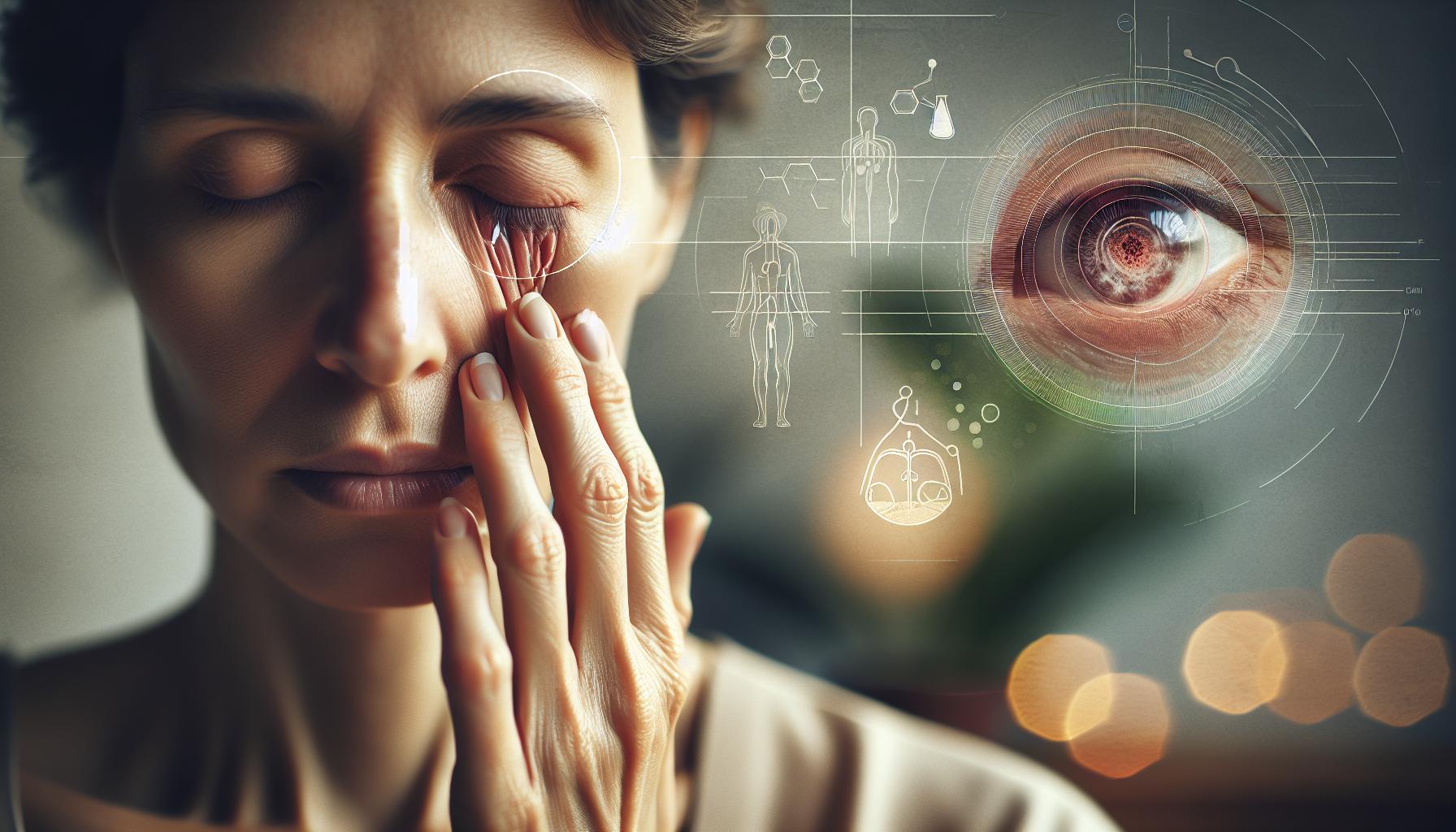
Healing from an eye stye is often a gradual process, similar to tending to a delicate garden where patience and care yield the best results. When a stye forms, your body responds by sending extra blood and nutrients to the area, which is why it’s common to see redness and swelling around the eyelid. This inflammatory response can sometimes lead to color changes that resemble bruising, signaling the body’s immune system at work. Understanding this healing process can help demystify those changes and empower you to enhance your recovery.
To facilitate healing, it’s crucial to keep the affected area clean and free from irritants. Gently washing your eyelid with mild soap and water can help prevent further infection. Another effective method is the use of warm compresses, which not only soothe irritation but also improve circulation to the area. Applying a warm, damp cloth for about 10-15 minutes, several times a day, can encourage drainage of the stye and reduce inflammation. It’s vital to avoid squeezing or popping the stye, as this can exacerbate irritation and lead to complications.
While healing, be attentive to any changes in your symptoms. If you notice that the redness or swelling worsens, or if you experience significant pain, it may be time to seek professional medical advice. In some instances, additional treatments, such as topical antibiotics or even drainage, may be necessary.
Lastly, securing a well-rounded routine filled with nutrient-rich foods, adequate hydration, and sufficient rest can support your body’s healing efforts. Incorporating vitamins A, C, and E, found in fruits and vegetables, can bolster skin health and recovery. With a little diligence and care, your skin will heal, returning to its healthy tone, while also strengthening your knowledge for future eye health initiatives.
When to Seek Medical Help for Styes
Complications from an eye stye can often take a surprising turn, leading many to wonder about the right time to consult a healthcare professional. Recognizing the signs that indicate it’s time for medical intervention can significantly affect your recovery process and overall eye health. If you notice that your stye is persisting longer than a week, or if the color changes-such as increased redness or swelling-start to resemble bruising, it’s essential to seek help.
Additionally, should you experience symptoms such as severe pain, vision changes, or discharge that appears green or yellow, these can be indications of a more serious infection that may require antibiotics or other treatments. Addressing these concerns promptly can not only alleviate discomfort but also prevent potential complications, such as the spread of infection or the formation of a chalazion, which can occur if a stye does not heal correctly.
A helpful strategy is to keep track of your symptoms. A simple checklist can guide your observations:
- Duration: Has the stye lasted longer than a week?
- Pain Level: Are you experiencing increasing levels of pain?
- Vision Changes: Is your vision affected in any way?
- Discharge Quality: Is there any unusual discharge?
If you answer “yes” to any of these questions, or if the situation continues to worsen, it’s wise to consult an eye care professional. Early intervention can help ensure the best recovery and protect your eye health moving forward. Remember, prioritizing your eye care is a vital aspect of your overall well-being, empowering you to maintain healthy vision and comfort.
Home Remedies for Stye Relief and Care
Warm compresses are one of the most effective home remedies for alleviating the discomfort of an eye stye. By simply soaking a clean cloth in warm water, wringing it out, and placing it on the affected eyelid for 10-15 minutes, you can help soften the stye and encourage drainage, while also providing relief from pain. This method increases blood circulation and can reduce swelling and redness, making it a gentle yet powerful ally in your healing process.
Another helpful remedy involves maintaining optimal cleanliness around your eyes. Keeping your eyelid area clean can prevent further irritation and potential infections. You can create a saline solution at home by mixing 1 teaspoon of salt in a cup of lukewarm distilled water. Dampen a clean cotton ball with this solution and gently wipe your eyelid. Repeat this procedure a few times daily to help reduce inflammation and encourage healing.
Additionally, essential oils like tea tree oil, known for their antimicrobial properties, can be beneficial. Diluting one drop of tea tree oil with a carrier oil (like coconut or olive oil) and applying it with a cotton swab around the area-avoiding direct application to the stye-may help to reduce swelling and support healing. Always perform a patch test first to ensure you don’t have a sensitivity to the essential oil, as your comfort is paramount.
Lastly, incorporating anti-inflammatory foods into your diet can support your body’s overall healing. Foods rich in antioxidants-such as berries, spinach, and fatty fish-contribute to reducing inflammation and bolstering your immune system. Staying hydrated is equally crucial, so aim to drink enough water throughout the day to keep your body well-nourished and aid in the healing process. These simple home remedies can empower you, enabling you to take proactive steps in managing a stye effectively and comfortably.
Preventing Eye Styes: Tips for Healthy Eyelids
Taking proactive steps to maintain eyelid health can significantly reduce the risk of developing eye styes. These small, painful lumps can arise from blocked oil glands or bacterial infections and often lead to discomfort that can distract from your daily life. Adopting a few simple habits not only fosters healthy eyelids but can also promote overall eye health.
First and foremost, maintaining optimal hygiene around the eyes is crucial. Regularly washing your face and eyelids with a gentle cleanser can help remove excess oil and bacteria. For those who wear makeup, it’s important to remove all makeup before bedtime to prevent clogged pores. Consider using a specialized eyelid scrub or wipes, which can help keep your eyelid margins clean without irritating the delicate skin.
Another key factor in preventing styes is to avoid touching your eyes with unwashed hands. Our hands carry a variety of bacteria, and transferring them to your eye area can increase the risk of infections. If you must touch your eyes-for instance, during makeup application-make sure your hands are thoroughly clean. Additionally, regularly changing pillowcases and towels can minimize overall exposure to bacteria.
It’s also wise to keep your eye makeup and tools in check. Mascara and eyeliner can harbor bacteria over time, especially if not replaced regularly. Aim to replace eye makeup every three months, and always use clean brushes and applicators. Educating yourself about ingredients in beauty products is also beneficial; products with natural, hypoallergenic formulations can be gentler on the skin and less likely to cause irritation.
Lastly, incorporating a balanced diet rich in vitamins and antioxidants can bolster your immune system, making it easier for your body to fight off potential infections. Nutrients like omega-3 fatty acids, vitamin E, and zinc found in foods such as nuts, fish, and leafy greens contribute positively to overall eye health. Staying hydrated is equally essential, as it helps maintain optimal skin moisture and elasticity around the eyes.
By integrating these habits into your routine, you can create an effective strategy for preventing eye styes and maintaining healthier, happier eyelids. Always remember to listen to your body and consult with a healthcare professional if you notice persistent changes or problems with your eyelids.
Understanding Eye Bruising: Causes and Treatments
Experiencing bruising around the eyes can be concerning, especially when it coincides with conditions like styes. It’s essential to understand the various factors that can lead to discoloration in this sensitive area. Bruising, or purpura, occurs when small blood vessels under the skin break, leading to blood leaking into the surrounding tissues. This can result from physical trauma, but it can also be a response to inflammation caused by an eye stye, particularly if there’s significant swelling or pressure in the area.
In the case of a stye, the combination of inflammation and the inherent fragility of the skin around the eyes can increase the likelihood of bruising. The tissues around the eyelid are particularly sensitive, and any excessive rubbing or scratching to alleviate discomfort may inadvertently lead to small injuries, causing bruising. It’s worth noting that any discoloration observed around a stye can range from red or purple hues initially, fading to yellow or green as it heals, due to the body’s natural process of breaking down the spilled blood.
To treat and reduce bruising as well as to manage styes, consider the following approaches:
- Cold Compresses: Apply a cold compress to the affected area for 10-15 minutes several times a day. This can help reduce swelling and minimize discoloration.
- Gentle Cleaning: Keeping the area clean is crucial. Use a gentle cleanser to avoid irritation and always wash your hands before touching the area.
- Avoid Rubbing: It might be tempting to touch or rub the area, but this can aggravate both the stye and any bruising, prolonging healing times.
- Over-the-Counter Treatments: Consider using topical creams that may help with bruising and inflammation. Look for products containing arnica, known for its bruise-healing properties.
- Hydration and Nutrition: Maintain hydration and consume foods rich in vitamin C and K, as these nutrients can promote healing and may strengthen blood vessels.
If bruising persists or if there are signs of infection (such as increased redness or discharge), it’s vital to seek medical attention. Understanding these connections not only empowers you to manage symptoms effectively but also enhances your overall eye health and well-being.
Differentiating Between Styes and Other Eye Issues
While an eye stye can be an annoyance, differentiating it from other eye conditions is crucial for effective care. Styes, or hordeola, typically present as red, swollen lumps on the eyelid, often accompanied by tenderness and an uncomfortable sensation. They occur due to blocked oil glands and can lead to some bruising if the inflammation becomes significant. This bruising can arise from the surrounding tissue’s reaction to the stye, as well as from any rubbing or scratching you might do to alleviate discomfort.
In contrast, conditions like chalazia and conjunctivitis require different considerations. Chalazia is a lump that occurs when an oil gland becomes blocked, similar to a stye, but it is usually painless and may not be accompanied by the same redness or acute inflammation. If a chalazion persists, it can appear as a lumpy area that doesn’t cause bruising but may lead to a more chronic irritation. On the other hand, conjunctivitis, or pink eye, manifests with intense redness and discharge but does not typically cause bruising. Instead, it may come with watery eyes, itching, or a gritty sensation.
Recognizing these differences can help you address your symptoms more effectively. If your eyelid is swollen but you’re not experiencing pain and there’s no visible stye, it may be worth considering a chalazion or other issues as potential causes. Keep an eye on any color changes or bruising; this can provide additional clues about your condition. For example, if you notice persistent bruising or increased swelling around a stye, it may indicate a secondary issue that warrants medical attention.
When in doubt, always consult a healthcare professional. Eye health is delicate, and ensuring that you’re correctly identifying the issue can help prevent complications and enable more targeted treatment-whether through at-home remedies or professional medical interventions.
Color Changes in Styes: What Do They Mean?
Color changes in and around a stye can be an important indicator of your eye health and the status of the inflammation. When a stye forms, it generally presents as a red, swollen lump on the eyelid due to clogged oil glands. The initial redness is often due to increased blood flow to the area, which is the body’s natural response to injury and infection. As the stye develops, you may notice further color changes, such as a darker hue or even bruising. This tends to happen if inflammation worsens or if the stye is frequently rubbed or scratched, causing additional trauma to the surrounding skin.
What Do Different Colors Mean?
The color variations you observe in or around a stye can signal different stages of its development:
- Bright Red: Indicates active inflammation and is the most common initial color.
- Dark Red or Purple: Suggests increased blood flow and may signal more severe swelling or irritation. It can also show that the stye is becoming more intense or has progressed.
- Blue or Bruised Appearance: This can arise from a combination of swelling and trauma, as the capillaries near the stye may have ruptured, leading to bruising. If you experience significant bruising, it might also warrant a visit to a healthcare professional to rule out any underlying issues.
Recognizing these color changes allows you to monitor your condition effectively. Should you observe a rapid change in color, especially towards darker shades, or if the stye does not improve within a few days, it is advisable to seek medical attention.
When to Seek Help
While many styes resolve on their own with time and care, persistent color changes-particularly those accompanied by consistent pain, vision changes, or increased swelling-should be evaluated by a healthcare provider. These symptoms could indicate the need for professional intervention, such as drainage or antibiotic treatment, to prevent complications. Always be proactive about your eye health; simple observations can help maintain your wellness and ensure your eyes remain an image of beauty and health.
How Lifestyle Factors Influence Eye Health
Understanding the relationship between lifestyle factors and eye health can illuminate how things like diet, stress, and sleep impact conditions such as eye styes. A healthy lifestyle not only enhances your overall well-being but can also minimize the risk of developing issues with your eyes. For instance, incorporating nutrient-rich foods into your diet-like leafy greens, carrots, and fish rich in omega-3 fatty acids-can support eye health. These foods are filled with vitamins A, C, and E, antioxidants, and essential fatty acids that promote healthy skin around the eyes, possibly minimizing inflammation and the likelihood of styes.
Moreover, hydration plays a crucial role. Dehydrated skin can lead to increased oil production, which may contribute to clogged pores and, consequently, styes. Drinking sufficient water daily, around 8-10 glasses, helps keep your skin-and eyelids-moisturized, reducing the chance of blockages in the oil glands.
Stress management is another vital aspect. High stress levels can influence skin health, making it more susceptible to irritation and inflammation. Techniques such as yoga, meditation, or even regular exercise can help mitigate these effects. Establishing a consistent sleep routine is equally important, as lack of sleep can weaken your immune system and impair your body’s ability to fight off infections, which could lead to the formation of styes.
As you reflect on your daily habits, consider the impact of makeup and skincare products too. Opt for hypoallergenic and non-comedogenic products to avoid clogging your pores further. Always cleanse your face thoroughly at the end of the day to remove any makeup residue. This routine not only helps in preventing styes but is also supportive of maintaining vibrant, healthy skin overall. By making these thoughtful lifestyle adjustments, you empower yourself to promote better eye health and reduce the frequency of stye occurrences.
Empowering Yourself with Knowledge: Eye Care Essentials
Experiencing an eye stye can be unsettling, not just because of its discomfort but also due to the changes it can bring to your appearance, including potential bruising or color alterations around the eye. Understanding the nuances of eye care empowers you to navigate these challenges with confidence. Taking proactive steps in your eye care routine can make a significant difference, both in healing and in preventing future occurrences.
Maintaining good hygiene is the cornerstone of eye care. Regularly wash your hands before touching your face to minimize the risk of infection. Using gentle, hypoallergenic cleansers around the eye area can help keep your skin clear without irritating the sensitive skin around your eyes. Additionally, applying warm compresses to the affected area can promote healing by increasing circulation and reducing swelling. Follow this up with light massaging around the eyelid to encourage drainage from clogged glands.
Diet plays a critical role in skin and eye health. Focus on incorporating foods rich in antioxidants, such as berries, nuts, and leafy greens, alongside hydration to help your skin recover and prevent further irritation. Omega-3 fatty acids, found in fish and flaxseeds, are particularly beneficial for maintaining skin health. Remember to limit the consumption of processed foods and sugar, as these can exacerbate inflammation and impact recovery.
Furthermore, monitoring your makeup and skincare products is essential. Always opt for products labeled as non-comedogenic to avoid clogging your pores. Consider using mineral-based makeup that can provide coverage while being gentle on your skin. Practicing a thorough evening skincare routine ensures you remove all products before bed, reducing the likelihood of irritation and breakouts, which could lead to styes.
By equipping yourself with knowledge about eye care essentials, you create a supportive environment for your overall health and well-being. This proactive approach not only reduces the appearance of styes but also cultivates a sense of empowerment and control over your body and skin. Remember, every small step you take enhances your wellness journey.
Q&A
Q: Can an eye stye become infected and cause bruising?
A: Yes, if an eye stye becomes infected, it can cause increased inflammation and swelling, potentially leading to discoloration or bruising around the eye. It’s essential to monitor symptoms and consult a healthcare professional for persistent or worsening conditions. For more on infection signs, see “When to Seek Medical Help for Styes.”
Q: What does the color change around an eye stye indicate?
A: Color changes, such as redness or darkening skin, often indicate inflammation and the body’s healing response. If the skin turns purple, it may suggest bleeding under the skin, akin to a bruise. Understanding these changes can be crucial; refer to “Color Changes in Styes: What Do They Mean?” for more insights.
Q: How long does bruising from an eye stye last?
A: Bruising from an eye stye typically lasts from a few days to two weeks, depending on individual healing rates and care. Monitoring the stye and using home remedies can support faster recovery. For treatment suggestions, check “Home Remedies for Stye Relief and Care.”
Q: Can pressure from a stye lead to swelling and bruising?
A: Yes, pressure from a stye can cause localized swelling, which may lead to bruising as the skin responds to inflammation. Carefully treating the stye can help minimize these effects. Explore more in “Exploring the Healing Process of Eye Styes.”
Q: Are there any risks in ignoring a stye that changes color?
A: Ignoring a stye that changes color can lead to complications, including infection and worsening inflammation, possibly resulting in bruising. If color changes occur, it’s crucial to seek medical advice promptly. More about symptoms to watch for is detailed in “When to Seek Medical Help for Styes.”
Q: Can dietary factors affect the healing of a stye and any associated bruising?
A: Yes, a poor diet lacking in vitamins can slow healing of the stye and its associated bruising. Nutrients like Vitamin C and antioxidants promote skin health. Ensuring a balanced diet can aid recovery. Learn about how lifestyle factors influence eye health in “How Lifestyle Factors Influence Eye Health.”
Q: What should I do if my stye starts to bruise and the pain worsens?
A: If your stye is bruising and pain intensifies, seek medical attention to rule out infections or complications. Meanwhile, applying warm compresses can provide relief and support healing. For further care tips, refer to “Home Remedies for Stye Relief and Care.”
Q: Is it possible for an eye stye to cause vision problems due to bruising?
A: While an eye stye itself usually does not cause vision problems, significant bruising and swelling may temporarily affect vision. If this occurs, consult a medical professional immediately. Further details can be found in “Differentiating Between Styes and Other Eye Issues.”
The Way Forward
Understanding your eye health is crucial, especially when symptoms like bruising arise from conditions like styes. To recap, while an eye stye itself typically doesn’t lead to bruising, associated issues might trigger color changes around the eye area. If you’re noticing unusual shifts in color or persistent discomfort, it’s essential to consult a healthcare provider for tailored advice.
For those looking to dive deeper, check out our guides on eye care routines and common eye conditions for practical tips. Don’t miss out on valuable insights-subscribe to our newsletter for the latest updates and expert advice straight to your inbox. Remember, taking proactive steps in eye care not only enhances your beauty regimen but fosters long-term health. Stay informed and empowered; your eyes deserve the best!