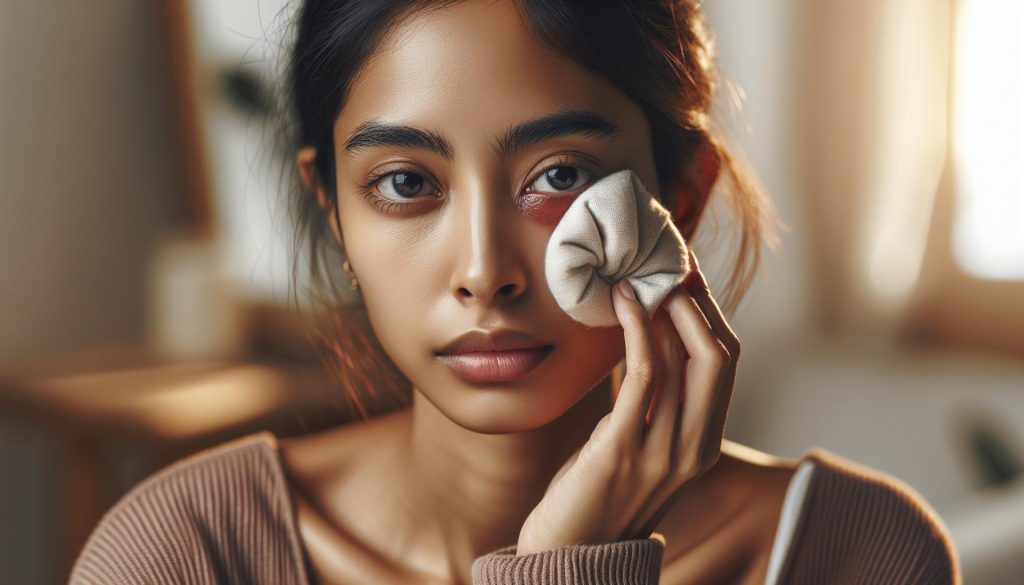
Did you know that a stubborn eye stye can linger for weeks or even months if not treated properly? This common yet frustrating condition can disrupt your daily routine and affect your confidence, as it often appears as a red, swollen bump on the eyelid. Understanding why a stye can last so long is essential for effective treatment and relief.
If you’ve found yourself battling a persistent stye, it’s likely you’re concerned about what this means for your eye health and beauty routine. The good news is that there are various solutions you can explore, from at-home remedies to professional interventions. By addressing the underlying causes and learning how to care for your eyes properly, you can take proactive steps toward healing.
Curious about how to tackle that stubborn bump? Read on to discover practical strategies and expert advice that can help you regain comfort and confidence in your appearance.
Can an Eye Stye Last for Months? Understanding the Duration
An eye stye, while usually a temporary nuisance, can linger longer than one might expect. It’s not uncommon for some individuals to find that their styes persist for months, particularly if they experience recurrent episodes. Generally, a stye, or hordeolum, is an infection of the oil glands in the eyelid, leading to a painful bump that often appears red and swollen. The duration of a stye can vary widely depending on several factors such as individual health, hygiene practices, and the effectiveness of treatment methods employed.
If a stye becomes chronic, it could be due to factors such as improper hygiene, underlying skin conditions like blepharitis, or even the presence of multiple styes. These factors can prevent the infection from clearing up entirely, causing the stye to become a recurring issue. For those struggling with a stye that seems resistant to treatment, it’s essential to adopt consistent eye hygiene practices, such as regularly washing your eyelids with a gentle cleanser and applying warm compresses to encourage drainage and healing.
It’s also important to be mindful of lifestyle choices that may contribute to the persistence of styes. Stress, a poor diet, and lack of sleep can all impact your immune system, making it more difficult for your body to fend off infections. Therefore, embracing a balanced diet rich in vitamins, particularly vitamin A, can support your skin and eye health. Additionally, staying hydrated and managing stress through relaxation techniques can make a significant difference.
While most styes resolve within a week or so, if yours is taking substantially longer, or if you experience significant discomfort or vision changes, it may be advisable to consult with a healthcare provider. They can assess the stye’s condition and recommend appropriate treatments, which may include antibiotics or in more severe cases, surgical drainage. Being proactive in your eye care can help alleviate concerns about prolonged styes, ensuring that you can tackle this common issue with confidence and knowledge.
What Exactly is an Eye Stye? Symptoms and Causes Explained
An eye stye, while often dismissed as a minor annoyance, can be a perplexing problem that warrants a deeper understanding. This common condition, medically known as a hordeolum, stems from a bacterial infection in the oil glands located at the base of the eyelashes. Typically characterized by a red, swollen bump on the eyelid, styes can cause discomfort and sensitivity, often feeling tender to the touch. They can appear suddenly, and while many styes resolve on their own within a week or so, some individuals may find theirs lingering longer, leading to frustration and concern.
The symptoms of a stye can vary but often include a localized swelling, redness, and tenderness around the affected area. Patients may also experience itching or burning sensations, watering of the eye, and even crusting on the eyelid. In some cases, the stye may develop a white center, indicating that it’s ready to drain. However, these bumps can be stubborn, particularly if there are underlying factors at play.
Several causes contribute to the formation of styes. Poor hygiene practices, such as not removing eye makeup before bedtime or touching the eyes frequently with unwashed hands, can introduce bacteria to the eyelid area. Additionally, existing skin conditions like blepharitis can predispose individuals to recurrent styes by inflammation of the eyelids. Environmental factors, stress levels, and even certain lifestyle habits such as poor diet and inadequate sleep can weaken immune responses, making it easier for infections to gain a foothold.
Understanding the origins and manifestations of a stye can empower women to take proactive steps in their eye care routines. Keeping eyelids clean with gentle cleansers and warm compresses can help prevent and treat these infections effectively. Moreover, remaining mindful of stress management and overall lifestyle choices can have a positive impact on skin and eye health. By becoming more aware of these factors, one can navigate the uncomfortable experience of a stye with knowledge and confidence.
Why Do Some Styes Become Chronic? Exploring Unresolved Cases
Persistent styes can be a source of frustration, leading many to wonder why some styes seem to linger for weeks or even months. Chronic styes often result from a combination of underlying factors that require attention and care. One of the primary reasons is the presence of underlying skin conditions such as blepharitis or acne, which can create a welcoming environment for bacteria. When these conditions are not managed properly, they make eyelid glands more prone to infection, resulting in recurring or long-lasting styes.
Furthermore, poor eye hygiene can exacerbate the problem. Failing to remove makeup, touching the eyes with unclean hands, or using contaminated personal products can continually introduce bacteria to the eyelids. This constant introduction can lead to repeated infections, turning a temporary annoyance into a chronic issue. Regularly cleaning the eyelids with gentle, hypoallergenic cleansers can greatly reduce the risk of recurrence.
Another factor to consider is lifestyle. Inadequate sleep, high-stress levels, and poor dietary choices can all impair the immune system, making it harder for the body to combat infections. Incorporating stress-reducing practices, such as mindfulness or yoga, along with a balanced diet rich in vitamins and minerals, can enhance overall health and help fend off styes before they develop or worsen.
Lastly, hormonal fluctuations, especially during certain phases of the menstrual cycle or during periods of high stress, can contribute to a tendency for repeated stye formation. Being aware of these cycles and taking proactive measures to maintain eye health during these times can be beneficial. Adopting a comprehensive approach-improving overall hygiene, managing skin conditions, and maintaining a balanced lifestyle-can help reduce the likelihood of stubborn styes becoming a chronic issue.
Effective At-Home Remedies for Stubborn Eye Styes
Stubborn eye styes can be a frustrating experience, but there are several effective at-home remedies that can help alleviate discomfort and promote healing. One of the most reliable methods is warm compress treatment, which involves soaking a clean cloth in warm water and gently pressing it against the affected eye for about 10 to 15 minutes. This process helps to unclog any blocked glands and promotes circulation, which can reduce inflammation and encourage drainage. Make sure to repeat this several times a day for the best results.
Another helpful remedy is eyelid hygiene. Keeping your eyelids clean can significantly decrease bacterial buildup, which is a common contributor to stye formation. Use a gentle eyelid scrub or a diluted solution of baby shampoo to clean the eyelid margins-this will remove debris and oils that can lead to further irritation and styes. Be careful to always use clean hands or cotton pads during this process to avoid reintroducing bacteria.
Additionally, certain natural ingredients can provide soothing relief. For instance, applying a small amount of aloe vera gel can be beneficial due to its anti-inflammatory and antibacterial properties. Simply apply a thin layer over the affected area, allowing it to dry before rinsing it off gently with warm water. Also, some people have found success using tea bags, particularly chamomile or green tea, which can be placed on the eye after they have cooled. The natural antioxidants and tannins can aid in soothing irritation and reducing swelling.
Lastly, even though these remedies can be very effective, it’s crucial to monitor the stye’s progress. If the stye persists or worsens after a week of home treatment, consulting a healthcare provider is advisable to explore further treatment options. These simple yet effective at-home remedies can empower you to take control of your eye health and relieve the discomfort of stubborn styes.
When to Seek Medical Help for Eye Styes
Experiencing an eye stye can be a frustrating and uncomfortable ordeal, and many individuals often wonder when it’s time to seek professional assistance. While most styes are benign and might resolve with at-home care, certain signs should prompt you to consult a healthcare professional. If your stye persists for more than a week without any sign of improvement, it may indicate an underlying issue that requires medical intervention.
Additionally, if you notice an increase in pain, swelling, or redness, or if the stye begins to interfere with your vision, it’s important to reach out to a medical professional promptly. The presence of a fever or worsening symptoms can also serve as red flags that your stye needs immediate attention. In these cases, healthcare providers might consider prescribing antibiotic treatments or, in some instances, surgical drainage to alleviate the condition.
When dealing with recurring styes, examining your overall eye hygiene and lifestyle choices is crucial. Persistent styes might suggest a need for better self-care practices, and consulting with a healthcare provider can furnish you with tailored advice and solutions. By staying vigilant and attentive to the signs your body presents, you can ensure better eye health and manage styes more effectively.
Top Over-the-Counter Treatments for Eye Styes
Over-the-counter treatments can be your first line of defense when dealing with a bothersome eye stye. Many women find themselves overwhelmed by choices, but understanding what works best can provide relief and promote healing. Generally, treatments focus on alleviating discomfort, reducing inflammation, and encouraging drainage. Here are some effective options to consider:
Top Over-the-Counter Treatments
- Warm Compresses: Though not a traditional medication, warm compresses are one of the most effective treatments for styes. They help reduce swelling and promote drainage by applying heat to the affected area. Use a clean cloth soaked in warm water, wring it out, and gently press it against the stye for about 10-15 minutes, several times a day.
- Antibiotic Ointments: Over-the-counter antibiotic ointments, such as Bacitracin or Neomycin, can be applied to the eyelid, which may help if an infection is suspected. These products can assist in reducing bacteria that contribute to the stye’s formation.
- Artificial Tears: Eye drops containing artificial tears can alleviate dryness and irritation, particularly if the stye is interfering with normal eye lubrication. This can provide temporary relief while your body fights the stye.
- Pain Relievers: Non-prescription pain relief medications, such as ibuprofen or acetaminophen, can help manage discomfort and reduce inflammation if the stye is painful.
- Stye-Specific Products: Some brands offer stye relief products, such as eye wipes or cleansing pads designed specifically for styes. These can help maintain hygiene and remove debris around the eye, potentially preventing the stye from worsening.
Using these over-the-counter treatments thoughtfully can lead to significant improvements. However, consistency is key. Regular application of warm compresses paired with these remedies typically provides the best results. Always ensure to wash your hands before touching your eyes and avoid squeezing the stye, as this could aggravate the situation. If symptoms persist or worsen despite treatment, consulting a healthcare professional is essential for further evaluation and intervention.
Preventive Measures: How to Avoid Future Styes
Maintaining eye hygiene is crucial in preventing styes, as these stubborn bumps often arise from blocked glands or bacterial infections. A simple yet effective practice is ensuring your hands are always clean before touching your face or eyes. This diminishes the risk of transferring bacteria and oils that could lead to blocked eyelid glands. Additionally, bathe your eyelids regularly with a mild soap or eyelid scrub to eliminate excess oil and debris. Keeping your makeup tools and products sanitized can also play a significant role in preventing eyelid irritations.
Another preventive measure is to apply eye makeup sparingly and remove it thoroughly at the end of the day. Use hypoallergenic and non-comedogenic products that are less likely to clog your pores. When removing makeup, consider products containing soothing ingredients like aloe vera or chamomile, which can prevent irritation. It’s also wise to regularly replace old makeup, particularly mascara and eyeliners, which can harbor bacteria over time.
Stress and lack of sleep can compromise your immune system, making you more susceptible to eye infections. Therefore, managing stress through relaxation techniques and ensuring you get adequate rest can fortify your body’s defenses. Eating a balanced diet rich in vitamins A, C, and E, and omega-3 fatty acids, can also support eye health by reducing inflammation and promoting healthier skin around the eyes.
Lastly, certain lifestyle choices can influence stye formation. If you frequently touch your eyes, consider a mindfulness approach to reduce this habit. If you wear contact lenses, ensure they are cleaned and stored properly, and avoid wearing them if your eyes feel irritated. Regular check-ups with an eye care professional can further contribute to prevention, allowing for early identification of any potential issues before they develop into something more serious. By adopting these simple but effective strategies, you can significantly reduce your chances of experiencing future styes.
Understanding Eye Hygiene: Tips for Clearer Eyes
Maintaining proper eye hygiene is essential for ensuring clear, healthy eyes and preventing bothersome conditions like styes. While a stye can be a surprisingly common annoyance, effective hygiene practices can significantly reduce the risk of developing these painful and unsightly bumps. Prioritizing the cleanliness of the eyes and surrounding areas can help keep irritations at bay.
To begin, always wash your hands thoroughly before touching your face or eyes. This simple yet effective practice minimizes the transfer of bacteria and oils that can clog the glands in your eyelids, leading to styes. Incorporate regular eyelid cleansing into your routine, using a gentle soap or commercially available eyelid scrub. This cleansing removes any excess oils, makeup residue, and debris that can accumulate on the eyelids, maintaining a clean slate and helping to prevent blockages.
Additional Tips for Effective Eye Hygiene
- Makeup Practices: If you wear eye makeup, opt for hypoallergenic and non-comedogenic products. These are less likely to irritate your eyes or clog your pores. Always remove eye makeup thoroughly at the end of the day, particularly using gentle products that feature soothing ingredients like aloe vera or chamomile.
- Eye Accessories: Regularly replace old makeup, especially mascara and eyeliner, which can harbor bacteria over time. It’s also important to clean your makeup brushes and applicators frequently to prevent contamination.
- Contact Lens Care: If you’re a contact lens wearer, ensure that you clean and store your lenses properly. Avoid wearing them if your eyes feel irritated, and replace them according to your eye care professional’s recommendations.
- Diet and Lifestyle: A balanced diet rich in vitamins A, C, E, and omega-3 fatty acids can promote healthier skin and reduce inflammation around the eyes. Additionally, managing stress and ensuring adequate sleep can bolster your immune system, offering further protection against potential infections.
In adopting these practices, not only are you taking proactive steps to prevent styes, but you also cultivate an overall regimen for clearer and healthier eyes. Remember, eye hygiene is not just about preventing conditions; it’s also about maintaining the vitality of your eye health.
Do Lifestyle Choices Impact Eye Stye Formation?
Making conscious lifestyle choices can significantly influence the formation of eye styes, an annoying condition that many experience at some point. Certain habits and dietary choices impact not only the health of your skin but also the resilience of your immune system, which plays a critical role in combating infections and inflammation that can lead to styes.
A balanced diet rich in antioxidants and essential fatty acids is paramount for maintaining healthy skin and minimizing inflammation around the eyes. Incorporating foods high in vitamins A, C, and E, along with omega-3 fatty acids, is beneficial. For instance, leafy greens, berries, nuts, and fish like salmon can strengthen skin health and contribute to clear eyes. Staying hydrated is equally important, as dehydration can reduce skin elasticity and increase susceptibility to irritation.
Stress management is another crucial factor. Elevated stress levels can weaken the immune system, making you more prone to infections, including those that cause styes. Practicing relaxation techniques such as yoga, meditation, or even simple breathing exercises can help maintain a healthier hormonal balance and, in turn, support better skin and eye health. Additionally, adequate sleep rejuvenates the body and enhances the immune response.
It’s also essential to consider personal habits, such as eye makeup use and improper contact lens care, which can increase the risk of developing styes. Always prioritize hypoallergenic products and maintain a strict routine of removing makeup at the end of the day. Furthermore, make sure to replace old cosmetics regularly and clean your brushes to avoid bacterial growth.
In summary, consciously choosing nutritious foods, managing stress levels, and practicing good makeup and lens hygiene can create a holistic approach to preventing eye styes and maintaining vibrant eye health. Such practices not only help avert the discomfort of styes but also contribute to overall well-being.
Natural Ingredients for Eye Stye Relief You Need to Know
When facing the discomfort of an eye stye, it’s helpful to know that several natural ingredients can offer relief and support the healing process. Many of these ingredients are likely already found in your home, making them convenient options for effective at-home care.
One powerful natural remedy is warm compresses. Simply soak a clean cloth in warm water, wring it out, and place it gently over the affected eye for about 10 to 15 minutes. This not only helps to reduce inflammation but also promotes drainage of the stye. Repeat this several times a day. To enhance the soothing effects, adding a few drops of tea tree oil to the warm water can provide antibacterial benefits given its natural antiseptic properties. However, ensure you dilute it properly and avoid direct contact with the eye.
Another ingredient to consider is aloe vera, renowned for its anti-inflammatory properties. You can apply pure aloe vera gel around the stye (avoiding direct application on the eye) to help soothe the area and reduce swelling. Similarly, coconut oil is beneficial due to its natural antibacterial and anti-inflammatory effects. Gently massaging a small amount on the outer eyelid can help combat the bacteria causing the stye.
Finally, don’t underestimate the power of green tea. When brewed, allow the tea bag to cool down then place it over the stye for about 10 minutes. The antioxidants and tannins in green tea can help reduce inflammation and may assist in healing.
Incorporating these natural remedies can provide comfort during the healing process of an eye stye, while also supporting overall eye health. Always remember to practice good hygiene when treating your eyes, and wash your hands before applying any remedies. If symptoms persist or worsen, consulting a healthcare professional is advised.
Debunking Myths: Facts About Eye Styes You Should Understand
Eye styes often come with a host of misconceptions that can lead to misunderstanding their nature and treatment. One of the most frequent myths is that styes are primarily caused by poor hygiene. While it’s true that dirt and bacteria can contribute to their formation, styes typically arise from blocked oil glands in the eyelid, which can happen to anyone, regardless of their hygiene practices. This means that even those who meticulously clean their faces can experience a stubborn stye. It’s crucial to recognize that styes are as common as they are uncomfortable, and maintaining a healthy routine can help but isn’t a foolproof preventative measure.
Another common belief is that styes are contagious. Rest assured, styes themselves are not contagious. They occur due to factors like bacterial infections or clogged glands, and you cannot catch a stye by being near someone with one. However, practicing good hygiene-such as avoiding sharing personal items like towels or makeup-can help prevent the spread of bacteria that could lead to a stye or other eye infections.
Many people also think that a stye will never go away unless it’s popped or surgically removed. This notion can lead to unnecessary poking and prodding of the affected area, which may worsen the condition or lead to further infections. In reality, most styes resolve on their own with simple home remedies, especially if treated properly with warm compresses and proper eye care techniques. If a stye lingers for weeks or resurfaces frequently, it may indicate an underlying issue that should be discussed with a healthcare provider.
Finally, there is a pervasive myth that dietary choices have no effect on eye health or the tendency to develop styes. Nutrient-rich foods can support overall skin and eye health. Incorporating foods high in vitamins A, C, and E-such as leafy greens, nuts, and citrus fruits-can improve skin resilience and possibly decrease the likelihood of developing styes. Emphasizing a balanced diet, along with proper eye hygiene, creates a holistic approach to managing eye health and minimizing the discomfort of styes.
FAQ
Q: How long can an eye stye persist before it’s a concern?
A: Generally, an eye stye should improve within a week or two. If a stye lasts longer than this or worsens in severity, it may require medical attention to prevent complications and get effective treatment.
Q: What causes a stubborn eye stye that won’t heal?
A: A stubborn eye stye may result from underlying issues such as chronic blepharitis, blocked glands, or not following proper hygiene practices. Identifying and addressing these conditions is crucial for effective healing.
Q: Are there home remedies to reduce the duration of an eye stye?
A: Yes, warm compresses can be effective. Applying a clean, warm washcloth to the affected area for 10-15 minutes, several times a day, can help improve circulation and promote drainage, potentially speeding up healing.
Q: Can stress contribute to the formation of eye styes?
A: Yes, stress may weaken the immune system, making individuals more susceptible to infections, including those that cause styes. Managing stress through relaxation techniques can help reduce stye formation.
Q: Is it safe to wear makeup with a stubborn eye stye?
A: It’s advisable to avoid wearing makeup until the stye heals completely. Makeup can irritate the stye further and may introduce bacteria, possibly prolonging the healing process.
Q: When should I consider a doctor’s visit for an eye stye?
A: Consider seeing a doctor if the stye does not improve after two weeks, the area shows signs of spreading infection, or if you experience significant pain or vision changes.
Q: Can eye styes be prevented with lifestyle changes?
A: Yes, maintaining good eye hygiene, managing stress, and regularly cleaning eyelids can reduce the chances of developing styes. Incorporating a healthy diet can also support overall skin health.
Q: Are there dietary changes that may help prevent eye styes?
A: A diet rich in antioxidants, omega-3 fatty acids, and vitamins A, C, and E may help improve skin health and support the immune system, potentially reducing the risk of developing eye styes.
Insights and Conclusions
If you’re dealing with a stubborn eye stye that seems to linger, know that you’re not alone, and effective solutions are at your fingertips. Remember, proper eye care and timely treatment can significantly impact your recovery. If you’re seeking more detailed information on preventing future styes or other eye health tips, check out our articles on Eye Care Essentials and Natural Remedies for Eye Issues.
Now is the perfect time to take charge of your eye health. Don’t let discomfort hold you back-consider scheduling a consultation with your healthcare provider if your stye persists. Your journey toward healthy eyes and radiant beauty starts here! Stay informed, empowered, and engaged by signing up for our newsletter, where we share the latest tips on skincare and wellness. Together, we can tackle those eye concerns and help you shine confidently every day!