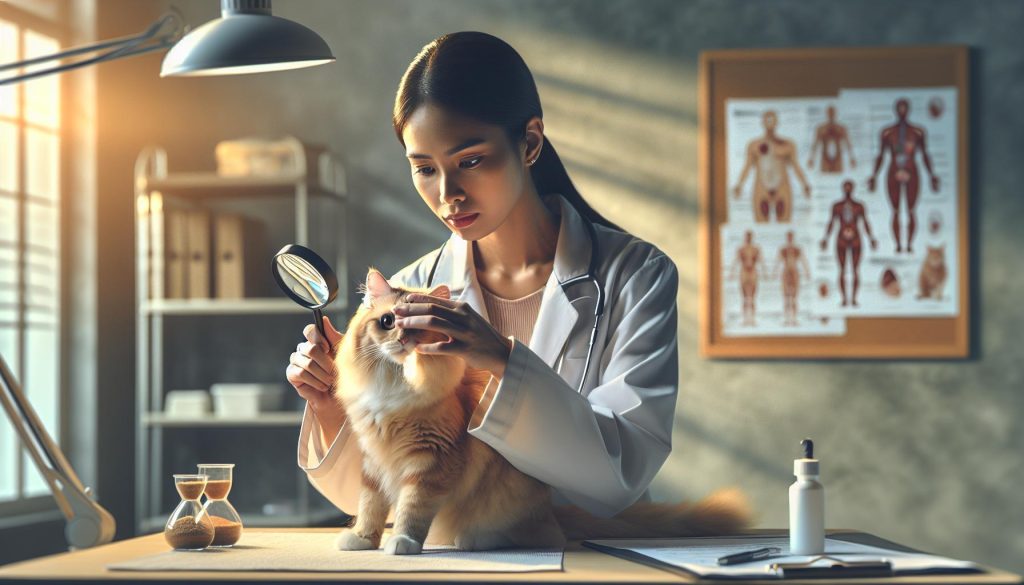
Cats, like humans, can experience a range of health issues, including styes. These small, painful bumps can develop on a cat’s eyelid, often causing discomfort and concern for pet owners. Understanding whether cats can get styes is vital for any cat lover, as it highlights the importance of eye health and proactive pet care.
If you’ve ever noticed your feline friend squinting or pawing at their eye, it’s natural to worry. This article will delve into the causes of styes in cats, how to identify them, and what steps to take for prevention and treatment. By staying informed, you can ensure your cat remains healthy and happy, and you can provide them the care they need when it matters most.
Understanding Styes: Are They Possible in Cats?
Cats can indeed experience styes, though they are less common compared to other eye issues. A stye, or hordeolum, is a painful lump typically caused by an infection in an oil gland at the base of an eyelash. These can occur in cats just as they do in humans, presenting as swollen, red bumps near the edges of the eyelids. While a stye itself might not be severe, it can indicate underlying problems, such as poor eyelid hygiene or conditions that lead to blocked glands.
In feline patients, several factors can contribute to the development of styes and other eye conditions. These include allergies, irritants, and infections, which can aggravate a cat’s sensitive eyes. It’s essential for pet owners to recognize the signs early. If your cat is frequently squinting, has excessive tearing, or is rubbing its eyes more than usual, these could be precursors to styes or other more serious health issues.
Proper eye care is crucial for maintaining your cat’s ocular health. Regularly cleaning your cat’s face and eyes with a soft, damp cloth can help prevent the buildup of debris and oils that contribute to the formation of styes. Additionally, ensuring your cat has a stress-free environment with minimal allergens can significantly reduce the risk of eye problems. Should you notice any signs of a stye developing in your cat, it’s wise to consult your veterinarian for appropriate treatment options.
Common Symptoms of Eye Issues in Cats
Noticing a slight change in your cat’s behavior can often be a telling sign of potential eye issues. Cats are creatures of habit, so when their typical demeanor shifts, it can be cause for concern. One of the most common symptoms of eye problems in felines involves squinting or keeping one eye partially closed. This reaction might indicate discomfort or irritation. Another telltale sign is excessive tearing; if your cat’s eyes are watering more than normal, it could signify an underlying issue that requires attention.
Furthermore, watch for redness or swelling around your cat’s eyes and eyelids. These symptoms can point to inflammation or infections like styes. Cats may also exhibit changes in their grooming behavior, such as rubbing their eyes with their paws or against furniture. This instinct to alleviate discomfort may lead to the further irritation of the eye area. Additionally, any reluctance to engage in activities that require clear vision, like playful pouncing, can suggest a problem that needs to be addressed.
In some cases, a foul odor emanating from the eye or persistent discharge-whether watery, cloudy, or yellow-green-can indicate serious concerns. It’s crucial to monitor these symptoms closely, as they can sometimes lead to more severe conditions if left untreated. By keeping a watchful eye on these signs and promptly addressing any issues, you can help ensure your feline friend maintains optimal eye health and avoids complications down the line.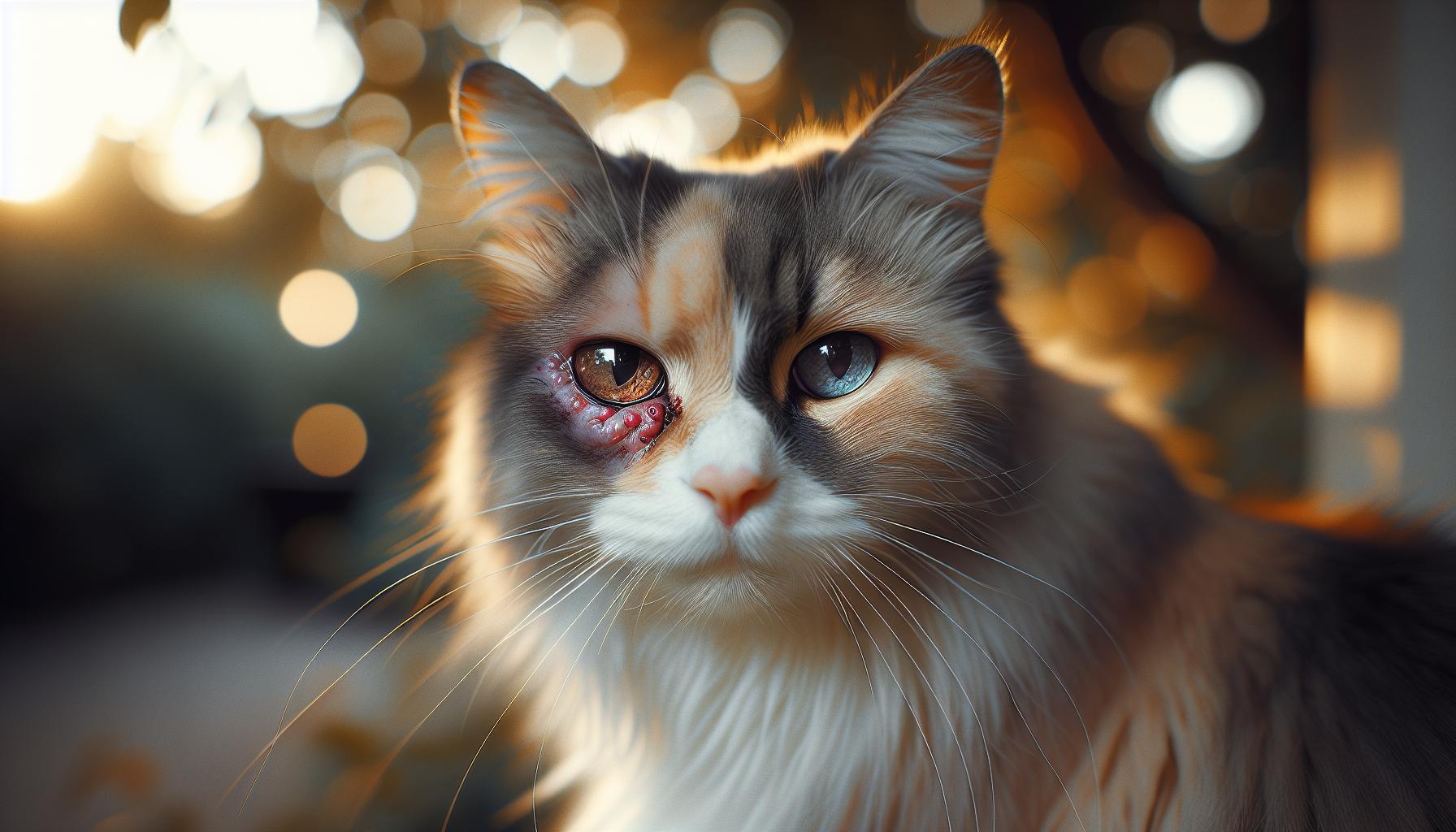
What Causes Styes in Cats?
A stye, while often thought of as a benign nuisance, can result from various underlying factors affecting your cat’s eye health. At its core, a stye is typically caused by an infection in the oil glands or hair follicles located at the edge of the eyelid. These infections are often due to the proliferation of bacteria, particularly Staphylococcus, which can flourish when small irritations occur. Just like in humans, when these glands become blocked or inflamed, it can lead to the formation of a painful and swollen lump.
Maintaining the cleanliness of your cat’s eyes and surroundings is crucial in preventing styes. Regularly grooming your cat reduces the likelihood of debris entering the eye area, which can lead to irritation and infection. Additionally, if your cat has allergies, these can exacerbate eye irritations, making them more susceptible to styes. Allergens such as pollen, dust, and certain foods can inflame the eyes and lead to increased tearing, creating an environment where bacteria can thrive.
In some cases, the underlying health of your cat can contribute to a higher risk of developing styes. Conditions that weaken the immune system, like diabetes or certain hormonal disorders, make it easier for infections to take hold. Furthermore, if your cat frequently rubs its eyes due to discomfort from allergies or other irritants, this action can introduce bacteria and increase the risk of stye formation.
While a stye may resolve on its own, it’s important to be vigilant. If you notice that the lump does not improve or if your cat displays signs of considerable discomfort, such as persistent squinting, pawing at the eye, or producing abnormal eye discharge, consulting a veterinarian is essential. Early intervention can help prevent complications, ensuring your furry friend remains healthy and free from further eye issues.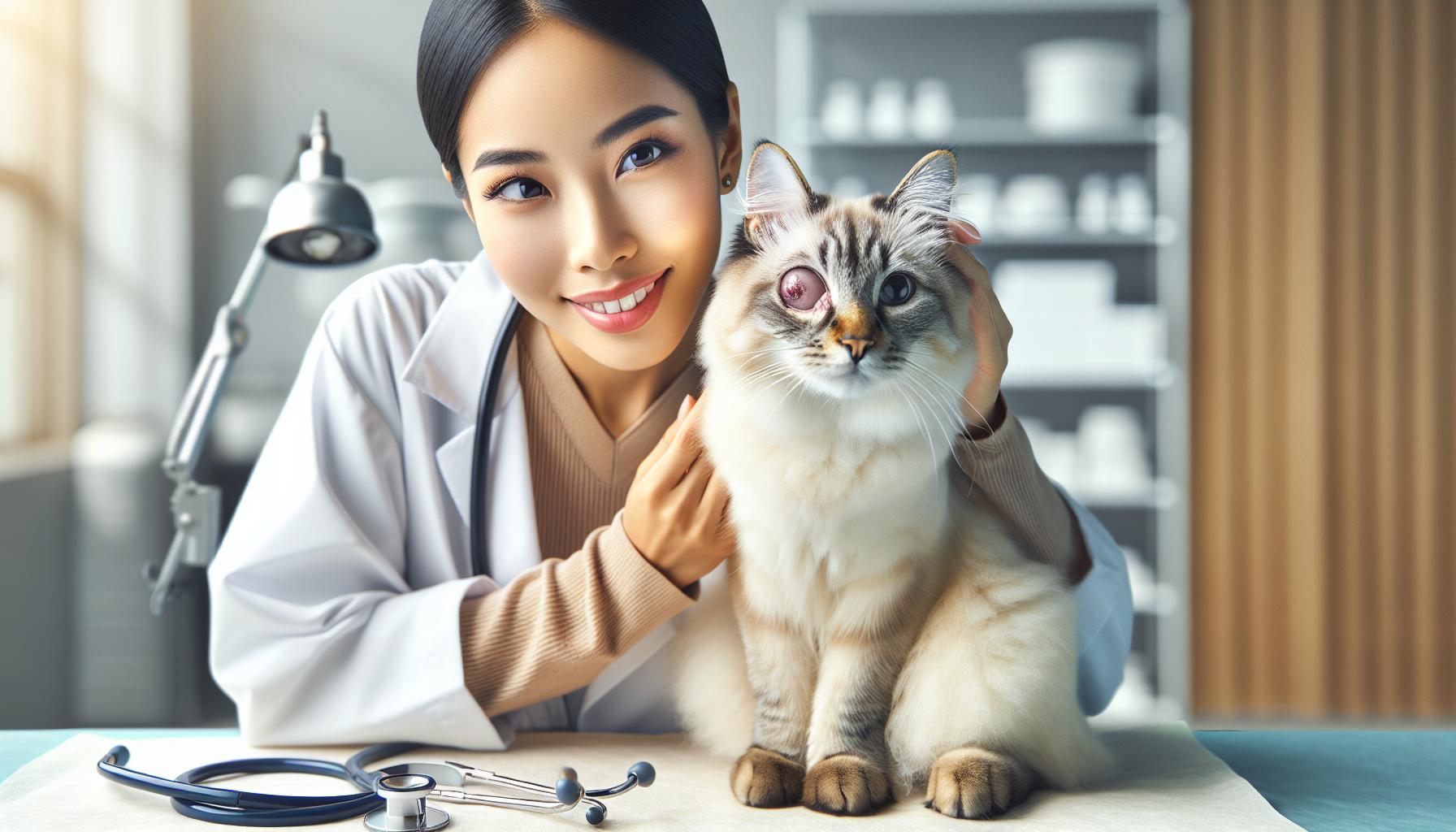
Stye vs. Other Eye Conditions in Cats
A stye in cats can often be mistakenly identified as other eye conditions due to overlapping symptoms, making it crucial for cat owners to understand the distinguishing characteristics of each. For instance, while a stye appears as a small, swollen bump on the eyelid, conditions such as conjunctivitis or eye infections can produce similar swelling but usually come with more extensive symptoms, including redness, excessive tearing, and a discharge that may vary from clear to pus-like.
It’s essential to differentiate between a stye and other conditions like chalazia, which are blockages in the oil glands that can appear similarly but are generally painless and cause less inflammation. On the other hand, conjunctivitis in cats can present with redness and swelling of the eyelids and may involve both eyes, a sign not typical of localized styes.
When examining your cat’s eye health, be alert for warning signs that suggest a more serious issue, such as persistent eye discharge or changes in behavior, like pawing at the eye or reluctance to open it. For example:
- Stye: Localized swelling near the eyelid edge, mild redness, and potential tenderness.
- Chalazion: Swelling without pain, may appear firmer.
- Conjunctivitis: Redness, swelling affecting the conjunctiva, often accompanied by discharge.
- Corneal ulcers: More severe symptoms including squinting, excessive tearing, and possibly visible defects on the eye.
Understanding these differences not only aids in home care but also empowers pet owners to make informed decisions about when to seek veterinary advice. Regular monitoring of your cat’s eye health and awareness of these symptoms can lead to timely interventions, ensuring your furry friend remains healthy and comfortable.
When to Seek Veterinary Care for Your Cat
It’s easy to dismiss minor eye issues in cats, but what might seem like a simple stye can sometimes indicate a more serious underlying condition. If you notice any unusual signs affecting your cat’s eyes, it’s essential to assess the situation carefully. For instance, if your cat develops a swollen eyelid accompanied by persistent discharge, inability to open the eye, or significant changes in behavior such as excessive pawing at the eye, it’s time to consult a veterinarian. These could be signs of an infection or other ocular issues that require immediate intervention.
Many cat owners are uncertain about when a trip to the vet is truly necessary. A general rule of thumb is to seek veterinary care if the symptoms last more than a couple of days, worsen, or if your cat appears to be in pain. Additionally, if there is swelling that seems to spread or if your cat is squinting frequently, these could indicate complications like conjunctivitis or corneal ulcers that may require professional treatment. Always prioritize your cat’s comfort and well-being; if you have any concerns, don’t hesitate to reach out to your vet for advice.
In cases where a stye is diagnosed, it’s important to monitor your cat closely for any changes in the affected area. Should the swelling persist or worsen, or if you notice a lump that does not resolve, follow up with your veterinarian. Early intervention can prevent more severe issues and ensure your cat remains happy and healthy. Always remember, while it can be helpful to research symptoms, nothing replaces the expertise of a veterinary professional.
At-Home Remedies for Cat Eye Health
While eye health in cats often takes a backseat in discussions about their overall well-being, it is crucial to address minor issues before they escalate. One effective home remedy for promoting eye health is the warm compress. This simple solution can provide comfort to your cat if they show signs of a stye or irritation. Use a clean, soft cloth dampened with warm (not hot) water, and gently place it over the affected eye for about 5-10 minutes. This may help to reduce swelling and promote drainage.
In addition to warm compresses, keeping your cat’s environment clean can significantly impact their eye health. Dust, pollen, and other allergens can lead to irritation and infections, so regular cleaning of their living space is essential. Consider using air purifiers or humidifiers to maintain a healthy environment. Furthermore, regular grooming sessions can help minimize allergens that may come into contact with your cat’s eyes. Ensure their fur is free from debris, especially around the face and eyes.
Another noteworthy remedy involves the use of natural solutions. For example, chamomile tea is known for its soothing properties. Brew a weak chamomile tea, let it cool, and use a clean cotton ball to dab it around the eyes. This can help alleviate minor irritation and provide a calming effect. Always be sure to consult your veterinarian before trying new remedies, especially if your cat has existing health issues or is on medication.
Lastly, keep a close eye on your cat’s diet, as nutrition can play a significant role in their eye health. Incorporating omega-3 fatty acids-found in fatty fish and certain plant oils-can help maintain healthy vision. To maximize their eye care, complement these home remedies with regular veterinary check-ups, ensuring any potential problems are detected early and addressed effectively.
Preventive Measures for Feline Eye Problems
Maintaining your cat’s eye health is crucial not just for their comfort but also for their overall well-being. One of the most effective ways to prevent eye issues, including the formation of styes, is through proactive care and vigilance. Regular inspection of your cat’s eyes can help detect any abnormalities early, allowing for prompt action and treatment if necessary. This becomes even more important if your cat is prone to allergies or eye infections, as early detection can significantly reduce the risk of serious conditions.
Creating a clean living environment for your feline friend is another key preventive measure. Regularly cleaning their bedding, food, and water dishes, along with vacuuming pet areas, minimizes exposure to dust, pollen, and other irritants that can lead to eye problems. Additionally, consider using air purifiers to help filter out allergens from the air, improving the overall quality of their living space. Alongside these cleanliness tactics, ensuring that your cat is kept indoors when possible can greatly reduce their exposure to outdoor allergens, dust, and potential sources of infection.
Nutrition also plays a pivotal role in eye health. A balanced diet that includes omega-3 fatty acids, such as those found in fish oils or flaxseed, is beneficial for maintaining eye health and preventing inflammation. Moreover, offering high-quality cat food that contains essential vitamins can bolster your cat’s immune system, aiding in the prevention of various eye conditions.
Finally, routine veterinary check-ups are essential. Regular visits to the vet allow for professional assessments of your cat’s eye health and can catch early signs of potential issues. Vaccinations can also protect against infectious diseases that have ocular manifestations. By incorporating these preventive measures into your pet care routine, you can help ensure your cat’s eyes remain healthy and vibrant.
Understanding Feline Eye Anatomy and Health
Understanding the intricate anatomy of a cat’s eyes can provide significant insight into their overall health and potential issues such as styes. Cats possess highly specialized eye structures adapted for their predatory lifestyle, including a large cornea and a unique reflective layer known as the tapetum lucidum. This layer enhances their night vision by reflecting light that passes through the retina back into their eyes, making them particularly adept at seeing in low light. However, these same features can also make them susceptible to various eye conditions.
Regular inspection of your cat’s eyes is essential for maintaining their health. Key components to monitor include the third eyelid, which helps protect and lubricate the eye; the conjunctiva, which can indicate signs of inflammation; and the pupil, whose size can reveal underlying health conditions. A healthy cat’s eyes should be bright and clear, with no discharge or excessive tearing. Any noticeable changes, such as redness, swelling, or cloudiness, should prompt a closer examination.
When discussing feline eye health, understanding the common ailments that can affect them is crucial. Conditions like conjunctivitis, keratitis, and yes, styes, can arise from various factors including bacteria, viruses, and environmental irritants. Styes, specifically, are caused by a blockage in the glands around the eyelid, leading to localized irritation, swelling, and discomfort. In many cases, they can resolve on their own, but persistent cases may require veterinary intervention.
To support your feline friend’s eye health, consider simple preventive practices. Regular grooming can help reduce allergens, and a balanced diet rich in essential fatty acids-notably omega-3 and omega-6-can support tissue health and reduce inflammation. Additionally, keeping your home environment clean and minimizing exposure to potential irritants can contribute significantly to your cat’s overall eye health. By understanding the anatomy and function of your cat’s eyes, you equip yourself with the knowledge needed to maintain their health and promptly address any concerns that may arise.
The Role of Diet in Your Cat’s Eye Health
The health of your cat’s eyes can often be a reflection of their overall wellness, and an important yet sometimes overlooked factor is diet. Just as a well-balanced meal can promote good health in humans, the right nutrients can significantly impact your feline’s eye health. Essential fatty acids, vitamins, and antioxidants play a pivotal role in maintaining the clarity and functionality of your cat’s eyes.
Incorporating foods rich in omega-3 and omega-6 fatty acids into your cat’s diet is crucial. These nutrients help to reduce inflammation and support the health of eye tissues. Fish oil, flaxseed, and poultry are excellent sources that can fortify your cat’s diet. Additionally, vitamins A, C, and E are powerful antioxidants that protect the eyes from oxidative stress and support the immune system, making it essential to include foods like carrots, sweet potatoes, and spinach in their meals.
Hydration also plays a significant role in eye health. Ensure your cat has constant access to fresh water. Dehydration can lead to dry eyes and increase the likelihood of irritation and infections. You might also consider incorporating wet food into your cat’s diet to boost hydration levels further.
Ultimately, a balanced diet that includes a variety of high-quality ingredients tailored to your cat’s specific needs will not only support their eye health but also enhance their overall vitality. Regular veterinary check-ups and open communication regarding your cat’s health and dietary needs can help you make the best choices. Always consult with your veterinarian before making significant changes to your cat’s diet to tailor it to their unique health needs.
Impact of Allergies on Cat Eye Conditions
Allergies in cats can often manifest in unexpected ways, and one of the areas that can be deeply affected is their eye health. Just like humans, cats can experience allergic reactions that lead to irritation and inflammation of the eyes. These reactions can result from various allergens, including pollen, dust mites, mold, or certain foods. When a cat is exposed to these allergens, their immune system may overreact, causing symptoms that could easily be mistaken for other eye conditions.
Signs of allergic reactions can include excessive tearing, redness, swelling, and itching around the eyes. In some cases, cats might rub their eyes with their paws or against furniture, further aggravating the condition. It’s essential to monitor these symptoms closely, as persistent eye irritation can lead to secondary infections or more severe issues, such as conjunctivitis. If your cat exhibits these signs, it’s crucial to consult with a veterinarian to determine the underlying cause and appropriate treatment options.
To manage and mitigate allergy-related eye conditions, consider creating a controlled environment for your cat. Regular cleaning can significantly reduce dust and allergens that float in the air. Moreover, incorporating air purifiers can help maintain air quality, especially during peak pollen seasons. If food allergies are suspected, a diet trial with hypoallergenic food-under veterinary guidance-may also provide insights and aid in identifying triggers.
In addition, topical treatments or medications prescribed by your vet can alleviate inflammation and discomfort. There are also gentle, vet-recommended eye washes that can help soothe irritated eyes. Taking these steps not only addresses immediate symptoms but also supports your cat’s overall health, enhancing their quality of life. Remember, allergies are as unique as the cats who experience them, so tailored solutions are critical in ensuring your feline companion stays comfortable and healthy.
FAQs About Cat Eye Health and Styes
While many cat owners are familiar with the importance of ensuring their feline companions remain healthy, questions about eye health can often arise, especially concerning conditions like styes. A stye, typically characterized by a painful lump on the eyelid caused by a bacterial infection of the eyelash follicles, is indeed possible in cats, though it is relatively uncommon. Understanding how to recognize symptoms and when to seek help is crucial for maintaining your cat’s well-being.
Cat owners might wonder what symptoms indicate a stye. Common signs include swelling or redness around the eye, excessive tearing, and irritation that may cause your cat to squint or rub its eye. If left untreated, these signs can escalate. It’s essential for cat owners to monitor these symptoms closely; if you notice continual discomfort or signs of distress, consulting a veterinarian is the best course of action.
Preventive care can significantly contribute to your cat’s eye health. Ensure that your cat has regular check-ups, maintain proper hygiene by cleaning around the eyes gently with a damp cloth, and watch for any changes in behavior that might indicate discomfort. It’s also vital to provide a stable environment, free from allergens and irritants, to help reduce the risk of infections and allergic reactions.
For cat owners seeking at-home remedies, gently applying a warm compress can provide relief from discomfort associated with a stye. Just be sure to keep your cat calm and comfortable during the process. Additionally, maintaining a balanced diet rich in vitamins A, C, and E can support overall eye health. If you have concerns or suspect a stye, do not hesitate to reach out to your veterinarian, as early intervention can often lead to better outcomes.
Real-Life Cat Eye Health Stories and Solutions
Many cat owners may be surprised to learn that styes, while rare, can indeed occur in our feline companions, often leading to significant concern and curiosity. One compelling story comes from Jenna, a devoted cat mom whose beloved Tabby, Whiskers, developed a stye just before a family gathering. Jenna noticed Whiskers squinting and rubbing at his right eye. Initially dismissing it as merely allergies, she later observed swelling and redness, which prompted her to take action. After a quick search and some timely advice from her vet, she learned that applying a warm compress a few times a day helped soothe the irritation and promote drainage.
In another inspiring account, Kevin, a new cat owner, found himself panicking when his cat, Luna, began to exhibit similar symptoms. After researching online and uncovering stories from other cat owners facing the same issue, he felt reassured and empowered to act. With guidance from the community and a focused vet visit, Kevin learned about the importance of keeping Luna’s eye area clean to prevent future occurrences. Now, he routinely wipes her eyelids gently with a clean, damp cloth-ensuring she remains comfortable and healthy.
These stories highlight the significance of community knowledge and proactive care when it comes to our pets’ health. For those experiencing the same concerns, consider incorporating the following practical steps to support your cat’s eye health:
- Monitor Symptoms: Keep a close watch for any changes around the eyes, including increased tearing, redness, or swelling.
- Warm Compresses: As Jenna and Kevin discovered, using a warm, damp cloth can alleviate discomfort. Make sure to gently place the compress near the affected area for a few minutes.
- Maintain Eye Hygiene: Regularly clean the area around your cat’s eyes to minimize the risk of infection.
- Consult Your Veterinarian: If symptoms persist or worsen, don’t hesitate to seek professional help.
By sharing these real-life experiences and applying straightforward, relatable solutions, cat owners can better navigate the complexities of their feline friends’ eye health while fostering a supportive community for each other.
Q&A
Q: Can cats develop styes similar to humans?
A: Yes, cats can develop styes, though they are less common than in humans. Styes are usually caused by blocked glands near the eye, resulting in inflammation and soreness. If you notice swollen areas on your cat’s eyelid, it’s best to consult your veterinarian for proper diagnosis and treatment.
Q: What are the signs of a stye in a cat?
A: Signs of a stye in a cat include swelling around the eye, redness, discharge, and excessive tearing. Your cat may also show discomfort when the eye is touched. Observing these symptoms warrants a visit to the vet for assessment and care.
Q: How can I prevent styes in my cat’s eyes?
A: To prevent styes, maintain good hygiene by regularly cleaning your cat’s face and eyes. Ensure your cat’s living environment is free from irritants like dust and allergens. Additionally, regular vet check-ups can help monitor any potential eye health issues.
Q: Are there any specific cat breeds more prone to eye issues?
A: Some cat breeds, such as Persians and Himalayans, are more susceptible to eye issues due to their facial structure. These breeds may experience tear duct blockages or skin fold issues, which can lead to styes and other eye conditions. Regular veterinary check-ups are essential for these breeds.
Q: Can allergies cause styes in cats?
A: Yes, allergies can contribute to the development of styes in cats. Allergens may irritate the eyes, leading to inflammation and blockage of glands around the eyelids. If you suspect allergies, consult your veterinarian to determine triggers and potential treatments.
Q: When should I take my cat to the vet for eye problems?
A: Take your cat to the vet if you notice persistent symptoms such as excessive tearing, redness, swelling, or discharge from the eyes. Immediate veterinary care is essential if your cat shows signs of pain or discomfort, as prompt treatment can prevent complications.
Q: Are home remedies effective for treating a stye in cats?
A: Home remedies, such as warm compresses, may provide temporary relief and comfort for cats with styes. However, it’s crucial to consult your veterinarian for proper diagnosis and treatment to avoid worsening the condition.
Q: What treatments are available for a cat with a stye?
A: Treatment for a stye in cats may include warm compresses, antibiotic ointments, or, in more severe cases, surgical drainage. Your veterinarian will determine the best course of action based on the severity of the condition and your cat’s overall health.
The Way Forward
Thank you for exploring the intriguing question, “Can Cats Get a Stye in Their Eye?” You’ve learned about the causes, symptoms, and treatment options for this common pet health concern. If your feline friend shows any signs of discomfort, don’t hesitate-consult your veterinarian for peace of mind and effective care.
For further insights, check out our articles on pet eye care and common feline illnesses linked here. By staying informed, you empower yourself to make the best choices for your pet’s health. Join our community by signing up for our newsletter to receive expert tips and resources directly to your inbox. Your cat deserves the best, and you’re just a click away from becoming the most knowledgeable pet owner you can be. Keep sharing your thoughts or concerns below-we’d love to hear from you!