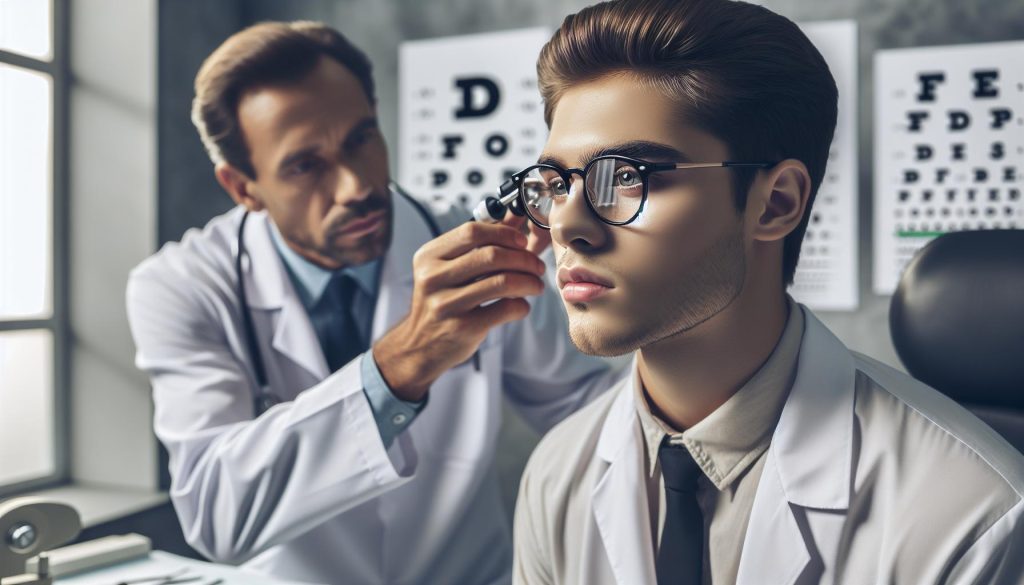
As the world grapples with the ongoing impacts of COVID-19, many are surprised to discover that the virus may have unexpected side effects, including the potential development of a stye in the eye. This red, painful bump can be both frustrating and alarming, especially when it seems linked to a pandemic that has already disrupted our health and well-being. Understanding the connection between COVID-19 and eye health is crucial for anyone looking to maintain their overall comfort and beauty routine during these challenging times.
Many people are concerned about how stress, altered hygiene practices, and the rise in screen time during the pandemic can affect their skin and eyes. If you’ve ever experienced discomfort or redness around your eyes, you’re not alone. This article will explore the possible relationship between COVID-19 and styes, empowering you with actionable tips on prevention and care. By staying informed, you can confidently navigate these health concerns while prioritizing your eye care regimen and overall wellness.
Can COVID-19 Trigger Eye Infections? Understanding the Connection
The intricate connection between COVID-19 and eye infections has gained attention as more becomes understood about the virus and its effects on overall health. Recent studies suggest that the viral infection can indeed influence eye health, potentially increasing the risk of conditions like styes. Styes, which appear as small, painful lumps on the eyelid, are often caused by blocked oil glands or bacteria. Given that COVID-19 can impact the immune system and lead to increased stress levels, individuals may be more susceptible to developing these infections.
The pandemic has created an environment where personal hygiene practices may have changed, leading to opportunities for infections like styes to arise. Many have experienced changes in routine, such as increased facial touching from mask-wearing, which can transfer bacteria to the eyes. Additionally, the stress associated with the pandemic may affect immune responses, making the body less able to fight off infections, including those affecting the eye.
To mitigate the risk of developing styes, it’s essential to maintain a robust eye care routine. This includes regular hand washing, avoiding the rubbing of eyes, and minimizing the use of eye makeup, which can introduce bacteria. Investing in proper eye hygiene not only protects against styes but also contributes to overall eye health during these challenging times.
In summary, while there is a plausible connection between COVID-19 and the development of styes, maintaining good hygiene and being mindful of eye care can significantly reduce risks.
What Is a Stye? Causes and Symptoms Explained
Styes can be an annoying and uncomfortable eye condition that many people experience at some point in their lives. These small, painful lumps typically form on the eyelid when oil glands become blocked or infected. While styes are not typically serious, they can be quite bothersome, causing redness, swelling, and even discomfort during daily activities such as blinking or wearing makeup. Understanding what leads to a stye can help you prevent future occurrences.
One of the primary causes of styes is the buildup of bacteria. Often, the eyelids contain a mix of oils and bacteria, but when these oil glands become clogged-due to stress, lack of sleep, or improper hygiene-they create the perfect environment for bacteria to thrive. Factors such as COVID-19, which has impacted immune systems and increased stress levels globally, may heighten the risk of developing eye infections, including styes.
Symptoms of a stye can include:
- Red or swollen eyelid: This can be the first noticeable sign, often accompanied by tenderness.
- Pain or discomfort: The affected area may hurt, especially when touched.
- Grinding sensation: Many report feeling as though something is in their eye.
- Dizziness or tearing: The eye may feel more sensitive than usual and tear up more frequently.
- Possible pus formation: In some cases, a stye can develop a white tip, indicating that it might be ready to drain.
It’s crucial to be aware of these signs so you can take appropriate action early on. Practicing good eye hygiene, such as keeping makeup brushes clean and removing your makeup before bed, can significantly reduce your chances of developing a stye. If you notice symptoms, adopting a warm compress routine can promote healing. Simply soaking a clean cloth in warm water and placing it over the affected area for about 10 to 15 minutes can help. Remember, while styes often resolve on their own, if you experience persistent symptoms or severe discomfort, it’s wise to consult a healthcare professional for further evaluation and treatment.
Pandemic Health Risks: Eye Conditions Linked to COVID-19
The pandemic brought about a cascade of health issues, and eye conditions have emerged as a noteworthy concern, particularly as stress and anxiety levels surged globally. Research indicated that some strains of the COVID-19 virus might influence not just respiratory health but also ocular health. Those suffering from COVID-19 experienced a range of symptoms that included discomfort in the eyes, such as dryness, redness, and increased susceptibility to infections, including styes.
Many experts suggest that the increase in digital device usage during lockdowns has exacerbated eye strain, as screens led to prolonged exposure without adequate breaks. This behavior, combined with the challenges of wearing face masks (which can lead to increased moisture around the eyes), creates an environment ripe for eye conditions. The relationship between heightened stress levels and immune system function also plays a critical role, as stress can weaken immunity, making it harder for the body to fend off bacterial infections that contribute to complications like styes.
Keeping your eye health in check during these times is essential. Simple preventative measures can make a significant difference. Maintaining good hygiene, such as washing hands frequently and avoiding rubbing your eyes, is crucial. Additionally, incorporating breaks during screen time can alleviate strain and contribute to overall eye wellness. Stay hydrated and consider using lubricating eye drops to combat dryness caused by extended screen exposure.
As we navigate the post-pandemic world, it’s critical to recognize the implications of these health risks. Incorporating routine eye care, including regular eye exams, will not only help in early detection of potential problems but also serve as a preventive strategy against infections like styes. Prioritizing eye health now can lead to a more vibrant visual experience, keeping both comfort and clarity at the forefront of women’s health.
The Role of Stress in Eye Health During COVID-19
The rise of stress during the COVID-19 pandemic has had profound effects not just on mental health but also on physical well-being, particularly on eye health. Stress can trigger a cascade of physiological changes, which may contribute to eye discomfort and increase susceptibility to infections like styes. When the body is under stress, the immune system can become compromised, making it more challenging for the body to fend off bacterial and viral infections. This weakened immune response can lead to inflammation and exacerbate conditions such as dry eyes, redness, and irritation.
Increased screen time during lockdowns has been another significant factor affecting eye health. As people turned to digital devices for work, education, and social connection, the hours spent looking at screens skyrocketed. This overexposure can lead to digital eye strain, resulting in symptoms like blurred vision, dryness, and discomfort. Coupled with the stress of navigating changes in daily life, this strain can further aggravate ocular health issues, including the development of styes. It’s essential to be mindful of these stressors and their impacts on eye health during and after the pandemic.
To support eye health amidst stress, consider simple, daily practices that promote relaxation and wellness. Incorporate regular breaks during screen time, following the 20-20-20 rule: every 20 minutes, look at something 20 feet away for at least 20 seconds. This practice not only eases eye strain but also allows a moment to reset and reduce stress levels. Staying hydrated, using lubricating eye drops, and practicing mindfulness through meditation or gentle yoga can significantly improve how your eyes feel and function.
Additionally, maintaining a routine that incorporates self-care focused on eye health can alleviate some impacts of stress. Simple acts like washing your face with cool water can refresh tired eyes, while good hand hygiene is vital in preventing infections. By proactively managing stress and its effects on ocular health, you empower yourself to maintain not only comfort but also clarity in your vision, keeping your overall well-being in focus.
Preventive Care: How to Protect Your Eyes from Infection
Protecting your eyes from infection is more crucial than ever, especially in the context of increased stress and health risks associated with the COVID-19 pandemic. With a pandemic affecting our daily routines and well-being, the possibility of developing eye conditions like styes is a valid concern. Fortunately, there are several simple but effective preventive measures you can take to safeguard your ocular health.
Start by practicing good hygiene. Always wash your hands thoroughly before touching your face or eyes. This simple yet powerful step helps eliminate bacteria that could potentially cause infections. If you wear contact lenses, adhere to a strict cleaning and replacement schedule, and avoid sleeping in them unless they are specifically designed for overnight wear. Additionally, never share cosmetics or eye care products with others, as this can transfer harmful pathogens.
Maintaining the moisture level of your eyes is another critical aspect of preventive care. Use lubricating eye drops to combat dryness, particularly if you have been using screens for extended periods. Implement the 20-20-20 rule: every 20 minutes, look at something 20 feet away for at least 20 seconds. This quick break can alleviate eye strain and reduce the risk of infections stemming from prolonged dryness or discomfort.
Moreover, adopt a healthy diet rich in antioxidants and omega-3 fatty acids. Foods such as leafy greens, carrots, nuts, and fish can promote eye health and enhance your immune system. Staying well-hydrated is equally important; aim for at least eight glasses of water daily to support your overall health, including your eyes.
Lastly, create a calming environment to reduce stress, which can have a negative impact on your immune system and overall eye health. Mindfulness activities like deep breathing, yoga, or even short walks can help manage anxiety levels, ultimately leading to greater well-being. By integrating these preventive care practices into your routine, you empower yourself to maintain not only the clarity of your vision but also your overall health in these unprecedented times.
At-Home Remedies for Styes: Safe and Effective Solutions
A stye, or hordeolum, can be an uncomfortable and often unsightly condition, frequently resulting from blocked oil glands at the base of your eyelashes. Understanding how to manage a stye effectively at home can lead to relief and faster healing, especially in the context of increased anxiety and health risks during the pandemic.
One of the safest and most effective at-home remedies for a stye is the application of warm compresses. Soak a clean washcloth in warm water, wring out any excess, and place it over your closed eyelid for about 10 to 15 minutes. This gentle heat helps to melt the waxy substance blocking the gland and promotes drainage, providing both relief and reducing inflammation. Aim to repeat this process three to four times a day.
Another beneficial option is to incorporate eyelid hygiene into your routine using eyelid wipes or a mild soap solution. Keeping the area clean can prevent further bacterial growth and additional styes. Simply follow these steps for optimal hygiene:
- Wash your hands thoroughly before touching your eyes.
- Use a pre-packaged eyelid wipe or dilute baby shampoo with water.
- Gently scrub the eyelid and lash line, then rinse well.
For added comfort, consider using over-the-counter pain relief like acetaminophen or ibuprofen if your stye causes discomfort. And while you wait for your stye to resolve, avoid squeezing or popping it, as this can lead to infection and worsen the situation.
Incorporating a nutrient-rich diet can also enhance your body’s healing capacity. Foods rich in vitamin C, such as oranges and broccoli, and omega-3 fatty acids from fish and flaxseeds can support your immune system, promoting a quicker recovery. Remember to stay hydrated – drinking plenty of water assists in keeping your body functioning optimally.
Lastly, if symptoms persist for more than a week, or if you experience increased pain, swelling, or vision changes, it’s essential to consult a healthcare professional. While many styes will resolve on their own with proper care and attention, timely medical advice can prevent complications and ensure your eye health remains a priority.
When to Seek Medical Attention for Eye Issues
The health of your eyes is crucial, especially during times of increased stress and health concerns. Styes, while often manageable at home, can sometimes indicate a deeper problem that needs medical attention. It’s essential to recognize the signs that should prompt you to seek professional help. If you’re experiencing persistent symptoms that do not improve, such as pain, swelling, or vision changes, it may be time to consult a healthcare professional.
## When to Seek Medical Attention
You should consider seeking medical advice in the following scenarios:
- Symptoms Persist: If your stye has not improved after a week of at-home treatment, it could be a sign that it requires medical intervention.
- Increased Pain or Swelling: While discomfort is common with styes, significant pain or swelling that worsens over time is a red flag.
- Vision Changes: Any alteration in your vision, such as blurriness or double vision, warrants immediate attention, as it could indicate a more serious underlying issue.
- Multiple Styes or Recurrences: Frequently developing styes may signal an underlying condition that needs to be addressed, including bacteria or skin concerns that require professional assessment.
- Signs of Infection: If you notice increased redness, warmth, or drainage that contains pus, this could indicate an infection that needs to be treated with medication.
Being proactive about your eye health during and after the pandemic is essential. Stress and changes in routine can exacerbate conditions like styes, so listening to your body and recognizing when to reach out for help is key. Ultimately, prioritizing your eye health by seeking timely medical advice can prevent complications and ensure that your vision remains clear and healthy. Remember, when it comes to your health, it’s always better to err on the side of caution.
Understanding the Impact of COVID-19 on Your Immune System
The immune system plays a crucial role in defending against infections, and COVID-19 has shed light on how systemic health issues can impact immune function. Evidence suggests that the stress from the pandemic, coupled with the physical effects of COVID-19, can weaken immunity, making individuals more susceptible to various infections, including those that can lead to styes. An impaired immune response exacerbates the risk of developing styes as the body’s natural defense mechanisms struggle to keep common bacteria in check.
Moreover, COVID-19 can induce inflammation throughout the body, affecting different organs, including the eyes. Conditions such as conjunctivitis have been associated with the virus, and these eye infections can cause complications like styes as bacteria may proliferate in compromised environments. When the immune system is overactive due to infection or stress, it can lead to conditions that create the perfect breeding ground for bacteria, ultimately resulting in annoying and sometimes painful styes.
To bolster your immune system during these challenging times, focusing on holistic health can yield significant benefits. Incorporate a balanced diet rich in antioxidants, vitamins, and minerals that support immune function, such as vitamin C, vitamin E, and zinc. Regular physical activity, sufficient sleep, and stress-reduction techniques like mindfulness or yoga can also enhance immune resilience. As a proactive step, ensure you practice good hygiene, particularly hand-washing and avoiding touching your face, to prevent the transfer of bacteria to your eyes.
In essence, understanding how COVID-19 influences your immune system can empower you to take control of your eye health. By recognizing the signs of weakened immunity and making healthy lifestyle choices, you can maintain robust defenses against infections, keeping styes at bay.
The Importance of Routine Eye Care in a Post-Pandemic World
As we navigate the post-pandemic world, prioritizing eye care has become more crucial than ever. Many individuals are experiencing heightened levels of stress and screen exposure, which can lead to various eye-related issues, including the prevalence of styes. Maintaining a routine dedicated to eye health not only helps prevent infections but also enhances overall well-being, serving as a vital component of your daily self-care regimen.
To foster optimal eye health, incorporating simple yet effective practices into your routine is essential. Start with regular check-ups with an eye care professional, as they can identify potential problems early on and offer tailored advice. Additionally, practicing good hygiene is key. Wash your hands frequently, avoid touching your face, and refrain from sharing personal items, such as towels or makeup, to decrease the risk of bacterial transfer that can lead to infections including styes.
Daily Eye Care Tips:
- Limit screen time: Take breaks every 20 minutes to reduce strain on your eyes, implementing the 20-20-20 rule: look at something 20 feet away for 20 seconds.
- Stay hydrated: Drink plenty of water to keep your eyes lubricated and support overall body function.
- Use artificial tears: If you experience dryness, these can provide relief and help keep your eyes moisturized.
- Wear protective eyewear: Sunglasses with UV protection shield your eyes from harmful rays, while safety glasses are advisable during activities that might pose a risk to your eyes.
In addition to these practical steps, maintaining a balanced diet rich in vitamins and minerals can significantly contribute to eye health. Foods high in vitamin C, vitamin E, omega-3 fatty acids, and antioxidants support the immune system and help combat the inflammation associated with infections. Emphasizing whole foods-like leafy greens, nuts, fish, and citrus fruits-can provide the necessary nutrients to keep your eyes and immune system strong.
With ongoing research revealing a connection between COVID-19 and various eye conditions, remaining vigilant about eye health is essential. By establishing a consistent routine that includes preventive care and regular professional assessments, you can ensure that your eyes not only look good but feel great too. Taking proactive steps today will empower you to maintain your eye health and overall wellness long into the future.
Common Myths About Styes and Eye Health Debunked
Many people often fall victim to misconceptions about styes and their connection to overall eye health, especially in the context of recent pandemics. It’s crucial to clarify these myths to promote better understanding and proactive care. One prevalent myth is that styes are exclusively caused by poor hygiene. While inadequate hygiene can contribute to their formation, styes primarily occur when hair follicles on the eyelids become clogged or infected. Factors such as stress, hormonal changes, or underlying health conditions can also play significant roles.
Another common misconception is that styes are contagious. This myth can lead to unnecessary worry about spreading an eye infection. In reality, styes arise from bacterial infections not transmitted through casual contact. Instead, they result from bacteria that are often already present on the skin. Therefore, while it’s important to maintain good hygiene practices to prevent styes, there’s no need to isolate oneself from others out of fear of contagion.
Additionally, some believe that using makeup or eye products while having a stye is harmless. However, this can exacerbate the problem. Applying makeup can irritate the affected area or even transfer bacteria, worsening the infection. It’s best to avoid eye cosmetics until the stye has fully healed. To effectively manage eye health, understanding the specifics surrounding styes and related myths is vital. Encourage healthy practices like proper handwashing, regular eye care routines, and consulting health professionals whenever issues arise to nurture eye well-being and dispel these misconceptions.
Moreover, the anxiety and stress brought on by health crises like the COVID-19 pandemic can also impact our eye health, making awareness and education about these myths even more crucial. Taking steps to reduce stress-like practicing relaxation techniques and ensuring adequate sleep-can contribute positively to eye health and reduce the likelihood of developing issues like styes.
Nutrition and Eye Health: Boosting Your Immunity
Eating a well-rounded diet isn’t just about maintaining a healthy weight; it’s also a key factor in supporting good eye health and immunity, especially during challenging times like the COVID-19 pandemic. Research has increasingly shown that what we consume can significantly impact our body’s ability to fend off infections, including those that can lead to eye issues such as styes. By focusing on specific nutrients and food groups, we can enhance our immune response and promote overall eye well-being.
Key Nutrients for Eye Health
- Vitamin A: Essential for maintaining good vision and supporting overall eye health. Foods rich in vitamin A, such as carrots, sweet potatoes, and spinach, can help protect your eyes from infection.
- Omega-3 Fatty Acids: Known for their anti-inflammatory properties, omega-3s found in fatty fish (like salmon and sardines) and flaxseeds can help reduce dry eye symptoms and promote healthy tear production.
- Vitamin C: This powerful antioxidant plays a critical role in reducing the risk of cataracts and macular degeneration. Citrus fruits, berries, and bell peppers are excellent sources.
- Zinc: Vital for maintaining the structure of the retina and supporting immune function. Zinc can be found in foods such as nuts, seeds, and legumes.
- Hydration: Staying well-hydrated is crucial for maintaining the moisture balance in your eyes. Drinking enough water and consuming hydrating foods like watermelon and cucumbers can help.
In addition to these nutrients, consider incorporating colorful fruits and vegetables into your meals. The antioxidants from these foods can help combat oxidative stress, which has been linked to various eye conditions. Furthermore, maintaining a balanced diet and managing stress effectively can enhance your immune function, offering better protection against infections that can affect your eyes.
When it comes to practical tips for integrating these nutrients into your daily routine, setting up a meal plan that includes a variety of these foods can be beneficial. Think of vibrant salads, hearty omega-3-packed fish dishes, and delicious fruit smoothies. Not only will your immune system be strengthened, but you will also be nourishing your eyes, helping to reduce the risks of conditions like styes amid the ongoing challenges of the pandemic.
Approaching nutrition with a focus on eye health empowers you to take an active role in your overall wellness. With the right dietary choices, you can promote better eye health and resilience against infections, paving the way for a healthier future.
Future Research: What We Know So Far About COVID-19 and Eye Conditions
Research into the connection between COVID-19 and various eye conditions is still evolving, but initial studies are shedding light on important connections. The SARS-CoV-2 virus, responsible for COVID-19, has been observed exhibiting potential impacts on ocular health, which has spurred ongoing investigations into how such infections may contribute to conditions like styes and other eye issues. For instance, while styes are typically caused by bacterial blockages in the eyelid glands, the stress of illness and reduced immune function during the pandemic could open doors to these infections for those already prone to them.
In one study, researchers found evidence of the virus present in the conjunctiva-the membrane covering the eye-suggesting that the eyes could be a potential route of infection. This may lead to increased eye irritation or infections in some individuals who contract the virus. Moreover, heightened stress levels associated with the pandemic, including increased screen time and disrupted daily routines, can exacerbate eye strain and contribute further to the susceptibility of developing conditions like styes. Understanding these interactions reinforces the importance of proactive eye care, especially in a time when overall health is a top concern.
Future research will aim to clarify the relationships between COVID-19 and specific eye conditions, noting how factors like immune response, inflammation, and personal health backgrounds intersect. For those concerned about their eye health, integrating routines that prioritize eye hygiene, managing screen time, and paying attention to any changes in eye comfort can be beneficial. Staying well-informed will empower individuals to take charge of their eye health, emphasizing the significance of both preventative care and recognizing symptoms early.
Encouragement to seek professional advice if experiencing eye symptoms cannot be overstated. As the scientific community uncovers more connections between COVID-19 and eye conditions, remaining vigilant and proactive about eye health will be invaluable in navigating this new landscape.
Faq
Q: Can COVID-19 lead to the development of a stye in the eye?
A: While COVID-19 primarily affects the respiratory system, some studies suggest it may indirectly influence eye health by weakening the immune system. This could increase susceptibility to infections like styes. Maintaining good hygiene and eye care can help mitigate risks.
Q: What are the symptoms of a stye and how can I recognize one?
A: A stye typically appears as a red, painful bump on the eyelid, often accompanied by swelling. It may cause discomfort, sensitivity to light, and watery eyes. If you notice these symptoms, consider at-home remedies or consult a healthcare professional.
Q: How does stress from the pandemic affect eye conditions like styes?
A: Stress can weaken the immune system, making individuals more prone to infections, including styes. Engaging in stress-reducing activities, such as mindfulness or gentle exercise, might help maintain overall eye health.
Q: Are there specific preventive measures against styes during the pandemic?
A: Yes, practicing good hygiene, such as washing hands before touching your face and avoiding sharing personal items, can prevent styes. Regularly cleaning your eyelids and avoiding eye makeup during outbreaks can also reduce risk.
Q: When should I seek medical attention for a stye?
A: If a stye does not improve after a few days, worsens, or is accompanied by fever or vision changes, seek medical attention. Timely intervention may prevent complications, especially if you have underlying conditions.
Q: Can frequent mask-wearing during COVID-19 contribute to eye issues?
A: Yes, prolonged mask-wearing can lead to increased moisture and irritation around the eyes, potentially causing styes or other eye-related complaints. Regularly cleansing the facial area and taking breaks from masks can help.
Q: Are there any long-term impacts of COVID-19 on eye health?
A: Emerging studies indicate that COVID-19 may have long-term effects on eye health, such as increased risk of inflammatory eye conditions. Regular eye examinations are essential to monitor and address any changes.
Q: How can nutrition support eye health during the pandemic?
A: A diet rich in vitamins A, C, and E, along with omega-3 fatty acids, can support immune function and overall eye health. Incorporate leafy greens, fish, nuts, and colorful fruits to boost your eye health diet.
To Wrap It Up
As we’ve explored, understanding the potential link between COVID-19 and conditions like styes is essential for maintaining both eye health and overall wellness. If you’re experiencing persistent symptoms, don’t hesitate to consult a healthcare professional for tailored advice. For deeper insights on eye care routines, check out our articles on effective skincare to protect against irritation and tips for boosting your immune health during this pandemic.
Stay informed and proactive in your health journey by subscribing to our newsletter for the latest updates and expert advice. Remember, empowering yourself with knowledge is a crucial step toward healthier living. Your health matters-let’s navigate these challenges together!