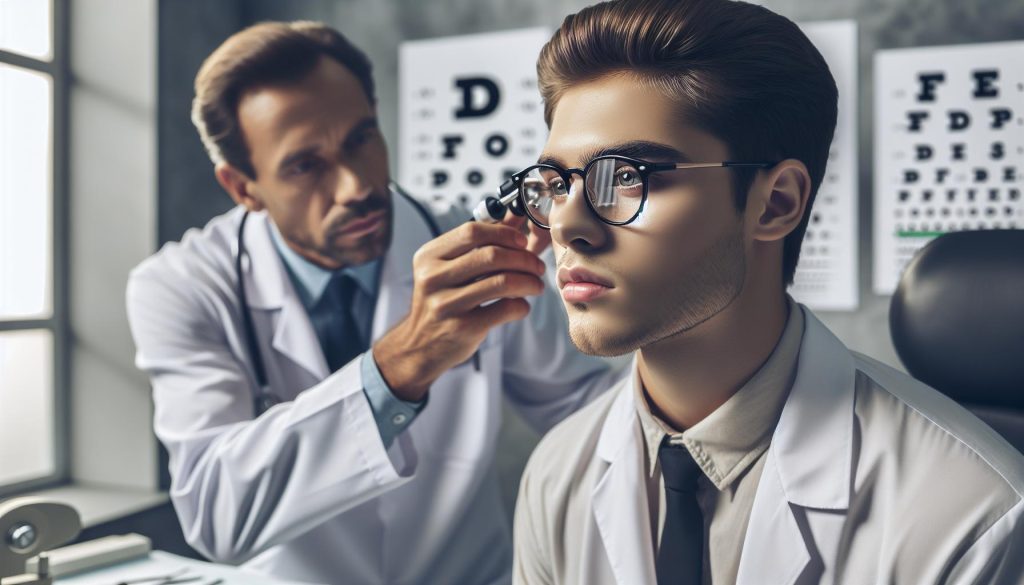
Did you know that an eye stye can sometimes signal more than just a minor irritation? While most styes are benign, they can occasionally lead to noteworthy symptoms like fever, especially if an infection worsens. Understanding when an eye stye becomes a concern is crucial for your eye health and overall well-being.
In this article, we’ll explore the connection between eye styes and fever, highlighting the red flags that indicate you should seek medical attention. By being informed about the signs and symptoms, you can take proactive steps in your health care journey. Keep reading to empower yourself with knowledge that could protect your vision and wellness.
Can an Eye Stye Cause Fever? Understanding the Link
While a stye-often appearing as a painful lump on the eyelid-commonly causes discomfort and redness, one question that often arises is whether it can lead to a fever. Understanding this connection is essential for effectively addressing symptoms and knowing when to seek further medical attention. Styes are typically caused by bacterial infections, which, in some cases, can provoke a systemic response from your body. This response may include an elevated body temperature as your immune system works to fight off the infection.
It’s important to note that while a fever can accompany a stye, it is not a common occurrence. If fever does manifest, it may suggest that the infection has spread beyond a localized area. In cases where you experience a significant increase in temperature, alongside worsening symptoms-such as swelling, increased pain, or the development of redness extending beyond the eyelid-it’s crucial to consult a healthcare provider. They can determine whether the infection requires more intensive treatment or if underlying conditions may be contributing to your symptoms.
Addressing a stye early on can help mitigate the risk of complications. Should you develop a fever with a stye, consider monitoring other potential symptoms closely and maintaining open communication with your healthcare provider. This proactive approach can empower you to take the right steps toward healing and maintaining your overall eye health. Always prioritize hygiene, and take care of your eyes to prevent such infections in the future.
Recognizing Signs of Infection: When to Worry
Recognizing the signs of infection can empower you to take prompt action and safeguard your health. When dealing with an eye stye, being aware of the following symptoms is vital, particularly if a fever arises, as it may indicate an escalation of the condition.
If you’re experiencing a stye, monitor for increased redness or swelling not just restricted to the eyelid but spreading to surrounding areas. Tenderness or pain that worsens over time, alongside discharge from the stye that may be yellow or green, can also signal an infection that is no longer localized. If you start to feel systemic symptoms such as persistent fever, chills, or a general sense of being unwell, these could be red flags that require immediate medical attention.
Another concerning sign to watch for is a vision change or blurred vision, as this may suggest that the infection is affecting deeper structures of the eye. Frequent headaches or sensitivity to light can also occur, indicating that the infection may be progressing. Maintaining a close dialogue with your healthcare provider and tracking these symptoms will help guide your next steps, ensuring that if complications arise, you are prepared to seek the necessary treatment.
In addition to recognizing these warning signs, practicing diligent hygiene, such as washing your hands regularly and avoiding touching your eyes, can safeguard against further infections. Working toward awareness of your body’s signals can help you navigate your health with confidence, ensuring that you address issues before they escalate.
Common Symptoms Accompanying Eye Styes
Experiencing a stye can be both uncomfortable and worrying, especially when accompanied by various symptoms that signal its presence. A stye, or hordeolum, typically begins with a small, tender bump on the eyelid, but it can come with a range of accompanying symptoms, indicating the need for attention. Recognizing these signs can help in managing the condition and preventing any potential complications.
One of the most common symptoms of a stye is visible redness and swelling of the eyelid. This swelling may extend beyond the initial site of infection, impacting surrounding tissues. If the stye begins to produce pus or a yellowish discharge, this could indicate that the condition is worsening or that there is a more significant bacterial infection at play. Additionally, patients often report sensations of pain and tenderness around the area, which can escalate if left untreated.
Alongside these signs, patients may experience watery eyes as the body responds to the irritation and inflammation. The presence of blurred vision may occur due to discharge affecting the surface of the eye, indicating that the stye is close to the eye itself. Furthermore, it is essential to monitor for increased sensitivity to light and even headaches, which might suggest that the infection is spreading or becoming more severe, warranting medical evaluation.
It’s crucial to be attentive to these symptoms as they can inform not only the severity of the stye but also the body’s response to it. If any systematic symptoms such as fever, chills, or a general feeling of unwellness arise, it is advisable to seek medical help promptly. Taking proactive steps like maintaining eyelid hygiene and avoiding eye makeup during an outbreak can also assist in alleviating discomfort and fostering recovery.
How Eye Styes Are Diagnosed by Professionals
Recognizing an eye stye early on can lead to more effective treatment and rapid relief from discomfort. When professionals diagnose eye styes, they rely on a few key methods that help determine the presence and severity of the condition, giving you clarity and peace of mind when dealing with this common issue.
During your appointment, a healthcare provider typically begins with a thorough medical history and a careful examination of the affected eye. They will inquire about symptoms such as pain, redness, swelling, and whether you’ve experienced any fever, which could indicate a more serious infection. Using a bright light and magnifying tools, they can closely observe the stye, checking for characteristics like pus formation or surrounding tissue involvement. This visual assessment is crucial as it helps distinguish a stye from other eye conditions, such as chalazia or conjunctivitis, which might share similar symptoms.
In certain cases, especially if systemic symptoms like fever are present, a doctor may recommend additional tests. For instance, if your stye persists despite treatment or appears unusually severe, they might conduct a culture swab to identify the specific bacteria involved. This information can be essential for tailoring your treatment plan, particularly if antibiotics are needed, either topical or oral, especially when there are signs of a spreading infection.
Maintaining open communication with your healthcare provider is vital. Don’t hesitate to express any concerns you have about symptoms or the potential for complications. This collaborative approach ensures that any underlying conditions are addressed, and you receive the most appropriate care to manage the stye effectively and protect your eye health.
Treatment Options for Eye Styes and Associated Symptoms
A stye can be a bothersome and unsightly condition, but fortunately, there are multiple effective treatment options available to alleviate the discomfort and promote healing. Understanding how to approach treatment can empower you to take control of your health when faced with this common eye issue.
Applying a warm compress is often the first step in managing a stye. This simple home remedy involves soaking a clean cloth in warm water and gently pressing it against the affected area for about 10 minutes, several times a day. The heat helps to unblock the clogged glands, promoting drainage and reducing inflammation. Make sure to use a clean cloth each time to avoid further irritation or potential infection.
If your stye does not improve with warm compresses within a few days or if you notice symptoms worsening, it’s important to consult a healthcare professional. Depending on the severity of the stye, they may prescribe topical antibiotics to prevent or treat bacterial infections, especially if the stye is associated with a fever or systemic symptoms. In more persistent cases, a minor surgical procedure to drain the stye may be necessary, providing immediate relief and hastening recovery.
Maintaining eyelid hygiene is crucial in both treatment and prevention of styes. Regularly cleaning the eyelids with over-the-counter eyelid scrubs or diluted baby shampoo can help remove debris and reduce the risk of future occurrences. For those who experience recurrent styes, long-term management involving lifestyle adjustments, such as improving skin care routines and managing underlying conditions like rosacea, can enhance overall eye health.
Key Takeaway: Don’t ignore the signs of a stye, especially if accompanied by a fever. Early intervention with warm compresses and proper hygiene can be very effective, while professional care is essential for more serious cases. Always trust your instincts: if something feels off, seeking a healthcare provider’s advice can lead to better outcomes.
Home Remedies: Relieving Discomfort From Styes
Applying effective home remedies can make all the difference when dealing with the discomfort of a stye. One of the simplest yet most effective solutions is using warm compresses. This can be as straightforward as soaking a clean washcloth in warm (not hot) water, wringing it out, and applying it gently to the affected eyelid for about 10 to 15 minutes at least three to four times a day. The heat helps to increase blood circulation in the area, allowing the clogged glands to soften and potentially drain, which can alleviate pain and swelling.
Another remedy worth trying is eyelid massage. With clean hands, you can gently massage the eyelid around the stye, which can help promote drainage of the fluid. Be sure to wash your hands thoroughly before and after to prevent any additional bacteria from entering your eye. Additionally, herbal solutions like chamomile tea bags can provide soothing relief. After brewing a tea bag, let it cool down slightly and place it over your closed eyelid for 10 minutes. Chamomile has natural anti-inflammatory properties that can reduce swelling and discomfort.
For those who prefer ointments or topical treatments, over-the-counter creams formulated with soothing ingredients can also be beneficial. Look for products containing ingredients like aloe vera or calendula, known for their calming effects on inflammation. Always ensure that whatever you apply is safe for use around the eyes to avoid irritation.
Maintaining good hygiene is also a key aspect of symptom relief and prevention. Regularly cleaning the eyelid area with a gentle eyelid scrub or diluted baby shampoo can help keep the area free from excess oils and debris that could exacerbate styes. Remember, if the stye persists after trying home remedies, or if you experience any signs of fever or increased pain, consult a healthcare professional for proper evaluation and further treatment options.
Preventive Measures to Avoid Future Styes
To maintain optimal eye health and minimize the risk of developing styes, implementing proactive preventive measures is essential. One of the most effective strategies is to maintain rigorous hygiene practices, particularly around the eyes. This involves regularly cleaning the eyelid area using gentle eyelid scrubs or diluted baby shampoo. Such practices help to eliminate excess oil, debris, and bacteria that can clog the glands, reducing the likelihood of inflammation and infection that leads to styes.
Another key aspect of prevention is being mindful of contact lens hygiene. If you wear contact lenses, it’s crucial to wash your hands thoroughly before handling them and to follow the recommended cleaning and replacement schedules. Additionally, avoid sleeping with contact lenses in, as this can increase the risk of bacterial growth and lead to complications such as styes. Ensuring that your lenses are always kept clean and stored properly can significantly decrease the chances of developing eye infections.
Additionally, be cautious with makeup, especially around the eyes. Always use products that are labeled as hypoallergenic and formulated for sensitive skin. Remove eye makeup thoroughly each day with suitable makeup removers and avoid sharing makeup products. Regularly replacing makeup, especially eye products like mascara, is vital in preventing bacterial contamination that could result in styes.
Lastly, managing allergies effectively is important. Allergies can contribute to itchy, inflamed eyes which may lead to rubbing and further irritation. Utilizing anti-allergy medications or eye drops as recommended by a healthcare provider can help control allergic reactions and minimize the temptation to touch or rub the eyes.
By adopting these habits, you can greatly reduce the risk of developing styes and maintain healthy, comfortable eyes. Prioritizing eye care not only fosters good health but also enhances your overall well-being.
When Fever After a Stye Indicates Serious Issues
If you’ve developed an eye stye, you may wonder if fever is a potential complication of this common condition. While a stye itself is primarily localized to the eyelid and usually manifests with redness, tenderness, and swelling, fever can sometimes be indicative of a more serious underlying issue. A persistent elevated temperature after developing a stye may suggest that the infection has spread beyond the eyelid or that there is a systemic response to the infection, signaling a need for medical attention.
It’s vital to recognize when a fever following a stye is a red flag. If you experience a fever greater than 100.4°F (38°C) or if it persists for more than a couple of days, it’s an important signal to consult a healthcare provider. This could indicate that the stye has morphed into a more severe infection, such as cellulitis, where the infection spreads into the surrounding skin. Additionally, if you experience increasing pain, swelling that extends beyond the eyelid, or vision changes alongside fever, these are strong indications that immediate medical care is necessary.
Monitoring other symptoms alongside fever can also provide clues. For instance, if you notice a discharge from the stye that changes color or becomes foul-smelling, or if you develop other systemic symptoms like chills or malaise, it would be prudent to seek medical evaluation. Proper management of a stye, particularly when complications arise, is crucial to preventing any long-term damage or significant health issues.
When faced with a potentially serious situation like a fever after a stye, trusting your instincts and prioritizing your health is essential. Never hesitate to connect with a healthcare professional who can conduct a thorough examination and provide appropriate treatment options, which may include antibiotics or further interventions. Taking these steps not only safeguards your eye health but ensures your overall well-being.
Expert Insights: When to Consult a Healthcare Provider
If you’re experiencing a stye and notice a fever creeping up, it’s crucial to understand when it’s time to reach out to a healthcare provider. While styes may be a common affliction for many, the combination of localized symptoms with systemic signs like fever can indicate that your body is responding to a more significant issue. Fever itself is a signal that your immune system is at work, but in this context, it can also be a warning of a potential complication.
Recognizing the specific markers of when to seek professional help is essential. If your fever surpasses 100.4°F (38°C) and lingers for more than a couple of days, or if you experience escalating pain near your eye, these should prompt immediate medical consultation. Beyond temperature and discomfort, look out for any changes in vision or an increase in swelling beyond the eyelid. These symptoms could signify the spread of infection, possibly leading to conditions like cellulitis, which requires prompt medical intervention.
In addition to those physical symptoms, consider your overall well-being. If you begin to feel unwell overall-accompanied by chills, fatigue, or unusual discharge from the stye-it’s time to connect with a healthcare professional. Being proactive in these situations not only helps catch any complications early but also reassures you as you navigate this discomfort. The right care could include topical or oral antibiotics and tailored advice on managing styes and preventing future occurrences.
Remember, managing your eye health involves more than just treating visible symptoms. Regular check-ups can aid in catching potential problems before they escalate. Also, maintaining good hygiene around your eyes is a preventative measure worth incorporating into your daily routine, ensuring that styes and similar issues are minimized in the future. Engaging with your healthcare provider when something seems off is a vital part of self-care and can empower you to maintain your health confidently.
Understanding Possible Complications of Untreated Styes
Untreated styes can lead to complications that extend far beyond general discomfort. For many, the thought of a simple eyelid bump might seem trivial, but ignoring the signs and symptoms can lead to serious infections or other health issues. One notable concern is the potential development of a more severe infection, such as cellulitis. This condition occurs when bacteria penetrate deeper into the skin, causing infection in the surrounding tissue. Patients experiencing symptoms like persistent fever, swelling that spreads beyond the stye, or significant redness should be particularly vigilant, as these can indicate the onset of cellulitis, which may require antibiotics and medical intervention.
Additionally, if a stye remains untreated, it can evolve into a chalazion-a larger, painless bump caused by a blocked oil gland. While chalazia are generally not harmful, they can become bothersome, leading to more significant cosmetic concerns or persistent irritation. In some cases, persistent inflammation might even alter the structure of the eyelid over time, impacting overall eye health and comfort.
It’s also important to consider the impact of untreated styes on vision. While actual loss of vision is rare, the accompanying swelling and pressure may affect visual clarity. If a stye grows significantly, it can obstruct the line of sight, potentially causing frustration and affecting daily activities. Furthermore, chronic styes can lead to repeated episodes, making each subsequent occurrence feel more severe than the last.
Resolving a stye before it escalates into a more complicated issue is essential. Practicing good hygiene, avoiding touching or rubbing the eyes, and being attentive to the early signs of infection can help prevent complications. Should symptoms intensify-especially with the addition of fevers or systemic symptoms like fatigue or malaise-consultation with a healthcare provider is strongly advised to address any underlying issues effectively. Emphasizing proactive care and awareness can empower individuals to manage their eye health better and enjoy clearer, healthier vision.
Lifestyle Adjustments to Support Eye Health
Maintaining healthy eyes goes beyond just routine check-ups; it encompasses a holistic approach to your lifestyle that can significantly impact your eye health. Incorporating simple yet effective changes into your daily routine can play a vital role in preventing styes and other eye-related issues. Here are several adjustments to consider:
Prioritize Cleanliness
A critical aspect of eye health is hygiene. Regularly washing your face and eyelids can help remove excess oil, dirt, and bacteria that may contribute to the development of styes. Use a gentle cleanser suited for your skin type and consider incorporating warm compresses on your eyes to cleanse the eyelid area. This practice can help unclog oil glands and promote circulation, increasing the likelihood of keeping infections at bay.
Optimize Your Diet
Your diet plays a crucial role in maintaining overall and eye health. Include an array of colorful fruits and vegetables, particularly those rich in vitamins A, C, and E, as well as omega-3 fatty acids found in fish like salmon and flaxseeds. These nutrients support healthy eye function and may reduce inflammation, helping to lower the risk of styes and other conditions. Staying hydrated is essential too; ensure you drink plenty of water throughout the day to maintain optimal body function, including eye moisture.
Limit Eye Irritants
Eliminating or reducing exposure to common eye irritants can further support your eye health. This includes minimizing screen time to reduce strain and taking regular breaks using the 20-20-20 rule-every 20 minutes, look at something 20 feet away for at least 20 seconds. Additionally, being cautious about makeup application and removal can help, as bacteria from unclean brushes or expired products can cause infections.
Embrace Stress Management
Believe it or not, stress can impact your eye health. High-stress levels may lead to habits such as rubbing your eyes, which can provoke styes and other irritation. Integrating stress management techniques like yoga, meditation, or even regular exercise can enhance your emotional well-being and decrease the likelihood of eye-related issues. Simple breathing exercises can also help clear your mind and bring focus back, ensuring that your eyes are not straining unnecessarily.
By weaving these adjustments into your daily life, you can take proactive steps toward preserving your eye health. Such lifestyle changes not only protect against conditions like styes but also contribute to your overall well-being, helping you feel vibrant and healthy every day.
The Role of Hygiene in Preventing Eye Styes
Failing to maintain proper hygiene around the eyes can pave the way for a common and often frustrating condition known as a stye. Styes, typically caused by bacterial infections in the oil glands of the eyelids, can lead to discomfort and, in some cases, secondary issues like fever due to systemic infection. Thus, understanding and implementing good hygiene practices are crucial steps in not only preventing styes but also in ensuring overall eye health.
One key practice is to regularly wash your hands, particularly before touching your face or eyes. Residual oils, dirt, and bacteria on your hands can easily transfer to your eyelids, heightening the risk of infection. It’s advisable to use a mild, hypoallergenic cleanser for the face, including the eyelid area, to gently remove debris without causing irritation. Additionally, using warm, damp cloths as compresses can help soothe the eyelids and promote the drainage of any clogged oil glands, reducing the chances of stye formation.
Makeup use can also contribute to increased risk if proper cleaning techniques aren’t employed. Always remove eye makeup thoroughly before bedtime, and consider using disposable applicators or brushes to avoid harboring bacteria. If you wear contact lenses, ensure they are cleaned and stored properly, and avoid wearing them when your eyes feel irritated or when you have an active eye infection. Regularly replacing old products or those that show signs of bacterial growth, such as changes in color or odor, is also essential to maintaining eye hygiene.
Additionally, nutrition plays a role in supporting your immune system, which can help fend off infections. Consuming foods rich in antioxidants and vitamins, such as fresh fruits, vegetables, and omega-3 fatty acids, can enhance your body’s natural defenses against infection.
By prioritizing these hygienic practices, you not only lower the risk of developing styes but also contribute to a broader regime of eye care that supports your vision and comfort. Simple daily routines can make a significant difference in your eye health, ensuring that you can enjoy clear and comfortable vision without the disruptions of infections.
Q&A
Q: Can an eye stye lead to more serious health issues?
A: Yes, an eye stye can sometimes lead to complications such as cellulitis or a more severe eye infection. If symptoms worsen or new symptoms develop, it’s important to seek medical attention promptly. Refer to the section on “Understanding Possible Complications of Untreated Styes” for further details.
Q: How do I differentiate between a stye and a chalazion?
A: A stye usually appears as a red, painful bump on the eyelid, while a chalazion is typically painless and larger, resulting from a blocked oil gland. For more comparisons, see the “Common Symptoms Accompanying Eye Styes” section.
Q: What are potential causes of recurring styes?
A: Recurring styes may be caused by poor hygiene, underlying skin conditions, or frequent eye rubbing. Establishing a better eyelid hygiene routine can help. Learn more in “Preventive Measures to Avoid Future Styes”.
Q: Is it normal for a stye to cause swelling in surrounding areas?
A: Yes, swelling around the stye can occur due to inflammation. If swelling spreads or becomes severe, it’s advisable to consult a healthcare provider. Check the “Recognizing Signs of Infection: When to Worry” section for guidance.
Q: What home remedies help with stye pain relief?
A: Warm compresses can effectively relieve pain and promote drainage. Over-the-counter pain relievers may also help. Explore additional tips in the “Home Remedies: Relieving Discomfort From Styes” section.
Q: Why should I avoid popping a stye?
A: Popping a stye may worsen the infection or spread bacteria, leading to complications. It’s best to let it heal naturally. For safe management, refer to the “Treatment Options for Eye Styes and Associated Symptoms.”
Q: What should I do if my vision changes with a stye?
A: If you experience vision changes, seek immediate medical attention as this could indicate a serious complication. The section “Expert Insights: When to Consult a Healthcare Provider” offers more advice.
Q: How long does it typically take for a stye to heal?
A: Most styes heal within 7 to 10 days without treatment. If symptoms persist, consult a doctor. More about expected recovery can be found in “How Eye Styes Are Diagnosed by Professionals”.
These FAQs are designed to provide valuable insights while encouraging readers to engage with additional sections of the article for comprehensive understanding.
To Wrap It Up
If you’re experiencing an eye stye and are worried about potential symptoms like fever, it’s essential to stay informed and proactive. Remember, while a stye can cause discomfort, not all eye issues lead to serious complications. However, if you notice any alarming symptoms, such as prolonged fever or vision changes, consult a healthcare professional promptly. For more insights on eye health, check out our articles on how to treat a stye effectively and the importance of eye care routines.
Don’t forget to subscribe to our newsletter for tips on maintaining healthy eyes and skin, and join our community by sharing your experience in the comments below. Your well-being matters, and we’re here to support you. Continue exploring our site for more valuable resources on women’s health and beauty, and empower yourself with knowledge today!