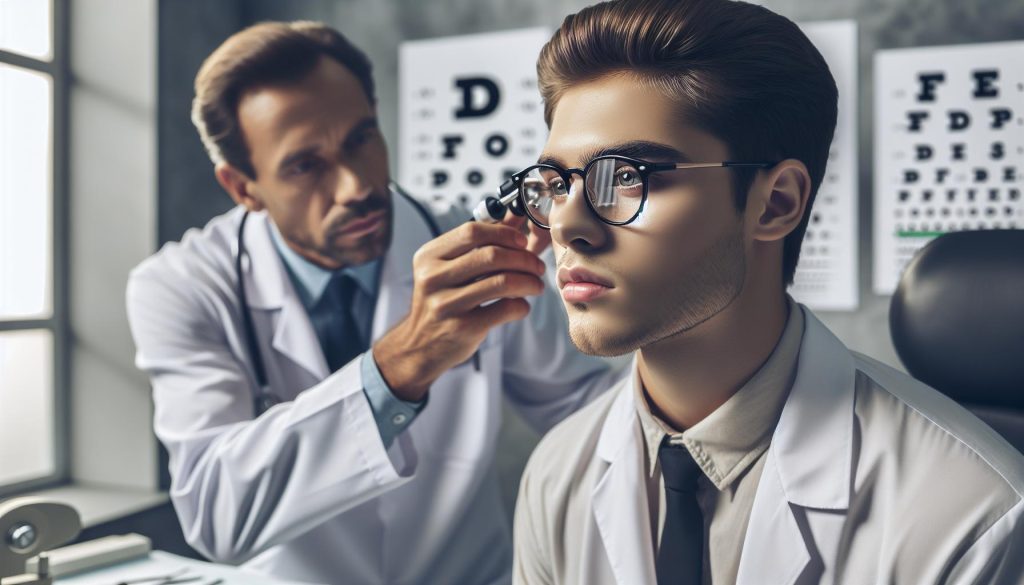
During pregnancy, a woman’s body undergoes a myriad of hormonal changes, impacting various aspects of health, including the eyes. One common but often overlooked issue expectant mothers may face is the development of eye styes, small red bumps that can cause discomfort and irritation. Understanding why these conditions arise during pregnancy is crucial for managing symptoms and taking preventive measures.
Hormonal fluctuations can lead to changes in oil production, contributing to blocked glands in the eyelids. This not only heightens the risk of styes forming but also can create additional stress for women already navigating the challenges of pregnancy. By exploring the link between pregnancy hormones and eye health, readers can gain valuable insights into eye care practices that protect their well-being.
Curious about how to best care for your eyes during this transformative time? Read on to uncover practical tips and advice tailored to help you maintain healthy, happy eyes throughout your pregnancy journey.
Can Hormonal Changes Lead to Eye Styes?
Hormonal fluctuations during pregnancy can significantly impact various aspects of a woman’s health, including her eye health. These changes, particularly in estrogen and progesterone levels, can affect the skin and oil glands around the eyes, potentially leading to conditions such as eye styes. A stye is a painful bump that forms on the eyelid due to the obstruction of an oil gland, often exacerbated by hormonal shifts that influence oil production and gland function.
Increased oiliness or changes in the secretion of the meibomian glands-responsible for lubrication-can make the eyelids more prone to blockage, especially in the delicate period of pregnancy when hormonal levels are constantly shifting. Additionally, these hormonal changes can compromise the immune system slightly, making it harder for the body to fend off bacterial infections that can cause styes to develop.
To minimize the risk of styes during pregnancy, consider maintaining a consistent and gentle eye care routine. This includes regularly cleaning the eyelids with a mild cleanser, avoiding heavy eye makeup, and using warm compresses to keep oil glands functioning properly. Staying hydrated and eating a balanced diet rich in omega-3 fatty acids can also support eye health. Always consult with your healthcare provider to ensure that any new skincare or eye care routines are safe for you during this time.
Understanding How Pregnancy Affects Your Eyes

Pregnancy is a transformative time that not only affects a woman’s body but also her eyes. As hormonal levels fluctuate dramatically during gestation, these changes can lead to a variety of eye-related concerns, one of which is the development of styes. These small, painful bumps can be both uncomfortable and worrisome, often caused by the increased oil production and potential blockages in the oil glands of the eyelids. Understanding the interplay between pregnancy and eye health can empower women to take proactive steps to protect their vision during this critical period.
Hormonal changes, primarily increases in estrogen and progesterone, influence the skin’s texture and the functioning of oil glands around the eyes. When these glands, known as meibomian glands, produce excess oil or experience altered secretion, the likelihood of clogging increases, leading to styes. Moreover, hormonal fluctuations might slightly weaken the immune system, making it tougher for the body to combat bacterial infections that can manifest as styes. Recognizing these connections allows expectant mothers to remain vigilant in their eye care routines and to adopt preventive measures that mitigate the risk.
In addressing eye health during pregnancy, it’s essential to establish a gentle routine. Regularly cleaning the eyelids with a mild cleanser can help prevent oil and debris buildup, while warm compresses can assist in keeping oil glands functioning adequately. Avoiding heavy makeup can also reduce irritation and blockage. Additionally, maintaining hydration and consuming a well-balanced diet rich in omega-3 fatty acids can support overall eye health. Seeking advice from a healthcare provider regarding safe skincare and eye care practices ensures that expectant mothers can effectively navigate these changes while prioritizing their well-being and that of their baby.
Common Symptoms of Eye Styes During Pregnancy

The emergence of a stye can be a surprising and discomforting experience, particularly during pregnancy when hormonal shifts are profound. Styes manifest as small, red bumps on the eyelids, often resembling a pimple, and are typically tender or painful to the touch. The discomfort stems from inflammation in the oil glands of the eyelid, often exacerbated by hormonal changes that increase oil production and can lead to clogged glands. It’s crucial for pregnant women to recognize these symptoms to manage their eye health proactively.
Among the most common symptoms of a stye are:
- Redness and Swelling: The affected eyelid may appear swollen and inflamed, making the bump noticeable.
- Pain or Tenderness: A stye often feels sore or painful, especially when touched.
- Sensitivity to Light: Women may experience increased sensitivity to light when a stye develops.
- Crusting of Eyelashes: Discharge from the stye can lead to crusting at the eyelid margins, prompting irritation.
- Swollen Lymph Nodes: Sometimes, nearby lymph nodes may become swollen as the body responds to the infection.
Awareness of these symptoms is key for expectant mothers, as prompt identification can help in preventive care and treatment. Should a stye occur, it’s advisable to handle the eye area with care, avoiding squeezing or irritating the stye further, as this could lead to worsened symptoms or complications.
Addressing symptoms early with appropriate home remedies, such as warm compresses to help reduce inflammation and promote drainage, can also alleviate discomfort. These steps not only provide relief but also empower pregnant women to stay attuned to their eye health amidst the myriad changes occurring in their bodies.
The Role of Hormones in Eye Health
Hormonal fluctuations during pregnancy can significantly impact various aspects of a woman’s health, including eye health. Understanding the interplay between these hormones and ocular wellness is crucial for expectant mothers who may be more susceptible to conditions like styes. Increased levels of hormones such as estrogen and progesterone can lead to changes in the composition of tears and oil secretion by the eyelid glands, altering their function. This can make the eyelids more prone to blockages, resulting in the development of styes.
When hormonal changes stimulate the sebaceous glands, there can be an increase in oil production. If this oil is not properly managed, it can mix with dead skin cells and bacteria, blocking the tiny glands located at the base of the eyelashes. This blockage leads to inflammation and may eventually cause a stye. It’s important to recognize that while hormonal changes can contribute to this condition, maintaining good eyelid hygiene can help mitigate the risk. Regularly cleaning the eyelids and avoiding irritants can support their health, providing a buffer against potential infections and discomfort.
In addition to practicing good hygiene, expectant mothers can consider incorporating specific eye care routines. Applying warm compresses can soothe inflamed eyelids and promote drainage, while ensuring adequate hydration and nutrition can support overall well-being. For women experiencing severe symptoms or recurrent styes, consulting with a healthcare provider is advisable, as they can offer tailored advice and safe treatment options during pregnancy. Emphasizing self-care and awareness can empower women to navigate these hormonal changes with confidence, ensuring that their eye health remains a priority during this transformative time.
Preventative Eye Care for Expectant Mothers
Maintaining eye health during pregnancy is crucial, especially as hormonal changes can increase susceptibility to conditions such as styes. Simple yet effective preventative care can make a significant difference in avoiding these uncomfortable bumps. Prioritizing eyelid hygiene not only helps prevent styes but also promotes overall ocular health.
To start, establishing a daily routine of eyelid cleanliness is essential. Gently wash your eyelids with a mild soap or a specific eyelid scrub recommended by your eye care professional. Consider using warm water, as it can help loosen any debris without irritating the delicate skin around your eyes. This practice can minimize the risk of blockages in the oil glands located at the base of the eyelashes. Additionally, using a clean cloth or cotton pad to pat your eyelids dry can further reduce the chance of irritation.
Another effective measure is to incorporate warm compresses into your routine. Applying a warm, damp cloth to your closed eyes for about 5-10 minutes can help to soothe inflammation and promote drainage from any blocked glands. This method can be done daily, especially if you find yourself experiencing dryness or irritation. Furthermore, maintaining a balanced diet rich in essential fatty acids-found in fish, nuts, and seeds-can not only nourish your body but also support optimal tear production and eye health.
Staying hydrated is another key factor that cannot be overlooked. Drinking ample water throughout the day helps to maintain the moisture levels in your eyes, counteracting dryness and the potential for irritation. If you wear contact lenses, consider using rewetting drops, as they can provide extra hydration and comfort. Pay attention to any skincare or makeup products that may come into contact with your eyes; opting for hypoallergenic and non-comedogenic formulas can reduce the likelihood of irritation and blockage.
By embracing these simple preventative steps-consistent hygiene, warm compresses, a nutrient-rich diet, and proper hydration-you empower yourself to safeguard your eye health throughout pregnancy. Staying informed and proactive lays a solid foundation for maintaining comfort and wellness during this transformative period.
Effective Home Remedies for Styes
Experiencing a stye during pregnancy can be uncomfortable and concerning, but fortunately, there are several effective home remedies to alleviate the discomfort and support healing. Styes, often caused by blocked oil glands or bacteria, can sometimes be exacerbated by hormonal fluctuations common in pregnancy. Thankfully, ingredients from your kitchen can offer soothing relief.
One of the simplest and most effective remedies is a warm compress. By soaking a clean cloth in warm (not hot) water and placing it on the affected eye for about 10-15 minutes, you can help to reduce swelling and encourage drainage. This heat works by loosening any clogged oil and increasing blood circulation in the area, which promotes healing. Make sure to repeat this two to three times each day for maximum benefit.
Incorporating natural ingredients in your eye care routine can also enhance healing. Green tea bags, once steeped and cooled, can serve double duty as a compress. The antioxidants in green tea have anti-inflammatory properties that may reduce swelling and soothe irritation. Simply place the cooled tea bag over your closed eye for about 10-15 minutes.
Another beneficial remedy is aloe vera gel. Known for its soothing properties, aloe vera can help reduce inflammation and redness associated with a stye. If you have an aloe vera plant, simply cut a leaf, scoop out the gel, and apply it gently to the affected area with a clean finger or cotton swab. Let it sit for about 30 minutes before rinsing off with warm water.
Maintaining proper hygiene is vital to avoid further irritation. Ensure that your hands are clean before touching your face or eyes, and avoid makeup or skin products around the eye area while you’re healing. Additionally, if you wear contact lenses, it’s best to switch to glasses until the stye resolves, as contacts can aggravate the area.
These remedies not only help treat existing styes but also contribute to overall eye health. Should the stye persist or worsen despite these home treatments, don’t hesitate to consult your healthcare provider for further advice. Remember, continuous eye comfort and health during pregnancy is a priority, and implementing these remedies can be a soothing addition to your daily routine.
When to Seek Medical Attention for Eye Styes
When faced with a stye during pregnancy, it’s essential to recognize the signs that indicate professional medical intervention is necessary. While many styes can be managed effectively at home, certain situations may require the expertise of a healthcare provider to prevent complications and ensure your well-being.
If a stye does not improve with home treatment within a few days, or if it continues to grow, it’s wise to consult a healthcare professional. Additionally, seek medical attention if you notice increased redness and swelling in the area surrounding the stye, as this could indicate an infection that might require antibiotic treatment. Other symptoms to watch for include persistent pain, vision changes, or if the stye develops a white or yellow center, suggesting that it may be ready to drain.
In some cases, a stye may lead to more serious concerns, such as the development of a chalazion, which is a blocked oil gland that does not resolve and can cause persistent swelling of the eyelid. If you experience recurrent styes, this may also warrant a discussion with your doctor, as underlying health conditions could be contributing to the problem. Always err on the side of caution-when in doubt, it’s beneficial to have your symptoms evaluated by a medical professional to ensure there are no complications affecting your eye health.
Remember, maintaining eye health during pregnancy is crucial, and knowing when to seek help empowers you to make informed decisions about your care. Taking proactive steps, such as listening to your body and seeking advice when needed, can pave the way for a healthier and more comfortable experience throughout your pregnancy.
Impact of Eye Styes on Overall Well-Being
Experiencing a stye can be a frustrating and uncomfortable aspect of eye health, especially during pregnancy when your body undergoes numerous hormonal changes. These little bumps, while often harmless, can have a surprising impact on overall well-being, affecting not only your physical comfort but also your emotional state. The discomfort of a stye can lead to distractions in daily activities, reducing your ability to focus on what matters most during this critical time. Additionally, the visible nature of a stye may affect your self-confidence, contributing to feelings of self-consciousness.
The psychological impact shouldn’t be overlooked, as discomfort can translate into irritability or frustration. This emotional strain can be compounded when combined with the unique challenges of pregnancy, such as fatigue and hormonal fluctuations. Feeling less than your best can hinder your ability to enjoy this special time, so it’s crucial to prioritize eye care and address any issues promptly.
To manage the overall impact of styes effectively, proactive self-care is essential. Incorporate gentle eye hygiene into your daily routine, including warm compresses to soothe irritation and reduce swelling. Simple practices like keeping your eyelids clean and avoid touching your eyes can also prevent the recurrence of styes. Additionally, consider integrating relaxation techniques such as deep breathing or meditation, which can help mitigate stress and promote emotional well-being during this transitional phase.
Ultimately, understanding that styes are often temporary and manageable can empower you to take charge of your health. Emphasizing self-care, maintaining open communication with your healthcare provider, and being mindful of your emotional health will all contribute to a more positive experience throughout your pregnancy. Embrace this journey with resilience and knowledge, and focus on enjoying the wonderful moments ahead.
Long-Term Eye Health Considerations Post-Pregnancy
The months following childbirth can bring a variety of changes to a woman’s body, including her eyes. It’s important to recognize how pregnancy and hormonal shifts can have lasting effects on eye health even after giving birth. Many women may notice differences in vision clarity, dryness, or increased sensitivity to light. Understanding these changes and knowing how to address them is essential for maintaining long-term eye health.
One crucial aspect to consider is the potential for lingering dryness and irritation. Hormonal fluctuations during pregnancy can lead to changes in tear production. Postpartum, some women may experience dry eye syndrome, characterized by symptoms such as itching, burning, or a gritty feeling in the eyes. To combat this, incorporating artificial tears or lubricating eye drops into your daily routine can help soothe and hydrate the eyes. Furthermore, staying hydrated and using humidifiers at home can create a more comfortable environment for your eyes.
Changes in vision can also occur post-pregnancy. Some women might experience blurriness or difficulty focusing, which can be distressing. These symptoms may be linked to elevated hormone levels and temporary fluctuations in fluid retention. It’s advisable to have regular eye check-ups postpartum, especially if you notice significant changes. Your eye care professional can recommend appropriate refractive options or eye exercises to help restore visual clarity.
Lastly, ongoing attention to eye care, such as maintaining a healthy diet rich in omega-3 fatty acids, antioxidants, and vitamins A, C, and E, contributes to long-term eye health. Engaging in routine eye examinations allows for early detection and management of any developing conditions. By prioritizing eye health and being proactive, you can ensure that your vision remains as vibrant as your journey into motherhood.
Other Pregnancy-Related Eye Conditions to Watch For
Pregnancy can be a delightful and transformative journey, but it also brings about a range of physical changes that can impact eye health. Awareness of other pregnancy-related eye conditions is essential for maintaining your overall well-being as an expectant mother. Notably, hormonal changes can contribute to a variety of symptoms beyond eye styes, including dry eyes, changes in vision, and even more serious conditions such as pregnancy-induced hypertension.
One common issue is dry eye syndrome, often exacerbated during pregnancy due to hormonal fluctuations. Insufficient tear production can leave your eyes feeling dry, scratchy, or irritated. To alleviate these symptoms, consider using preservative-free artificial tears throughout the day and increasing your intake of omega-3 fatty acids, which can promote healthy tear production. Staying hydrated is crucial, so always keep a water bottle handy, particularly during hot weather or when spending extended time in air-conditioned environments.
Moreover, visual disturbances, such as blurred vision or increased sensitivity to light, can occur during pregnancy. These changes may result from hormonal shifts, edema, and increased blood flow. If you notice these symptoms, it’s wise to consult an eye care professional for a thorough examination. Regular check-ups can be beneficial, as they allow your doctor to monitor any vision fluctuations and recommender appropriate interventions, including adjustments to your eyewear prescription.
Pregnancy can also heighten the risk of high blood pressure, potentially leading to conditions such as preeclampsia, which can have significant implications for both maternal and fetal health. Symptoms to watch for include sudden vision changes, persistent headaches, and swelling in the hands or face. If you experience any combination of these symptoms, seek medical advice promptly. Remember, proactive eye care during this critical life stage can help you navigate the changes with confidence and support both your vision and your overall health.
Tips for Maintaining Healthy Eyes During Pregnancy
Maintaining healthy eyes during pregnancy is crucial, as hormonal fluctuations can significantly impact your vision and overall eye health. Understanding the changes your body undergoes can empower you to take proactive steps in caring for your eyes. One not-so-surprising yet important tip is to ensure your hydration levels are optimal; drinking plenty of water can help maintain tear production and combat dry eyes, a common issue for expectant mothers.
Another effective way to care for your eyes is by implementing regular breaks during tasks that require prolonged screen time or reading. This habit follows the 20-20-20 rule: every 20 minutes, look at something 20 feet away for at least 20 seconds. This practice reduces eye strain and enhances overall comfort. Consider integrating foods rich in omega-3 fatty acids into your diet, as they can help boost tear production. Foods like salmon, walnuts, and flaxseeds are excellent choices, supporting not just your eye health but overall well-being during your pregnancy.
Moreover, wearing sunglasses with UV protection is essential for shielding your eyes from harmful rays, especially as pregnancy can sometimes make eyes more sensitive to light. Protecting your eyes from harsh sunlight can improve comfort and prevent further complications like photophobia. Incorporating preservative-free artificial tears can also alleviate dryness. These drops can keep your eyes moist and comfortable, particularly if you’re spending a lot of time in dry environments or air conditioning.
Lastly, schedule regular eye exams throughout your pregnancy. A quick visit to an eye care professional can help monitor changes in your vision and eye health. These professionals can offer personalized advice and address any concerns, ensuring that your eyes remain healthy during this wonderful yet challenging time. Implementing these strategies not only supports your eye health but also contributes to your overall health during pregnancy, allowing you to enjoy this special journey with clarity and confidence.
FAQ
Q: Can hormonal changes during pregnancy cause eye styes?
A: Yes, hormonal changes during pregnancy can increase the likelihood of developing eye styes. Elevated hormone levels can affect oil production in the eyelids, leading to clogged glands and inflammation. Maintaining good hygiene and managing stress can help reduce this risk.
Q: What are the symptoms of an eye stye during pregnancy?
A: Common symptoms of an eye stye during pregnancy include a painful lump on the eyelid, redness, swelling, and tenderness. You may also experience tearing and a feeling of fullness or irritation in the affected eye. Regularly check your eyes for these signs to catch any issues early.
Q: How can I prevent eye styes while pregnant?
A: To prevent eye styes during pregnancy, practice good eyelid hygiene, avoid touching your eyes with dirty hands, and remove makeup before sleeping. You can also consider using warm compresses on your eyelids to promote gland health, as discussed in the “Preventative Eye Care for Expectant Mothers” section of our article.
Q: Why do pregnant women get more eye infections?
A: Pregnant women may experience more eye infections due to hormonal fluctuations that affect immune response and changes in tear production. Keeping your eyes clean and managing any allergies can help mitigate these risks.
Q: Are there any natural remedies for treating eye styes during pregnancy?
A: Yes, natural remedies such as warm compresses can help soothe and promote drainage of a stye. It’s essential to avoid squeezing or popping the stye. For more detailed approaches, refer to the “Effective Home Remedies for Styes” section in our article.
Q: When should I seek medical attention for an eye stye while pregnant?
A: You should seek medical attention if the stye does not improve within a few days, worsens, or is accompanied by significant pain or vision changes. Early evaluation can prevent potential complications and provide you with proper treatment options.
Q: Can pregnancy-related eye conditions affect my overall health?
A: Yes, pregnancy-related eye conditions, including eye styes, can impact your overall well-being. Discomfort or pain can affect daily activities and stress levels. Understanding these issues and seeking timely solutions is essential for maintaining health during pregnancy.
Q: What other eye conditions should pregnant women be aware of?
A: Pregnant women should be aware of other conditions such as dry eye syndrome, changes in vision, and increased sensitivity to light. Regular eye check-ups during pregnancy can help monitor these changes and ensure proper eye health. For more details, see the “Other Pregnancy-Related Eye Conditions to Watch For” section in our article.
For comprehensive tips on maintaining eye health during pregnancy, check out our full article for valuable insights and support.
The Conclusion
As we’ve explored, hormonal changes during pregnancy can indeed contribute to the development of eye styes. It’s essential to recognize these changes so you can take proactive steps toward maintaining your eye health. If you experience discomfort, consider simple remedies like warm compresses or gentle cleansing to alleviate symptoms. Don’t hesitate to explore our articles on related topics, such as “DIY Skincare Tips for Pregnant Women” and “Understanding Common Eye Conditions During Pregnancy,” to deepen your knowledge.
If you found this information helpful, please subscribe to our newsletter for ongoing tips and resources about women’s health and beauty. Engaging with your health should be a priority-your well-being matters. Share your thoughts and experiences in the comments below; we love hearing from you! Join us on this journey to empowered health decisions-your eyes deserve the best care.