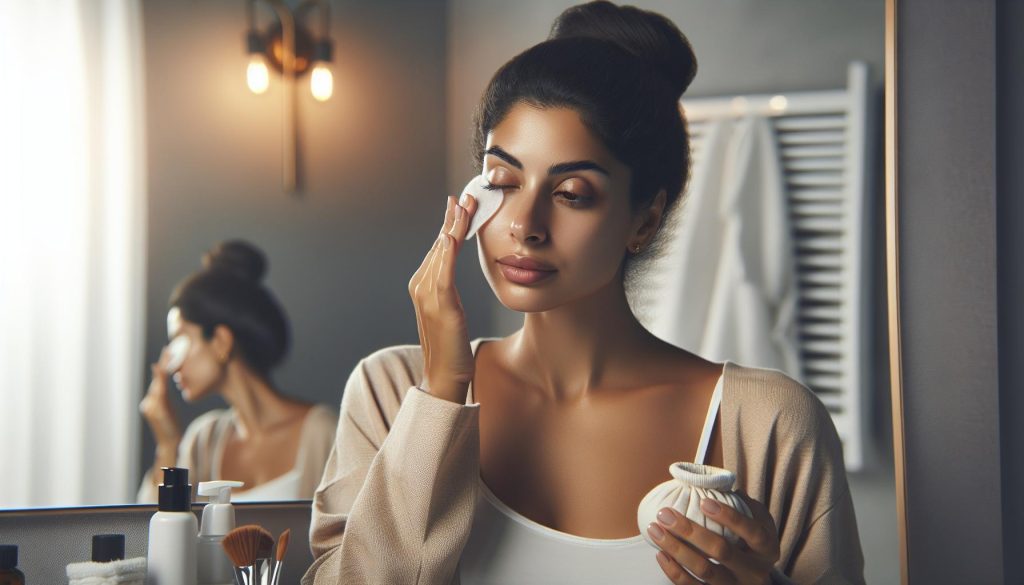
Styes, often misunderstood as mere minor inconveniences, can lead to discomfort that significantly affects your daily life, including burning sensations in your eyes. These painful symptoms can not only disrupt your vision but also impact your overall wellness. Understanding the connection between styes and burning eyes is essential for effective management and prevention.
If you’ve ever experienced the frustration of redness and irritation, you’re not alone. Many women face similar issues, often wondering what they can do to alleviate the discomfort. In this article, we’ll decode the painful symptoms associated with styes and explore actionable solutions and preventive measures to help you regain comfort and clarity. Join us as we delve into this common yet often overlooked eye concern, ensuring you feel empowered to take control of your eye health.
Understanding Styes: What They Are and How They Form

A stye, medically known as a hordeolum, is a common and often uncomfortable condition that manifests as a red, swollen bump on the eyelid, resembling a pimple. This irritating phenomenon arises when an oil gland at the base of an eyelash becomes clogged with bacteria or a buildup of oils, leading to inflammation and pus. Such blockages can stem from various factors, including poor eyelid hygiene, excessive use of cosmetics, or underlying conditions like blepharitis, which involves chronic inflammation of the eyelid margins.
To better understand the formation of styes, it’s crucial to recognize the role of bacteria-the most prevalent culprit being Staphylococcus. These microorganisms naturally inhabit the skin but can multiply excessively when an oil gland is obstructed. As the gland becomes inflamed, the body’s immune response kicks in, resulting in localized swelling, heat, and discomfort. This process can also lead to further symptoms such as itching, pain, or even vision disturbances if the stye is particularly large or affects the eye’s functionality.
Preventive measures can significantly reduce the likelihood of stye development. Maintaining proper eyelid hygiene by gently cleansing the area, particularly after wearing makeup or spending time in environments that may promote oil accumulation, can be an effective strategy. Consider using warm compresses to soothe irritation and promote drainage of blocked glands. Additionally, avoid touching your eyes with unclean hands and be cautious with shared cosmetics to minimize risks. By understanding how styes develop, you can take proactive steps to maintain eye health and comfort.
Common Symptoms of Styes: From Itching to Pain
Experiencing a stye can be an uncomfortable and distressing ordeal, impacting not just your eyelid but your overall well-being. These red, swollen bumps often arise from blocked oil glands and can be accompanied by a range of symptoms. One of the most common early signs is itching, which can escalate and become bothersome as the stye develops. Alongside itching, you might notice localized pain or tenderness around the eyelid, making it difficult to ignore the issue as it progresses.
As inflammation intensifies, you may also experience a sensation of fullness or pressure in the affected area, coupled with a warm feeling when you touch the stye. In some cases, the pain can radiate to adjacent areas, contributing to headaches or discomfort throughout the eye. This discomfort can often be exacerbated by blinking, as the movement can further irritate the sensitive skin around the stye.
While burning eyes are frequently highlighted as a concern, especially when associated with styes, it’s important to recognize that this sensation can arise from multiple factors. Styes can certainly contribute to feelings of burning or a gritty sensation, as the inflammation may lead to increased tear production or sensitivity. It’s crucial to monitor these symptoms and understand their dynamics to distinguish a stye from other potential eye issues, ensuring appropriate care is sought.
In summary, understanding these symptoms not only aids in identifying a stye but empowers you to pursue effective relief strategies. Regularly applying warm compresses can help soothe the discomfort and promote drainage. If symptoms continue to worsen or you notice significant changes in your vision, seeking professional help is essential to address the issue promptly. Remember, maintaining good eyelid hygiene is key in both preventing and managing styes effectively.
Burning Eyes: Is It a Symptom of Styes?
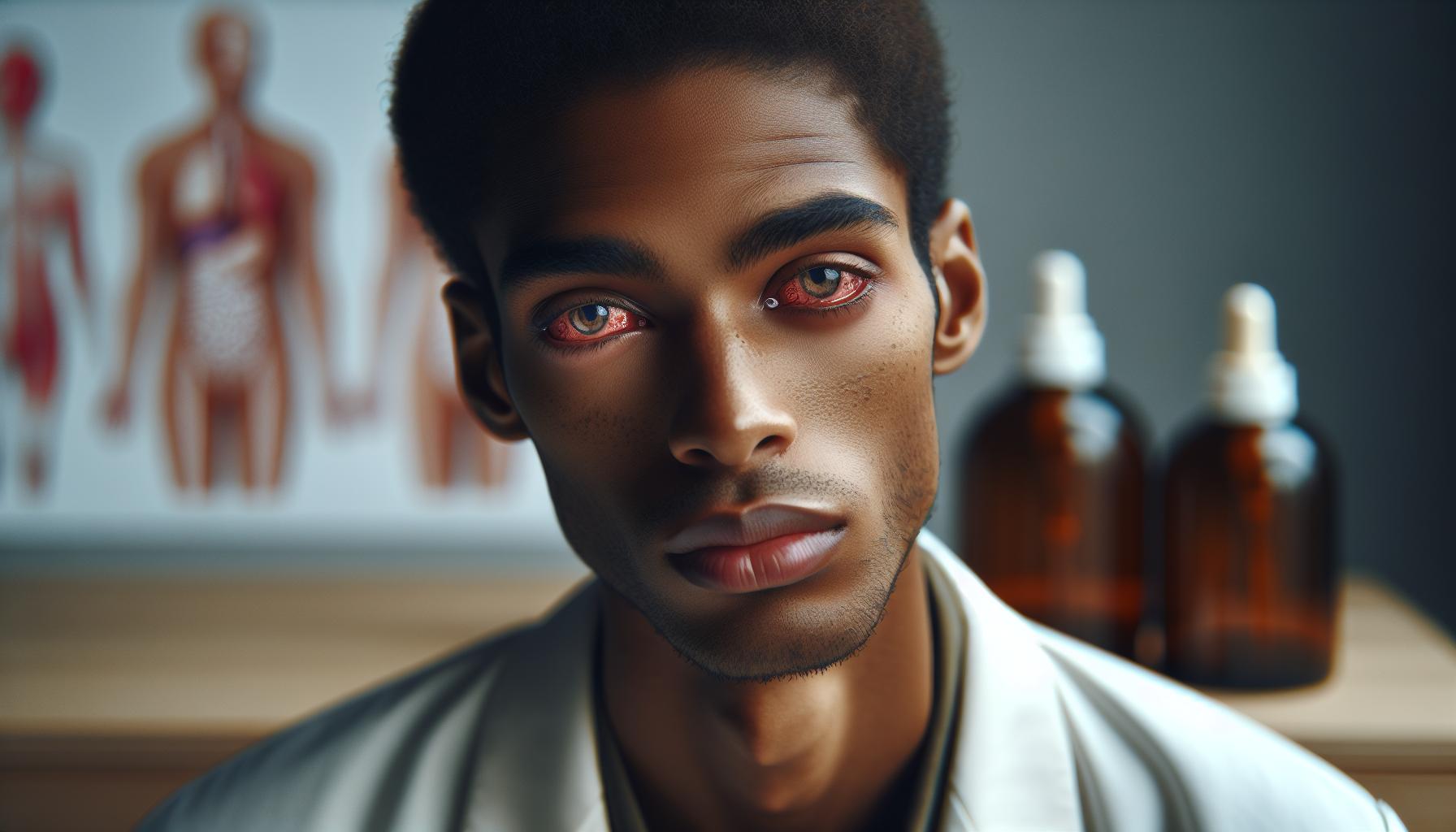
Experiencing burning eyes can be quite distressing, especially when it coincides with the discomfort of a stye. This sensation often feels like a gritty, irritated presence in the eye, and while it’s a common complaint, it can stem from several underlying causes. Styes contribute to this discomfort primarily due to the inflammation and blockage they cause in the oil glands of the eyelids, which can lead to excessive tear production and a heightened sensitivity in surrounding tissues.
When a stye forms, the affected area can become inflamed and swollen, pressing against the delicate nerves in the eyelid and surrounding eye. This inflammation can cause a burning sensation as well as discomfort when you try to blink. It’s important to listen to your body; if you’re experiencing this burning alongside other symptoms like redness, swelling, or a discharge, it could signal that your eye needs immediate attention.
To alleviate the burning sensation associated with styes, consider incorporating warm compresses into your routine. Applying a clean, warm cloth to the affected eyelid for about 10-15 minutes can soothe inflammation and encourage the stye to drain naturally. Remember to keep your eyelids clean and avoid touching or rubbing your eyes, as this can exacerbate irritation and lead to further complications.
Additionally, maintain a routine of good eye hygiene. Simple practices like washing your face with mild soap and water, avoiding eye makeup during flare-ups, and using preservative-free artificial tears can help reduce dryness and irritation. If symptoms persist or worsen, it is wise to consult a healthcare professional for tailored advice and potential treatments. Empowering yourself with knowledge about your eye health can make a significant difference in how you manage and respond to discomfort.
Differentiating Styes from Other Eye Conditions
Recognizing the difference between a stye and other eye conditions is essential for proper treatment and comfort. While styes are a localized infection that results in a painful lump on the eyelid, other conditions can mimic their symptoms or co-occur, making it crucial to be aware of these distinctions. For instance, chalazia-often mistaken for styes-are non-infectious lumps caused by blocked oil glands. Unlike styes, chalazia tend to develop more slowly and often do not exhibit pus or redness.
Another common condition is blepharitis, which is inflammation of the eyelid margins. Patients might experience itchy or burning eyes similar to those caused by styes; however, blepharitis usually involves flaky skin and greasy crusts on the eyelids. Its treatment often requires maintaining good eyelid hygiene and may include the use of antibacterial or anti-inflammatory medications. Additionally, allergic reactions can cause itchy, watery, or burning eyes and swelling around the eyelids, which might be mistaken for early signs of a stye.
For those dealing with persistent symptoms, understanding whether you’re experiencing a stye or another condition is vital for effective treatment. Here are a few tips to help differentiate:
- Appearance: Styes usually form on the outer edge of the eyelid and can be painful or tender, often with a yellowish head. Chalazia are less painful and usually do not have a visible head.
- Progression: Styes develop quickly, while chalazia may take weeks to form. Blepharitis tends to create chronic discomfort without the defined lumps associated with styes.
- Accompanying Symptoms: Look for signs like redness, discharge, or swollen eyelids that persist beyond what’s typical for a stye. Pain that radiates or severe blurred vision should be addressed immediately.
By monitoring these factors and consulting with a healthcare professional when uncertain, you can take informed action for your eye health. Being aware of the differences empowers you to approach treatment proactively, ensuring you’re not only addressing the immediate discomfort but also maintaining overall eye wellness.
How Styes Affect Eye Health and Comfort
Experiencing a stye can significantly impact your overall eye health and comfort, oftentimes manifesting as discomfort that may seem inconsequential at first but can escalate quickly. These small, painful bumps typically appear on the eyelid due to blocked oil glands or bacterial infections and can lead to a range of bothersome symptoms that affect your daily life. Alongside the obvious pain, many individuals report sensations of burning or irritation in their eyes, exacerbating feelings of discomfort and making it challenging to engage in routine activities.
When a stye appears, it can cause localized swelling, redness, and tenderness, which often lead to a ripple effect on overall eye comfort. The pressure from the stye can contribute to sensitivity to light and a feeling of grittiness in the eyes. Rubbing or touching the affected area may seem tempting but can worsen the irritation or spread bacteria, prolonging the discomfort. It’s crucial to remember that while styes are typically self-limiting, their presence can disrupt your natural eye health balance, making them more than just a cosmetic concern.
Managing the symptoms associated with styes involves both home care and preventative measures. Warm compresses can be soothing and help in the healing process by promoting drainage and alleviating discomfort. Consider gently cleansing your eyelids with mild, non-irritating solutions to keep the area free of excess oil and bacteria. Additionally, reduce eye strain from screens, which may increase discomfort; restructuring your work and relaxation environments can mitigate irritative symptoms.
Maintaining eye health also includes regular visits to an eye care professional, especially if styes become recurrent. Underlying factors, such as blocked glands or skin conditions, could contribute to persistent issues. By seeking guidance on maintaining optimal eyelid hygiene and overall eye care strategies, you can empower yourself to tackle styes more effectively, reducing their impact on your comfort and daily activities.
Home Remedies for Styes: Relieve Symptoms Naturally
Experiencing the discomfort of a stye can feel frustrating, especially when it can lead to burning sensations in your eyes. Fortunately, there are several natural remedies you can use at home to relieve symptoms and promote healing. Simple measures can make a significant difference, allowing you to feel more comfortable while managing the stye effectively.
One of the most effective home remedies for reducing stye symptoms is warm compresses. Soaking a clean cloth in warm water, wringing it out, and placing it gently over the affected area can soothe irritation and promote drainage. Aim to do this for about 10-15 minutes, several times a day. The warmth helps to increase circulation, potentially speeding up the healing process while alleviating discomfort.
In addition to warm compresses, proper eyelid hygiene is crucial. Regularly cleanse your eyelids with a gentle solution, such as diluted baby shampoo or commercially available lid scrubs. This can help remove debris and oils that may contribute to a stye’s formation. Just make sure to rinse thoroughly to avoid any residue that could provoke irritation.
Consider incorporating tea tree oil into your routine as well, known for its antibacterial properties. Dilute a small amount of tea tree oil with a carrier oil like coconut or olive oil and carefully apply it around the stye area with a cotton swab. This can help combat bacteria that might be contributing to the stye while promoting skin health. However, take care to avoid direct contact with your eyes.
Lastly, staying hydrated and maintaining a balanced diet rich in vitamins and minerals can support your immune system, aiding in the prevention of future styes. Include plenty of vitamin A and C, found in leafy greens and citrus fruits, to bolster your body’s defenses against infections.
Using these practical home remedies can provide relief and speed up the recovery process, allowing you to manage symptoms effectively while nurturing your overall eye health.
When to Seek Professional Help for Styes
Recognizing when to seek professional help for a stye can be crucial for your eye health, especially if discomfort escalates. While styes often resolve on their own with home care, there are specific signs that indicate a need for medical intervention. Ignoring these signs can lead to unnecessary complications and prolonged discomfort.
If you experience persistent or increasing pain that doesn’t improve with home remedies like warm compresses, it may signal a more serious issue. Moreover, if the stye grows larger or persists beyond a week without improvement, it’s important to consult a healthcare provider. Other red flags include significant swelling of the eyelid, vision changes, or the presence of fever, which could indicate an infection that requires antibiotics or other medical treatments.
Additionally, if the stye is accompanied by symptoms like severe redness spreading from the eyelid to the surrounding areas or if multiple styes develop at once, these can be indications of a more systemic issue that might necessitate medical evaluation.
In cases where typical relief methods fail, a professional can provide treatments such as prescription medications or, in rare cases, drainage procedures to alleviate the stye effectively. Remember, your well-being is paramount, and when it comes to your eyes, seeking timely help ensures both health and comfort.
Preventive Measures: How to Avoid Styes
To maintain healthy eyes and prevent the discomfort associated with styes, implementing effective preventive measures is essential. Styes often develop due to bacterial infections and blockages in the glands around the eyelids; therefore, nurturing your eye hygiene can make a significant difference. Simple yet powerful practices can empower you to keep styes at bay, ensuring your eyes remain healthy and comfortable.
Start by prioritizing a thorough daily cleansing routine. Gently wash your eyelids with lukewarm water and a mild, fragrance-free soap or a special eyelid scrub. This helps remove dirt and excess oil that may accumulate and block the glands. Make sure to wash your hands regularly, especially before touching your face or eyes. An easy rule of thumb is to avoid touching your eyes unless absolutely necessary.
Another important factor is the management of makeup. Always remove makeup before bedtime to prevent residue from irritating your eyes and glands. Moreover, replace eye makeup products every three months to reduce the risk of bacteria buildup. Choosing high-quality, hypoallergenic products can also lessen the likelihood of irritation or infection.
Pay attention to your overall health and lifestyle choices, as they can influence eye conditions. A balanced diet rich in vitamins A, C, and E, along with omega-3 fatty acids, can enhance your eye health. Staying hydrated is equally important; proper hydration helps maintain tear production and preserves moisture in your eyes.
Incorporating these practices into your daily routine not only fosters healthier eyes but also gives you the peace of mind that comes from being proactive about your well-being. If you notice any early signs of a stye, such as redness or swelling, addressing these symptoms right away with warm compresses or natural remedies can minimize their severity. By adopting these preventive measures, you empower yourself to enjoy comfort and clarity in your daily activities.
The Impact of Styes on Daily Activities
Experiencing a stye can significantly disrupt daily activities, leading to discomfort and distraction. When a stye forms, it often brings along a host of painful symptoms, including inflammation, tenderness, and in some cases, the dreaded burning sensation in the eyes. This not only affects your physical comfort but also impacts your ability to focus on tasks, whether at work, school, or home. Simple activities like reading, using a computer, or engaging in conversations can become tedious when your eyes feel sensitive or irritated.
Daily routines may require adjustments to accommodate the discomfort. For instance, you might find that you need to limit screen time or take frequent breaks to alleviate eye strain. Over time, these changes-coupled with the annoying itch or throbbing sensation-can lead to frustration and decreased productivity. Moreover, if makeup is part of your daily regimen, keeping your eyes free from products during a stye outbreak is crucial. This not only enhances comfort but also promotes healing, allowing you to focus more on recovery rather than managing eye irritation from cosmetics.
It’s essential to understand that managing a stye effectively can reclaim your comfort and normalcy. Leveraging cold compresses can provide immediate relief by reducing swelling and soothing the burning sensation. A simple combination of clean cloths dipped in cold water can work wonders when applied to the affected area over several minutes. Additionally, maintaining good hygiene-such as washing your hands thoroughly before touching your eyes-can prevent further irritation and promote healing.
Encouragement can also come from considering lifestyle modifications during these uncomfortable times. Incorporating foods rich in vitamins A, C, and E, along with omega-3 fatty acids, can not only support eye health but also foster overall well-being. Staying hydrated is equally vital, as it aids in maintaining moisture levels in the eyes, further reducing discomfort. Embracing these supportive strategies empowers you to navigate life’s daily challenges without letting a stye derail your commitments or affect your quality of life.
Lifestyle Factors Influencing Stye Development
Understanding how certain lifestyle factors contribute to the development of styes can empower you to take proactive steps in maintaining your eye health. For instance, poor hygiene practices are a significant contributor. Touching your eyes with unwashed hands can transfer bacteria, leading to the blockage of oil glands around the eyelashes, which is a common trigger for styes. To combat this, cultivating a habit of washing your hands regularly and avoiding touching your face can be highly beneficial.
In addition, skincare products play a crucial role in stye development. Makeup, especially when applied improperly or left on overnight, can accumulate around the eyes, trapping dirt and oils that may lead to infections. It’s advisable to invest in high-quality, hypoallergenic products and to make a routine out of thoroughly removing makeup each night. Incorporating oil-free cleansers and regularly replacing eye makeup every few months can further reduce the risk.
Diet also impacts eye health and susceptibility to styes. Diets high in sugar, processed foods, and unhealthy fats can lead to body-wide inflammation, which might increase the risk of developing styes. Prioritizing a balanced diet rich in antioxidants and omega-3 fatty acids not only nourishes your body but also supports your eyes. Foods such as leafy greens, nuts, and fish are excellent choices that contribute to overall eye health.
Moreover, stress can exacerbate many health issues, and eye conditions are no exception. Chronic stress can weaken your immune system, making your body more vulnerable to infections, including those that lead to styes. Incorporating relaxation techniques such as yoga, meditation, or even simple breathing exercises into your daily routine can significantly help in managing stress levels and subsequently reducing the likelihood of developing styes.
By being conscious of these lifestyle choices and implementing small yet impactful changes, you can enhance your eye health and minimize the discomfort associated with styes.
Exploring Medical Treatments for Chronic Styes
Chronic styes can be a frustrating and painful experience, leading to relentless discomfort that can affect your daily routine. If you find yourself suffering from recurring styes, it’s important to explore medical treatments that can alleviate your symptoms and address the underlying causes. Oftentimes, simple home remedies are not sufficient, especially when styes become persistent.
One common medical approach is the use of warm compresses, which help to reduce inflammation and promote drainage of the oil glands. However, if styes persist despite regular warm compresses, a healthcare provider may recommend further interventions such as antibiotic ointments or oral antibiotics. These medications are necessary when there is a bacterial infection contributing to the stye’s development. If a stye is particularly large or painful, your doctor might suggest a minor surgical procedure to drain it. This procedure typically involves making a small incision to allow the pus to escape, providing rapid relief from pain and pressure.
In addition to these treatments, it may be beneficial to evaluate any underlying health conditions that could be predisposing you to frequent styes, such as blepharitis or acne. Managing these conditions can significantly reduce the likelihood of stye formation. Regular visits to an eye care professional can help you stay on top of your eye health and catch potential issues before they develop into styes.
For those suffering from recurrent styes, understanding personal triggers is essential. Keeping a diary of symptoms and possible lifestyle factors-such as stress levels, makeup use, and hygiene practices-can provide valuable insights for both you and your healthcare provider. Together, you can create a comprehensive treatment plan that includes both medical and lifestyle modifications to help minimize future occurrences and keep your eyes healthy and comfortable.
Caring for Your Eyes: Essential Skincare Tips
While the health of your eyes is often taken for granted, nurturing them is essential, especially when dealing with conditions like styes that can lead to discomfort and burning sensations. Taking proactive steps can significantly enhance eye health and prevent the occurrence of styes. To keep your eyes healthy, it’s important to adopt a routine that focuses on cleanliness, hydration, and protective measures.
One of the most effective practices is maintaining proper hygiene around the eyes. Always wash your hands thoroughly before touching your face, especially the eye area. Use a gentle cleanser to remove makeup and debris, and consider a soft washcloth or cotton pads to avoid irritation. Regular cleansing can help prevent the oil glands from becoming clogged, reducing the risk of styes.
Next, pay attention to the products you use in your beauty routine. It’s advisable to choose hypoallergenic and non-comedogenic makeup and skincare items. Don’t forget to replace expired cosmetics regularly, as these can harbor bacteria that could contribute to infections. In addition, removing makeup before bed is crucial; sleeping with makeup can lead to blocked glands and irritation.
Keeping your eyes hydrated is another key component. Drink plenty of water throughout the day to stay hydrated-dehydration can exacerbate symptoms like burning and discomfort. Additionally, consider using artificial tears or preservative-free eye drops to keep your eyes moist, especially if you are exposed to dry environments or prolonged screen time.
Lastly, practice protective measures against environmental irritants. Wearing sunglasses with UV protection can shield your eyes from sunlight and wind, which may aggravate symptoms. If you’re often in dusty or polluted areas, using protective eyewear can prevent particles from entering your eyes.
Incorporating these essential skincare tips into your daily routine not only helps in managing discomfort associated with styes but also promotes overall eye health, making you feel more comfortable and confident. Remember, a little care goes a long way in ensuring your eyes remain healthy and vibrant.
Frequently Asked Questions
Q: Can styes cause burning sensations in the eyes?
A: Yes, styes can cause burning sensations in the eyes. This is due to inflammation and irritation caused by the stye, which affects the eyelid’s comfort. If burning persists, consulting a healthcare professional is advisable.
Q: What are the common symptoms of styes besides burning eyes?
A: Common symptoms of styes include swelling, redness around the eyelid, pain or tenderness, and the presence of a lump. Some individuals may also experience discharge or crusting around the eye.
Q: How can I differentiate between a stye and a chalazion?
A: A stye is often painful, red, and located at the edge of the eyelid, while a chalazion is usually painless, firmer, and occurs further along inside the eyelid. For a proper diagnosis, seek advice from an eye care professional.
Q: Are there any effective home remedies for soothing burning eyes caused by styes?
A: Yes, warm compresses can help soothe burning eyes by promoting drainage and reducing inflammation. Additionally, keeping the area clean and avoiding eye makeup may alleviate discomfort.
Q: When should I see a doctor for a stye?
A: If a stye does not improve within a few days, worsens, or is accompanied by severe pain or vision changes, it’s important to see a doctor. Persistent symptoms may require medical treatment.
Q: What lifestyle factors can increase the risk of developing styes?
A: Factors such as poor hygiene, chronic skin conditions, and stress can increase the risk of developing styes. Maintaining proper eyelid hygiene and managing stress levels can help minimize risks.
Q: Can allergic reactions cause symptoms similar to those of styes?
A: Yes, allergic reactions can mimic stye symptoms, such as burning, redness, and swelling. However, styes are localized infections, while allergies often affect both eyes. Identifying the cause is key to treatment.
Q: How do styes affect vision temporarily?
A: Styes can cause temporary vision disturbances due to swelling and pain, making it uncomfortable to open the eye. If vision changes are significant, seek medical attention immediately to rule out other conditions.
In Summary
While uncomfortable symptoms like burning eyes and styes can signal underlying issues, knowledge is power. Remember, prompt self-care and consultations with healthcare professionals can significantly improve your eye health. If you found this article helpful, explore our resources on eye care routines and skincare tips to further enhance your well-being.
Looking for immediate steps to alleviate discomfort? Check out our guide on at-home remedies for styes and eye irritation. Don’t forget to subscribe to our newsletter for the latest insights and expert advice tailored for women’s health. Your journey to healthy eyes starts here-let’s keep the conversation going! Share your experiences or questions below; we’re here to support you every step of the way.