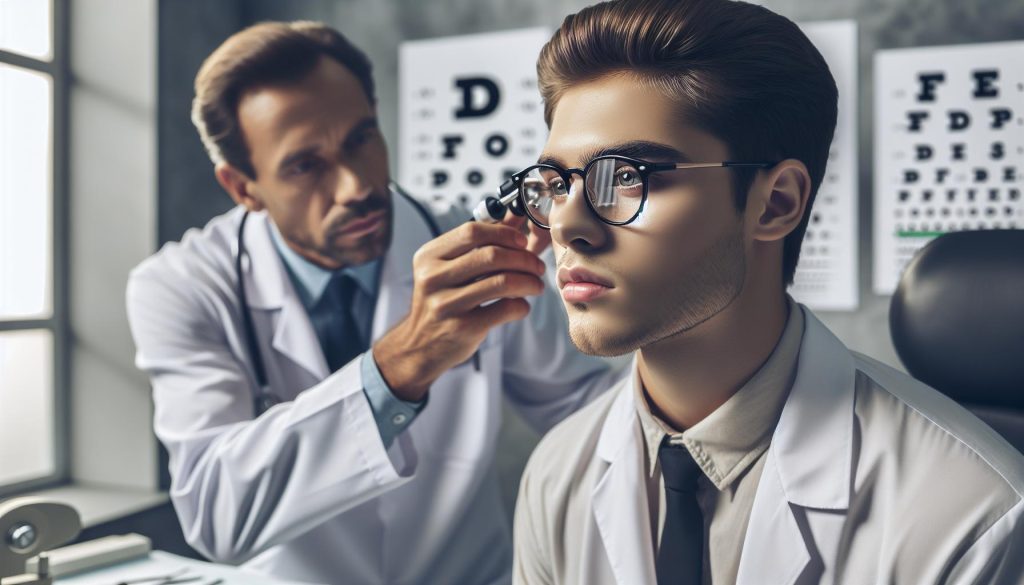
Have you ever experienced an eye twitch after dealing with a pesky stye? While styes are often just a temporary nuisance, they can sometimes lead to unexpected symptoms like eye twitching. This connection between styes and the nervous system is important to understand, especially for those who may be experiencing both conditions simultaneously.
Stress, fatigue, and even certain eye conditions can heighten the onset of twitching, making it essential to recognize how styes might influence your overall eye health. By delving into the causes and effects of these seemingly unrelated issues, you can better navigate any discomfort and arm yourself with knowledge to improve your eye care routine. Curious about how to mitigate these symptoms and what steps you can take for relief? Continue reading to uncover the connections and explore effective solutions.
Causes of Styes: What You Need to Know
Styes, small red bumps that form on the eyelid, are often an unwelcome surprise that can cause discomfort and embarrassment. Understanding what leads to these pesky irritations can empower you to prevent and manage them effectively. Styes are primarily caused by bacterial infections, specifically from Staphylococcus aureus, that result when glands in the eyelid become blocked or inflamed. Factors such as poor eyelid hygiene, stress, and hormonal changes can all contribute to the development of a stye, making it essential to consider how your lifestyle and skincare routines may be impacting your eye health.
Maintaining clean eyelids is crucial to preventing styes. Regularly washing your face and gently cleansing your eyelids can help remove dirt, oil, and bacteria that accumulate throughout the day. Incorporating a warm compress into your routine can also be beneficial, as it works to unclog blocked glands and soothe inflammation. For those wearing makeup, ensuring that you remove all traces before bedtime is vital, as leftover products can exacerbate irritation and increase the risk of a stye.
Other lifestyle factors, including stress and fatigue, can also be major contributors. When your body is under stress, it can trigger various physiological responses, including changes to your immune function, making you more susceptible to infections. Prioritizing self-care activities that include adequate rest, relaxation techniques, and a balanced diet will not only enhance your overall well-being but may also protect your eyes from common irritations like styes. By staying mindful of these causes and making proactive choices, you can take strides toward maintaining optimal eye health and avoiding unwanted disruptions in your daily life.
Understanding Eye Twitching: Symptoms and Triggers
Eye twitching is a common and often harmless phenomenon, but it can be a source of concern for many. This involuntary muscle spasm typically occurs in the eyelid and can manifest as a slight twitching sensation or even a more noticeable fluttering. Understanding the symptoms and triggers of eye twitching not only helps you recognize it but also empowers you to manage it effectively.
Common Symptoms
Typically, eye twitching, or myokymia, is characterized by a repetitive and uncontrollable movement of the eyelids. While it usually affects the lower eyelid, it can involve the upper eyelid as well. Some may experience a mild sensation, whereas others might find it distracting or bothersome. The duration of these twitches can vary widely, ranging from a few seconds to a few days, with episodes often exacerbated by factors like stress, fatigue, or caffeine intake.
Triggers of Eye Twitching
Several triggers can lead to eye twitching, many of which are deeply interconnected with your overall health and lifestyle:
- Stress: High stress levels stimulate the nervous system, which can cause muscles to contract more frequently.
- Fatigue: Lack of sleep can lead to muscle fatigue, exacerbating twitching.
- Caffeine and Alcohol: Excessive consumption of caffeine can overstimulate the nervous system, while alcohol can also disrupt sleep and hydration levels, both of which contribute to muscle spasms.
- Eye Strain: Prolonged screen time without breaks can strain the eye muscles, leading to irritating twitches.
- Dry Eyes: Insufficient moisture can irritate the eye, triggering spasms in the eyelid muscles.
Understanding these factors is crucial, as they can often overlap with other eye conditions like styes. Stress and sleep deprivation, for instance, not only predispose you to eye twitching but may also contribute to the development of styes. By being aware of how your daily habits and emotional well-being impact your eye health, you can make informed decisions that promote both comfort and wellness.
Can Styes Lead to Eye Twitching? The Connection
Experiencing eye twitching can often raise questions about underlying causes, particularly when combined with other eye issues like styes. Styes, which are painful bumps caused by clogged oil glands near the eyelashes, can create inflammation and discomfort around the eye. This irritation can lead to an increase in stress and emotional distress, which are well-known triggers for eye twitching. Understanding this connection can empower individuals to address both conditions more effectively.
When a stye develops, the surrounding area can become sensitive, causing you to involuntarily squint or rub your eye in an attempt to alleviate discomfort. Such actions can strain the muscles around the eye, leading to muscle spasms or twitching. Moreover, if the stye results in vision changes or additional discomfort, it may further contribute to stress and anxiety, compounding the likelihood of experiencing eye twitching. Essentially, the nervous system responds to the physical irritation of the stye, which, when coupled with emotional stress, can result in involuntary eye movements.
To mitigate the effects of both styes and eye twitching, maintaining proper eye hygiene is essential. Regularly washing your face, avoiding touching your eyes with unclean hands, and using warm compresses on the affected area can promote healing and reduce inflammation. Additionally, fostering relaxation through stress-reducing activities such as meditation, yoga, or deep-breathing exercises can help alleviate tension and reduce the frequency of eye twitching. By addressing these interconnected issues holistically, you can enhance overall eye health and comfort.
How Stress and Fatigue Affect Eye Function
Stress and fatigue can have a profound impact on eye function, leading to discomfort that can exacerbate conditions such as styes and eye twitching. When the body is under stress, it triggers a fight-or-flight response that releases adrenaline and other hormones. This physiological response can cause muscle tension throughout the body, including the muscles surrounding the eyes. As these muscles tighten, they may react with involuntary spasms or twitches, particularly if there is existing irritation, such as from a stye.
Additionally, fatigue can lead to a decrease in attention and care towards our eye health, making it easier to overlook symptoms of irritation or strain. When you’re tired, you might find yourself squinting, rubbing your eyes more frequently, or failing to prioritize breaks from screen time-all actions that can intensify the discomfort associated with styes and trigger eye twitching. The nervous system, overwhelmed by stress and fatigue, becomes less effective at regulating these responses, leading to a cycle where discomfort and tension perpetuate each other.
To combat these effects, it’s essential to implement strategies that promote relaxation and rejuvenation for both the mind and body. Consider integrating practices such as regular breaks from screens, maintaining proper lighting while reading or working, and ensuring you get quality sleep. Simple activities, like gentle eye exercises or using warm compresses on tired eyes, can alleviate symptoms and promote overall eye comfort. Prioritizing self-care will not only aid in preventing styes but also enhance your overall eye health, reducing the likelihood of twitching in the process. Remember, small adjustments in your daily routine can lead to significant improvements in how your eyes feel and function.
Preventative Measures for Styes and Eye Twitching
Recognizing the intricate relationship between styes and eye twitching is essential for maintaining optimal eye health. Styes, which are infections of the eyelid glands, can cause not only physical discomfort but also lead to stress and anxiety, resulting in involuntary eye movements or twitches. By adopting preventative measures, you can significantly reduce the likelihood of developing styes and their potential connection to eye twitching.
First, practicing good hygiene is crucial. Regularly washing your hands and avoiding touching your eyes can prevent bacteria from entering the sensitive areas around your eyes. Try to incorporate gentle eyelid hygiene into your routine by using a warm compress for a few minutes daily to keep your eyelids clean and reduce risk factors. Additionally, ensure that you’re using clean makeup brushes and applicators, as these can harbor bacteria that lead to infections.
Another vital aspect is to manage stress effectively. Incorporate relaxation techniques such as yoga, meditation, or mindfulness exercises into your daily routine. These practices not only help ease mental tension but also reduce physical symptoms, including the propensity for muscle spasms around the eyes. It may also be beneficial to schedule regular breaks when using screens, adhering to the 20-20-20 rule: every 20 minutes, look at something 20 feet away for 20 seconds to reduce eye strain.
Moreover, pay attention to your overall health. Ensure you are getting adequate sleep, as fatigue can exacerbate both styes and eye twitching. Strive for a consistent sleep schedule, and consider creating a calming bedtime routine to promote quality rest. Eating a balanced diet rich in vitamins, especially those beneficial for eye health, such as vitamin A, C, and omega-3 fatty acids, can also help strengthen your body’s defenses against infections.
By implementing these practical strategies, you empower yourself to maintain better eye health and potentially avoid the discomfort associated with styes and eye twitching. Addressing both hygiene and lifestyle factors holistically may lead to noticeable improvements in your eye comfort and well-being.
When to Seek Medical Attention for Eye Issues
Experiencing persistent eye twitching or a recurring stye can be more than just an annoyance-it may signal that it’s time to consult a healthcare professional. Understanding the boundaries between minor conditions and those that require medical intervention is essential for maintaining your eye health. For instance, if a stye persists for more than a week or seems to be getting larger instead of improving, it’s very important to seek medical advice. This could indicate a more serious infection or another underlying condition that may necessitate treatment beyond at-home remedies.
Additionally, if you notice signs such as significant pain, increased sensitivity to light, blurred vision, or discharge from the eye, don’t hesitate to reach out for help. These symptoms could suggest complications that might endanger your vision or overall eye health. In particular, if your eye twitching becomes severe, affecting your daily activities or causing significant discomfort, this could reflect heightened stress levels or neurological issues that warrant further evaluation.
Moreover, if your styes or eye twitching are accompanied by systemic symptoms such as fever, swelling of the eyelid, or changes in vision, it’s critical to consult a healthcare professional promptly. Such symptoms could indicate a more serious condition, including orbital cellulitis or other infections spreading beyond the eyelid area.
In summary, being proactive about your eye health can prevent minor issues from escalating. Regular self-checks, awareness of your symptoms, and timely communication with a healthcare provider will empower you to take control of your eye health, ensuring peace of mind and clarity in your vision. Prioritizing your eye care creates a foundation for both your physical well-being and your overall health journey.
Home Remedies for Styes and Relieving Eye Twitching
Warm compresses are one of the most effective natural remedies for alleviating styes and eye twitching. Applying a warm compress for 10-15 minutes several times a day can help improve circulation in the area, soothe inflammation, and prompt the stye to drain naturally. To create a warm compress, simply soak a clean washcloth in warm water, wring out the excess, and place it gently over your closed eyes. This simple routine not only relieves discomfort but also serves as a moment of self-care, promoting relaxation-essential for minimizing stress and preventing twitches.
Maintaining proper eye hygiene is crucial in preventing and treating styes. Make sure to clean your eyelids daily, especially if you’re prone to oiliness or frequent makeup use. Consider using a diluted baby shampoo solution or a specific eyelid scrub available in pharmacies. This practice can reduce the risk of blockage in the oil glands, which contributes to stye formation. Additionally, avoid touching your eyes with unwashed hands, as this can transfer bacteria that exacerbate existing conditions.
Stress management can’t be overlooked when addressing eye twitching, which can be exacerbated by anxiety and fatigue. Techniques such as deep breathing exercises, yoga, or mindfulness meditation can significantly decrease stress levels. Setting aside even a few minutes each day to practice these techniques can make a substantial difference in how your body responds to tension, potentially reducing the frequency and severity of eye twitches.
For those looking for a more holistic approach, consider incorporating herbal remedies known for their anti-inflammatory properties. Chamomile tea, for instance, can be consumed regularly or used as a compress for your eyes after steeping and cooling the tea bags. Additionally, keeping your diet rich in omega-3 fatty acids, found in fish, flaxseeds, and walnuts, can support overall eye health and may contribute to reducing inflammation.
In summary, effective home remedies for styes and eye twitching involve a combination of physical care, hygiene, and stress management. By integrating these practices into your daily routine, you can promote not only the health of your eyes but also your overall well-being.
The Importance of Eye Care and Hygiene Practices
Maintaining robust eye health hinges significantly on your daily hygiene practices. With the eyes being one of the most delicate and sensitive areas of the body, even a small lapse in care can lead to issues such as styes or twitching. These conditions can arise from the blockage of oil glands in the eyelids or from irritation, both of which can be exacerbated by poor hygiene. Engaging in proactive and consistent eye care routines can not only protect your eyes but also enhance overall eye health, reducing the likelihood of discomfort and promoting clarity of vision.
Daily Cleaning Rituals
Incorporating effective cleaning practices into your daily routine can prevent styes and other eye-related ailments. Consider these steps for maintaining eye hygiene:
- Cleansing Eyelids: Gently wash your eyelids daily with a diluted baby shampoo or a commercially available eyelid scrub. This helps prevent the buildup of oils and debris that can clog your glands and lead to stye formation.
- Makeup Hygiene: Always remove makeup thoroughly before bed, particularly eye makeup. Use gentle products designed specifically for removing eye cosmetics to avoid irritation.
- Avoid Touching Your Eyes: Be mindful not to touch your eyes with unwashed hands. Bacteria from your fingers can easily transfer to your eyes, increasing the risk of infections and styes.
Emphasizing Routine Care
Establishing routine eye care is essential to overall eye wellness. Regular eye exams should be part of your health regimen; these not only offer a chance to assess visual acuity but also to catch any potential issues early on. Your eye care professional can help identify family history factors that may increase your risk for certain conditions. Eating a balanced diet rich in vegetables, fruits, and omega-3 fatty acids supports eye health, providing the nutrients necessary for maintaining optimal vision.
Taking care of your eyes is not merely about preventing immediate issues; it is also about fostering long-term well-being. Simple modifications to your routine can yield substantial benefits. From improving your diet to enhancing your hygiene practices, each small positive change contributes to a larger goal of preserving your eye health. Remember, when it comes to your well-being, it’s always better to be proactive rather than reactive. By valuing and prioritizing your eye care routine, you can enjoy clearer vision and reduced discomfort, thus promoting a healthier and more vibrant life.
Long-Term Effects of Styes on Your Vision
Styes, though often seen as a temporary nuisance, can have lingering effects on your vision that are important to consider. The primary concern lies in the fact that a stye arises from inflammation of the oil glands in the eyelids, leading to a localized infection. If left untreated, this inflammation can cause discomfort and can potentially affect the eyelid’s natural function. Prolonged irritation may also lead to more serious conditions, such as chronic blepharitis, which can perpetuate issues with your vision.
Recurrent styes can disrupt the delicate balance of your tear film, increasing dryness and discomfort. This improper tear function not only affects comfort but can compromise vision clarity as well. For individuals who frequently experience styes, adopting a meticulous eye care routine becomes essential. Regular cleaning of the eyelids, avoiding touching the face, and seeking prompt treatment when a stye first appears can vastly reduce the recurrence rate and its subsequent impact on vision.
Furthermore, the connection between styes and eye twitching is an area of interest for many. Chronic irritation from styes can lead to muscle spasms around the eye due to increased stress on the eyelid and surrounding areas. Maintaining proper eyelid hygiene and addressing factors such as stress and fatigue can help prevent these twitching episodes, which can be exacerbated by the irritative effects of styes.
Taking proactive measures in managing your eye health can make a significant difference. This includes regular check-ups with an eye care professional who can monitor any recurrent issues and provide tailored advice. Implementing small yet effective daily practices, like applying warm compresses or using preservative-free artificial tears, can have a large impact on long-term eye health, helping to stave off styes and their potential complications. Emphasizing a holistic approach to eye care not only preserves vision but enhances overall well-being.
Debunking Common Myths About Eye Conditions
Many people harbor misconceptions about eye health, especially concerning conditions like styes and their potential effects, such as eye twitching. One prevalent myth is that styes are purely cosmetic and do not affect the underlying health of the eye. In reality, while styes may appear as minor lumps along the eyelid, they indicate inflammation and infection of the oil glands, which can lead to discomfort and impact visual function. Leaving a stye untreated can exacerbate inflammation, leading to chronic conditions that interfere with tear production and, ultimately, vision clarity.
Another common belief is that stress or fatigue does not have a significant link to eye twitching and styes. However, research indicates that stress can indeed provoke eye twitching, exacerbated by the irritation caused by styes. When the eyelids are inflamed, they become more sensitive to stressors, which can lead to muscle contractions around the eyes. Addressing emotional well-being through relaxation techniques or stress management can therefore play a crucial role in alleviating both styes and twitching.
It’s also a widespread notion that eye twitching continuously indicates a serious neurological issue. While persistent twitching can sometimes signal an underlying problem, it often stems from benign causes such as fatigue, caffeine consumption, or dehydration. Recognizing these triggers can empower individuals to make lifestyle adjustments-such as reducing caffeine intake, ensuring adequate rest, and staying hydrated-to alleviate symptoms without jumping to conclusions about more severe health concerns.
In taking charge of your eye health, it is important to demystify these misconceptions. Adopting a consistent hygiene routine, managing stress effectively, and maintaining regular eye exams are foundational steps toward preventing styes and minimizing their side effects, including eye twitching. Empower yourself with these facts and ensure your eye care practices are rooted in knowledge, fostering both comfort and confidence in your eye health journey.
FAQ
Q: How do styes affect eye twitching?
A: Styes can lead to eye twitching by causing inflammation and discomfort around the eyelid area. This irritation signals the nervous system, which may trigger spasms in the muscles surrounding the eye. Managing styes promptly can alleviate associated twitching symptoms.
Q: What are the common causes of eye twitching?
A: Common causes of eye twitching include stress, fatigue, eye strain, and caffeine intake. Styes may exacerbate twitching due to pain and discomfort, reinforcing the connection between physical irritation and nervous system responses.
Q: Can stress from a stye lead to eye twitching?
A: Yes, stress induced by the discomfort of a stye can contribute to eye twitching. The nervous system reacts to increased stress levels, resulting in muscle spasms around the eyes. Employing stress-reduction techniques can help mitigate these effects.
Q: When should I seek medical attention for eye twitching related to a stye?
A: You should seek medical attention if eye twitching persists for more than a few days, worsens, or is accompanied by significant pain, redness, or vision changes. A healthcare professional can provide appropriate treatment to relieve discomfort and twitching.
Q: Can treating a stye help reduce eye twitching?
A: Treating a stye effectively can significantly reduce eye twitching by addressing the underlying irritation. Applying warm compresses and over-the-counter treatments can relieve pain and inflammation, thus lessening twitching symptoms.
Q: What home remedies can alleviate eye twitching caused by styes?
A: Home remedies include warm compresses to reduce stye irritation, staying hydrated, and managing stress through relaxation techniques. These methods can help soothe the eye and decrease twitching episodes.
Q: How does fatigue contribute to eye twitching?
A: Fatigue can lead to eye twitching by placing stress on the ocular muscles and nervous system. Insufficient sleep can intensify the discomfort from a stye, prompting more noticeable twitches. Prioritizing rest can mitigate these effects.
Q: Are there preventative measures for avoiding styes and consequent eye twitching?
A: Preventative measures include maintaining good eye hygiene, reducing stress, and ensuring adequate sleep. Additionally, limiting screen time and using proper lighting can help prevent eyestrain, which may contribute to both styes and eye twitching.
Future Outlook
If you’re experiencing eye twitching and are concerned about the connection with styes, remember that understanding these issues is the first step towards relief. Explore our comprehensive guide on treating styes effectively and check out tips for eye care routines to maintain optimal health. Don’t wait-taking proactive steps now can help alleviate discomfort and raise your overall awareness of eye health.
Still have questions? Join our community in the comments below, share your experiences, or reach out for professional advice. For ongoing insights, consider signing up for our newsletter where we share expert tips and the latest research on women’s health and beauty concerns. Empower yourself with knowledge and take control of your health journey today!