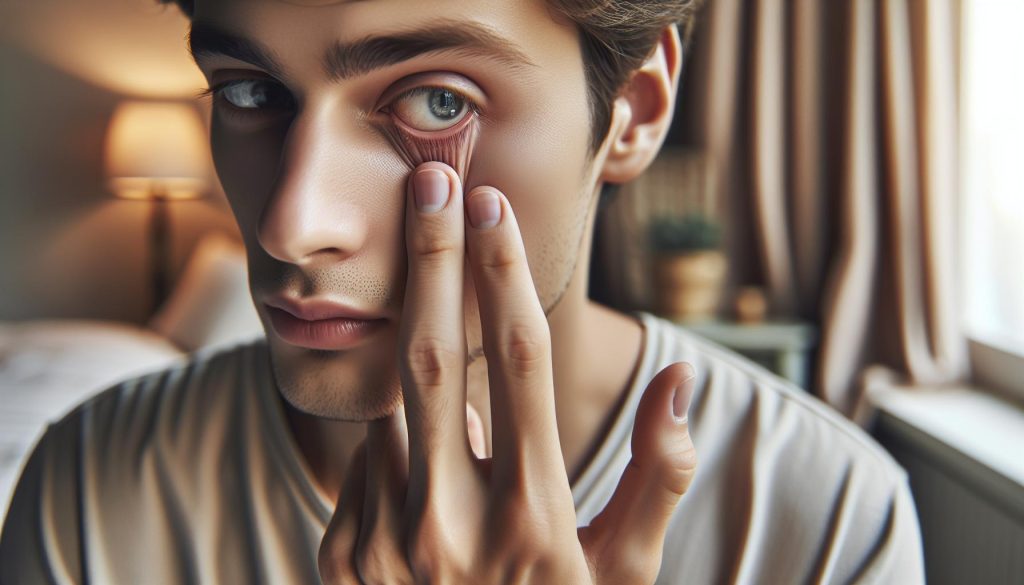
Styes, often characterized by painful red lumps on the eyelid, can indeed make your eyes itch, leading to discomfort that’s hard to ignore. While typically harmless, the irritation they cause can disrupt daily activities and even impact your beauty routine. Understanding the link between styes and itchiness is crucial for maintaining eye comfort and health.
In this article, we’ll explore effective scratch prevention tactics that can not only alleviate itchiness but also promote faster healing. If you find yourself frequently dealing with styes or are curious about simple ways to protect your eyes, read on. You’ll discover actionable advice to help you reclaim comfort and confidence while keeping your eyes beautiful and healthy.
Understanding Styes and Their Symptoms
A stye, medically known as a hordeolum, is more than just a nuisance; it’s a painful, red bump that often appears at the edge of your eyelid, resembling a pimple or boil. Understanding the symptoms is essential to managing this common yet uncomfortable condition. Typically, styes manifest as swollen, tender spots on the eyelids, often accompanied by redness and inflammation. The affected eye may also experience sensitivity to light, a gritty feeling, and, in some cases, watering or discharge. It’s crucial to note that while a stye can be itchy, not all individuals may experience this symptom, as the discomfort can vary from person to person.
Styes develop due to bacterial infections at the base of the eyelashes or in the oil glands of the eyelid. This infection prompts the eyelid to become inflamed and swollen. As the stye matures, it may cause a sensation akin to having an eyelash in your eye, leading to even more irritation and the urge to scratch. However, itching isn’t just a symptom; it can also exacerbate the condition by introducing more bacteria and leading to potential secondary infections.
To avoid aggravating a stye or increasing the likelihood of developing one, maintaining proper hygiene is key. Regularly washing your hands and avoiding touching your eyes can significantly diminish your chances of bacterial transmission. If you notice a stye starting to develop, using warm compresses can alleviate discomfort and encourage drainage, providing relief and aiding in healing. By being proactive and attentive to your eye health, you can better manage styes and reduce the associated itching and irritation.
How Do Styes Cause Eye Itching?
A stye, which often brings discomfort, is typically accompanied by a range of sensations, and itching can be one of the most aggravating aspects. Understanding how a stye leads to eye itching is crucial for effective management. The discomfort often stems from the inflammation and irritation caused by the bacterial infection that gives rise to the stye. As the eyelid swells and becomes red, the nerve endings in the area can become hypersensitive, sending signals that lead to the overwhelming urge to scratch. This scratching can further irritate the area, potentially leading to more inflammation and even secondary infections.
In addition to the physical irritation, styes can create a feeling similar to having an eyelash in your eye, contributing to the discomfort. This sensation heightens the desire to rub or scratch the eye, which can introduce additional bacteria and exacerbate the situation. Engaging in these behaviors often leads to a cycle of irritation, itching, and even more severe inflammation. Therefore, it is critical to be aware of the urge to scratch and to resist it, as succumbing to this impulse may only worsen the condition.
To help manage the itching sensation associated with styes, consider these practical strategies:
- Warm Compresses: Applying a warm compress to the affected area can reduce inflammation and provide soothing relief.
- Maintain Hygiene: Keep your hands clean, and avoid touching your face and eyes to minimize bacterial transfer.
- Stay Calm: Stress can heighten the perception of discomfort, so practice relaxation techniques to help manage stress levels.
- Use Artificial Tears: These can help lubricate the eyes and reduce irritation caused by dryness, potentially alleviating some of the burning sensations.
By implementing these techniques, you can help minimize the itching and discomfort associated with styes, fostering a more comfortable healing process. Remember, it’s essential to pay attention to your body’s signals and act gently towards your eyes to preserve their health and comfort.
Essential Scratch Prevention Tactics for Styes
In the realm of eye health, styes can be an unwelcome and irritating visitor. They not only cause discomfort but also create an intense itch that can be hard to ignore. Recognizing the urge to scratch is essential, as this simple action can exacerbate the problem, leading to further inflammation or even infection. To help you manage this challenge, implementing effective scratch prevention tactics is vital for healing and comfort.
First and foremost, it’s crucial to keep your hands clean and avoid touching your face. Bacteria from your hands can transfer to your eyes, worsening the stye or introducing new irritants. When you feel the urge to scratch, try redirecting that impulse by gently placing a warm compress on the affected eyelid. Not only does this soothe the area, but it also reduces inflammation and can provide calming relief. The warmth encourages blood flow, helping to expedite the body’s healing processes while momentarily distracting you from the itch.
Additionally, managing your daily stress levels plays a significant role in minimizing eye irritation. High stress can amplify feelings of discomfort, making you more susceptible to scratching. Incorporate relaxation techniques, such as deep breathing exercises or gentle yoga, into your routine to promote overall calmness. Staying hydrated and maintaining a balanced diet rich in vitamins A and C can further nurture your immune system, equipping your body to fight off the bacteria responsible for styes.
Ultimately, maintaining a consistent and gentle skincare routine is essential for eye health. When using makeup or facial products, opt for non-comedogenic options that won’t clog your pores and increase the risk of styes. Always remove makeup thoroughly at the end of the day to prevent product buildup around the eyelids. Moreover, try using artificial tears to alleviate dryness and discomfort, offering additional lubrication that may ease the urge to scratch. By following these strategies, you can foster an environment for healing while protecting your precious eyes from further irritation.
Effective Home Remedies for Itchy Eyes
In the quest for relief from the aggravation of itchy eyes caused by styes, there are several effective home remedies that can help soothe discomfort and promote healing. Utilizing natural ingredients and simple techniques not only provides comfort but can also empower you to manage your eye health at home. One particularly beneficial method is the use of warm compresses. Applying a warm, damp cloth to the affected area helps to alleviate itching and reduce inflammation. The warmth increases blood circulation, which promotes healing while also easing the irritation.
Another home remedy revolves around the use of tea bags, particularly green or chamomile tea. These tea bags contain anti-inflammatory properties that can help to calm redness and swelling associated with styes. To use, steep a tea bag in hot water for a few minutes, allow it to cool to a comfortable temperature, and then place it gently over your closed eyelid for 10-15 minutes. This not only provides relief but adds an aromatherapeutic experience to your routine.
Proper hydration is also essential for maintaining eye health. Staying well-hydrated helps flush out toxins and supports overall bodily functions, contributing to your skin and eye health. It is recommended to drink plenty of water throughout the day, aiming for at least eight 8-ounce glasses. Incorporating foods rich in omega-3 fatty acids, such as walnuts and salmon, can further enhance eye moisture and reduce irritation.
It’s important to remember that while natural remedies can be effective, hygiene plays a critical role in preventing the worsening of styes and associated itching. Regularly washing your hands and face, coupled with the usage of hypoallergenic or non-comedogenic skincare products, will significantly diminish the occurrence of these irritations. If symptoms persist or worsen, consulting with a healthcare provider should be your next step to ensure proper treatment and care.
When to Seek Medical Attention for Styes
It’s not unusual to experience discomfort when dealing with a stye, and while many cases are manageable at home, there are times when professional intervention is crucial. If you find that your stye is not improving within a few days despite home treatments, or if the symptoms escalate, seeking medical attention is essential. Persistent redness, swelling, or pain can indicate a potential infection that may require antibiotic treatment or other medical interventions.
Another important signal to pay attention to is vision changes. If you notice any blurriness, sensitivity to light, or a decrease in clarity, don’t hesitate to consult with a healthcare provider. These can be signs that the stye is affecting other parts of the eye or leading to complications such as conjunctivitis. Additionally, if the stye is accompanied by fever, indicating a systemic reaction, immediate medical advice is warranted.
People with underlying conditions such as diabetes or those who are immunocompromised should also be more vigilant. Styes can sometimes pose greater risk in these populations, and it’s prudent to seek healthcare early in any case of eye irritation. Furthermore, if you frequently experience styes or recurrent eyelid bumps, discussing this with a professional can help identify any underlying causes, such as blepharitis or seborrheic dermatitis, and tailor a better long-term management plan.
Ultimately, if your home remedies bring no relief within a few days, or if you encounter severe pain or significant changes in your eye’s appearance or function, reaching out for medical assistance is not only wise but can facilitate a smoother path to recovery. Your eye health is paramount, and early intervention can often prevent more serious issues down the line.
Understanding Risk Factors for Developing Styes
While styes may seem like a minor inconvenience, understanding the underlying risk factors for developing them can empower individuals to take preventive measures. Styes occur when bacteria infect the oil glands near the eyelash line, leading to painful swellings that can cause significant discomfort and itching. Several factors can heighten the risk of experiencing styes, including hygiene practices, skin conditions, and lifestyle choices.
One of the most significant contributors to stye development is poor eyelid hygiene. Not removing makeup properly, touching the eyes with dirty hands, or failing to clean the eyelids can introduce bacteria, increasing vulnerability to infections. It’s crucial to establish a daily eye care routine that includes washing the eyelids gently with warm water and a mild cleanser, especially before bed.
Certain skin conditions can also predispose individuals to styes. For example, people with blepharitis, an inflammation of the eyelid margins, or those who experience acne or rosacea may find themselves battling recurring styes. In such cases, seeking professional advice for managing these conditions can be invaluable in reducing stye occurrences.
Lifelong habits and environmental factors play a role as well. Stress has been linked to various health issues, including skin and eye problems. Reducing stress through mindfulness practices, exercise, and healthy eating can contribute to overall wellness and potentially reduce the frequency of stye outbreaks. Moreover, wearing eye makeup past its expiration date or using shared makeup products can introduce harmful bacteria. Therefore, regularly replacing eye products and never sharing them is a wise practice.
Lastly, lifestyle choices such as diet can also impact your skin’s health, including the skin around your eyes. A diet rich in omega-3 fatty acids, found in foods like fish and walnuts, may promote healthier skin and contribute to eye health. Prioritizing hydration and avoiding overly processed foods can also support skin function.
By understanding these risk factors and making targeted adjustments, individuals can significantly decrease their chances of developing styes and enjoy brighter, healthier eyes.
Daily Eye Care Tips to Prevent Styes
Daily care for your eyes is essential, especially when it comes to preventing styes which can cause discomfort and itching. Establishing a proactive eye hygiene routine can decrease the likelihood of infections caused by bacteria that thrive around the eyelid area. Here are some targeted strategies that can help keep your eyes healthy and reduce the chances of developing styes.
First, maintain proper eyelid hygiene. Cleanse your eyelids every day using a gentle soap or eyelid scrub specifically designed for this purpose. This helps remove any residual makeup, oil, and dirt that can contribute to clogged oil glands. Ideally, you should wash your eyelids before bed to ensure that you’re going to sleep with clean eyes. To do this, wet a clean washcloth with warm water, add a small amount of cleanser, and gently massage your eyelids for a minute.
Next, be mindful of your makeup habits. Always use fresh makeup products, and avoid sharing cosmetics with others to minimize the introduction of bacteria. Once your eye products have reached their expiration date (typically three months for mascara), it’s time to discard them. Opt for hypoallergenic and non-comedogenic products that are less likely to irritate your skin or clog oil glands.
Additionally, be cautious of your dietary choices. Including foods rich in vitamins A and E, like leafy greens, carrots, and nuts, can contribute to healthier skin. Omega-3 fatty acids found in fish and flaxseeds also support skin health, potentially reducing inflammation and the likelihood of styes. Staying hydrated by drinking plenty of water throughout the day aids in keeping your skin, including the delicate eye area, more resilient.
Finally, practice good stress management techniques. Stress can impact overall skin health, making it essential to integrate relaxation practices into your routine. Consider activities such as yoga, meditation, or even simple walks in nature to help maintain your emotional and physical well-being. By incorporating these daily eye care tips into your routine, you can not only help prevent styes but also enhance your overall eye health.
Over-the-Counter Treatments for Relief
Dealing with a stye can be an uncomfortable experience, especially when it comes to the accompanying itching and irritation. Thankfully, there are several over-the-counter treatments that can provide relief and help manage symptoms effectively. These remedies are designed to soothe inflamed eyelids while reducing the itchiness that styes can cause.
One effective option is to use warm compresses. Applying a warm, damp cloth to the affected eye for about 10-15 minutes several times a day can help promote drainage and alleviate discomfort. This simple method works by increasing blood flow to the area, which may speed up the healing process. It’s important to ensure the compress is clean to prevent any further infection.
In addition to compresses, consider utilizing over-the-counter medications that contain antihistamines or mild pain relief components. Antihistamines can help relieve itching, especially if allergies are contributing to the discomfort. Similarly, non-steroidal anti-inflammatory drugs (NSAIDs) like ibuprofen can be taken to alleviate pain and reduce swelling. Always follow the instructions on the label and consult with a healthcare professional if you have any concerns or pre-existing conditions.
For persistent styes or if symptoms worsen, topical antibiotics may be recommended. While many antihistamine eye drops are available, it’s crucial to choose those specifically formulated for use with eye conditions. These can help in managing itching and preventing any potential secondary infections.
When using any over-the-counter treatment, it’s vital to maintain good hygiene practices. Ensure that your hands are clean before touching your eyes or applying products, and avoid sharing personal items like towels or eye makeup to minimize the risk of bacterial transfer. By combining these treatments with diligent care, you can effectively manage the discomfort associated with styes and promote healing, keeping your eyes comfortable and healthy.
Natural Remedies to Soothe Itchy Eyes
It’s astonishing how something as small as a stye can lead to such discomfort, particularly that persistent itching that feels nearly impossible to ignore. Thankfully, there are several natural remedies you can incorporate into your routine to help soothe itchy eyes caused by styes. These gentle methods not only alleviate itching but also promote overall eye health, ensuring you feel comfortable and confident in your daily life.
One of the simplest yet most effective remedies is warm compresses. By applying a clean, warm, damp cloth over your eyelids for 10-15 minutes a few times a day, you can help reduce inflammation and encourage drainage of the stye. The warmth increases blood flow to the area, enhancing healing capabilities while providing immediate relief from itching. It’s important to keep the compress clean to avoid introducing any more bacteria to the affected area.
Another natural approach is the use of tea bags, particularly chamomile or green tea. Once brewed, allow the tea bag to cool to a comfortable temperature, and then place it over the affected eye. Both types of tea have anti-inflammatory properties, and their soothing, cooling effect can effectively reduce itching and irritation. Furthermore, their antimicrobial properties can provide added protection against further infection.
Adding aloevera gel to your eye care routine can also bring substantial relief. Aloe vera is known for its soothing and anti-inflammatory effects. Carefully apply a small amount around the eyelid, avoiding direct contact with the eyes, to calm irritation. Make sure to use pure aloe vera to avoid any added fragrances or chemicals that might cause further irritation.
Lastly, hygiene practices play a crucial role in healing and preventing further outbreaks. Wash your hands before touching your eyes, and avoid sharing towels or using contaminated makeup. Emphasizing cleanliness can minimize the risk of irritation and help your eyes heal more quickly.
By embracing these natural remedies, you can effectively combat the itchiness brought on by styes while nurturing your eye health. Incorporating these gentle practices into your routine empowers you to manage discomfort, promoting a sense of well-being and confidence as you pursue your daily activities.
Tips for Managing Stress and Eye Health
Managing stress effectively is crucial not only for overall well-being but also for maintaining optimal eye health. Chronic stress can lead to increased inflammation in the body, which may exacerbate conditions like styes and other eye irritations. Implementing stress-reduction techniques can be a transformative pathway to alleviate discomfort and promote healing.
One effective strategy to counter stress is practicing mindfulness and meditation. Taking just a few minutes each day to engage in mindfulness exercises can help lower anxiety levels and enhance your overall mood. Simple deep-breathing techniques, where you inhale deeply through your nose, hold for a moment, and exhale slowly through your mouth, can significantly calm your nervous system. You might also consider incorporating yoga into your routine; not only does it relieve physical tension, but it also encourages a sense of mental clarity and emotional balance.
Additionally, maintaining a healthy lifestyle is key. Regular exercise, such as walking, swimming, or cycling, can release endorphins-natural mood lifters that reduce stress. Aim for at least 30 minutes of moderate physical activity most days of the week. Nourishing your body with a balanced diet rich in antioxidants, vitamins, and minerals supports both immune function and skin health, potentially minimizing the occurrence of styes. Foods high in omega-3 fatty acids, such as fish and walnuts, can help combat inflammation and keep your skin resilient.
Make sure to get adequate sleep as well. Quality rest empowers your body to heal and regenerate, which is essential for overall eye health. Establishing a calming bedtime routine can signal your body that it’s time to wind down, thus enhancing your sleep quality. Limit screen time before bed, as blue light can disrupt your circadian rhythm. Instead, consider indulging in a good book or gentle stretches to ease into sleep.
Lastly, don’t hesitate to reach out for support. Talking about your feelings with friends, family, or a professional can provide relief and perspective. Remember, managing stress is not just about tackling immediate issues but also about creating a nurturing environment where you can thrive both emotionally and physically. By prioritizing stress management, you can significantly contribute to the health of your eyes and reduce the likelihood of irritation from styes.
Styes vs. Other Eye Issues: A Comparison
Styes may be common, but distinguishing them from other eye issues is crucial for effective treatment. Styes, also known as hordeola, are painful red bumps that typically form along the eyelash line, often due to bacterial infection of an oil gland. They usually present with symptoms like swelling, tenderness, and, notably, itching. This itching sensation can vary in intensity, often prompting a desire to scratch or rub the eyes, which can exacerbate irritation.
In contrast, conditions like conjunctivitis (pink eye) and blepharitis can also cause eye discomfort. Conjunctivitis, caused by allergies, viruses, or bacteria, usually leads to redness, itching, and discharge. Unlike styes, the itchiness associated with conjunctivitis often spreads beyond the eyelid and may involve a burning sensation or increased tearing. Blepharitis, an inflammation of the eyelids, tends to result in flaky skin, crusted eyelids upon waking, and an overall gritty feeling in the eyes. While both conditions can provoke itching and discomfort, they lack the distinct bump characteristic of a stye.
Recognizing these differences is vital for treatment and prevention. For instance, while a warm compress can effectively reduce discomfort and promote healing in a stye, it may not provide the same relief for conjunctivitis or blepharitis. In cases of eye itching due to allergies, over-the-counter antihistamines might be necessary. Therefore, understanding the specific characteristics of styes versus other eye issues helps in choosing the right method for relief and tackling root causes, ultimately empowering individuals to take proactive steps in their eye care.
Empowering Eye Care: Building Healthy Habits
Building strong habits for eye care can significantly impact your overall eye health, especially when it comes to preventing irritating conditions like styes. Did you know that simple daily routines can help protect your eyes from irritation, discomfort, and infections? By incorporating specific strategies into your lifestyle, you can empower yourself to maintain healthier eyes and reduce the likelihood of styes developing.
Firstly, keeping your eyelids clean is vital. Gently wash your eyelids daily with a mild cleanser or a dedicated eyelid scrub. This helps remove excess oil and debris that can clog the oil glands in your eyelids, potentially leading to styes. Use clean fingertips or a soft cloth, and be sure to rinse thoroughly. Another effective habit is regularly replacing makeup, especially eye makeup, every few months, as old products can harbor bacteria and increase the risk of irritation.
In addition to cleanliness, being mindful of your environment plays a crucial role. If you wear contact lenses, ensure that your hands are always clean before handling them. Choosing hypoallergenic products can also minimize irritation, particularly for those with sensitive eyes. Avoid touching your eyes with unwashed hands, as this is a common way to introduce bacteria. It’s also beneficial to avoid scratching or rubbing your eyes when they itch; instead, try a cold compress or over-the-counter eye drops to soothe irritation.
Finally, adopting a substantial skincare routine that includes moisturizing the area around your eyes can help maintain overall skin health, reducing the chances of styes caused by skin irritation. Incorporate products that contain calming ingredients like chamomile or aloe vera, keeping hydration levels optimal around the sensitive eyelid area. Empower yourself with these healthy habits-your eyes will thank you!
Q&A
Q: How can I tell if a stye is causing my eye to itch?
A: If you notice redness, swelling, and a localized bump on your eyelid that is tender, it may be a stye. Accompanying itching is common as the stye can irritate the surrounding skin. Keeping the area clean and using warm compresses can help alleviate symptoms while you monitor the situation.
Q: What are the best ways to avoid scratching a stye?
A: To avoid scratching a stye, keep your hands away from your eyes, especially if they are not washed. Use a clean tissue if you need to touch your eyes, and apply a warm compress to reduce itching. Maintaining a calm environment helps decrease the urge to scratch.
Q: Are there any specific activities I should avoid if I have a stye?
A: Yes, avoid wearing eye makeup, contact lenses, and swimming in pools or hot tubs, as these can irritate the stye or lead to infection. Stick to gentle eye care practices and consult your doctor if unsure about resuming your regular activities.
Q: Why do styes cause itching at night?
A: Styes may feel itchier at night due to less distraction from daily activities and possible increased irritation from pillowcases or blankets. Utilizing a clean cloth as a barrier or applying a warm compress before bed may alleviate discomfort.
Q: Can stress worsen itching from a stye?
A: Yes, stress can exacerbate itching as it may lead to increased awareness of discomfort and tension in your body. Practicing relaxation techniques, such as deep breathing and mindfulness, can help reduce stress and, subsequently, the urge to scratch.
Q: When should I see a doctor for a stye?
A: Seek medical attention if the stye persists for more than a week, becomes increasingly painful, or is accompanied by vision changes. A prompt visit can help prevent complications and ensure appropriate treatment.
Q: Do cold compresses help with itching from styes?
A: Cold compresses can temporarily soothe itching and reduce swelling, but they may not address the root cause like warm compresses do. For effective relief, alternate between cold and warm compresses while consulting your healthcare provider for further advice.
Q: Can food allergies contribute to eye itching with styes?
A: Yes, food allergies may trigger eye itching and can complicate existing stye symptoms. If you suspect a correlation, track your diet and discuss possible food allergies with a healthcare provider for tailored advice and prevention strategies.
For more detailed advice on managing styes, including home remedies, consider checking our section on effective home remedies for itchy eyes.
In Retrospect
As we’ve explored, managing itching caused by styes involves more than just recognizing symptoms; it requires proactive steps to prevent further irritation. By following the scratch prevention tactics outlined, you’re better equipped to maintain your eye health. Don’t wait until discomfort arises-consider implementing these strategies today for a more soothing experience.
If you’re interested in learning more about eye care, visit our articles on common eye conditions and ways to soothe dry eyes. Don’t forget to check our skincare routines specifically designed for eye health for optimal results. Join our community by signing up for our newsletter to receive the latest tips and insights directly in your inbox!
Your journey towards healthier eyes starts here; take the next step and explore our resources today. Remember, engaging with your health is a powerful choice. Share your thoughts or questions in the comments-your voice matters, and we’re here to support you!