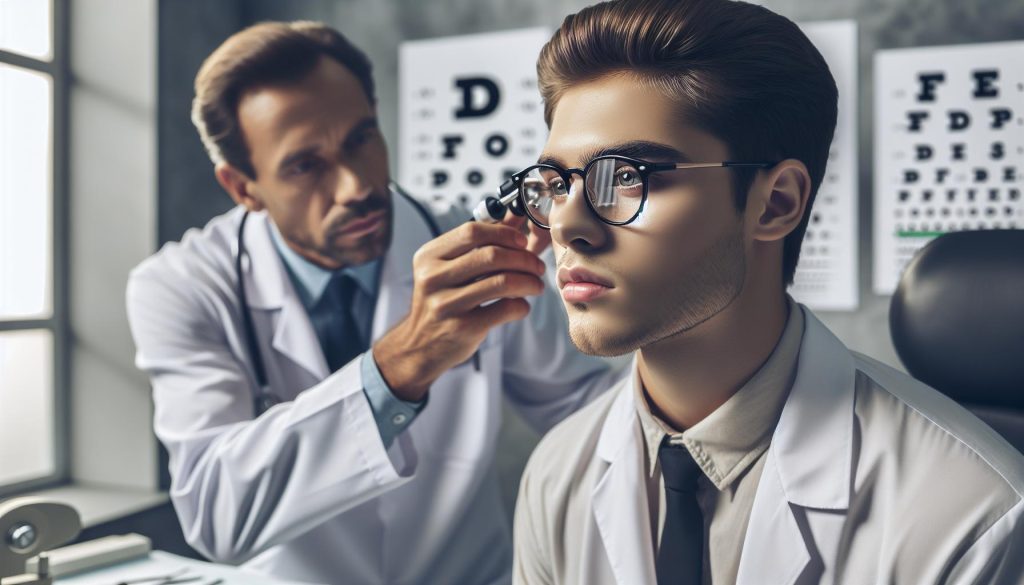
Styes, those painful red bumps on the eyelid, are more than just a nuisance; they can signal inflammation that needs attention. Did you know that the redness accompanying a stye is your body’s way of signaling that something’s not right? Many people experience this common condition, which can be triggered by stress, poor hygiene, or even wearing makeup. Understanding how styes can affect the appearance and health of your eyes is crucial for effective management and prevention.
Recognizing the inflammation warning signs early can make a significant difference in your comfort and overall eye health. This article will delve into how styes cause redness in your eyes, what to look for, and how you can take actionable steps to alleviate discomfort and prevent future occurrences. Whether you’re dealing with a stye now or want to avoid one later, knowing the connection between styes and redness is essential for every woman seeking to maintain radiant, healthy eyes.
Can Styes Cause Redness in Your Eyes?

A stye can indeed lead to noticeable redness in the eyes, signaling an underlying inflammation that often accompanies this common eye condition. When a stye-essentially a bacterial infection of the eyelid glands-develops, it can cause the surrounding tissues to become irritated and inflamed. This inflammation triggers an immune response, resulting in redness as blood vessels dilate to increase blood flow to the affected area, facilitating healing. Consequently, if you notice your eye becoming red while battling a stye, it’s your body’s way of signaling that it is responding to the infection.
In addition to general redness, you may also experience other symptoms that collectively indicate the presence of a stye. These can include swelling of the eyelid, tenderness, and sometimes even a sensation of fullness or pressure in the eye area. The eyelid may appear puffy, and there might be a visible lump or bump at the site of the stye, often filled with pus. If you experience any of these signs, it’s essential to assess your overall eye health and consider your next steps for treatment.
If the redness persists or worsens, or if you develop additional symptoms such as increased pain, vision changes, or fever, seeking medical advice is crucial. An eye care professional can provide a definitive diagnosis and may prescribe treatments such as antibiotics or recommend warm compresses to alleviate discomfort and promote healing. Meanwhile, it is beneficial to maintain proper eye hygiene and avoid touching or rubbing your eyes to prevent exacerbating the condition or spreading the infection.
The right care, along with timely actions, can make a significant difference in managing styes and minimizing their impact on eye redness and overall health. Consider using warm, damp compresses for soothing relief, and follow consistent eye hygiene practices to reduce the risk of future irritations.
Understanding the Connection Between Styes and Inflammation
Experiencing a stye can be frustrating, especially when it leads to unexpected redness in your eyes. This redness is primarily a result of inflammation triggered by the body’s natural immune response to the bacterial infection that causes the stye. When a stye forms, generally near the eyelid’s edge, it signals irritation that can extend beyond the immediate area. The inflammation occurs when blood vessels in the affected region dilate, which helps transport necessary immune cells to the site of infection, but this increased blood flow also results in visible redness.
In addition to redness, recognizing other associated symptoms can provide clues about the severity of the condition. Common signs include swollen eyelids, a tender or painful sensation around the stye, and a feeling of pressure or fullness in the eye area. If you notice a bump or lump at the site filled with pus, it’s likely that the stye is contributing to the overall inflammation and discomfort. Understanding these connections can empower you to take appropriate action to alleviate symptoms and promote healing.
A proactive approach to managing the inflammation is essential. Regularly using warm compresses on the affected area can help reduce swelling and discomfort while promoting drainage of the stye. If inflammation persists or additional symptoms arise-such as significant pain, changes in vision, or fever-don’t hesitate to seek medical advice. An eye care professional can provide tailored recommendations, which may include topical antibiotics to treat the bacterial infection or guidance on safe eye hygiene practices to prevent future occurrences.
By staying attentive to the body’s signals and understanding the relationship between styes and inflammation, you can effectively manage your eye health. Emphasizing proper care and hygiene will not only help in treating current symptoms but also assist in minimizing the likelihood of future styes.
Identifying the Symptoms of a Stye
Recognizing the signs of a stye early can make a significant difference in managing discomfort and promoting healing. A stye often begins as a small, tender bump on the edge of the eyelid, which can be easily mistaken for a pimple. As it develops, you may notice a few key symptoms that signal its presence. The area around the bump may appear swollen and red, which is a clear indication of inflammation. This inflammation results from the body’s immune response to the bacterial infection affecting the oil glands in your eyelids.
In addition to swelling and redness, a stye is typically accompanied by discomfort or tenderness at the site. You might feel a persistent aching sensation, and in some cases, an increased sensitivity to light. The eyelids may also appear crusted, especially upon waking, as pus or discharge can accumulate during the night. These symptoms can be alarming but knowing what to expect can help you feel more in control. Here’s a quick overview of common symptoms to watch for:
- Swelling: Noticeable puffiness around the affected eyelid.
- Redness: Inflammation causing the eyelids to look red or irritated.
- Tenderness: Pain or discomfort around the stye, which may worsen with blinking.
- Crustiness: Crusted eyelids or eyelashes due to discharge.
- Pressure: A sense of fullness or pressure in the affected area.
By being attentive to these symptoms, you empower yourself to take early action. Simple steps, such as applying warm compresses several times a day, can help alleviate discomfort and encourage drainage. If you identify these symptoms and they worsen or persist, seeking advice from an eye care professional can ensure the appropriate treatment plan is put in place, allowing you to restore your eye health effectively.
How Styes Trigger Redness in the Eye

A stye, caused by the infection of glands at the base of your eyelashes, can often lead to significant redness around the eye, making it an uncomfortable and unsightly condition. This redness is a result of inflammation-the body’s natural response to combat the bacterial invaders affecting the affected area. When a stye forms, the immune system kicks into action, sending white blood cells to the site of infection. This immune response leads to an increase in blood flow, resulting in a noticeable red appearance in the surrounding area.
The inflammation surrounding a stye can also be associated with additional symptoms, such as swelling and tenderness. When the tender lump appears on the eyelid, the body responds by sending more blood and fluid to the area, which can exacerbate the redness and give the impression that the entire eye region is irritated. For many women, this can be distressing, particularly if the stye affects everyday activities like work or social interactions.
To soothe the uncomfortable redness, applying warm compresses to the affected eyelid can be particularly effective. The warmth helps to increase blood flow to the area, which may facilitate drainage from the stye, thereby reducing inflammation over time. Coupled with good hygiene practices, such as regularly washing your eyelids and avoiding touching your eyes, you can help manage the symptoms and support your eye’s natural healing process.
Ultimately, it’s important to stay attuned to your body. If the redness persists or is accompanied by severe pain, changes in vision, or spreading redness, it is advisable to consult an eye care professional. They can ensure that you receive the appropriate treatment to alleviate symptoms and prevent complications, allowing you to return to your daily routines with confidence.
When to Seek Medical Advice for Styes

It’s essential to recognize when a stye may require professional medical attention, as some symptoms can indicate complications. If you’ve developed a stye and notice that the redness around your eye doesn’t improve after a few days of home treatment, it might be time to consult an eye care professional. Persistent redness and discomfort are signs that your body may be struggling to fight the infection effectively.
Seek immediate medical advice if you experience any of the following:
- Severe Pain: An increase in pain not relieved by over-the-counter pain relievers can be a red flag.
- Vision Changes: Blurred or double vision, or seeing flashes of light, should prompt an urgent consultation.
- Worsening Swelling: If the swelling continues to spread beyond the stye or involves other areas of your face, it’s crucial to get checked.
- Recurring Styes: Frequent occurrences may suggest underlying health issues that need to be addressed.
- Fever: The presence of a fever indicates that your body is fighting an infection, which might require more than just home remedies.
When you visit a healthcare provider, they may perform an examination and, if necessary, prescribe antibiotics to combat the infection or recommend other treatment options. They can provide crucial guidance on managing symptoms, ensuring your comfort, and preventing future styes. Remember, taking prompt action not only alleviates discomfort but also helps safeguard your eye health.
Step-by-Step Guide to Treating Styes at Home
To address a stye at home effectively, it’s essential to follow a simple yet systematic approach. A stye, often manifesting as a painful, red bump near the eyelid, arises from bacterial infections of the oil glands, making at-home care paramount in alleviating discomfort and promoting healing.
One of the most effective home treatments for a stye is applying warm compresses. Using a clean cloth, immerse it in warm (but not scalding) water, wring it out, and place it gently over the affected eyelid for 10 to 15 minutes, several times a day. This method helps to reduce pain, promote drainage, and speed up the healing process by softening any crusted material around the eyelid.
Another vital step is maintaining optimal eye hygiene. Wash your hands thoroughly before touching your face, and avoid rubbing the affected area, which can exacerbate inflammation or spread bacteria. It’s also beneficial to gently cleanse the eyelid with mild soap or eyelid scrubs specifically designed for this purpose. This not only keeps the area clean but also helps to prevent further irritation.
For those experiencing discomfort, over-the-counter pain relievers, like ibuprofen or acetaminophen can provide relief. Additionally, avoiding eye makeup during the healing process can minimize irritation. If the stye persists or worsens despite these measures, a healthcare professional may recommend other treatment options, such as antibiotic ointments, to combat the infection effectively.
By incorporating these practical steps, you can empower yourself to manage a stye at home while supporting your overall eye health. Remember, if complications arise, seeking medical advice is always an important part of caring for your eyes.
Preventive Measures to Avoid Future Styes
To ensure that styes don’t invade your life again, adopting proactive measures is key. Styes can be triggered by poor hygiene, blockages in the oil glands, or even stress, so understanding and managing these factors can significantly reduce the risk of future occurrences.
Maintain a Rigorous Eye Hygiene Routine
Regularly washing your eyelids can prevent dirt and oil buildup. Here are some tips to incorporate into your daily routine:
- Use Gentle Cleansers: Opt for mild soap or specialized eyelid scrubs to keep your eyelids clean.
- Remove Makeup Before Bed: Always ensure that all makeup is thoroughly removed to prevent clogs in the oil glands.
- Avoid Touching Your Eyes: Ensure your hands are clean and avoid rubbing your eyes to limit the introduction of bacteria.
Evaluate Your Eye Makeup Practices
Makeup can contribute to the development of styes, especially when products are not removed properly or if old cosmetics are used. Here are some guidelines:
- Regularly Replace Makeup: Mascara and eye makeup should be replaced every few months to avoid bacterial growth.
- Use Hypoallergenic Products: Choose non-comedogenic and hypoallergenic makeup to minimize the risk of irritation.
Consider Lifestyle Changes
Stress and fatigue can compromise your immune system, making you susceptible to infections. Incorporating relaxation techniques, adequate sleep, and a balanced diet rich in vitamins can be beneficial. Don’t forget the value of hydration-drinking ample water helps maintain overall skin health, including the delicate skin around your eyes.
Implementing these practices can empower you in caring for your eye health and subjectively minimize the chances of developing styes. Each small step, from hygiene to lifestyle habits, plays an essential role in fostering a healthy, stye-free future.
The Role of Eye Hygiene in Eye Health
Maintaining robust eye hygiene is essential for preventing styes and ensuring overall eye health. A staggering number of people deal with styes at some point in their lives, often resulting from clogged glands around the eyelid. By addressing hygiene practices, you can significantly reduce the risk of developing styes and potentially lower redness and inflammation associated with them.
Start your eye care routine by regularly cleaning your eyelids to prevent the buildup of oils and dirt. Gentle cleansers or specialized eyelid scrubs work best to avoid irritation while effectively removing unwanted debris. Aim to wash your eyelids daily, especially before bed. Furthermore, it’s important to remove eye makeup completely before sleeping, as residues can lead to blockages in the oil glands that cause styes. Remember to also avoid touching your eyes unless your hands are clean, as this minimizes the introduction of bacteria.
Consider your makeup practices as well. Using old or improperly stored cosmetics can seriously contribute to the development of infections. Regularly replacing eye makeup products like mascara every three to six months helps prevent bacterial growth, while choosing hypoallergenic and non-comedogenic products can reduce irritation. Taking these small yet impactful steps can empower you to care for your eyes, helping to maintain vibrant and healthy eyelids, while also reducing the likelihood of redness associated with styes.
Finally, don’t underestimate the power of lifestyle adjustments. Stress, lack of sleep, and poor nutrition can weaken your immune system, making you more prone to eye infections. Incorporating relaxation techniques, staying hydrated, and ensuring a diet rich in essential vitamins not only benefits your skin but also supports overall eye health. By integrating these practices into your routine, you position yourself to ward off styes and promote a clearer, healthier appearance for your eyes.
Common Myths About Styes and Eye Redness
Many people have misconceptions about styes and their impact on eye health, particularly concerning eye redness and inflammation. One common myth is that styes are caused by poor hygiene. While inadequate cleaning can contribute to the development of styes, it is not the sole factor. Styes occur when the oil glands in the eyelids become blocked, often due to a combination of bacteria and other irritants. This means that someone with good hygiene can still develop styes, especially if they have sensitive skin or underlying conditions that affect oil production.
Another prevalent belief is that styes only affect the eyelid and do not cause any redness in the eye itself. In reality, a stye can lead to localized inflammation, which may extend to the surrounding tissues of the eye, making it appear red and irritated. It’s essential to recognize that while the stye is a visible bump on the eyelid, the inflammation can influence how the eye looks. Therefore, if you notice redness in your eye, it’s worth considering whether a stye could be the culprit.
Some individuals believe that using makeup can either prevent or exacerbate styes. The truth is that while makeup doesn’t cause styes directly, it can contribute to their formation if it clogs the glands or introduces bacteria into the eye area. Removing eye makeup thoroughly before bed is a key step in maintaining both eye health and preventing styes. Selecting hypoallergenic products can also minimize irritation and help keep the eyelids healthy.
Lastly, people often assume that styes will heal completely on their own and require no intervention. While many styes do resolve with time and basic care, it’s crucial to monitor symptoms. If a stye persists for more than a few days, worsens, or leads to increased redness in the eye, seeking medical advice is important. Understanding these myths can empower you to take proactive steps in caring for your eyes and addressing concerns effectively.
When to Consider Professional Treatment Options
Experiencing a stye can be uncomfortable, and it may leave you wondering when it might be time to seek professional help. The key to addressing a stye effectively lies in recognizing the signs that suggest a shift from at-home care to needing a healthcare provider’s intervention. While many styes resolve on their own, certain symptoms warrant immediate attention to ensure your eye health and overall well-being.
If your stye persists beyond a week without improvement or appears to be worsening, it’s crucial to consult a medical professional. This could indicate a more severe condition such as an infection that could potentially spread. Especially if you notice increased swelling around the stye, fever, or pus drainage, do not hesitate to seek help. Furthermore, if you experience significant discomfort, vision changes, or if redness spreads to the eye itself, these symptoms should be evaluated promptly.
In some cases, a healthcare provider may recommend treatments such as antibiotic ointments or drops, especially if the stye is due to a bacterial infection. In instances where a stye doesn’t respond to medication or if it grows increasingly painful, a minor surgical procedure may be necessary to drain the stye. Such professional interventions not only alleviate discomfort but also help prevent complications, ensuring that any underlying issues are addressed.
Remember, maintaining eye health is paramount, and addressing concerns early can save you from more significant problems down the road. Trust your instincts; if something feels off, it’s always better to err on the side of caution and consult a healthcare professional. Prioritize self-care by listening to your body, and don’t hesitate to reach out when you need support.
Natural Remedies to Soothe Stye-Related Inflammation
Warm compresses are nature’s comforting remedy, and they can significantly soothe inflammation associated with styes. Simply soak a clean cloth in warm water, wring it out to remove excess moisture, and gently place it over the affected eye for 10-15 minutes. This heat can help to reduce swelling, unclog blocked oil glands, and alleviate discomfort. Be sure to repeat this process multiple times a day for optimal results.
Another effective home remedy involves using diluted tea tree oil. Known for its antibacterial properties, tea tree oil can be diluted with a carrier oil (like coconut or olive oil) and carefully applied around the stye area using a cotton swab. This can help to combat any infection and reduce inflammation. However, be cautious; ensure the mixture is properly diluted to avoid any irritation, and never apply it directly to the eye.
Additionally, incorporating foods high in omega-3 fatty acids into your diet can promote overall eye health and help manage inflammation. Examples include fatty fish like salmon and sardines, as well as walnuts and flaxseeds. These foods can enhance the body’s ability to combat inflammation from the inside out, potentially reducing the severity and frequency of occurrences.
Above all, maintaining good hygiene is essential in preventing recurrences of styes and managing inflammation. Wash your hands frequently, avoid touching your eyes unnecessarily, and ensure that makeup brushes and products are cleaned regularly to reduce the risk of bacterial infection. Remember, a healthy routine and these natural remedies can effectively alleviate stye-related irritation and promote better overall eye health.
Understanding Other Causes of Eye Redness
Eye redness is a common concern that can stem from various factors beyond just styes. While a stye can certainly lead to inflammation and redness, understanding other potential causes is essential for comprehensive eye care and knowing when to seek further assistance.
Many conditions can contribute to bloodshot eyes, including allergies, infections, and environmental irritants. Allergic reactions to pollen, pet dander, or even cosmetic products can cause the blood vessels in the eyes to become inflamed, leading to noticeable redness. Similarly, conjunctivitis, also known as pink eye, can result from bacterial or viral infections, causing both redness and discharge. Environmental factors such as smoke, dust, and harsh winds can irritate the eyes, further exacerbating the situation.
Common Causes of Eye Redness
- Allergies: Seasonal and contact allergies can lead to swollen and red eyes.
- Infections: Conditions like conjunctivitis and blepharitis can result in visible redness.
- Dry Eyes: Insufficient moisture can irritate the eyes, causing them to redden.
- Overexertion: Prolonged screen time can lead to eye strain and redness.
- Injuries: Any trauma to the eye, including scratches, can trigger an inflammatory response.
Being proactive about eye hygiene and protecting your eyes from irritants can help mitigate these issues. If you find that your eyes remain red despite good hygiene practices-such as using clean towels and avoiding eye makeup when experiencing irritation-it may be wise to consult with a healthcare professional. Regular eye exams can also provide insights into underlying issues that may not be immediately apparent. Your eyes are important, and maintaining their health requires a holistic understanding of both obvious and underlying factors contributing to redness and discomfort.
Frequently asked questions
Q: How do styes affect the color of your eyes?
A: Styes can cause your eye to appear red due to inflammation and swelling. This response generally results in increased blood flow to the affected area, leading to noticeable redness. For more details about the connection between styes and eye redness, refer to the section on “How Styes Trigger Redness in the Eye.”
Q: What are the early signs of a stye?
A: Early signs of a stye include tenderness, swelling, and redness around the eyelid. You may also notice a small bump and increased tearing. Recognizing these symptoms early can help in preventing further complications. Check the “Identifying the Symptoms of a Stye” section for more symptoms.
Q: Can styes lead to more serious eye conditions?
A: Yes, untreated styes can lead to complications such as cellulitis or the formation of chalazia. It’s crucial to monitor symptoms and seek medical advice when necessary. If you have concerns, please review “When to Seek Medical Advice for Styes.”
Q: Why do styes cause inflammation?
A: Styes cause inflammation due to the body’s immune response to infection. A blocked gland becomes infected, leading to swelling, redness, and pain. For preventive tips, check out the “Preventive Measures to Avoid Future Styes” section of the article.
Q: What home remedies can help with stye inflammation?
A: Home remedies for stye inflammation include warm compresses to reduce swelling and promote drainage. Additionally, maintaining good eye hygiene can help prevent future occurrences. Explore “Natural Remedies to Soothe Stye-Related Inflammation” for more options.
Q: How can I prevent styes from recurring?
A: To prevent recurrent styes, practice regular eye hygiene, avoid touching your eyes, and replace old makeup products. Proper care can significantly reduce the risk of developing styes. Related preventive measures can be found in “Preventive Measures to Avoid Future Styes.”
Q: What are common misconceptions about styes and eye redness?
A: A common misconception is that styes always signal a serious condition. In most cases, they are harmless and resolve with proper care. Understanding these myths can help reduce anxiety. For more information, check the section on “Common Myths About Styes and Eye Redness.”
Q: When is it necessary to see a doctor for a stye?
A: You should see a doctor if the stye persists for more than a week, worsens, or is accompanied by severe pain or vision issues. Early medical intervention can prevent complications. Learn more in “When to Seek Medical Advice for Styes.”
The Conclusion
If you’re experiencing redness and discomfort, remember that a stye can be a common but manageable issue. Prioritize your eye health by understanding the signs of inflammation and considering preventive measures. For additional insights, check out our articles on common eye infections and effective at-home remedies for eye care, both of which provide valuable information to help you navigate your health concerns.
Don’t forget to leave your thoughts in the comments below or share your experience with us! For ongoing tips and articles about women’s health and beauty, subscribe to our newsletter and keep exploring our resources. Taking proactive steps today can lead to healthier eyes tomorrow, so don’t hesitate-your eye care journey starts now!