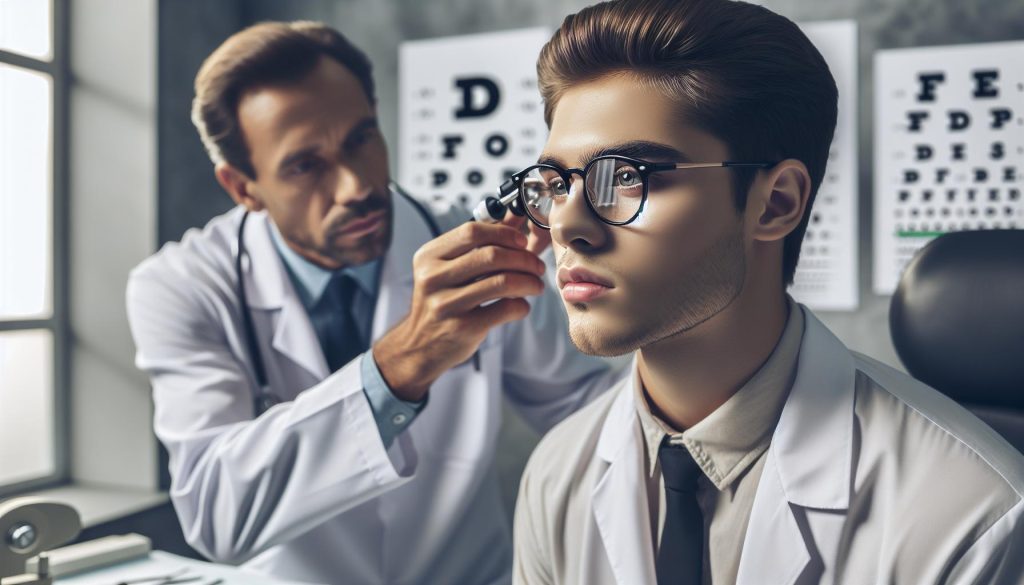
Did you know that a stye, while uncomfortable, can also affect your vision? If you’ve ever found yourself wondering, “Can I drive with a stye in my eye?” you’re not alone. Many individuals face this dilemma when dealing with this common eyelid condition, which can cause pain, swelling, and irritation. Understanding how a stye impacts your eyesight and driving ability is crucial, especially for maintaining daily activities and keeping yourself and others safe on the road.
As you navigate the challenges of managing a stye, it’s essential to prioritize your eye health and assess whether you’re fit to drive. For those who rely on their vision for everyday tasks, recognizing the symptoms and knowing when to seek help can empower you to make informed decisions. This article will explore the implications of driving with a stye, offering practical insights to help you safeguard your sight and ensure safe travels. Stay tuned for valuable tips that can help you navigate this tricky situation with confidence.
Understanding Styes: What They Are and Their Causes
A stye, often recognized as a painful red bump near the edge of the eyelid, is not just a cosmetic concern-it’s a common eye condition caused mainly by bacterial infections. The underlying cause of a stye lies in the blockage of one of the small glands near the base of your eyelashes, which can become inflamed and infected. These glands, crucial for maintaining healthy eyelids, can be obstructed by debris, bacteria, or dead skin. In most cases, Staphylococcus bacteria, which normally reside on the skin surface, are responsible for triggering the infection.
Understanding what prompts the formation of styes is essential for prevention and care. Factors such as poor hygiene, the use of expired or contaminated makeup products, or even certain skin conditions can elevate the risk of developing a stye. Stress and fatigue may also play a role, making it imperative to maintain a robust self-care routine that includes proper eyelid hygiene. Regularly washing your face and eyelids can significantly reduce the likelihood of styes, ensuring that oil and debris don’t accumulate.
Moreover, while styes can be distressing, they are usually harmless and tend to resolve without the need for extensive medical treatment. However, understanding their causes empowers you to take proactive measures in your eye care routine, reducing the chances of experiencing this uncomfortable condition.
The Impact of Styes on Vision and Driving Safety
A stye, often manifesting as a red, swollen bump on the eyelid, not only brings discomfort but can also pose challenges to visual clarity and driving safety. When it develops, vital vision might become obstructed due to swelling or pain, leading to a reduced ability to see clearly. This reduction in clarity can affect depth perception and overall spatial awareness, both essential elements for safe driving. Additionally, the sensation of discomfort or the urge to rub the eye can distract drivers, increasing the risk of accidents.
It’s crucial to note that while many styes resolve without major complications, they can still impact daily activities like driving. If you experience blurred vision or significant discomfort, it’s advisable to reconsider driving until symptoms improve. Moreover, the risk of infection associated with touching or rubbing the eyes can complicate matters, making it essential to practice good hygiene and avoid contact, especially when behind the wheel.
When contemplating whether it’s safe to drive with a stye, it’s wise to assess your condition honestly. Ask yourself:
- Am I experiencing significant pain or discomfort?
- Is my vision impaired, even slightly?
- Do I feel distracted by the irritation in my eye?
If the answer to any of these questions is yes, it may be better to wait until the stye has healed before getting back on the road. Prioritizing your eye health not only ensures your safety but also protects other road users.
Supporting your vision during this time involves routine self-care measures. Applying warm compresses can alleviate some of the discomfort and promote healing, allowing you to return to your regular activities, including driving, much quicker. As you take steps toward recovery, listen to your body and prioritize safety above all else.
Recognizing Symptoms: When a Stye Affects Your Eye
Recognizing a stye and its symptoms can be crucial in maintaining eye health and ensuring safe driving. A stye typically presents as a tender, red bump on the eyelid, often accompanied by swelling and discomfort. While it may seem minor, it’s essential to pay attention to how these symptoms manifest, as they can significantly affect your vision and overall comfort.
Some common symptoms to watch for include:
- Redness and Swelling: The eyelid may become inflamed and swollen, making it difficult to open your eye fully.
- Pain or Tenderness: A stye can cause a sharp or dull pain at the site of the bump, leading to sensitivity in the area.
- Discharge or Crusting: You might notice pus or a sticky discharge, especially after sleeping, which can lead to crusty eyelids in the morning.
- Blurred Vision: As swelling increases, it might obstruct your line of sight, leading to temporary visual disturbances.
Understanding these symptoms is key to gauging whether it’s safe to engage in activities that require clear vision, such as driving. It’s vital to monitor how the stye evolves; if the symptoms intensify or vision becomes severely affected, taking a break from driving is advisable. Listen to your body’s signals-considering how each symptom impacts your ability to focus and react is essential for both your safety and that of others on the road. Regular self-care routines, like applying warm compresses, can help alleviate some symptoms and promote faster healing, allowing you to get back to your normal activities safely.
Is It Safe to Drive with a Stye? Key Considerations
While a stye may seem like a minor nuisance, its implications for activities requiring sharp focus, like driving, can be significant. Most styes present as a painful, swollen bump on the eyelid, potentially leading to discomfort in your field of vision. When deciding whether it’s safe to drive, consider how the stye affects your sight and comfort levels. If the swelling is severe enough to hinder your ability to see clearly or causes any level of pain while focusing, it’s better to avoid driving until the stye has improved.
Here are some key considerations when assessing your driving readiness with a stye:
- Visual Disturbances: Blurred vision or obstructed lines of sight can lead to unsafe driving conditions. If you find yourself struggling to see or react promptly to road signals, it’s wise to refrain from driving.
- Pain Levels: If the stye causes significant pain or discomfort, it can distract you while driving. Concentration is key when operating a vehicle, so listen to your body’s signals.
- Reaction Time: Any condition that impairs your focus can slow down your reaction times. Assess whether the discomfort from the stye is impacting your ability to make quick decisions on the road.
- Self-Care Strategies: Consider applying a warm compress to your eye before driving or taking a break if you feel discomfort. Self-care can help alleviate immediate symptoms.
Ultimately, safety should always be your first priority. If there’s any doubt that a stye is compromising your ability to drive, it’s best to err on the side of caution. Taking time to heal not only protects your well-being but also ensures you remain a safe driver for yourself and others on the road.
Guidelines for Safe Driving with Eye Irritations
Ensuring safety while driving is crucial, especially when dealing with eye irritations like styes. These painful bumps on the eyelid can significantly impact your ability to see clearly and concentrate while behind the wheel. It’s essential to strike a balance between your need to drive and your visual comfort to ensure both your safety and that of others on the road.
Before deciding to drive with a stye, it’s important to prioritize your comfort and vision. Start by evaluating how the stye affects your everyday functioning. If you notice any symptoms such as blurred vision, pain, or sensitivity to light, it might be best to postpone driving. Consider using a self-care approach; applying a warm compress can provide relief and potentially improve your comfort before you get on the road.
When you choose to drive, follow these guidelines to maintain safety:
- Test Your Vision: Before driving, ensure that your vision is not impaired. Spend a moment practicing focused viewing on nearby and distant objects.
- Minimize Distractions: Keep the music and conversation to a minimum to maintain maximum awareness. Your focus should be on the road and traffic signals.
- Know Your Limits: If you start feeling discomfort or difficulty seeing clearly while driving, pull over safely and take a break. Listening to your body’s signals is important.
- Drive During Daylight: If possible, limit your driving to daylight hours when visibility is enhanced, reducing reliance on your impaired vision.
Remember, it’s essential to always err on the side of caution. If a stye is causing significant discomfort or impacting your vision, consider alternative transportation methods until you feel ready to drive again. By paying attention to your body and prioritizing your health, you can make informed choices that promote not only your safety but also that of others on the road.
How to Treat a Stye: Home Remedies and Medical Options
Managing a stye effectively is crucial for maintaining comfort and safeguarding your vision, especially if you’re considering driving. A stye, a small, painful bump on the eyelid resulting from an infection or inflammation of the oil glands, can be irritating and potentially impact visual clarity. Fortunately, there are several home remedies and medical options to encourage healing and minimize discomfort.
One of the simplest and most effective home remedies is applying warm compresses. Use a clean cloth soaked in warm water and hold it gently against the affected area for about 10-15 minutes. This can help to open clogged pores, reduce swelling, and promote drainage. Repeating this several times a day can significantly alleviate pain and discomfort. Additionally, maintaining good eyelid hygiene is essential. Regularly washing the eyelids with mild soap or eyelid scrub pads can help to prevent future styes and keep the affected area clean.
Over-the-counter treatments such as anti-inflammatory eye drops can assist in managing pain and reducing inflammation. If these home remedies don’t lead to improvement within a week or two, it may be time to consult a healthcare professional. They might prescribe topical antibiotics if they suspect a bacterial infection or recommend other treatments to ensure the stye doesn’t become more serious. In some cases, a stye may require drainage, especially if it’s particularly painful or persistent.
Ultimately, addressing a stye proactively not only enhances your comfort but also ensures your vision remains clear, allowing you to drive safely. By following these remedies and seeking professional help when necessary, you can effectively manage a stye and reduce its impact on your daily activities.
When to Seek Professional Help for Eye Issues
Experiencing a stye can feel frustrating and uncomfortable, but knowing when to seek professional help is essential for your eye health and overall wellbeing. If you’ve tried home remedies, such as warm compresses and eyelid hygiene, yet see little improvement after a week, it’s time to consult an eye care professional. Prolonged symptoms may indicate a more serious infection that requires medical intervention.
It’s crucial to seek help immediately if you experience any of the following signs:
- Increased pain or swelling: If the stye becomes increasingly painful or swollen, it might suggest an aggressive infection that needs attention.
- Vision changes: Any blurriness, sensitivity to light, or other vision disturbances should prompt a visit to an eye doctor.
- Recurrent styes: Regularly getting styes can hint at an underlying issue, pointing to the need for a thorough examination.
- Fever or systemic symptoms: If you experience fever, chills, or other systemic signs, it’s important to seek immediate care as it could indicate a more widespread infection.
Your eye health is an important part of your overall health, and getting the right help ensures you maintain clear vision and comfort. Don’t hesitate to reach out for expert advice; doing so empowers you to take control of your eye health journey and ensures that you can continue with daily activities, including driving, safely and confidently.
Preventing Styes: Best Practices for Eye Care
To reduce the risk of developing styes, maintaining good eyelid hygiene is essential. Styes often arise from bacteria infecting the oil glands in your eyelids, so implementing simple preventive measures can significantly lower your chances of an outbreak. Regularly washing your hands and avoiding touching your eyes with unclean hands can inhibit bacteria transfer. Always use clean towels and washcloths, as shared or dirty items can harbor bacteria that aggravate eyelid health.
- Follow a daily cleansing routine: Gently wash your eyelids with a mild soap or a specialized eyelid scrub. This helps eliminate oils and dirt that can clog glands.
- Remove makeup properly: Always ensure that all eye makeup is thoroughly removed before going to bed. Makeup residues can irritate the eyelids and lead to inflammation.
- Keep your environment clean: Regularly clean your living spaces, especially areas where you touch your face, to minimize exposure to dust and bacteria.
- Manage health conditions: If you have conditions like blepharitis (an inflammation of the eyelids) or rosacea, work with your healthcare provider to manage them effectively, as they can increase your risk of styes.
In addition to these hygiene practices, eye protection is important. Whenever you’re exposed to irritants-such as smoke, dust, or wind-consider wearing sunglasses. This doesn’t just help with comfort; it also acts as a barrier against potential infections. Staying hydrated and maintaining a balanced diet rich in vitamins A, C, and E can also support eye health and bolster your immune system.
When incorporating these practices, you’re not only preventing styes but also promoting your overall eye health. A proactive approach can empower you to feel more in control of your health, enabling you to enjoy daily activities, like driving, with confidence and clarity. Remember, these small daily habits can lead to significant changes in your eye health, reducing discomfort and keeping styes at bay.
Alternative Treatments: Natural Remedies for Comfort
Natural remedies can provide comforting relief for those dealing with the discomfort of a stye, offering gentle, effective options without the need for invasive treatments. When faced with a stye, it can be unnerving, especially if you’re concerned about driving or performing daily tasks. Embracing natural approaches not only helps ease discomfort but also empowers you to take control of your own healing process.
One of the simplest and most effective remedies is the application of warm compresses. Applying a warm, moist cloth to the affected eyelid for about 10 to 15 minutes several times a day can help to soothe the area and promote drainage of the stye. This method encourages blood circulation, which can help the stye to heal more quickly by allowing the body’s natural healing processes to work effectively.
Additionally, essential oils can play a beneficial role in your comfort routine. Oils like tea tree and lavender possess antibacterial properties that can assist in managing the infection. However, it’s crucial to dilute these oils with a carrier oil, such as coconut or almond oil, to avoid irritation. A gentle application around the area (never directly on the stye) can offer both relief and a calming aromatic experience.
It’s also worth considering the incorporation of aloe vera gel, known for its soothing and anti-inflammatory properties. Applying fresh aloe vera gel to the eyelid can help reduce redness and provide a cooling sensation. This natural remedy can be especially calming, offering not just symptom relief but also moisture to the skin, which is often compromised when dealing with conditions like styes.
Finally, maintaining a healthy diet that includes plenty of antioxidants can enhance your overall eye health and promote healing. Foods rich in vitamins A, C, and E, such as leafy greens, nuts, and berries, can bolster your immune defense and support your body in combating the infection causing the stye.
By integrating these natural remedies into your routine, you can find comfort from the irritation of a stye while promoting overall eye health. Remember, when experiencing any discomfort with your eyes, your well-being comes first-consult a healthcare professional if symptoms persist or worsen.
The Connection Between Eye Health and Overall Wellbeing
When we think about our overall health, we often forget how crucial our eyes are to our daily lives. Eye health is intrinsically linked to our general well-being, affecting everything from our mood to our ability to engage in activities like driving. For those facing discomforts such as a stye, it’s essential to recognize the broader implications on both health and safety. A stye, while typically benign, can create discomfort, irritation, and even blurred vision, all of which might impact your focus and reaction times while driving.
The interconnectedness of eye health and overall wellness extends beyond mere physical symptoms. Poor eye health can contribute to mental fatigue and stress, creating a vicious cycle that can affect not just your physical capabilities but also your emotional state. Consider the simple act of reading road signs or navigating new routes-if your vision is compromised, even slightly, it can lead to anxiety and hesitation. This can turn ordinary activities like driving into sources of unnecessary stress, especially if you’re already worried about your eye condition. Embracing a holistic view of health means recognizing that caring for your eyes can lead to improved mental clarity and emotional balance.
Taking proactive steps in eye care serves dual purposes: it helps alleviate immediate discomforts associated with conditions like styes and contributes to your overall health. Regular eye examinations can provide not only early detection of problems but also reassurance that you’re supporting your well-being. Nutritional choices also play a critical role-consuming a diet rich in antioxidants can enhance eye health and, in turn, bolster your immune system, making it easier for your body to fight off infections such as those leading to styes. Foods high in vitamins A, C, and E should be staples in your diet, promoting healing and offering protection against various eye ailments.
In the face of a stye or any other eye irritation, seeking a balance between treating the condition and maintaining overall well-being is vital. Empower yourself with knowledge, listen to your body, and don’t hesitate to reach out for professional advice if symptoms persist. This proactive approach not only fosters healthier eyes but enhances your quality of life, enabling you to take on your daily activities, including driving, with confidence.
Addressing Anxiety: Driving Concerns with Eye Conditions
Experiencing a stye can be more than just a physical nuisance; it can also breed anxiety, particularly when it comes to activities that require full concentration, like driving. Many women find themselves grappling with concerns around their vision and the safety of their driving capabilities while dealing with this discomfort. Recognizing how a stye, which is essentially a bacterial infection leading to swelling and irritation at the eyelash line, can affect vision-causing blurriness or even acute discomfort-is crucial for making informed decisions.
When faced with a stye, it’s important to assess how your symptoms are affecting your functioning. If you’re experiencing significant pain, sensitivity to light, or blurred vision, it may be best to delay driving until your symptoms improve. This not only ensures your safety but also that of others on the road. Consider using public transportation or asking a friend for a ride while you recover, allowing for peace of mind during your healing process.
To combat feelings of anxiety associated with driving while managing a stye, try implementing a few relaxation strategies. For instance, practicing deep breathing exercises or mindfulness techniques before you get behind the wheel can help you calm your nerves. Setting a plan that includes shorter driving routes or familiar paths may also help ease your anxiety. Moreover, understanding that it’s perfectly okay to prioritize your health and postpone any driving commitments until you feel completely comfortable can empower you to make the best decisions for your well-being.
Ultimately, open communication with healthcare providers regarding your symptoms is essential. They can provide tailored advice on managing a stye and address any specific concerns about vision safety while driving. Taking these proactive steps not only elevates your confidence in handling a stye but also reinforces a greater commitment to your overall eye health.
Empowering Women: Taking Control of Eye Health
While women often juggle multiple responsibilities, prioritizing eye health is essential for maintaining both overall well-being and daily functioning. Eye conditions like styes can be not only uncomfortable but also impactful on self-esteem and daily activities, including driving. Understanding how to take charge of your eye health can empower you to navigate these challenges with confidence.
Proactive Eye Care Practices
Embracing a few daily habits can significantly enhance your eye health and mitigate the risks of issues like styes. Start with proper hygiene: washing your hands before touching your eyes, avoiding eye makeup when experiencing irritation, and regularly cleaning your eyelids can prevent bacterial infections. Consider implementing a consistent routine of using warm compresses on closed eyelids, which can soothe inflammation and promote healing when you’re experiencing a stye.
Nutrition also plays a vital role in eye health. Incorporate foods rich in omega-3 fatty acids, vitamins A and C, and zinc, such as salmon, carrots, citrus fruits, and nuts. Not only do these contribute to overall eye function, but they can also bolster your immune system, helping to ward off infections.
Understanding When to Seek Help
Knowing when to reach out for medical advice is crucial. If you notice your stye does not improve within a few days, begins to swell significantly, or is accompanied by worsening symptoms like fever, it’s important to contact a healthcare professional. They can offer guidance on treatment options, which may include topical antibiotics or, in more severe cases, procedures to drain the stye effectively.
Furthermore, it’s wise to keep a dialogue open with your healthcare provider about your eye health. They can offer tailored suggestions based on your lifestyle and needs, helping to navigate any concerns, especially when driving or engaging in activities requiring sharp vision.
Through proactive eye care, appropriate nutrition, and timely medical consultation, women can take meaningful steps to protect their vision. This not only enhances health but fosters greater confidence and independence, enabling them to lead vibrant and active lives.
FAQ
Q: Can a stye cause blurred vision?
A: Yes, a stye can cause blurred vision, especially if it leads to swelling or irritation in the eye. If you experience persistent blurriness alongside a stye, it’s best to consult a healthcare professional for further evaluation and treatment options.
Q: What should I do if my stye makes driving difficult?
A: If your stye is causing pain or significant irritation that affects your vision, it’s advisable to avoid driving until symptoms improve. Consider seeking medical advice to address the stye effectively. Your safety and that of others on the road is paramount.
Q: How long does a stye typically last?
A: A stye usually lasts about 1 to 2 weeks. Implementing home treatments like warm compresses can help speed up healing. If it persists longer, consult an ophthalmologist for further assessment and treatment options.
Q: Are there any driving restrictions with a stye?
A: Yes, if a stye impairs your vision or causes discomfort, it’s essential to restrict your driving until the condition improves. Prioritize safety and avoid driving in situations where your eyesight may be compromised.
Q: When should I see a doctor for a stye before driving?
A: You should see a doctor if your stye worsens, affects your vision significantly, or doesn’t improve within a week. Early intervention can prevent complications and ensure safe driving conditions.
Q: Can over-the-counter treatments help with a stye?
A: Yes, over-the-counter treatments like antiseptic ointments can help. However, warm compresses are the most effective home remedy. If symptoms persist, it’s advisable to consult a healthcare professional.
Q: Is it safe to wear contact lenses with a stye?
A: It’s generally not safe to wear contact lenses when you have a stye, as it can worsen irritation and potentially spread the infection. Switch to glasses until the stye heals for better eye safety.
Q: What are the early signs of a stye?
A: Early signs of a stye include redness, tenderness, and a small bump on the eyelid. If you notice these symptoms, it’s essential to monitor the condition and seek treatment if they worsen.
Final Thoughts
If you’re experiencing a stye, remember that vision safety comes first-if you’re unsure about driving, it’s always best to consult a healthcare professional. Understanding how to care for your eyes can make a significant difference, so check out our articles on eye health and effective skincare routines for quick relief. Your eye health is paramount!
Don’t forget to subscribe to our newsletter for more tips and resources on women’s health and beauty. Join our community and share your experiences or questions in the comments below; your insights could help others navigating similar concerns. Empower yourself with knowledge and stay informed to make the best decisions for your health!