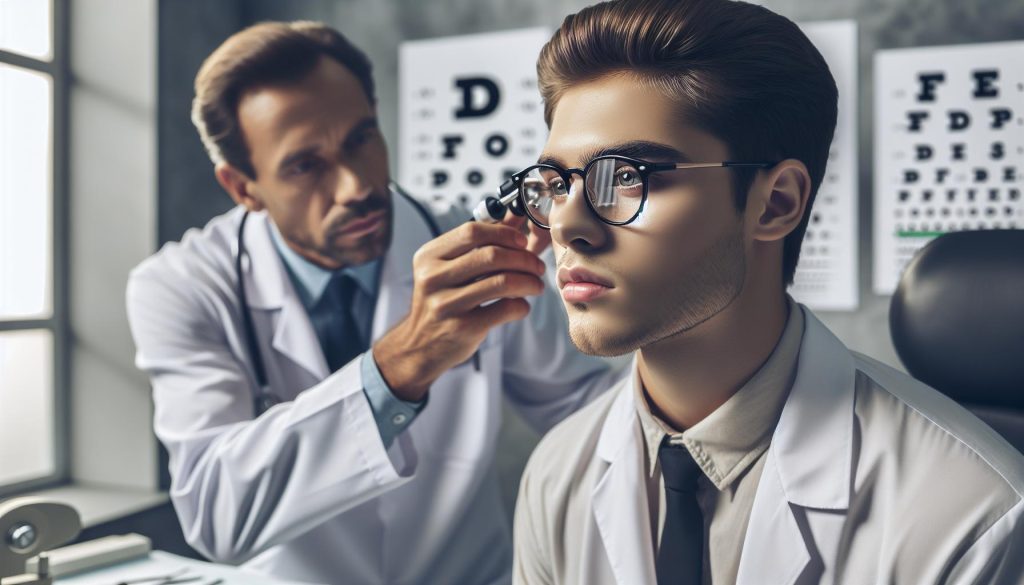
Styes can be inconvenient and painful, often appearing as red, swollen bumps on the eyelid. But did you know they can occur both outside and inside the eye? Understanding the differences between external and internal styes is crucial for effective treatment and prevention. This guide will delve into the causes, symptoms, and best practices for managing these annoying eyelid infections, ensuring you care for your eyes properly and maintain your eye health. Let’s explore the essential facts to help you navigate this common issue and protect your vision.
Can You Get a Stye on Your Eyelid? Understanding Locations and Causes

A stye, a common and often painful condition, can indeed develop on your eyelid. These small, red bumps are usually the result of a bacterial infection affecting the oil glands located at the base of your eyelashes. Styes typically form on the outer part of the eyelid, though they can also occur on the inner surface, leading to what is known as an internal stye. Understanding the locations where styes can appear is crucial; external styes resemble swollen pimples and manifest prominently along the eyelid margin, while internal styes may cause visible swelling on the eyelid but can be less noticeable from the outside.
The formation of a stye is primarily linked to the blockage or infection of these oil glands, often exacerbated by factors such as stress, inadequate sleep, and poor eyelid hygiene, including failure to remove eye makeup effectively. This means that maintaining a clean eyelid area is not just a beauty tip but a crucial step in eye health. Thus, keeping your eyelids clean can help minimize the chances of developing these uncomfortable bumps.
Surprisingly, styes are relatively common and often resolve on their own within a week or two. Nonetheless, understanding the factors leading to their occurrence and the conditions that favor their development can empower individuals to take preventive measures. Simple practices like warm compresses can alleviate discomfort and promote healing, reinforcing the importance of a proactive approach to eye care. Implementing effective hygiene routines can significantly reduce the risk of stye formation and improve overall eyelid health.
What Is a Stye and How Does It Form?

A stye is not just an annoying blemish; it’s a very personal reminder of how our bodies respond to stress and hygiene practices. This common condition arises when the oil glands at the base of our eyelashes become blocked or infected, leading to the formation of a painful red bump. These small, often tender, nodules can occur either externally, where they’re easily visible, or internally, sometimes making them more challenging to detect. Understanding how a stye forms can empower you to take proactive steps in your daily routine that support not only your eye health but also your overall well-being.
When oil glands or hair follicles become clogged-primarily due to oil buildup or bacterial infection-bacteria such as Staphylococcus can flourish, resulting in inflammation and the characteristic swelling of a stye. External styes typically present as red, swollen bumps on the outside of the eyelid, resembling a pimple. In contrast, internal styes occur beneath the eyelid and may cause a general sense of discomfort or irritation without as much visible evidence. Regardless of their location, both types stem from clogged glands, often exacerbated by factors such as stress, inadequate sleep, and poor eyelid hygiene.
To mitigate the risk of developing styes, it’s essential to incorporate effective eye care practices into your routine. This includes removing makeup before bed, avoiding touching your eyes with unwashed hands, and regularly cleaning your eyelids. Using a warm compress several times a day can also help to soothe the discomfort while promoting healing by increasing blood flow to the area. By establishing these habits, you can not only reduce the likelihood of stye formation but also enhance the overall health of your eyelids.
External Styes: Symptoms and Key Characteristics
External styes are often the most noticeable and can be a source of discomfort and concern. These painful lumps appear at the base of your eyelashes, typically on the outer part of the eyelid, and can resemble a small pimple or boil. The classic signs of an external stye include a red, swollen bump that may be tender to the touch. In some cases, the area surrounding the stye may also become inflamed, leading to discomfort while blinking or making facial expressions.
In addition to the prominent bump, external styes may be accompanied by other symptoms. These can include a watery eye, sensitivity to light, and a general feeling of irritation in the affected eye. While most styes do not cause vision problems, their positioning can potentially affect how your eyelid operates, resulting in temporary discomfort. If the stye continues to grow or becomes increasingly painful, it’s essential to monitor its progression and consider further care.
Recognizing the symptoms early can make a significant difference in managing a stye. Utilizing warm compresses several times a day not only helps reduce swelling but can also promote natural drainage of the stye by increasing blood flow to the area. This simple home remedy can provide relief from pain and discomfort while potentially hastening the healing process. However, patience is key, as most external styes will resolve on their own in about a week, though proactive care can keep symptoms manageable and support overall healing.
In summary, being informed about the symptoms and characteristics of external styes empowers individuals to take timely action and seek appropriate treatment when necessary. Keeping up with good hygiene practices and addressing any eye irritations promptly can help prevent the recurrence of this annoying but typically harmless condition.
Internal Styes: Symptoms and Key Features

Internal styes, while less visible than their external counterparts, can cause significant discomfort and irritation. Forming on the inner portion of the eyelid, these painful bumps are typically caused by blockage or infection of the meibomian glands, which produce essential oils that keep your eyes lubricated. When these glands become blocked, oil accumulates, creating an environment ripe for bacterial growth, ultimately leading to the development of a stye.
The symptoms of an internal stye can include a tender or painful sensation on the inner eyelid, which may be accompanied by redness and swelling. Often, individuals will notice a feeling of grittiness or irritation in the affected eye, and in some cases, there might even be a watery discharge. While external styes are noticeable due to their distinctive bumps, internal styes may be more challenging to detect until symptoms become severe. The irritation from rubbing the eyelid or excessive blinking can escalate if left untreated.
To help manage the discomfort associated with an internal stye, warm compresses can be particularly beneficial. Applying a clean, warm cloth to the affected eye for 10 to 15 minutes several times a day can help alleviate pain and may encourage drainage of the stye. This technique not only enhances comfort but also promotes healing by increasing blood circulation to the area. Additionally, maintaining proper eye hygiene, such as avoiding makeup and not touching your eyes with unwashed hands, can help prevent further irritation or secondary infections.
Investing in good eye care practices will also contribute to better overall health. For instance, regularly cleaning your eyelids and lashes with gentle eyelid scrubs can minimize the risk of blockage in the meibomian glands. If symptoms persist or worsen despite at-home treatments, seeking medical attention is crucial, as persistent internal styes may require antibiotic treatment or other medical interventions. By being proactive about eye care and recognizing the signs of both internal and external styes, you can take steps to ensure your eye health remains a priority.
Comparing External vs Internal Styes: Key Differences

Styes, while pesky and often painful, can come in two distinct varieties: external and internal. Understanding the differences between these two types can empower you to recognize symptoms early and take proactive steps towards treatment.
External styes, also known as hordeola, typically develop on the eyelid margin and can easily be spotted due to their outward appearance. They result from infections in the glands at the base of your eyelashes, leading to the formation of swollen, red bumps that can be uncomfortable. Symptoms often include tenderness, swelling, and a pus-filled bump that may rupture, releasing discharge. These styes are usually more visible than their internal counterparts and can sometimes appear similar to a pimple on the eyelid.
In contrast, internal styes develop on the inner surface of the eyelid and can go unnoticed initially since they are concealed from plain view. They typically occur due to an infection or blockage of the meibomian glands, which are crucial for maintaining eye lubrication. Symptoms of internal styes may include a painful, grittiness, and a feeling of pressure, alongside redness and swelling of the inner eyelid. While both types share symptoms like tenderness and swelling, internal styes can cause more severe discomfort because they affect the delicate inner lining of the eyelid.
Ultimately, recognizing these differences is crucial for effective management. If you suspect you have a stye, whether external or internal, applying warm compresses regularly can offer relief. In the case of persistent symptoms or worsening conditions, it is always advisable to consult with a healthcare professional to explore appropriate treatment options, such as antibiotic therapy, particularly if you experience recurrent styes. Prioritizing eye hygiene and avoiding irritants can also significantly reduce the chances of developing these irritating bumps.
Causes of Styes: What You Need to Know
A stye is a common condition characterized by painful, red lumps that can develop on your eyelids, leading to discomfort and concern about eye health. Understanding what causes styes can empower you to take steps towards prevention and treatment. These infections typically arise from a blockage or infection of the oil glands at the base of your eyelashes or in the meibomian glands, which are essential for keeping your eyes lubricated. When these glands become clogged, it creates an environment ripe for bacterial growth, often resulting in the formation of a stye.
Several factors can contribute to the likelihood of developing a stye. Poor hygiene is a leading cause; not washing your face or removing eye makeup thoroughly can result in bacteria buildup. Additionally, using old or expired makeup can introduce germs that might cause infection. Other risk factors include wearing improperly sanitized contact lenses, certain skin conditions like rosacea, and systemic issues such as diabetes that can make your eyes more susceptible to infections.
To minimize the risk of developing styes, prioritize hygiene practices like regularly cleaning your eyelids with a gentle cleanser and avoiding the sharing of eye products. Incorporating a few simple habits into your beauty routine can greatly reduce the chance of bacterial growth. For instance, always remove eye makeup before bed and replace your mascara every three months. By gaining insight into the causes of styes and adopting preventive strategies, you can take control of your eye health and maintain your beauty routine with confidence.
Can Stress and Hygiene Affect Stye Development?
Experiencing stress can have a surprising impact on your eye health, potentially increasing the likelihood of developing styes. When you’re under pressure, your body may react in various ways that compromise your immune system. Stress can lead to hormonal changes, which might create an environment more favorable for bacterial infections, including those that cause styes. Being aware of this connection is crucial, as it emphasizes the importance of not only managing stress but also taking proactive steps to promote overall eye health.
Hygiene plays a pivotal role in preventing styes. Neglecting basic eye care can lead to the build-up of bacteria and oils on your eyelids, which can clog the tiny glands crucial for lubricating your eyes. To maintain optimal eye hygiene, consider incorporating the following practices:
- Regular Cleaning: Gently wash your eyelids with a mild soap or a dedicated eyelid scrub at least once daily to remove debris and oils.
- Makeup Habits: Always remove makeup thoroughly at the end of the day and avoid sharing eye makeup products to minimize bacterial transmission.
- Contact Lens Care: Follow proper hygiene when handling contact lenses, including washing your hands before touching them and using an appropriate cleaning solution.
By integrating these simple yet effective hygiene practices into your daily routine, you can significantly reduce the risk of styes and ensure your eyes remain healthy and clear. It’s equally important to recognize when stress becomes overwhelming; employing relaxation techniques such as yoga, meditation, or deep-breathing exercises can help manage your stress levels and, by extension, support your eye health.
Stye Treatment Options: Home Remedies vs Medical Care
Styes can be quite bothersome, but understanding the treatment options available can empower you to take control of your eye health. When dealing with a stye, you have a choice between home remedies and seeking medical care, and each approach has its own benefits.
Home remedies are often the first line of defense against styes. A simple and effective method is applying warm compresses to the affected area. This involves soaking a clean washcloth in warm (not hot) water, wringing it out, and placing it gently over the stye for about 10 to 15 minutes, several times a day. This technique can help to soothe discomfort, reduce swelling, and promote drainage from the blocked gland. Additionally, maintaining eyelid hygiene by gently washing the eyelids with a mild soap or eyelid scrub can prevent further irritation and help remove debris that might contribute to stye formation.
For styes that persist or become more painful, turning to medical care might be necessary. An eye care professional can prescribe antibiotic ointments or provide injections that may help clear up the infection. In some cases, drainage of the stye might be warranted if it does not improve with conservative treatments. It’s essential to consult with a healthcare provider if symptoms worsen or do not resolve within a few days, as they can assess the situation and recommend the most effective interventions.
In summary, effective treatment for a stye often starts with self-care measures like warm compresses and proper eyelid hygiene. However, if home remedies fall short or if the stye shows signs of infection, medical treatment can provide the relief and resolution needed. Listening to your body and knowing when to seek help is key to maintaining good eye health.
Preventing Styes: Effective Tips for Eye Care
Preventing styes is a manageable task that lies largely in the realm of good hygiene and regular eye care routines. One effective way to reduce the risk of developing styes is to ensure that your eyelids are kept clean. Gently washing your eyelids a few times a week with warm water and a mild soap or dedicated eyelid scrub can help remove any accumulated oils and debris, which can clog the tiny glands around the eyelash follicles. This simple practice minimizes the probability of an infection, which is the primary cause of styes.
Another critical tip for prevention is to be mindful of your makeup and cosmetic routines. If you wear eye makeup, make sure to replace old products regularly since expired items can harbor bacteria. Always remove your makeup thoroughly before bed to prevent makeup residue from blocking oil glands. Furthermore, consider avoiding eye makeup altogether if you notice the beginnings of a stye to help reduce irritation and the risk of exacerbating the situation.
Maintaining overall eye health is also essential. This means avoiding touching your eyes with unwashed hands, as this introduces bacteria to the delicate areas around your eyelids. Additionally, be cautious when using public items, such as towels or washcloths, which can be breeding grounds for germs. Replace your pillowcases frequently and keep your towels clean to provide a safe environment for your eyes.
Finally, keep stress levels in check, as studies suggest that stress may exacerbate skin-related issues, including styes. Engage in stress-reducing activities such as yoga, meditation, or simply taking time for self-care. By taking proactive steps and fostering healthy habits, you can significantly reduce the likelihood of developing styes, thus enhancing your comfort and eye health.
When to Seek Medical Attention for a Stye
When faced with a stye, it’s important to recognize when self-care measures are no longer sufficient, and medical intervention becomes necessary. A stye, typically a discomforting red lump on the eyelid, can sometimes clear up on its own, but there are several signs that indicate it’s time to consult a healthcare professional.
If the stye does not improve within a few days or appears to be worsening, it’s essential to seek medical attention. Persistent symptoms like increased pain, swelling, or redness should not be taken lightly, as they could indicate a more serious infection. In particular, if the eyelid becomes extremely swollen or you experience changes in your vision, consulting an eye care specialist is crucial.
Another red flag is the occurrence of recurrent styes. If you find that you’re getting styes frequently, this may suggest an underlying issue, such as issues with eyelid hygiene, a blocked oil gland, or even skin conditions like blepharitis. A healthcare provider can perform a thorough examination and help establish a more effective treatment and prevention plan.
Additionally, if you experience systemic symptoms like fever, increased sensitivity around the eye, or if the stye drains pus and fluid that spreads, it could signal a bacterial infection that requires medical attention. Early intervention can help prevent complications and ensure your eye health remains intact.
In navigating concerns about your eye health, being proactive can make all the difference. While self-treated styes might resolve on their own, staying attuned to your body’s signals is key in safeguarding your comfort and well-being.
Common Misconceptions About Styes Explained
A common belief is that styes are a result of poor hygiene; however, many people maintain excellent cleanliness and still experience these irritating lumps. While it’s true that bacteria can thrive in unclean environments, styes are often caused by a blockage in the eyelid’s oil glands, usually due to an accumulation of oils or dead skin cells. This blockage can happen to anyone, regardless of their hygiene practices. Understanding this nuance can alleviate feelings of guilt or shame surrounding outbreaks of styes.
Another misconception is that styes are contagious. Many assume that coming into contact with someone who has a stye could lead to an infection, but that isn’t the case. Styes are caused by bacteria already present on your skin, and they arise from personal factors rather than spreading from person to person. This can provide reassurance to those concerned about catching a stye.
Many also mistakenly believe that rubbing a stye will help it heal or make it go away faster. In reality, touching or squeezing a stye can exacerbate the problem, potentially introducing more bacteria and worsening the inflammation. Instead, using warm compresses gently applied to the area is the recommended method to promote drainage and healing. It’s essential to be gentle with your eyelids, as they are delicate tissues that require proper care.
Lastly, some may think that a stye is just a cosmetic nuisance, but it’s essential to recognize potential underlying issues. Frequent styes can indicate blocked oil glands or even skin conditions such as blepharitis, which may require treatment. Being mindful of the signs your body is sending can lead you to better eye health and prevent the recurrence of styes. Remember, education and awareness are your best tools in managing eye health effectively.
Lifestyle Changes to Reduce Stye Recurrence
While it’s easy to attribute the emergence of styes to poor hygiene, the truth is that maintaining a clean environment is only one piece of the puzzle. Lifestyle changes can significantly impact stye recurrence, empowering you to take charge of your eye health. Identifying effective habits can help prevent these uncomfortable and unsightly bumps from making an unwelcome appearance.
One of the most vital steps in reducing the risk of styes is enhancing your eyelid hygiene. Regularly cleaning your eyelids and lashes can help reduce bacterial load, minimizing the chances of gland infection. This can be achieved with eyelid cleansers or simple warm water and mild soap. Ensuring that your hands are clean before touching your face is crucial, as bacteria from your fingers can easily transfer to your eyes.
Additionally, consider evaluating the cosmetics and skincare products you use daily. Old or expired makeup can harbor bacteria and contribute to stye development. Embrace a regimen of replacing makeup items regularly, particularly eye products, to maintain a fresh and safe routine. It’s also wise to avoid sharing makeup or applying it while experiencing any eye irritation, as these practices can introduce pathogens to sensitive areas.
Another aspect to consider is managing stress levels. Chronic stress can impact your immune health and make your body more susceptible to infections. Incorporating relaxation techniques such as yoga, meditation, or even simple breathing exercises can help maintain overall well-being and, in turn, reduce the likelihood of styes. Incorporation of a balanced diet rich in antioxidants-like leafy greens, fruits, and omega-3 fatty acids-can also bolster your skin’s natural defenses.
Lastly, prioritize adequate sleep and hydration. A well-rested body equipped with sufficient hydration can fend off numerous health issues, including the potential for styes. Aim for 7-9 hours of quality sleep each night, along with drinking plenty of water throughout the day. In doing so, you’re not only promoting optimal eye health but contributing to your overall wellness.
By embracing these lifestyle changes, you can build a robust defense against stye recurrence, empowering yourself with effective practices that contribute to lasting eye health.
Frequently Asked Questions
Q: Can you get a stye on the outside of your eye?
A: Yes, a stye can form on the outside of your eye, typically on the eyelid. These external styes, caused by blocked glands, often appear as red, painful bumps and can lead to swelling and tenderness. For more details, refer to the section on “External Styes: Symptoms and Key Characteristics.”
Q: What causes a stye to form outside the eye?
A: External styes usually occur due to bacterial infection of eyelid glands, often precipitated by poor hygiene, stress, or irritation. Maintaining good eyelid hygiene is essential to prevent their formation. Check the “Causes of Styes: What You Need to Know” section for more insights.
Q: Are there differences in symptoms between external and internal styes?
A: Yes, external styes typically present as visible bumps on the eyelid, while internal styes occur within the eyelid and can cause more pain and swelling without visible external signs. For comparisons, see “Comparing External vs Internal Styes: Key Differences.”
Q: How can I treat a stye on the outside of my eye?
A: To treat an external stye, apply warm compresses several times a day to reduce swelling and promote drainage. Over-the-counter pain relievers can also help manage discomfort. For more treatment options, refer to the “Stye Treatment Options: Home Remedies vs Medical Care” section.
Q: When should I see a doctor for a stye on my eyelid?
A: Consult a healthcare professional if the stye persists longer than a week, worsens, or leads to vision changes. Immediate medical attention is advised for severe pain or spreading redness. See “When to Seek Medical Attention for a Stye” for specific guidance.
Q: Can stress contribute to the formation of external styes?
A: Yes, stress can influence the immune system and make you more susceptible to infections, including those that cause external styes. Managing stress and maintaining hygiene can help reduce occurrences. Explore the section on “Can Stress and Hygiene Affect Stye Development?” for more prevention tips.
Q: Are there any misconceptions about styes I should know?
A: A common misconception is that styes are always contagious, but they are not. They are usually caused by bacteria that are already on your skin. To clarify more myths, check the “Common Misconceptions About Styes Explained” section.
Q: What lifestyle changes can help prevent styes?
A: To prevent styes, maintain proper eyelid hygiene, avoid touching your eyes, manage stress, and regularly clean makeup brushes. Incorporating these practices can significantly lower your risk. For more tips, see “Preventing Styes: Effective Tips for Eye Care.”
In Conclusion
Styes can be frustrating, whether they develop inside or outside your eye, but understanding their nature is the first step toward effective treatment. If you’re experiencing symptoms, don’t delay-explore remedies or consult with a healthcare professional to address your concerns promptly. For additional insights on caring for your eyes, check out our articles on home remedies for styes and best practices for eye hygiene.
If you found this information helpful, consider signing up for our newsletter for more health and beauty tips tailored just for you. And remember, sharing your experiences strengthens our community-leave a comment or share this article with someone who might benefit from it! Always keep your health at the forefront, and let’s continue this journey towards wellness together.