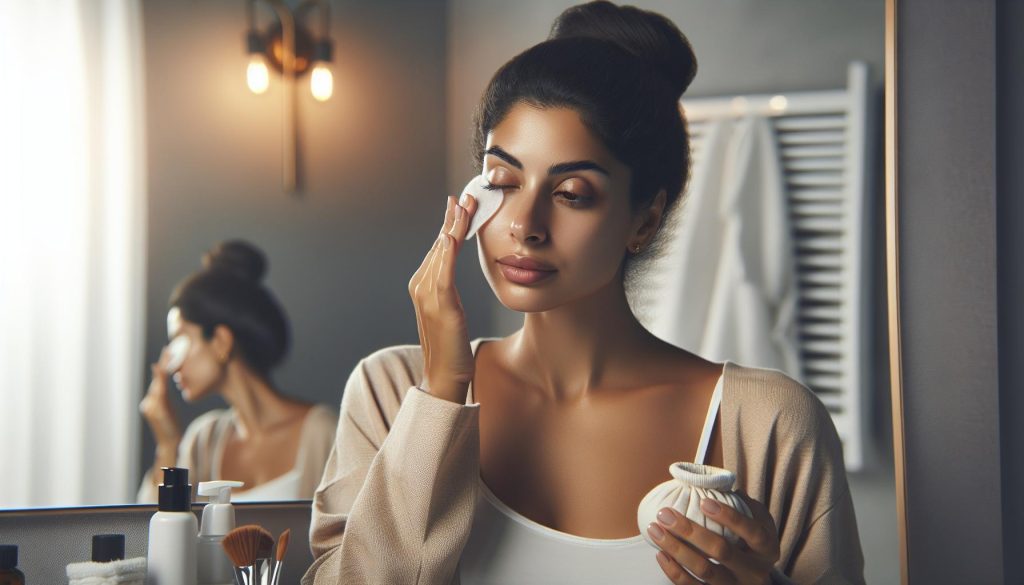
An eye stye, though often a harmless irritation, can be surprisingly uncomfortable and concerning. Many people wonder if they can alleviate the problem by popping it, but doing so can lead to dangerous complications. This article will explore why attempting to pop a stye might worsen your condition and what safer, more effective alternatives you can pursue for relief. Understanding your options empowers you to make informed decisions about your eye health, ensuring a smoother path to recovery without the risk of further issues. Curious about the best practices for addressing styes? Read on to discover essential tips for eye care that will help you navigate this common yet often misunderstood ailment.
Understanding Eye Styes: Causes and Symptoms
A stye can be an unwelcome visitor, often appearing suddenly as a painful, red lump on your eyelid that can significantly affect your daily life. Understanding their causes and symptoms can empower you to take the right steps toward treatment and prevention. Styes, primarily caused by a bacterial infection, typically arise from clogged oil glands at the base of eyelashes, often due to the buildup of bacteria such as Staphylococcus. Conditions such as diabetes or rosacea can increase susceptibility to these irritating bumps.
Styes usually manifest in noticeable ways, beginning as a small red spot, which may develop into a pus-filled lump resembling a boil or pimple. Patients often experience tender pressure, swelling, and even crusting along the eyelid. It’s important to recognize that while styes can sometimes resolve on their own, they may be accompanied by discomfort that disrupts concentration and diminishes self-esteem. Symptoms typically affect just one eye, but it’s not uncommon to experience styes in quick succession. Being aware of these signs allows for timely intervention and care.
Preventing styes involves maintaining diligent eye hygiene: wash your eyelids regularly with mild soap, avoid sharing eye makeup, and remove makeup thoroughly before bed. If you wear contact lenses, ensure they’re properly sanitized to minimize risk. Educating yourself on the causes and symptoms of styes not only promotes quicker identification but also highlights the crucial nature of self-care in keeping your eyes healthy and clear from infection. Taking these steps can help you maintain confidence and comfort in your beauty routine.
Why Popping an Eye Stye is a Bad Idea
Attempting to pop a stye may feel tempting, especially when it’s causing discomfort or embarrassment, but this action can lead to serious complications. First and foremost, popping a stye can increase the risk of spreading the infection further around your eyelid or into the eye itself. The bacteria responsible for styes, primarily Staphylococcus, thrive on the eyelids, and releasing pus from the stye can allow these pathogens to move to other areas, potentially resulting in more severe infections like conjunctivitis or even cellulitis, a bacterial skin infection.
Moreover, trying to squeeze or pop a stye improperly can worsen inflammation. The pressure applied can irritate the surrounding tissue, causing additional swelling, redness, and pain. Instead of alleviating discomfort, allowing the stye to burst naturally-that is, when it’s ready to do so on its own-often results in more pain and an extended healing process. It’s important to remember that styes are generally self-limiting; they often resolve without intervention, taking care of themselves within a week or so.
If you’re looking for relief, it’s best to opt for safer methods. Warm compresses can reduce swelling and stimulate drainage gently, while over-the-counter pain relievers can help manage any discomfort. Keep your eyelids clean, and avoid touching or rubbing the area, as further irritation can aggravate the stye or extend recovery time. Giving your body the time to heal is vital, allowing it to resolve the stye healthily and effectively without risk.
Risks Associated with Trying to Pop a Stye
Attempting to pop a stye might seem like a quick solution to alleviate discomfort, but doing so can lead to a series of complications that are not worth the risk. The eyelid is a sensitive area, and the bacteria that often cause styes, mainly Staphylococcus, can easily spread if the stye is manipulated improperly. This can result in the infection advancing to other parts of the eyelid or even the eye itself, potentially leading to more serious conditions like conjunctivitis or cellulitis, a bacterial skin infection that requires medical treatment.
Moreover, trying to force a stye to pop can cause increased swelling and irritation in the surrounding tissue. The pressure exerted can exacerbate inflammation, leading to more significant pain and a longer healing period. Instead of providing relief, this approach often creates additional discomfort and prolongs the recovery process. Understanding that styes typically resolve on their own within a week is crucial; they are generally self-limiting and do not require invasive interventions.
When it comes to managing a stye, opt for safer, more effective methods. Applying warm compresses can help reduce swelling and facilitate natural drainage without the risks associated with popping the stye. Over-the-counter pain relievers may also provide necessary relief from discomfort. Keeping the eyelid clean and avoiding unnecessary touching or rubbing are vital steps in promoting healing. By giving your body the time it needs to recover, you can effectively manage a stye and minimize the chances of complications. Always prioritize gentle methods over quick fixes to ensure your eye health remains intact.
Safe Home Remedies for Eye Styes
The discomfort of an eye stye can feel quite overwhelming, but there are safe and natural remedies to help soothe your symptoms and promote healing. Instead of risking complications by attempting to pop a stye, focus on gentle methods that provide relief and support recovery. Using warm compresses is one of the most effective home remedies; simply soak a clean cloth in warm water, wring it out, and place it over your closed eyelid for 10 to 15 minutes, several times a day. This warmth helps to increase blood circulation, reduce inflammation, and encourage natural drainage of the stye.
In addition to warm compresses, maintaining proper eyelid hygiene is crucial. Gently cleanse your eyelids with diluted baby shampoo or a specialized eyelid scrub once daily to remove any crust or debris. Remember to use clean hands or a fresh towel to avoid introducing additional bacteria to the area. It’s also beneficial to avoid eye makeup until the stye has healed fully, as makeup can irritate the area and potentially worsen the infection.
Some people find soothing relief in herbal teas like chamomile or green tea. Brew a bag of tea, let it cool to a comfortable temperature, and then apply the bag directly to the affected eye for a calming effect. The antioxidants and anti-inflammatory properties of the tea can aid in reducing swelling and promoting healing.
Staying well-hydrated is another important aspect of recovery. Drinking enough fluids helps your body to flush out toxins more efficiently, supporting overall healing. Incorporating foods rich in vitamin C, such as oranges, strawberries, and bell peppers, can further enhance your immune system, aiding in the recovery process.
By prioritizing these safe home remedies-warm compresses, eyelid hygiene, herbal teas, and proper nutrition-you can manage your stye effectively while allowing your body the time it needs to heal naturally. Always remember, patience is key, and your eyes will thank you for it!
When to Seek Professional Treatment for a Stye
Experiencing a stye can be frustrating, and while most styes resolve on their own with proper care, there are specific circumstances that warrant seeking professional treatment. If your stye shows no signs of improvement after a couple of days of at-home remedies, such as warm compresses and gentle cleansing, it may be time to consult with an eye care professional. Persistent pain, swelling that doesn’t subside, or signs of infection, such as increased redness or fever, indicate that medical intervention could be necessary.
It’s also essential to seek help if you notice a stye affecting your vision. While rare, a stye can develop complications that might lead to more serious conditions. If the stye begins to spread, or if you develop multiple styes at once, this might signal an underlying issue that needs addressing. In these cases, your healthcare provider might prescribe antibiotic ointments or even perform a minor surgical procedure to drain the stye safely.
Moreover, anyone with frequent styes or those who have existing ocular conditions should prioritize a visit to their healthcare provider. An optometrist or ophthalmologist can provide insights into potential causes, recommend preventive measures, and suggest topical treatments that could reduce the frequency of occurrences. Always remember, keeping an open line of communication with your healthcare provider about your eye health will empower you to manage these uncomfortable conditions effectively, ensuring your eyes remain healthy and clear.
Prevention Tips for Eye Styes: Keep Them at Bay
Taking proactive steps to prevent eye styes can significantly enhance your eye health and comfort. Styes are often caused by blocked glands or bacterial infections, and the good news is that many of their causes can be controlled with simple daily habits. Maintaining proper eye hygiene is one of the most effective prevention strategies. This includes regularly washing your hands and avoiding touching your eyes. Every time you touch your face, you introduce potential irritants, so keep your hands clean and refrain from rubbing your eyes, especially if you’ve been in contact with bacteria-laden surfaces.
Another key aspect of prevention is your makeup routine. Be cautious with cosmetics, particularly eye makeup. Always ensure your products are clean; replace eye makeup every three to six months to minimize bacterial buildup. Additionally, avoid sharing makeup tools like brushes or eyeliners, as this can easily spread bacteria. When removing makeup, use gentle, hypoallergenic cleansers to keep your eyelids and lashes free from residue that could block glands.
Daily Practices for Healthy Eyes
Incorporating the following practices into your daily routine can also help keep styes at bay:
- Warm Compresses: Applying a warm compress to your eyes for 5-10 minutes daily can promote good drainage of the oil glands.
- Healthy Diet: A balanced diet rich in antioxidants, omega-3 fatty acids, and vitamins can support skin health, including the skin around your eyes.
- Hydration: Drink plenty of water to keep your body and skin well-hydrated, which can help maintain healthy eyelid function.
Lastly, if you wear contact lenses, be diligent in following proper lens care and hygiene rules. Replace lenses as recommended and avoid sleeping in them unless they are specifically designed for overnight use. Regularly cleaning your lenses and storing them in a clean case can significantly reduce the risk of developing styes.
By integrating these simple habits into your everyday life, not only can you help prevent styes, but you can also promote overall eye health. Keep in mind that paying attention to the signals your body sends is vital; if you start experiencing discomfort or observe changes in your eyes, don’t hesitate to consult a healthcare professional.
Common Misconceptions About Eye Styes
Misunderstanding how eye styes develop and what to do about them can lead to misguided choices, such as the temptation to pop a stye. One common misconception is that a stye is simply a pimple, which can be squeezed to release pus. In reality, styes are typically caused by a bacterial infection in the oil-producing glands of the eyelid, and attempting to pop them can lead to further irritation, infection, or even scarring. It’s essential to understand that the body’s natural healing mechanisms are usually sufficient for a stye to resolve on its own, provided you don’t interfere with them.
Another myth is that styes are contagious. While they can result from poor hygiene or the spread of bacteria, touching a stye does not transmit the infection to others. Instead, it’s crucial to maintain good hygiene practices, such as washing your hands regularly and avoiding touching your face. This reduces the risk of irritation or the spread of bacteria that may cause additional styes.
Many people also believe that once a stye appears, the only option is to wait for it to go away. While it’s true that many styes will resolve on their own, various safe home remedies, such as applying warm compresses, can help alleviate pain and promote healing. Additionally, misconceptions surrounding the use of makeup during an active stye are prevalent. It’s often recommended to avoid eye makeup until the stye has healed, as cosmetics can irritate the affected area and exacerbate the condition.
Understanding these misconceptions empowers you to take informed actions regarding eye care and stye management. Listening to your body and providing gentle care without invasive measures can contribute to a smoother, faster recovery, keeping your eyes healthy and free from unnecessary complications.
The Role of Hygiene in Stye Management
To effectively manage styes and minimize their occurrences, maintaining proper hygiene is essential. Styes generally arise from a bacterial infection in the oil glands of the eyelids, often exacerbated by poor hygiene practices. For instance, when we rub our eyes with unwashed hands, we can transfer bacteria that may lead to infection. Implementing routine eyelid hygiene can significantly decrease the risk of developing styes.
Here are some practical hygiene tips to incorporate into your daily routine:
- Wash Your Hands Regularly: Ensure hands are clean before touching your face or eyes. Use soap and water or hand sanitizer when soap isn’t available.
- Clean Eyelids Daily: Consider using eyelid cleansers or warm compresses to gently cleanse the eyelids and lashes. This helps remove excess oil and debris that can clog the oil glands.
- Avoid Sharing Personal Items: Items such as towels, washcloths, or makeup can transfer bacteria. Keep these personal items separate from others to reduce risk.
- Be Cautious with Eye Makeup: When experiencing a stye, refrain from using eye makeup to minimize irritation and prevent the spread of bacteria.
In addition to these preventive measures, understanding that styes are not contagious can help reduce anxiety around them. While they can develop from bacteria on your skin or hands, simply touching a stye won’t infect others. However, good hygiene practices still play a crucial role in preventing future occurrences and ensuring overall eye health. Maintaining a routine can significantly help in managing conditions like styes, allowing for a more comfortable and confident daily life.
Over-the-Counter Treatments for Eye Styes
Over-the-counter (OTC) treatments can be effective in managing the discomfort and irritation caused by eye styes. These treatments typically aim to reduce inflammation, alleviate pain, and promote healing. While it’s crucial to remember that popping a stye can lead to complications, using the right OTC products can manage the symptoms effectively.
Many people find relief with warm compresses, which can be easily made at home. However, for those looking for something more convenient, there are various OTC options available. Products such as eyelid scrubs and antiseptic wipes specifically designed for eyelid hygiene can help cleanse the affected area and remove debris that may contribute to the stye. This is essential in maintaining proper hygiene and preventing future occurrences.
In addition, there are topical treatments such as antibiotic ointments or creams that may be available without a prescription. These can help combat bacterial infections if the stye develops due to such an issue. It’s important to consult with a pharmacist or healthcare provider to choose the right product tailored to your needs. For those seeking pain relief, oral pain relievers like ibuprofen or acetaminophen can help alleviate discomfort until the stye resolves itself.
Lastly, while using OTC treatments, patience is key. Styes typically resolve on their own within a few days to a week. Maintaining consistent eyelid hygiene and incorporating these treatments can facilitate the healing process, ensuring that you can get back to your normal routine sooner without the risk of exacerbating the condition by attempting to pop the stye.
Natural Ingredients for Eye Stye Relief
Natural remedies can be a gentle yet effective approach to managing the discomfort of an eye stye. Many women naturally gravitate towards ingredients found in their kitchens or gardens, which have traditional uses in promoting healing and soothing inflammation. Such remedies provide not only relief but also a sense of empowerment in taking control of one’s health and wellness.
A popular ingredient known for its anti-inflammatory properties is warm chamomile tea. Soaking a clean cloth in cooled chamomile tea and applying it as a compress can help reduce swelling and redness. Chamomile is also known for its calming effects, which can be beneficial for reducing any discomfort associated with a stye. Similarly, aloe vera gel is renowned for its soothing properties. Applying a small amount of natural aloe vera directly to the stye may provide relief from pain and assist with the healing process due to its anti-bacterial characteristics.
Another simple yet effective method involves using castor oil. This oil is rich in ricinoleic acid, which has anti-inflammatory properties that can aid in reducing swelling and irritation. Applying a tiny amount of warm castor oil to the affected eyelid can soothe the area while helping to prevent bacteria from proliferating. It’s essential to ensure the oil is applied gently to avoid any added irritation.
Incorporating these natural ingredients not only addresses immediate symptoms but also aligns with a holistic approach to healing. Many women find that integrating such remedies into their regular eye care routines enhances their overall well-being. Such practices reflect a commitment to self-care that can significantly enrich one’s daily health regimen, promoting both physical comfort and emotional peace.
Understanding the Healing Process of a Stye
The healing process of a stye is a journey that your body undertakes to restore health, and it’s essential to understand this natural progression. Generally, a stye, also known as a hordeolum, arises due to a blockage of the oil glands on your eyelids, resulting in swelling, redness, and discomfort. Your body’s immune system kicks into gear, signaling protective processes that help combat the underlying cause – often a bacterial infection.
Initially, you might notice the stye becoming tender and swollen; this is a sign that your body is working to heal itself. During this stage, patience is crucial. Avoiding the temptation to pop or squeeze the stye is vital. Popping it can lead to complications such as spreading the infection or causing scarring. Instead, relying on gentle home remedies can support the healing process. Applying warm compresses several times a day helps to promote drainage and soothe inflammation, enhancing circulation to the area and encouraging healing.
As the stye progresses, it may reach a point of maturity where it forms a small pus-filled area. At this stage, while the stye may appear ready to burst, it’s still best to let nature take its course. With time, the stye will naturally drain and heal without intervention. You might notice changes in appearance, with the stye becoming less inflamed before it eventually disappears entirely in about one to two weeks. To support this healing, continue applying warm compresses, and if needed, use over-the-counter treatments that your healthcare provider recommends.
Understanding this healing journey empowers you to manage your stye wisely. Recognizing the signs, adhering to proper care techniques, and allowing your body the time it needs to heal can make a significant difference. Embracing a gentle approach not only alleviates discomfort faster but also ensures your eye health remains a priority.
Caring for Your Eyes After a Stye
After a stye has run its course and significantly healed, it’s essential to take mindful steps to protect your eye health and prevent future occurrences. While the discomfort and irritation may diminish, your eyelid’s oil glands remain sensitive and susceptible to blockages if not cared for properly. Many people tend to overlook post-stye care, assuming the problem is resolved; however, following a few simple practices can further safeguard your eyes.
First and foremost, maintain excellent hygiene around your eyes. Gently cleanse your eyelids daily with a mild soap or eyelid scrub to remove any debris and excess oil. This not only helps prevent future styes but also ensures optimal health for your eyelid glands. Be cautious to avoid using harsh products that may irritate the delicate skin around your eyes. Always wash your hands prior to touching your face to reduce the risk of transferring bacteria.
Additionally, consider adjusting your eye care routine to incorporate more hydrating and soothing elements. Natural ingredients such as tea tree oil can be diluted and applied carefully to support the health of your eyelid glands. Alternatively, warm compresses remain beneficial even after a stye has healed. Applying a warm compress a few times a week allows for improved oil flow in the glands, thus reducing the likelihood of blockages that could lead to another stye.
Finally, listen to your body and monitor any changes in your eyelid area. If you notice any abnormal swelling, redness, or pain returning, seek advice from a healthcare professional promptly. Early intervention can make all the difference in avoiding more severe complications or infections. By taking these proactive steps, you can not only support your healing journey but also foster long-term eye health and comfort.
FAQ
Q: What happens if you pop an eye stye?
A: Popping an eye stye can introduce bacteria into the swollen area, leading to more severe infections or complications like cellulitis. It can also delay healing and worsen your symptoms. It’s best to allow the stye to drain naturally through a safe, hygienic process.
Q: How can I relieve pain from an eye stye without popping it?
A: To relieve pain from an eye stye without popping it, apply warm compresses for 10-15 minutes several times a day. This can help reduce swelling and promote drainage. Over-the-counter pain relievers may also provide relief.
Q: Are there any safe methods to help an eye stye drain?
A: Yes, applying warm compresses can help an eye stye drain safely. Use a clean cloth soaked in warm water, and gently place it over the stye for 10-15 minutes. This encourages natural drainage without the risks associated with popping.
Q: Can an eye stye lead to serious complications?
A: Although most eye styes are not serious, untreated or improperly managed styes can lead to complications like orbital cellulitis or chronic styes. Seeking medical advice is important if the stye persists, worsens, or is accompanied by vision changes.
Q: What are the signs that an eye stye is healing?
A: Signs that an eye stye is healing include reduced redness, decreased swelling, and less tenderness in the affected area. It may also start to drain naturally as it heals. If symptoms persist, consult a healthcare professional.
Q: When should I consider seeing a doctor for an eye stye?
A: If your eye stye does not improve after several days, increases in size, causes significant pain, or affects your vision, it’s time to see a doctor. Persistent styes may require professional treatment to prevent complications.
Q: Is it safe to wear makeup with an eye stye?
A: It’s generally best to avoid wearing makeup on or around your eyes when you have a stye. Makeup can worsen irritation and lead to the spread of bacteria, prolonging healing. Prioritize hygiene to support recovery.
Q: What lifestyle changes can help prevent eye styes?
A: To prevent eye styes, maintain good hygiene by washing your hands regularly, avoiding touching your eyes, and ensuring makeup tools are clean. Incorporate a regular eyelid cleaning routine, especially if you have oily skin or blepharitis.
In Retrospect
If you’re dealing with an eye stye, remember that popping it can lead to complications. Instead, focus on safe, effective home remedies like warm compresses or over-the-counter treatments, which can help alleviate discomfort and promote healing. For further insights, check out our articles on eye care routines and skincare tips for optimal health. Don’t hesitate to share your experiences in the comments below-we love hearing from you!
Feeling uncertain about your symptoms? Schedule a consultation with a healthcare professional for personalized guidance. By staying informed, you’re not just taking control of your health but also empowering those around you. For more expert advice on women’s health and beauty, explore our resource section and subscribe to our newsletter for the latest updates and exclusive tips. Your journey to wellness begins here!