
Swimming is often seen as a carefree and refreshing escape, but if you have a stye in your eye, the water might pose more risks than you realize. A stye is a painful bump that forms on the eyelid due to infected glands, and exposing it to pool water can exacerbate irritation or lead to further complications.
Understanding whether it’s safe to swim with a stye is essential for both your health and comfort. Not only does it affect your enjoyment of the water, but it also raises questions about proper eye care while indulging in a season of swimming fun. So, can you dive into the deep end, or should you sit this one out? Let’s explore the safety rules around swimming with a stye and how to keep your eyes protected while enjoying your time in the pool.
Can You Swim Safely With a Stye?
Swimming can be a refreshing escape, but if you have a stye, you might wonder if it’s safe to dive in. The good news is that swimming itself is generally not harmful if you have a stye. According to experts, engaging in swimming or visiting a sauna can actually provide some benefits, as the warm steam from a sauna may help the stye to drain naturally without worsening the condition [[1]].
However, it is crucial to consider the environment of public pools, as chlorinated water can irritate your eyes further. Chlorine comes with its set of challenges, particularly if you already have a stye, since it may lead to additional discomfort or a risk of infection. If you decide to swim, be mindful of how your eyes feel and avoid rubbing or touching the area around the stye, as this can introduce bacteria, exacerbating the situation.
In terms of maintaining personal hygiene, make sure to wash your hands frequently and avoid sharing personal items like towels or goggles. If your stye is particularly bothersome, you might want to limit your swimming until it has healed. Listening to your body is also key; if swimming aggravates your stye or causes discomfort, consider postponing your pool day for a little while to ensure proper healing and protect your eye health.
Understanding What a Stye Is
A stye, known medically as a hordeolum, is a common, often uncomfortable condition characterized by a red, swollen bump that appears on or near the eyelid. This painful lump typically arises when a gland at the base of an eyelash becomes clogged with oil, dirt, or bacteria. Styes can occur both externally, on the eyelid margin, and internally, where they may cause more discomfort and swelling. While they are generally harmless and often clear up on their own, styes can be frustrating, especially if they interfere with daily activities, like swimming.
The development of a stye is often attributed to several factors, including poor eyelid hygiene, oily skin, or pre-existing skin conditions like blepharitis. Symptoms of a stye usually include localized swelling, tenderness, and redness around the affected eyelid, along with a sensation of fullness or discomfort. In some cases, there may be pus at the site, which can lead to concerns about infection or the need for treatment.
Understanding what causes a stye and recognizing its symptoms can empower you to take preventive measures. Good eyelid hygiene can significantly reduce the risk of developing styes. Simple practices, such as regularly washing your face, avoiding touching your eyes with dirty hands, and removing makeup before bedtime, can make a substantial difference. If you experience recurring styes, consulting with a healthcare professional may provide further insights into underlying conditions that might be contributing to their formation.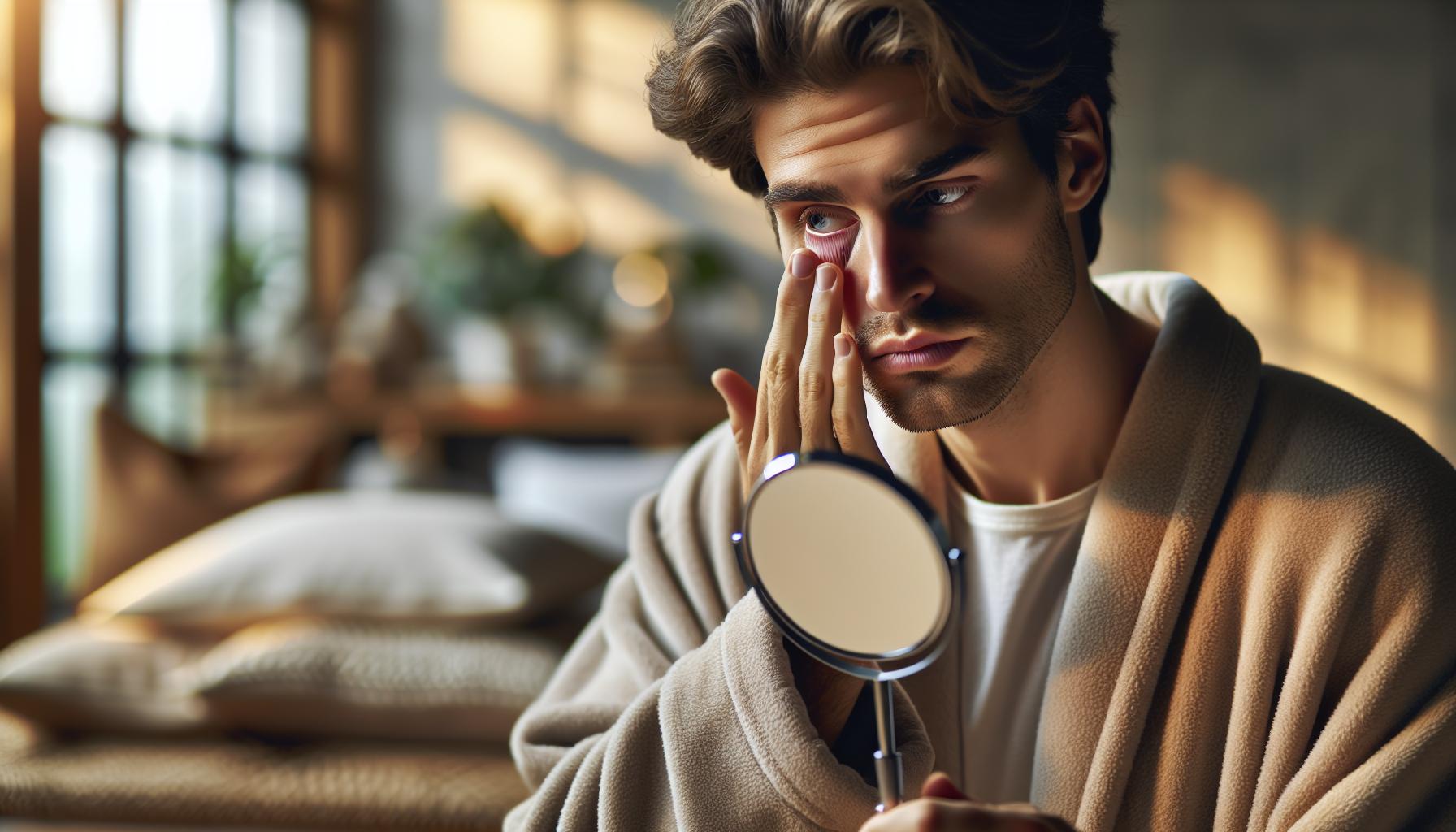
Symptoms of a Stye You Should Know
Recognizing the symptoms of a stye can make a significant difference in managing your eye health, especially if swimming is part of your routine. The hallmark of a stye is a noticeable red bump at the edge of your eyelid, which may resemble a pimple. This swelling can cause a range of discomforts, including tenderness, itching, and a sensation of fullness in the affected area. You may also experience increased sensitivity to light or a feeling of irritation in the eye, prompting the instinct to rub it-something you should avoid, as it can worsen the condition and potentially spread infection.
One important sign to watch for is pus formation. If you notice discharge or crusting at the site, it indicates that the stye may be infected and could require more careful management. Additionally, while often localized to the eyelid, if you experience generalized redness or swelling of the eyelid, it may suggest a more severe issue, necessitating professional attention.
In women, styes can be more than just temporary nuisances; they may interfere with makeup routines or swimming plans. Staying vigilant for these symptoms allows you to take prompt action, such as applying warm compresses to the area, which can help alleviate discomfort and promote drainage. Moreover, understanding these symptoms empowers you to prioritize hygiene practices, especially around the pool, ensuring that you care for your eyes while enjoying water activities. You deserve to feel confident and comfortable, whether you’re making a splash or lounging by the pool.
Potential Risks of Swimming With a Stye
Engaging in a refreshing swim can be a wonderful way to relax and rejuvenate, but when you have a stye, you may face potential risks that could complicate your enjoyment. The moist environment of a pool is not the ideal setting for an eye condition like a stye, which is an infection of the oil glands in the eyelid leading to that uncomfortable, swollen bump. Immersing your head in chlorinated water can exacerbate irritation, potentially leading to increased discomfort and a prolonged healing process.
When swimming with a stye, there’s a risk of exacerbating the infection. Discomfort may intensify due to the stinging sensation often caused by pool chemicals. Additionally, touching your eye to wipe away water or alleviate irritation may open the door for more bacteria to enter, increasing the risk of further infection or complications. In more severe cases, an untreated stye could lead to additional eye conditions, such as conjunctivitis or even orbital cellulitis, which requires immediate medical intervention.
Practicing good hygiene becomes crucial when swimming with a stye. It’s advisable to avoid getting your head, including your eyes, underwater. If swimming is essential for your routine, consider using goggles to shield your eyes and minimize contact with water. Furthermore, maintaining a clean environment both in and out of the water can help you manage your stye effectively while enjoying your time at the pool. Remember, taking a short break from swimming might be in your best interest to allow your eyes to heal properly and regain their comfort and health.
Personal Hygiene Tips for Swimmers
Maintaining proper hygiene while swimming is essential, especially if you’re dealing with a stye. A stye, being an infection of the oil glands in the eyelid, necessitates extra caution to prevent further irritation or complications. Here are key hygiene tips that can help you swim safely while managing this eye condition.
- Wash Your Hands Regularly: Before touching your eyes, wash your hands thoroughly with soap and water. This minimizes the risk of introducing bacteria that could exacerbate the stye.
- Avoid Touching Your Face: Try to keep your hands away from your eyes and face. If you need to adjust your goggles or wipe away water, use a clean towel instead of your hands.
- Use Goggles: Invest in a good pair of waterproof goggles. They help shield your eyes from pool chemicals and reduce contact with the water, which can irritate a stye.
- Shower Before Swimming: Rinse off before entering the pool. This helps keep the pool water cleaner and reduces the amount of chemical exposure to your eyes.
- Pat Dry Gently: After swimming, pat your face dry gently with a clean towel. Avoid rubbing your eyes or the area around a stye to prevent irritation.
- Skip the Makeup: Avoid wearing eye makeup while swimming. Chemicals in makeup can irritate the stye and introduce bacteria.
By implementing these personal hygiene tips, you can help mitigate discomfort while swimming with a stye and ensure the healing process continues smoothly. Remember, while it is possible to swim, listening to your body and prioritizing eye health is crucial. If discomfort persists, it may be wise to take a break from swimming until your stye has healed fully.
How to Care for Your Eyes at the Pool
Maintaining healthy eyes while enjoying a swimming session can be especially challenging when you have a stye. A stye, or hordeolum, can be irritating and cause discomfort, but understanding how to care for your eyes in this context can keep you feeling your best and minimize complications. With a little extra attention and the right precautions, you can ensure a safer swimming experience.
When at the pool, begin by making informed choices about your environment. Swimming pools can contain chlorine and other chemicals that may exacerbate the discomfort associated with a stye. Therefore, it’s advisable to choose a well-maintained pool with proper chemical balance to reduce potential irritation. Additionally, wearing snugly fitting goggles not only keeps water away from your eyes but also acts as a barrier against harmful substances in the water. This simple step can significantly increase comfort while allowing you to enjoy your time in the water.
Pre-swim Preparation is crucial. Before you dive in, remember to rinse off in the shower. This helps remove any oils, lotions, or bacteria on your skin, contributing to cleaner pool water. If you notice sensitivity in your stye, consider applying a warm compress to relieve discomfort before swimming. Bringing along a clean towel specifically designated for drying your face can help avoid irritating your stye after a swim-gently pat your face dry instead of rubbing.
During your swim, listen to your body. If you feel any unusual discomfort or irritation, take a break to assess the situation. After swimming, avoid skipping moisturizing your eyes with a gentle cream or ointment recommended by your healthcare provider (if applicable). This can provide additional comfort and aid in the healing process. Remember, prioritizing your eye health is key; if the irritation persists or worsens, it may be best to take a break from swimming until your stye has fully healed. By implementing these practices, you can engage in your favorite water activities while safeguarding your eye health.
Best Practices for Maintaining Pool Safety
Maintaining a safe and healthy swimming environment is essential, especially when dealing with conditions like a stye. One of the best practices for pool safety is to be aware of your surroundings and the condition of the water. Before diving in, ensure the pool is well-maintained, which means checking for clear water free of debris and a balanced chemical composition. A pool that is regularly cleaned and treated is less likely to irritate sensitive eyes. Look for pools that provide proper signage regarding chemical levels, and trust facilities that prioritize hygiene and safety.
Another important aspect is to avoid overcrowded areas. Busy pools can increase the risk of accident or exposure to potential irritants, making it vital to choose less crowded times for your swim. Not only can this help minimize discomfort from external sensations, but it also provides a more enjoyable experience overall. Additionally, wearing well-fitting swim goggles acts as a barrier, sealing off your eyes from waterborne contaminants and the chemicals used to keep the pool clean. This helps provide a layer of safety if you have a stye, reducing the likelihood of further irritation.
Post-swim care is also crucial for preserving eye health. After swimming, rinse your eyes with clean, fresh water to wash away any chlorine or other chemicals. Pat your eyes dry gently with a soft towel, avoiding rubbing the area around your stye to prevent aggravation. Moisturizing with a gentle eye cream can support healing and comfort. Being aware of the symptoms that might warrant a break from swimming-such as increased redness, swelling, or pain-will empower you to take control of your eye health. Through these best practices, you can enjoy the water while protecting your eyes from further irritation and keeping your stye in check.
Safe Swimming Alternatives for Eye Health
While swimming can be a refreshing way to stay active, those with a stye need to consider safer alternatives to protect their eye health. Instead of diving into the pool, you might explore gentle options that will allow physical activity while being kind to your eyes. One effective alternative is engaging in low-impact exercises such as water aerobics or stationary cycling, which can be done in a calm environment. These activities not only elevate your heart rate without the irritation swimming might cause but also allow you to remain comfortable and enjoy exercise.
Gentle Eye-Friendly Activities
Another excellent option is to focus on land-based workouts. Activities like yoga or Pilates can provide a full-body workout while minimizing sweat and avoiding exposure to chlorine, which might aggravate a stye. Such exercises emphasize controlled movements and breathing, helping maintain both physical and mental wellness during your recovery.
Additionally, consider participating in outdoor activities that don’t involve direct exposure to water, such as walking, jogging, or doing outdoor stretches. These exercises can be quite refreshing and allow you to enjoy the weather while giving your eyes the much-needed rest without the risk of additional irritation.
It’s also beneficial to maintain an active lifestyle at home. You can incorporate short exercise routines with streaming workouts that focus on core strength and flexibility, all while ensuring you’re in an environment that feels safe and soothing for your eyes. By choosing these safer alternatives, you can prioritize your eye health without sacrificing your commitment to staying fit.
Home Remedies for Styes: Do They Work?
Styes, those painful bumps that appear on the eyelid, can be not only uncomfortable but also concerning. The good news for many is that there are effective home remedies that may help alleviate the symptoms and encourage healing without resorting to prescription medications or invasive treatments. Understanding these remedies could empower you to find relief while managing your eye health.
One of the most commonly recommended home treatments is warm compresses. Applying a clean, warm washcloth gently to the affected eye for 10-15 minutes, several times a day, can help increase circulation and promote drainage of the clogged oil gland that causes the stye. Make sure the cloth is not too hot-test it against your wrist first-to avoid burns. Additionally, practicing good hygiene is vital. Always wash your hands thoroughly before touching your eyes, and avoid squeezing or popping the stye, as this can lead to spreading bacteria and potentially worsening the condition.
Natural anti-inflammatory ingredients like chamomile and green tea can also offer soothing properties. You can brew a bag of chamomile or green tea, allow it to cool, and then use it as a compress. The tea contains antioxidants that may reduce swelling and discomfort. However, always ensure that anything applied to the eye is clean and free from contaminants.
While many of these remedies can be effective, they are not universally guaranteed solutions. If your stye persists beyond a few days, worsens, or if you experience significant pain or changes in vision, it’s important to seek professional medical advice. Styes can sometimes mimic other conditions, and addressing them with the right medical guidance is essential for optimal eye health.
When to Seek Professional Help for a Stye
Experiencing discomfort from a stye can be frustrating, especially when considering activities like swimming. While many styes resolve on their own with home treatment, there are crucial moments when seeking professional help becomes necessary. If your stye persists for more than a week or if you notice it worsening, it’s time to consult a healthcare professional. Extended irritation may signal a more serious issue or an infection requiring specific medical intervention.
Additionally, watch for signs of increasing pain, swelling, or redness around the eye. If you have difficulty seeing, experience changes in vision, or if the stye becomes filled with pus, don’t hesitate to seek assistance. These symptoms could indicate complications, such as a more severe infection. Also, suppose you find that your stye is recurrent or accompanied by other symptoms like fever or swollen lymph nodes. In that case, a doctor can help identify underlying causes such as blepharitis or other eye conditions.
When you visit a healthcare provider, they may offer treatments that go beyond home remedies, such as antibiotic ointments or, in some cases, a minor surgical procedure to drain the stye. Early intervention can not only relieve discomfort but also help prevent further complications. Always prioritize your eye health; it’s a central part of your overall well-being. Ensuring the right care at the right time is essential for a smooth recovery and for getting back to those enjoyable swimming sessions safely.
Preventive Measures for Future Styes
While styes can be uncomfortable, incorporating preventive measures into your routine can significantly reduce the risk of future occurrences. Understanding the factors that contribute to the development of styes empowers you to take actionable steps to protect your eye health. Whether it’s through improved hygiene or lifestyle choices, these strategies can help keep those pesky bumps at bay.
To start with, practicing good eyelid hygiene is crucial. Regularly washing the eyelids with a mild, non-irritating cleanser can help to remove any excess oil, dirt, and bacteria that may contribute to stye formation. Consider using a warm compress on your eyes for a few minutes each day, as the heat can help unclog any blocked glands, promoting better eyelid health. Additionally, always be mindful of the products you use near your eyes. Opt for hypoallergenic makeup and avoid sharing cosmetics, which can spread infections. If you wear contact lenses, make sure to follow proper cleaning and storage protocols to prevent contamination.
Another important aspect is managing underlying conditions that may predispose you to styes. If you often experience dry eyes or have conditions like blepharitis, a visit to an eye care professional can provide you with tailored treatments. They might recommend specific cleansers or treatments to keep your eyelids and eyelashes healthy. Furthermore, maintaining a balanced diet rich in vitamins A and C can reinforce your immune system, potentially reducing inflammation and preventing future styes.
Lastly, be cautious during recreational activities like swimming. Chlorinated water may irritate your eyes and exacerbate existing conditions. If you have a stye or are prone to them, consider wearing goggles to protect your eyes and always rinse with clean water after swimming. Taking these proactive steps not only nurtures your eye health but allows for a more comfortable, enjoyable swimming experience.
Understanding the Healing Process of a Stye
The healing process of a stye can often be a source of frustration, primarily due to its visibility and potential discomfort. Understanding this journey can help set realistic expectations and lay the groundwork for effective home care that promotes recovery. A stye typically develops when a gland at the base of the eyelashes becomes blocked and inflamed, often resulting in a painful red bump. Fortunately, many styes resolve on their own within a few days to a week, provided you practice the right self-care measures.
To speed up healing, regularly applying warm compresses can be particularly effective. Simply soak a clean cloth in warm (not hot) water, wring it out, and place it over the affected eye for about 10-15 minutes a few times a day. This gentle heat helps to increase circulation, allowing the blocked oil to drain and providing relief from discomfort. It’s essential to keep the area clean; washing your eyelids with a mild soap can help remove any debris or excess oils that might hinder healing.
While you’re navigating recovery, be extra cautious about eye care practices. Avoid wearing makeup around the eyes and steer clear of contact lenses until the stye has fully healed. These precautions minimize irritation and bacterial exposure, which could exacerbate the condition. If you find that your stye is not improving or if it worsens, it’s important to consult with a healthcare professional. Persistent swelling, increased redness, or pain may require medical intervention, such as prescription antibiotics.
Keeping in mind the healing timeline, it’s important to allow your body time to work through the inflammation. Engage in activities that keep you relaxed, and remember that with consistent care, your stye will likely fade and your eye health will return to normal. By staying informed and proactive, you empower yourself to navigate this minor health issue with confidence.
Q&A
Q: Can you swim in a pool with a stye?
A: Swimming with a stye is not recommended as it can worsen the infection and expose your eyes to irritants. It’s best to wait until the stye has healed completely to avoid further complications.
Q: What precautions should I take if I have a stye and want to go swimming?
A: If swimming is unavoidable, consider wearing goggles to protect your eyes from chlorine and bacteria. Avoid touching your eyes and immediately wash your hands after swimming to maintain hygiene.
Q: How can swimming affect a stye?
A: Swimming can introduce additional bacteria to the eye and irritate the stye, potentially prolonging the healing process. Chlorine in pool water may further irritate the skin surrounding the stye.
Q: Are there any risks of swimming in saltwater with a stye?
A: Saltwater may help in some cases by drying out the stye, but it can also cause stinging and irritation. If you swim in the ocean, ensure the stye is not open or leaking to prevent infection.
Q: What should I do if my stye gets worse after swimming?
A: If your stye worsens post-swimming, seek medical advice. It may require antibiotic treatment or further examination to prevent complications.
Q: How can I prevent getting a stye when swimming?
A: To prevent styes, practice good hygiene by avoiding touching your eyes, using clean towels, and swimming in well-maintained pools. Regularly wash your face and avoid sharing personal items like cosmetics.
Q: Is it safe to wear makeup when I have a stye?
A: It’s best to avoid wearing makeup around the eyes when you have a stye, as this can irritate the area and introduce more bacteria, potentially worsening the infection.
Q: How long does it typically take for a stye to heal?
A: A stye usually heals within 7 to 10 days with proper care. Applying warm compresses can help reduce discomfort and speed up healing. If symptoms persist, consult a healthcare professional for guidance.
Closing Remarks
While swimming with a stye is generally not advisable due to potential irritation and infection risk, taking the right precautions can help ensure your pool time is safe and enjoyable. If you’re still unsure or experiencing discomfort, consult with an eye care professional for personalized advice. Don’t forget to check out our related articles on eye hygiene to keep your vision in top shape, and discover essential skincare tips to complement your health routine.
Stay proactive about your health-join our newsletter for the latest updates on eye care and beauty treatments, and explore our collection of wellness resources that empower you to make informed decisions. Remember, your well-being is a journey; let’s navigate it together! Don’t hesitate to share your thoughts or questions in the comments below, and turn to our site for more guidance as you continue your exploration of health and beauty.