
Did you know that styes and pink eye-two common eye issues-can often be confused due to their similar symptoms? Many people wonder whether they can use pink eye medicine to treat a stye, but understanding the difference between these conditions is crucial for effective treatment. While both can cause discomfort and irritation, their causes and appropriate remedies vary significantly.
If you’re facing the frustration of a stye or the redness of pink eye, it’s important to choose the right treatment to promote healing and prevent complications. Misusing medications can prolong your discomfort and complicate recovery. Join us as we unpack the nuances between pink eye and styes, guiding you through the best practices for addressing each condition effectively. Empower yourself with the knowledge to make informed decisions for your eye health, ensuring your path to recovery is both safe and effective.
Diagnosis: Understanding Pink Eye vs. Stye
Understanding the difference between pink eye (conjunctivitis) and a stye (hordeolum) is crucial for effective treatment and relief. Pink eye is typically characterized by redness, itchiness, and discharge from the eye, often resulting from viral or bacterial infections, allergies, or irritants. It’s highly contagious, so being aware of its symptoms can help you take precautions to avoid spreading it to others. On the other hand, a stye appears as a painful lump on the eyelid, caused by an infected oil gland. While both can cause discomfort and irritation, their underlying causes and treatments differ significantly.
When it comes to treatment, using medication meant for one condition on the other may lead to ineffective results or exacerbate symptoms. Pink eye medications, often containing antibiotics or antihistamines, are targeted at reducing infection and alleviating allergic reactions. However, these don’t address the bacterial infection causing a stye. Instead, over-the-counter options such as warm compresses can aid in soothing the discomfort of a stye, promoting drainage and healing. In contrast, persistent pink eye may require prescription medications to tackle the specific cause, whether viral, bacterial, or allergic.
To sum up, being informed about the distinguishing symptoms and effective treatments for each condition can lead to quicker resolution and alleviate unnecessary discomfort. If there’s ever any doubt about your symptoms or their treatment, consulting a healthcare professional is always the best course of action. This proactive approach ensures you are taking the right steps toward recovery and can help prevent complications.
How Do Pink Eye Medicines Work?
When it comes to treating pink eye (conjunctivitis), understanding how medications work can significantly impact your recovery. Pink eye medications are designed to target the specific underlying causes of the condition, which can range from bacterial and viral infections to allergies. Common treatments often include antibiotic drops for bacterial infections, antihistamines for allergic reactions, and soothing eye drops to address inflammation and discomfort.
The mechanism of these medications varies but typically involves reducing inflammation, controlling infection, and alleviating symptoms. For instance, antibiotic eye drops work by killing the bacteria responsible for the infection, effectively reducing redness and discharge associated with bacterial conjunctivitis. Antihistamines, on the other hand, block histamine reactions caused by allergens, providing relief from itchiness and swelling. This tailored approach is important, as using the wrong type of medication-such as relying on pink eye medicine for a stye-can lead to ineffective treatment and prolong discomfort.
It’s also key to know that while over-the-counter options exist, many require a doctor’s guidance, especially if symptoms persist or worsen. If you suspect your pink eye may be due to an infection, seeing a healthcare professional can provide a proper diagnosis and targeted treatment, ensuring a faster recovery. Always remember that being informed about how your medications work empowers you to make educated decisions regarding your eye health and wellness.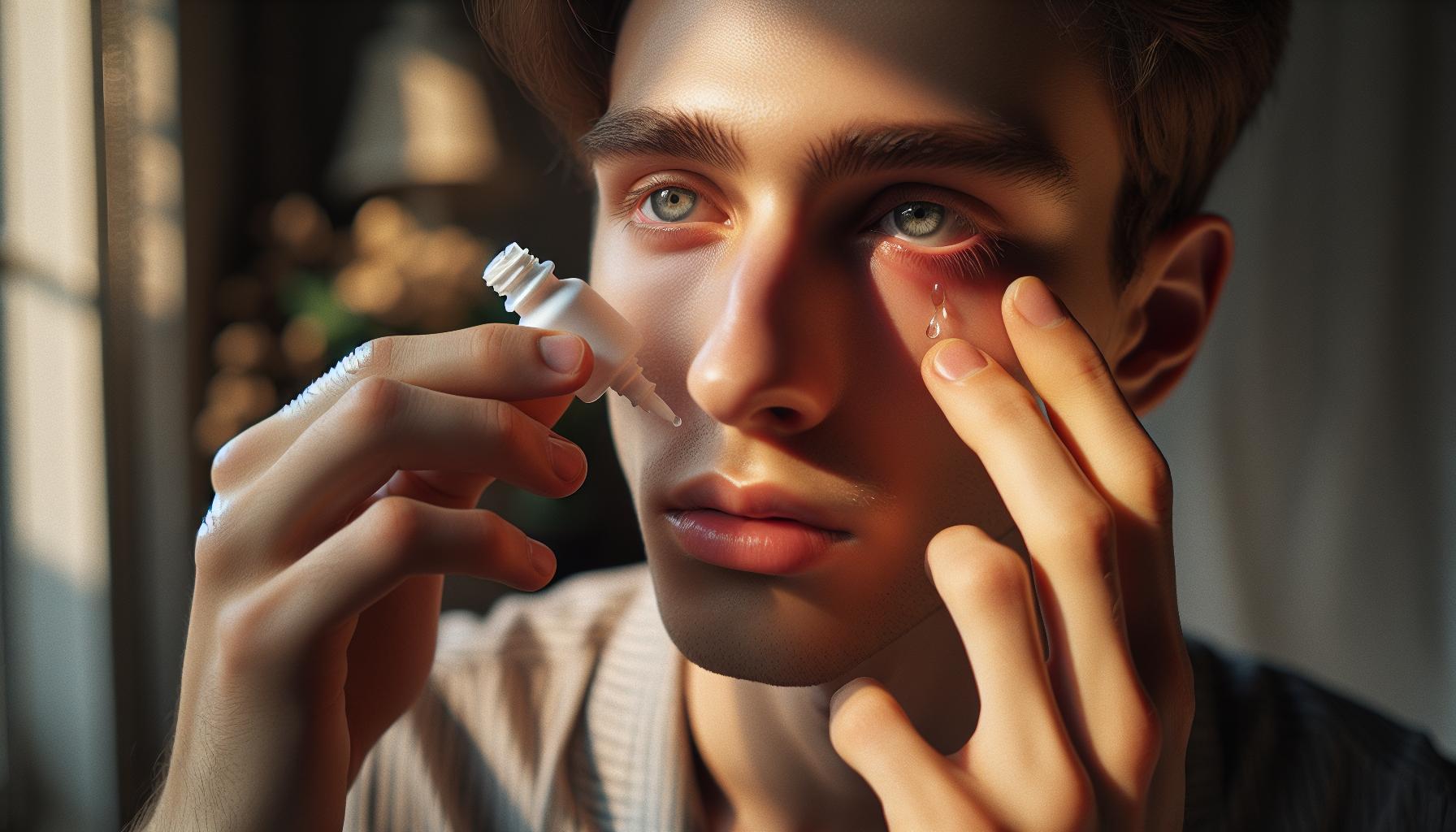
Can Styes Be Treated at Home?
Dealing with a stye can be uncomfortable, but the good news is that many cases can be effectively treated at home with simple remedies. A stye, which is essentially a painful lump on the eyelid caused by a bacterial infection, often resolves on its own within a week. However, there are steps you can take to alleviate discomfort and speed up the healing process.
One of the most effective home treatments involves applying warm compresses. Soak a clean cloth in warm water, wring it out, and gently place it over the affected eyelid for about 10 to 15 minutes, three to four times a day. This warmth helps increase blood flow to the area, which can promote drainage and healing. Just be sure the compress is not too hot, as sensitive skin around the eyes requires gentle care.
In addition to warm compresses, maintaining proper eyelid hygiene is crucial. Keeping the area clean can prevent further irritation and improve recovery time. Use a mild, tear-free baby shampoo diluted with water to gently scrub away any crust or debris on your eyelids. This not only helps keep your eyelids clean but can also reduce the chance of future styes forming.
It’s important to resist the urge to squeeze or pop the stye, as this can spread the infection or cause further inflammation. If symptoms persist beyond a week, or if your stye affects your vision or is accompanied by significant pain, it’s wise to seek medical attention. In some cases, a healthcare professional may need to drain it or prescribe antibiotic ointments if there’s a risk of a more serious infection. Remember that while at-home care can be helpful, it’s essential to listen to your body and consult a doctor if you’re unsure about the best course of action.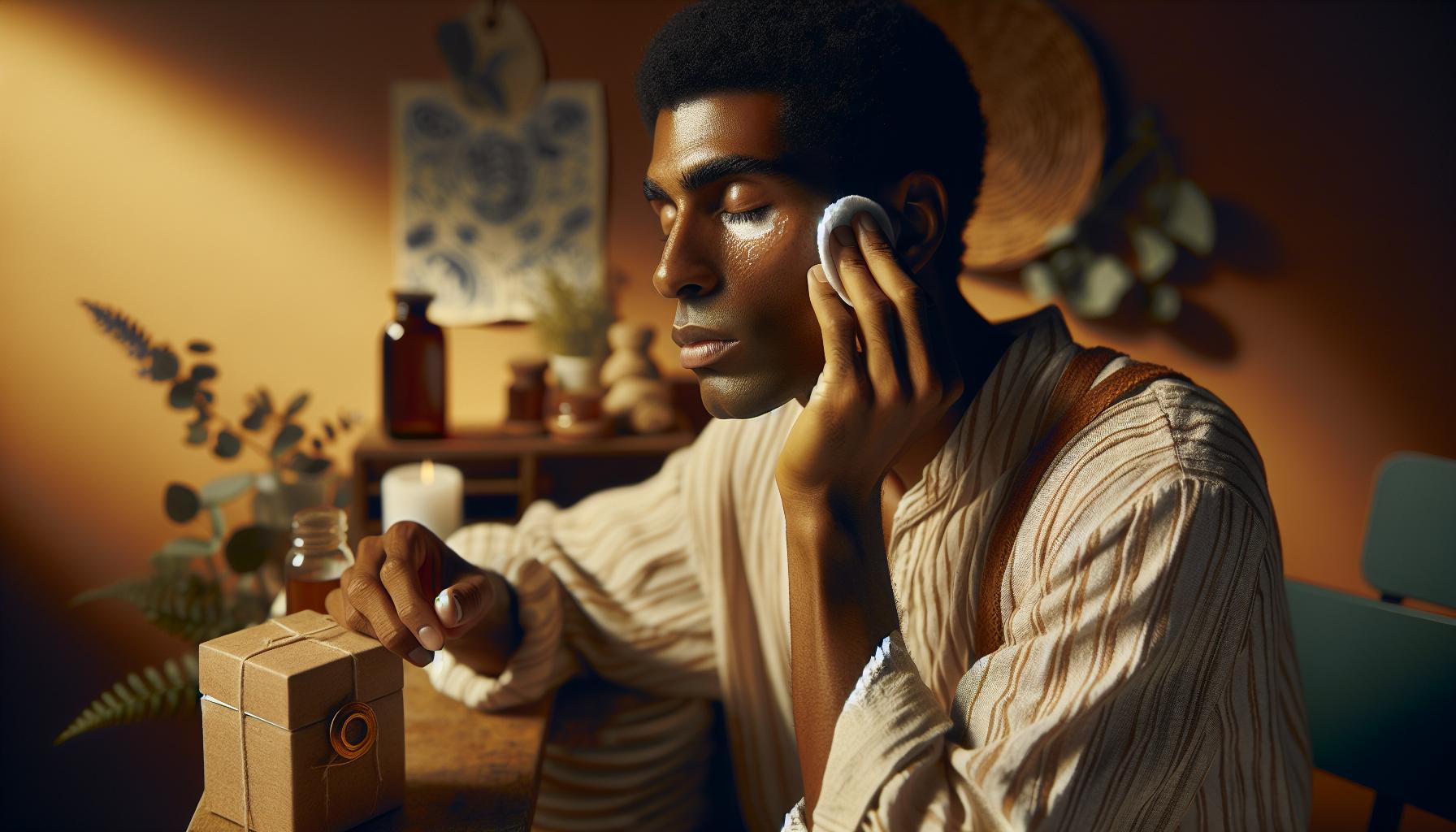
The Risks of Using the Wrong Medication
Using the wrong medication for your eye condition can lead to unnecessary complications and prolonged discomfort. It might be tempting to reach for that tube of pink eye ointment when you notice a painful bump on your eyelid, labeled “stye,” but this could result in more harm than good. Understanding the distinctions between styes and pink eye is crucial as their treatments vary significantly. Styes are typically caused by bacterial infections that occur in the oil glands of the eyelid, while pink eye-also known as conjunctivitis-can be viral, bacterial, or allergenic in nature.
Why Using Pink Eye Medication Can Be Risky
Applying pink eye medication, especially those containing antibiotics, to treat a stye can inadvertently mask symptoms and delay proper treatment. If you use a treatment not intended for styes, you risk exacerbating your condition-especially if the stye is caused by an underlying issue that requires targeted intervention, such as blockage or inflammation of the gland. Furthermore, antibiotic medications may not be effective for certain types of styes and could foster antibiotic resistance if misused.
Additionally, many over-the-counter pink eye remedies can cause irritation or an allergic reaction in some individuals. If you’re misdiagnosing your condition and opting for medication not suited for your symptoms, you might experience increased redness, tearing, or even swelling, which can be counterproductive to your healing process. Instead of alleviating discomfort, you could be complicating your health journey further.
To navigate this tricky landscape, focus on identifying your symptoms accurately. If you’re unsure whether it’s a stye or pink eye, consider consulting with a healthcare professional for an accurate diagnosis. This ensures that you receive the appropriate treatment that aligns with your specific needs, keeping your eyes healthy and free from further issues. Remember, a proactive, informed approach to your eye health will always serve you better than a quick fix.
Which Over-the-Counter Options Are Safe?
When dealing with eye conditions like styes, it’s essential to choose the right over-the-counter (OTC) options to avoid complications. Unlike pink eye medications, which may contain antibiotics or other specific agents targeting different causes of conjunctivitis, styes require approaches that focus on soothing inflammation and promoting drainage. Fortunately, several safe OTC options can help relieve discomfort while allowing the healing process to occur naturally.
Safe Over-the-Counter Options for Styes
- Warm Compresses: One of the most recommended home treatments for styes is warm compresses. Applying a warm, moist cloth to the affected eye for about 10 to 15 minutes several times a day can help reduce swelling and encourage drainage of the stye.
- OTC Pain Relievers: Non-prescription pain relievers such as ibuprofen or acetaminophen can alleviate discomfort associated with styes. They are effective in managing pain without the risk of further irritation to the eye.
- Artificial Tears: Using preservative-free artificial tears can provide moisture to the eye, helping to soothe irritation and discomfort. It’s important, however, to choose a formulation that does not contain any active ingredients aimed at treating infections.
- Eye Hygiene Products: Look for eyelid scrub pads or wipes that are specifically designed for maintaining eyelid hygiene. These products can help remove debris and bacteria around the eye area, reducing the chance of further irritation or infection.
It’s crucial to avoid products designated for pink eye, such as antibiotic ointments or drops, unless directed by a healthcare professional. Incorrect usage could not only exacerbate the stye but also delay proper treatment for any underlying issues. Remember, maintaining good hygiene and allowing the stye to drain naturally is vital for a quick recovery. If symptoms persist or worsen, consulting a healthcare provider is always a wise decision to ensure appropriate care.
When to See a Doctor for Eye Issues
Certain eye conditions can evolve quickly, making it essential to know when to seek professional help. If you notice that your symptoms are not improving with at-home treatments, or if they worsen, it’s time to consult a healthcare provider. Signs such as increased redness, swelling, or pain in your eye require attention, especially if your vision is affected or if you experience excessive tearing or discharge.
It’s also crucial to see a doctor if you’ve tried basic treatments for a stye, such as warm compresses, for several days with no improvement. Persistent symptoms may indicate an underlying infection or other complications that need medical intervention. Similarly, if you’ve accidentally used pink eye medication on a stye and your condition has not improved or has worsened, reach out to a healthcare professional for guidance.
Additionally, certain symptoms are red flags that should prompt an immediate medical consultation. Look out for visual disturbances, severe pain, or fever accompanying your eye discomfort, as these can signal more serious conditions. Your eye health is paramount, and addressing concerns early can prevent complications and ensure effective treatment. Remember, it’s always better to be cautious when it comes to your eyes; don’t hesitate to seek professional advice when in doubt.
Comparing Symptoms: Stye or Pink Eye?
While both styes and pink eye can cause discomfort, recognizing the differences in their symptoms is crucial for effective treatment. A stye typically presents as a painful, red bump on the eyelid, resembling a small pimple that can be sensitive to touch. This localized infection, often resulting from blocked glands or bacterial invasion, may also cause swelling and tenderness around the affected area. In contrast, pink eye, or conjunctivitis, affects the surface of the eye itself and may lead to a pink or red coloration of the eye and eyelid. Symptoms of pink eye also include watery, itchy eyes and a discharge that can crust over during the night, potentially obscuring vision upon waking.
When considering treatment options, it’s essential to understand these distinctions, especially since the use of pink eye medications on a stye can lead to ineffective results or potential complications. For instance, while pink eye treatments often target viral or bacterial infections affecting the eye, the approach for a stye focuses on alleviating symptoms and reducing inflammation. Styes often improve with warm compresses that promote drainage, while pink eye may require specific medicated eye drops or ointments depending on its cause.
In treating either condition, take care in identifying the symptoms accurately. A stye may result in localized pain but typically does not affect your vision significantly, whereas pink eye can lead to blurry vision due to discharge. If you are uncertain about your symptoms or if they worsen, don’t hesitate to consult a healthcare professional for guidance. Understanding whether you are dealing with a stye or pink eye not only helps in choosing the right treatment but also ensures timely medical intervention when necessary, allowing for a smoother recovery.
Effective Home Remedies for Styes
Grappling with a stye can be uncomfortable, but many effective home remedies can bring relief. Understanding the right techniques is crucial, especially since the misapplication of medications typically meant for pink eye may exacerbate the issue rather than help. The goal with treating a stye at home is to relieve discomfort and promote healing naturally.
One of the most recommended and simplest treatments is the application of warm compresses. Using a clean cloth soaked in warm water, apply it to the affected eyelid for about 10-15 minutes. This can be done several times a day, as the warmth helps to unblock the oil glands, easing the pain and allowing the stye to drain more effectively. Ensure the cloth is clean to prevent introducing additional bacteria to the sensitive area.
Another option is to try a tea bag compress. Green tea or chamomile tea bags can be beneficial due to their anti-inflammatory properties. Simply steep the bag in hot water, let it cool to a comfortable temperature, and then place it on your closed eyelid for 10 to 15 minutes. This method not only promotes drainage but can also provide soothing relief.
Maintaining good eyelid hygiene is vital. Gently cleansing your eyelids with a mild soap or a diluted baby shampoo can prevent the chance of styes reappearing. Be careful to rinse thoroughly to avoid irritation. If makeup is part of your routine, consider taking a break until the stye has healed to eliminate any potential irritation from cosmetics.
Lastly, ensure you’re being cautious with your hands-wash them regularly and avoid touching or rubbing your eyes, which can worsen the inflammation and lead to further complications. These practical, at-home measures can help alleviate discomfort associated with styes and promote healing while you monitor your symptoms for improvement or any necessary follow-up care.
Long-Term Strategies to Prevent Styes
Maintaining healthy eyelids is essential for preventing styes, which can lead to discomfort and interrupt your daily routine. One of the most effective long-term strategies is practicing consistent eyelid hygiene. Regularly cleansing your eyelids helps to remove dirt, oil, and bacteria that can clog oil glands, leading to the formation of styes. Use a gentle cleanser or diluted baby shampoo on a clean washcloth and gently scrub your eyelids at least once a day. This can significantly reduce the risk of developing styes over time.
In addition to proper hygiene, consider the products you use around your eyes. Always opt for hypoallergenic and non-comedogenic makeup and skincare products. Make sure to remove makeup thoroughly each night; leaving makeup on can block your eyelid glands and contribute to stye development. If possible, avoid using eye makeup when you have an active stye or during a flare-up period, as this could irritate the area further.
It’s also vital to pay attention to your overall health. A well-balanced diet rich in vitamins A, C, and E, as well as omega-3 fatty acids, supports skin health and may reduce the occurrence of styes. Staying hydrated is equally important, as adequate hydration ensures that your skin and eyelids remain healthy. Regularly wash your hands and avoid touching your eyes to minimize the transfer of bacteria.
Finally, make sure to manage stress levels and get sufficient sleep. Stress can compromise your immune system, making you more prone to infections, including styes. Taking time for self-care, engaging in relaxation techniques, and prioritizing rest can make a significant difference in your overall eye health. Establishing these habits can lead to healthier eyes and fewer instances of styes, allowing you to feel comfortable and confident every day.
Professional Treatments for Persistent Styes
Persistent styes can be both uncomfortable and frustrating, especially when they do not respond to home remedies or over-the-counter treatments. If you’ve found that your stye continues to linger or recurs frequently, seeking professional treatment may be necessary to ensure proper care and avoid complications. Healthcare providers have several effective options to address stubborn styes, tailored to various causes and individual needs.
One common professional intervention is drainage. If a stye becomes significantly large or remains painful, an eye doctor might recommend lancing it-this procedure involves making a small incision to allow the accumulated pus to drain. This relieves pressure and promotes healing. It’s typically performed in a sterile environment with local anesthesia, so the discomfort is minimal. After drainage, your doctor may prescribe an antibiotic ointment or drops to help prevent infection in the area.
In some cases, if the stye is persistent due to underlying conditions such as blepharitis (inflammation of the eyelid margins), your doctor may suggest a comprehensive treatment plan. This could include regular eyelid scrubs, medicated wipes, or steroid injections to reduce inflammation. Moreover, managing underlying skin conditions that contribute to stye formations-like rosacea or seborrheic dermatitis-is crucial for preventing recurrence.
For recurrent styes related to oil gland issues, oral antibiotics may be necessary. These systemic medications can effectively target bacterial infections that topical treatments may not resolve. Depending on the severity and frequency of stye occurrences, your doctor will personalize your treatment plan to minimize the likelihood of styes returning in the future.
Lastly, maintaining open communication with your healthcare provider is essential. Report any changes in your symptoms or concerns you may have about the effectiveness of prescribed treatments. This collaborative approach helps ensure you receive the best possible care for resolving persistent styes while helping you maintain optimal eyelid health.
Misconceptions About Eye Infections Explained
Misunderstanding the differences between eye infections can lead to ineffective treatments and prolonged discomfort. Many people assume that medicines for conditions like pink eye can also be used for styes, which is a common misconception. In reality, these two issues arise from different root causes. Pink eye (conjunctivitis) typically involves inflammation or infection of the conjunctiva, often due to viruses, bacteria, allergens, or irritants. Conversely, a stye (hordeolum) is usually a bacterial infection of the oil glands in the eyelid, leading to a painful lump.
Using pink eye medication for a stye can sometimes lead to increased inflammation or irritation rather than relief. Pink eye drops often contain antihistamines or steroids, which may not address the bacterial infection present in a stye. If a stye persists, it might indicate underlying conditions that require specific treatment, such as blepharitis or seborrheic dermatitis. Therefore, choosing the right treatment is crucial for effective relief and healing.
Understanding what both conditions entail helps in identifying the right treatment. For instance, warm compresses are an excellent initial remedy for a stye. They can help in reducing swelling and promoting drainage. In contrast, if symptoms of red, itchy eyes and discharge are present, it may indicate pink eye, warranting a different approach. Being informed empowers women to recognize the signs and seek appropriate help, which can save time and prevent complications.
In conclusion, the key to managing these eye issues effectively lies in understanding their differences. Empower yourself with knowledge about symptoms and treatments to make informed decisions and maintain optimal eye health. If in doubt, or if symptoms worsen, it is always best to consult a healthcare provider.
Faq
Q: Can I use pink eye medication to treat a stye?
A: No, using pink eye medication for a stye is not recommended. Pink eye treatments target bacterial or viral infections in the conjunctiva, while styes are usually caused by blocked glands or bacteria affecting the eyelid. It’s best to consult a healthcare professional for appropriate stye treatment.
Q: What are the symptoms of a stye compared to pink eye?
A: Styes appear as red, swollen bumps on the eyelid, often painful, with possible swelling of surrounding areas. Pink eye, or conjunctivitis, generally causes redness in the white part of the eye, itching, discharge, and tearing. Recognizing these differences aids in proper diagnosis.
Q: When should I seek help for a stye or pink eye?
A: Seek medical attention if symptoms persist beyond a few days, worsen, or are accompanied by significant pain or vision changes. Timely intervention can prevent complications and provide appropriate care. Refer to the section “When to See a Doctor for Eye Issues” for further details.
Q: Are there home remedies for styes that work effectively?
A: Yes, warm compresses can reduce pain and encourage drainage of a stye. Applying a clean, warm cloth to the eye for 10-15 minutes several times a day can be beneficial. Avoid squeezing the stye, as this can worsen the infection.
Q: Can styes be prevented, and if so, how?
A: Yes, styes can be prevented by maintaining proper eyelid hygiene, avoiding touching the eyes with dirty hands, and removing makeup before sleeping. Regular cleansing of the eyelids with mild soap can also help prevent formations.
Q: What are common misconceptions about pink eye and styes?
A: A common misconception is that both conditions are the same. While they can show similar symptoms like redness, they are distinct issues requiring different treatments, as discussed in the “Misconceptions About Eye Infections Explained” section.
Q: What over-the-counter treatments are safe for styes?
A: Over-the-counter treatments include antibiotic ointments or gels specifically designed for eye infections. However, it’s crucial to avoid using pink eye meds for styes. Always consult with a healthcare provider before using any medication.
Q: How can I effectively manage discomfort from a stye at home?
A: To manage stye discomfort, apply warm compresses to soothe the area, take over-the-counter pain relievers if needed, and avoid touching or rubbing the eye. For detailed home care solutions, see the section titled “Effective Home Remedies for Styes.”
Concluding Remarks
Understanding the difference between pink eye medicine and stye treatment is crucial for effective relief. If you’re still unsure about the best approach or have lingering questions, don’t hesitate to explore more related articles like “Effective Remedies for Styes” and “How to Distinguish Between Pink Eye and Styes” on our site. Remember, consulting with a healthcare professional can provide personalized advice tailored to your specific needs.
Take charge of your eye health today-sign up for our newsletter to receive the latest tips and insights, ensuring your eyes stay healthy and beautiful. Don’t forget to share your experiences or questions in the comments; your feedback matters! For more resources on eye care and beauty routines, check out our comprehensive guides! Your health journey is essential, and we’re here to support you every step of the way.