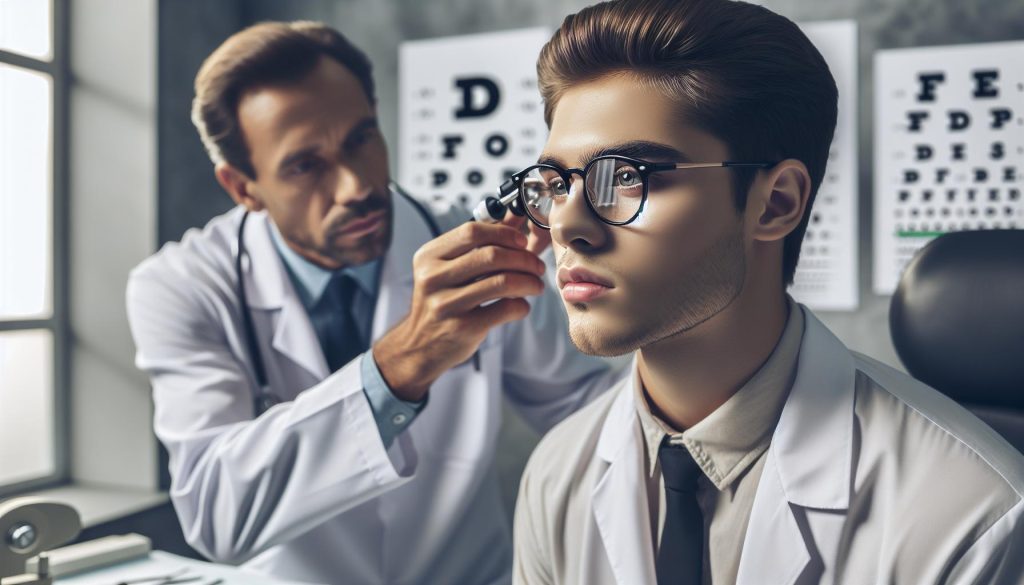
Eye styes, those uncomfortable lumps on the eyelid, are more than just a nuisance. For many, they can cause redness, swelling, and even self-consciousness. Understanding when antibiotics are necessary can significantly affect your healing journey. While many styes resolve on their own, certain situations warrant medical attention to prevent complications and promote quicker recovery.
Are you wondering if your eye stye needs antibiotics or if home remedies will suffice? This article will guide you through the signs that indicate when medication can make a difference, empowering you to make informed decisions about your health. Whether you’re dealing with a stubborn stye or simply curious about eye care, keep reading to discover effective solutions and preventative measures that can enhance your overall eye health.
Do Eye Styes Hurt? Understanding the Pain Experience
Experiencing an eye stye can feel quite uncomfortable, sparking a multitude of questions about the pain associated with this condition. Often, a stye manifests as a tender, red bump on the eyelid, caused by blocked oil glands, and while they may not be unbearable, they certainly are annoying. Many individuals describe the sensation as a dull ache or pressure around the affected area, which can be exacerbated by blinking or touching the eye. It’s important to acknowledge that the level of pain can vary from person to person-some may only experience mild discomfort, while others might find activities like wearing makeup or contact lenses irritating.
To manage the discomfort associated with styes, warm compresses are often recommended. Applying a clean, warm cloth to the affected area for about 10-15 minutes several times a day can soothe irritation and promote drainage of the blockage. This simple, effective home remedy not only alleviates pain but can also speed up the healing process, making daily activities more comfortable. Additionally, maintaining good eyelid hygiene is crucial. Gently cleansing the eyelids with mild soap or baby shampoo can help prevent the recurrence of styes and other irritants.
Furthermore, if you find that the pain becomes severe or is accompanied by other symptoms such as vision changes, swelling beyond the eyelid, or persistent discomfort that does not improve with home treatment, it may be time to consult a healthcare provider. This ensures that there are no underlying conditions that require medical attention. Understanding these pain dynamics can empower you to take action and care effectively for your eyes, ensuring both comfort and health as you navigate potential stye challenges.
What Causes Eye Styes? Uncovering the Triggers

The discomfort of an eye stye can be a nuisance, but understanding what causes them can empower you to take preventive measures and manage symptoms more effectively. Styes, those pesky red bumps that typically appear on the eyelid, are mainly caused by the blockage of oil glands. When these glands become clogged-often due to bacteria, dirt, or even makeup residue-an infection can occur, leading to inflammation and the formation of a stye.
Several factors can contribute to the occurrence of styes, making it important to be proactive about eye health. Poor hygiene plays a significant role; not thoroughly cleaning your eyelids can allow buildup to occur. Additionally, certain skin conditions like rosacea or seborrheic dermatitis can increase the risk. Other triggers include stress, hormonal fluctuations, and even wearing old or contaminated cosmetics. It’s worth noting that individuals with existing conditions, such as diabetes, may find themselves more susceptible to developing styes, as these conditions can impair the immune response.
In light of these triggers, adopting a regular eye care routine can make a world of difference. Here are some practical tips to consider for preventing styes:
- Maintain Hygiene: Regularly wash your hands and avoid touching your eyes. Gently cleanse your eyelids with a mild soap or eyelid scrub.
- Be Mindful of Makeup: Use fresh, high-quality makeup products and remove your eye makeup thoroughly each night.
- Manage Skin Conditions: If you have skin issues, follow your skincare regimen consistently and consult a dermatologist as needed.
- Reduce Stress: Incorporating stress-reduction techniques such as yoga or meditation may help in overall wellness and skin health.
Additionally, if you notice recurring styes, it may be beneficial to speak with a healthcare professional. They can offer further insights and suggest appropriate treatments to help you understand whether antibiotic medication might be necessary for your specific situation. Being informed and proactive will empower you to take preventive measures and maintain healthy, beautiful eyes.
Symptoms of Eye Styes: How to Recognize Them

The appearance of a stye can often catch you off guard, as these little red bumps pop up swiftly and uninvited. They can be alarming, especially when you’re trying to maintain a polished look. Understanding the symptoms is essential for identifying a stye early on, allowing you to address it promptly before it becomes more bothersome.
Typically, styes emerge on the outer edge of the eyelid, although they can also develop inside. The most common symptoms include localized redness and swelling around the affected area. You might notice a tender spot that feels uncomfortable to the touch. Styes are often accompanied by a sensation of warmth in the area, making it feel distinctly different from surrounding skin. There’s also the likelihood of experiencing tearing or an increased sensitivity to light.
In some cases, a small yellowish spot may develop at the center of the stye, indicating that the lump is filled with pus-a sign of an infection. If you notice any of the following signs, it’s important to monitor their progression closely:
- Redness: Localized reddening around the eyelid can occur as the inflammation progresses.
- Swelling: Noticeably puffy eyelids that may obstruct vision or feel uncomfortable.
- Tenderness: A painful bump that you may find difficult to touch without discomfort.
- Discharge: In more advanced cases, some discharge may occur as the stye tries to drain.
While styes usually resolve on their own within a week, monitoring your symptoms is key. If the irritation worsens or you develop significant pain, fever, or vision changes, seeking medical advice becomes crucial. Not all styes require antibiotics; they typically respond well to warm compresses at home. However, recognizing these symptoms early can significantly impact the effectiveness of your chosen treatment and your overall eye health.
When to Seek Medical Advice for Eye Styes

Knowing is vital for ensuring your eye health and comfort. While most styes often resolve on their own within a week, there are specific signs and circumstances that indicate a visit to a healthcare professional may be necessary. For instance, if you notice the stye’s symptoms worsening, such as increasing pain, swelling, or redness, it’s essential to consult a doctor. This could be a sign of a secondary infection or that the stye is not healing as expected.
Moreover, if you experience additional symptoms like fever or changes in your vision alongside the stye, these could indicate a more serious underlying issue. These symptoms could suggest that the infection has spread beyond the initial site, warranting immediate medical attention.
Persistent styes that do not improve with home care or those that recur frequently should also be evaluated by a healthcare professional. They might assess whether there is an underlying condition, like blepharitis (inflammation of the eyelid) or clogged glands, contributing to the problem. An early assessment can help prevent complications such as a chronic stye or further eye infections.
In cases where the stye has developed into a complex cyst or causes significant discomfort, medical intervention may be required. Depending on the severity, a doctor might recommend treatments ranging from prescription antibiotics to minor surgical procedures to drain the stye. Being proactive about these signs can save you from prolonged discomfort and ensure that your eye health is safeguarded.
Do Eye Styes Need Antibiotics? A Closer Look
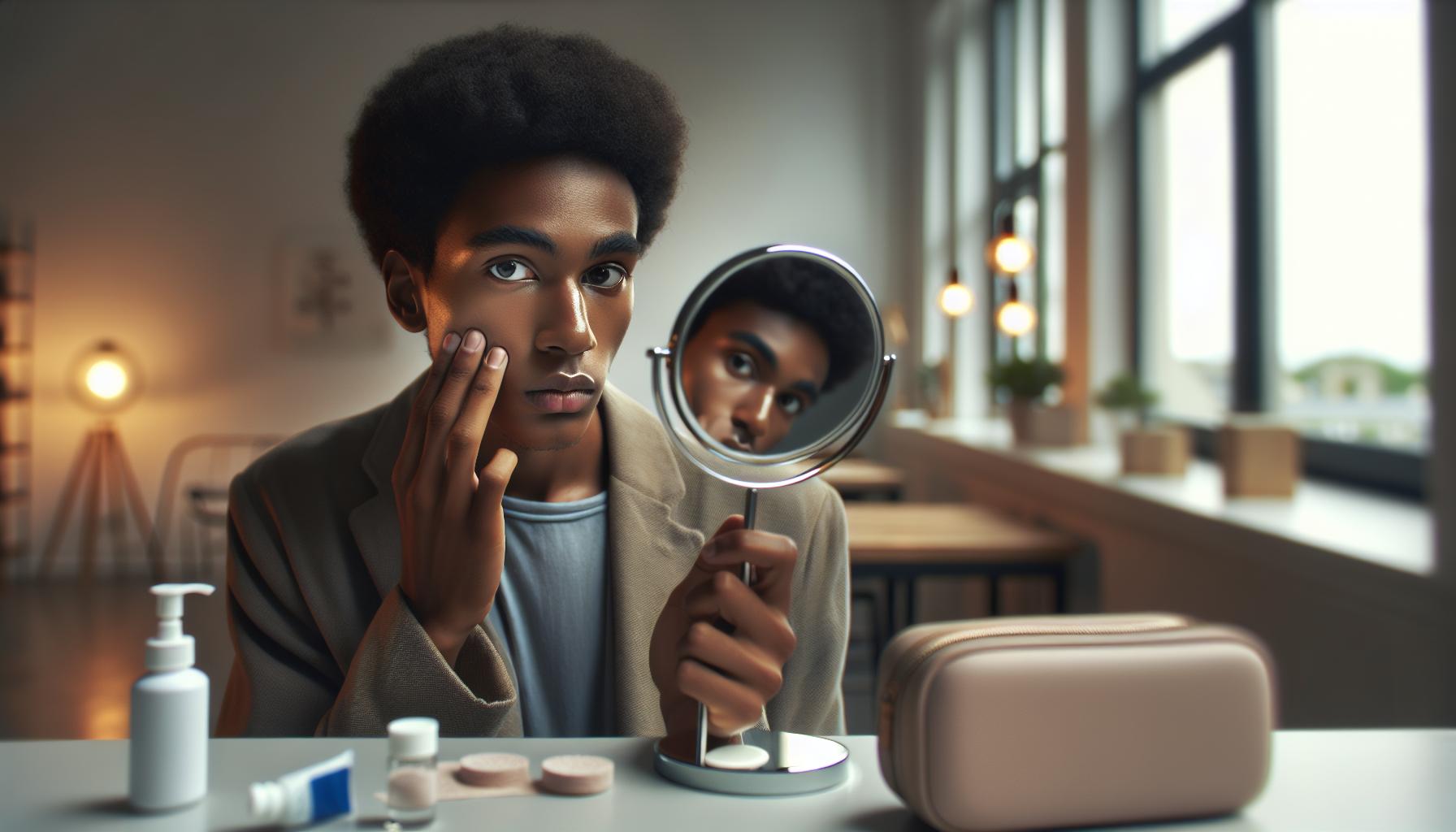
Eye styes are commonly misunderstood, often leading to questions regarding the need for medical intervention, particularly antibiotics. While many styes are self-limiting and may resolve without treatment, understanding when antibiotics are necessary can help prevent further complications and ensure quicker recovery.
In cases where a stye is particularly painful, swollen, or exhibits signs of secondary infection-such as increased redness, warmth, or discharge-antibiotics may be warranted. These symptoms indicate that the infection could have spread or worsened, necessitating medical assessment. If you also experience systemic symptoms like fever, or if the stye persists beyond a week despite home care, consulting a healthcare professional is essential. They can determine whether the stye is complicated by other issues, such as blepharitis or a blocked gland.
For uncomplicated styes, over-the-counter treatments are often the preferred initial approach. Warm compresses can help expedite the natural drainage process, providing relief and reducing discomfort. However, if a stye does not respond to these home remedies or if it becomes recurrent, your healthcare provider might prescribe topical or oral antibiotics to address the infection effectively. Always follow their recommendations, as some styes could require a more aggressive treatment plan to prevent further health complications.
In summary, while not all eye styes require antibiotics, being vigilant about the symptoms and seeking medical advice when necessary can lead to faster healing and a better overall outcome.
Effective Treatments: Home Remedies vs. Medical Options
Applying warm compresses directly to the affected area is one of the most effective first-line treatments for eye styes, often providing immediate relief from discomfort while promoting drainage. The heat can help increase circulation to the area, which may encourage the stye to rupture and drain on its own. Simply soak a clean cloth in warm water, wring it out, and place it over your closed eyelid for 10 to 15 minutes, repeating several times a day. This method is gentle yet effective, making it a popular choice for those seeking easy at-home care.
While home remedies can effectively manage mild styes, persistent or painful styes may require medical intervention. If symptoms escalate, or if you experience significant discomfort, your healthcare provider may prescribe antibiotics. These can be topical, applied directly to the eye, or oral, depending on the stye’s severity. Antibiotics can tackle potential bacterial infections that home treatments might not fully resolve, ensuring a more thorough recovery. It’s essential to follow your doctor’s instructions regarding medication, as some cases may necessitate further actions, such as incision and drainage by a professional to alleviate pain and pressure.
In addition to warm compresses and antibiotics, over-the-counter pain relievers like ibuprofen or acetaminophen can help reduce discomfort linked to styes, providing much-needed relief while your body works to heal. Maintaining good eyelid hygiene is crucial during this time. Gently cleaning the eyelids with mild soap and water or eyelid scrub pads can prevent further irritation or infection. Additionally, avoid wearing eye makeup or contact lenses until the stye resolves to reduce additional strain on your eyes.
Lastly, understanding that prevention is key can further help minimize the occurrence of styes. Ensure you’re keeping your eyelids clean, manage any underlying skin conditions like blepharitis, and be careful with cosmetics and makeup brushes. Integrating these practices into your daily routine not only protects against styes but can enhance your overall eye health, allowing you to enjoy clearer, more vibrant vision without interruption.
Preventing Eye Styes: Tips for Healthy Eyes
Understanding how to protect your eyes is crucial in preventing issues like styes, which can be both painful and inconvenient. A consistent eye care routine can significantly decrease your risk of developing these annoying lumps. Good hygiene practices and awareness of your environment play a vital role in maintaining healthy eyes.
Maintain Cleanliness
A primary step in prevention is keeping your eyelids clean. Gently wash your eyelids daily with a mild soap or a specialized eyelid scrub. This routine can help eliminate bacteria that contribute to stye formation. Additionally, avoid touching your eyes with unwashed hands, and regularly wash your face to clear away oil and debris that might irritate your eyelids.
Be Mindful of Cosmetics
Pay attention to how you use cosmetics and tools, as makeup can exacerbate eye health issues. Ensure that any makeup brushes or applicators are cleaned frequently to prevent bacterial buildup. Opt for hypoallergenic makeup when possible, and avoid sharing makeup with others. Furthermore, take extra care to remove all makeup before going to bed; this can prevent clogging of the eyelid glands, a common precursor to styes.
Manage Skin Conditions
If you have pre-existing skin conditions such as blepharitis or rosacea, managing these effectively is essential. Regular treatment and maintenance prescribed by your healthcare provider can minimize flare-ups and help keep your eyelids healthy. Incorporating soothing eye drops, as suggested by your doctor, can also keep your eyes clear of irritation.
- Avoid Contact Lenses: If you wear contacts, consider giving your eyes a break, especially during an outbreak of styes.
- Limit Eye Makeup: Reducing or eliminating eye makeup during certain periods can help your eyes breathe and heal.
- Healthy Diet: Incorporating vitamins A, C, and E into your diet can support overall eye health.
Finally, understanding your body and recognizing early signs of irritation allow for quicker action before a stye develops. Stay attuned to how your eyes feel, and don’t hesitate to reach out to a healthcare provider if anything seems off. Prioritizing eye care today can lead to clearer, more vibrant vision tomorrow.
Understanding Complications: When Styes Become Serious
When eye styes are not managed properly, they can escalate into more serious complications that may require medical intervention and sometimes even antibiotics. Although most styes are benign and resolve on their own, there are specific signs to watch for that signal a more severe issue. For instance, if you notice an increase in swelling, redness, or pus, it may indicate an infection that could necessitate antibiotics to prevent the condition from worsening.
Ignoring the signs of a serious stye can lead to what’s known as a chalazion, which occurs when the stye does not drain properly and becomes a larger cyst-like lump. This not only affects your appearance but can also lead to chronic irritation or discomfort. If a chalazion develops, it may require treatments beyond topical antibiotics, including potential surgical drainage by a healthcare professional.
Additionally, complications like orbital cellulitis are rare but serious. This condition arises when the infection spreads to the surrounding tissues of the eye, leading to severe swelling, pain, vision changes, and possibly fever. If you experience these symptoms, immediate medical attention is crucial, as this can escalate quickly and might require intravenous antibiotics to resolve effectively.
Regular monitoring and preventive care can ensure that most styes do not progress into complicated cases. Keeping up with good hygiene, managing underlying skin conditions, and seeking timely advice from healthcare professionals at the first sign of complications can safeguard your eye health.
The Role of Hygiene in Eye Care: Best Practices
To maintain healthy eyes and prevent conditions like styes, hygiene plays an essential role in your daily routine. Just as you wouldn’t neglect your skincare, your eye care deserves careful attention. Did you know that simple daily practices can significantly reduce your risk of developing eye infections and discomfort? By incorporating good hygiene habits into your life, you can protect your eyes and enhance your overall well-being.
Start with the basics: always wash your hands thoroughly before touching your face, especially your eyes. This simple gesture can prevent bacteria and oils from transferring to the delicate skin around your eyes, reducing the chances of clogged glands that lead to styes. Additionally, if you wear makeup, ensure that you clean your brushes regularly and never share cosmetics with others. A dedicated cleansing routine will minimize the risk of introducing harmful bacteria into your eye area.
For those who wear contact lenses, following precise care instructions is crucial. Always wash your hands before handling lenses, avoid wearing them while swimming or showering, and replace them as recommended. Adapting a routine that includes cleaning your lenses and using sterile solutions can help prevent irritation and infections. Furthermore, removing your makeup before bed allows your skin and eyes to breathe throughout the night, which is vital for overall health.
Another key practice to incorporate is the regular use of warm compresses on your eyelids. This can help maintain the balance of oils in the glands of your eyelids, reducing the likelihood of blockages. Use a clean cloth soaked in warm water, and gently place it over your eyes for five to ten minutes. This not only promotes relaxation but can also aid in clear drainage if any styes begin to form, potentially reducing discomfort before it escalates. By embracing these habits, you’re taking proactive steps toward maintaining healthy eyes and preventing potential issues that could require antibiotics or more intensive treatments down the line.
Alternative Therapies for Eye Styes: What Works?
Coping with an eye stye can feel uncomfortable and frustrating, but there are various alternative therapies that can help alleviate symptoms and promote healing. One of the most accessible and effective methods is the application of warm compresses. This technique not only offers immediate relief but also stimulates circulation and can help unblock glands in the eyelids-thereby encouraging the stye to drain naturally. Simply soak a clean cloth in warm (not hot) water, wring it out, and place it gently over the affected eye for 10 to 15 minutes, several times a day.
Another promising alternative is to incorporate teas known for their anti-inflammatory properties. Herbal teas like chamomile or green tea can serve dual purposes; brewed and cooled, they make excellent compresses when applied to the eye. Chamomile, for instance, also boasts soothing effects that can alleviate discomfort, while green tea has antioxidant properties that may support skin health.
In addition to these home remedies, essential oils may also provide relief; however, caution is warranted due to their potency. Oils such as lavender and tea tree oil have natural antibacterial properties. It’s crucial to dilute them properly with a carrier oil before application, and never apply essential oils directly to the skin around the eyes without professional guidance. You might consider using a diluted blend on a cotton pad as a gentle touch in the surrounding areas-not directly on the stye itself.
Beyond direct therapies, consider the wider context of your health and lifestyle. Regular stress management techniques such as yoga and meditation can enhance overall well-being and may reduce the frequency of stye occurrences by promoting healthier immune function. Lastly, attention to your diet can play a supporting role; foods rich in omega-3 fatty acids, such as salmon and walnuts, can help maintain skin health and reduce inflammation, contributing to a more resilient eye area.
Incorporating these alternative therapies not only empowers you to manage your eye health but also enhances your day-to-day routines with natural and gentle practices. Always consult a healthcare professional if symptoms persist or worsen, ensuring you receive the most appropriate care tailored to your needs.
The Impact of Diet on Eye Health: Foods to Consider
Maintaining optimal eye health goes beyond daily hygiene and regular check-ups; the foods you consume can play a significant role in preventing issues such as eye styes. Diets rich in specific vitamins and antioxidants not only support your overall well-being but also help bolster your immune system, potentially reducing the likelihood of infections that lead to styes. For example, foods high in omega-3 fatty acids, such as salmon, walnuts, and flaxseeds, can reduce inflammation and keep the skin surrounding the eyes healthy.
Incorporate a variety of colorful fruits and vegetables into your diet; these are packed with antioxidants that combat oxidative stress. Dark leafy greens like spinach and kale are particularly beneficial due to their high levels of vitamins C and E, which are known for their skin-repairing and immune-boosting properties. Additionally, sweet potatoes and carrots, rich in beta-carotene, can help maintain healthy skin, thereby supporting your eyes in resisting bacterial growth and infections.
Hydration is another crucial factor in eye health. Staying well-hydrated helps maintain tear production, keeping your eyes moist and preventing irritation that could lead to stye formation. Aim for a minimum of eight glasses of water a day, and consider adding hydrating foods such as cucumbers and oranges to your meals.
For an added boost, consider incorporating probiotics into your diet. Foods like yogurt and sauerkraut promote gut health, which is linked to improved immune function. A robust immune system may better fend off the bacteria that cause styes, making these foods a great addition to your routine. Remember, a well-balanced diet is not only good for your eyes but your overall health, empowering you to feel and look your best.
Myths and Facts About Eye Styes: Debunking Misconceptions
Misunderstandings about eye styes can frequently lead to confusion and fear, especially regarding their treatment. One common misconception is that all styes require antibiotics. While bacterial infection is often the root cause of styes, many cases can resolve on their own without the need for medication. Using warm compresses can effectively alleviate discomfort and promote drainage, allowing the body’s natural healing process to take over. It’s essential to remember that every individual’s response to treatment can differ, and sometimes waiting a few days can reveal whether medical intervention is necessary.
Another myth surrounding styes is that they are contagious. This is not true. Styes are typically caused by blocked glands or bacteria that originate from within your own body. Good hygiene practices are crucial to preventing them, but you won’t spread a stye to someone else simply by being near them. This belief can lead to unnecessary social anxiety for those experiencing a stye, making it essential to clarify that styes are a personal issue relating to one’s health rather than a communicable sickness.
Furthermore, some people might think that squeezing or popping a stye will speed up healing. This is a dangerous myth. Attempting to pop a stye can lead to further infection, scarring, or even complications such as keratitis or more severe eye issues. Instead, employing gentle home remedies such as warm compresses and maintaining eye hygiene should be prioritized. If a stye persists for more than a week, it’s wise to consult a healthcare provider who can assess whether prescription medication or a different treatment is warranted.
Understanding these myths allows us to approach eye care with better awareness and practices. Keeping informed helps you make educated decisions about your health, alleviating anxiety and promoting confidence in how you address such common yet bothersome conditions.
FAQ
Q: What are the common treatments for eye styes without antibiotics?
A: Common treatments for eye styes without antibiotics include warm compresses to reduce swelling, over-the-counter pain relievers for discomfort, and maintaining eyelid hygiene. Gentle cleaning with mild soap can help, as well as avoiding eye makeup during an active stye.
Q: Can a stye resolve on its own, or do I need to see a doctor?
A: Yes, a stye can resolve on its own within a week or two. However, if it persists, worsens, or is accompanied by fever or vision changes, seeking medical advice is recommended. Early intervention may prevent complications.
Q: How can I prevent eye styes from recurring?
A: To prevent recurring eye styes, practice good eyelid hygiene by regularly cleaning your eyes and face. Avoid touching your eyes with unwashed hands and consider managing stress, as it’s a contributing factor for some individuals.
Q: What should I avoid doing if I have a stye?
A: Avoid squeezing or popping a stye, as this can lead to infection or further irritation. Additionally, refrain from wearing contact lenses or eye makeup until the stye heals to prevent further complications.
Q: Are there any dietary tips that can help reduce the likelihood of styes?
A: Incorporating foods rich in omega-3 fatty acids, such as fish or flaxseeds, may promote eye health. Staying hydrated and maintaining a balanced diet can also support immune function, possibly reducing the risk of styes.
Q: When should I consider using home remedies for a stye instead of antibiotics?
A: Home remedies like warm compresses are usually sufficient for mild styes. Antibiotics are typically considered when there’s persistent swelling, significant pain, or signs of an underlying infection that do not improve with home care.
Q: Can stres affect the likelihood of developing a stye?
A: Yes, stress can negatively impact your immune system, making you more susceptible to infections, including eyelid infections that can lead to styes. Effective stress management can help maintain overall eye health.
Q: What are the signs that a stye may be serious and require urgent care?
A: Signs that a stye may be serious include increasing pain, spreading redness or swelling beyond the eyelid, vision changes, or high fever. Immediate medical attention is advised if these symptoms occur.
Future Outlook
If you’re dealing with an eye stye and wondering whether antibiotics are necessary, remember that timely intervention can make a difference. While not all styes require medication, understanding when they do can help prevent complications. Be sure to check out our articles on effective home remedies and best practices for eye care to support your health journey.
Feeling empowered to handle your eye care? Don’t hesitate to explore our resources for skincare routines tailored specifically for women. For personalized advice, consider signing up for our newsletter or scheduling a consultation with one of our experts. Your health is paramount, and we’re here to guide you every step of the way!
Join the conversation-share your experiences in the comments below, and help others by spreading the knowledge. Together, we can navigate health and beauty concerns for a brighter, healthier future!