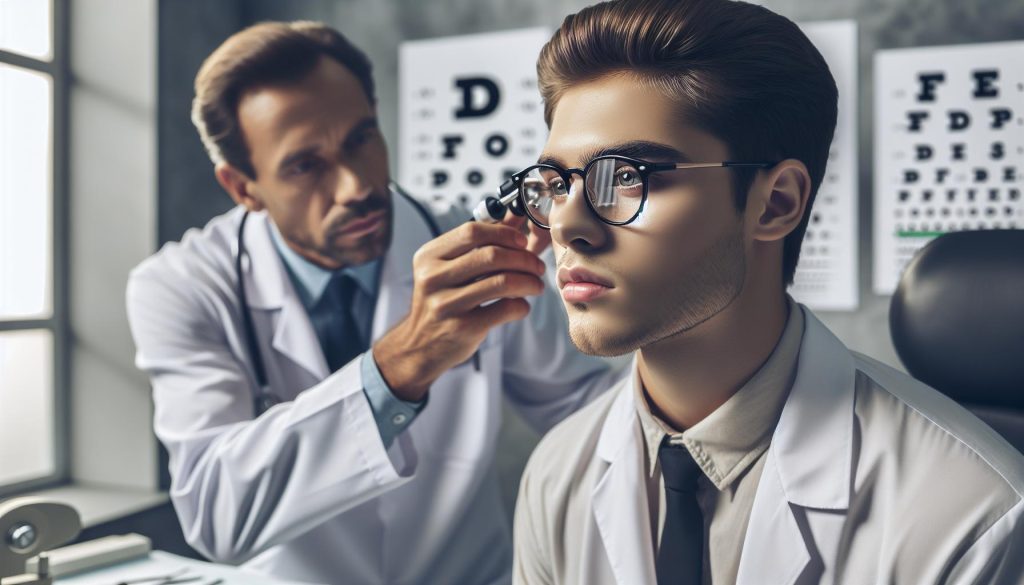
Did you know that eye styes are more common than you might think, affecting individuals of all ages? These painful bumps on the eyelid can not only be uncomfortable but can also raise concerns about proper treatment and care. Understanding whether a stye should pop and recognizing natural drainage options is crucial for managing symptoms effectively and preventing further irritation.
As you navigate the world of eye care, being informed about the warning signs of a stye and the best methods for relief can empower you to take charge of your health. This article will delve into the details surrounding eye styes, offering you practical advice and insights. You’ll discover when medical intervention is necessary and how to foster healing at home, allowing you to feel more comfortable and confident in your eye health journey. Continue reading to explore the ins and outs of styes and what you can do to alleviate their impact on your daily life.
Understanding Eye Styes: Causes and Symptoms
A common eye condition that often causes discomfort and concern is the eye stye, which appears as a small, red bump on the eyelid. Understanding the causes and symptoms of eye styes is essential for effective management and relief. Eye styes are primarily caused by the blockage of oil glands in the eyelid, often due to bacteria. This blockage leads to inflammation, resulting in a painful, swollen bump that can sometimes resemble a pimple.
Symptoms typically include a tender area on the eyelid, redness, swelling, and potential discharge if the stye begins to drain. You might also experience a sensation of grittiness in your eye, or the feeling that something is stuck in your eyelid. As the stye develops, it may become increasingly painful and sensitive, affecting your daily activities, especially when applying makeup or wearing contact lenses. It’s essential to recognize these signs early for better management.
When dealing with an eye stye, the importance of self-care cannot be overstated. Warm compresses can help alleviate discomfort and promote healing by encouraging natural drainage. However, it’s vital to remember that while some styes may eventually drain on their own, attempting to pop or squeeze them can lead to further irritation or infection. Understanding these nuances empowers you to navigate the discomfort associated with styes while prioritizing your eye health.
Do Eye Styes Naturally Drain or Pop?
Experiencing an eye stye can feel frustrating and uncomfortable, especially when you’re unsure about its natural behavior. Many people often wonder if styes will drain or pop on their own and what to expect as they heal. Typically, a stye forms when an oil gland at the base of an eyelash becomes blocked, leading to inflammation and a buildup of fluid that can create visible bumps on the eyelid. Understanding the natural progression of a stye is key to managing it effectively.
In many cases, eye styes can indeed drain naturally. They often go through a lifecycle of swelling, becoming tender, and possibly discharging pus before healing. Applying a warm compress to the affected area can encourage this natural drainage process. The heat helps to soften the oil blocking the gland and can expedite healing, allowing the stye to mature and eventually burst on its own. However, it’s crucial to resist the urge to pop or squeeze the stye manually. This can not only exacerbate the inflammation but also introduce bacteria, leading to further complications such as infection.
You may notice warning signs that indicate a stye is on the verge of draining. Symptoms like increased tenderness, a change in color (often to a white or yellow tip), or the formation of a small pimple-like bump are common indicators. If these signs are present, continuing to apply warm compresses can provide comfort and promote proper drainage. If you observe that the stye doesn’t improve after a few days or exhibits signs of infection-such as increased redness or persistent pain-consulting a healthcare professional is advisable for possible treatment options.
Overall, while eye styes can drain naturally, patience is essential. Understanding how to support your body through this process might just ease the discomfort and help you resume your normal activities quicker. Prioritizing eye hygiene and taking care to avoid irritating the stye will empower you to navigate this situation with confidence.
When to Seek Medical Attention for Eye Styes

Experiencing discomfort from an eye stye often raises concerns about whether professional medical help is needed. While many styes can resolve on their own, there are specific situations where seeking medical attention becomes essential. Knowing when to take that step can help prevent complications and ensure timely treatment.
If a stye persists and does not show signs of improvement after a few days of home care-such as warm compresses and careful hygiene-it’s time to consult a healthcare professional. Styes may sometimes indicate an underlying infection or other skin issues that require medical intervention. Additionally, if you notice extreme pain or swelling that extends beyond the eyelid, these may be indicators of a more serious condition warranting immediate evaluation.
Another crucial aspect to consider is the presence of systemic symptoms. If a stye is accompanied by fever or if your eyelid becomes red and looks significantly inflamed, it could signal an infection that needs treatment. Persistent irritation or changes in your vision also necessitate a doctor’s visit. Remember, prioritizing your eye health not only helps in relieving discomfort but also prevents potential complications, ensuring that your overall well-being remains intact.
In summary, keeping an eye on the symptoms and their progression is vital. Should the stye exhibit signs of infection or if it fails to improve, don’t hesitate to reach out to a healthcare provider. Early intervention can make a notable difference in your comfort and help you regain the clear, healthy vision you deserve.
Home Remedies for Treating Eye Styes

A gentle, warm compress is one of the most effective . This method not only helps to soothe discomfort but can also encourage the stye to drain naturally. Simply soak a clean cloth in warm water, wring out the excess, and place it over the affected eye for about 10 to 15 minutes. Repeat this process several times a day. The heat stimulates blood circulation and can help the stye to mature, potentially allowing for easier drainage.
Another remedy involves using tea bags, especially black tea or chamomile. Both types of tea have natural anti-inflammatory properties. After steeping a tea bag in hot water, allow it to cool slightly before placing it on the stye. This can help reduce swelling and promote healing. Additionally, the tannins in black tea can help disinfect the area and prevent infection.
Maintaining proper hygiene is equally crucial. Make sure to wash your hands thoroughly before touching your face or eyes. You can also use mild, fragrance-free cleansers to clean the eyelid and remove any crust that might form due to the stye. Avoid wearing eye makeup until the stye has completely resolved, as this can irritate the area further.
Finally, consider using over-the-counter pain relief if the stye causes considerable discomfort. Ibuprofen or acetaminophen can alleviate pain, making it easier to manage daily activities while healing. Remember, while home remedies can be effective, it’s essential to monitor the stye’s progression and consult a healthcare professional if symptoms do not improve or worsen.
Preventing Eye Styes: Essential Care Tips

Red flags should not be ignored when it comes to eye care, as they can lead to discomfort and irritation quite swiftly. To help keep those pesky styes at bay, adopting some essential care tips can make a significant difference in maintaining eye health. A key aspect is hygiene-keeping your hands clean is non-negotiable. Always wash your hands thoroughly before touching your face or applying any products around your eyes. This simple step can help prevent bacteria from entering the delicate area around your eyelids, where styes can easily develop.
Incorporating a gentle skincare routine specifically for your eye area can also be beneficial. Using mild, fragrance-free cleansers to wipe away any dirt or oil that accumulates on the eyelids is advisable. This will not only help prevent clogged glands that lead to styes but also promote overall eye comfort. Additionally, consider avoiding heavy makeup products around your eyes, as they can contribute to irritation and make your eyelids more prone to infections. If you do wear makeup, ensure that it is non-comedogenic and give your eyelids a clean sweep at the end of the day.
Diet plays an important role as well. Consuming a balanced diet rich in vitamins A, C, and E can support eye health by helping to strengthen the immune system and maintain skin integrity. Foods like carrots, leafy greens, and nuts should be staples in your diet. Staying hydrated will also keep your skin healthy and resilient against irritants.
Lastly, regular eye check-ups with your healthcare provider can help identify potential issues before they escalate. If styes become recurrent, speak with an eye care professional about potential underlying causes, which could include conditions like blepharitis or meibomian gland dysfunction. By taking proactive steps to maintain eye hygiene and overall health, you can empower yourself against the discomfort and annoyance of eye styes.
Signs That an Eye Stye is Infected
A noticeable change in a stye can be alarming, and understanding the signs of infection is crucial for timely intervention. Typically, an eye stye appears as a red, swollen lump on the eyelid, resembling a pimple. However, when infection sets in, you may observe several concerning symptoms. If you experience increasing pain, especially if the area becomes tender to the touch, this could indicate that the stye is becoming infected. Pay attention to the development of yellow or white pus at the center of the stye, which is often a sign that it is nearing rupture.
In addition to local symptoms, look for systemic signs of infection. These can include redness spreading beyond the stye itself, swelling that affects adjacent areas of the eyelid or even the entire eye, and increased warmth in the affected region. If you begin to notice these signs along with blurred vision or sensitivity to light, it is imperative to consult a healthcare provider promptly. Fever can also be a worrying sign; if you find yourself experiencing a fever alongside stye symptoms, seek medical advice immediately, as this could indicate a more serious infection.
To manage symptoms while waiting for professional advice, maintain strict hygiene. Avoid touching your eyes and refrain from popping the stye, as this can introduce bacteria and worsen the infection. Instead, applying a warm compress for at least 10 to 15 minutes, several times a day, can help soothe discomfort and encourage drainage without risking inflammation. By recognizing these signs early and adhering to proper care tips, you can help mitigate the effects of an infected stye and promote faster healing.
The Role of Hygiene in Eye Health
Maintaining proper hygiene is crucial for overall eye health, especially when it comes to preventing and managing eye styes. Styes occur when the eyelid glands become clogged or infected, often leading to painful swelling and discomfort. By implementing simple yet effective hygiene practices, you can significantly reduce your risk of developing styes and promote healing if one does occur.
To begin, always wash your hands thoroughly before touching your face or eyes. This simple step helps eliminate the bacteria that can contribute to infection. Additionally, it’s essential to avoid rubbing your eyes, as this can introduce dirt and germs that exacerbate irritation and infection. Instead, if you feel an itch or notice discomfort, try using a clean tissue to gently dab rather than rub.
Recognizing the importance of makeup hygiene cannot be understated. Ensure that you regularly clean your makeup brushes and replace any eye makeup that has expired or been used for more than three months. Old or contaminated products can harbor bacteria that lead to infections, including styes. Also, always remove makeup thoroughly before bed using a gentle cleanser, as any residue left on the eyelids can obstruct glands and lead to blockages.
Lastly, nourishing your body with a balanced diet rich in vitamins A, C, and E can support skin health, including the delicate area around your eyes. Foods such as carrots, spinach, almonds, and citrus fruits can enhance your body’s immune response and keep your skin and eyelids resilient against infections.
By prioritizing hygiene and taking proactive steps in your daily routine, you empower yourself to maintain optimal eye health and minimize the occurrence of bothersome styes.
Different Types of Eye Styes Explained
Understanding the different types of eye styes can empower you to recognize and properly address the discomfort they cause. Styes, medically known as hordeola, typically arise due to blocked or infected oil glands in the eyelids. They manifest in a few distinct types, each presenting unique characteristics.
The most common type is the external stye, which appears on the outer edge of the eyelid. It typically feels like a painful lump or bump and can be visually similar to a pimple. External styes are often red and swollen, and while they can sometimes drain naturally, they may take several days to resolve without treatment.
In contrast, internal styes occur on the inner part of the eyelid, usually near the eyelashes. These types are less common but can be more uncomfortable because they can irritate the eye’s surface. Internal styes are caused by the blockage of meibomian glands, which produce the oily part of tears, and may take longer to heal, often requiring medical intervention.
Lastly, there are chronic styes, which refer to recurrences or persistent lumps that might be mistaken for styes but are often more complicated. They can be associated with underlying conditions such as blepharitis or seborrheic dermatitis and may require more extensive treatment or management.
Recognizing these variations not only aids in understanding the discomfort caused by styes but also highlights the importance of seeking appropriate medical advice when necessary. If a stye lasts longer than a week, is exceedingly painful, or is accompanied by changes in vision, it’s crucial to consult a healthcare professional for a tailored treatment approach. By staying informed, you can take proactive steps to manage your eye health effectively.
Eye Stye vs. Chalazion: Key Differences
Understanding the distinctions between an eye stye and a chalazion can significantly enhance your ability to address and manage these common eyelid issues. Although they may appear similar at first glance, their causes, symptoms, and treatment approaches differ greatly, making it essential to recognize each condition accurately.
An eye stye, or hordeolum, is typically caused by a bacterial infection that leads to inflammation of the oil glands in your eyelid. It manifests as a painful red bump on the edge of the eyelid, often resembling a pimple. Styes are usually tender to the touch and may cause additional discomfort, such as tearing or sensitivity to light. In contrast, a chalazion is a blockage of the meibomian gland, which produces the oily component of tears. Unlike styes, chalazia tend to develop more gradually and are usually not painful. They may appear as a firm, painless lump on the eyelid and can sometimes cause mild discomfort or a feeling of heaviness.
Recognizing these differences is crucial in determining the appropriate course of action for treatment. Styes may often drain on their own, while chalazia can persist if left untreated. It’s common for a chalazion to require more proactive measures, such as warm compresses or, in some cases, medical intervention to relieve the blockage.
Understanding these nuances helps you take appropriate measures when faced with eyelid issues. If you notice a painful lump that isn’t improving within a few days or a lump that persists for weeks without signs of resolution, it’s advisable to consult a healthcare professional. Making informed decisions about your eye health can lead to quicker relief and peace of mind.
What to Avoid When You Have an Eye Stye
When dealing with an eye stye, it’s essential to know what actions to avoid to facilitate healing and prevent further irritation or infection. Many people may be tempted to pop or squeeze a stye, thinking it might relieve pressure; however, this approach can lead to complications. Popping a stye can cause bacteria to spread to surrounding areas, resulting in increased inflammation or even a more serious infection. Instead, let nature take its course, as styes often drain and heal on their own.
Another common pitfall is neglecting proper hygiene practices. Avoid touching or rubbing your eyes, especially with unwashed hands. This not only exacerbates the problem but can introduce more bacteria into the already affected area. It’s crucial to clean the eyelid and the area around it gently with warm water and a mild, non-irritating soap. Make sure to use clean towels and avoid sharing personal items like washcloths or make-up products, as this can further spread infection.
Using makeup or other cosmetic products while you have a stye is also unwise. This includes eyeliner, mascara, and eyeshadow, which can irritate the stye and may lead to additional infection. It’s best to steer clear of such products until the stye has completely healed to avoid aggravating the situation and to allow your skin to breathe and recover.
Lastly, it’s advisable to avoid harsh or irritating substances such as contact lens solutions or eye drops that are not specifically meant to treat styes. Always consult a healthcare professional if you’re unsure about the best products to use or if your condition worsens. By steering clear of these common missteps, you can help facilitate the healing process and reduce the likelihood of future styes.
Professional Treatments for Persistent Eye Styes
While many eye styes resolve with time and conservative care, some cases require more targeted medical intervention, particularly when symptoms persist or worsen. Understanding the treatments available can empower you to seek the help you need while contributing to your eye health.
Professional treatments typically begin with a visit to an eye care specialist, such as an ophthalmologist. They will assess the stye and determine if it has become infected or if a more serious underlying issue is present. If your stye does not drain naturally or continues to cause pain or discomfort, your doctor may recommend a course of antibiotics. These can be prescribed in oral form or as topical ointments, depending on the severity of the infection.
For styes that remain stubbornly closed or are particularly large, a minor surgical procedure might be indicated. This involves the careful drainage of the stye, which can provide immediate relief and promote healing. The procedure is generally simple, often performed in the office under local anesthesia. Post-drainage care is crucial: follow your doctor’s instructions diligently to reduce the risk of recurring styes and keep the area clean.
In some instances, persistent styes can signal an issue with the eyelid glands. This may mean that ongoing management is required, which can include regular warm compresses, eyelid scrubs, or even a more structured hygiene regimen. If you have chronic issues with styes, discussing lifestyle and cosmetic product choices with your provider may also lead to valuable insights on minimizing future occurrences.
Ultimately, the key to effective treatment is collaboration with a knowledgeable healthcare provider who understands the nuances of eye health. Engaging in open discussions about your symptoms and concerns ensures that you receive the best care tailored to your needs and lifestyle, paving the way to healthier, more comfortable eyes.
Emotional Impact of Eye Styes: Dealing with Discomfort
Experiencing an eye stye can be more than just a physical discomfort; it can also take an emotional toll. The visible swelling and redness not only make you feel self-conscious but may also lead to feelings of frustration and anxiety. This is particularly true in a world where appearance often affects our confidence and interactions. Understanding that these feelings are valid and common is the first step in addressing the emotional impact of eye styes.
When dealing with a stye, it’s essential to find ways to manage the discomfort it brings. Begin by implementing simple home remedies such as warm compresses that can reduce inflammation and promote healing. Taking time for self-care routines, such as gently cleaning the eyelid area and using soothing eye drops, can also provide comfort. Pairing these physical treatments with relaxation techniques can help mitigate stress. Practices like deep breathing, meditation, or engaging in enjoyable activities can lift your spirits and help you cope with the distressing aspects of having a stye.
Moreover, talking to friends or family members about your experience can provide emotional relief. Sharing your challenges not only helps you feel understood but may also lead to practical advice or encouragement from those who have dealt with similar issues. Remember, you’re not alone in this; many people face the discomfort of eye styes, and connecting with others can make a significant difference.
When it comes to managing the emotional impact, it’s essential to consider your overall eye health and wellness. Incorporating healthy habits into your lifestyle-such as a balanced diet, staying hydrated, and maintaining good hygiene-can strengthen your immune system and reduce the likelihood of future styes. Empower yourself with knowledge about prevention and care, as this can provide a sense of control and promote positive emotional well-being in the face of discomfort. By proactively addressing both the physical and emotional aspects of eye styes, you’re setting yourself up for a more balanced and healthier life.
Frequently asked questions
Q: What causes eye styes to form?
A: Eye styes are typically caused by bacterial infections that block the oil glands in the eyelid, often linked to conditions like blepharitis or poor eyelid hygiene. Maintaining proper eyelid cleanliness can help prevent stye formation.
Q: How long does it take for an eye stye to drain naturally?
A: Most eye styes will naturally drain within 5 to 7 days. If you notice persistent swelling or discomfort beyond this period, consult a healthcare professional for evaluation, as it may require treatment.
Q: Are there any warning signs that my eye stye is worsening?
A: Warning signs indicating a worsening stye include increasing redness, swelling, intense pain, or the presence of pus. If these symptoms occur, it’s crucial to seek medical attention to prevent complications.
Q: Can I pop an eye stye myself?
A: It’s not recommended to pop an eye stye yourself. Attempting to do so can worsen the infection, lead to spreading bacteria, or cause scarring. Instead, let it drain naturally or consult a healthcare provider.
Q: What home remedies can help with painful eye styes?
A: Warm compresses applied for 10-15 minutes several times a day can help reduce pain and encourage drainage. Avoid touching or rubbing the stye to minimize irritation.
Q: How can I prevent eye styes from recurring?
A: Maintaining good eyelid hygiene, especially if you’re prone to styes, can help prevent recurrence. Regularly wash your eyelids with a gentle cleanser, avoid sharing eye cosmetics, and remove makeup before sleeping.
Q: Should I see a doctor for an eye stye?
A: Yes, you should see a doctor if your stye doesn’t improve after a week, if it worsens, or if you experience vision changes. Professional treatment may include drainage or prescription medication.
Q: What is the difference between a stye and a chalazion?
A: A stye is an infected oil gland that causes red, painful swelling, while a chalazion is a blockage of an oil gland that is usually painless and forms a firm lump. Understanding these differences can guide appropriate treatment approaches.
In Summary
While eye styes typically resolve naturally, understanding their signs and managing symptoms promptly is crucial for your eye health. Don’t wait to address potential discomfort-if you notice persistent swelling or pain, consider seeking professional advice. For immediate care, explore our guide on effective at-home remedies for eye styes that can provide relief and support the healing process.
For more in-depth insights, check out our articles on maintaining eye health and differentiating between styes and other eye conditions to empower your knowledge. Stay informed and proactive by subscribing to our newsletter for expert tips and holistic eye care solutions. Your eye health matters, and taking action today can pave the way for clearer vision tomorrow! Share your thoughts or experiences with us in the comments below; we love hearing from our community.