A stye, often appearing as a painful lump at the edge of your eyelid, can lead to noticeable swelling and discomfort that disrupts your daily life. Understanding the causes and signs of a stye is crucial, especially since their irritation can impact your vision and self-confidence. Fortunately, there are effective remedies and preventative measures available to alleviate symptoms and promote healing.
If you’ve ever battled with red, swollen eyes that make you feel self-conscious, you’re not alone. Many people experience styes at some point, and knowing how to address them quickly can restore your comfort and well-being. In this article, we’ll explore the telltale signs of a stye, its effects on your eye, and practical, fast-acting remedies to help you feel like yourself again. Let’s dive into how you can tackle this common yet bothersome issue!
Does a Stye Cause Eye Swelling? Understanding the Symptoms
A stye, often characterized by a painful lump on the eyelid, frequently leads to noticeable eye swelling. This occurs as a reaction to the inflammation caused by the bacterial infection of the oil-producing glands at the base of the eyelashes. The swelling can create discomfort and affect your ability to see clearly, sometimes leading to more significant eye irritation. Typically appearing as a red or swollen bump near the edge of your eyelid, styes can resemble boils or pimples and often accumulate pus, intensifying both the physical and aesthetic impact on your eye.
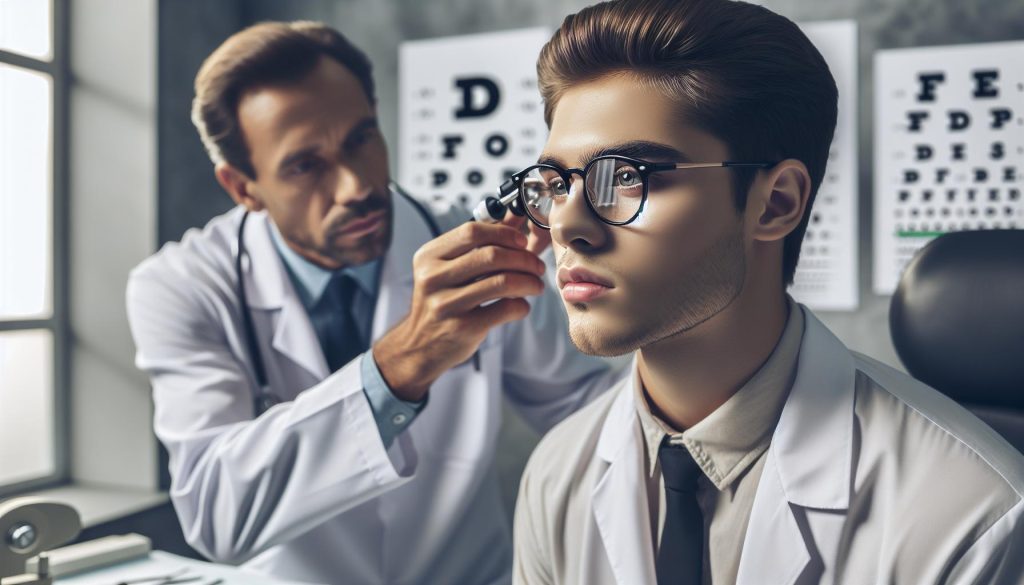
In addition to swelling, styes can bring other distinct symptoms including redness, tenderness, and pus accumulation. You might also experience a gritty sensation or increased tearing, making it important to address these symptoms proactively. It’s crucial to differentiate a stye from other conditions such as chalazia or other types of eyelid infections, as their treatment and management may differ. A stye usually resolves on its own within a week, but if swelling persists or worsens, seeking medical advice is recommended.
For immediate relief, consider applying a warm compress to the affected area. This can help reduce swelling, foster drainage, and soothe discomfort. It’s effortless to do: soak a clean cloth in warm water, wring it out, and gently press it against your closed eyelid for about 10-15 minutes. Repeating this several times a day can promote healing. Moreover, maintaining good hygiene is fundamental in preventing further irritation and the spread of bacteria. Always wash your hands thoroughly before touching your face, especially your eyes.
If you find that the stye does not improve within a couple of days, or if swelling increases significantly, it’s best to consult an eye care provider. They can recommend appropriate treatments or prescribe medication if necessary. Remember, while styes are common and generally benign, being mindful of your symptoms is the first step to ensuring your eye health remains a priority.
Identifying Key Signs of a Stye
Identifying the signs of a stye is essential for effective management and treatment. Often, the most noticeable symptom is a painful lump on or near the edge of your eyelid, which may resemble a pimple or boil. This lump is usually red and swollen due to the inflammation caused by a bacterial infection of the oil glands-an occurrence that can develop quickly and unexpectedly, often bringing with it discomfort.
Aside from the visible bump, you might experience tenderness around the affected area that can make blinking or even just moving your eyelids feel sore. Redness is another hallmark sign of a stye. The skin surrounding the stye may appear irritated, and the lump itself can have a yellowish tip indicating pus formation. Sometimes, you may also notice an increase in tearing or a gritty sensation in your eye, which can be bothersome and distracting as you go about your daily activities.
In some cases, you might encounter additional symptoms like sensitivity to light or a feeling of pressure in and around the eyelid. These symptoms can often lead to confusion, as they overlap with those of other eye conditions. Observing these signs closely can help you differentiate a stye from more severe problems like chalazia or eyelid infections. Remember, while styes are generally non-threatening, they can lead to significant discomfort, which is why rapid recognition and response are key.
When to Seek Medical Attention for a Stye
It can be alarming to notice a painful bump on your eyelid, especially if it’s affecting your vision or daily activities. While most styes resolve on their own, certain signs indicate when medical attention may be necessary. If you experience significant swelling that extends beyond the stye itself, leading to discomfort or difficulty opening your eye, it’s wise to consult a healthcare professional. This can be particularly important if the swelling continues to worsen or becomes accompanied by other concerning symptoms.
A stye that lasts longer than a week without signs of improvement warrants a visit to your doctor. Persistent pain, increased redness, or the development of a fever can signal a more serious infection that needs antibiotics. If you notice changes in your vision, such as blurriness or double vision, it’s essential to seek immediate medical advice, as this could indicate an infection spreading to deeper structures of the eye.
In some cases, individuals with recurrent styes may benefit from a thorough evaluation for underlying issues that may predispose them to eyelid infections. Conditions such as blepharitis or skin conditions affecting the eyelid can contribute to the frequency and severity of styes. If you find yourself consistently battling styes, discuss preventive strategies and treatments with your healthcare provider to develop a tailored approach to your eye health.
Recognizing these crucial signs can help ensure prompt treatment, minimizing discomfort and preventing complications that could affect your overall eye health. Always listen to your body and don’t hesitate to reach out for support when something feels off-your eyes deserve the best care possible.
Immediate Home Remedies for Stye Relief
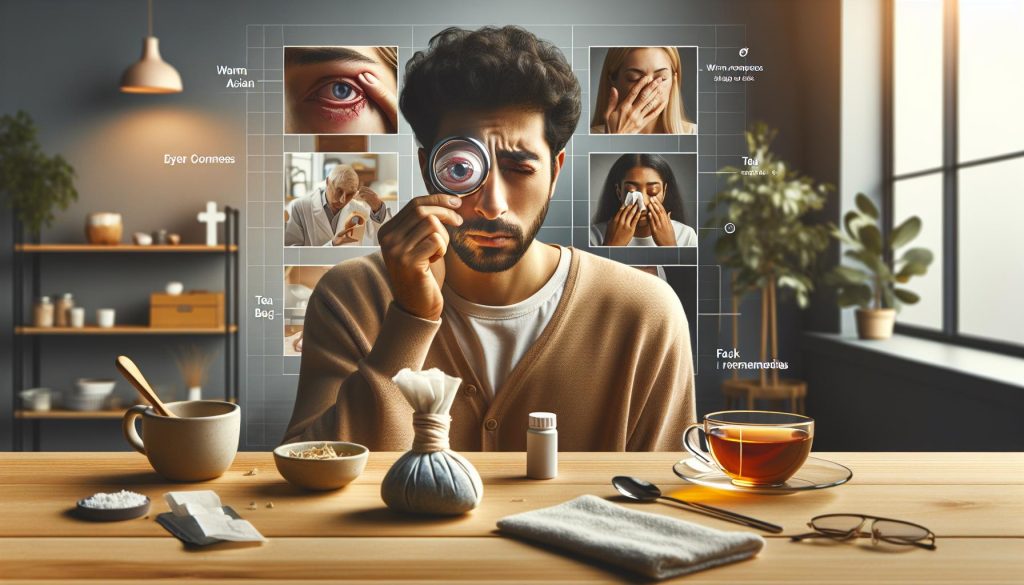
Often, the appearance of a stye can lead to discomfort, swelling, and frustration. Fortunately, immediate home remedies can provide significant relief and hasten the healing process. One of the simplest and most effective approaches is the use of warm compresses. These can be made effortlessly by soaking a clean washcloth in warm water, wringing it out slightly, and gently placing it on the affected eyelid for about 10 to 15 minutes. The warmth helps to increase blood circulation and promotes drainage, alleviating both pain and swelling. Aim to repeat this process a few times daily to encourage healing.
In addition to warm compresses, maintaining eyelid hygiene is crucial. Gently washing your eyelids with a mild soap or an eyelid scrub can help reduce bacteria and oily debris that may contribute to stye formation. It’s also advisable to avoid touching or rubbing your eyes, as this can exacerbate irritation or introduce additional bacteria. If cosmetics are part of your routine, consider pausing their use until the stye improves, as makeup can further irritate the area.
Natural remedies like tea bags can also be surprisingly effective. Used tea bags, particularly chamomile or green tea, have soothing properties due to their anti-inflammatory effects. After steeping, allow the tea bag to cool down to a comfortable temperature and then place it on your closed eyelid for about 10 to 15 minutes. This not only helps to relieve discomfort but can also reduce swelling thanks to the tannins present in the tea.
Finally, remember that while home remedies can be very effective, it’s crucial to monitor your symptoms. If you notice your stye worsens or isn’t improving within a few days, don’t hesitate to contact a healthcare professional for further evaluation. Taking prompt action can help mitigate discomfort and support your overall eye health.
Natural Treatments: Essential Oils and Compresses
Natural remedies can play a crucial role in alleviating the discomfort associated with styes and reducing the swelling that accompanies them. Essential oils, renowned for their therapeutic properties, can be utilized with care to provide relief. Tea tree oil is often highlighted for its potent antibacterial qualities, which can aid in combating the bacteria that contribute to stye formation. However, it should always be diluted with a carrier oil, such as coconut or almond oil, before application to prevent irritation to the sensitive skin around the eyes. Apply the mixture gently around the stye using a cotton swab, taking care to avoid direct contact with the eye.
Another comforting approach is the use of compresses infused with essential oils. Lavender oil, with its soothing and anti-inflammatory effects, can be blended with warm water for a fragrant compress. Simply add a few drops of the oil to a bowl of warm water, soak a clean cloth in the mixture, wring it out, and place it over your closed eye for 10-15 minutes. This not only provides relief from swelling but also promotes relaxation, helping to ease any anxiety related to the discomfort of the stye.
While essential oils can enhance your stye treatment routine, don’t overlook the classical method of warm compresses, which remain one of the most effective natural treatments. The application of heat encourages drainage of the blocked gland and relieves pain and swelling. Create a warm compress using a clean towel soaked in warm water, wring it out, and place it gently on the affected area for 10-15 minutes, repeating this several times a day. This simple yet effective remedy can significantly hasten the healing process.
As you explore these soothing options, it’s important to remain vigilant regarding your symptoms. If swelling persists or worsens, consulting a healthcare professional ensures that you receive the best care possible, helping you to quickly return to comfort and normalcy. Each step you take in managing your health, whether through self-care methods or professional advice, empowers you to take charge of your well-being.
Best Over-the-Counter Treatments for a Stye
When dealing with a stye, finding relief can often feel like a waiting game, but the right over-the-counter treatments can help alleviate discomfort and promote faster healing. These options not only focus on reducing inflammation but also on targeting the underlying causes of the stye.
Warm Compresses: While not a traditional over-the-counter medication, warm compresses are highly effective and can often be found as eye masks in pharmacies. Applying a warm compress for 10 to 15 minutes, several times a day, can help soothe the area, reduce swelling, and promote drainage of the blocked gland.
OTC Medications
There are a few over-the-counter products specifically formulated for eye health that can provide additional relief:
- Artificial Tears: These lubricating eye drops can help soothe irritation caused by a stye. They keep the eyes moist, which can be particularly comforting if you’re experiencing dryness as a symptom.
- Anti-Inflammatory Eye Drops: Some OTC drops contain mild anti-inflammatory ingredients. Look for options that offer relief from redness and swelling, but always ensure they are safe for use with styes.
Topical Treatments
A range of topical ointments can also be considered, though you should consult with a pharmacist to find options specifically safe for application near the eyes. Some formulations may contain ingredients like Bacitracin or Neomycin, which can help address bacterial infections that contribute to stye formation.
Before choosing any treatment, it’s important to stay informed about your specific needs. Always read product labels to ensure they are safe for use around the eyes and follow usage instructions carefully. If your stye does not improve with these treatments or worsens, seeking advice from a healthcare provider is essential, as they may recommend prescription options or other interventions. Empowering yourself with knowledge about effective treatments is key to managing this common condition.
Preventing Styes: Tips for Healthy Eyes
Taking proactive steps to maintain eye health can significantly reduce the likelihood of developing styes. These small, painful lumps on the eyelid can be not only uncomfortable but also a source of embarrassment. The good news is that many practices can be easily integrated into your daily routine to help prevent their occurrence.
A fundamental approach to preventing styes is to prioritize hygiene. Regularly washing your face, especially before bed, can help remove oils and bacteria that may contribute to clogged glands. Always use clean hands when touching your eyes or face to minimize the risk of transferring bacteria. Consider using hypoallergenic makeup and replacing eye makeup products every few months to avoid contamination. Additionally, ensure that any brushes or applicators are thoroughly cleaned to further reduce the chance of irritation or infection.
Nutrition plays a crucial role in overall eye health. Incorporating foods rich in vitamins A, C, and E, as well as omega-3 fatty acids, can support skin health around the eyes. Foods such as carrots, spinach, nuts, and fish are excellent choices. Staying hydrated is equally important, as proper hydration supports skin elasticity and overall health, maximizing your body’s ability to ward off infections.
Lastly, stress management is vital. Stress can weaken your immune system, making you more susceptible to infections, including those that lead to styes. Engage in regular physical activity, practice mindfulness, and ensure you’re getting adequate sleep to support your mental and physical well-being. By transforming these preventive measures into habits, you are investing in long-term eye health and reducing the frequency of uncomfortable styes.
The Role of Hygiene in Stye Prevention
Ensuring good hygiene is a cornerstone in the effective prevention of styes, which can result in uncomfortable swelling and irritation of the eye. Styes occur when the oil glands in the eyelid become clogged, often due to dirt, bacteria, or makeup residues. Taking proactive care of your personal hygiene not only keeps your eyelids clean but also significantly reduces the risk of developing these painful bumps.
Start with a consistent face washing routine. Using a gentle cleanser to wash your face morning and night can help remove excess oils and debris that facilitate the growth of bacteria. Pay particular attention to the eyelid area, as this tends to trap makeup and oils. In addition to washing your face, ensure that your hands are always clean before touching your face or applying makeup. An easy practice is to keep hand sanitizer on hand, especially when you’re out and about.
Makeup hygiene is equally crucial. Always remove your eye makeup thoroughly before bed; leftover products can result in clogged glands and infections. Invest in hypoallergenic products where possible, as they tend to irritate the skin less than regular makeup, reducing the likelihood of styes. Moreover, regularly replace old cosmetics and applicators (such as brushes and sponges) every few months to prevent the buildup of bacteria.
Lastly, consider the tools you use. Regularly disinfecting your makeup brushes and sponges can significantly lessen the risk of introducing bacteria to your eyelids. By making these hygiene practices a routine part of your daily life, you are reinforcing a barrier against styes, ensuring that your eyes remain healthy and vibrant. Remember, the small steps you take today can protect your eyes from discomfort tomorrow.
Understanding Stye vs. Other Eye Conditions
Understanding the nuances between a stye and other eye conditions is crucial for effective self-care. A stye, characterized by a painful, swollen lump on the eyelid, is often mistaken for other minor eyelid issues, such as chalazia, conjunctivitis, or even an allergic reaction. While styes typically arise from bacterial infections that affect oil glands, each of these conditions can present similar symptoms, making it essential to discern their specific signs.
Chalazia, for instance, may produce swelling and discomfort but are generally less painful than styes. They are a result of blocked oil glands and tend to form more gradually. In contrast, conjunctivitis-or pink eye-can lead to redness, discharge, and itchy eyes, often accompanied by a gritty feeling. Allergic reactions also present with redness and swelling but typically, these conditions are accompanied by other signs like sneezing or nasal congestion. Being aware of these differences helps you make informed choices about your care and when to seek professional advice.
If you find yourself grappling with any of these symptoms, consider the timeline and accompanying signs to guide your response. For example, if the swelling and discomfort intensify beyond a few days without improvement, it’s prudent to connect with a healthcare provider. In everyday life, maintaining good hygiene by regularly washing your hands and face can prevent the development of styes and other eye issues. Furthermore, avoiding sharing personal items, such as makeup tools or towels, serves as an effective barrier against potential irritants and infections.
Recognizing the specific characteristics of styes versus other eye conditions empowers you to take control of your eye health. By staying informed and attentive to your symptoms, you can navigate these common issues with greater ease and confidence, ensuring that your beautiful eyes remain well-cared for.
Debunking Common Myths about Styes
Styes often bring a mix of discomfort and confusion, not just due to their physical presence but also because of the many myths that circulate about them. One common misconception is that styes are easily cured by squeezing them. However, this action can worsen the infection, leading to increased swelling and discomfort, rather than providing relief. It’s essential to resist the urge to pop a stye, as squeezing it could result in further complications, including more severe infections or the spread of bacteria.
Another prevalent myth is that natural remedies are the best solution for stye treatment. While some may turn to home treatments thinking they can expedite healing, many natural remedies lack scientific support and may do more harm than good. For instance, using essential oils around sensitive areas like the eyes can irritate the skin and exacerbate the condition. Instead of relying on unproven methods, it’s more effective to use warm compresses several times a day, which can help in soothing the area and promoting drainage, potentially reducing both swelling and discomfort.
Moreover, some people mistakenly believe that styes are solely caused by poor hygiene. While bacterial infections are indeed a key factor, styes can also develop due to stress, hormonal changes, or existing skin conditions. Focusing solely on hygiene could overlook these contributing factors. This highlights the need for a holistic approach when it comes to prevention and care.
Lastly, many might assume that once a stye appears, it’s unavoidable and they will have to wait it out. While healing can take time, understanding the right preventive strategies and when to seek medical attention can make a significant difference in managing them effectively. Maintaining eye hygiene, avoiding touching or rubbing the eyes, and using clean makeup brushes are simple practices that can help protect your eye health. Always be mindful of your body’s signals, and don’t hesitate to seek professional guidance if symptoms worsen or do not improve within a few days. Educating yourself and debunking these myths is key to navigating eye health with confidence.
Caring for Your Eyes After a Stye Heals
is crucial for ensuring your eye health and preventing future occurrences. Once the stye has resolved, your eyelid may feel sensitive or slightly tender due to the irritation caused during the healing process. It’s essential to be gentle and mindful during this time to support recovery and maintain good hygiene.
To start, consider adopting a mild cleansing routine for your eyelids. Use a soft, clean washcloth or a gentle eyelid scrub specifically designed for sensitive skin. This can help remove any lingering crustiness or debris without causing further irritation. Make sure to use lukewarm water, as hot water can exacerbate sensitivity. A daily routine might include:
- Gently wash your eyelids with a diluted baby shampoo or an ophthalmologist-recommended eyelid scrub.
- Pat the area dry with a clean towel; avoid rubbing.
- Apply a soothing eye drop or lash serum if recommended by your eye care specialist to maintain moisture.
In addition to proper cleansing, maintaining good hygiene practices plays a key role in stye prevention. Always wash your hands before touching your face or eyes, and avoid sharing cosmetics and personal items like towels. When using makeup, it’s wise to switch to new products, especially eye makeup, after experiencing a stye. This precaution helps eliminate any bacteria that might linger in old products.
Another effective strategy for long-term eye health is to incorporate lifestyle changes that promote overall well-being. Regularly consuming a balanced diet rich in essential nutrients-such as omega-3 fatty acids, vitamins A and C, and antioxidants-can contribute to eye health. Foods like carrots, spinach, fish, and nuts not only benefit your eyes but also enhance your immune system, making you less susceptible to infections.
Lastly, while it’s easy to overlook, staying hydrated can significantly impact your skin and eye health. Drinking plenty of water keeps your body functioning optimally and aids in maintaining moisture levels in your skin, including the delicate area around your eyes. If you notice any abnormalities or recurring issues, don’t hesitate to consult with an eye care professional for tailored advice and potential preventative measures.
Lifestyle Changes to Support Eye Health
Making conscious lifestyle changes can significantly enhance your overall eye health, especially in preventing conditions like styes that cause discomfort and swelling. One of the most impactful adjustments you can make is to optimize your diet. Incorporating foods rich in omega-3 fatty acids, such as salmon, walnuts, and flaxseeds, supports the health of your tear film, ensuring that your eyes remain well-lubricated and less prone to infections. Similarly, vitamins A, C, and E are vital for maintaining the integrity of your eyes, so consider adding carrots, spinach, and citrus fruits to your meals for an extra boost.
Another key factor is proper hydration. Water plays an essential role in maintaining moisture levels not just in your skin but also around your delicate eyes. Aim to drink at least eight glasses of water a day, adapting as necessary depending on your activity level and climate. Staying hydrated not only improves eye moisture but can also aid in flushing out toxins that could contribute to infections like styes.
Additionally, establishing a consistent eye care routine can make a world of difference. Regularly cleansing your eyelids with a mild solution can prevent the buildup of oil and bacteria that often lead to styes. Using warm compresses can also help, not just for immediate relief during a stye outbreak but as a preventative measure to keep your oil glands functioning properly. You can even try incorporating gentle eyelid massages to promote drainage and circulation in the eyelid area.
Promoting a healthy lifestyle is also about managing stress, as high levels of stress can compromise your immune system, making you more susceptible to infections. Incorporating relaxation techniques such as yoga or mindfulness meditation can help you maintain a balanced state, thus improving your overall well-being, including eye health. Remember, your eyes are a reflection of your health, and nurturing them with thoughtful lifestyle choices will contribute to their longevity and functionality.
Faq
Q: Can a stye cause your eye to feel heavy?
A: Yes, a stye can make your eye feel heavy due to swelling and discomfort from the inflamed bump on the eyelid. This feeling is common as the stye puts pressure on the surrounding area, resulting in a sensation of heaviness.
Q: How can I tell if a stye is getting worse?
A: Signs that a stye is worsening include increased redness, swelling extending to the eyelid or surrounding areas, increased pain, discharge of pus, or changes in vision. If any of these symptoms occur, consult a healthcare provider promptly.
Q: Are there any quick home remedies for a stye?
A: Yes, quick home remedies include applying warm compresses to the affected eye for 10-15 minutes several times a day to reduce swelling and promote drainage. Keep the area clean and avoid squeezing the stye.
Q: What is the best over-the-counter treatment for a stye?
A: Over-the-counter treatments include antibiotic ointments or drops specifically designed for eye infections. Consult a pharmacist or eye care professional for recommendations based on your symptoms.
Q: Why do styes keep returning?
A: Styes may recur due to poor eyelid hygiene, blocked oil glands, or underlying skin conditions. Maintaining clean eyelids and avoiding touching your eyes can help reduce the risk of developing styes again.
Q: How long does it take for a stye to go away?
A: A stye typically resolves within 1 to 2 weeks. It’s important to avoid squeezing it, as this can worsen the infection or prolong healing. If it persists longer, consult a healthcare professional.
Q: Can I wear makeup with a stye?
A: It is best to avoid wearing makeup around the eyes while a stye is present. Doing so can irritate the area further and increase the risk of spreading bacteria, prolonging healing.
Q: What dietary changes can help prevent styes?
A: Consuming a balanced diet rich in vitamins A, C, and E, along with omega-3 fatty acids, may support eye health and reduce the risk of styes. Stay hydrated and limit sugar intake for optimal skin health.
In Conclusion
If you’ve learned that a stye can cause swelling and discomfort, immediate action is essential. Remember, warm compresses and proper hygiene are your first steps towards relief. For a deeper understanding of managing eye health, check out our guides on common eye infections and effective skincare routines – your eyes deserve the best care.
Don’t let uncertainty linger! If you’re anxious about persistent symptoms, consider consulting a healthcare professional for personalized advice tailored to your needs. Your health should always come first.
For more tips and tricks on maintaining radiant skin, subscribe to our newsletter and explore our extensive library of articles that address women’s health concerns. Engage with us in the comments below, sharing your experiences or asking any lingering questions. Your journey to healthy eyes starts here – let’s keep exploring together!