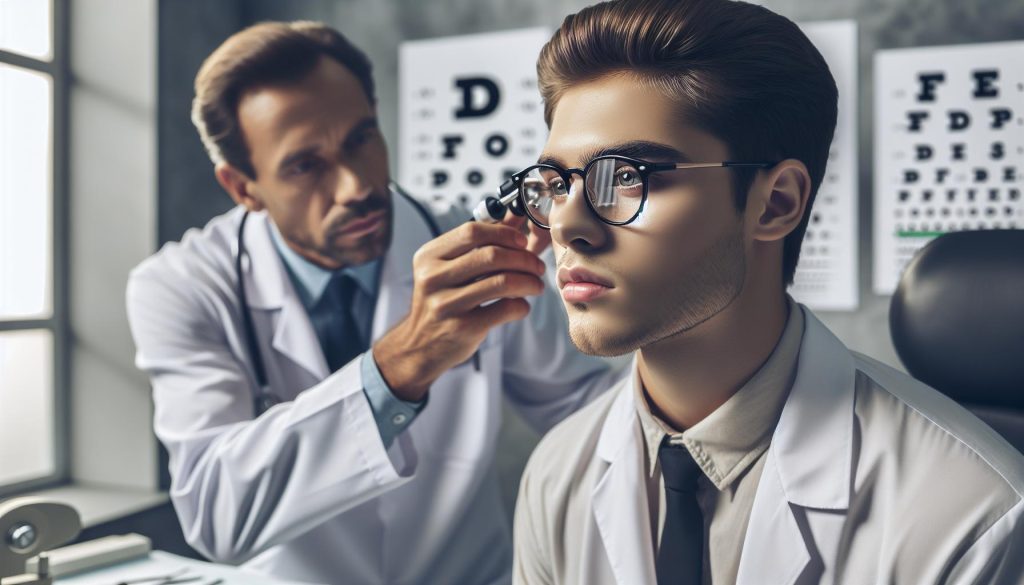
Did you know that a lack of sleep can lead not just to fatigue, but also to eye health issues like styes? Sleep is essential not only for our overall well-being but also for maintaining healthy eyes. When we skimp on rest, it can disrupt the body’s ability to fight off infections and maintain proper functions, making us more susceptible to conditions like styes.
If you’re someone who frequently deals with restless nights, understanding the connection between lack of sleep and eye health is crucial. You might be wondering how your evening routines or stress levels contribute to those pesky bumps on your eyelids. By exploring the relationship between sleep and eye care, you’ll uncover valuable insights that empower you to prioritize rest as a cornerstone of both beauty and health. So, let’s dive into the reasons why getting adequate sleep is not just a luxury, but a necessity for your well-being.
Understanding the Link Between Sleep and Eye Health

Sleep is essential not just for overall health, but specifically for maintaining eye health. While you may not immediately connect a lack of sleep with eye conditions, research increasingly suggests that poor sleep can contribute to various ocular issues, including the development of eye styes. When the body is deprived of adequate rest, it can experience increased stress and reduced immune function, both of which play significant roles in the health of your eyes.
When you don’t get enough sleep, your body is less capable of fighting off infections, making you more susceptible to conditions like styes, which are caused by blocked oil glands in the eyelids and often lead to painful swelling. Sleep deprivation may also result in increased inflammation, further exacerbating the risk of developing these common eye problems. Furthermore, fatigue can lead to rubbing your eyes more frequently, which introduces bacteria and irritants that could trigger a stye.
To support eye health and fight against conditions like styes, it’s important to establish a consistent sleep routine. Aim for at least seven to eight hours of restful sleep each night. Sleep hygiene practices such as maintaining a cool, dark sleeping environment and minimizing screen time before bed can also be beneficial. Incorporating relaxation techniques like deep breathing or gentle yoga can help reduce stress and promote better sleep, giving your eyes a chance to recover and remain healthy. In increasingly busy lives, prioritizing sleep is not just about feeling rested; it’s an investment in your overall eye health and well-being.
What is an Eye Stye? Symptoms and Causes
An eye stye is a common and often frustrating condition that can occur when the glands at the base of your eyelashes become blocked or infected. These small, red, and painful lumps typically appear on the outer edge of the eyelid and can be likened to a pimple or boil. While they are generally harmless and tend to resolve on their own, understanding their symptoms and causes is essential for effective management and prevention.
The typical symptoms of a stye include redness, swelling, and tenderness in the affected area. You may also experience discomfort, tearing, and a sensation of a foreign body in the eye. If the stye progresses, it might develop a yellowish tip, indicating pus accumulation. These symptoms are often exacerbated by lack of sleep, as fatigue can compromise your immune system and make it more challenging for your body to fight off minor infections.
Several factors contribute to the formation of styes, with one major culprit being poor hygiene. Touching your eyes with unwashed hands, wearing makeup for extended periods, or using old cosmetics can introduce bacteria to the eyelid area. Additionally, conditions like blepharitis (inflammation of the eyelid) or conjunctivitis can increase your risk. Stress, which can be magnified by insufficient rest, also plays a notable role in stye development. When you don’t prioritize your sleep, your body’s stress levels rise, leading to hormonal fluctuations that can disrupt normal gland function in the eyelids, further making you susceptible.
Promoting good practices can help reduce the likelihood of encountering a stye. Regularly cleaning your eyelids with a gentle cleanser, avoiding eye makeup when possible, and ensuring that your hands are washed before touching your face are solid preventive measures. Prioritizing rest not only enhances your overall well-being but also supports your body’s natural defenses, making it less likely to succumb to infections that lead to conditions like styes. By understanding the interplay between sleep, hygiene, and overall eye health, you can take actionable steps to keep your eyes looking and feeling their best.
How Sleep Deprivation Impacts Eye Health
Sleep is more than just a luxury; it’s a vital component of overall health, particularly when it comes to caring for your eyes. Insufficient sleep can lead to a range of issues that affect eye health, including increased susceptibility to infections such as styes. These small, painful lumps typically form when oil glands in the eyelids become blocked, and a weakened immune system due to fatigue can make anyone more prone to such conditions.
When your body is deprived of adequate rest, it struggles to function optimally. Sleep deprivation can lead to dry eyes, as prolonged wakefulness reduces tear production, leaving your eyes feeling scratchy and irritated. Additionally, without sufficient sleep, the body’s ability to fight off infection diminishes, increasing the risk of stye formation. Research indicates that lack of sleep elevates stress hormones, which can also contribute to inflammation and hinder the healing process, making it even harder for your body to combat minor infections.
A routine that prioritizes good sleep hygiene is crucial for maintaining your eye health. Strive for 7-9 hours of restful sleep each night and establish a calming bedtime regimen. Incorporating activities such as reading, gentle stretching, or practicing mindfulness can signal to your body that it’s time to wind down. Furthermore, consider reducing screen time before bed, as the blue light emitted from devices can interfere with natural sleep cycles.
To sum up, ensuring restful sleep not only supports overall well-being but directly impacts eye health. By being mindful of your sleep habits and prioritizing rest, you can empower yourself to naturally fend off conditions like styes while enjoying clearer, more vibrant eyes. Making sleep a priority in your routine fosters resilience in your eye health, allowing you to face daily challenges with clarity and comfort.
The Role of Stress in Stye Development

Excessive stress isn’t just a fleeting feeling; it can have a long-term impact on your physical health, especially when it comes to eye conditions like styes. Stress triggers the release of hormones such as cortisol, which, in turn, can lead to inflammation and weakened immunity. When your immune system is compromised, your body becomes less effective at fighting off infections, including those that cause eyelid styes. In times of heightened stress, many people also experience changes in their hygiene or habitual behaviors that could increase the likelihood of developing these pesky lumps.
As stress mounts, various habits might slip through the cracks, such as inadequate sleep, poor nutrition, or neglecting regular eye care. For instance, lack of sleep, which is often a direct result of stress, reduces your body’s ability to regenerate. Inadequate sleep, combined with high stress, can lead to a cycle of reduced tear production and dryness, making the eyes more vulnerable and increasing the chances of inflammation and infection.
To manage stress effectively, consider integrating relaxation techniques into your daily routine. Mindfulness practices, such as meditation and yoga, can significantly reduce stress levels and improve overall mental well-being. Simple changes like taking short, frequent breaks during your workday can also alleviate accumulated stress and create a rejuvenating effect. Additionally, maintaining an organized and tidy environment can help minimize daily stressors, ultimately benefiting both your physical and eye health.
It’s also wise to pay attention to your interactions with screens, particularly when stress leads to longer work hours or late-night device use. Setting boundaries around screen time, especially in the hours leading up to bedtime, is beneficial not only for better sleep but for reducing eye strain and keeping your eyes healthy. Emphasizing a well-rounded approach to stress management could directly impact your eye health, reducing the likelihood of developing styes and enhancing your overall well-being.
Are There Other Factors Contributing to Styes?

Regular eye care routines and lifestyle choices play crucial roles in determining the health of your eyes. While stress is a significant factor contributing to the development of styes, other elements can exacerbate the risk of this common condition. One such factor is poor hygiene, particularly regarding eye makeup and contact lenses. Neglecting to remove makeup before bed can lead to clogged glands around the eyelid, increasing the likelihood of infections. Moreover, dirty hands can introduce bacteria to the eye, which is particularly troublesome if one is already dealing with insufficient sleep and increased stress.
Another important consideration is nutritional deficits. A well-balanced diet rich in antioxidants, vitamins A, C, and E, omega-3 fatty acids, and adequate hydration is integral for maintaining healthy eyes. Deficiencies in these nutrients can hinder the immune response, making it harder for the body to fend off infections that may result in styes. Foods like leafy greens, nuts, fish, and fruits should be staples in your diet to support both eye health and overall well-being.
Additionally, environmental factors such as allergens and pollution can irritate the eyes, leading to inflammation. This irritation may precipitate the development of styes, especially in individuals already susceptible due to poor sleep patterns or high-stress levels. Being proactive about your environment-such as using air purifiers at home or wearing protective eyewear in harsh conditions-can help mitigate these risks.
Ultimately, balancing these various aspects-hygiene, nutrition, and environmental awareness-provides a comprehensive approach to reducing stye occurrences and emphasizes the importance of care for both your eyes and your overall health. By adopting mindful practices and lifestyle changes, you create a solid foundation for not just preventing styes but also fostering general eye health and resilience against other related issues.
Sleep Hygiene Tips for Healthy Eyes

Within our fast-paced lives, the importance of a good night’s sleep often gets overshadowed by our daily responsibilities. However, adequate rest plays a critical role not only in overall health but also in maintaining the health of your eyes. A consistent lack of sleep can lead to increased stress and inflammation, conditions that may heighten the risk of developing issues like eye styes. Here are some essential sleep hygiene tips to help you maintain healthy eyes.
First and foremost, establish a calming bedtime routine. Dimming the lights and turning off screens an hour before sleep signals your body that it’s time to wind down. The blue light emitted by phones and computers can interfere with melatonin production, the hormone responsible for regulating sleep. Instead, consider indulging in relaxing activities such as reading a book or practicing gentle yoga. This not only prepares your body for rest but may also reduce stress levels, subsequently lowering your risk of developing styes.
In addition to a bedtime routine, ensuring that your sleep environment is conducive to restful nights cannot be overstated. Keep your bedroom dark, quiet, and at a comfortable temperature. Invest in soft bedding and consider white noise machines or earplugs if noise is an issue. A well-rested body supports immune function, aiding in the prevention of infections that can lead to styes.
Furthermore, stay mindful of your nutrition as it relates to sleep quality. Avoid heavy meals, caffeine, and alcohol close to bedtime, as these can disrupt your sleep cycle. Incorporate foods known to promote sleep, such as cherries, nuts, and leafy greens, which are also beneficial for eye health due to their high antioxidant content. Consuming a balanced diet lays a strong foundation for both restful nights and vibrant eye health.
Lastly, practice good eye hygiene alongside your sleep hygiene to reduce the risk of styes. Before bed, make sure to remove all makeup and cleanse your face thoroughly. This simple habit helps prevent clogged glands around your eyes, reducing the likelihood of infections.
Embracing these sleep hygiene practices not only safeguards your eyes but also enhances your overall sense of well-being. Prioritizing quality sleep translates into better physical health, mood stabilization, and, importantly, reduced risk of eye conditions like styes. Make sleep a priority, and your eyes will thank you!
Immediate Remedies for Eye Styes
If you find yourself struggling with an eye stye, the good news is that there are immediate remedies you can implement to alleviate discomfort and promote healing. Eye styes, often caused by clogged glands or bacterial infections, can be both annoying and unsightly, but there are straightforward strategies you can use to manage them at home.
One of the most effective at-home treatments is applying a warm compress. Simply take a clean washcloth, soak it in warm water, and wring out the excess. Place the compress over your closed eyelid for about 10-15 minutes, repeating this process several times a day. The warmth helps to unclog the blocked oil gland, facilitating drainage and reducing swelling. Remember to ensure that the cloth is clean to avoid introducing further bacteria to the affected area.
Another helpful approach is to gently massage the area around the stye. After applying the warm compress, use your fingertip to lightly press and massage the affected eyelid. This can enhance circulation and encourage the stye to drain naturally. It is crucial to wash your hands thoroughly before and after touching your eyes to prevent spreading bacteria.
Additionally, over-the-counter treatments can be beneficial. Look for eye drops specifically formulated to relieve redness and irritation, as these can help soothe the inflamed area. However, avoid using mascara or eyeliner on the affected eye until the stye has healed completely to minimize irritation and further complications.
Home Remedies to Consider
- Tea Bags: Using a chamomile or green tea bag (after it cools), place it on the stye. The tannins in tea can help reduce inflammation.
- Antibiotic Ointments: Applying a small amount of topical antibiotic ointment can help manage infection, but consult with a healthcare provider first.
- Aloe Vera Gel: This natural remedy offers soothing properties. Apply a small amount of pure aloe vera gel to the stye to reduce inflammation and promote healing.
Furthermore, maintaining good eye hygiene is essential during this time. Ensure that you remove all makeup and gently cleanse your eyelids with a mild soap to prevent further blockage of the glands. If your stye persists or becomes increasingly painful, it’s wise to consult with a healthcare professional, as they may recommend prescription treatments or drainage procedures to effectively resolve the issue.
By taking these immediate steps, you can manage the discomfort of an eye stye effectively while also addressing the underlying health factors contributing to its development. Remember, sufficient sleep and reduced stress are vital components of maintaining overall eye health, and prioritizing these aspects will benefit not only your eyes but your general well-being.
Preventing Eye Styes: Lifestyle Changes
A staggering number of people experience eye styes at some point in their lives, and while they can be bothersome, incorporating specific lifestyle changes can significantly reduce your risk. Making minor adjustments to your daily routine can have a substantial impact on not only the prevention of styes but also your overall eye health, especially in tandem with sufficient sleep and stress management.
To begin with, prioritizing sleep is crucial. Research shows that sleep deprivation can weaken the immune system and lead to increased stress levels, both of which can promote the development of eye styes. Aim for 7 to 9 hours of restorative sleep each night. Creating a calming bedtime routine can help ensure that you wind down effectively. Consider activities such as reading a book, practicing gentle yoga, or enjoying a warm herbal tea to signal to your body that it’s time to rest.
In tandem with adequate sleep, nurturing good eye hygiene habits is essential. This includes removing all makeup before sleeping, using hypoallergenic products, and avoiding touching your face or eyes with unwashed hands. Regularly washing your eye area with a gentle, non-irritating cleanser can help prevent oil and bacteria buildup that contributes to the formation of styes. If you use contact lenses, make sure to follow proper cleaning protocols and avoid going to bed with them in.
Stress management also plays a vital role in eye health. High-stress levels can result in hormonal fluctuations that may exacerbate stye formation. Incorporate relaxation techniques such as mindfulness meditation, deep breathing exercises, or even a few minutes of intentional stretching into your daily routine. These practices not only help mitigate stress but also contribute to better sleep quality, creating a positive feedback loop.
Additionally, consider your diet as an influential factor. Consuming a balanced diet rich in antioxidants and healthy fats can support both your immune system and skin health. Foods like leafy greens, berries, and fatty fish provide essential nutrients that help keep your eyes healthy. Stay hydrated by drinking enough water throughout the day, as proper hydration is key to maintaining overall health, including eye health.
Lastly, being mindful of environmental factors can further strengthen your preventive measures. Protect your eyes from harsh elements like wind and sunlight by wearing sunglasses, especially on bright days. If you work in front of a screen for prolonged periods, implement the 20-20-20 rule: every 20 minutes, look at something 20 feet away for at least 20 seconds to reduce digital strain.
By adopting these lifestyle changes, not only can you reduce the likelihood of developing eye styes, but you can foster a holistic approach to well-being that enhances your quality of life. Prioritizing sleep, improving eye hygiene, managing stress, maintaining a nutritious diet, and protecting your eyes can make a world of difference. Your eyes will thank you for it!
When to Seek Medical Help for Styes
Recognizing when to consult a healthcare provider regarding eye styes can be crucial for maintaining both your eye health and overall well-being. Styes often resolve on their own, but certain signs and symptoms can indicate that professional medical assistance is required. If you find that a stye is not improving after a few days of at-home care, or if it becomes increasingly painful or swollen, it’s time to seek help.
Additional factors to consider include the presence of fever, persistent redness in the eye area, or swollen lymph nodes near your jaw or neck. These symptoms could indicate an infection that warrants medical treatment. Additionally, if you experience changes in your vision or sensitivity to light, these are red flags that shouldn’t be ignored. Such symptoms may suggest that the infection has spread or that another underlying issue is present.
It’s also important to note that individuals with underlying health conditions, such as diabetes or a compromised immune system, should be vigilant. These conditions can complicate issues like styes and may require earlier intervention. Furthermore, if styes frequently develop or if they are accompanied by recurrent blepharitis (inflammation of the eyelid), it’s advisable to consult with an ophthalmologist. They can provide tailored treatment options and preventive measures to minimize future occurrences.
In summary, while at-home remedies can often effectively manage styes, knowing when to seek medical attention is critical. By staying aware of symptoms and potential complications, you can protect your eye health and ensure timely treatment for any concerns that arise. Remember, your eyes are precious, and taking a proactive approach is the best way to keep them healthy and comfortable.
The Importance of Rest for Overall Wellbeing
Getting adequate rest is not just a luxury; it is a pivotal component of maintaining holistic health, particularly concerning eye health. When you skimp on sleep, your body struggles to recover from daily stresses, and this can manifest in various ways, including the development of eye conditions like styes. These small, painful bumps can emerge more frequently when your immune system is compromised by fatigue, signaling the vital connection between sleep and your body’s ability to fend off infections.
Sleep facilitates essential restorative processes that help keep our eyes and vision functioning optimally. During deep sleep, your body engages in repairing muscles, synthesizing proteins, and producing hormones-all crucial functions that contribute to immune health. Insufficient rest can lead to increased inflammation and discomfort, making your eyes more susceptible to irritations and infections. For example, when you’re running on empty, the likelihood of experiencing dryness, inflammation, and even increased oil production around the eyes heightens, creating the perfect environment for stye formation.
Additionally, a lack of sleep can exacerbate stress, which in itself is a known trigger for the development of styes. High stress levels can impede blood circulation and reduce the oxygen supply to your eyes, leading to further complications. Therefore, establishing a consistent sleep routine is not merely about beauty rest but also about ensuring your eyes receive the protection and recovery they require to stay healthy and vibrant.
To foster a culture of rest, consider creating a calming bedtime routine. This may include practices such as dimming the lights, reading, or practicing mindfulness meditation. Engaging in these activities helps signal to your body that it’s time to unwind, promoting not just deeper sleep but also better overall health. Prioritizing rest is a crucial step toward enhancing your well-being and taking one proactive measure against stye development.
Natural Remedies to Support Eye Health
Taking care of your eyes goes beyond just visiting the optometrist; it’s about nurturing overall health, too. Integrating natural remedies into your daily routine can bolster eye health and complement the rest you prioritize. Here are some effective and simple strategies to enhance your eye care regime.
Hydration is Key
Keeping your body well-hydrated is crucial for maintaining moisture in your eyes. Aim for at least eight glasses of water a day. Herbal teas and fresh fruits with high water content, like cucumbers and watermelon, are excellent choices to increase your hydration levels. This helps combat dry eyes, a common complaint that can lead to irritation and increase the risk of conditions like styes.
Warm Compresses for Soothing
Using warm compresses can be an excellent way to relax tired eyes and stimulate oil glands, reducing the likelihood of blockages that can lead to styes. Simply soak a clean washcloth in warm water, wring it out, and place it over your closed eyes for 5 to 10 minutes. This gentle heat soothes any discomfort and aids in maintaining clarity of vision.
Herbal Remedies
Integrating specific herbs into your routine can enhance your eye health. Consider chamomile, which is known for its anti-inflammatory properties. Prepare chamomile tea and use the cooled teabags as a compress over your eyes for relief from inflammation. Another valuable herb is eyebright, traditionally used to soothe various eye conditions; you can ingest it as a tea or supplement after consulting with a healthcare professional.
Essential Fatty Acids
Incorporate foods rich in omega-3 fatty acids, such as salmon, walnuts, and flaxseeds, into your diet. These not only support overall health but also help maintain the tear film of the eyes, promoting moisture and stability. A well-balanced diet rich in vitamins A, C, and E-found in colorful fruits and vegetables-also supports eye health and strengthens your immune response.
Getting enough restorative sleep is vital for eye functionality, and combining these natural remedies can enhance the benefits of a good night’s rest. By nourishing your body with adequate hydration, warmth, herbal support, and a balanced diet, you’re taking significant strides towards healthier eyes, helping to fend off conditions like styes while promoting overall wellness.
Balancing Work, Rest, and Self-Care for Eye Comfort
Finding the right balance between work, rest, and self-care is crucial for maintaining not just overall health but specifically eye comfort and wellbeing. The eyes are particularly susceptible to fatigue and strain, especially in our fast-paced, digital world. A good night’s sleep allows your body to repair and rejuvenate, while neglecting sleep can lead to discomfort, dryness, and a heightened risk of developing conditions like eye styes. Prioritizing restful practices can prevent these issues and help you feel your best.
To enhance eye comfort, it’s important to establish a routine that integrates regular breaks throughout the day. The 20-20-20 rule is a great practice: every 20 minutes, look at something 20 feet away for at least 20 seconds. This simple strategy helps alleviate digital eye strain and promotes relaxation. Additionally, incorporating mindfulness or relaxation techniques, such as deep breathing exercises, can help manage stress which might otherwise exacerbate eye discomfort.
Creating an environment conducive to good sleep is equally vital. Dim the lights as bedtime approaches to signal to your body that it’s time to wind down. Consider using sleep masks or blackout curtains to reduce exposure to artificial light, which disrupts melatonin production and can compromise sleep quality. Furthermore, maintaining a consistent sleep schedule can reinforce your body’s natural circadian rhythm, ensuring that you wake up feeling refreshed and your eyes feel rejuvenated.
Self-care also goes a long way. Staying hydrated is essential, as dehydration can lead to dry eyes. Along with drinking plenty of water, consider using room humidifiers to keep the air moist, especially in drier climates or during winter months. Finally, don’t underestimate the power of a nourishing diet; foods rich in omega-3 fatty acids, antioxidants, and vitamins A, C, and E can contribute to eye health and combat oxidative stress that can worsen fatigue and irritability.
By mindfully balancing work commitments, restorative sleep, and proactive self-care, you can significantly improve your eye comfort and mitigate the risk of unwelcome conditions such as styes. Small adjustments in daily habits can create a harmonious environment for your eyes, promoting overall health and ensuring that you feel vibrant and energetic.
Frequently Asked Questions
Q: Does lack of sleep increase the risk of eye styes?
A: Yes, lack of sleep can increase the risk of eye styes. Sleep deprivation weakens the immune system, making it harder for the body to fight off infections, including those that cause styes. Prioritizing sleep may help reduce this risk.
Q: How does rest help prevent eye styes?
A: Rest supports overall immune function and helps the body recover from stress, which can trigger eye stye development. By ensuring adequate sleep, you’re giving your body the chance to maintain healthy eye function and combat infections effectively.
Q: What are the symptoms of an eye stye?
A: Symptoms of an eye stye include pain, swelling, redness around the eyelid, and the presence of a small bump filled with pus. In some cases, styes can cause tearing or sensitivity to light. Early detection can help in managing them effectively.
Q: Can stress lead to eye styes?
A: Yes, stress can contribute to the development of eye styes. Stress negatively impacts the immune system, which may result in an increase in stye occurrences. Practicing stress management techniques, such as mindfulness, is beneficial for eye health.
Q: When should I see a doctor for a stye?
A: You should see a doctor for a stye if it doesn’t improve within a few days, worsens, or is accompanied by fever or vision problems. Prompt medical attention can prevent complications and ensure proper treatment.
Q: Are there any natural remedies for preventing eye styes?
A: Natural remedies for preventing eye styes include warm compresses, maintaining good eyelid hygiene, and using essential oils like tea tree oil. Regularly cleaning your makeup tools and avoiding eye stress may also help.
Q: What lifestyle changes can reduce eye stye occurrences?
A: To reduce eye stye occurrences, adopt good sleep hygiene, manage stress levels, eat a balanced diet rich in vitamins, and practice regular eye hygiene. These small changes can enhance overall eye health and resilience against infections.
Q: How important is hydration for eye health?
A: Hydration is crucial for eye health. Sufficient water intake helps maintain optimal moisture levels in the eyes, reducing dryness and irritation. Drinking plenty of water can contribute to better eye comfort and overall well-being.
Wrapping Up
If you’re concerned about how lack of sleep can contribute to eye styes, it’s essential to prioritize rest in your daily routine. Quality sleep not only supports overall health but also boosts your body’s ability to fight off infections. Don’t wait until you experience discomfort-take proactive steps to enhance your sleep hygiene today.
For further insights on eye care, check out our articles on the best home remedies for styes and essential skincare routines that support your eye health. Remember, a little extra attention to your well-being can go a long way. Join our community by signing up for our newsletter to receive tips on women’s health and beauty delivered straight to your inbox. Your journey to vibrant health starts now-let’s keep the conversation going!