
Eye styes, those painful bumps that form on the eyelid, can be not only bothersome but also affect your daily life and self-esteem. Many are left searching for effective treatments, and ofloxacin, an antibiotic in the fluoroquinolone family, often comes up in discussions regarding healing options. But does it truly work for eye styes?
Understanding the effectiveness of ofloxacin for this common issue is vital for anyone dealing with the discomfort and frustration of a stye. As you read further, you’ll discover how this medication functions, its potential benefits, and whether it can be the solution to alleviating your symptoms. Knowing your options empowers you to take control of your eye health, ensuring you can see-and feel-your best.
Does Ofloxacin Treat Eye Styes Effectively?
Ofloxacin, a fluoroquinolone antibiotic, shows promise in treating a range of bacterial infections, including those affecting the eyes. When it comes to eye styes, which are often caused by bacterial infections in the oil glands of the eyelids, the question many have is whether ofloxacin can be an effective treatment option. The answer is generally positive, as topical formulations of ofloxacin, such as eye drops or ointments, can help combat the bacteria causing the infection, providing relief and speeding up recovery.
When using ofloxacin for eye styes, it’s important to ensure that the treatment is tailored to your specific condition. While this antibiotic has been shown to manage bacterial infections effectively, it’s most effective when combined with appropriate hygiene practices, such as warm compresses to reduce swelling and promote drainage. Many patients report significant improvement within a few days of starting treatment, underscoring its effectiveness for localized infections like styes.
However, while ofloxacin is effective, it’s essential to consider its potential side effects on eye health, including eye irritation or allergic reactions. Always consult with a healthcare provider before commencing treatment to weigh the benefits against any risks, ensuring it’s the right choice for your condition.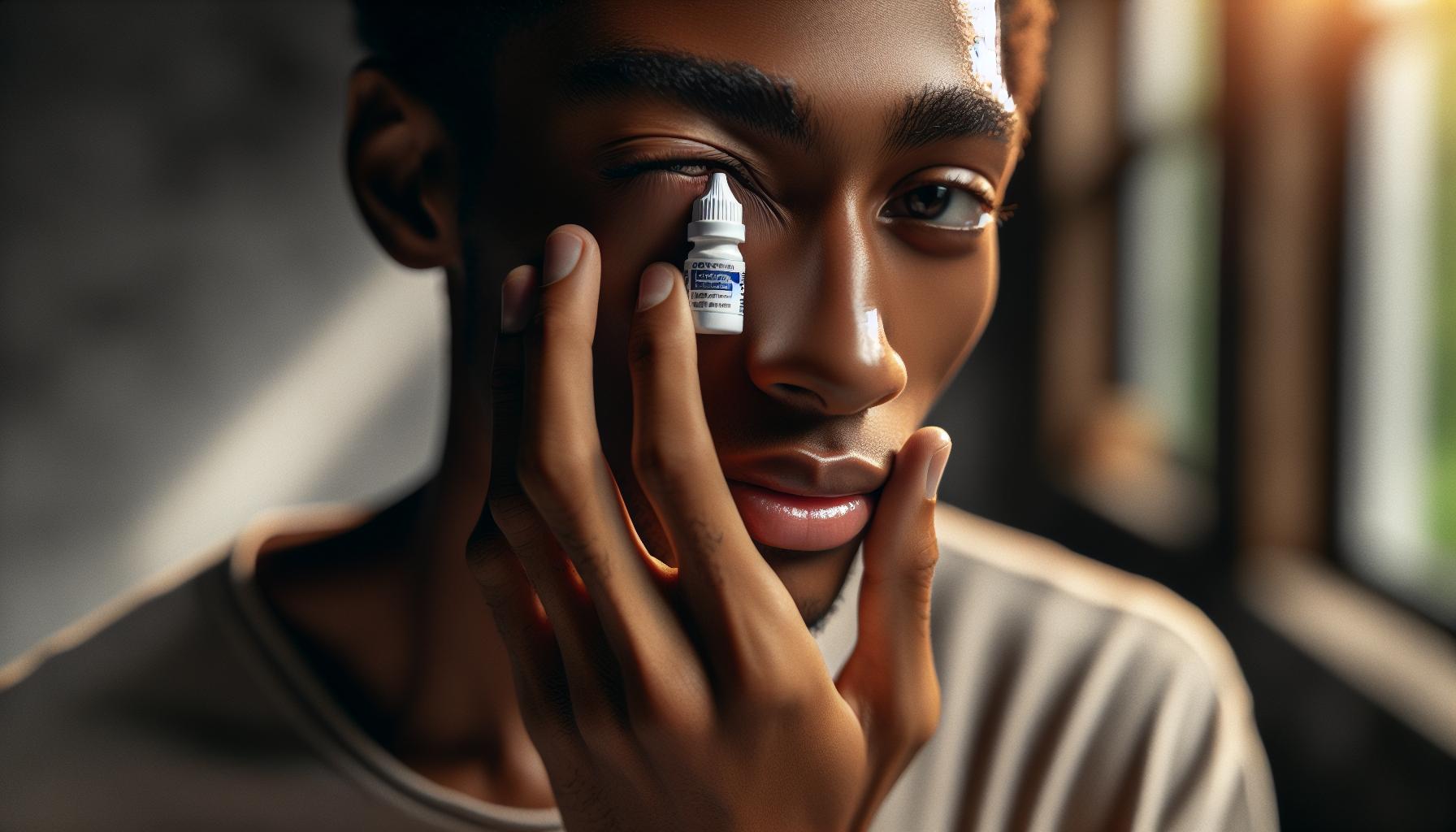
Understanding Eye Styes: Causes and Symptoms
An eye stye, medically known as a hordeolum, can be an uncomfortable and unsightly experience. Essentially, it is an acute infection of the oil glands in your eyelids, typically caused by bacteria like Staphylococcus aureus. This condition begins with a red bump at the base of your eyelash, often resembling a pimple. Over time, it may become swollen, tender, and filled with pus.
Recognizing the symptoms early can lead to quicker relief. Common signs include:
- Redness and swelling: The eyelid appears swollen and inflamed around the affected area.
- Pain or tenderness: You may feel discomfort or pain at the site of the stye.
- Heat sensation: The area may feel warm to the touch.
- Discharge: A yellowish discharge might develop as the stye matures.
- Itching or discomfort: You may experience general discomfort in the eye, along with a feeling of grittiness or irritation.
Understanding the causes of eye styes can empower you to take preventive measures. Factors like poor hygiene, excessive touching of the eyes, or using old makeup can contribute to the development of these infections. In particular, if you have a history of blepharitis (inflammation of the eyelids), you may be at a higher risk of developing styes.
Early interventions like applying warm compresses can provide soothing relief and help the stye come to a head, promoting drainage. Coupled with good hygiene practices, staying away from irritants, and possibly using medications like ofloxacin when prescribed, you can significantly reduce the duration and discomfort associated with styes. By being informed about their causes and symptoms, you can manage their occurrence and maintain eye health more effectively.
What Is Ofloxacin? Uses and Mechanism of Action
Ofloxacin is a powerful fluoroquinolone antibiotic that can be particularly effective in treating various bacterial infections, thanks to its ability to target and eliminate harmful bacteria in the body. This medication works by inhibiting bacterial DNA synthesis, which is essential for bacterial growth and replication. By disrupting these vital processes, ofloxacin effectively helps clear infections, including those that may arise in the eye area, like styes.
When it comes to uses, ofloxacin is prescribed to tackle a range of bacterial infections, including urinary tract infections, respiratory infections like pneumonia and bronchitis, and skin infections. While ofloxacin is more commonly recognized for treating systemic infections, it is also available in eye drop form specifically for treating certain eye conditions, including conjunctivitis and potentially eye styes. The targeted application directly to the affected area can help combat the bacterial infection causing the stye while minimizing systemic side effects.
For anyone experiencing an eye stye, it’s essential to understand that ofloxacin’s mechanism-targeting bacterial DNA-means it can be effective in the specific context of treating styes caused by bacterial sources. However, it’s important to note that while ofloxacin may hasten recovery, good hygiene and proper eye care practices remain fundamental to preventing the recurrence of styes. Always pair antibiotic treatments like ofloxacin with supportive measures, including warm compresses and maintaining clean eyelids, to promote healing and comfort.
Comparing Ofloxacin with Alternative Treatments
When managing eye styes, understanding the treatment landscape empowers you to make informed decisions. Ofloxacin, a fluoroquinolone antibiotic, is one option among various treatments and is specifically designed to target bacterial infections. However, it’s important to explore how it compares to other available alternatives.
While ofloxacin acts directly on the infection by applying localized treatment through eye drops, many people also consider over-the-counter remedies. Common treatments include warm compresses to reduce discomfort and promote drainage. Here’s a brief overview of some alternatives to ofloxacin for treating eye styes:
Alternative Treatments for Eye Styes
- Warm Compresses: Applying a warm, clean cloth to the affected area can help soothe inflammation and encourage drainage of the stye.
- Over-the-Counter Pain Relief: Non-prescription medications, such as ibuprofen or acetaminophen, can help manage discomfort.
- Topical Antibiotics: Products containing bacitracin or polymyxin may be suitable, particularly for mild infections.
- Proper Hygiene: Regularly cleaning the eyelids with gentle eyelid scrubs can prevent styes from forming.
Ofloxacin can be particularly effective when the stye is caused by bacterial infection, especially if other remedies do not suffice. Its mechanism of action targets the bacterial DNA, providing targeted treatment. In contrast, methods like warm compresses help alleviate symptoms but do not address the underlying infection in the same way. If the stye persists or worsens, professional advice is crucial, as more extensive interventions like oral antibiotics or minor surgical procedures may be warranted.
Choosing the right treatment often depends on the individual’s health history, the severity of the stye, and personal preferences. Combining ofloxacin with supportive measures, such as warm compresses and good hygiene, can enhance recovery and reduce the likelihood of recurrence. In all cases, consult with a healthcare provider for tailored guidance suited to your needs.
Effectiveness of Ofloxacin for Eye Styes: Research Insights
Research shows that ofloxacin can be an effective treatment option for eye styes, particularly when caused by bacterial infections. Styes, which manifest as painful red bumps on the eyelid, can result from blocked oil glands and are often linked to bacterial overgrowth. These bacteria, primarily Staphylococcus species, can thrive and exacerbate the infection if left untreated. Ofloxacin’s targeted antibiotic properties serve to combat this bacterial growth directly in the affected area, providing a mechanism to alleviate both the symptoms and the underlying infection.
Clinical studies highlight ofloxacin’s effectiveness in reducing inflammation and promoting healing in cases of bacterial conjunctivitis and other infections linked to eye styes. Its formulation as an ophthalmic solution allows for localized treatment, ensuring that the antibiotic reaches the site of infection efficiently. Many users have reported symptomatic relief within a few days of initiating treatment. This can be especially beneficial for those who are prone to recurrent styes, as timely intervention with ofloxacin may prevent escalation to more serious infections or the need for invasive procedures.
However, it’s important to consider that not all styes may require antibiotic intervention. Mild cases may respond well to supportive care, such as warm compresses and maintaining eyelid hygiene. When symptoms persist or worsen, or if an individual experiences frequent outbreaks, consulting with a healthcare provider is crucial to determine the appropriateness of ofloxacin or alternative treatments. This balanced approach helps ensure that treatment aligns with individual health needs while effectively addressing eye care concerns.
How to Use Ofloxacin for Treating Eye Styes
Using ofloxacin for treating eye styes can be a straightforward process, but it’s important to follow specific steps to maximize effectiveness and ensure safety. First and foremost, ensure you have a prescription for ofloxacin ophthalmic solution from your healthcare provider, who will assess whether your stye is likely caused by a bacterial infection that warrants antibiotic treatment.
Before applying the solution, wash your hands thoroughly with soap and water to prevent introducing any additional bacteria to the area. Next, if you’re wearing contact lenses, remove them, as they can interfere with the medication and may also be contaminated. In a clean environment, tilt your head back slightly and, with your finger, pull down the lower eyelid to create a small pocket. Hold the ofloxacin bottle above your eye, being careful not to touch your eye or eyelid with the tip of the bottle to maintain sterility, and drop the recommended number of drops (usually one or two) into the pocket you created. After application, gently close your eye for a moment to allow the medication to spread across the surface without blinking excessively. Do not rub your eye, as this can irritate the area and potentially worsen the stye.
It’s advisable to apply ofloxacin as prescribed by your healthcare provider, usually multiple times a day. Typically, users see some improvement in symptoms within a few days, including a reduction in swelling and discomfort. If symptoms do not improve within the recommended timeframe, or if you experience side effects, consult your doctor immediately for further guidance.
Incorporating ofloxacin into your eye care routine as directed can help alleviate discomfort and expedite healing, especially in cases where bacterial overgrowth is contributing to the stye. Remember that maintaining proper eyelid hygiene-wiping away any crusty discharge and using warm compresses-can further assist in managing symptoms and supporting the healing process.
Potential Side Effects of Ofloxacin on Eye Health
Using ofloxacin for treating eye styes can be an effective option, but it’s essential to be aware of possible side effects that could impact your eye health. Although most people tolerate this antibiotic well, some may experience mild to moderate side effects that necessitate attention. Understanding these effects allows you to navigate your treatment more confidently, ensuring that you remain aware of your body’s responses.
Common side effects associated with ofloxacin ophthalmic use include eye irritation, burning, and stinging upon application. While these sensations often subside quickly, they can be uncomfortable, particularly for those with sensitive eyes. Additionally, some individuals might notice redness in the eye or itchiness, which could indicate how your eye is reacting to the medication. If these symptoms persist or worsen, it’s crucial to consult your doctor to determine whether or not to continue treatment.
In rare cases, more serious side effects can occur. These include vision changes, swelling, or discharge that could signal a more significant reaction. If you experience any sudden changes in your vision or if the stye seems to worsen despite treatment, it’s imperative to seek medical advice promptly. Prolonged or unusually severe side effects may need to be addressed with alternative treatments to avoid complications related to recurring styes or potential infections.
To minimize the risk of side effects, ensure proper application techniques, like maintaining the sterility of the dropper and being cautious not to touch the eye or eyelid with it. If you’re concerned about potential interactions with other medications or have pre-existing conditions, discussing these with your healthcare provider can help tailor your treatment approach. By being informed and proactive about your eye health, you can maximize the benefits of ofloxacin while minimizing potential drawbacks, allowing for a smoother healing process.
Home Remedies: Can They Complement Ofloxacin?
Incorporating home remedies alongside ofloxacin can provide added support in managing and alleviating the discomfort associated with eye styes. Many individuals find that simple, natural solutions can complement medical treatments effectively, enhancing recovery while also promoting overall eye health. Here are several home remedies that can aid in reducing symptoms and supporting the healing process.
Warm Compresses
Applying a warm compress to the affected area is one of the most effective home remedies for styes. The heat can help to soothe discomfort, reduce swelling, and promote drainage. To make a warm compress:
– Soak a clean cloth in warm water.
– Wring out the excess water.
– Place it gently over the closed eye for 10-15 minutes, several times a day.
This simple method can help increase blood circulation to the area and facilitate the healing process.
Tea Bags
Used tea bags, particularly chamomile or black tea, can be highly beneficial as they contain anti-inflammatory properties. After brewing, allow the tea bag to cool slightly and place it on your eye for about 10-15 minutes. This can help reduce swelling and soothe irritation, providing additional relief alongside ofloxacin treatment.
Aloe Vera Gel
Aloe vera is known for its calming and moisturizing properties, making it a great natural remedy. Applying a small amount of pure aloe vera gel around the stye (not directly in the eye) can help soothe irritation and redness. Its antibacterial qualities may also assist in preventing further infection.
Essential Oils
Certain essential oils, such as lavender and tea tree oil, are known for their antibacterial properties. However, they must be used with caution. Dilute a drop of essential oil in a carrier oil, like coconut oil, and apply gently around the stye, avoiding direct contact with the eye. Always perform a patch test on the skin first to ensure you don’t have an adverse reaction.
Combining these home remedies with the prescribed use of ofloxacin can enhance your recovery experience by providing comfort and bolstering your body’s own healing mechanisms. However, it’s vital to listen to your body; if symptoms worsen or new issues arise, consulting with a healthcare professional is always recommended. This balanced approach empowers you to take an active role in your health while ensuring safety and efficacy in treatment.
Preventing Eye Styes: Tips and Best Practices
Taking proactive steps to prevent eye styes can significantly enhance your overall eye health and comfort. Understanding the factors that contribute to stye formation is essential. Styes often arise from blocked glands, bacterial infections, or poor hygiene, so implementing a consistent eye care routine is critical in avoiding their occurrence.
One of the most effective ways to prevent styes is to practice good hygiene, especially when it comes to handling your eyes. Washing your hands regularly and avoiding touching your face can help minimize the transfer of bacteria. Additionally, be attentive to your makeup and eye care products; always remove eye makeup thoroughly before bed and replace mascara and eyeliner every three to six months to decrease the risk of infection.
Incorporating a few simple skincare habits can also make a significant difference. Regularly apply warm compresses to your eyelids, which can help unclog any blocked glands and stimulate proper oil drainage. By doing this a few times a week, you can promote healthy oil production and maintain the overall function of your eyelids. Staying well-hydrated and consuming foods rich in omega-3 fatty acids can support eye health and help maintain the moisture balance in your eyes.
For those with a history of styes, consider scheduling regular check-ups with your eye care provider. They can provide tailored recommendations based on your individual needs and ensure early intervention if necessary. If you experience frequent styes, you may benefit from discussing potential underlying issues, such as blepharitis or other eyelid conditions, which can contribute to recurrence.
By taking these preventive measures and maintaining a mindful approach to your eye health, you can significantly reduce the likelihood of stye development, creating a more comfortable and confident experience in your daily life.
When to Seek Professional Help for Eye Styes
Experiencing a stye can be both uncomfortable and concerning, especially if you’ve tried home treatments without relief. While most styes are harmless and tend to resolve on their own, certain symptoms may signal a need for professional intervention. Recognizing the right time to consult a healthcare provider is crucial for effective treatment and peace of mind.
If a stye persists beyond a week despite using warm compresses and over-the-counter remedies, it’s time to seek medical advice. Often, styes that do not show signs of improvement may develop into more serious issues, such as chalazia, which can require additional treatment. Additionally, if you notice the stye becoming increasingly painful, red, or swollen, this could indicate a worsening infection that may require antibiotic therapy, such as ofloxacin, or other interventions.
A visit to a healthcare professional is also warranted if you experience accompanying symptoms such as fever, vision changes, or swelling that extends beyond the eyelid. These could be signs of a more systemic infection or complication that necessitates prompt medical attention. If your styes recur frequently, discussing preventive measures or underlying conditions-like blepharitis with your doctor can help manage your symptoms more effectively in the long term.
Ultimately, ensuring your eye health is a priority. As you navigate the ups and downs of eye styes and their treatment options, remember that seeking professional help is not just about addressing the immediate concern; it’s about investing in your overall well-being.
Patient Testimonials: Experiences with Ofloxacin
Many individuals suffering from eye styes have turned to Ofloxacin, an antibiotic, seeking relief from discomfort and irritation. Their experiences underscore the importance of understanding not just the medication, but also its effectiveness and application in treating such common yet bothersome conditions.
A notable testimonial comes from Sarah, a busy mom who recently battled a painful stye. “After trying warm compresses and over-the-counter remedies for a week with no improvement, my doctor prescribed Ofloxacin. Within just a couple of days, I noticed significant improvement. The redness and swelling started to subside, and I could see the stye changing.” For Sarah, the timely introduction of Ofloxacin made a crucial difference, turning what she felt would be a prolonged ordeal into a manageable healing process.
Similarly, Jenna, a college student, reported her experience: “I was hesitant to use antibiotics, fearing side effects, but my stye was becoming unbearable. My doctor reassured me about Ofloxacin’s safety for eye use. The drops were easy to use, and I felt immediate relief. It was comforting knowing that I was addressing the infection, not just the symptoms.” Jenna’s positive response reflects not only on the effectiveness of Ofloxacin but also on the importance of communication with healthcare providers regarding medication concerns.
These testimonials also highlight a common thread: many users express relief in discovering that effective treatment exists. If you’re considering Ofloxacin for an eye stye, remember: it’s essential to follow the prescribed dosage instructions and consult your healthcare provider if you experience any unusual symptoms or side effects. Many patients emphasize that their healthcare provider’s support was critical in addressing their reservations about using antibiotics.
Overall, the narratives of Sarah and Jenna echo a broader sentiment among patients that Ofloxacin can be an effective treatment for eye styes, especially when used in conjunction with proper eye care and hygiene practices. Women facing the distress of a stye can take heart in knowing that they have options like Ofloxacin that may help reduce discomfort and promote a quicker recovery.
Understanding Recurrence: Managing Chronic Eye Styes
Chronic eye styes can be particularly frustrating, not only due to their painful symptoms but also because of their tendency to recur. Understanding the factors that contribute to repeated styes is essential for effective management and prevention. Styes, often caused by blocked glands or bacterial infections, can become a cycle of discomfort if not addressed properly.
To effectively manage and reduce the recurrence of eye styes, it is crucial to follow a comprehensive eye care routine. Here are some practical steps to consider:
- Daily Hygiene: Regularly wash your face and eyelids with mild soap or eyelid scrub pads to remove oil and debris. Keeping the area clean will help prevent blockages that can lead to styes.
- Warm Compresses: Apply warm compresses to your eyes for 10-15 minutes several times a day. This can help soothe irritation and promote drainage of blocked glands.
- Avoid Touching Your Eyes: Make a conscious effort to avoid touching or rubbing your eyes, as this introduces bacteria and increases the risk of infection.
- Replace Eye Makeup Regularly: Old mascara and eyeliner can harbor bacteria. Be sure to replace your eye makeup every few months and avoid sharing products with others.
- Manage Stress: High stress levels can affect your immune system and contribute to skin issues. Incorporate stress-reduction techniques such as yoga, meditation, or regular exercise into your routine.
If you find that styes persist despite following these preventive measures, it may be helpful to consult with an eye care specialist. They can evaluate potential underlying conditions, such as meibomian gland dysfunction or skin issues like blepharitis, which may be contributing to stye formation. In some cases, more advanced treatments might be necessary, including prescription medications or even minor procedures to clear blocked glands.
In addition to these measures, being aware of your body’s response and seeking timely treatment can help break the cycle of chronic styes. Although Ofloxacin may provide effective relief by targeting the underlying infection, maintaining eye hygiene, managing lifestyle factors, and collaborating with healthcare providers play vital roles in achieving long-term control over stye recurrence.
Frequently asked questions
Q: What is the effectiveness of ofloxacin for treating eye styes?
A: Ofloxacin can be effective for treating eye styes, particularly if they are caused by bacterial infections. Its antibacterial properties help eliminate the bacteria responsible for the infection, aiding in faster recovery. For detailed treatment methods, refer to the “How to Use Ofloxacin for Treating Eye Styes” section.
Q: How long does it take for ofloxacin to work on eye styes?
A: Ofloxacin typically begins to show improvement in eye styes within a few days of application. However, full recovery may take longer, depending on the severity of the infection. It’s essential to follow the prescribed treatment duration for optimal results.
Q: Are there alternatives to ofloxacin for treating eye styes?
A: Yes, alternatives to ofloxacin include warm compresses, over-the-counter antibiotic ointments, and other prescription antibiotics. Each treatment option may vary in effectiveness depending on the case, so consult with a healthcare provider for the best approach.
Q: Can ofloxacin cause side effects when used for eye styes?
A: While ofloxacin is generally safe, possible side effects may include irritation, redness, or an allergic reaction. If you experience significant discomfort or persistent symptoms, consult your healthcare provider for guidance. For more information, see the section on “Potential Side Effects of Ofloxacin on Eye Health.”
Q: What should I do if ofloxacin doesn’t improve my eye stye?
A: If ofloxacin does not lead to improvement within a few days, consult a healthcare professional. They may recommend a different medication or treatment method to address the eye stye more effectively. Refer to the “When to Seek Professional Help for Eye Styes” section for further guidance.
Q: Can I use home remedies alongside ofloxacin for eye styes?
A: Home remedies, such as warm compresses and tea bags, can complement ofloxacin treatment for eye styes by alleviating discomfort. However, ensure these methods do not interfere with your prescribed medication. More details can be found in the section on “Home Remedies: Can They Complement Ofloxacin?”
Q: What happens if I miss a dose of ofloxacin for my eye stye?
A: If you miss a dose of ofloxacin, use it as soon as you remember. If it’s almost time for your next dose, skip the missed dose and resume your regular schedule. Do not double the dose to catch up. For more tips on usage, check “How to Use Ofloxacin for Treating Eye Styes.”
Future Outlook
In conclusion, understanding the effectiveness of ofloxacin for treating eye styes can empower you to make informed choices about your eye care. If you’re dealing with discomfort, consider exploring various treatments by visiting our articles on home remedies for styes and 22 simple ways to treat an eye stye. Remember, early intervention is key! If you have lingering questions or need personalized advice, don’t hesitate to consult a healthcare professional.
Stay proactive about your eye health by subscribing to our newsletter for the latest tips and resources on skin care and eye care. Together, we can help you navigate your beauty concerns with confidence and clarity. Don’t forget to check back for more insights on conditions like this and related issues, ensuring you have all the information you need at your fingertips. Your journey to healthier eyes starts now!