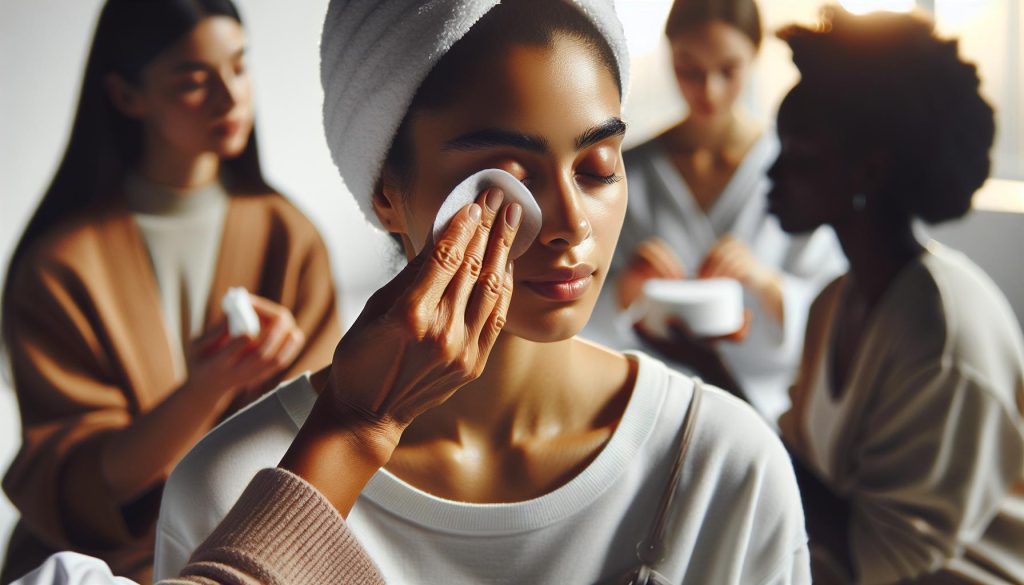
When dealing with styes, many people wonder if pink eye drops might offer relief. Styes are often painful and can be a source of frustration, impacting your daily life and self-confidence. Understanding the connection between pink eye drops and stye treatment is essential to navigating this common issue effectively.
While pink eye drops are designed to address symptoms of conjunctivitis, their role in treating styes isn’t as straightforward. Readers want to know what truly works and how to care for their eyes in a way that promotes healing and prevents future conditions. By exploring the effectiveness of pink eye drops and other supportive treatments, you can empower yourself with valuable knowledge for maintaining eye health.
Stay with us as we unravel the facts and provide insights that will help you make informed choices about managing styes and ensuring your eyes look and feel their best.
Understanding Styes: Causes and Symptoms
A common yet annoying vision problem, styes often arise unexpectedly, leading to discomfort and sometimes concern about eye health. Styes, or hordeola, are typically caused by the blockage of oil glands in the eyelids, which can become infected. Factors that contribute to the development of styes include poor hygiene, excessive rubbing of the eyes, and certain skin conditions like rosacea. Symptoms usually manifest as a tender, red bump on the eyelid, often accompanied by swelling and, at times, a sensation of grittiness or burning in the eye.
Understanding the symptoms of a stye is crucial for prompt treatment. Initial signs often include a small, painful lump at the edge of the eyelid that may become increasingly red. As the condition progresses, you may notice increased tearing, sensitivity to light, and an urge to blink frequently due to discomfort. Crusting might occur along the lashes, coupled with a feeling of tightness in the eyelid, mimicking the sensation of something stuck in the eye. Though alarming, styes are usually self-limiting, resolving in a few days or weeks, but awareness of the symptoms can help steer effective care strategies.
Maintaining good eye hygiene is essential not only in preventing styes but also in managing them effectively once they appear. Regular washing of the face, avoiding touching the eyes with unwashed hands, and ensuring that makeup and eye products are clean and non-expired will make a significant difference in eye health. If a stye persists or worsens, consulting a healthcare professional is always a wise step to rule out more serious conditions and receive appropriate care.
What Are the Benefits of Eye Drops for Styes?
Eye drops can offer several benefits when dealing with styes, providing both immediate relief and assisting in the healing process. For those uncomfortable with the inflammation and irritation caused by a stye, the right eye drops can help alleviate symptoms such as redness, swelling, and discomfort. Lubricating drops, in particular, can relieve the gritty feeling associated with a stye, allowing you to go about your daily activities more comfortably.
Moreover, some eye drops that contain anti-inflammatory properties can reduce swelling and redness, addressing the visible signs of a stye. While over-the-counter options might provide some relief, it’s important to consult with a healthcare provider to determine the most appropriate product for your specific condition. Using drops can also assist in flushing out potential irritants and bacteria, contributing to a cleaner eyelid environment, which is crucial for healing.
When considering pink eye drops for the treatment of styes, one must be cautious. These drops are specifically formulated to address conjunctivitis, or pink eye, and may contain antibiotics or antihistamines that aren’t intended for styes. While they might reduce some symptoms, they do not directly treat the underlying issue of a stye. Thus, it’s essential to ensure that any drops you use are suitable for your condition and won’t inadvertently complicate your eye health.
Ultimately, if you’re dealing with a stye, choosing the right eye drops can play a significant role in alleviating discomfort and promoting healing. Always prioritize clear communication with your healthcare provider about your symptoms and the products you’re considering to ensure you achieve the best possible outcome.
Are Pink Eye Drops Effective for Treating Styes?
Using pink eye drops in the hope of treating a stye often leads to confusion about their effectiveness. While both pink eye and styes affect the eyes, they are caused by different conditions. Pink eye drops are primarily formulated to treat conjunctivitis, which can involve bacteria or allergens, whereas styes result from an infection of the oil glands in the eyelid, leading to painful lumps.
Despite their differing purposes, some individuals may consider pink eye drops for styes due to their potential to relieve symptoms such as redness and irritation. However, it’s crucial to understand that these drops are not designed to address the underlying causes of a stye. In fact, they may contain ingredients that are not effective for treating a stye. For instance, while antihistamines might offer temporary relief from itchiness, they do nothing to heal the inflamed gland or reduce the bump associated with a stye.
If you’re experiencing a stye, focusing on treatments specifically aimed at addressing it is essential. Instead of pink eye drops, opt for lubricating or anti-inflammatory eye drops that can soothe irritation and promote healing where appropriate. Here’s a quick overview of what to consider regarding styes and pink eye drops:
- Targeted treatment: Choose drops that are formulated for stye symptoms instead of those for pink eye.
- Talk to a healthcare provider: Always consult with a medical professional before using any eye drops to ensure they are appropriate for your condition.
- Monitor symptoms: Keep track of how your stye progresses. If it worsens or does not improve, seek professional evaluation.
Ultimately, while pink eye drops may provide some temporary relief from specific symptoms, they are unlikely to help in treating a stye effectively. Prioritizing proper eye care and consulting with a healthcare provider will ensure the best approach to managing your eye health.
Risks and Limitations of Using Eye Drops
When dealing with styes, relying on eye drops-particularly pink eye drops-can lead to more frustration than relief. Understanding the risks and limitations associated with these products is crucial for making informed choices about your eye care. While it may be tempting to use drops designed for conjunctivitis, it’s important to recognize that they often lack efficacy against the underlying bacterial infection of a stye.
One significant risk of using inappropriate eye drops is the possibility of worsening symptoms. Pink eye drops may contain preservatives or other additives that can irritate an already inflamed area, potentially prolonging your discomfort. Moreover, misusing these drops could mask symptoms that would otherwise signal the need for professional intervention, such as persistent swelling or unusual redness. Therefore, while a drop might soothe initial irritation, it does not treat the root cause, allowing the stye to fester and prolonging recovery.
Additionally, some eye drops are formulated with ingredients that target specific issues like allergies or inflammation, but they do not address the unique needs of a stye. For instance, while a lubricant may temporarily soothe irritation, it does little to penetrate the gland causing the stye. As a result, relying on these drops may lead you to overlook more effective treatment options that specifically target bacterial infections. Consulting with a healthcare provider can help clarify which products are safe and beneficial for your specific condition.
It’s also essential to consider the broader implications of poor eye hygiene. If you attempt to treat a stye with drops not designed for that purpose, you might inadvertently spread bacteria, especially if hands or applicators are not clean. Furthermore, using expired or contaminated products can introduce new infections or complications. To minimize risks, always prioritize eye hygiene by washing your hands thoroughly before touching your eyes and using recommended treatments only as directed by health professionals.
In conclusion, while eye drops can provide some symptomatic relief, they are not a one-size-fits-all solution for styes. Focusing on specialized treatment, adhering to proper hygiene, and actively consulting with a medical provider ensures the best approach to healing your eyes effectively.
DIY Remedies: Alleviating Stye Discomfort at Home
Warm compresses can work wonders when it comes to alleviating the discomfort associated with a stye. The heat helps to increase blood circulation to the area, promoting healing and potentially helping the stye to drain naturally. For an effective warm compress, soak a clean washcloth in warm (not hot) water, wring it out, and hold it against the affected eye for about 10 to 15 minutes. Repeat this process several times a day. This simple yet effective method allows you to use basic household items to ease stye discomfort without resorting to over-the-counter drops that may prove ineffective.
In addition to warm compresses, maintaining cleanliness is paramount in managing styes at home. Be sure to wash your hands thoroughly before touching your eyes and avoid rubbing them, as this can exacerbate irritation or cause bacteria to spread. If you wear makeup, especially eye makeup, consider taking a temporary break until the stye has resolved to reduce irritation and the risk of further infection. Every night, gently remove any eye makeup with a mild cleanser to prevent clogged glands around your eyelashes.
Stay hydrated and consider incorporating foods rich in antioxidants, like berries and leafy greens, into your diet. Hydration and nutrition play crucial roles in your body’s ability to heal. If you notice additional discomfort or signs of infection, such as increased redness or pus, be sure to consult with a healthcare professional. They can provide tailored advice and treatment options specific to your individual condition.
In moments of discomfort, some individuals find relief using diluted tea tree oil as a topical treatment because of its antibacterial properties. However, it’s essential to use this remedy cautiously. Always dilute the essential oil with a carrier oil to avoid any irritation, and apply it only around the stye rather than directly on it. If there’s any discomfort, discontinue use immediately.
Finally, enhancing your overall eye care routine consistently can prevent future occurrences. Always ensure that your makeup and cosmetic products are fresh and free of contamination, and consider using disposable applicators for eye products to minimize contamination risk. Practicing good hygiene not only promotes healing but sets a solid foundation for maintaining healthy eyes in the future.
When to Seek Professional Help for Styes
Recognizing when a stye needs professional attention is crucial for preventing complications and ensuring rapid recovery. While most styes will resolve on their own with home remedies like warm compresses, specific signs indicate that it’s time to consult a healthcare provider. If a stye appears to be persisting longer than a few days without improvement, or if it significantly increases in size, seeking medical help is wise. Styes may occasionally resemble other conditions, such as chalazia (blocked oil glands) or more serious eye infections, so differentiating these requires professional assessment.
Moreover, if you experience increased pain, swelling, or the stye becomes excessively red, these symptoms could suggest an infection that extends beyond the eyelid. Pay attention to systemic signs such as fever or chills; these warrant immediate medical intervention as they may indicate a more serious underlying infection. Additionally, if your vision becomes blurred or you have trouble opening your eye, it’s essential to get in touch with an eye care specialist.
If you wear contact lenses, discontinue use at the first sign of a stye and consult your eye care provider. This will help prevent further irritation and the risk of spreading bacteria. Healthcare professionals may recommend specific treatments such as antibiotic drops or ointments if a bacterial infection is suspected, providing targeted relief and ensuring a timely recovery.
In summary, listen to your body. If a stye fails to improve after a few days of home treatment or presents with warning signs, don’t hesitate to seek professional help. Eye health is vital, and addressing issues promptly can lead to smoother healing and restoration of comfort.
Preventive Measures to Avoid Future Styes
Maintaining good eye hygiene is essential for preventing styes, which are not only uncomfortable but can also impact your daily activities. One of the key steps to avoiding these pesky infections is to establish a consistent cleaning routine for your eyelids and lashes. You can do this by gently washing your eyelids with a mild soap or using warm compresses to keep the area clean and free from oil buildup. Regularly removing makeup before bed is equally important; make sure to use a gentle makeup remover to avoid leaving any residue that could contribute to bacterial growth.
Frequent handwashing is another effective way to reduce the risk of styes. Your hands come into contact with various surfaces, and they can easily transfer bacteria to your eyes if you rub them. By staying diligent about washing your hands, especially before touching your face or eyes, you’re significantly lowering the chance of introducing harmful germs. Additionally, avoid sharing personal items such as towels, washcloths, and eye makeup, as these can harbor bacteria that lead to infection.
Consider incorporating a daily routine that includes a nourishing eyelid scrub, especially if you have a history of styes. Many over-the-counter eyelid scrub pads are available that are designed to eliminate debris and bacteria. A product containing tea tree oil can be particularly beneficial due to its antibacterial properties.
Keeping your contact lenses clean and replacing them as directed is crucial if you wear them. Ensure you are using the appropriate cleaning solution and never wear lenses longer than recommended. This is vital not just for your overall eye health but also for preventing irritation that might lead to styes.
In summary, small yet consistent practices can make a significant difference in preventing styes. By prioritizing eye hygiene, practicing good handwashing, avoiding bacteria-laden objects, and caring properly for contact lenses, you’ll be well on your way to maintaining healthy eyes and reducing the likelihood of future styes.
Alternative Treatments: What Else Works?
A stye, which manifests as a painful bump on the eyelid, can be an annoying disruption in daily life, and while many individuals turn to traditional treatments, exploring alternative options can provide additional relief. Understanding what works involves leveraging both natural remedies and complementary treatments that focus on alleviating symptoms and supporting recovery.
One of the most praised alternatives includes warm compresses, known for their soothing properties. Applying a warm, damp cloth to the affected area for 10-15 minutes several times a day can help promote healing by reducing swelling and encouraging drainage of the clogged gland. This simple method not only provides immediate comfort but also aids in the natural healing process of the eyelid.
Another effective option is the use of diluted tea tree oil. With its natural antibacterial properties, tea tree oil can be mixed with a carrier oil, such as coconut oil, and applied lightly to the eyelid (avoiding direct contact with the eye). This solution may help eliminate bacteria and prevent future styes, but caution should be exercised to ensure safety and prevent irritation.
For those interested in nutrition’s role in eye health, maintaining a diet rich in omega-3 fatty acids may offer additional support. Foods like fish, flaxseeds, and walnuts can help enhance overall eye health, potentially reducing stye occurrences linked to inflammation.
Moreover, integrating eye hygiene practices, such as washing eyelids with gentle eyelid scrubs or baby shampoo, can serve as both a preventative measure and a comforting treatment if irritation arises. Regular cleaning helps eliminate debris and bacteria, fostering an environment less conducive to developing styes.
Consider these alternatives as additional support. Always consult with a healthcare provider when deciding on treatment methods, especially if symptoms persist or worsen.
In summary, exploring these alternative treatments can empower you to take control of your eye health and find effective ways to alleviate stye discomfort while promoting long-term eye hygiene and well-being.
Understanding the Importance of Eye Hygiene
Maintaining proper eye hygiene is crucial in preventing and managing conditions like styes, which can emerge from blocked oil glands due to bacterial infections or debris accumulation. Just like skincare routines for the face and body, our eyes also require regular care to stay healthy, clean, and irritation-free. One of the simplest yet effective ways to support eye health is through consistent cleansing practices that help to minimize the risk of infections, including styes.
To foster a clean eyelid environment, consider incorporating gentle eyelid scrubs or diluted baby shampoo into your daily routine. These products can effectively eliminate unnecessary oils, dirt, and bacteria that may contribute to clogged glands. Here’s how to do it:
- Wash your hands: Always start with clean hands to avoid transferring any bacteria to your eyes.
- Use a clean cloth: Soak a soft washcloth in lukewarm water and gently cleanse your eyelids, being careful not to apply too much pressure.
- Apply eyelid scrub: If you prefer a commercial eyelid scrub or diluted baby shampoo, use a cotton pad to apply a small amount, gently moving from the inner corner of the eye to the outer.
- Rinse thoroughly: Make sure to rinse off any residue with clean water.
In addition to these practices, being mindful of makeup usage and ensuring tools are sanitized can prevent buildup and irritation. Replace eye makeup regularly, especially mascara, and never share cosmetic products. If you wear contact lenses, practicing proper lens hygiene can also help mitigate the risk of developing styes.
By incorporating these simple yet effective habits into your daily routine, you not only support the health of your eyes but also reduce the likelihood of experiencing discomfort associated with styes and other eye conditions. Regular commitment to eye hygiene provides a foundation for long-term eye health, allowing you to feel confident and comfortable in your daily life.
Common Myths About Styes and Eye Drops
While there’s a lot of information available on styes and treatments, some common myths can lead to confusion and ineffective treatment approaches. One prevalent misconception is that pink eye drops can treat styes. In reality, pink eye drops, which are typically used to alleviate symptoms of conjunctivitis (pink eye), do not address the root cause of a stye, which stems from blocked oil glands typically due to bacterial infection. Using the wrong type of eye drops can not only be ineffective but may exacerbate irritation or provide no relief at all.
Another myth suggests that styes are contagious and can spread to others. This is not true; while the bacteria that cause styes may be involved in contagious conditions like conjunctivitis, a stye itself is essentially an inflammation of the eyelid, attributable to your body’s response to infection. Understanding that styes are primarily a result of personal hygiene and blocked glands helps demystify their occurrence and places importance on preventive measures, such as regular eyelid cleaning.
Many also believe that once a stye appears, it should be popped or squeezed like a pimple. This is dangerous advice-attempting to manually extract a stye can worsen infection or cause complications such as cellulitis, an infection of the surrounding skin. Instead of DIY treatments, applying warm compresses can effectively promote drainage naturally and provide comfort.
Education and awareness are key to demystifying common concerns surrounding styes. Clearing up these misconceptions not only empowers women to take better care of their eye health but also fosters a more proactive approach to managing eye conditions effectively and safely.
Frequently asked questions
Q: Can I use pink eye drops for styes?
A: While pink eye drops may help alleviate some symptoms of eye discomfort, they are not specifically designed for styes. It’s essential to consult with a healthcare professional for appropriate treatment options tailored to styes.
Q: What are the main causes of styes?
A: Styes are typically caused by bacterial infections in the oil glands of the eyelids. Poor hygiene, touching the eyes with unwashed hands, or using contaminated cosmetics can increase susceptibility to developing styes.
Q: How can I reduce the swelling of a stye at home?
A: To reduce swelling from a stye, apply a warm compress to the affected eye for 10-15 minutes, several times a day. This helps in soothing discomfort and promoting drainage.
Q: Are there over-the-counter treatments for styes?
A: Yes, over-the-counter options, like warm compresses, pain relievers, and ointments, can provide relief. However, it’s wise to consult a healthcare provider for targeted advice.
Q: When should I see a doctor for a stye?
A: You should seek professional help if the stye persists for more than a week, causes significant pain, or is accompanied by vision changes. An eye doctor can provide the necessary treatment.
Q: Can improper eye hygiene lead to styes?
A: Yes, poor eye hygiene can indeed lead to styes. Regularly washing your hands, avoiding touching your eyes, and using clean makeup tools can help prevent their occurrence.
Q: Do styes have any long-term effects on vision?
A: Typically, styes do not cause long-term vision problems. However, if recurrent or very painful, they may require medical intervention. Always consult an eye care professional if concerned.
Q: Are there any lifestyle changes to prevent styes?
A: To prevent styes, maintain good eye hygiene, manage stress levels, and ensure your diet is rich in vitamins, particularly Vitamin A. Regularly cleaning your eyelid area can also help.
Closing Remarks
If you’re dealing with styes, understanding the role of pink eye drops is crucial for your eye care journey. While these drops may offer temporary relief, it’s essential to prioritize proper care and treatments tailored to your needs. Remember, timely intervention can prevent complications, so don’t hesitate to consult a healthcare professional if you have concerns.
For more tips on managing eye health, check out our articles on effective at-home remedies for eye irritation and best practices for skincare around the eyes. And if you’d like to stay updated on the latest advice for women’s health and beauty treatments, subscribe to our newsletter. Share your thoughts or questions in the comments below; we love hearing from you! Your journey to better eye health starts here-take the next step today!