A stye, typically a painful red bump along the eyelash line, can be both bothersome and concerning. Many people wonder whether these common eyelid infections will resolve on their own. Understanding the natural healing timeline for a stye is crucial, as it not only helps manage discomfort but also aids in determining whether further treatment is necessary.
While most styes resolve without medical intervention, recognizing the signs of healing and knowing when to seek professional advice can significantly impact your recovery. This journey through healing is something many can relate to, and gaining insight into what to expect can empower you to take control of your eye health. Join us as we explore the timeline of a stye’s natural healing process and provide tips for effective home care that can support your recovery.
Does a Stye Heal Naturally Over Time?
A stye, a common and often uncomfortable condition, typically heals on its own over time. Generally, these small, painful bumps can take anywhere from a few days to a week to resolve without specialized treatment. The body’s immune system usually takes care of the bacterial infection responsible for the stye, allowing it to drain and heal naturally. In many cases, simply maintaining proper hygiene and employing some at-home care strategies can significantly enhance comfort during this process.
To support natural healing, you can apply warm compresses to the affected area for about 10-15 minutes several times a day. This practice not only helps alleviate discomfort but also encourages drainage of the stye, potentially speeding up recovery. It’s important to avoid squeezing or attempting to pop the stye, as this can worsen the infection or lead to complications. As you wait for the stye to heal, keeping your eyelid clean and free from makeup can also prevent further irritation.
While most styes resolve without intervention, be mindful of any signs that may indicate a lingering issue-if the stye persists beyond a week, starts to worsen, or is accompanied by significant pain or vision changes, it’s advisable to seek medical attention. Nevertheless, with proper care and patience, many people find that their styes heal naturally and efficiently, allowing them to regain comfort and normalcy in their daily routines.
Understanding Styes: Causes and Symptoms

A stye, also known as a hordeolum, can be an irritating experience, affecting both comfort and confidence. Styes occur when bacteria infect the oil glands at the base of your eyelashes, leading to a painful, swollen bump that can arise suddenly and often appears red and tender. While they are typically harmless, understanding their causes and symptoms helps in recognizing them early and can guide you toward effective care strategies.
The primary culprit behind a stye is a bacterial infection, commonly caused by the bacteria Staphylococcus aureus. Risk factors contributing to the development of styes include poor hygiene, using outdated or contaminated cosmetics, and chronic conditions like blepharitis, which is inflammation of the eyelid. Notably, styes can occur at any age and are often more prevalent in individuals experiencing stress or hormonal changes, which can impact skin health and immune response.
Symptoms of a stye typically begin with discomfort or irritation of the eyelid margin, followed by the formation of a small, red bump. This bump may feel tender, warm to the touch, or even resemble a pimple. Associated symptoms can include watery eyes, crusting along the eyelid, and in some instances, sensitivity to light. If you observe a stye along with significant pain, blurred vision, or if it persists longer than a week, it’s essential to seek medical attention. Understanding these signs equips you to respond appropriately, promoting quicker recovery while alleviating discomfort.
By nurturing awareness of styes and their underlying causes, you can bolster your confidence in managing your eye health. Simple practices like keeping eyelids clean, applying warm compresses, and avoiding touching your eyes can go a long way in reducing the likelihood of a stye. This proactive approach not only aids in healing but fosters overall ocular wellness.
When to Seek Medical Attention for a Stye

A stye, while generally harmless and often resolving on its own, can escalate into a situation requiring medical intervention if not monitored. If you notice significant redness and swelling around your stye, this could indicate a more serious infection. Pay close attention if the stye is accompanied by worsening pain, fever, or if the swelling spreads beyond the eyelid. These are key signs that warrant a visit to your healthcare provider, as prompt treatment can prevent further complications.
In addition, if the stye has persisted for more than a week without improvement, it’s wise to seek medical advice. Sometimes, styes can become chronic, or a secondary infection may arise, necessitating antibiotics or other interventions for successful healing. If your vision becomes blurry or you experience increased sensitivity to light, these symptoms should not be ignored-seeing a doctor can help ensure that no underlying issues are at play.
Having knowledge about your body’s signals is empowering. It’s essential to trust your intuition: if something feels off about your stye or your eyelid’s health in general, don’t hesitate to reach out to a professional. Early intervention can save you discomfort and time, allowing for a smoother recovery and the chance to maintain the beauty and clarity of your eyes.
Natural Remedies for Stye Eye Relief

Natural remedies can be a gentle and effective way to alleviate the discomfort associated with a stye while allowing your body to heal naturally. One of the simplest and most approachable methods involves the application of warm compresses. By soaking a clean cloth in warm water and placing it gently over your closed eye for about 10-15 minutes several times a day, you can help soothe irritation and encourage the stye to drain and heal. The warmth promotes blood circulation, facilitating the body’s natural healing process.
In addition to warm compresses, certain natural ingredients can provide relief. For instance, chamomile tea bags, when used as a warm compress, contain anti-inflammatory properties that can benefit the healing process. Simply brew a chamomile tea bag, let it cool slightly, and then apply it to the affected area. Similarly, aloe vera gel can be applied topically due to its soothing and antibacterial properties. A thin layer can help reduce swelling and offer additional moisture.
Maintaining proper hygiene is also crucial in managing and alleviating styes. Ensure your hands are clean before touching your face, and avoid using eye makeup until the stye has fully healed. Utilizing natural, non-irritating products around the eye area can minimize the risk of further irritation. As your stye begins to improve, consider incorporating gentle facial cleansing routines with mild, hypoallergenic cleansers to prevent clogged glands that can lead to future styes.
Lastly, consider dietary factors that support your overall eye health. Antioxidant-rich foods, such as leafy greens, berries, and omega-3 fatty acids found in fish, can bolster your immune system, aiding in recovery. Keeping yourself hydrated is also essential, as sufficient water intake promotes skin and eye health, creating a conducive environment for healing.
By embracing these natural remedies and maintaining good hygiene practices, you empower your body to heal while alleviating the discomfort that comes with styes. It’s a proactive approach that aligns with a holistic view of health, providing both relief and the potential for future prevention.
Expected Healing Timeline for Styes
Styes can indeed be a nuisance, but understanding their healing timeline can provide you with comfort and clarity during a frustrating time. Generally, styes are self-limiting conditions, meaning they often go away on their own without medical intervention. Typically, a stye may show initial signs of redness and swelling, which can last for a few days. After about 3 to 5 days, you might notice it reaching its peak in size, followed by a gradual reduction in swelling and discomfort.
Most styes will spontaneously rupture and drain, which usually leads to a significant reduction in symptoms. This process can take anywhere from one week to ten days from the onset. During this time, it’s essential to employ warm compresses regularly to facilitate drainage and speed up healing. By placing a warm, damp cloth over your closed eye for 10-15 minutes several times a day, you promote circulation and help the body’s natural healing processes.
While many styes resolve without complications, if symptoms persist beyond two weeks or if you experience increased pain, swelling, or changes in vision, it may be time to consult a healthcare professional. They can evaluate whether the condition requires additional treatment, such as prescription antibiotic ointments or drainage procedures.
In preparation for a smoother healing journey, consider keeping a journal of your symptoms and any home remedies you’re utilizing. This can help you recognize patterns and manage your eye health more effectively. Embracing patience during this time is key; with diligence in self-care and attention to your body’s signals, healing becomes a more assured process.
Preventive Measures to Avoid Future Styes
Maintaining eye health is essential not only to prevent styes but also to ensure overall well-being. Styes often result from clogged oil glands in the eyelids, so taking proactive measures can significantly diminish the likelihood of future occurrences. One of the most effective strategies for prevention is consistent hygiene practices. Regularly washing your face and eyelids with a mild soap can help eliminate dirt and oil buildup, which contributes to the blockage of glands. For those who wear makeup, it’s crucial to remove all makeup thoroughly before bedtime to prevent any potential irritants from taking root overnight.
Another important factor is diet and hydration. A well-balanced diet rich in vitamins and minerals, particularly vitamin A, omega-3 fatty acids, and antioxidants, can support eye health. Consider incorporating foods such as carrots, spinach, salmon, and nuts into your meals. Additionally, staying well-hydrated helps maintain moist mucous membranes in the eyes, which can reduce irritation and the risk of infection.
Stress management also plays a role in eye health. Chronic stress can negatively affect the immune system, making it easier for infections to take hold. Engaging in relaxation techniques such as yoga, meditation, or even regular physical activity can help regulate stress levels. Additionally, ensuring sufficient sleep is crucial; a well-rested body can heal more effectively and is less prone to various conditions, including styes.
Finally, be mindful of sharing personal items that come into contact with your face and eyes, such as towels and cosmetics. Avoiding sharing these items can dramatically reduce the risk of transmitting irritants or bacteria that may lead to styes. By implementing these preventive measures, you not only enhance your eye health but also empower yourself to be proactive in your overall self-care routine.
The Role of Hygiene in Stye Management
Keeping your eyes healthy is not just about using the right products; it’s a holistic approach that includes hygiene practices, which play a crucial role in managing and preventing styes. Styes often form due to the blockage of oil glands in your eyelids, often exacerbated by bacteria and dirt. By maintaining cleanliness, you not only minimize the chances of developing a stye but also support the overall function of your eyelids.
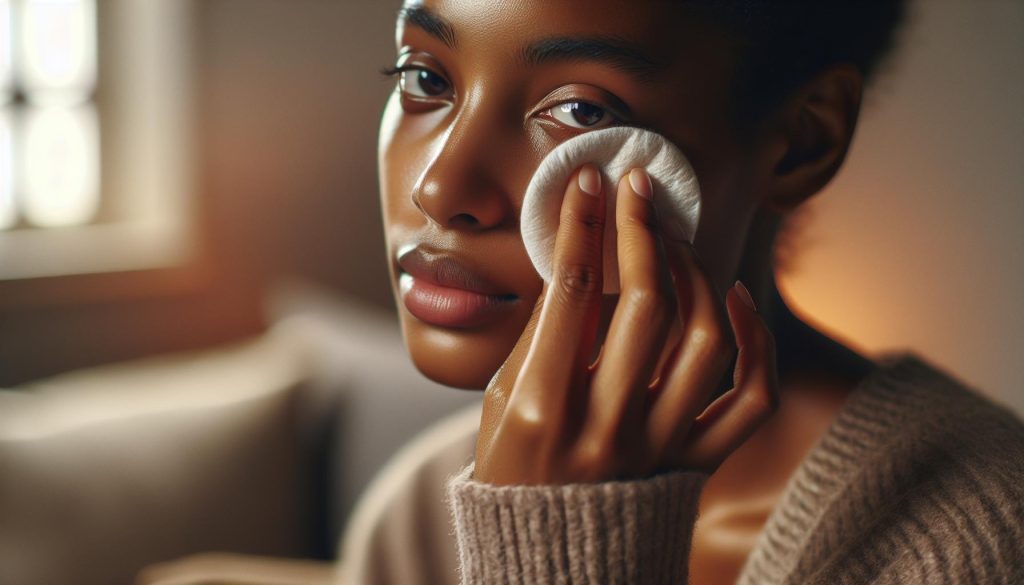
To start, regularly washing your face and eyelids with a gentle, non-irritating cleanser can help keep your eyelid area free from oils, dirt, and makeup residue. Make it a habit to wash your face twice a day-once in the morning and once before bed-to create a clean canvas for your skin and eyes. For extra care, consider using a soft cloth or cotton pad to gently wipe the eyelids, focusing on the lash line where oil and debris tend to accumulate. This simple practice can significantly decrease the likelihood of gland blockages.
Moreover, if you wear makeup, ensuring that you remove it thoroughly at night is essential. Leaving makeup on can irritate your eyelids and contribute to stye formation. Utilize a high-quality makeup remover or micellar water specifically formulated for sensitive skin. Additionally, avoid using old or expired cosmetics, especially eye products, as they can harbor bacteria.
Another aspect of hygiene is mindfulness regarding personal items. Sharing towels, eye makeup, or contact lenses can unknowingly transmit bacteria. Establish personal boundaries with your beauty and hygiene products and encourage family or friends to do the same. This simple yet effective measure can help protect not just you but those around you from infections like styes.
Ultimately, a commitment to hygiene can make a significant difference in eye health, reducing the likelihood of styes while promoting overall well-being. By integrating these habits into your daily routine, you empower yourself to take control of your eye health.
Lifestyle Changes for Eye Health Improvement
Making mindful lifestyle changes can significantly enhance your eye health and help prevent the occurrence of styes. A well-rounded approach focusing on nutrition, hydration, and protection can foster long-term well-being for your eyes. Incorporating a diet rich in eye-friendly nutrients can pay dividends; foods high in omega-3 fatty acids, antioxidants, and vitamins A, C, and E-like leafy greens, fish, nuts, and citrus-are known to support ocular health. Aim to include these in your meals, not only to nourish your eyes but also to maintain a healthy weight, as obesity can increase the risk of various eye conditions.
Staying well-hydrated is equally essential. Sufficient fluid intake helps keep your body, including your eyes, properly moisturized. Dehydration can lead to dry eyes, which may result in irritation and contribute to conditions that favor stye development. Aim for at least 8 glasses of water a day, and consider incorporating hydrating foods like cucumbers and watermelon into your diet.
It’s also crucial to pay attention to protective measures. Wearing sunglasses that block 100% of UVA and UVB rays when outside can shield your eyes from sun damage, reducing the risk of eyelid problems. If you work on a computer or spend extended time in front of screens, the 20-20-20 rule is beneficial: every 20 minutes, take a 20-second break to look at something 20 feet away. This simple practice reduces digital eye strain and may help lower the risk of developing styes.
Lastly, consider adopting relaxation techniques to alleviate stress, as stress can impact your immune system and susceptibility to infections. Whether through yoga, meditation, or simple breathing exercises, managing stress can create a ripple effect on your overall health, including your eye health.
Incorporating these lifestyle changes creates a proactive approach to eye health, enabling you to take control of your wellness and potentially mitigate the occurrence of styes and other eye-related concerns. By prioritizing nutrition, hydration, protection, and stress management, you pave the way for brighter, healthier eyes.
Debunking Myths About Styes and Healing
While many experience the occasional stye, misunderstandings about their nature and healing processes can cause unnecessary worry. One common myth is that styes manifest due to poor hygiene or laziness. In reality, styes are often caused by bacterial infections that affect the oil glands on the eyelids, which may occur even in those who maintain diligent personal hygiene. It’s important to remember that anyone can develop a stye, regardless of how clean they keep their eyes and surrounding skin.
Another prevalent belief is that styes will only heal through medical intervention. In truth, most styes resolve naturally within a week or two without extensive treatment. Applying warm compresses can be incredibly effective; they promote circulation and help the stye drain naturally. This method not only offers relief but also encourages the healing process. If a stye persists well beyond this timeframe, or if it becomes increasingly painful, consulting a healthcare provider is prudent.
Additionally, some individuals think they should squeeze or pop a stye, similar to a pimple. This misconception can lead to increased irritation, the risk of spreading the infection, and longer healing times. Gentle care is key; utilizing warm compresses and keeping the area clean is generally more effective. We must emphasize that patience is part of healing; styes are often temporary inconveniences that will resolve with proper care and time.
Key Myths and Facts About Styes:
- Myth: Styes are a result of poor hygiene.
- Fact: They are caused by bacterial infections, which can affect anyone.
- Myth: Medical treatment is always necessary.
- Fact: Most styes heal on their own within a week or so.
- Myth: You should pop a stye.
- Fact: Popping can worsen the condition; warm compresses are more effective.
By addressing these myths, individuals can feel more empowered in their understanding and management of styes, fostering a sensible approach to their eye health.
Over-the-Counter Treatments for Styes
While most styes are minor and usually resolve on their own, various over-the-counter (OTC) treatments can help ease discomfort and potentially speed up the healing process. Understanding your options can empower you to manage this common eyelid condition effectively.
One widely recommended approach involves topical medications, such as antibacterial ointments. These can help reduce the risk of infection, especially if a stye is already formed. Look for products that contain bacitracin or neomycin, which are effective against the bacteria commonly causing styes. Always read the label carefully and follow instructions for application to prevent any further irritation to the eye area.
Additionally, some OTC eye drops can provide relief from redness and swelling associated with styes. Look for lubricating eye drops-these can soothe irritation and keep your eyes comfortable, particularly if the stye has caused excess tearing or discomfort. If the stye is painful or inflamed, nonsteroidal anti-inflammatory drugs (NSAIDs) like ibuprofen or naproxen may help manage pain and reduce swelling. However, always ensure that you follow dosage instructions and consider consulting a healthcare provider if you have any underlying health conditions.
Using warm compresses remains an essential part of the treatment regimen. You can enhance the effectiveness of this method by soaking a clean cloth in hot water, wringing it out, and applying it gently to the closed eyelid for about 10-15 minutes, several times a day. The heat promotes circulation and can help the stye drain naturally. Incorporating OTC treatments with this soothing technique can often lead to relief faster than relying on one method alone.
In summary, a combination of proper hygiene, effective use of OTC medications, and patience will aid in managing a stye. If symptoms persist beyond a week or worsen, don’t hesitate to seek professional advice to ensure proper treatment.
When to Consider Professional Treatment Options
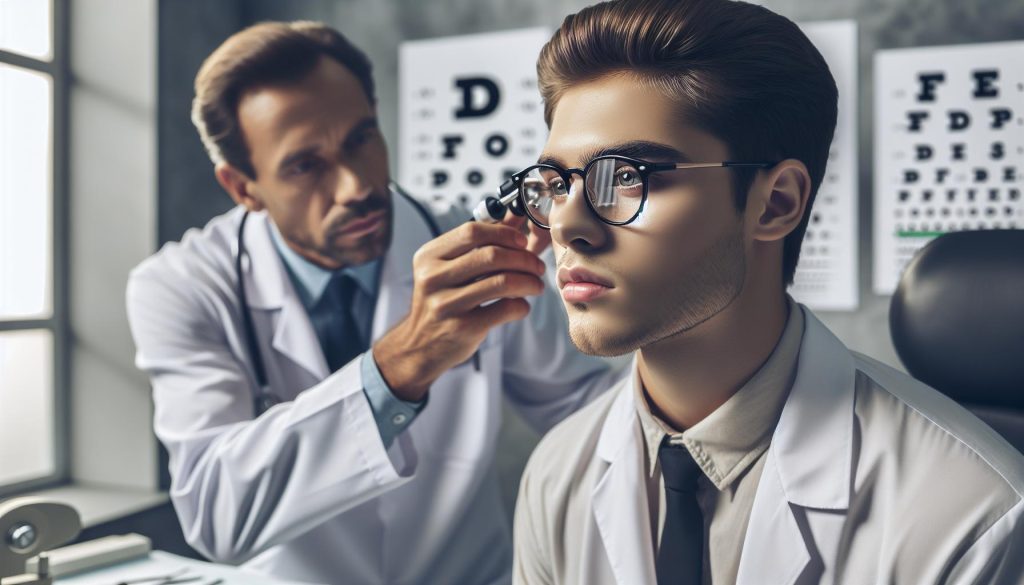
In many cases, styes are harmless and will clear up on their own within one to two weeks. However, there are certain situations where seeking professional treatment becomes essential for both comfort and health. If you notice that your stye is not improving or if it begins to worsen after a week of self-care-such as applying warm compresses or using over-the-counter treatments-it’s wise to consult with an eye care specialist. Persistent symptoms may indicate an underlying issue that requires medical intervention, such as an infection that isn’t responding to home remedies.
Another crucial factor to consider is the size and location of the stye. If it causes severe discomfort, interferes with your vision, or is large enough to be concerning, a healthcare provider can evaluate whether it needs to be drained or treated with a prescription medication. They may recommend a small incision to relieve pressure or prescribe antibiotics if there is a significant risk of bacterial spread.
Additionally, if you frequently experience styes-beyond the occasional flare-up-this could be a sign of blepharitis or another underlying condition affecting your eyelids. A thorough assessment by a professional will help identify the root cause and ensure you receive a tailored treatment plan. Proactive measures may include specialized eyelid scrubs or lifestyle changes to improve eyelid hygiene and overall eye health.
Being proactive about your eye health empowers you to make informed decisions. If in doubt, don’t hesitate to reach out for professional advice, as early intervention can often prevent more serious complications. Remember, prioritizing your comfort and well-being should always come first.
Tips for Caring for Your Eyes Post-Stye
Caring for your eyes after experiencing a stye is crucial for ensuring a smooth healing process and preventing future occurrences. While styes often resolve on their own, adopting the right care practices can enhance your comfort and restore your eye health. One of the simplest yet most effective steps you can take is to continue applying warm compresses several times a day. This can help reduce discomfort and promote drainage of the stye, should it still be present. Make sure to do this for about 10-15 minutes at a time and use a clean cloth each session to avoid introducing new bacteria.
Maintaining good eyelid hygiene is another key aspect. Gently cleansing your eyelids with a mild soap or commercially available eyelid scrub can reduce the chance of re-infection or another stye forming. You can use a cotton ball or a soft cloth to apply the solution, taking care to avoid getting any soap directly in your eyes. Additionally, avoiding eye makeup during the healing period and discarding any old or potentially contaminated products will help reduce risks when your eyes are more vulnerable.
Staying Hydrated and Nutrition
A proper diet and hydration play an essential role in overall eye health. Drink plenty of water and consider foods rich in omega-3 fatty acids, such as salmon or walnuts, which can support eye function and reduce inflammation. Incorporating fruits and vegetables high in vitamins A and C can also benefit your skin and eyes.
In terms of lifestyle, make it a habit to wash your hands frequently, particularly before touching your face or eyes. This simple action greatly reduces the likelihood of bacteria spreading to your eyelids. If you wear contact lenses, it is advisable to switch to glasses until the stye has fully healed to avoid additional irritation.
Lastly, do not hesitate to consult with a healthcare professional if you notice persistent discomfort, swelling, or changes in vision. Being proactive about your eye health empowers you to make informed decisions and prevent further complications. Taking these steps not only aids in recovery but also enhances your overall well-being, allowing your eyes to shine with health.
Frequently asked questions
Q: How long does it take for a stye to go away on its own?
A: A stye typically resolves on its own within 5 to 7 days. During this time, it is essential to use warm compresses to promote healing and comfort. If symptoms persist beyond this period, consider consulting a healthcare professional for further evaluation.
Q: Can I speed up the healing process of a stye naturally?
A: Yes, using warm compresses for 10-15 minutes several times a day can help speed up the healing process. This method alleviates discomfort and encourages drainage, allowing the stye to heal more quickly. Avoid squeezing or popping the stye to reduce the risk of infection.
Q: Why do styes keep coming back?
A: Styes can recur due to poor eyelid hygiene, blocked oil glands, or underlying skin conditions. Maintaining good hygiene, including regular cleansing of the eyelids, can help prevent future styes. Additionally, managing stress and ensuring a balanced diet may also contribute to eye health.
Q: Do over-the-counter treatments help with styes?
A: Over-the-counter treatments, such as warm compresses and specific ointments, can provide relief by reducing inflammation and promoting drainage. It’s essential to follow product instructions and consult a doctor if symptoms worsen or do not improve within a week.
Q: What home remedies can I use for stye relief?
A: Home remedies include warm compresses, tea bags with chamomile or black tea, and diluted saltwater rinses. These methods can soothe irritation and promote healing. Be sure to wash your hands before touching the eye area to prevent spreading bacteria.
Q: Is it safe to wear makeup with a stye?
A: It is advisable to avoid wearing eye makeup while a stye is present. Makeup can irritate the affected area and exacerbate the stye. Once healed, ensure that you replace old makeup to prevent future occurrences.
Q: When should I consider seeing a doctor for a stye?
A: You should seek medical attention if the stye does not improve within a week, worsens, or if you experience vision changes or severe pain. A doctor may prescribe antibiotics if an infection is suspected or recommend other treatments.
Q: Can stress lead to the development of styes?
A: Yes, stress can contribute to various skin conditions, including the development of styes. Managing stress through relaxation techniques, regular exercise, and a healthy lifestyle may help reduce your likelihood of developing styes.
The Conclusion
As we’ve explored, a stye can often resolve on its own within a week or so, but understanding the natural healing timeline and proper eye care can expedite recovery. If you’re looking to soothe discomfort or prevent future occurrences, consider applying warm compresses regularly and maintaining good eyelid hygiene. For more tips and remedies, check out our articles on eye care basics and effective home treatments for eye infections.
Don’t let a stye hold you back from feeling your best! Subscribe to our newsletter for the latest insights on women’s health and beauty, and explore our comprehensive guides on skincare routines that keep your eyes bright and healthy. Have questions or personal experiences to share? We’d love to hear from you in the comments below! Your journey to clearer, healthier eyes starts now-take action today!