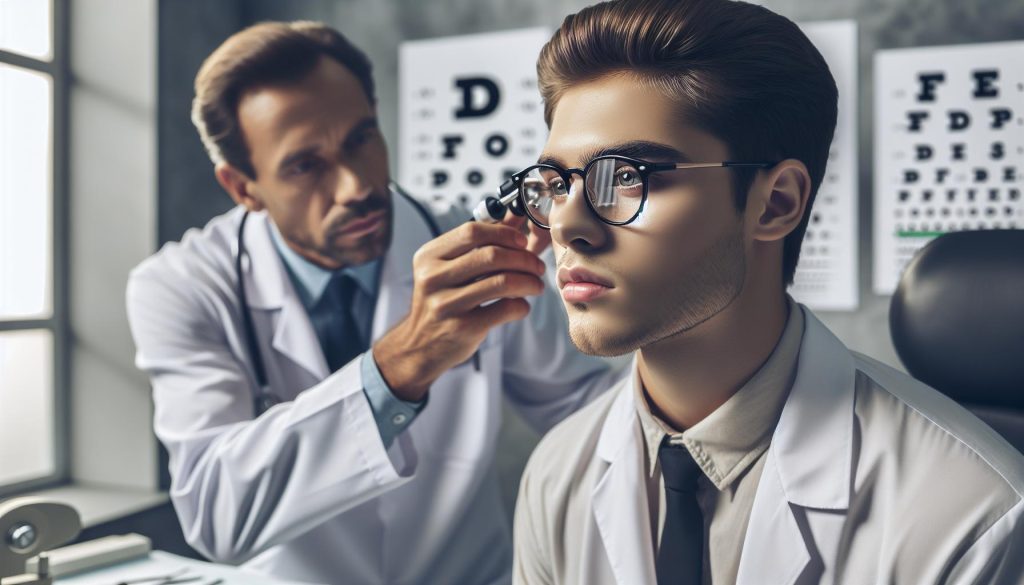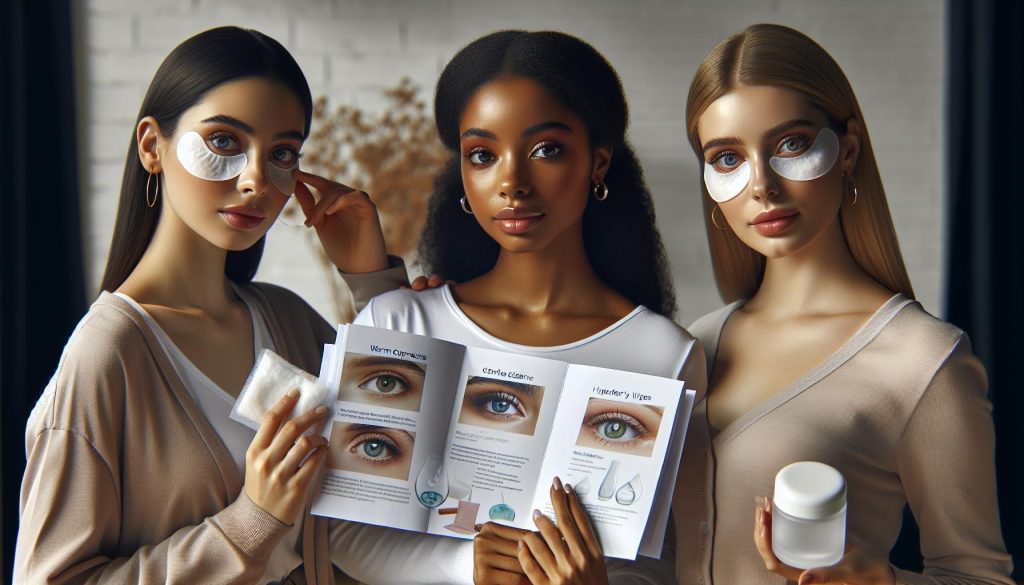
Did you know that nearly everyone will experience an eye stye at some point in their life? These painful red bumps can be frustrating, not just because of their discomfort but also due to their impact on your appearance and confidence. Understanding how you developed a stye is vital for prevention and effective treatment.
Identifying personal triggers is the first step toward keeping your eyes healthy and your beauty routine intact. Stress, poor hygiene, and certain skincare products can all play a role in the emergence of these irritating infections. By focusing on your unique circumstances, you can empower yourself with the knowledge needed to take proactive measures.
Join us as we delve into the causes of eye styes, helping you gain valuable insights to prevent future occurrences and maintain radiant, healthy eyes. Your journey to informed self-care begins now!
Understanding What Causes Eye Styes
While the appearance of a stye can be bothersome and even painful, understanding what causes these common eyelid infections can empower you to take preventive measures and seek appropriate treatments. Styes, medically known as hordeola, usually occur when oil glands in the eyelid become blocked or infected, often by bacteria such as Staphylococcus aureus. These bacteria are naturally present on the skin, but certain conditions can exacerbate their growth and lead to an infection.
Several factors contribute to the development of styes. Poor hygiene practices, such as not washing your hands before touching your face or not removing eye makeup properly, can increase the risk of transferring bacteria to the eyelids. Additionally, underlying conditions such as blepharitis, a chronic inflammation of the eyelid margins, can predispose individuals to styes, as the inflammation can hinder the proper function of oil glands.
Moreover, certain lifestyle choices and personal habits can also play a role. For instance, if you frequently rub your eyes or have a habit of wearing cosmetics that irritate your eyelids, you might find yourself more susceptible to developing styes. Understanding these triggers and modifying your hygiene practices and lifestyle choices can significantly reduce your risk. If you’re prone to styes, making mindful decisions about eye care can go a long way in keeping your eyelids healthy and reducing discomfort.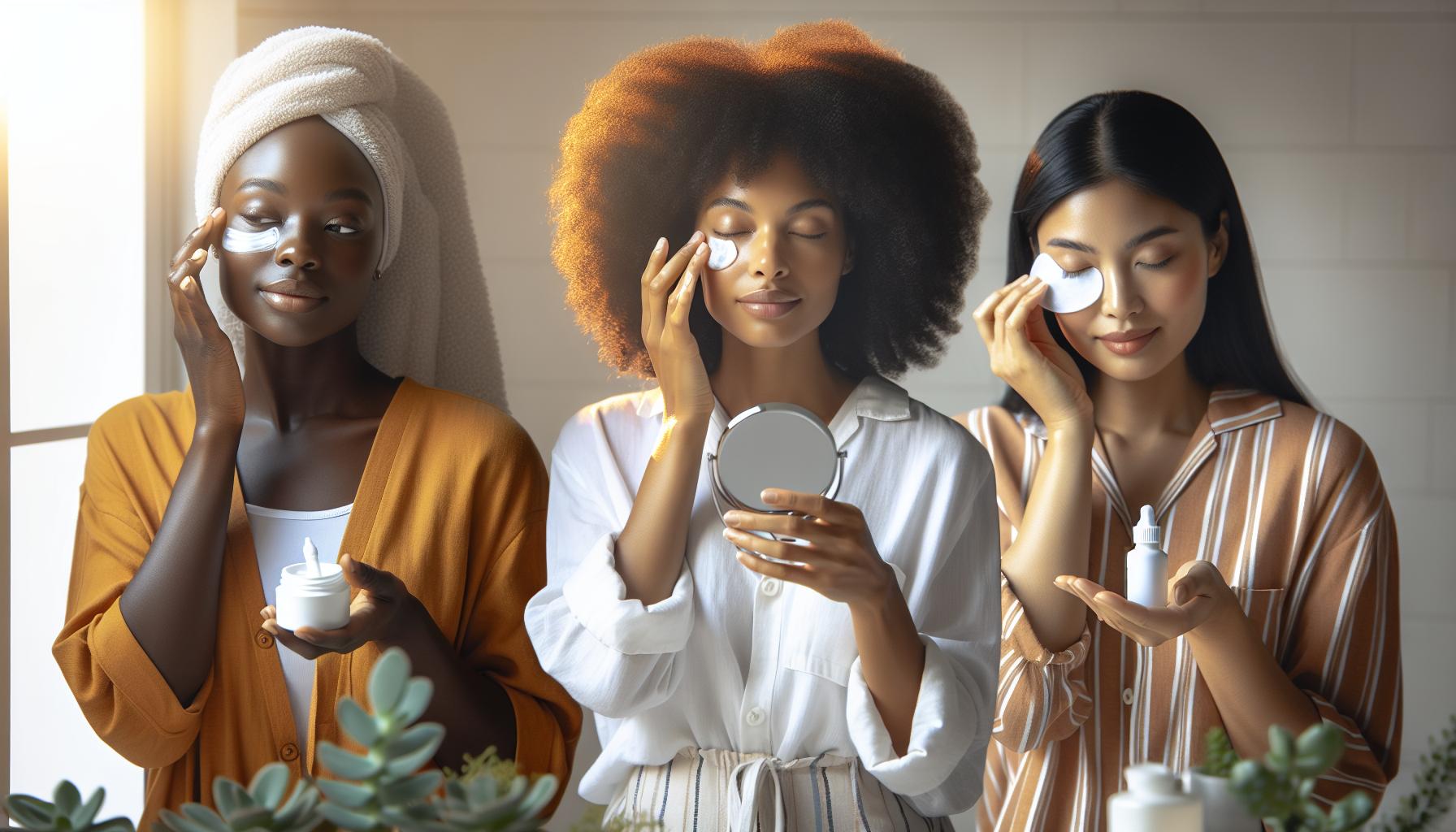
Common Personal Triggers for Eye Styes
The appearance of a stye can feel frustrating and irritating, but identifying your personal triggers is essential in managing and preventing them. Understanding these common personal triggers helps you take proactive steps towards healthier eyelids and overall well-being.
One significant factor is hygiene habits. If you often touch your face or rub your eyes without washing your hands, you may be transferring bacteria to your eyelids, setting the stage for an infection. Removing makeup at the end of the day is equally important; sleeping with eye makeup can clog glands and contribute to stye formation. Establishing a consistent, gentle skincare routine that includes daily cleansing and makeup removal can vastly reduce this risk.
Additionally, certain lifestyle choices play a crucial role in your susceptibility to styes. For instance, if you wear contact lenses, ensure that you’re practicing good lens hygiene, as dirty lenses can lead to infections. Allergies are another factor; if you frequently itch or rub your eyes due to allergic reactions, this mechanical irritation can lead to inflammation of the eyelid and, subsequently, a stye. Keeping triggers under control-whether through allergy medications or simply by reducing exposure to allergens-can help maintain the health of your eyes.
Another often overlooked issue is stress. High stress levels can impact your immune system, making you more susceptible to infections, including styes. Incorporating relaxation techniques, such as meditation or yoga, can play a role in maintaining your overall health and reducing the chances of stye development. By paying attention to these personal triggers, you can make informed adjustments to your habits and routines, ultimately creating a more supportive environment for your eye health.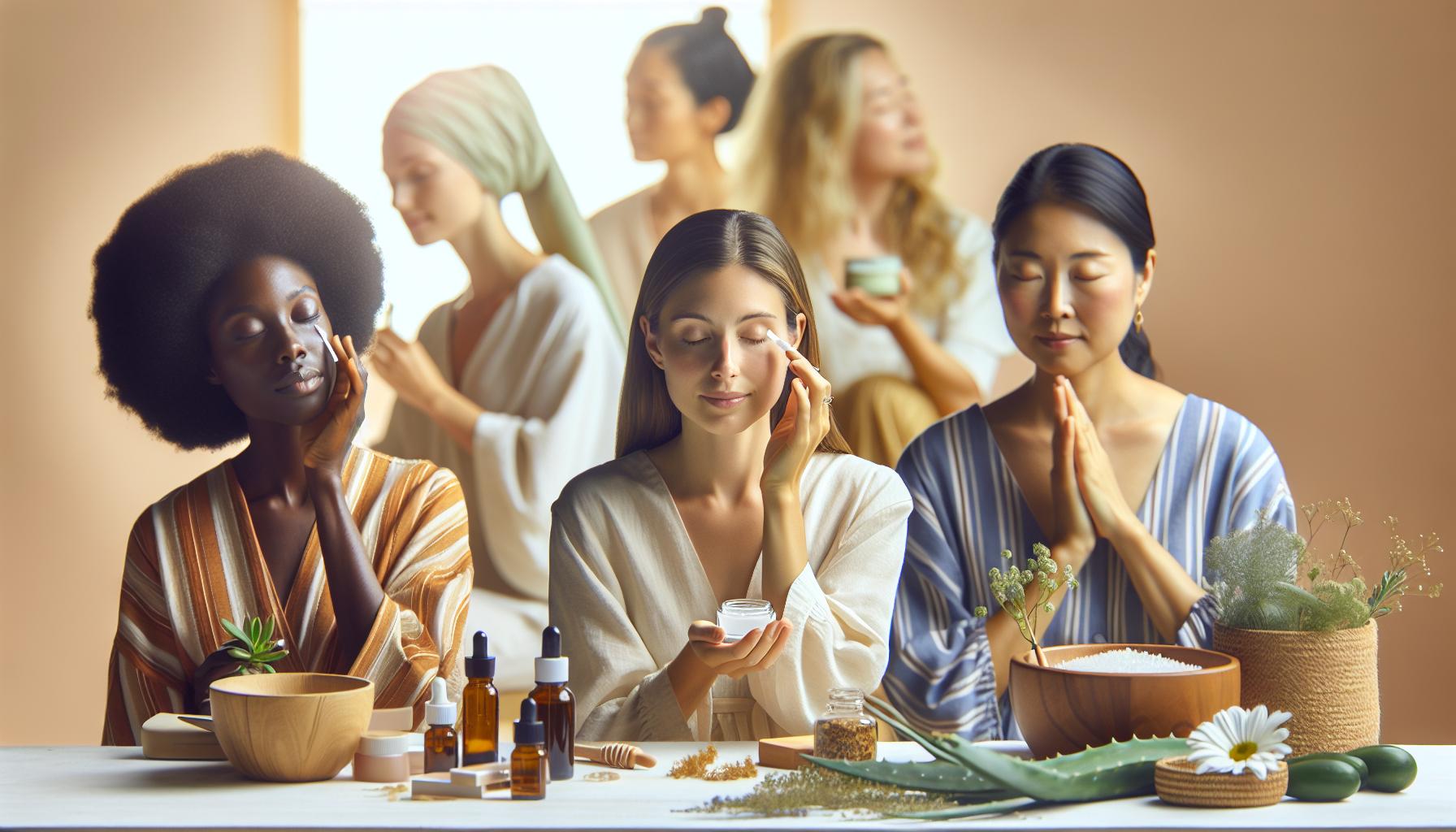
How Stress Can Lead to Eye Styes
Stress is more than just a mental state; it’s a physiological phenomenon that can significantly impact your health, including your eye health. When you experience stress, your body releases hormones like cortisol, which can compromise your immune system. A weakened immune response makes your body more susceptible to infections, including those that result in eye styes. So, if you find yourself under pressure-whether from work, personal relationships, or unexpected life events-it’s essential to recognize how these stresses may influence not only your mood but also your physical health.
Incorporating stress-reducing practices into your daily routine can be a game changer for maintaining your eye health. Activities like yoga, meditation, and deep-breathing exercises help regulate your body’s stress responses, allowing for better immune function. Additionally, getting enough sleep and engaging in regular physical activity not only help alleviate stress but also promote overall well-being. When you carve out time for self-care, you cultivate a supportive environment for your body, making it less likely to succumb to infections such as styes.
It’s also worth noting that some people may develop unhealthy coping mechanisms under stress, like neglecting personal hygiene or habits that promote proper eye care. For instance, when overwhelmed, you might skip cleansing your face or removing makeup before bed, both of which are crucial in preventing bacterial buildup on your eyelids. By recognizing stress triggers and their potential cascading effects on your health, you can strategically implement routines that prioritize not just mental calmness but also physical care. Embracing stress management techniques will equip you with the tools needed to ward off not just the inconvenience of styes but also the broader implications of stress on your overall well-being.
Hygiene Habits That Increase Stye Risk
One of the most surprising contributors to the development of eye styes lies within our everyday hygiene practices. Maintaining good hygiene is essential, not just for general health but also for keeping your eyes free from irritation and infection. Styes, which are often caused by bacterial infections in the oil glands of the eyelids, can easily arise from unhygienic habits that many may overlook.
For starters, failing to wash your face regularly can lead to a buildup of oils, dirt, and bacteria, creating an environment perfect for stye development. It’s crucial to cleanse your skin daily with a gentle cleanser to remove any impurities. Pay particular attention to your eye area, ensuring you’re removing makeup and dirt properly, as these can clog the oil glands and lead to infections. Always remember to use clean hands; touching your eyes with unwashed hands introduces bacteria that can also lead to styes.
Another common mistake is sharing cosmetics or personal items like towels and washcloths. Bacteria can easily transfer between individuals through these items, increasing the risk of infections. It’s best to keep your eye products like eyeliners and mascaras personal and avoid sharing them with friends or family. Additionally, regularly cleaning your makeup brushes and applicators can help reduce bacteria buildup significantly.
Finally, neglecting to replace old makeup can be a hidden risk factor. Makeup products have expiration dates, and using them past this period can introduce harmful bacteria to your eyelids. Make it a point to regularly check your cosmetics and discard anything that is old, especially products used near your eyes. By adopting these simple yet effective hygiene practices, you can significantly decrease your risk of developing eye styes and keep your eyes healthy.
The Role of Allergies in Eye Stye Development
Allergies play an intriguing role in the development of eye styes, often without individuals recognizing the connection. When allergens such as pollen, pet dander, or dust mites come into contact with your eyes, they can trigger an inflammatory response. This inflammation doesn’t just cause symptoms like itching and redness; it can lead to disruptions in the natural balance of oils in the eyelid glands. When these glands become blocked or are compromised due to irritation, bacteria can thrive, resulting in a stye.
Understanding how allergies interact with eye health can empower you to take proactive measures. For example, if you’re prone to allergies, consider integrating daily eye hygiene practices into your routine. Flushing your eyes with saline solution after exposure to known allergens can help remove irritants and lower the risk of inflammation. Additionally, maintaining a clean environment and using hypoallergenic products can significantly mitigate allergy symptoms and consequently reduce the chance of developing styes.
Pay close attention to your body and identify potential allergens. Keeping a journal of your symptoms and environmental exposures can help you pinpoint triggers. If your eyes are frequently irritated during specific seasons or in certain locations, it may be beneficial to consult an allergist. They can help you with allergy testing and provide tailored advice, including potential lifestyle changes and treatments, to alleviate symptoms.
If you know allergies are a part of your life, consider enhancing your skincare and eye care products with ingredients designed to soothe and protect, such as aloe vera or chamomile, both known for their anti-inflammatory properties. Regularly applying a gentle, fragrance-free moisturizer around the eyes can help maintain skin barrier function and discourage bacteria from entering blocked glands, effectively reducing the risk of styes. By being aware of your allergy triggers and taking preventive measures, you can support your eye health and enjoy clearer, healthier eyelids.
Identifying Hormonal Influences on Eye Styes
Hormonal fluctuations can significantly influence the likelihood of developing eye styes, especially in women. During certain periods of our lives, such as puberty, menstruation, pregnancy, and menopause, hormonal changes can disrupt the natural balance of oil production in the glands of the eyelids. When these glands become either overactive or clogged, the risk of bacteria thriving increases, leading to a higher chance of stye formation.
It’s essential to recognize these patterns and understand when your body might be undergoing hormonal shifts. For example, many women report an increase in styes or similar conditions during their menstrual cycle due to the hormonal changes that prompt oil gland activity. Keeping track of your cycle in a health journal can help you identify if there’s a consistent pattern correlating hormonal changes with the appearance of styes.
To manage this connection, consider incorporating some practical steps into your daily routine. Maintain a careful eye care regimen that includes cleansing the eyelids to remove excess oil and debris, especially during times of increased hormonal activity. Products containing gentle, natural ingredients like baby shampoo can effectively clean the eyelid area without causing irritation. Additionally, managing stress through techniques such as yoga, meditation, or regular exercise can help stabilize hormonal fluctuations, providing an added layer of protection against styes.
Ultimately, being proactive about your hormonal health can aid in reducing the incidence of styes. By understanding your body’s signals and implementing mindful eye care practices, you empower yourself to take control of your ocular health, promoting overall well-being during each stage of life.
Eye Care Routines to Prevent Styes
Regular eye care routines can significantly diminish the likelihood of developing bothersome styes. By adopting a few simple practices, you can maintain the health of your eyelids and reduce the risk of infection. One effective method to keep your eyelids clean and healthy is performing a gentle eyelid scrub regularly. This can be accomplished using warm water and a mild baby shampoo or a commercially available eyelid cleanser. Gently scrubbing the eyelid margins helps remove excess oil, debris, and bacteria, which can contribute to the formation of styes.
Another crucial aspect of eye care is being mindful of the products you apply near your eyes. Always ensure that your makeup brushes and applicators are clean, as dirty tools can introduce harmful bacteria to the delicate skin around your eyes. Additionally, consider using oil-free or non-comedogenic makeup products, especially around the eyelid area, to minimize the risk of clogged glands. When it’s time to remove makeup, use gentle, hypoallergenic makeup removers that won’t irritate your skin or compromise the eyelid’s natural barrier.
- Stay Hydrated: Keeping your body hydrated aids in optimal oil production, which is vital for eyelid health.
- Give Your Eyes a Break: If you work on screens for prolonged periods, practice the 20-20-20 rule: every 20 minutes, look at something 20 feet away for 20 seconds. This helps minimize strain.
- Maintain Overall Hygiene: Wash your hands frequently and avoid touching your face, especially your eyes, to reduce the potential for transferring bacteria.
You can also explore natural remedies as part of your eye care routine. Warm compresses, for instance, can be soothing and can help unclog oil glands if done regularly. Simply soak a clean cloth in warm water, wring it out, and place it gently over closed eyelids for ten minutes each day. This method helps promote healthy oil flow and can reduce the chances of developing a stye.
By implementing these steps and being conscious of your personal hygiene and makeup habits, you can foster a proactive approach to eye health that minimizes the discomfort of styes while empowering you to enjoy healthier, happier eyes.
Natural Remedies for Treating Eye Styes
Incorporating natural remedies into your routine could provide effective relief from the discomfort of eye styes. One of the simplest yet highly effective treatments is using warm compresses. The heat helps to increase blood circulation around the area, promote drainage of any blocked glands, and reduce inflammation. To perform a warm compress, soak a clean cloth in warm water, wring it out to remove excess moisture, and place it gently over your closed eyelids for about 10-15 minutes. Repeat this process two to four times daily until the stye begins to improve.
Another beneficial natural remedy is the use of chamomile tea bags. Chamomile has anti-inflammatory properties that can soothe irritated skin. Brew a chamomile tea bag in hot water, let it cool down to a comfortable temperature, and then place it on the affected eye for about 10-15 minutes. This method not only provides relief but also hydrates the skin around your eyes.
It’s essential to consider the role of essential oils as well. For example, lavender essential oil is noted for its calming and antiseptic qualities. Dilute a few drops of lavender oil with a carrier oil, such as coconut or olive oil, and gently apply a small amount around the affected area, being cautious not to get it into your eyes.
Maintaining a consistent practice of eye hygiene is also critical in managing styes. Regularly clean your eyelids using a diluted baby shampoo or a commercial eyelid scrub to help remove excess oil and debris that can contribute to stye formation. Additionally, ensure that any eye makeup products are hypoallergenic and free from potentially irritating ingredients.
Through attentive care and these natural treatments, you can empower yourself to manage and relieve the discomfort associated with eye styes effectively. Always remember, however, that if symptoms persist or worsen, consulting a healthcare professional is advisable for further evaluation and treatment.
When to Seek Professional Help for Styes
Identifying when it’s time to seek professional help for eye styes can greatly influence your recovery and overall eye health. While most styes resolve on their own with proper care, there are specific situations in which medical intervention is necessary. If you notice that a stye persists for more than a week without improvement, it’s prudent to consult a healthcare professional. Ongoing discomfort, swelling, or redness that spreads beyond the stye can indicate an underlying infection requiring medical treatment.
In some cases, styes may form in clusters or recur frequently, which could signal a more serious issue, such as a chronic eyelid condition. Furthermore, if your vision becomes affected or if you experience significant pain, it is essential to seek immediate medical attention. These symptoms can be indicative of complications that extend beyond a simple stye.
Signs That Warrant a Doctor’s Visit
- Persistent Stye: Lasting more than a week with no signs of drainage or improvement.
- Spreading Redness: Inflammation or redness advancing beyond the stye itself.
- Vision Changes: Blurriness or decreased visual acuity.
- Severe Pain: Intense discomfort that disrupts daily activities.
- Recurring Styes: Frequent occurrences that disrupt routines and indicate underlying issues.
Styes can be frustrating, but recognizing when to involve a professional can prevent complications and ensure a swift recovery. Think of this as a proactive step in maintaining your eye health. Your vision is too valuable to overlook signs that something may be wrong. If in doubt, reaching out to a healthcare provider can provide peace of mind and clear guidance tailored to your situation.
Lifestyle Changes to Reduce Stye Recurrence
Taking proactive steps in your daily routine can significantly reduce the likelihood of developing styes, which are often linked to personal habits and lifestyle factors. One of the most effective strategies is to maintain excellent hygiene, particularly around the eyes. Regularly washing your face and gently cleaning your eyelids can help prevent the buildup of oil and bacteria that contribute to stye formation. Using a mild soap or a specially formulated eyelid scrub can keep your eyelids clean without causing irritation.
Stress is another contributing factor that can predispose you to styes. Engaging in stress-reducing activities like yoga, meditation, or simply taking time for relaxation can help your body maintain a healthier state, thereby reducing the risk of stye formation. It’s also beneficial to ensure you get adequate sleep, as rest plays a vital role in immune function and overall skin health. Aiming for 7-9 hours of quality sleep each night can bolster your body’s defenses against infections, including those that might lead to a stye.
Another critical area to focus on is your eye makeup habits. If you wear makeup, be cautious about expiration dates and cleanliness. Always remove makeup before bed to ensure that no remnants clog your eyelid glands. Additionally, avoid sharing cosmetics to minimize the risk of transferring bacteria. Regularly replacing mascara and other eye products can also help keep your eyes healthy and stye-free.
Lastly, be mindful of your dietary choices. A balanced diet rich in vitamins and antioxidants can support skin health and boost immune function. Including foods high in vitamins A, C, and E-such as spinach, berries, and nuts-can promote healthier skin and possibly reduce the frequency of styes. By integrating these lifestyle adjustments into your daily routine, you can empower yourself to take control of your eye health and minimize the chances of experiencing the discomfort that styes can bring.
Debunking Myths About Eye Styes
Many people have misconceptions about eye styes that can lead to unnecessary worry or ineffective treatment strategies. One of the most common myths is that styes are contagious. In reality, while the bacteria that can cause styes (like Staphylococcus) are indeed contagious, the formation of a stye itself-a localized infection or blockage of an oil gland in the eyelid-is not. You cannot catch a stye from someone else, but practicing good hygiene can reduce your personal risk of developing one.
Another prevalent myth is that poor eyesight directly causes styes. This is not true; while eye strain or irritation from poor vision can create discomfort, it does not lead to stye formation. Styes are more closely linked to hygiene practices, oil gland blockages, and factors such as stress and hormone fluctuations. It’s essential to understand that maintaining clean eyelids and managing stress levels can significantly help in preventing these pesky infections.
Some individuals believe that wearing eye makeup is a guaranteed route to developing styes. However, the truth is that makeup alone is not the villain; it’s the absence of proper skincare routines that increases risk. Always removing makeup before bed, not sharing products, and using clean applicators can prevent makeup-related complications that may lead to styes. Incorporating these practices into your daily routine supports eye health while still allowing you to enjoy cosmetics.
Finally, the idea that styes require extensive medical treatment or surgical intervention is often overstated. In many cases, styes can be managed at home through warm compresses and good hygiene practices. However, it’s important to recognize when a stye is persistent or worsening, as this could signal the need for medical consultation. Keeping these points in mind can empower you to take proactive steps in managing your eye health.
FAQ
Q: What lifestyle changes can help prevent eye styes?
A: To prevent eye styes, prioritize proper hygiene, manage stress levels, and pay attention to dietary habits. Regularly clean your makeup brushes and avoid touching your eyes. Implementing a balanced diet rich in vitamins and minerals can also boost your immune system, reducing the risk of stye occurrence.
Q: Why do I get eye styes repeatedly?
A: Repeated eye styes may stem from unresolved personal triggers such as underlying health issues, persistent allergies, or inadequate hygiene practices. Identifying these triggers and addressing them through effective eye care routines can significantly reduce the recurrence of styes.
Q: How can I determine my specific trigger for eye styes?
A: Identifying your specific trigger involves keeping a journal of eye symptoms and potential associated factors like stress, diet, and hygiene habits. Tracking these elements can help reveal patterns and lead to effective lifestyle modifications to prevent future styes.
Q: What role do cosmetics play in developing eye styes?
A: Cosmetics can contribute to eye stye development, especially if they are old, contaminated, or improperly applied. Ensure you use high-quality, hypoallergenic products and replace makeup regularly to minimize the risk of bacterial infection that could lead to styes.
Q: When should I see a doctor for an eye stye?
A: Consult a doctor if you experience severe pain, vision changes, or if the stye doesn’t improve after a few days. Professional evaluation is crucial for recurrent styes, as they may indicate an underlying condition that needs medical attention.
Q: Can eye styes be caused by hormonal changes?
A: Yes, hormonal changes, particularly during menstrual cycles or pregnancy, can increase the likelihood of developing eye styes. Hormones may affect oil gland function around the eyes, potentially leading to blockages that cause styes.
Q: Is there a strong link between stress and eye stye formation?
A: Stress can contribute to eye stye formation as it may weaken the immune system and disrupt hormonal balance. Managing stress through relaxation techniques, such as yoga or meditation, can be beneficial in reducing the incidence of styes.
Q: How do allergies contribute to eye stye development?
A: Allergies can irritate the eyes, leading to increased rubbing or touching, which may introduce bacteria into the eyelids. This, combined with inflammation, creates a higher risk for stye development. Identifying and managing allergens can help prevent styes.
In Summary
Understanding your personal triggers for eye styes is crucial for prevention and management. Remember, common factors such as poor hygiene, stress, and underlying health issues can contribute to their recurrence. Act now by evaluating your lifestyle to identify changes that could minimize future occurrences. For additional support, explore our guides on effective home treatments for styes and discover more about eye care best practices.
Don’t let eye styes interfere with your daily life-consider signing up for our newsletter for tips on eye health and beauty routines directly to your inbox. For those still seeking answers, feel free to consult our expert resources or connect with a healthcare provider for personalized advice. Your health and comfort are paramount, so take the next step toward maintaining clear and healthy eyes. Share your thoughts in the comments, and check out related topics like “How to Care for Your Eyelids” and “Home Remedies for Common Eye Issues” to deepen your understanding and further enhance your eye care routine.