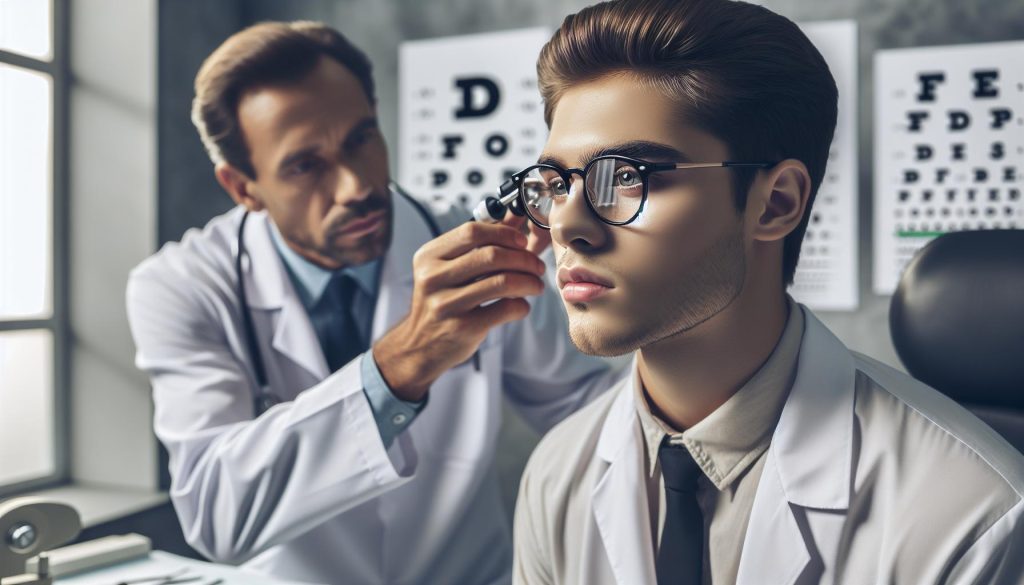
Did you know that nearly everyone experiences a stye at some point in their lives? This common yet painful eyelid infection, typically caused by bacteria, can disrupt your daily routine and beauty regimen. Understanding how a stye forms is crucial for prevention and treatment, especially for those who prioritize eye health and beauty care.
Many factors contribute to the likelihood of developing a stye, from poor hygiene practices to existing skin conditions. By recognizing these triggers, you can take proactive steps to protect your eyes and maintain your overall well-being. In this article, we will explore the real reasons behind stye formation, empowering you with knowledge to prevent these bothersome lumps and keep your eyes looking their best. Your journey to healthier eyes starts here!
Understanding What Causes Eye Styes
A stye, medically known as a hordeolum, is a common eye condition that arises from an infection in the oil-producing glands of the eyelids. Understanding the root causes of styes can empower you to take proactive measures in your eye care routine. The primary cause is often a bacterial infection-specifically from the Staphylococcus bacteria, which is frequently present on the skin. When there’s a disruption in the eyelid’s natural barrier, such as through injury or poor hygiene, these bacteria can infiltrate the glands and lead to inflammation, resulting in the formation of a stye.
Other noteworthy factors contributing to stye development include stress and hormonal changes. Stress can weaken the immune system, making it easier for infections to take hold. Additionally, hormonal fluctuations, particularly those experienced during menstrual cycles, can affect oil production in the glands, increasing vulnerability to blockages and subsequent infections. Poor eyelid hygiene is another significant contributor; for instance, not removing eye makeup thoroughly can provide a breeding ground for bacteria. Ensuring that your eyelids are clean, especially after wearing cosmetics, is crucial in minimizing the risk of stye formation.
Incorporating simple habits into your daily routine can also play a huge part in preventing styes. For example, regularly washing your hands before touching your face, using hypoallergenic makeup, and replacing old cosmetics can help maintain the health of your eyes. If you notice early signs of a stye-such as redness or a bump appearing on your eyelid-administering warm compresses can help soothe the area and reduce inflammation. Recognizing the causes and implementing preventive strategies can significantly diminish your chances of future stye occurrences.
Common Symptoms and Signs of Eye Styes

Recognizing the early signs of a stye can make a significant difference in managing discomfort and promoting quicker healing. A stye typically starts as a small, red bump near the edge of your eyelid, resembling a pimple or boil. This initial lump can be quite sensitive to the touch, often accompanied by tenderness as pressure increases. As the condition develops, you may notice that the bump becomes more prominent and swollen, potentially extending to the surrounding area, leading to overall eyelid discomfort.
One of the hallmark symptoms is the formation of pus within the stye, which might make it appear yellowish at the center. Alongside the visual changes, you may experience itching or a burning sensation in the affected eye. It’s not uncommon for individuals to also notice tearing or discomfort when blinking, as the inflamed area may irritate the eye. These symptoms can be frustrating, but they are your body’s way of signaling that care is needed.
Should you experience persistent redness, swelling, and pain in your eye, it’s essential to observe any accompanying symptoms that may indicate an infection is worsening. If you find the stye is not resolving with at-home care after a few days, or if your vision becomes blurred or you develop feverish symptoms, it’s advisable to consult a healthcare professional. Understanding these signs empowers you to take proactive steps in managing eye care, ensuring a focus on both immediate relief and long-term prevention.
Incorporating effective eye care practices is vital in avoiding the recurrence of styes. Regularly using warm compresses on your closed eyelid can not only soothe existing irritation but can also help facilitate drainage of the pus that may be present, promoting healing in the process. Recognizing the indicators early allows you to respond appropriately and maintain the health of your eyes effectively.
Risk Factors and When to Be Concerned

While styes may seem like a minor inconvenience, understanding the risk factors involved can empower you to take control of your eye health. One primary contributor to stye formation is a compromised immune system, which can be influenced by various factors. Conditions such as diabetes, skin disorders like rosacea or eczema, and even chronic stress can weaken your body’s defenses, making it easier for bacteria to thrive and lead to infections. Additionally, if you’ve previously had a stye, there’s a heightened likelihood that you might experience a recurrence, making it essential to be aware of preventative measures.
When You Should Be Concerned
Recognizing when to seek medical advice can significantly impact your recovery and overall eye health. If you notice that the stye persists beyond a few days, increases in size, or if you experience worsening symptoms such as significant pain, blurred vision, or fever, it’s important to consult a healthcare professional. These can be signs that the infection is escalating, possibly requiring more than just home remedies for treatment.
Moreover, if your eyelid becomes increasingly red or swollen to the point where it hinders your ability to open your eyes, professional evaluation is warranted. Early intervention can prevent complications and ensure that your treatment plan is appropriately tailored to address any underlying issues contributing to the stye’s persistence.
By being aware of these risk factors and being proactive about your eye care, you can significantly reduce the likelihood of stye formation while also seeking timely treatment when necessary. Consider maintaining a self-care routine that includes stress management, proper hygiene practices, and regular check-ups, all of which can play a pivotal role in keeping your eyes healthy and stye-free.
How Bacteria Leads to Stye Formation
The formation of a stye is chiefly triggered by bacterial infections, primarily caused by Staphylococcus bacteria, which commonly inhabit the skin and nasal passages. When the glands in your eyelids become clogged or blocked-often due to dead skin cells, oil, or dirt-these bacteria can proliferate, leading to inflammation and the characteristic lump that marks a stye. This bacterial invasion typically occurs when there is a disruption in the eyelid’s normal environment, making it fertile ground for infection.
In many cases, the compromised drainage of oil-producing glands, known as meibomian glands, allows these bacteria to flourish. The resulting inflammation manifests as a red, painful bump on the eyelid. It’s not merely the presence of bacteria that leads to a stye; surrounding factors like poor hygiene or touching your eyes with unwashed hands can exacerbate the situation, introducing more bacteria to potential weak spots.
To minimize your risk, it’s important to adopt a proactive eye care routine. Regularly washing your face and eyelids can help prevent the buildup of debris that leads to blockage. Gentle cleansing with a mild soap and warm water or specialty eyelid wipes can offer an added layer of protection. Additionally, avoiding the use of expired cosmetics or sharing eye makeup can significantly reduce the chances of styes, as these products often host bacterial growth.
Understanding how these bacterial infections develop empowers you to take steps that can protect your eye health. By maintaining a clean environment for your eyes and being mindful of your habits, you can create a less hospitable environment for bacteria, greatly reducing your likelihood of experiencing recurrent styes.
The Role of Poor Eyelid Hygiene
Maintaining clean eyelids is more crucial than you might realize when it comes to preventing eye styes. A staggering number of people unknowingly contribute to the development of these painful bumps by neglecting basic eyelid hygiene. Just like the skin on our face, the delicate skin around the eyes also requires care and attention. Without proper cleansing, oils, dirt, and dead skin cells can accumulate, leading to clogged glands and creating an ideal breeding ground for bacteria, especially the notorious Staphylococcus.
Incorporating a simple yet effective eyelid hygiene routine into your daily skincare regimen can significantly reduce your risk of styes. Start with gentle cleansing products, specifically designed for the delicate eye area, or opt for warm water combined with a mild soap. Here’s a step-by-step guideline for keeping your eyelids clean:
- Wash your hands: Always start by washing your hands thoroughly to prevent transferring bacteria.
- Gently cleanse: Use a clean cloth or sterile eyelid wipes to gently clean your eyelids. Focus on the lash line where oils and debris tend to build up.
- Rinse well: Make sure to rinse thoroughly with lukewarm water to remove any soap residue, as this can irritate the eyes.
- Pat dry: Use a clean towel to pat the eyelids dry. Avoid rubbing, as this can harm the sensitive skin.
Furthermore, be mindful of your makeup and eye products. Sharing cosmetics or using expired items can introduce harmful bacteria that exacerbate hygiene problems. It’s advisable to regularly clean your makeup brushes and replace eye products every three to six months to further guard against contamination.
By prioritizing eyelid hygiene, you not only enhance your eye health but can also enjoy the beauty benefits of clear, irritation-free eyelids. Remember, a little attention to detail in your daily routine can go a long way in preventing styes and maintaining overall eye wellness. Empowering yourself with knowledge and proactive measures is key to a healthier, happier experience for your eyes.
Can Stress and Hormones Trigger Styes?
Experiencing a sudden flare-up of stress in your life can be more than just an emotional burden; it may also have physical manifestations, including skin issues like styes. While stress does not directly cause styes, it can lead to circumstances that make you more susceptible to these painful bumps. During stressful periods, your immune system can weaken, making it easier for bacteria, particularly Staphylococcus, to thrive and cause infections in your eyelids.
Hormonal changes that often accompany stress can further complicate the situation. For instance, fluctuations in hormones may increase oil production in your skin, which can contribute to clogged glands around the eyes. This congestion can create an environment ripe for bacterial growth, potentially leading to the development of a stye. Additionally, stress can impact your eyelid hygiene habits; when feeling overwhelmed, you might neglect your usual skincare routines, including washing your face and eyelids properly, allowing grime and bacteria to accumulate.
To combat the effects of stress on your eye health, consider adopting practices that promote relaxation and overall well-being. Techniques such as mindfulness, yoga, or deep-breathing exercises can significantly lower your stress levels. Make a conscious effort to maintain a consistent eyelid hygiene routine, particularly during high-stress periods. This includes gently cleaning your eyelids daily and applying warm compresses to soothe and unclog any potential blockages. Prioritizing self-care not only benefits your mental health but also fortifies your eyes against possible irritations, including styes.
Prevention Tips: Keeping Your Eyes Healthy
Keeping your eyes healthy is essential, not just for avoiding discomfort like styes but also for overall well-being. The following practices empower you to maintain clean, healthy eyelids and support your vision. Engaging in appropriate hygiene routines and making lifestyle choices can significantly lower your risk of developing styes.
Start with a robust eyelid hygiene routine. Gently cleansing your eyelids daily can prevent the buildup of bacteria and oils that contribute to stye formation. Use a mild cleanser or saline solution and a soft cloth or cotton pad to carefully wipe the eyelid margins. Performing this simple practice regularly helps keep the area around your eyes clear of debris and reduces inflammation.
Nutrition plays a pivotal role in maintaining eye health. A balanced diet rich in vitamins A, C, E, omega-3 fatty acids, and antioxidants fosters healthy skin and supports your immune system. Incorporate foods like leafy greens, carrots, fish, and nuts into your meals. Staying hydrated also aids in keeping your skin supple and supports overall health.
Stress management is another vital component of eye care. As mentioned before, stress can compromise your immune system and lead to neglect in personal care, which heightens the risk of styes. Engage in stress-reducing activities such as yoga, meditation, or regular physical exercise to promote relaxation and well-being. These practices not only improve your mental health but also encourage consistent self-care routines.
Maintain regular check-ups with an eye care professional to ensure your eyes remain healthy and to promptly address any concerns. Schedule appointments for comprehensive eye exams at least once a year, especially if you notice changes in your vision or discomfort in your eyes. Being proactive can help prevent more serious conditions and preserve your eye health for years to come.
Home Remedies for Treating Eye Styes
When confronted with an eye stye, many seek quick and effective home remedies to alleviate discomfort and promote healing. It’s important to note that while these remedies can provide relief, they should complement, not replace, professional advice when necessary. Here are some trusted approaches to treat a stye at home:
Warm Compresses
One of the most effective and simple remedies is applying a warm compress. This helps to increase blood circulation to the affected area, promoting drainage of the stye. To do this:
- Soak a clean cloth in warm water (ensure it’s not too hot).
- Wring out excess water and place the warm cloth over the stye for about 10-15 minutes.
- Repeat 3-4 times a day as needed.
This method not only provides comfort but also aids in reducing inflammation.
Tea Bags
Used tea bags, especially black or green tea, can be beneficial due to their natural anti-inflammatory properties. The tannins in tea can help soothe the swelling. Here’s how to use them:
- After brewing a tea bag, allow it to cool to a comfortable temperature.
- Place the tea bag over the closed eyelid for 10-15 minutes.
- Repeat twice daily.
Gentle Eyelid Massage
Performing a gentle massage of the eyelid can assist in promoting drainage. After applying a warm compress, use clean fingers to softly massage the area around the stye. This can help reduce pressure and encourage the stye to drain naturally.
Natural Oils
Some natural oils, like tea tree oil, possess antibacterial properties that can help treat styes. To use this remedy:
- Dilute a few drops of tea tree oil with a carrier oil (such as coconut or olive oil).
- Apply the mixture to the area around the stye using a clean cotton swab-avoid direct application to the stye itself.
- This should be done once daily.
Make sure to keep all treatment areas clean. If there’s no improvement or if the stye worsens, it’s essential to consult an eye care professional. While these home remedies can provide relief, understanding when to seek medical treatment is crucial for effective care.
When to Seek Medical Treatment for a Stye
A stye can often look alarming, but many are benign and tend to improve with simple home remedies. However, there are critical moments when seeking medical treatment becomes essential. If you notice that your stye is not responding to at-home care-such as warm compresses or gentle massages-after 48 hours, it’s a good idea to consult a healthcare professional. Persisting pain, increased swelling, or the development of a fever could signal an underlying infection that may require medical intervention, such as antibiotics or, in some cases, drainage.
Immediate medical attention is also warranted if the stye affects your vision. When the inflammation encroaches on your line of sight, it is crucial to seek help, as this may complicate the condition further. Additionally, if you experience recurrent styes, it could indicate an underlying issue with eyelid hygiene or an imbalance in oil production, which your doctor can help assess.
For pregnant women or individuals with compromised immune systems, the stakes can be higher. Pregnancy hormones can cause changes in skin and eyelid health, potentially leading to more frequent or severe styes. Therefore, anyone in these categories should be vigilant and consider consulting their healthcare provider at the first sign of a stye, even if initial symptoms appear mild.
Be proactive about your eye health; recognizing when to seek care is just as important as knowing how to manage styes at home. By joining forces with your healthcare provider, you’ll ensure a thorough examination and a customized treatment plan that supports your well-being. Keeping the lines of communication open with healthcare professionals empowers you to take charge of your eye health effectively.
Differences Between Styes and Other Eye Conditions
A common misconception is that all bumps around the eye are the same, but distinguishing between a stye and other eye conditions is essential for effective treatment. A stye typically appears as a red, swollen lump on or near the eyelid, often painful and tender to the touch. It results from an infection of the oil glands at the eyelid margin, leading to localized inflammation. In contrast, conditions like chalazia and conjunctivitis can mimic these symptoms but have different underlying causes and treatment protocols.
Understanding Chalazia
Chalazia are often compared to styes but are not caused by infection; instead, they arise when an oil gland becomes blocked. The bump usually forms more gradually than a stye and tends to be less painful. Unlike a stye, which may come with noticeable redness and tenderness, chalazia can appear as a firm, painless lump. If a chalazion persists or grows larger, it may require medical intervention, particularly if it affects vision.
Identifying Conjunctivitis
Conjunctivitis, or pink eye, is another eye condition that can confuse individuals due to its symptoms, such as redness and swelling. However, conjunctivitis often includes discharge from the eye, itching, and watery eyes-symptoms not typically associated with styes. Bacterial, viral, or allergic reactions can cause conjunctivitis, and while it’s usually self-limiting, proper identification is essential to manage the discomfort and prevent spreading.
The Importance of Accurate Diagnosis
Being able to identify the differences between these conditions can empower you in seeking the right treatment. For instance, applying warm compresses may help alleviate discomfort from both styes and chalazia, but persistent symptoms warrant a visit to a healthcare professional. Recognizing symptoms early can lead to more effective treatment, avoiding complications such as recurrent styes or persistent inflammation. Always consider consulting with an eye care specialist if you’re uncertain about the nature of an eye bump, especially if it impacts your vision.
Lifestyle Changes to Reduce Stye Recurrence
Making small lifestyle adjustments can significantly reduce the recurrence of eye styes, promoting better overall eye health. One of the most effective ways to prevent styes is by maintaining excellent eyelid hygiene. This includes regularly cleaning the eyelids with a gentle clean cloth or eyelid scrub specifically designed for this purpose. This routine helps to remove debris and reduce the likelihood of oil gland blockage, which can lead to infections. Incorporating these practices into your daily regimen can be straightforward-consider making it part of your morning or evening rituals.
Another essential aspect is managing stress effectively. Stress can have various impacts on our health, including our skin and eyes. Engaging in activities that promote relaxation, such as yoga, meditation, or even a simple walk outdoors, can be beneficial. These practices not only help in reducing stress but also in regulating hormone levels, which may play a role in stye formation. It’s crucial to listen to your body and find routines that resonate with you personally, providing both physical and mental breaks.
In addition to hygiene and stress management, assessing your diet can lead to improvements in eye health. Consuming a balanced diet rich in vitamins A, C, and E, as well as omega-3 fatty acids, can support your immune system and help maintain healthy skin and eyelids. Foods like carrots, leafy greens, and fatty fish are excellent choices that contribute to overall health. Staying hydrated is equally important, as it helps keep the skin well-nourished and reduces the chances of irritation.
To round off your preventive measures, consider avoiding the sharing of personal items such as towels, makeup, or eye products. This is especially significant for those using eye makeup-always ensure brushes and applicators are cleaned regularly. By incorporating these practical strategies into your daily life, you can empower yourself to reduce the risk of styes while also enhancing your overall eye health. Embracing these changes offers not just the potential for healthier eyes but also a greater sense of well-being.
The Importance of Eye Care in Women’s Health
Taking care of your eyes is not just about maintaining clear vision; it’s also a crucial aspect of overall health that can significantly impact a woman’s quality of life. Did you know that women are often more susceptible to certain eye conditions due to hormonal changes throughout various life stages such as menstruation, pregnancy, and menopause? These fluctuations can affect everything from eyelid moisture to the likelihood of developing issues like styes. Prioritizing eye care is essential, particularly for women, as it plays a vital role in maintaining not only visual health but also emotional and psychological well-being.
Understanding how to care for your eyes is the first step. Regular eye exams are crucial and should be part of your routine healthcare, especially if you notice changes in your vision or discomfort. During these check-ups, healthcare professionals can identify potential problems early on, including styes or other infections. Incorporating simple practices into your daily routine, like cleansing the eyelids with specified products, can help maintain proper hygiene and reduce the risk of developing infections like styes. Consider creating a gentle nighttime routine where you cleanse your eyelids with a mild solution-this will keep your eyelids healthy and get rid of any debris or bacteria from the day.
Additionally, nurturing your overall health contributes to better eye health. Maintain a balanced diet rich in antioxidants, vitamins A, C, and E, and omega-3 fatty acids. These nutrients can help strengthen your immune system and support skin health, including the delicate area around the eyes. Hydration is equally important; drinking plenty of water daily can keep your body well-nourished and help your skin remain supple and less prone to irritation. Moreover, be mindful of personal items that come into contact with your eyes. Regularly clean your makeup brushes and avoid sharing makeup or toiletries to prevent any transfer of bacteria that could lead to conditions like styes.
Emotional well-being also factors into eye health. High stress levels can compromise your immune system, making you more susceptible to infections, including styes. Implementing stress management techniques such as mindfulness, yoga, or meditation not only enhances your overall health but can also foster a more positive relationship with your body. By taking these proactive measures, women can empower themselves to maintain their eye health and enjoy clearer vision, leading to a healthier, more vibrant life.
Frequently asked questions
Q: What are the main causes of eye styes?
A: Eye styes are primarily caused by bacterial infections that affect the glands in your eyelids. Poor eyelid hygiene, stress, and hormonal changes can also contribute to stye formation by making your eyelids more susceptible to these infections.
Q: How can poor eyelid hygiene lead to styes?
A: Poor eyelid hygiene allows debris, oil, and bacteria to accumulate around the eyelids, increasing the risk of infection and blockage of the oil glands. Regular cleaning can help prevent styes by keeping the eyelid area clear of irritants.
Q: Can diet influence the risk of developing styes?
A: Yes, a diet high in processed foods and low in fruits and vegetables can weaken your immune system, making you more susceptible to infections, including styes. Eating a balanced diet rich in antioxidants can support eye health.
Q: Are styes contagious?
A: No, styes are not contagious. They result from bacterial infections that occur in individual glands and cannot be spread from person to person. However, practices that spread bacteria, such as sharing personal items, should be avoided.
Q: How can stress contribute to stye development?
A: Stress can weaken the immune system and disrupt hormonal balance, both of which may make the body more vulnerable to infections, including those that cause styes. Managing stress through relaxation techniques can help mitigate this risk.
Q: When should I see a doctor for a stye?
A: Consult a healthcare provider if a stye does not improve after a few days, increases in size, or is accompanied by severe pain or vision changes. Early medical intervention can prevent more serious complications.
Q: What lifestyle changes can reduce the risk of styes?
A: Maintaining good eyelid hygiene, managing stress, eating a healthy diet, and avoiding touching your eyes can significantly reduce the risk of developing styes. Implementing these practices can support overall eye health.
Q: Can hormonal changes trigger a stye?
A: Yes, hormonal fluctuations, especially during menstrual cycles or pregnancy, can affect oil secretion in the glands around the eyes, increasing the likelihood of stye formation. Awareness of these changes can help in managing eye care.
In Retrospect
Understanding the reasons behind eye styes is just the beginning of maintaining your eye health. Remember, keeping your eyelids clean and practicing good hygiene can significantly reduce your chances of developing these pesky bumps. If you have any lingering questions or symptoms, don’t hesitate to consult a healthcare professional for personalized advice.
For further insights into eye care fundamentals, check out our articles on common eye problems and effective skincare routines to enhance your beauty regimen. You can also discover natural remedies that may help in soothing existing styes or preventing future occurrences.
Make sure to stay informed by subscribing to our newsletter for the latest tips on women’s health and beauty. Your next steps towards better eye care are just a click away-explore our resources and empower yourself with knowledge today!