Did you know that almost everyone will experience a stye at some point in their lives? This common eye condition, characterized by a painful, swollen bump on the eyelid, can be as annoying as it is alarming. Understanding how styes develop and the risk factors associated with them allows you to take control of your eye health and prevent future occurrences.
In this article, we’ll dive into the surprising causes that can lead to a stye forming, from hygiene habits to lifestyle choices. By uncovering the underlying factors, we aim to empower you with knowledge to address your eye care proactively. Whether you’re dealing with a stye now or simply want to avoid one in the future, understanding these risk factors can make a significant difference. Let’s explore how to maintain healthy eyelids and enjoy clearer, worry-free vision.
Understanding What a Stye Is and Its Symptoms
A stye, often referred to as a hordeolum, can put a damper on your day with its painful and unsightly appearance. This small, painful bump can form on the eyelid, resembling a pimple, and is typically caused by a bacterial infection in the oil glands at the eyelash line. The discomfort and irritation produced by a stye often leads many to wonder about its symptoms, causes, and whether they can take steps to prevent future occurrences.
Symptoms of a stye can vary but generally include:
- Pain and Tenderness: The area surrounding the stye is usually painful and sensitive to touch, which can be exacerbated by blinking or applying pressure.
- Redness and Swelling: The eyelid may appear red and swollen, often affecting the whole eyelid rather than just the localized bump.
- Scratchy Sensation: Many individuals report a scratchy feeling in their eye, similar to having something stuck in it, which can be bothersome.
- Discharge: In some cases, there may be a yellowish discharge that can crust over the eyelashes, especially after sleeping.
Experiencing these signs can disrupt daily activities and contribute to concerns about appearance. Understanding what a stye is and recognizing its symptoms can empower individuals to seek appropriate care and explore effective home remedies, ultimately promoting a proactive approach to eye health.
Common Causes of Styes in Your Eye
The uncomfortable irritation of a stye often leaves many wondering how such a small bump can develop into a source of significant discomfort. A stye forms when the oil glands located along the eyelash line become clogged or infected, typically due to a bacterial invasion. The primary culprit is often Staphylococcus aureus, a common bacterium that can thrive on the skin’s surface. This infection can occur for various reasons, and understanding the common causes can help you take proactive measures to maintain your eye health.
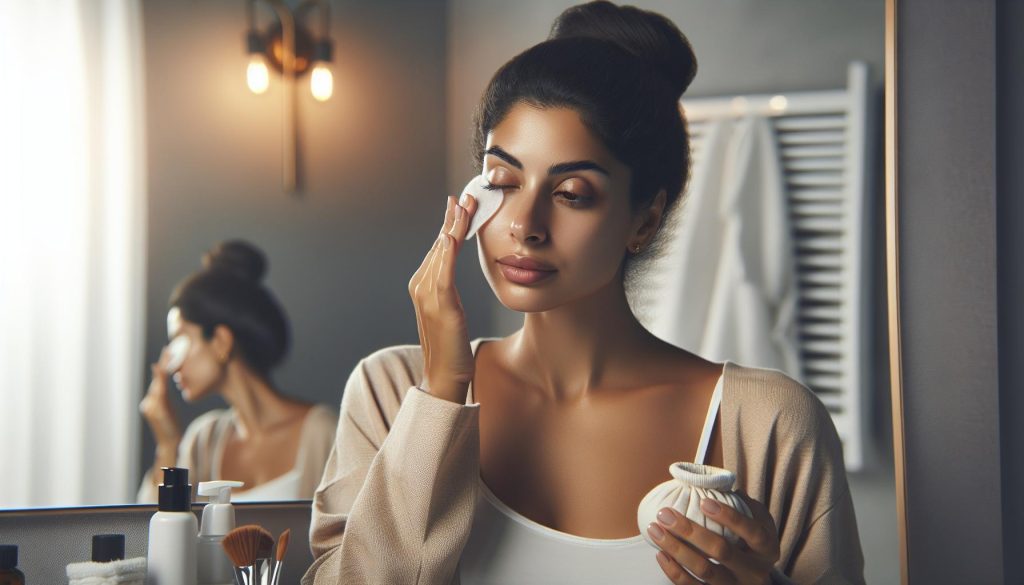
One prevalent cause of styes is the buildup of oils and debris that can block the glands. Poor eyelid hygiene, such as not cleansing the area properly or frequently touching your eyes with unwashed hands, can contribute to the formation of styes. Additionally, wearing makeup, especially eye makeup, can sometimes exacerbate oil gland blockages, particularly if the makeup is not removed thoroughly at the end of the day.
Another important factor is the presence of underlying skin conditions, such as rosacea or seborrheic dermatitis. These conditions can increase oil production or skin sensitivity, potentially leading to stye formation. Stress and hormonal changes are also linked to flare-ups; for instance, an increase in stress levels can compromise the immune system, making it easier for bacteria to invade the glands.
Environmental factors, such as allergies to pollen, dust, or pet dander, can also play a role. Allergies can cause inflammation and itching, prompting frequent eye rubbing, which can introduce bacteria from other areas of the body, leading to infections and subsequent stye development. Understanding these common causes can empower you to adopt better hygiene practices and reduce your risk of experiencing the discomfort that comes with a stye.
Risk Factors That Increase Stye Development
The risk of developing a stye can be influenced by various factors that are often intertwined with daily habits and overall health. Understanding these risk factors can empower individuals to take preventive measures. One of the most significant contributors is compromised hygiene. When hands come into contact with the eyes or eyelids without proper washing, bacteria can easily transfer, leading to infections. This is especially critical for those who frequently touch their faces or don’t regularly cleanse their eyelids, as residual oils and debris can accumulate and block gland openings.
Certain skin conditions can also heighten the likelihood of stye formation. For example, individuals with conditions like rosacea or seborrheic dermatitis may notice that their symptoms exacerbate oil production and create inflammation, making them more susceptible to infections. Regular management of these conditions through skincare routines or consultations with dermatologists can help reduce the risk of styes. Additionally, hormonal fluctuations during stressful periods or life transitions can weaken immunity, opening the door for bacterial invasions that lead to styes. Stress management techniques, such as mindfulness or yoga, can be beneficial not only for mental health but also for overall skin conditions.
Environmental factors should not be overlooked. Allergies to pollen, dust mites, or pet dander can provoke symptoms that lead to increased eye rubbing, which often transfers bacteria and irritants from other areas of the body to the delicate eye region. For those prone to allergies, maintaining a clean and controlled environment, along with using antihistamines as prescribed, may help mitigate these risks.
Finally, it’s vital to consider cosmetic habits. Women who use eye makeup need to be particularly diligent about removing it before bed and ensuring brushes and applicators are clean. Using hypoallergenic products can also reduce the risk of irritation and subsequent infections. By recognizing and addressing these risk factors, individuals can significantly lessen their chances of developing styes and maintain better eye health.
How Poor Hygiene Contributes to Styes
Frequent touching of the face, especially the eyes, is a common yet often overlooked contributor to the development of styes. Our hands are in constant contact with various surfaces harboring bacteria and dirt, and when these agents come into contact with the delicate skin around the eyes, they can easily lead to infections. This is particularly pressing for individuals who do not wash their hands regularly or who touch their face absentmindedly throughout the day. To mitigate this risk, it’s essential to cultivate habits like washing your hands frequently and avoiding the urge to touch or rub your eyes, especially if you’re experiencing itching or discomfort.
In addition to hand hygiene, the cleansing practices for eye makeup also play a crucial role in preventing styes. Women who wear eye makeup should ensure that they thoroughly remove all traces of cosmetics before going to bed. Leftover makeup can block the glands in the eyelids, leading to irritation and making the area more susceptible to bacterial infections. Using clean applicators and brushes is another critical habit that can minimize the risk; dirty tools can transfer pathogens and exacerbate existing skin issues. Opting for hypoallergenic and non-comedogenic makeup products helps as well, reducing the chances of irritation that might lead to stye formation.
Additionally, regular cleansing of the eyelids should not be neglected. Simple routines, such as using a diluted baby shampoo or over-the-counter eyelid cleaners, can effectively keep the area free of debris and bacteria. Aim to include this cleansing in your daily skincare regimen, especially if you wear makeup or have oily skin. Also, using warm compresses can help unclog any blocked glands, promoting better oil flow and reducing the chance of infection. By adopting these practices, you can create a protective barrier against the bacteria that can lead to styes and enhance your overall eye health.
Utilizing these preventive measures not only benefits the health of your eyes but empowers you to maintain a clean and beautiful beauty routine. Focus on integrating these approaches gradually, and you’ll likely notice a significant improvement in your eyelid health over time.
The Role of Allergies and Sensitivities
Exposing your eyes to allergens can trigger a cascade of reactions that not only affects your overall comfort but may also contribute to the development of styes. Common allergens such as pollen, dust mites, pet dander, and certain cosmetics can inflame the eyelids and surrounding areas, creating irritation that sets the stage for infection. When the skin around the eyes becomes engorged and inflamed, the glands responsible for keeping the eyelids moist can become blocked, leading to a higher likelihood of stye formation.
People with pre-existing sensitivities or conditions like eczema or allergies are particularly vulnerable to the impact of environmental irritants. The inflammation caused by allergic reactions can exacerbate the risk of developing styes, especially if residues from allergens stay in contact with the skin. For instance, if you rub your eyes after coming into contact with an allergen, you inadvertently introduce bacteria to the area, increasing the chance of an infection that leads to a stye.
To minimize the risk, consider incorporating regular eye care practices into your routine. Always wash your hands before touching your face, especially your eyes, to help reduce the transfer of allergens and bacteria. Keeping your living space clean and free from dust can drastically lower allergen levels, as can using hypoallergenic skincare and makeup products. Opt for fragrances and dyes-free products, which are less likely to provoke allergic reactions.
Recognition of common allergens and how they affect your skin can empower you to make informed choices about your beauty and health care products. If you suspect that allergens contribute to your stye issues, consider consulting an allergist for personalized advice and potential treatment strategies. By being proactive and attentive to your sensitivities, you can take significant steps toward reducing your risk of styes while maintaining comfort and confidence in your daily routine.
Debunking Myths About Stye Causes
Many people hold misconceptions about the causes of styes, which can lead to unnecessary worry or ineffective preventive measures. Understanding the truth about these pesky eyelid bumps is crucial for effectively managing and avoiding them. One prevalent myth is that styes are caused by eye strain or overworking the eyes. In reality, styes are primarily due to bacterial infections of the oil glands in the eyelids, often triggered by factors like poor hygiene, underlying skin conditions, or even hormonal changes.
Another common belief is that styes are contagious. While the bacteria that cause styes, such as Staphylococcus, can be present on the skin and may lead to infections when transferred, the styes themselves are not spreadable from person to person. This misconception can cause unnecessary stress or stigma; knowing that styes are individual occurrences rooted in personal health habits can foster a sense of relief.
Additionally, some might think that the appearance of a stye directly correlates to severe health issues or that they signify a weakened immune system. While frequent styes can be a sign of underlying conditions that may need attention, the occasional stye can happen to anyone and isn’t inherently indicative of serious health problems. Regular eye care and cleanliness are far more significant factors in their development.
To protect against misinformation, it’s vital to educate yourself about foundational eye care practices. Incorporating a diligent routine, like washing your hands before touching your face and using clean towels or makeup brushes, can significantly reduce your risk of developing styes. When myths are cleared away, you can approach your eye health with more confidence and less anxiety.
Preventive Measures to Avoid Styes
To maintain healthy eyes and prevent the onset of styes, it’s essential to adopt a proactive approach to hygiene and self-care. Styes can be more than just an annoyance; they often indicate that bacteria have found an entrance through neglected skin care. The good news is that simple habits can help you minimize the risk significantly.
Start by cleaning your eyelids regularly. Use a soft cloth and warm water or consider over-the-counter eyelid scrubs that are specially designed to eliminate debris and bacteria. This daily practice helps reduce oil buildup around the eyelids that can lead to infections. Additionally, always ensure your hands are clean before touching your face, applying makeup, or inserting contact lenses. This prevents the transfer of bacteria that can cause styes.
Another important preventive measure is to be cautious with cosmetics. Makeup tools, such as brushes and sponges, can harbor bacteria if not sanitized properly. Replace eye makeup, especially eyeliner and mascara, every three to six months to avoid bacterial buildup. If you develop a stye, it’s wise to discard any products you’ve used during that time to prevent re-infection.
Furthermore, if you have underlying conditions like blepharitis or rosacea, consult with an eye care professional. They can provide tailored approaches to manage these conditions effectively, which can, in turn, reduce the frequency of stye occurrences.
By implementing these practical measures, you enhance your eye health and empower yourself with knowledge that can lead to better overall well-being. Remember, prevention is always easier than treatment, and taking these simple steps can make a significant difference in your eye health journey.
When to Seek Medical Attention for a Stye
While many styes resolve on their own with minimal intervention, knowing when to seek medical attention is crucial for both your comfort and eye health. If you notice that the stye persists beyond a week despite home treatment, it’s advisable to consult with a healthcare professional. A stye should ideally respond to basic care such as warm compresses and proper hygiene, but if it doesn’t improve, there may be an underlying issue that needs addressing.
In addition, be vigilant for signs that the infection may be spreading or worsening. If you experience symptoms such as severe pain, increasing redness, swelling that extends beyond the eyelid, or if your vision becomes blurred, seek medical care immediately. These could indicate a more serious condition, such as cellulitis or an abscess, which requires prompt treatment to prevent complications.
You should also not overlook systemic symptoms. If you develop a fever or if the swollen area begins to feel unusually warm to the touch, it’s a signal that your body is fighting an infection, and medical evaluation is warranted.
Lastly, if you have recurring styes or notice that they develop frequently, it’s essential to discuss this with your eye doctor. They may suggest a tailored management plan that could include lifestyle changes, specialized hygiene routines, or treatment for any underlying conditions contributing to stye formation. Early intervention can help prevent further occurrences, ensuring your overall eye health remains a priority.
Effective Home Remedies for Stye Relief
A stye can be an uncomfortable and unsightly issue, but there are several effective home remedies you can try to find relief. The key lies in addressing the inflammation and promoting healing, while also keeping the area clean. Remember, these remedies are designed for mild cases; if symptoms persist, consulting a healthcare professional is always recommended.
Start with warm compresses, which can do wonders for alleviating the discomfort caused by a stye. Simply soak a clean cloth in warm water, wring it out, and gently press it against the affected eye for about 10-15 minutes. This helps to reduce inflammation and may even promote drainage of the stye. Perform this several times a day for optimal results.
Incorporating chamomile tea bags can also bring soothing relief. Chamomile has natural anti-inflammatory properties, making it an excellent choice for easing irritation. After brewing a tea bag, allow it to cool slightly and then place it on your closed eye for about 10-15 minutes. This can provide both comfort and a gentle way to alleviate swelling.
It’s also important to maintain hygiene to prevent further irritation. Always ensure that your hands are clean before touching your face or eyes. Consider using a mild, non-irritating soap to gently wash the eyelid area each morning and night. You could also use baby shampoo diluted with water for this purpose-it’s gentle and effective at clearing away excess oil and debris that may contribute to blocked glands.
Lastly, avoid wearing eye makeup or contact lenses while dealing with a stye, as these can exacerbate irritation and introduce bacteria into the eye area. Focusing on these soothing practices can help promote healing while minimizing discomfort, allowing you to feel more like yourself again.
The Connection Between Styes and Overall Eye Health
Understanding the health of your eyes goes beyond just sharp vision; it encompasses the prevention and management of various conditions, including styes. A stye, while often perceived as a minor nuisance, can serve as an indicator of underlying eye health. This red, painful bump arises from infections or blockages in the oil glands of the eyelid. It’s essential to recognize how styes correlate with overall eye wellness, as they can be symptomatic of broader hygiene practices and systemic health factors.
One significant factor is hygiene. Constant exposure to dirt, oil, and bacteria on the eyelids can lead to blocked glands, creating an environment where styes thrive. Maintaining proper eyelid hygiene through gentle cleansing can help minimize the risk of developing styes and other related infections. Products as simple as diluted baby shampoo can efficiently remove excess oil and debris, ensuring that your eyelids remain clear and healthy. Frequent hand washing and avoiding touching the face, especially the eyes, are also critical steps.
Moreover, allergies and sensitivities can play a pivotal role in the development of styes. Seasonal allergies can cause increased rubbing of the eyes, which not only irritates them but can also introduce bacteria. Regularly using antihistamines and having a proactive allergy management plan can decrease the likelihood of both styes and other allergic reactions that affect eye health.
Lastly, understanding the overall health connection is crucial. Conditions such as diabetes can make individuals more susceptible to infections, including styes. Therefore, anyone managing chronic health issues should remain vigilant about their eye health as part of a broader self-care strategy. Regular check-ups with an eye care professional can help catch potential problems early and support long-term health. By factoring in hygiene, environmental influences, and personal health, you can take significant steps toward safeguarding your eyes against styes and ensuring a brighter path to long-term eye health.
Styes in Different Age Groups: A Closer Look
Styes can affect individuals of all ages, and understanding how they manifest in different age groups can provide invaluable insights into prevention and treatment. Children, for instance, are particularly susceptible to styes due to their active lifestyles and propensity to rub their eyes. A child’s natural curiosity often leads to dirty hands coming into contact with their eyes, which can introduce bacteria and contribute to the development of a stye. Ensuring that children are taught about good hygiene practices, such as washing hands frequently and avoiding touching their faces, is essential in reducing their risk.
As we transition into adolescence and young adulthood, hormonal fluctuations and increased cosmetic use can play significant roles in stye development. Teenagers, especially girls, might use eye makeup products without proper hygiene, such as outdated or contaminated products, which can block oil glands and lead to infection. Encouraging a routine that includes proper makeup removal and regular cleansing can help mitigate these risks. Moreover, stressing the importance of eye hygiene during this developmental phase fosters good habits that may continue into later life.
In adults, styes may appear more prominently due to lifestyle factors, such as stress, fatigue, and the prevalence of conditions like blepharitis or dry eye syndrome. Professional women often face long hours in front of screens, which can lead to eye irritation and increased stye occurrences. Incorporating regular breaks from screen time, along with practicing stress management techniques, can be beneficial. Additionally, older adults may contend with age-related changes that compromise skin and eyelid health, making them more vulnerable. Routine eye check-ups become crucial, as an eye care professional can help identify underlying issues and provide tailored advice.
Ultimately, while the risk factors for styes differ across age groups, the core strategies for prevention-good hygiene, sensible beauty practices, and regular eye health monitoring-remain consistent. By following these guidelines, individuals can significantly reduce their likelihood of developing styes, promoting healthier eyes and greater overall well-being.
Treatment Options: From Natural Remedies to Medical Intervention
A stye, while often a transient issue, can bring quite a bit of discomfort and annoyance. Understanding treatment options can empower you to take control of your eye health and expedite healing. Fortunately, a range of effective solutions exists, from simple home remedies to professional medical interventions, that cater to varying levels of severity and personal comfort.
At-Home Remedies
For mild cases of styes, starting with natural remedies can yield positive results. Here are some practical steps you can take:
- Warm Compress: Applying a warm, damp cloth to the affected area for about 10-15 minutes several times a day can help reduce swelling and promote drainage. Ensure the cloth is clean to avoid introducing more bacteria.
- Gentle Massage: After applying the warm compress, gently massaging the eyelid can aid in opening blocked glands.
- Over-the-Counter Pain Relief: If discomfort is significant, consider taking non-prescription pain relievers like ibuprofen or acetaminophen.
- Keeping Eyes Clean: Use a mild soap or cleansers designed for eyelid hygiene to keep the area clean, especially if you have a history of styes.
When to Consider Medical Intervention
If home remedies do not yield improvement within a few days, or if symptoms worsen, it may be time to seek medical attention. Several options are available:
- Prescription Antibiotics: If your stye is accompanied by infection or doesn’t respond to home treatments, a doctor may prescribe topical or oral antibiotics to fight the bacteria.
- Incision and Drainage: In cases where the stye is particularly large or painful, a healthcare professional might recommend a minor procedure to drain the pus trapped inside the stye, providing immediate relief.
- Assessment for Underlying Conditions: Frequent styes can indicate conditions such as blepharitis or acne rosacea. A healthcare provider can help evaluate any underlying issues and recommend long-term treatment options.
In all situations, it’s essential to avoid squeezing or popping a stye, as this can exacerbate the infection and lead to further complications. Taking care of your overall eye health with proper hygiene practices can also help mitigate the recurrence of styes, ensuring that your eyes remain healthy and comfortable. If you find yourself facing repeated challenges, consider consulting a specialist who can offer personalized advice tailored to your lifestyle and needs.
Faq
Q: What are the early signs of developing a stye?
A: Early signs of a stye include localized swelling, redness on the eyelid, and tenderness. You may also notice a small bump forming, which can become painful. Prompt attention to these symptoms can help prevent further irritation. For more details, check the “Understanding What a Stye Is and Its Symptoms” section.
Q: Can stress contribute to the development of a stye?
A: Yes, stress can weaken the immune system, making you more susceptible to infections that lead to styes. Managing stress through relaxation techniques and maintaining your overall health can help reduce the risk. Explore preventive measures mentioned in the article.
Q: How does diet influence the likelihood of getting a stye?
A: A poor diet lacking in essential nutrients can impair your immune system, increasing the risk of developing a stye. Eating a balanced diet rich in vitamins A, C, and E can boost eye health and reduce susceptibility to infections.
Q: Are styes contagious?
A: No, styes are not contagious since they are caused by bacterial infections, primarily from bacteria that normally live on the skin. However, good hygiene is crucial to avoid spreading bacteria to other areas of your eye or face.
Q: How can I differentiate between a stye and a chalazion?
A: A stye typically appears as a painful, red bump at the eyelid margin, often filled with pus, while a chalazion is usually painless and occurs deeper in the eyelid. If you’re unsure, consult the “When to Seek Medical Attention for a Stye” section for guidance.
Q: Can wearing makeup contribute to stye formation?
A: Yes, using outdated or contaminated makeup can introduce bacteria to the eye area, increasing the risk of stye development. It’s advisable to regularly replace your cosmetics and ensure good hygiene practices when applying makeup.
Q: Is there a link between styes and other health conditions?
A: Certain health conditions, such as diabetes, can increase susceptibility to styes due to impaired immune response. If you have underlying health issues, consider discussing eye health with your healthcare provider.
Q: What should I avoid doing if I have a stye?
A: Avoid squeezing or popping the stye, as this can worsen the infection. Instead, apply warm compresses for pain relief and consult the article section on “When to Seek Medical Attention for a Stye” for further recommendations.
The Way Forward
Understanding the risk factors behind developing a stye empowers you to take proactive steps in safeguarding your eye health. Remember, maintaining good hygiene and managing underlying conditions can significantly reduce your chances of experiencing this common issue. If you’re concerned or already showing symptoms, don’t hesitate to consult a healthcare professional for tailored advice.
For more insights on eye care, check out our articles on “Effective Home Remedies for Eye Irritations” and “Managing Eyelid Health: Tips for Prevention.” Want to stay informed? Sign up for our newsletter to get the latest articles and expert tips delivered right to your inbox. Your eye health matters-let’s take the next steps together!