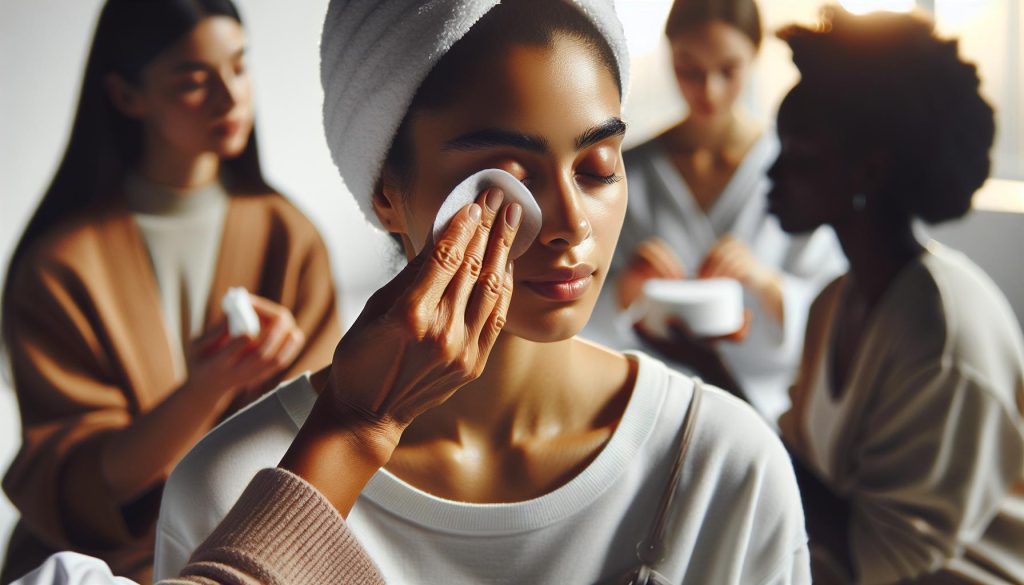
Styes can be an uncomfortable and unsightly issue, often appearing unexpectedly under the eye and causing irritation. This small, red bump on your lower eyelid can impact not just your comfort but also your confidence. Understanding how to treat a stye effectively is essential for maintaining eye health and ensuring a smooth return to your daily routines.
In this guide, we’ll explore practical, research-backed strategies to relieve discomfort and promote healing. Whether you’re looking for quick home remedies or professional insights, our comprehensive approach addresses your concerns with accessible information. You’ll learn how to care for your lower eyelid and manage styes, empowering you to take charge of your eye health with confidence. Continue reading to discover easy and effective solutions to help you feel like yourself again.
Understanding What a Stye Is and Its Causes
A stye is more than just an unsightly bump on the eyelid; it’s a common eye ailment that can affect the way you feel about your appearance and your overall eye comfort. Often mistaken for a pimple, a stye, or hordeolum, is an infection of the oil glands located near the base of the eyelashes. This infection typically arises from bacteria, such as Staphylococcus, and can result from poor hygiene, blocked glands, or the presence of skin conditions like blepharitis. Understanding what causes a stye is integral to not only managing the immediate symptoms but also taking steps to prevent their recurrence.
Several factors can contribute to the formation of styes. Poor eyelid hygiene might allow bacteria to thrive, leading to infections. Additionally, wearing eye makeup that is not removed properly can clog the glands, creating a conducive environment for a stye to develop. Other potential triggers include rubbing your eyes with unwashed hands, stress, hormonal changes, and even exposure to certain allergens. It’s crucial to recognize these factors to mitigate the risk effectively.
Being aware of the causes of styes can empower you to adopt better hygiene practices. Regularly cleaning your eyelids, especially if you frequently wear makeup, can help prevent blockage of the oil glands. Using a warm compress on the eyelid can also assist in unblocking the glands, enhancing comfort while addressing the infection. Such preventive measures, grounded in a basic understanding of styes and their causes, can reduce your chances of dealing with this discomforting issue in the future.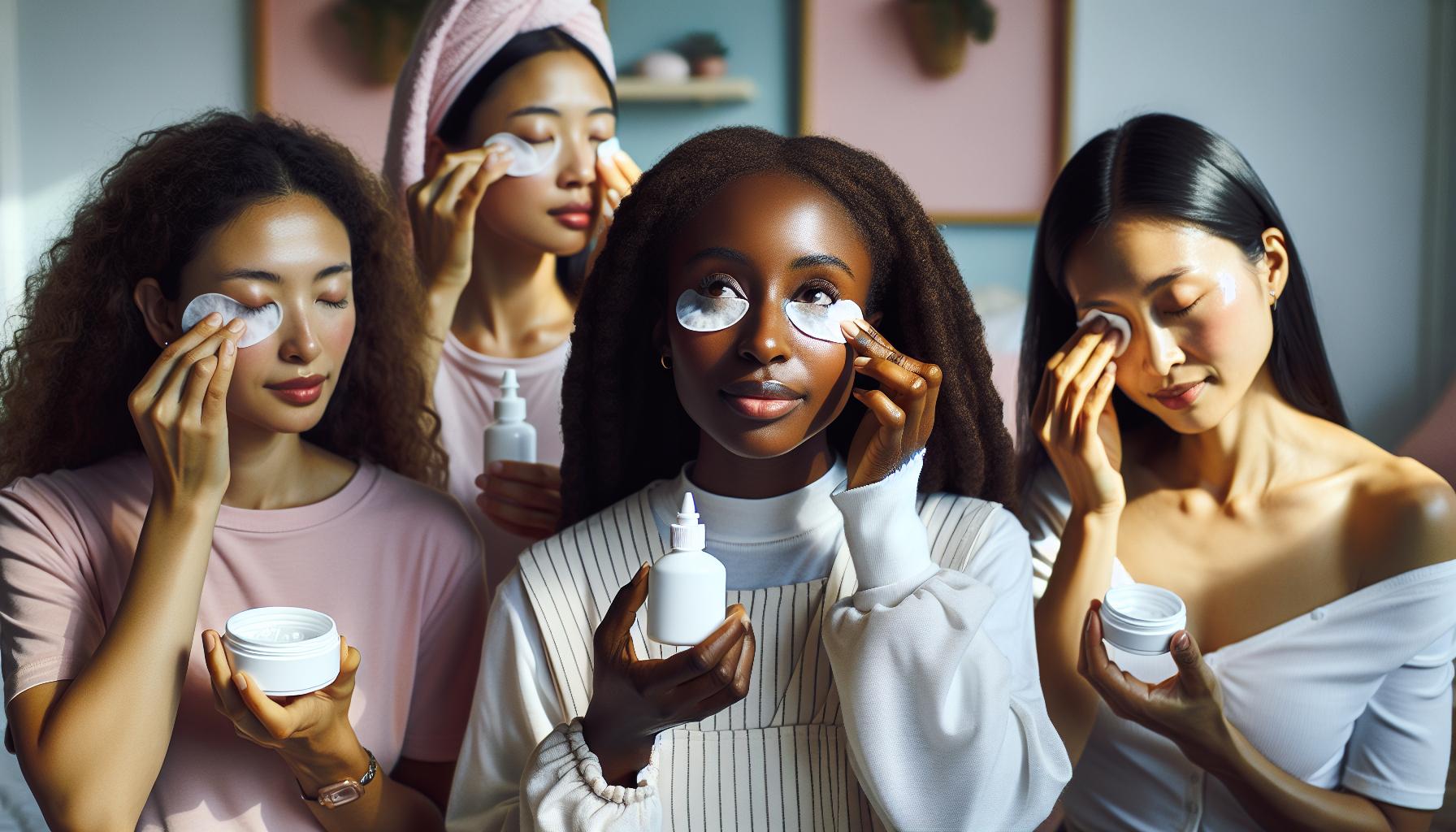
Recognizing Symptoms of a Stye Under Your Eye
A stye can manifest in various ways, often presenting itself as an unexpected and irritating disruption to your daily routine. Recognizing the symptoms early can be essential in managing discomfort and facilitating quicker relief. The most common signs that you might be dealing with a stye under your eye include a painful bump located along the eyelash line, similar in appearance to a small pimple or boil. This bump tends to develop rapidly and may be red, swollen, and tender to the touch.
As the stye progresses, you may notice additional symptoms. These might include increased sensitivity to light, a sense of grittiness or irritation in the eye, watery discharge, or even crusting of the eyelid. In some cases, you might experience a noticeable swelling of the surrounding eyelid, which can interfere with your vision. If you start to notice a painful, pus-filled bump, it’s often a sign that the infection is worsening, and prompt attention is advisable.
It’s important to remain aware of these symptoms so you can respond appropriately. If you experience persistent pain, changes in vision, or swelling that continues to spread beyond the eyelid, you should consult a healthcare professional for further evaluation. Taking these symptoms seriously not only aids in your comfort but also helps prevent potential complications, allowing you to enjoy clear, healthy eyes once again.
Effective Home Remedies to Alleviate Styes
So, you’ve noticed a pesky bump developing under your eye and suspect it might be a stye. You’re not alone; many people deal with this frustrating issue. The good news is there are several effective home remedies to help alleviate the discomfort and promote healing. These remedies not only soothe the stye but can also prevent future occurrences.
To start, warm compresses are a reliable first-line treatment. Simply soak a clean cloth in warm water, wring it out, and place it gently over the stye for about 10 to 15 minutes. This helps to reduce swelling and encourages drainage of the blocked oil gland. Aim to repeat this process three to four times a day for maximum effectiveness. Remember, the warmth aids in softening any crust or debris, making it easier for your body to heal.
In addition to warm compresses, natural ingredients can be your allies in treating a stye. For instance, chamomile tea bags can be used as compresses, thanks to their anti-inflammatory properties. Brew a chamomile tea bag, let it cool slightly, and place it over your stye. Not only does this provide comfort, but the antioxidants in chamomile may help reduce inflammation and promote healing.
Another soothing option is aloe vera gel. Its natural properties are not just soothing for the skin but have antibacterial effects as well. Applying a small amount of pure aloe vera gel to the affected area can help minimize irritation and assist in recovery. Just ensure you’re using fresh gel from the plant or a pure product, as many commercial gels contain additives that may aggravate the stye.
While you’re exploring home remedies, it’s crucial to maintain good hygiene. Avoid touching or rubbing your eyes to prevent spreading any potential infection. Keeping your eyelids clean with mild soap or a commercial eyelid scrub can also mitigate the risk of future styes.
Implementing these simple yet effective home remedies can greatly assist in alleviating the discomfort caused by a stye, enabling you to regain comfort and confidence in your eye health.
When to Seek Professional Help for a Stye
Encountering a stye can be frustrating and uncomfortable, but most will resolve on their own with proper care. However, there comes a time when home remedies may not suffice, and seeking professional help becomes essential. Understanding the signs that warrant a visit to your healthcare provider can ensure that you address any complications early on.
If your stye has not improved after a week of home treatment, it’s crucial to consult a healthcare professional. Persistence beyond this timeframe may indicate that it is not healing as expected or could develop into a more severe infection. Additionally, you should seek medical advice if you notice significant swelling or redness spreading beyond the stye itself, as this can be a sign of a more serious condition that requires treatment.
In cases where the stye causes severe pain, vision changes, or excessive discharge, these are clear indicators that you need professional assistance. Your doctor may prescribe antibiotics or suggest other treatments if the stye is severe or recurrent. Recurrences are not uncommon, and if you find yourself dealing with frequent styes, discussing this with your healthcare provider is crucial to explore underlying causes and preventive measures.
Finally, if you experience symptoms that suggest a more serious infection, such as a fever or inability to open your eye, do not hesitate to seek immediate medical attention. Taking these proactive steps not only ensures your comfort but also protects your overall eye health. Remember, your vision is invaluable, and seeking help is a strong and wise choice for your well-being.
Step-by-Step Care for Lower Eyelid Styes
Encountering a stye on your lower eyelid can be uncomfortable and concerning, but with the right care, you can ease the symptoms and promote healing. Understanding how to manage this condition is essential, not only for comfort but also to prevent complications. Here’s a step-by-step guide that empowers you to take control of your eye health.
Start by practicing gentle warmth to open and clear blocked glands. Use a clean, warm compress applied to the affected area for about 10-15 minutes, several times a day. This can help reduce swelling and promote drainage. Make sure the compress is not too hot; you want it comforting, not painful. Tip: You can create a warm compress by soaking a clean cloth in warm water and wringing it out so it’s damp but not dripping.
Next, maintain excellent hygiene in the eye area. Always wash your hands thoroughly before touching your face or eyes. Avoid squeezing the stye, as this can worsen inflammation or lead to infection. If makeup is a part of your routine, it’s best to avoid applying cosmetics on or near the stye until it heals. This includes eyeliner, mascara, and eyeshadow, which can irritate the area.
If you experience discomfort, consider over-the-counter pain relievers that are suitable for you, such as acetaminophen or ibuprofen. This will help alleviate any pain associated with the stye. Additionally, look for eye drops that can soothe your eyes if you feel irritation.
Lastly, monitoring the stye is crucial. If it hasn’t shown signs of improvement within a week or if symptoms escalate-such as increased swelling, tenderness, or pus-you should seek professional help. Your healthcare provider can offer effective treatments such as antibiotics or drainage if necessary, ensuring the best outcome for your eye health.
Remember, taking these proactive steps not only supports healing but also protects your overall well-being. Embracing a gentle but firm approach to care will keep you feeling confident and in control during this time.
Preventing Styes: Best Practices for Eye Care
Maintaining eye health is crucial to preventing styes and ensuring overall well-being. Styes often result from blockages in the oil glands at the eyelid margins, making hygiene and care essential. By adopting simple yet effective practices, you can significantly reduce your risk of developing these uncomfortable bumps.
To start, always prioritize hygiene. Wash your hands thoroughly before touching your face or eyes, as this helps to eliminate bacteria that can lead to infections. When cleansing your face or eye area, use a gentle cleanser free from harsh chemicals that can irritate your skin. Opting for hypoallergenic and non-comedogenic products can also help in minimizing the likelihood of clogged glands.
Makeup and Eye Care
Many women enjoy using eye makeup, yet cosmetics can contribute to stye formation if not managed properly. Here are some tips for safer application and use of makeup:
- Remove eye makeup thoroughly every night. Use gentle makeup removers designed for sensitive skin.
- Avoid sharing makeup products, especially those used near the eyes, to reduce the risk of bacterial transfer.
- Replace eye makeup every three months to prevent using expired products that may harbor bacteria.
- Be cautious with applicators; ensure brushes and tools are clean to avoid contamination.
Adopting a balanced diet also plays a role in your eye health. Incorporate foods rich in omega-3 fatty acids, vitamins A and C, and antioxidants, such as leafy greens, nuts, and fatty fish. Staying hydrated is equally essential since it aids in maintaining the moisture levels necessary for healthy skin and eyes.
Finally, make regular visits to your eye care professional a part of your routine. They can offer tailored advice and early detection of any issues. With these proactive measures in place, you can enjoy clear eyes and minimize the discomfort associated with styes, empowering you to feel your best every day.
Impact of Eye Makeup on Stye Formation
Using eye makeup can enhance your beauty, but it can also create a landscape for styes to develop if not handled with care. Styes often arise when oil glands at the base of your eyelashes become blocked or infected, and certain makeup practices can exacerbate this issue. Common culprits include the accumulation of makeup residue, bacteria transfer from applicators, and the use of expired or low-quality products. Therefore, understanding how to navigate your eye makeup routine can be key in preventing unwelcome bumps.
A fundamental step in your eye makeup routine is ensuring thorough removal each night. Accumulated makeup can clog glands and create conditions ripe for infections. A gentle, hydrating makeup remover designed specifically for sensitive skin can effectively cleanse your eyes without causing irritation. Always be cautious about the products you choose; those that are non-comedogenic are less likely to clog pores and lead to issues.
In addition to proper makeup removal, consider the hygiene of your tools. Regularly cleaning your brushes and applicators is essential, as these items can harbor bacteria. Opt for disposable applicators when possible, and avoid sharing makeup with others to minimize the risk of transmission. It’s also wise to replace eye makeup products every three months to avoid using items that could contain harmful bacteria or fungi.
Ultimately, maintaining a healthy eye makeup routine not only enhances your beauty but also protects your eye health. By committing to these practices and being mindful of the products you use, you can significantly reduce the chances of developing a stye, allowing your eyes to shine brightly and healthily.
Diet and Lifestyle Changes to Promote Eye Health
Did you know that what you eat can significantly impact your eye health? Incorporating certain nutrients into your diet can bolster your body’s defense against conditions like styes and promote overall eye wellness. By making small, but meaningful dietary adjustments, you can help keep your eyes healthy and potentially reduce the risk of painful infections caused by blocked glands.
Consider adding foods rich in omega-3 fatty acids, such as fatty fish (like salmon, mackerel, and sardines), walnuts, and flaxseeds. These healthy fats help to lubricate your eyes and can reduce inflammation. Vitamin A is another crucial player in eye health. Foods such as carrots, sweet potatoes, and leafy greens are excellent sources and can help maintain good vision and skin health, keeping the area around your eyes in top shape.
Hydration Matters
Never underestimate the power of hydration. Drinking enough water throughout the day helps maintain moisture levels in your skin, including the delicate area around your eyes. Aim for at least eight glasses a day, and consider herbal teas as additional hydration sources. Herbal teas like chamomile and green tea contain antioxidant properties that may further enhance your eye health and provide soothing effects.
Lifestyle Adjustments
Lifestyle changes can also work wonders for your eye health. Regular exercise improves circulation, promoting better blood flow to the eyes. A combination of aerobic activities and strength training can help reduce the risk of obesity-related eye-related issues. Moreover, managing stress is equally important. Chronic stress can exacerbate health issues, including those concerning your eyes. Consider engaging in mindfulness practices, such as yoga and meditation, to mitigate stress levels and enhance your overall well-being.
Incorporating these dietary and lifestyle changes into your routine can provide a dual benefit: not only will they support your eye health, but they can also enhance your general health and well-being. By taking these steps, you’re not just addressing potential styes; you’re embracing a holistic approach to health that prioritizes the care of your eyes.
Treatment Options: Over-the-Counter Solutions
When dealing with a stye, it’s important to know that effective relief can often be found in over-the-counter solutions. These options are designed to provide quick and accessible relief from discomfort while supporting the healing process. One of the most common and reliable treatments is a simple warm compress. Applying a warm washcloth to the affected area for about 10-15 minutes several times a day can help reduce swelling and promote drainage.
In addition to warm compresses, there are various eye drops and ointments available that can alleviate symptoms. For instance, lubricating eye drops can help soothe irritation, while antibiotic ointments may be used in cases where a bacterial infection is apparent. When selecting these products, look for those specifically designed for eye use; always read the labels for guidance. It’s vital to ensure that any solution you choose is appropriate for your specific condition and to follow the application instructions closely.
Topical Solutions and Pain Relief
For added comfort, pain relief options such as over-the-counter anti-inflammatory medications like ibuprofen or acetaminophen can be beneficial. These medications can help manage the discomfort that often accompanies a stye. Always be sure to consult your healthcare provider or pharmacist if you have questions about which medication is best for you, especially if you’re taking other medications or have existing health conditions.
Consultation and Precautions
While these over-the-counter treatments can help alleviate symptoms, it’s essential to be cautious. Avoid squeezing or trying to pop a stye, as this can spread the infection. If symptoms worsen or do not improve after a few days, it’s important to seek professional help. Your healthcare provider can offer additional therapies, such as prescription medications, or determine if a more serious underlying issue is present. By taking preventive measures and utilizing available treatments effectively, you can foster a speedy recovery and minimize discomfort.
Managing Stye Pain and Discomfort at Home
A stye can feel like an unwelcome guest, bringing along discomfort and a red, swollen appearance that can affect your daily routine. Fortunately, managing the pain and discomfort at home is not only possible but can also facilitate faster recovery. If you’re experiencing the discomfort of a stye under your eye, there are several practical steps you can take to alleviate the symptoms and promote healing.
Start with warm compresses, which are one of the most effective at-home remedies. By soaking a clean washcloth in warm water, wringing it out, and gently placing it against your stye for about 10-15 minutes several times a day, you can help to reduce swelling and encourage drainage. The warmth increases blood flow to the area, allowing your body to fight the infection more effectively and easing pain. Make sure the compress is not too hot; you want it to be comfortable enough to apply without burning your skin.
Over-the-counter medications can also play a significant role in managing discomfort. Non-prescription anti-inflammatory medications, such as ibuprofen or acetaminophen, can help ease pain and reduce inflammation. Always follow the recommended dosage and consult your healthcare provider if you’re unsure about which medication is appropriate for you, especially if you have other health conditions or are currently taking other medications. In addition to pain relief, consider using lubricating eye drops to soothe any irritation you may be experiencing, as they help keep your eye moist and comfortable.
While these remedies can provide relief, it’s vital to avoid squeezing or attempting to pop the stye, as this can worsen the infection and prolong healing. If you notice that your symptoms are intensifying or not improving after several days, it’s wise to consult a healthcare professional. They can offer more targeted treatments, like antibiotic ointments if an infection is present. By following these measures, you can effectively manage the pain and discomfort associated with a stye and foster a quicker recovery, allowing you to return to your daily routines with confidence.
Caring for Your Eyes After a Stye Heals
After a stye has healed, it’s important to maintain a consistent eye care routine to help prevent future occurrences and ensure your eye health remains optimal. Healing from a stye can often leave skin around the eye sensitive, so gentle care practices become essential. A strong post-stye regimen not only aids in recovery but also fosters a healthier eyelid environment moving forward.
Start with cleansing. Using a mild, fragrance-free cleanser, gently wash your eyelids daily to remove any lingering debris or oils that could clog glands and reintroduce bacteria. Be sure to pat the area dry with a clean towel, avoiding any vigorous rubbing that could irritate the skin. In addition, consider using a warm compress on the eyelids a few times a week. This can help open up clogged gland openings and promote healthy oil flow from the meibomian glands, reducing the likelihood of future styes.
Moisturizing Matters
The skin around your eyes can become dry after a stye. Look for an eye cream or gel that includes nourishing ingredients like hyaluronic acid or vitamin E. These components hydrate the sensitive skin, keeping it supple and promoting overall eyelid health. Remember to apply gently, using your ring finger, which applies the least amount of pressure.
Mind Your Makeup
If you wear eye makeup, it’s crucial to ensure all products are clean and safe to use. Throw out any old or expired cosmetics that might harbor bacteria. Additionally, wait at least a week before reintroducing eye makeup to allow the area to fully recover. Be diligent about removing makeup each night with a gentle remover, ensuring no residue remains that could irritate your skin or lead to infections.
Healthy Habits
Incorporating specific dietary changes can also promote eye health. Foods rich in omega-3 fatty acids (like salmon and flaxseed), antioxidants (such as berries and leafy greens), and vitamins (especially A, C, and E) aid in maintaining healthy skin and reducing inflammation. Staying hydrated is equally essential; drink plenty of water throughout the day to keep your skin hydrated from the inside out.
By adopting these practices, you’ll not only help your eyes heal but also empower yourself to take proactive steps towards preventing future styes. Remember, healthy eyes contribute significantly to overall well-being, enhancing your beauty and comfort every day.
Understanding Recurrence: Why Styes Come Back
Understanding why styes can be recurrent is vital to effectively managing and preventing future occurrences. Styes often develop when glands in the eyelid become blocked or infected due to various factors, but certain conditions can make it easier for them to reappear. For instance, individuals with oily skin or those prone to acne may find themselves more susceptible to developing styes as the excess oil can clog the small glands in the eyelids. Additionally, poor hygiene practices, such as not removing makeup thoroughly, can also contribute to the recurrence of styes.
Another common culprit is stress, which can weaken the immune system and make the body more vulnerable to infections. This vulnerability often leads to a cycle where previously healed styes can come back, especially if the underlying causes remain unaddressed. Furthermore, individuals with chronic conditions like blepharitis-a condition characterized by inflammation of the eyelid margins-are at a higher risk. Managing blepharitis effectively with good eyelid hygiene can disrupt this cycle and help maintain optimal eyelid health.
To reduce the likelihood of stye recurrence, consider implementing a consistent eye care routine that includes daily cleansing of the eyelid area. Using warm compresses can help clear any blockages in the glands, while incorporating foods rich in omega-3 fatty acids and antioxidants can promote healing and bolster overall eye health. Emphasizing preventive measures like these will not only alleviate immediate discomfort but also play a significant role in keeping those pesky styes at bay long-term.
Frequently asked questions
Q: What is the best way to relieve a stye under the eye?
A: The best way to relieve a stye under the eye is by applying warm compresses for 10-15 minutes several times a day. This helps reduce swelling and encourages drainage. You can also gently massage the area to relieve discomfort [3[3].
Q: Can I pop a stye under my eye?
A: It’s not advisable to pop a stye under your eye, as this can lead to infection or worsen inflammation. Instead, allow it to drain naturally or seek medical advice if it persists [1[1].
Q: How long does it take for a stye under the eye to heal?
A: A stye typically takes about one to two weeks to heal on its own. Using warm compresses can help speed up the process and relieve symptoms more quickly [3[3].
Q: Should I use makeup while having a stye?
A: It’s best to avoid using makeup around the eye when you have a stye, as this can irritate the area and potentially spread bacteria. Allow your eye to heal completely before resuming makeup use [1[1].
Q: What are the signs that a stye is becoming infected?
A: Signs of infection include increased redness, swelling, persistent pain, and the presence of pus or discharge. If you experience these symptoms, seek medical attention treatmentandhomeremedies/articleem.htm”>[2[2].
Q: How can I prevent styes from recurring?
A: To prevent styes from recurring, maintain good hygiene by washing your hands before touching your eyes, avoid sharing eye products, and keep your eyelids clean. Also, manage stress and consider dietary changes to improve overall eye health [3[3].
Q: Can diet affect the occurrence of styes? When dealing with a stye under your eye, timely action is essential to reduce discomfort and promote healing. Remember, gentle warm compresses and maintaining proper eyelid hygiene are your first lines of defense. If symptoms persist or worsen, don’t hesitate to consult a healthcare professional for further guidance. For ongoing eye care tips, check out our comprehensive guides on eye hygiene and skincare routines that foster healthy, radiant skin. Empower your beauty journey with our other articles on home remedies and preventive care to maintain your eye health. Don’t forget to subscribe to our newsletter for the latest advice and exclusive tips tailored to women’s health and beauty. Your path to better eye health starts here-take the first step today!
A: Yes, a healthy diet rich in vitamins A, C, and E, as well as staying hydrated, can promote overall eye health and reduce the likelihood of styes forming Future Outlook