
Styes can be an annoying and uncomfortable issue that many of us face, often popping up at the most inconvenient times. Understanding how to treat a stye effectively is essential for quick relief and restoring your eye health. Whether you’ve dealt with them before or are experiencing one for the first time, knowing the right approaches can help you alleviate discomfort and speed up healing.
In this article, we’ll explore comprehensive treatment methods for styes, including simple at-home remedies and when to seek professional help. You’ll discover the importance of proper eye care and how everyday practices can prevent future occurrences. By empowering yourself with knowledge and solutions, you can take control of your eye health and feel confident in your skincare routine. Let’s dive in to ensure your eyes stay bright and irritation-free!
Understanding What a Stye Is and Its Causes
A stye, or hordeolum, is a common and often bothersome condition that affects the eyelid, manifesting as a red, swollen bump that resembles a pimple. This condition arises when the oil glands at the eyelid’s edge become clogged or infected, typically due to bacteria, often *Staphylococcus aureus*. Styes can occasionally develop in conjunction with other conditions, such as blepharitis, which is inflammation of the eyelid margins, or can even result from poor hygiene practices, such as touching the face with unwashed hands.
Understanding the causes of styes can empower you to take preventive measures. Common risk factors include:
- Poor eyelid hygiene: Infrequent cleaning can lead to the accumulation of debris and bacteria.
- Skin conditions: Eczema or rosacea on the eyelids can increase susceptibility.
- Use of outdated cosmetics: Utilizing old or contaminated makeup can introduce bacteria.
- Stress and fatigue: High-stress levels or lack of adequate sleep can weaken the immune system.
When treating a stye, being aware of these causes can help in minimizing risk factors. Integrating good hygiene practices, such as washing the eyelid with a gentle cleanser, and avoiding the temptation to squeeze the stye, will support healing. Keeping your eyelids clean and practicing safe makeup habits are foundational steps to not only treat but also prevent future occurrences of styes.
Recognizing Symptoms of Styes in the Eye
Recognizing a stye in its early stages can make a significant difference in your comfort and treatment options. This common eye condition often begins with subtle signs that many might overlook. Initially, you may experience a slight redness or tenderness on the eyelid. This bump, resembling a small pimple, may develop either on the inner or outer eyelid, often accompanied by feelings of sensitivity around the affected area.
As the condition progresses, the symptoms typically intensify. You might notice swelling that can make your eyelid feel heavy or uncomfortable, impacting your vision slightly. It’s not unusual to experience increased sensitivity to light or a gritty sensation in your eye, similar to what one would feel with a foreign object present. These symptoms can prompt a closer look in the mirror, where you may observe a filled bump that may be painful to the touch.
Pay attention to accompanying signs like increased tearing or discharge, particularly if the stye becomes more pronounced. These symptoms indicate that your body is responding to the infection, and while styes usually resolve on their own within a week or two, recognizing them early can help you implement effective home care strategies. Adopting warm compresses can reduce discomfort and swelling, while keeping your eyelids clean can prevent further irritation. Emphasizing good hygiene practices is essential, especially since bacteria can easily be introduced through contact or makeup.
In summary, being aware of the initial signs of a stye can empower you to act promptly. By maintaining good eyelid hygiene and seeking appropriate remedies at the onset of symptoms, you can manage discomfort and promote quicker healing. Don’t hesitate to consult with a healthcare professional if symptoms persist or worsen, as they can provide guidance tailored to your situation.
Effective Home Remedies for Stye Treatment
A stye can be an annoying and uncomfortable experience, often leading to questions about how best to treat it. Fortunately, many effective home remedies can help alleviate the symptoms and promote healing. These remedies primarily focus on reducing inflammation and keeping the affected area clean, which can significantly speed up recovery.
Warm compresses are one of the most recommended treatments for a stye. Applying a warm, damp cloth to your closed eyelid for about 10-15 minutes, several times a day, can help ease pain and swelling by promoting drainage of the clogged gland. To enhance the effectiveness of this remedy, ensure the compress is not excessively hot, as that could lead to burns. Instead, aim for a comfortable warmth that soothes the area.
Gentle Massaging
Alongside warm compresses, gentle eyelid massage can help alleviate discomfort. Once you’ve applied a compress, you can use clean hands or a cotton swab to gently massage the area around the stye. This technique can help to encourage drainage and reduce swelling. However, always be sure to wash your hands thoroughly before touching your face to prevent introducing more bacteria.
Another practical approach is maintaining good eyelid hygiene. Cleaning your eyelids can help control the bacteria responsible for styes. You can use a mild soap or eyelid scrub pads specifically designed for ocular use. Regular cleaning helps keep the area free of debris and oil, which can contribute to clogging the gland.
Lastly, herbal remedies can also be beneficial. Some people find relief using tea bags, especially chamomile or black tea, which can have soothing properties. Simply steep the tea bag in hot water, let it cool to a warm temperature, and apply it directly to the stye for 10-15 minutes. The natural properties of the tea may help reduce inflammation and promote healing.
Overall, the key to treating a stye at home lies in being consistent with these remedies and allowing time for your body to heal. While most styes will resolve independently within one to two weeks, implementing these strategies can help alleviate symptoms and speed recovery. If symptoms persist or worsen, it’s wise to consult a healthcare professional to explore further treatments.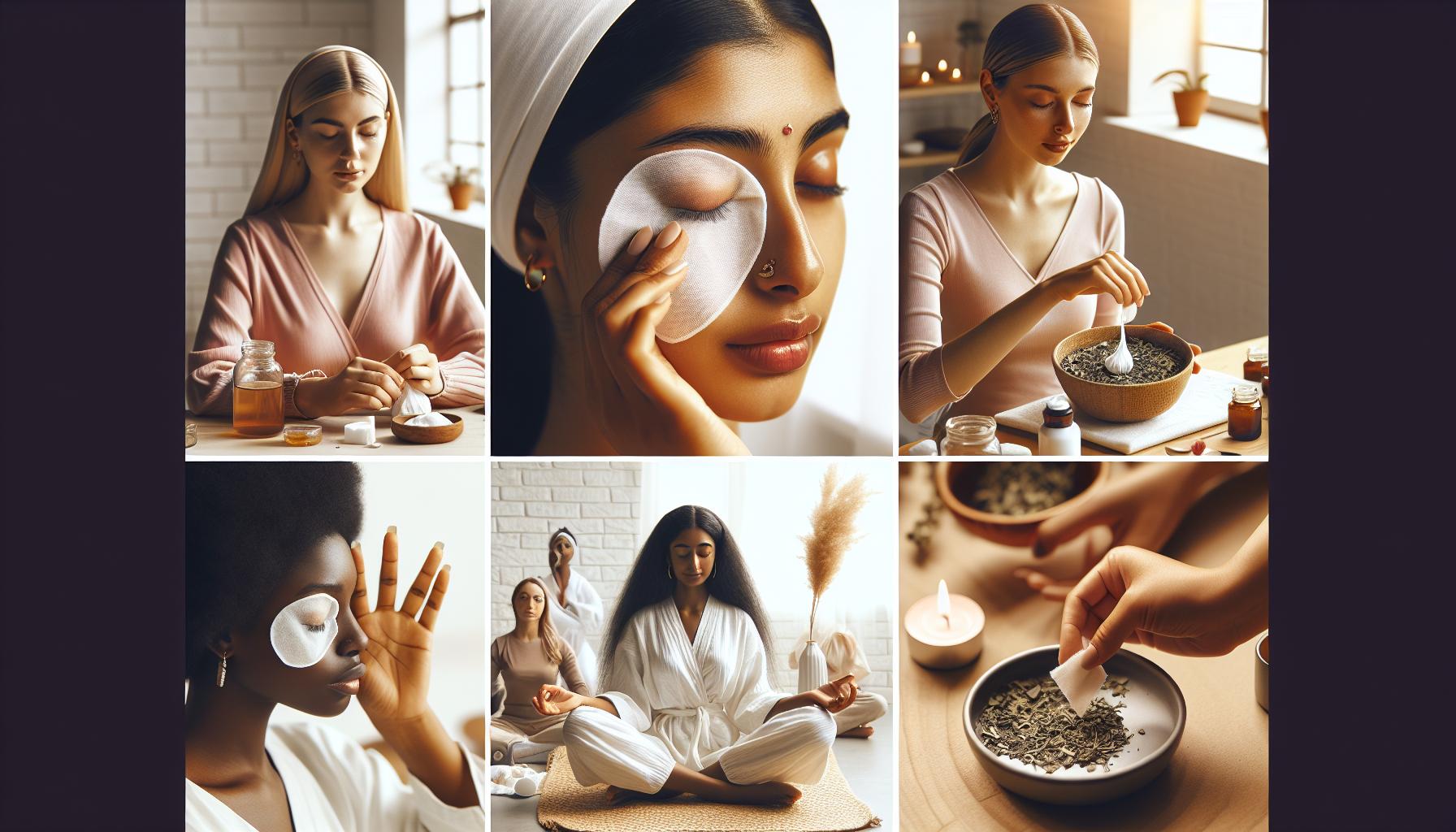
Over-the-Counter Treatments for Styes
Many people experience styes at some point, and knowing how to tackle them with over-the-counter (OTC) treatments can significantly alleviate discomfort and promote healing. OTC options typically provide relief without requiring a prescription, making them accessible and convenient. It’s important to remember that while OTC products can support your recovery, they should complement your existing home care practices for the best results.
One of the most common OTC remedies for styes is antibiotic ointment. These topical treatments are specifically designed to target the bacteria that can cause styes, helping to reduce infection and speed up the healing process. Before applying an antibiotic ointment, ensure your hands are clean and gently cleanse the eyelid area to avoid introducing more bacteria. Follow the instructions on the packaging for proper application frequency and duration.
In addition to antibiotic treatments, saline solutions or medicated eye washes are another effective option available at pharmacies. These products help to gently cleanse the eyes and eyelids, flushing out debris and potential irritants that could hinder healing. Regularly using a saline solution can be particularly beneficial if you typically experience dry eyes or have allergies, as these conditions can contribute to stye formation.
Some individuals may find relief with over-the-counter anti-inflammatory medications, such as ibuprofen or acetaminophen, which can help reduce pain and swelling associated with a stye. Be sure to read the label carefully for dosage recommendations and consult with a healthcare provider if you have any underlying health conditions or are currently taking medications that may interact.
If you prefer a more natural approach, certain OTC eye drops that contain soothing ingredients like chamomile or artificial tears can also provide comfort and hydration for irritated eyes. However, avoid using these products if they cause any further irritation. Always consult an eye care professional if symptoms persist or worsen despite using these treatments, as further interventions may be necessary.
When to Consider Prescription Medications
When a stye doesn’t improve with effective home care and over-the-counter treatments, it may be time to consider prescription medications. This step is crucial, especially if the stye is persistent or evolving into something more problematic. Often, healthcare professionals will recommend prescription options to eradicate stubborn infections or address underlying causes that at-home methods cannot reach.
A common reason for prescription intervention is when a stye becomes infected with more resilient bacteria. In such cases, antibiotic ointments may not suffice, and your doctor might prescribe oral antibiotics to combat the infection more aggressively. These medications usually include antibiotics like doxycycline or cephalexin, which help reduce inflammation and clear the infection more efficiently. It’s important to complete the entire course of antibiotics as prescribed to prevent the infection from returning.
Additionally, if the stye is showing signs of complications, such as significant swelling, redness spreading beyond the eyelid, or changes in vision, professional care is essential. Your doctor might also provide a corticosteroid injection to reduce inflammation in extreme cases or perform a minor procedure to drain the stye if it has formed a large cyst, which can relieve pain and expedite healing.
To help you understand when to seek this level of care, consider the following signs:
- Persistent pain or discomfort that disrupts daily activities
- Recurring styes in a short period
- Severe swelling affecting vision
- Development of new symptoms, like fever or drainage of pus
Engaging with a healthcare professional at the right time can help you find relief more quickly and avoid complications. Remember, taking proactive steps with your eye health, including knowing when to escalate care, empowers you to maintain not just comfortable eyesight but also overall wellness.
Professional Medical Treatments for Styes
When a stye disrupts your daily life, seeking professional medical treatments can offer the relief you need. Styes, or small red bumps on the eyelid, can sometimes become more than just an inconvenience, especially when home remedies and over-the-counter treatments don’t provide adequate relief. Understanding when to engage with a healthcare provider is essential to effectively addressing these pesky infections.
If a stye shows signs of infection, such as increased redness, swelling, or pus, it may be time for prescription medications. Doctors often prescribe oral antibiotics, like doxycycline or cephalexin, to target more resilient bacteria that topical treatments can’t reach. It’s crucial to complete the full course of antibiotics as advised, as this prevents recurring issues and ensures complete eradication of the infection. For some, corticosteroid injections may be necessary to reduce inflammation dramatically, especially if pain or swelling is particularly severe.
In instances where a stye evolves into a more significant cyst, your doctor might recommend a minor surgical procedure to drain it. This process not only alleviates discomfort but also speeds up healing, allowing you to return to your normal routine more swiftly. While it may sound intimidating, this procedure is generally quick and performed under local anesthesia, ensuring your comfort throughout. If you experience persistent pain, recurring styes, or any changes to your vision, don’t hesitate to consult a healthcare professional; taking proactive steps can protect your eye health and overall wellness.
Engaging with healthcare providers gives you access to specialized knowledge, enabling you to navigate your stye treatment with confidence. Remember that your eye health is an integral part of your overall well-being, and taking decisive action can help you maintain both comfort and clarity in your vision.
Preventative Measures to Avoid Future Styes
Maintaining eye health is essential for avoiding the discomfort and irritation that comes with styes. While they are not uncommon, there are proactive steps you can take to significantly reduce your risk of developing these pesky eyelid bumps. Practicing good hygiene and being mindful of your environments are foundational methods to prevent styes from occurring.
To start, always wash your hands thoroughly before touching your face or eyes. This simple yet effective measure helps to minimize the transfer of bacteria that can lead to stye formation. Regularly cleaning your eyelids with a gentle cleanser or specialized eyelid wipes can also help remove excess oil and debris, further preventing the blockage of glands. If you wear makeup, ensure that you replace old cosmetics, particularly eye products, which can harbor bacteria and irritants over time. When removing makeup, avoid harsh rubbing; instead, opt for a gentle, hydrating remover to preserve your eyelid’s delicate skin.
Protecting your eyes from infection involves being cautious in shared spaces where germs proliferate, such as gyms or pools. Wearing sunglasses can shield your eyes from dust and debris, especially in windy conditions. Additionally, adhering to a balanced diet rich in vitamins A, C, and E, as well as omega-3 fatty acids, can contribute to overall eye health. Staying hydrated ensures that your body can flush out toxins, further promoting healthy skin and glands around the eyes.
Incorporating these habits into your daily routine can empower you to take control of your eye health. Should you notice any persistent irritation or discomfort, remain vigilant and consult a healthcare professional to address any underlying issues early on. Remember, prevention is always easier than treatment, and prioritizing your eye care can lead to a more comfortable and healthier lifestyle.
Caring for Your Eyes During Stye Healing
Caring for your eyes during the healing process of a stye is crucial for comfort and recovery. Did you know that simple measures can significantly shorten the duration of discomfort and promote faster healing? As you deal with a stye, focusing on gentle, supportive care for your eyes can make a world of difference.
One of the most effective home remedies is the use of warm compresses. Applying a warm compress to the affected eyelid for 10-15 minutes, three to four times a day can help to unclog the gland and encourage pus drainage. You can create a warm compress by soaking a clean cloth in warm water (make sure it’s not too hot) and placing it over your closed eyelid. This soothing method helps to reduce inflammation and alleviate pain, paving the way for quicker recovery.
Maintaining proper hygiene during the healing period is equally important. Ensure that your hands are thoroughly washed before touching your face or eyes. Avoid makeup, especially eye makeup, until the stye has healed to prevent further irritation or possible infection. When cleaning the eye area, use a gentle cleanser or eyelid scrub specifically designed for sensitive skin. This practice removes bacteria and excess oil, reducing the risk of recurrent styes.
Stay mindful of your daily activities as well. Avoid rubbing or scratching the stye, as this can exacerbate irritation and prolong healing. Limit exposure to irritants such as smoke, dust, and harsh lighting. If you wear contact lenses, consider switching to glasses until the stye has fully healed to avoid added strain or irritation to your eyes. Keeping your environment clean and dust-free will also aid in a quicker recovery. Remember, the goal is to create a supportive environment for your eyes as they heal, allowing you to return to your routine feeling refreshed and comfortable.
Incorporating these focused care practices will help you nurture your eyes back to health, demonstrating that gentle, attentive care can be vastly effective in managing styes.
Styes vs. Other Eye Conditions: Key Differences
Understanding the differences between a stye and other common eye conditions is crucial in ensuring you receive the right treatment and care. A stye, medically known as a hordeolum, is a localized infection or inflammation of the eyelid margins, often resulting in a swollen, painful bump. This condition typically arises from blocked oil glands, leading to irritation and discomfort. In contrast, other eye conditions such as chalazion, conjunctivitis, or blepharitis present differently and require distinct treatment approaches.
Chalazion vs. Stye
A chalazion is often confused with a stye, but it differs in that it is generally not painful and results from a blocked meibomian gland rather than an acute infection. While a stye usually appears suddenly, accompanied by tenderness and redness, a chalazion develops more gradually and may not exhibit the same level of inflammation. Treatment for a chalazion often involves warm compresses like those used for styes, but persistent cases may require corticosteroid injections or surgical drainage.
Conjunctivitis and Styes
Conjunctivitis, often referred to as pink eye, involves the inflammation of the eye’s conjunctiva and can be caused by bacterial infections, viruses, or allergens. Unlike styes, which manifest as localized bumps, conjunctivitis typically leads to generalized redness of the eye and discharge. If you experience watering, itching, or a gritty sensation in addition to eye redness, conjunctivitis may be the underlying issue. Treatment varies depending on the cause, with bacterial conjunctivitis often requiring antibiotic eye drops.
Blepharitis vs. Styes
Blepharitis is an irritation of the eyelid margins that can lead to crusting, redness, and a feeling of having something in the eye. While styes are caused by infections leading to pustules, blepharitis stems from bacteria or seborrheic dermatitis and may require more consistent hygiene practices and the use of eyelid scrubs. Identifying the underlying cause of eyelid discomfort can help distinguish between styes and blepharitis, each requiring tailored treatment strategies.
Recognizing these differences is key for effective management and relief. If you find yourself unsure, consulting with a healthcare provider can offer clarity and guide you to the appropriate treatment, ensuring your eye health is prioritized.
Natural Ingredients for Stye Relief: Benefits and Uses
Natural remedies have long been cherished for their gentle yet effective properties, and several ingredients can aid in providing relief from the discomfort of styes. When a stye forms, it often brings along redness, swelling, and tenderness that can be alleviated through simple, natural methods. Understanding the benefits and applications of these ingredients not only empowers you with actionable solutions but also enhances your self-care routine.
Warm Compresses
One of the simplest yet most effective natural approaches for stye relief involves the use of warm compresses. Applying a clean, warm cloth to the affected eye can help promote drainage, reduce swelling, and ease discomfort. The warmth improves blood circulation, helping to fight the infection while softening any crusted material at the stye site. For best results, soak a clean cloth in warm water, wring it out, and gently place it over your eye for 10-15 minutes, repeating several times a day.
Tea Bags
Certain teas, such as chamomile or black tea, offer additional benefits due to their anti-inflammatory and antimicrobial properties. Simply steep a tea bag in hot water, allow it to cool slightly, and place it on your eyelid while it’s warm. This can provide soothing relief while also harnessing the natural healing properties found in the tea.
Essential Oils
While care must be taken when using essential oils, some, like tea tree oil, boast antiseptic characteristics that can assist in treating styes. Diluting a few drops of tea tree oil with a carrier oil (like coconut oil) and applying it carefully to the area can help keep infection at bay. Always perform a patch test to avoid any adverse reactions.
Homeopathy and Herbal Remedies
Homeopathic treatments, such as those using calendula or hypericum, can provide alternative options. Calendula is known for its healing properties, possibly helping to soothe irritation. You can find calendula ointments at health stores or apply diluted preparations to the stye carefully. However, it’s essential to consult with a healthcare provider before beginning any homeopathic treatment to ensure it aligns with your specific health needs.
Incorporating these natural ingredients into your care routine can not only address the discomfort of styes but can also foster a holistic approach to eye health. Prioritize self-compassion in your treatment journey and always consult a healthcare professional for persistent or severe symptoms.
The Role of Diet and Hydration in Eye Health
Maintaining optimal eye health goes beyond topical treatments and can significantly benefit from dietary choices and proper hydration. The eyes, as vital sensory organs, thrive on nutrients that support their health, and certain foods can reduce the risk of conditions such as styes. For instance, foods rich in antioxidants, omega-3 fatty acids, and vitamins can enhance eye resilience and overall well-being.
A diet rich in colorful fruits and vegetables, such as carrots, spinach, and blueberries, provides essential vitamins A, C, and E, which are key players in eye health. These nutrients help combat oxidative stress that can lead to inflammation and infections, contributing factors to stye formation. Additionally, including sources of omega-3 fatty acids, like salmon, walnuts, and flaxseeds, can support eye moisture and comfort by improving the overall health of the tear film, which protects the eyes from dryness and irritation.
Hydration also plays a critical role in maintaining eye health. Adequate water intake keeps the body-and eyes-hydrated, supporting tear production and ensuring optimal lubrication. Aim for at least 8 glasses of water daily, adjusting based on activity level and climate. Herbal teas and hydrating fruits like cucumbers and watermelon can also help fulfill hydration needs while offering additional nutrients beneficial for eye care.
In summary, adopting a balanced diet full of eye-friendly foods combined with proper hydration not only aids in preventing styes but also contributes to long-term visual health. Incorporating these habits into your routine empowers you to take control of your eye health proactively.
Post-Stye Care: Tips for Eye Maintenance
Maintaining eye health post-stye is crucial not only for recovery but also for preventing future occurrences. After a stye has cleared, your eyelids and surrounding areas might still be sensitive; thus, gentle care is key. Specifically, ensuring that you continue to practice good hygiene can make a significant difference. Clean your eyelids daily with a mild soap or eyelid scrub to remove any remaining debris or bacteria. This helps to keep the follicles clear and reduces the chance of re-infection that can lead to another stye.
It’s equally important to monitor your makeup and skincare products after experiencing a stye. If you use cosmetics near your eyes, consider replacing them, especially if they are old or have been used while you had an active stye. Old makeup can harbor bacteria, and fresh products will help you avoid reinfection. Additionally, always ensure makeup brushes and applicators are clean; regular washing can prevent build-up and bacterial contamination.
Another vital aspect of post-stye care is to nourish your eyes and skin. Consider applying warm compresses several times a week as a preventive measure. This practice not only enhances circulation around the eyelids but also maintains oil gland function, contributing to overall comfort. Incorporating omega-3 fatty acids into your diet by consuming fish, nuts, or flaxseeds can promote eye moisture and help maintain the health of the tear film.
Lastly, stay hydrated! Proper hydration supports all bodily functions, including those of the eyes. Adequate water intake helps produce tears that keep your eyes lubricated and comfortable. Aim for at least eight glasses of water a day, and benefit further by including herbal teas and hydrating fruits like watermelon or cucumber. With these practical steps, you can maintain your eye health and bolster your body’s defenses against future styes. Remember, taking care of your eyes is a beautiful way to care for yourself!
Faq
Q: How can you tell the difference between a stye and a chalazion?
A: A stye is usually painful and occurs on the eyelid’s edge, caused by a bacterial infection. In contrast, a chalazion is a painless lump that forms further inside the eyelid, resulting from blocked oil glands. For more details, see our section on recognizing symptoms.
Q: What are the best warm compress techniques for treating a stye?
A: The best warm compress technique involves soaking a clean cloth in warm (not hot) water and placing it gently over the affected eye for 10-15 minutes, 3-4 times a day. This helps reduce swelling and encourages drainage. Check our home remedies section for more tips.
Q: Can styes resolve on their own without treatment?
A: Yes, styes can often resolve on their own within a week or two. However, applying warm compresses can speed up recovery. If symptoms persist, consider seeking medical advice, as detailed in our professional treatments section.
Q: Are there any specific foods to eat or avoid to prevent styes?
A: Incorporating a diet rich in vitamins A, C, and E can support eye health and potentially prevent styes. It’s wise to avoid excessively oily or sugary foods, as these can exacerbate oil gland blockages. For more dietary tips, refer to our section on the role of diet in eye health.
Q: Why do some people get recurrent styes more than others?
A: Recurrent styes can result from hormonal changes, chronic skin conditions, or touching the eyes with unclean hands. Individuals with clogged oil glands are also at higher risk. Explore our preventative measures section for effective strategies.
Q: What are the potential complications if a stye is not treated?
A: If untreated, a stye may lead to complications including the formation of a chalazion, persistent pain, or more serious infections. It’s crucial to monitor symptoms and seek medical help if necessary, as outlined in our prescription medications section.
Q: How long does it typically take for a stye to heal with treatment?
A: With appropriate home care or medical treatment, most styes heal within one to two weeks. Consistent use of warm compresses and proper hygiene can expedite the healing process. Check our caring for eyes during stye healing section for effective techniques.
Q: Can stress contribute to the development of styes?
A: Yes, stress may weaken the immune system, making you more susceptible to infections like styes. Managing stress through relaxation techniques and a healthy lifestyle can help improve your overall eye health. For more advice, see our section on preventative measures.
The Conclusion
Now that you have the essential strategies for treating a stye in the eye, it’s time to take charge of your eye health. Remember, timely intervention can prevent complications and ensure your comfort. If you’re still experiencing discomfort or have further questions, don’t hesitate to explore our related articles on preventive eye care and effective skincare routines. We encourage you to leave a comment below sharing your experience or any tips you have found helpful. For more personalized advice, consider signing up for our newsletter or consulting with a healthcare professional. Together, let’s ensure your eyes stay healthy and beautiful!