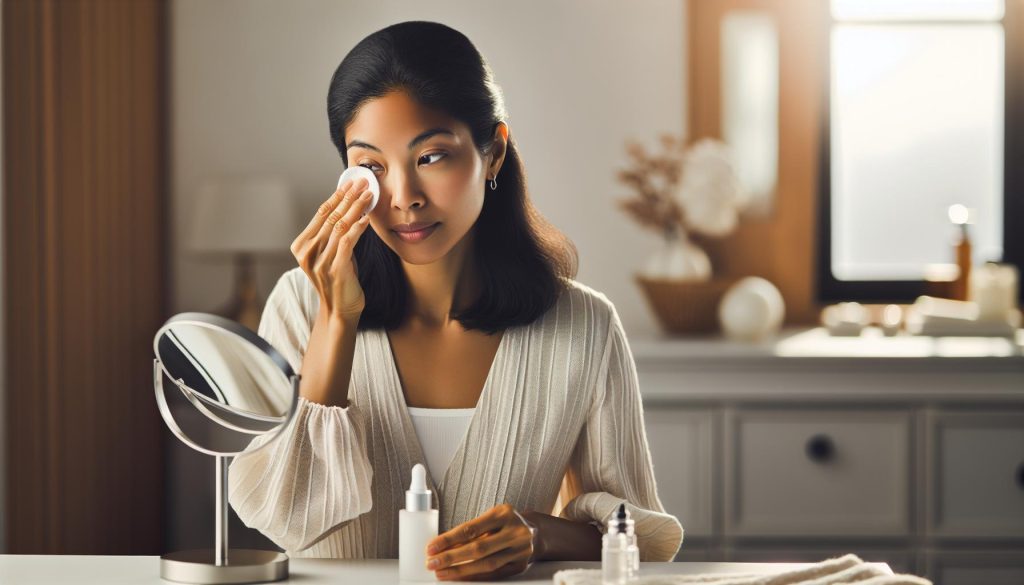
Have you ever experienced the frustration of recurring styes in the same eye? You’re not alone. Many individuals find themselves caught in this irritating cycle, often wondering why they can’t seem to escape it. A stye, which is essentially an infection of the oil glands in the eyelid, can be triggered by various factors, including poor hygiene, stress, or underlying health issues.
Understanding the reasons behind these repeated occurrences is crucial for breaking the pattern and regaining comfort in your daily life. In this article, we’ll delve into the factors that contribute to frequent styes, explore effective prevention strategies, and provide actionable steps to help you reclaim your eye health. Say goodbye to the discomfort and inconvenience of recurring styes and discover how to stop the cycle for good.
Understanding Styes: What Are They and Why They Occur
Styes are a common eye condition that manifests as red, painful lumps near the edge of the eyelid, often resembling pimples or boils. They typically arise from bacterial infections affecting the oil glands at the eyelash base. While they can occur in any part of the eyelid, understanding why they develop is crucial for effective management and prevention. Styes result from blocked glands that become infected, leading to swelling and discomfort. This blockage can be triggered by a combination of factors such as inadequate hygiene, skin irritations, or underlying health issues that weaken the immune response.
In many instances, styes emerge when bacteria, often Staphylococcus, infiltrate these glands. Factors such as using old or contaminated makeup, rubbing your eyes frequently, or not properly cleansing your face can increase your risk of developing styes. Additionally, individuals with chronic conditions like blepharitis or rosacea may be more susceptible to recurrent styes due to inflammation and irritation in the eyelid area.
A proactive approach to eye health can significantly reduce the likelihood of experiencing styes repeatedly. Establishing a daily routine that emphasizes cleanliness, such as removing makeup at the end of the day and avoiding eye contact with potential irritants, is vital. Moreover, incorporating warm compresses can help clear blocked glands and promote healing. By understanding the underlying causes of styes and implementing preventive measures, it’s possible to break the cycle of recurrence and maintain optimal eye health.
Common Causes of Recurrent Styes in One Eye
Recurring styes can be frustrating, especially when they consistently appear in the same eye. Understanding the common causes behind these stubborn flare-ups can empower you to break this cycle. One major factor is the health of your eyelid glands; اگر دُمِدهای پالید درُست از کار بیفتند یا در تهاجم باکتریها دچار اختلال شوند، احتمال بروز مکرر استای در همان ناحیه افزایش مییابد. This blockage may occur due to oil buildup from inactive glands or clogged pores, leading to a heightened vulnerability to bacterial infections.
Underlying Health Conditions
Certain skin conditions can also predispose individuals to recurrent styes. Conditions like blepharitis, which involves inflammation of the eyelid margins, can create an environment ripe for bacterial growth. If you frequently suffer from redness and irritation, addressing blepharitis with proper eyelid hygiene can be crucial. Similarly, a history of rosacea, which triggers facial skin sensitivity, may also contribute to chronic stye formation in one eye due to persistent inflammation around the eyelids.
Role of Lifestyle Factors
Lifestyle choices play a significant role in the recurrence of styes. For instance, using old or contaminated cosmetics, particularly eyeliner and mascara, can introduce bacteria that exacerbate the risk. Regularly replacing these products and ensuring they are stored properly can minimize exposure. Additionally, habits like touching your eyes, especially with unwashed hands, can transfer bacteria directly to the eyelid glands. It’s essential to cultivate an eye care routine focused on cleanliness-this includes removing makeup thoroughly before bed and practicing mindfulness around touching the eyes.
Prevention Strategies
To break the cycle of recurrent styes, consider a tailored approach that combines good hygiene practices with lifestyle modifications. Incorporating warm compresses can help unclog glands and promote healing, while maintaining a consistent skincare routine can keep your eye area healthy. If you face persistent issues, consulting a healthcare professional may provide personalized advice or treatments, such as antibiotic ointments, to address underlying bacterial concerns. Remember, taking proactive steps not only prevents styes but also supports your overall eye health, leading to clearer, more comfortable vision.
The Role of Hygiene in Preventing Styes
Maintaining appropriate hygiene is crucial for preventing styes, especially for those who experience recurrent episodes. The skin around the eyes is sensitive, making it important to keep it clean and free from irritants. A significant factor contributing to the formation of styes is the buildup of oils, dead skin cells, and bacteria along the eyelid margins, which can occur if proper care isn’t taken. By establishing a robust eye hygiene routine, you can minimize the risks and keep your eyelids healthy.
A consistent practice of cleaning your eyelids can significantly reduce the chances of developing styes. Use a gentle eyelid scrub or a diluted baby shampoo on a soft cotton pad to clean the eyelid edges, particularly if you wear makeup or have oily skin. Aim to do this at least once daily. Furthermore, ensure to remove all eye makeup thoroughly before going to bed. Leaving products on overnight can create a breeding ground for bacteria, increasing the likelihood of stye formation. Regular replacement of eye makeup, especially mascara and eyeliner, is also recommended, as expired products can harbor bacteria.
It’s essential to emphasize the importance of proper hand hygiene as well. Always wash your hands with soap and water before touching your face or applying any eye products. Avoid touching or rubbing your eyes with unwashed hands, as this can transfer bacteria directly to the eyelid glands. Additionally, using a clean towel dedicated to your face can further prevent the transfer of bacteria and dirt.
Remember that the prevention of styes doesn’t just stop at hygiene; it also includes monitoring your overall health and lifestyle habits. For instance, conditions like blepharitis require diligent eyelid care to keep inflammation at bay and prevent styes from developing. By cultivating a relationship with your eyelid health and committing to proper hygiene, you can empower yourself to break the cycle of recurrent styes and enjoy clearer, healthier eyes.
At-Home Remedies to Treat Styes Effectively
Warm compresses can be a game changer when it comes to treating a stye at home. Applying a warm, moist cloth to the affected eye helps to alleviate discomfort and encourages the stye to come to a head, promoting natural drainage. It’s simple: just soak a clean cloth in warm water, wring it out to remove excess moisture, and hold it against your eyelid for about 10 to 15 minutes. Make this a routine two to four times a day, and you may notice significant relief.
Gentle Massage
Once you’ve applied the warm compress, you can enhance the effectiveness by gently massaging the area. After a compress, use clean fingers to lightly massage the eyelid in a circular motion. This can help to stimulate the sebaceous glands, allowing any trapped oil to escape and reducing swelling. Remember to wash your hands before touching your eyes to avoid introducing more bacteria.
Natural Remedies
Several home remedies may offer additional support while managing a stye. Tea bags, particularly chamomile or green tea, have anti-inflammatory properties that can soothe irritation. Steep a tea bag in hot water, then allow it to cool. Once it’s warm (not hot), place it directly on the stye for about 10 to 15 minutes. Additionally, aloe vera gel is known for its healing properties; applying a small amount gently around the stye may reduce swelling and speed up healing.
Over-the-Counter Treatments
Should natural methods not yield results, consider using over-the-counter treatments like artificial tears or lubricating eye drops, which can help ease discomfort associated with dryness or irritation. Avoid using any topical antibiotics or ointments unless directed by a healthcare professional, as unnecessary use can lead to resistance or complications.
These effective at-home remedies can facilitate healing and may prevent styes from recurring, empowering you to take proactive steps in managing your eye health. If symptoms persist or worsen, don’t hesitate to seek professional medical advice, as persistent styes might require more targeted treatment.
When to Seek Professional Help for Styes
Experiencing styes repeatedly can be frustrating and concerning, especially when they seem to persist in the same eye. While mild styes often respond well to at-home treatments, knowing when to seek professional help is essential for effective management and to prevent recurrence. If you notice symptoms such as severe pain, significant swelling, or if the stye does not improve with home remedies after two days, it’s time to see an eye care provider.
Symptoms that warrant medical attention include styes that are accompanied by fever, vision changes, or if the stye has spread to the surrounding areas or eyelid. These could indicate a more severe infection or possibly chalazion, a similar but often more resilient bump that forms due to blocked oil glands. Additionally, if you’ve had multiple styes in a short period, it may be a sign of an underlying issue, such as a skin condition or a problem with your immune system, which a healthcare professional can help evaluate.
Your eye care provider may recommend specific treatments, including prescription antibiotics or even drainage procedures if the stye is particularly stubborn. They can also offer guidance on maintaining eye hygiene that suits your lifestyle and needs. Always remember, addressing recurrent styes sooner rather than later can prevent further complications and help you regain peace of mind.
Investing in professional advice not only aids in treating the current stye but can also provide insights that can help you avoid future occurrences, fostering a healthier routine that supports your overall eye health.
Preventative Measures: Stop Styes from Coming Back
Experiencing recurrent styes can feel like an endless cycle, and breaking that cycle is essential for both comfort and confidence. Prevention is key, and implementing a few strategic measures can significantly reduce the chances of styes returning to the same eye.
Firstly, maintaining consistent eyelid hygiene is crucial. Gently washing your eyelids with diluted baby shampoo or using over-the-counter eyelid scrubs can help remove debris and reduce bacterial buildup. Make these cleansing routines a part of your daily regimen, especially if you are prone to styes. After washing, ensure you rinse thoroughly to avoid leftover soap that could irritate your eyes.
In addition, consider the makeup habits you practice. If styes are a recurring issue, it might be worth reevaluating your cosmetics. Always ensure that eye makeup is removed thoroughly before bed, and consider using cleaner, hypoallergenic products specifically designed for sensitive skin. Furthermore, replacing eye makeup every three months and avoiding sharing products can minimize bacterial exposure.
Another significant factor to consider is your contact lens hygiene. If you wear contacts, ensure that your hands are clean before touching your lenses, and follow recommended practices for cleaning and storing them. Consider giving your eyes a break from contacts if you’re experiencing frequent styes and opt for glasses instead to allow your eyelids to heal.
Finally, don’t underestimate the power of stress management. High-stress levels can weaken your immune system, making your body more susceptible to infections, including styes. Incorporating practices such as yoga, meditation, or simply ensuring adequate sleep can bolster your health and potentially decrease the frequency of stye outbreaks.
By fostering good hygiene routines, being mindful of makeup and eye care products, and managing stress, you empower yourself to combat styes effectively. These small but impactful changes create a supportive environment for eye health, helping to break the cycle of recurring styes. Remember, taking proactive steps ensures that your eyes not only feel better but also look bright and healthy.
The Link Between Stress and Stye Formation
Stress can significantly impact your overall health, including the well-being of your eyes. Increased stress levels can lead to a weakened immune system, leaving your body more susceptible to infections like styes. When you’re stressed, your body produces higher levels of hormones, such as cortisol, which can affect your skin and eyelids, exacerbating conditions that contribute to stye formation. This connection between stress and styes is often overlooked, yet managing stress can be a crucial aspect of breaking the cycle of recurrent styes.
To better understand this relationship, consider how stress affects your daily habits. Stress-induced behaviors, such as rubbing your eyes more frequently or neglecting proper hygiene routines, can increase the risk of developing styes. Additionally, the inflammation associated with stress can cause blockages in the glands of your eyelids, leading to the formation of styes. A proactive approach to stress management might not only enhance your emotional health but could also play a pivotal role in maintaining the health of your eyes.
To mitigate the impact of stress on your eye health, it’s essential to incorporate daily practices that promote relaxation and overall well-being. Engaging in regular physical activity, practicing mindfulness or meditation, and ensuring you get adequate sleep are all effective strategies to help manage stress levels. Creating a bedtime routine, setting aside time for relaxing activities, or even practicing deep breathing exercises throughout your day can contribute significantly to reducing stress and its potential effects on your eye health.
Furthermore, nurturing your social connections and seeking support from friends or family can foster resilience in stressful times. Connection can provide relief, reduce anxiety, and promote a healthier lifestyle overall. By conscientiously addressing stress and its relationship with your eye health, you can take significant steps toward reducing the occurrence of styes and improving both your emotional and physical well-being. Prioritizing self-care isn’t just a luxury; it’s a necessary component of your holistic health strategy.
Understanding Allergies and Their Impact on Eye Health
Some surprising statistics show that allergies affect nearly 50 million people in the United States, and their impact is often felt well beyond sneezing and itchy eyes. For many, seasonal or environmental allergies can lead to a series of complications, including styes, which are painful little lumps that form along the eyelids. Allergies can trigger inflammation, leading to blockage of the oil glands in the eyelids. This blockage can result in the collection of bacteria, causing styes to form more frequently.
Allergic reactions often cause the eyelids to become swollen and irritated, prompting individuals to rub their eyes, which can lead to bacteria being transferred from the hands to the eyelid area. This manipulation can exacerbate the problem and further lead to infection. Understanding how to manage your allergies can significantly reduce your risk of developing styes. Here are some practical steps:
- Identify Triggers: Keep a journal to note when symptoms arise and what may be causing them, such as pollen, pet dander, or dust.
- Allergy Management: Consider using over-the-counter antihistamines or consulting with a healthcare provider for a tailored treatment plan, which may include prescription medications.
- Maintain Eye Hygiene: Regularly clean your eyelids with a gentle soap or eyelid scrub to remove any allergens and prevent blockage of the oil glands.
- Avoid Rubbing: If your eyes itch, try to resist the urge to rub them. Instead, use a cool compress to soothe irritation.
By integrating these strategies into your daily routine, you can significantly lessen the overall impact of allergies on your eye health and decrease the likelihood of recurrent styes. Opting for gentle, hypoallergenic skincare and makeup products can also protect your eyes, minimizing potential irritants that could aggravate your allergies or lead to infections. With a bit of adjustment and mindfulness, you can take charge of your eye health, breaking free from the cycle of recurrent styes and ensuring a clearer, more comfortable vision.
Choosing the Right Eye Care Products
is essential in managing and preventing styes, particularly for those who experience them recurrently in one eye. The sensitivity of the area surrounding your eyes makes it vital to be intentional about the ingredients in the products you choose. Opt for gentle formulations that avoid potential irritants, such as fragrances or harsh preservatives, which can exacerbate inflammation and lead to blockages of the oil glands, a common precursor to stye formation.
When selecting skincare and makeup products, prioritize hypoallergenic and non-comedogenic options. These are specifically designed to minimize allergic reactions and reduce the likelihood of clogging pores, important factors for maintaining clear eyelids. For instance, opt for mineral-based makeup that typically lacks synthetic dyes and preservatives. Additionally, consider eye creams infused with soothing ingredients like aloe vera or chamomile, which can help calm irritation and support overall eye health.
Always remember to practice good hygiene with products you apply near your eyes. Regularly replace eye makeup, especially mascara and eyeliner, as they harbor bacteria that can contribute to infections. Use disposable applicators when possible and avoid sharing eye makeup with others.
Incorporating a simple cleansing routine at the end of the day can further enhance eye health. Gentle cleansing wipes formulated for sensitive skin can remove makeup and debris without irritating the eyelids. Follow up with a warm compress over your closed eyelids to promote drainage and soothe any irritation, offering an extra layer of care to combat the risk of styes. Prioritizing suitable eye care products not only protects your eye health but can break the cycle of recurrent styes, leading to happier, healthier eyes.
Dietary Factors: Can Food Impact Eye Health?
Diet plays a significant role in maintaining overall eye health, and certain dietary factors may contribute to the formation of styes. Foods rich in vitamins, minerals, and antioxidants are not only essential for eye function but also help reduce inflammation and bolster the immune system, which can be crucial in preventing recurrent styes.
Integrating specific nutrients into your diet can create a barrier against eye infections. For instance, Vitamin A is essential for maintaining healthy mucous membranes, which protect the eyes from bacteria. It’s abundant in carrots, sweet potatoes, and green leafy vegetables like spinach and kale. Additionally, Omega-3 fatty acids, found in fish such as salmon and seeds like flaxseed, exhibit anti-inflammatory properties that help in promoting healthy eyelid glands, reducing the chances of blockages leading to styes.
Furthermore, hydration cannot be overlooked. Keeping your body well-hydrated helps maintain moisture in your eyes, potentially reducing irritation. Aim to drink adequate water throughout the day and complement hydration with foods high in water content, such as cucumbers, oranges, and strawberries.
Lastly, consider reducing the intake of processed foods and sugars. High sugar levels can cause inflammation and disrupt the normal oil production in your skin, including the skin around your eyelids. A balanced, nutrient-dense diet not only supports your overall well-being but also plays a pivotal role in eye health, potentially reducing the occurrence of styes and improving your body’s resilience against infections.
By making these thoughtful dietary choices, you empower yourself to foster an environment in which your eyes can thrive, encouraging a balance that discourages stye development and promotes long-term eye health.
Exploring Medical Treatments for Persistent Styes
Sometimes, persistent styes can feel like an endless battle, especially when they keep recurring in the same eye. It’s crucial to understand that medical interventions may be necessary when at-home remedies fall short. If styes are a recurring issue for you, it’s time to explore the medical treatments available to manage and potentially eliminate these stubborn infections.
One commonly advised approach is the use of antibiotic medications. If a stye fails to respond to warm compresses and other home treatments, a healthcare provider may prescribe antibiotic eye ointments or drops to help combat any underlying bacterial infection. In some cases, oral antibiotics may be necessary, especially if there are signs that the infection is spreading beyond the eyelid. This medical intervention not only addresses the current stye but also works to prevent future occurrences by eliminating pathogenic bacteria that can lead to blockages in the oil glands of the eyelids.
In situations where a stye is particularly large or painful, surgical intervention might be required. This typically involves a minor procedure in which a doctor will lance (make a small incision) the stye to drain the built-up pus and facilitate healing. While this may sound daunting, it is a relatively quick procedure that can provide immediate relief from discomfort and expedite recovery. Post-treatment, your doctor may recommend follow-up care, such as continued warm compresses to promote healing and prevent new styes from forming.
It’s also important to remember that recurrent styes could be indicative of underlying conditions such as blepharitis, a chronic inflammation of the eyelid margins. Managing these conditions with proper eye hygiene, regular cleaning of the eyelids, and possibly medicated wipes or foam can greatly improve your situation. Consulting with an eye care professional will help tailor the most effective treatment plan for your specific needs, ensuring that you don’t have to face recurrent styes alone. By taking these proactive steps and exploring medical options, you can gain control over your eye health and reduce the likelihood of future styes.
Frequently asked questions
Q: What lifestyle changes can help reduce the frequency of styes in one eye?
A: To reduce recurrent styes, consider adopting a consistent eye hygiene routine, such as washing your face daily and avoiding touching your eyes. Ensure proper management of stress through relaxation techniques and adequate sleep, as stress can exacerbate stye formation.
Q: Can my diet influence the occurrence of styes?
A: Yes, your diet can impact skin health, including your eyes. Incorporate foods rich in omega-3 fatty acids, antioxidants, and vitamins A and C to support your eye health. Staying hydrated is also essential for maintaining overall skin and eye condition.
Q: How do hormones affect stye development?
A: Hormonal fluctuations, particularly during menstruation or pregnancy, can influence oil gland activity around the eyes, increasing the risk of styes. Maintaining a balanced diet and managing stress during these times can help mitigate this issue.
Q: Are there specific eye care products to avoid if I’m prone to styes?
A: Opt for hypoallergenic eye care products that are non-comedogenic and fragrance-free, as these are less likely to irritate the eye area. Avoid using old or contaminated eye makeup, as bacteria can lead to styes.
Q: Is there a correlation between frequent styes and underlying health conditions?
A: Frequent styes can sometimes indicate underlying conditions like blepharitis or rosacea. If you notice a pattern, consult with a healthcare professional to explore potential connections and appropriate treatments.
Q: How can stress management techniques help with stye prevention?
A: Managing stress can help reduce the frequency of styes by promoting overall skin health. Techniques such as yoga, meditation, and regular physical activity can soothe your mind and body, potentially lowering the risk of stye formation.
Q: Can allergies play a role in the development of styes?
A: Yes, allergies can lead to increased scratching and rubbing of the eyes, which may contribute to the formation of styes. Managing allergies effectively through medications or avoidance strategies can help reduce this risk.
Q: Should I consult a doctor for frequent styes in one eye?
A: If you experience frequent styes, it is advisable to consult a healthcare professional. They can help determine if there are underlying issues and recommend appropriate treatments or preventative measures.
Concluding Remarks
If styes in the same eye have been a persistent issue for you, now is the time to take action and break the cycle. Implementing these prevention strategies and home care tips can lead to significant relief and improved eye health. Don’t miss out on the full benefits-check out our detailed guide on eye care routines or our article on effective skincare practices for added support in your health journey.
Feeling empowered to tackle your stye concerns? Subscribe to our newsletter for the latest insights on women’s health and beauty, or explore our resources on common eye conditions. Remember, you’re not alone in this; join the community and share your experiences in the comments below. Together, we can find solutions that work for you and enhance your well-being. Let’s keep your eyes healthy and beautiful!