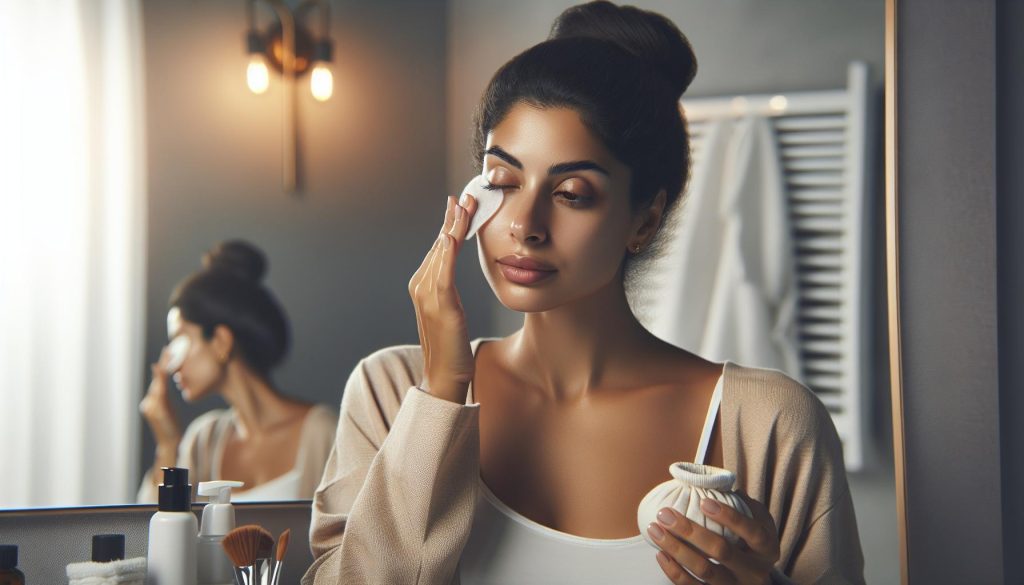
Dealing with a stye can be incredibly frustrating, especially when it affects your confidence in a professional setting. A stye, often swollen and red, can make you wonder whether it’s appropriate to go to work or how to maintain a polished appearance while it heals. Understanding your options is crucial for ensuring you feel your best, even when dealing with this common eye issue.
Many people experience styes at some point, and while they typically don’t pose serious health risks, their impact on your appearance and self-image can be significant. You might be concerned about how colleagues will perceive you or whether your productivity will be affected. By exploring effective strategies and beauty tips, you can navigate your work environment with ease and grace.
In the upcoming sections, discover practical advice on managing your stye while maintaining a professional appearance. From at-home remedies to make-up tips that can help camouflage the issue, empowering yourself with knowledge will allow you to face the day confidently, despite any eye concerns.
Understanding Styes: Causes and Symptoms
A stye, scientifically known as a hordeolum, is a common and often uncomfortable condition that can impact both your eye health and professional appearance. This small, tender bump can appear on the outer or inner eyelid, usually resulting from an infection in one of the eyelid glands. Recognizing the symptoms and understanding the underlying causes is crucial, especially for those who may be concerned about how it might affect their work image.
The primary cause of a stye is typically a bacterial infection, usually stemming from the Staphylococcus species. This bacteria can flourish due to various factors, such as poor eyelid hygiene, stress, hormonal changes, and even environmental irritants. Symptoms of a stye may start as localized redness and swelling, often accompanied by pain or tenderness-in some cases, it may also produce a crusty discharge. While styes can look alarming, it’s comforting to know that they generally resolve on their own within a week or two.
Recognizing these early signs is essential for prompt care, as treating a stye early can help minimize discomfort and duration. If you notice a bump on your eyelid accompanied by tenderness and possibly some crusting, it may be time to act. Seeking appropriate care not only supports your health but also enhances your confidence when facing professional situations. Understanding your symptoms and what to expect can empower you to navigate this challenge with assurance and grace.
How to Assess Your Professional Appearance with a Stye
A stye can be an awkward and frustrating addition to your daily routine, particularly in a professional setting where first impressions matter. It’s essential to understand that while a stye may appear disfiguring, it doesn’t define your competence or professionalism. Assessing your appearance involves not just the visual impact of a stye, but also how you project confidence in spite of it. Consider that many viewers may empathize with your situation rather than criticize it.
To start, focus on creating a polished appearance that draws attention away from the eye area. This can be achieved through strategic grooming and clothing choices. If you’re feeling self-conscious, a neat hairstyle can help minimize the emphasis on your face. Try styles that frame your face or let your hair naturally cascade, diverting attention away from your eyes. Additionally, wearing clothes in solid colors can help maintain a professional appearance while offering a visual distraction from the stye.
Accessorizing wisely also plays a key role. Wearing understated earrings or a statement necklace can shift focus and add some elegance to your overall look. You might also consider wearing glasses, as they can strategically cover the affected area while adding a sophisticated touch. Opt for frames that suit your facial structure, enhancing your professional image and helping you feel more put together.
Lastly, remember to carry yourself with confidence. Adopt a positive posture and engage in conversations with enthusiasm. This not only helps divert attention from your eye but also displays a sense of assurance and capability. The perception others have is often influenced more by your demeanor than by minor physical imperfections. So, embrace your strengths and shine through your work with the brilliance that defines you beyond a stye.
First Steps: Immediate Care for Your Eye
To effectively manage a stye, prompt and appropriate care can make a significant difference in comfort and appearance. A stye, characterized by a painful red lump on or near the eyelid, typically results from a bacterial infection of the oil glands. Taking action early can alleviate symptoms and potentially speed up recovery, which is crucial when planning to navigate professional settings.
The first step is to avoid touching or squeezing the stye, as this can exacerbate inflammation and lead to further infection. Instead, focus on gentle self-care techniques. Applying warm compresses to the affected area for about 10 to 15 minutes, three to four times a day, can help reduce swelling and promote drainage. Simply soak a clean cloth in warm water, wring it out, and place it over the stye. The warmth not only soothes discomfort but also helps unclog the blocked gland.
Next, maintaining cleanliness around the eye is essential. Wash your hands thoroughly before touching your face or applying any products. Opt for mild, unscented soap to cleanse your eyelids gently, as harsh chemicals or fragrances may irritate the area. It’s also advisable to avoid eye makeup until the stye has healed to prevent any further irritation and exposure to bacteria. If eye makeup has been used, make sure to discard it, as it may harbor infection.
If the stye does not improve after a couple of days of self-care, or if you experience increased redness, severe pain, or changes in vision, seek guidance from a healthcare provider. They can prescribe antibiotics or, in some cases, drain the stye to promote healing. Being proactive about these steps not only aids in recovery but helps you feel more confident as you prepare to face your day, whether at work or in social settings.
Effective Makeup Tips to Conceal a Stye
To successfully navigate a workday with a stye, knowing how to diffidently conceal it while still prioritizing eye health is essential. Although the temptation to cover the stye with makeup is strong, wisdom dictates a careful approach. Makeup can aggravate the condition if not applied thoughtfully. Here are some important tips to keep in mind.
Prioritize Cleanliness
Before applying any makeup, ensure that your hands, face, and brushes are clean. This is crucial, as bacteria can easily exacerbate the stye. Use mild, antibacterial soap to wash your face and consider sanitizing your makeup brushes. If you’ve used any products while the stye was active, it’s recommended to discard them to prevent recontamination [[1]].
Choose Safe Concealers & Foundations
When selecting makeup to mask the stye, opt for formulations that are non-comedogenic and fragrance-free. Lightweight, liquid foundations can be your best friend; they help to provide coverage without heavy layers that could irritate the stye further. Look for products containing soothing ingredients like aloe vera or chamomile that can gently calm any inflammation around the eye area.
Strategic Application Techniques
Focus on carefully applying makeup around the stye rather than directly on it. Use a soft applicator or your fingertip to take a small amount of concealer and dab it gently around the affected area. This helps you avoid unnecessary pressure on the stye while still achieving a more polished look. To further enhance your eyes while diverting attention from the stye, consider using a subtle eye shadow in neutral shades that uplifts your overall appearance but does not compete for focus.
Keep Eye Makeup to a Minimum
While it can be tempting to reach for eyeliner and mascara to sharpen your look, it’s safer to minimize or even skip these products until the stye has healed. If you must use mascara, apply it to the lower lashes only, allowing for definition while keeping irritation at bay. Remember, ensuring comfort is just as important as maintaining your professional appearance.
By striking a balance between effective concealment and eye care, you can present your best self at work while managing your stye judiciously. Prioritizing your health will ultimately help you feel more confident and at ease throughout your day.
Dressing for Success: Professional Outfits to Distract from Eye Issues
Choosing the right outfit when dealing with a stye can be an excellent way to redirect attention and maintain confidence in a professional setting. Comfort is key, as you want to feel at ease while ensuring that your attire complements your overall look. Opt for clothing that draws the eye away from the face, allowing you to feel confident despite the irritation of a stye.
Start by selecting tops with vibrant colors or intricate patterns to create visual interest that keeps the focus off your eye area. An A-line dress or a tailored blouse paired with statement jewelry can effectively shift attention. Aim for pieces that are structured yet comfortable, as they can help you maintain professionalism while providing the ease of movement. For example, a well-fitted blazer can add a polished layer that enhances your appearance. Pair it with dark, slim-fit trousers or a pencil skirt to elongate your silhouette and create a balanced look.
Accessorizing thoughtfully can also make a significant difference. Consider wearing long earrings or layered necklaces that draw the attention towards your neck and shoulders, diverting it from the eyes. Accessories in bold colors or edgy designs can serve as conversation starters, allowing you to feel more confident engaging with colleagues without drawing undue attention to your stye. When choosing accessories, be sure to avoid anything that rests on your face, as this might irritate your eye further.
Finally, keep footwear stylish yet comfortable. Opt for chic flats or low-heeled shoes that add a sophisticated touch without sacrificing comfort. Remember, your overall appearance is a reflection of your confidence and professionalism. By selecting outfits that not only flatter but also shift focus away from your eye, you can navigate your workday with poise, helping you to feel empowered even during challenging moments.
Eye Health Essentials: When to Seek Professional Help
Experiencing a stye can undoubtedly impact your confidence and professional appearance, but knowing when to seek help can be pivotal in navigating this common eye condition. Though many styes resolve with at-home care, there are certain signs that indicate it’s time to consult a healthcare professional. If your stye does not show improvement within 48 hours of self-care, or if symptoms worsen, it’s essential to reach out for expert advice. Persistent swelling, increasing pain, or the stye evolving into a more complex infection are all indicators that could necessitate a more aggressive treatment approach.
When you notice excessive redness or discharge, visiting an eye care provider should be a priority. In some cases, what begins as a simple stye can develop into a chalazion, which may require medical intervention. Symptoms such as fever or vision changes can signal complications that should not be ignored. A healthcare professional can assess the situation effectively and determine if prescription medication or even a minor surgical procedure is needed to drain the stye safely.
Incorporating a proactive approach is vital; keeping your eyelids clean and using warm compresses are great preventive measures. Yet, don’t hesitate to call your eye care specialist if you feel uncertain about the healing process or the severity of your symptoms. Your eye health is paramount, and getting the support you need can ensure that a stye doesn’t hinder your professional life or overall well-being. Remember, taking charge of your eye health not only helps you feel better but also ensures you present the best version of yourself at work.
Quick Home Remedies for Stye Relief
Experiencing a stye can be uncomfortable, but with the right quick home remedies, you can alleviate symptoms and promote healing without sacrificing your professional appearance. One of the most effective methods is the application of warm compresses. Simply soak a clean cloth in warm water, wring it out, and place it gently over the affected eye for about 10-15 minutes, several times a day. The warmth helps to increase blood flow to the area, assist in drainage, and reduces swelling.
In addition to warm compresses, consider eyelid hygiene as a crucial component of your care routine. Keeping your eyelids clean can help prevent further irritation. Gently clean your eyelids with a diluted baby shampoo or a commercially available eyelid scrub to remove any debris and oil that may contribute to the blockage causing the stye.
For those looking for soothing solutions, applying chamomile tea bags after they have cooled can be beneficial. Chamomile has anti-inflammatory properties that may help reduce swelling and discomfort. Just steep two bags in hot water, let them cool, and place them on your closed eyelids for relief.
Lastly, while it may be tempting, avoid squeezing or popping the stye, as this can worsen the condition or lead to infection. Instead, focus on these gentle home remedies, and remember that if symptoms persist or worsen, seeking professional help is the best course of action. Empowering yourself with knowledge about your health not only aids in recovery but also boosts your confidence in any professional setting.
Preventive Measures: Stye Prevention Tips for the Future
Maintaining eye health is crucial, particularly for those who frequently encounter the discomfort of styes. A proactive approach can significantly reduce the frequency of these annoying bumps, helping you maintain both your health and professional appearance. The key lies in daily practices that prioritize cleanliness and eye care.
Practice Good Eyelid Hygiene: Keeping your eyelids clean can go a long way in preventing styes. Ensure you wash your face daily and gently cleanse your eyelids using a diluted baby shampoo or a specialized eyelid scrub. This helps eliminate oils and debris that can clog the tiny glands around your lashes.
Avoid Touching Your Eyes: Your hands come in contact with countless germs throughout the day. Refrain from touching your eyes, as this can transfer bacteria and lead to infections such as styes. If you must touch your eyes, always ensure your hands are clean by washing them with soap and water.
Be Cautious with Makeup: If you use eye makeup, consider replacing your products regularly and never share them with others. Avoid applying makeup when your eyes are irritated or if you have a stye. This precaution helps reduce the risk of further irritation and possible infection.
Manage Stress and Health Conditions: Stress levels can negatively impact your immune system, making you more susceptible to infections like styes. Engage in stress-reduction techniques such as yoga, meditation, or regular physical activity. Moreover, if you have conditions like blepharitis or acne, work with a healthcare professional to manage them effectively.
By embedding these practices into your daily life, you not only reduce the chances of encountering styes but also empower yourself to face your professional responsibilities with confidence. Staying informed and proactive enables you to embrace your work life, even in the presence of minor health concerns.
Navigating Workplace Policies: Discussing Health Issues with Employers
Discussing health issues, especially visible ones like a stye, with your employer can feel daunting. However, it’s essential to approach the situation with confidence and clarity. First and foremost, remember that styes are common and can happen to anyone; being open about them can help normalize the conversation around minor health issues. When explaining your situation, it can be beneficial to focus on how you plan to manage it while maintaining your responsibilities at work. This approach shifts the conversation from the stye itself to your proactive plans, demonstrating your professionalism and dedication.
Start by preparing for the discussion. Outline what you want to say, including how the stye affects you, how it impacts your work, and what accommodations you might be seeking. For instance, you may want to request a flexible schedule to allow for doctor visits or to work from home while you manage symptoms. If your job includes roles that require public interactions or a pristine professional appearance, you might explain that while the stye is bothersome, you are capable of performing all necessary duties. By presenting this information clearly, you reassure your employer that you’re still committed to your work.
In addition, familiarize yourself with your workplace’s policies on health and wellness. Many organizations have provisions in place for medical issues, understanding that these situations can arise unexpectedly. If your company promotes a supportive environment for health-related discussions, leverage that. You can also share that you’re taking steps to prevent further issues, such as practicing good hygiene and managing stress. This information not only answers any potential concerns but also showcases your responsibility and diligence.
Finally, consider the emotional side of the discussion as well; it’s common to feel anxious about how others perceive us, especially regarding health issues that can affect our appearance. Remember, being transparent is part of cultivating a healthy workplace culture that values well-being. By approaching your employer with honesty and preparation, you not only advocate for yourself but also contribute to a more supportive environment for everyone. Being upfront about your health challenges reflects strength and encourages understanding that health can sometimes impact performance, and it’s okay to ask for help when needed.
Mental Wellness: Managing Anxiety about Your Appearance
Experiencing a stye can significantly impact not only your physical comfort but also your mental well-being. Many women find themselves feeling self-conscious about their appearance, especially when it comes to presenting themselves in professional environments. It’s important to acknowledge that anxiety surrounding your appearance is a common response, and there are constructive ways to manage these feelings.
To begin with, it’s beneficial to practice self-compassion. Remind yourself that a stye is a temporary condition and very common; many people experience similar issues throughout their lives. This perspective can help ease feelings of embarrassment. Instead of fixating on what you perceive as imperfections, focus on the strengths you bring to the table-your skills, knowledge, and dedication at work. Engaging in positive self-talk can shift your mindset and reduce anxiety. Consider creating a mantra that affirms your value beyond physical appearance, such as, “My worth is not defined by my looks.”
Another key strategy involves distraction techniques. Redirecting your attention away from your stye can lessen the emotional burden it brings. Engage in tasks that demand your focus, such as organizing your workspace, initiating a conversation with a colleague, or diving into a project. These activities can boost your productivity and diminish the time spent worrying about how others perceive your appearance. Additionally, adopting a skincare routine that emphasizes soothing and caring for your skin can have a dual benefit: improving your physical condition while also promoting a sense of wellness and self-care.
Furthermore, consider integrating relaxation practices into your routine. Techniques such as deep breathing, meditation, or light yoga can alleviate stress and enhance your mental clarity. Schedule small breaks during your workday to practice these methods; even a few minutes of mindful breathing can ground you and counteract anxious thoughts.
In summary, managing anxiety about your appearance when dealing with a stye involves a multifaceted approach: nurturing self-compassion, distracting through productive engagement, and incorporating relaxation techniques. These strategies empower you to remain confident and focused on your professional contributions, ensuring that a stye does not overshadow your capabilities and worth.
Success Stories: Women Who Thrived with Eye Challenges
Experiencing eye challenges, such as styes, is not uncommon, and many women have forged paths to success despite these cosmetic concerns. One inspiring story is that of Maria, a marketing manager who faced a stubborn stye right before a major presentation. Instead of allowing her discomfort to overshadow her confidence, she embraced her situation. Maria opted for a warm compress, paired with gentle eyelid hygiene, to alleviate the stye while simultaneously focusing on her message and presentation skills. Her determination to show up fully and authentically transformed her nerve into motivation, ultimately leading to great feedback from her audience.
Another remarkable example comes from Sophie, a professional photographer who developed a stye just before a crucial client shoot. Rather than cancelling, Sophie turned this challenge into an opportunity. She skillfully used makeup techniques to subtly conceal the stye, allowing her to concentrate on her artistic vision rather than her appearance. By highlighting her creativity and professionalism, she successfully delivered stunning results that impressed her clients and further established her reputation in the industry.
These stories highlight the importance of resilience and creativity when navigating eye challenges. Women dealing with styes or similar conditions can gain confidence by recognizing that their skills and capabilities often speak louder than temporary physical imperfections. Emphasizing positive skin care and using makeup effectively can empower individuals to maintain their professionalism and self-assurance in the workplace.
Furthermore, it’s essential to remember that many people, including colleagues and clients, have likely experienced similar eye issues. Sharing experiences can not only foster understanding but also promote a supportive environment. Cultivating this sense of community may alleviate the stress related to appearance and help women feel empowered in their professional environments, regardless of temporary challenges.
Frequently Asked Questions
Q: Can I work with a stye without affecting my performance?
A: Yes, you can work with a stye as it typically does not hinder your ability to perform daily tasks. However, avoid eye strain from screens and excessive lighting to minimize discomfort. Keep your work area clean to prevent further irritation.
Q: What are professional appearance tips when I have a stye?
A: To maintain a professional appearance, wear subtle makeup to conceal the stye and opt for outfits that draw attention away from your eyes. A well-chosen accessory, like statement earrings, can help shift focus.
Q: Should I inform my employer about my stye?
A: It depends on your comfort level and workplace culture. If your stye affects your performance or requires special accommodations, consider discussing it with your employer. Be ready to explain it sensitively if necessary.
Q: How can I relieve stye discomfort during work hours?
A: Apply warm compresses during breaks. This can reduce pain and swelling. Over-the-counter pain relievers like ibuprofen can also help. Remember to keep your hands clean and avoid touching your eye to prevent infection.
Q: Is it safe to wear contact lenses when I have a stye?
A: It’s generally not recommended to wear contact lenses with a stye, as this can irritate your eye further and complicate the condition. Opt for glasses until the stye heals to ensure comfort and protection.
Q: How long does a stye typically last?
A: A stye usually lasts about 5 to 7 days. However, if symptoms persist beyond this period or worsen, it’s advisable to seek medical attention for appropriate treatment options.
Q: Can stress from my appearance lead to more styes?
A: Stress itself is not a direct cause of styes, but it can weaken your immune system, making you more susceptible to infections, including those that cause styes. Practicing stress-relief techniques can be beneficial for your overall health.
Q: Are there specific makeup tips to avoid aggravating a stye?
A: Yes, use hypoallergenic makeup and avoid applying it directly on or near the stye. Additionally, avoid using old or shared makeup products to prevent further irritation or infection. Always remove makeup thoroughly at the end of the day.
The Conclusion
In summary, navigating work with a stye can be challenging, but with the right tips and strategies, you can maintain your professional appearance while taking care of your eye health. Remember, while it’s possible to manage a stye at work, prioritizing your well-being is crucial. Utilize soothing treatments and follow proper hygiene to prevent further irritation. For more insights on skincare routines that support your health, check out our guides on effective eye care and natural remedies for common beauty concerns.
Don’t let a stye hold you back-take action today to address your eye care needs. For additional tips, consider exploring our articles on eye wellness and the best makeup practices for irritated skin. We invite you to share your experiences in the comments and subscribe to our newsletter for more empowering content on women’s health and beauty. Your journey to confidence starts here!