Many people may not realize that styes can form not just on the upper eyelid but also underneath the eye, leading to discomfort and self-consciousness. A stye, which is a painful bump caused by a bacterial infection in the glands near your eyelashes, can affect your daily life and confidence. Understanding the potential for styes on the lower lid is essential for effective prevention and treatment.
Whether you’re dealing with a sudden bump or simply want to know how to protect your eye health, uncovering the facts about styes can help empower your self-care routine. This exploration of styes under the eye not only addresses common concerns but also offers practical advice to mitigate discomfort and enhance your beauty regimen. Keep reading to discover valuable insights and tips that can make a real difference in your eye care journey.
Can You Really Get a Stye Under Your Eye?
It’s entirely possible to develop a stye just under your eye, also known as a hordeolum. While many people associate styes primarily with the upper eyelids, they can occur on the lower lid as well. A stye forms when oil glands become blocked, often due to bacteria, leading to redness, swelling, and discomfort. This situation can be particularly concerning, as the location of a stye near the lower eyelid may make it more noticeable and potentially impact your daily cosmetic routines.
If you suspect you have a stye under your eye, it’s essential to look out for common symptoms, such as a painful bump, sensitivity to light, and watering of the eye. The presence of these symptoms not only indicates the possibility of a stye but also suggests that you may need to adjust your skincare or beauty routine temporarily. It is vital to avoid squeezing or popping the stye, as this can spread the infection and prolong healing. Instead, consider applying a warm compress several times a day to encourage drainage and reduce discomfort.
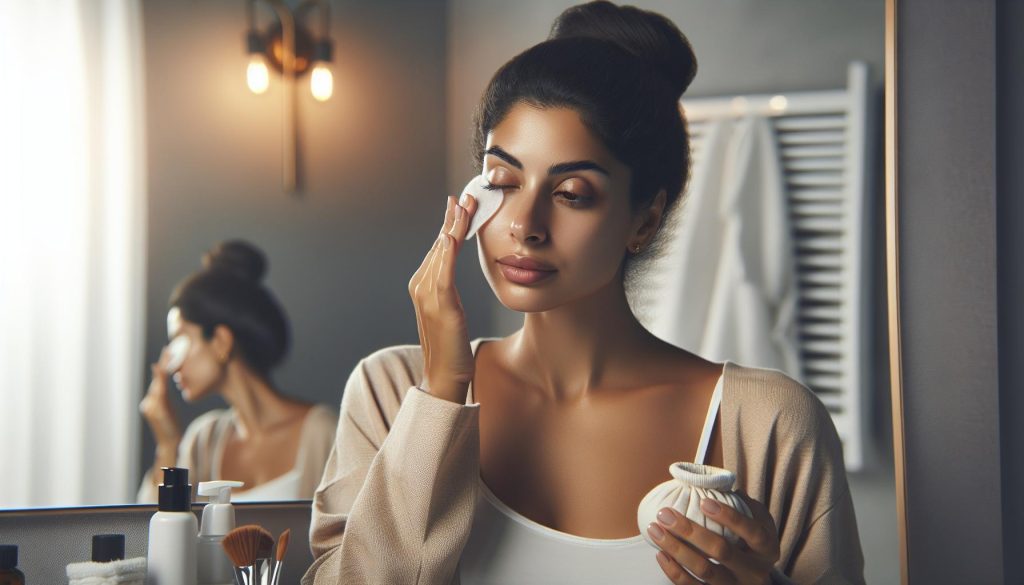
To prevent future occurrences, maintaining good eyelid hygiene is crucial. Gently cleaning your eyelids daily, particularly if you wear makeup or have oily skin, can significantly reduce the chance of blocked glands. Additionally, using clean cosmetics and practicing proper makeup removal techniques at the end of the day can also help protect your eye health. If styes become recurrent or particularly bothersome, consulting with a healthcare provider can provide additional tailored advice to ensure your eyes remain healthy and comfortable.
Understanding the Symptoms of a Stye
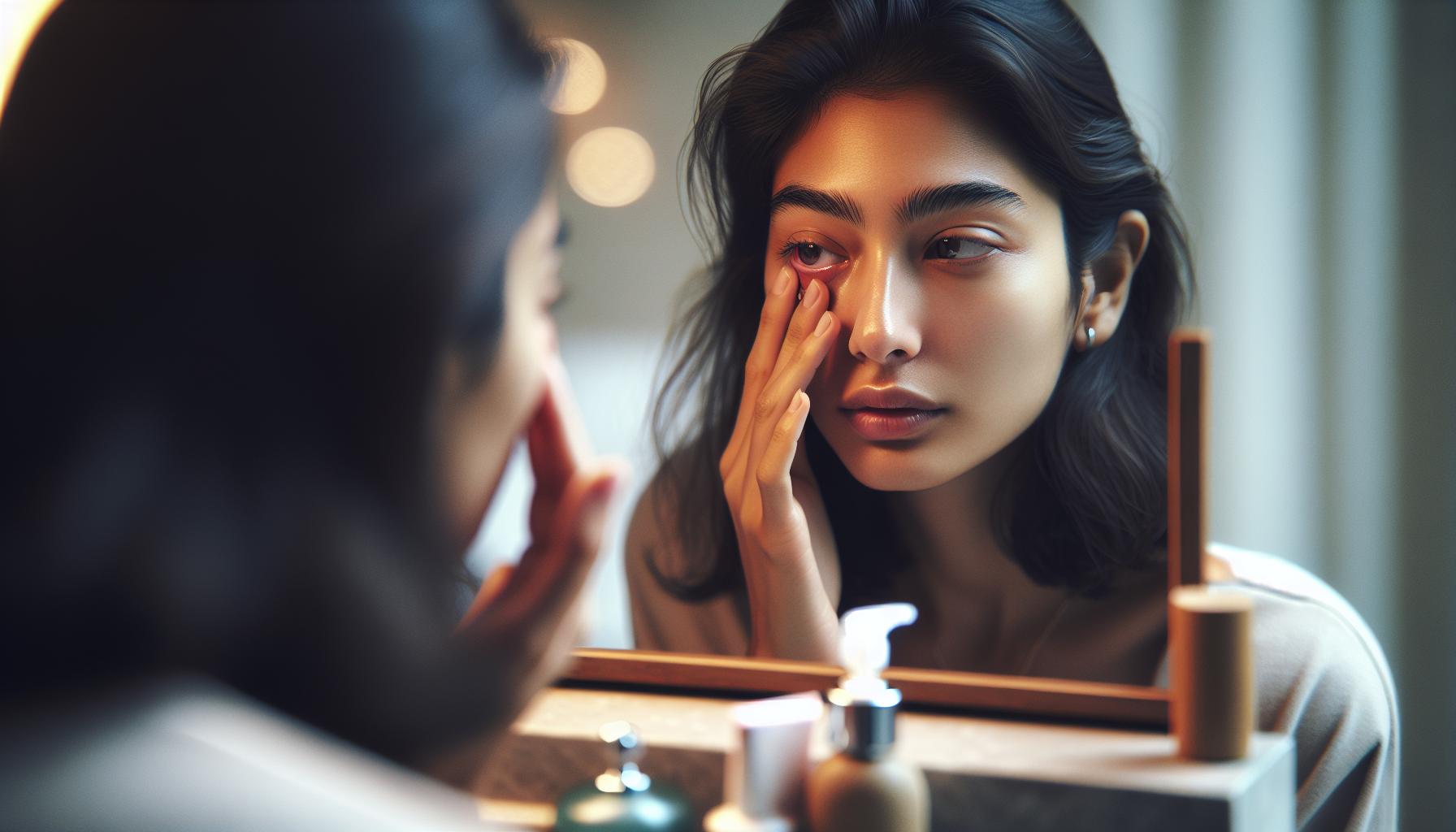
Experiencing a stye can be both uncomfortable and frustrating, especially when it appears on the lower eyelid. One of the most recognizable symptoms is the presence of a small, red, and painful bump along the eyelash line. This bump may be tender to the touch and can feel itchy or even produce a burning sensation. Such symptoms are often accompanied by additional signs such as tearing, light sensitivity, and a gritty feeling in the eye. Understanding these symptoms can empower you to take practical steps towards relief and care.
When dealing with a potential stye, it’s essential not to ignore changes in your eye’s condition. The bump may grow larger over a few days, indicating an acute infection that requires attention. To ease discomfort, warm compresses applied to the affected area can provide soothing relief, encouraging drainage and healing. It’s vital to avoid squeezing or picking at the stye, as this might spread the bacteria and prolong the recovery process.
In many cases, a stye is self-limiting and will resolve without medical intervention, generally taking about a week to heal. However, if you find that symptoms worsen or if the stye doesn’t improve within a few days, it’s prudent to consult a healthcare professional for potential treatment options, including antibiotic ointments or other medications. Recognizing the early signs of a stye and taking proactive measures can significantly enhance your eye health and comfort, allowing you to maintain your beauty routine with minimal disruption.
As you navigate skincare and eye health, remember that proper eyelid hygiene is essential. Keeping your eye area clean, especially when wearing makeup, can help prevent the buildup of oils and debris that contribute to stye formation. By staying attuned to your symptoms and practicing preventive care, you can safeguard your well-being and keep your eyes healthy.
Causes of Styes on the Lower Eyelid
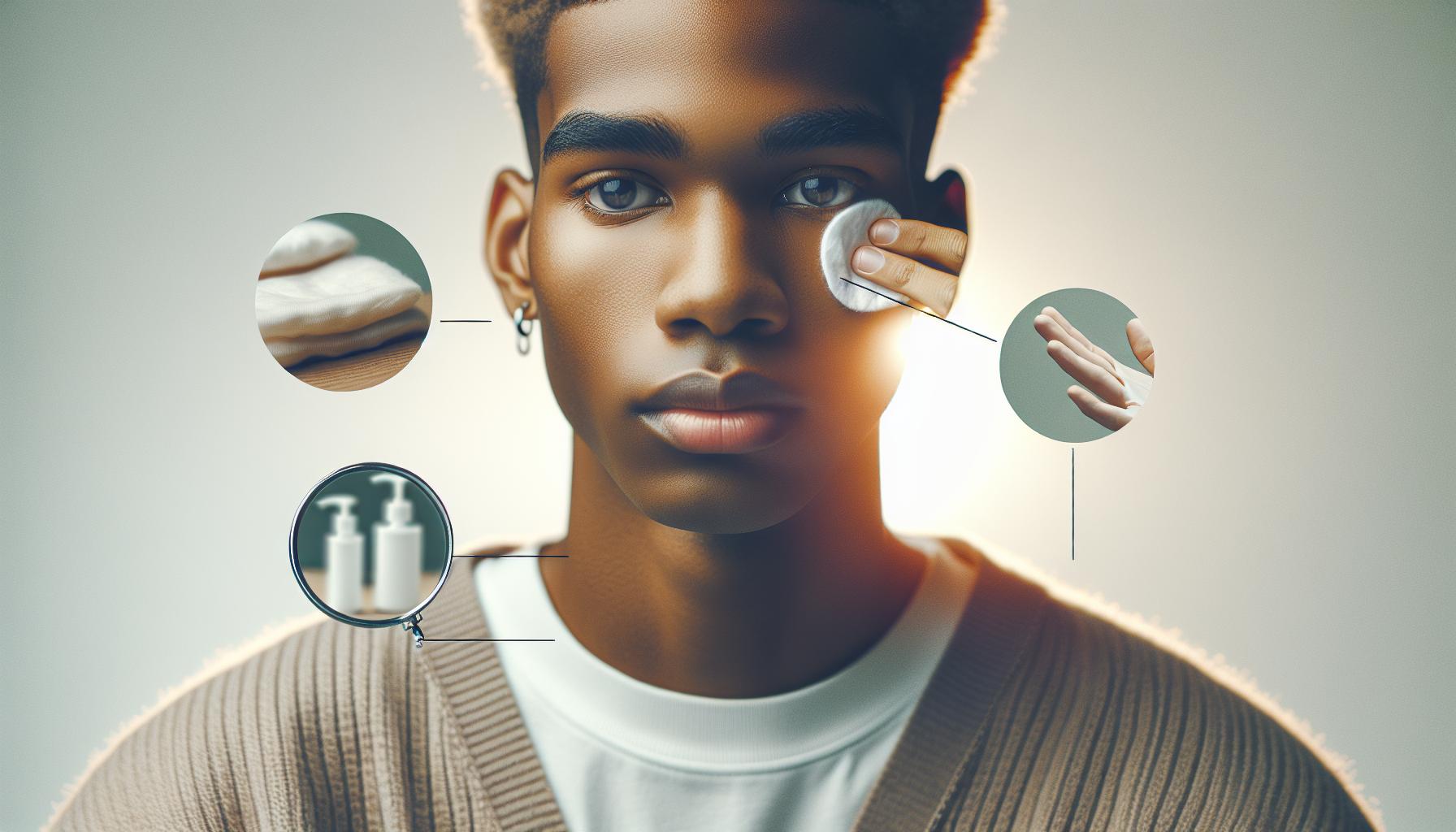
Understanding the factors that lead to the formation of styes on the lower eyelid can help you take proactive steps to minimize your risk. At their core, styes are typically caused by a bacterial infection in the oil glands at the base of your eyelashes. The most common culprits are the bacteria Staphylococcus, which naturally resides on your skin but can overgrow when conditions are ripe, leading to inflammation and infection.
Several factors can contribute to the development of a stye, including:
- Poor Hygiene: Inadequate cleaning of the eyelid area can result in the accumulation of oils, makeup residue, and bacteria, increasing the likelihood of developing a stye. Make sure to regularly cleanse your eyelids, particularly if you wear makeup.
- Blocked Glands: When the oil glands become blocked due to debris or excessive oil production, it creates an environment where bacteria can thrive. Regular gentle exfoliation of the eyelid area may help in preventing blockages.
- Touching the Eyes: Frequent touching or rubbing of the eyes transfers bacteria from your hands to your face. Be conscious of this habit, especially when your hands aren’t clean.
- Existing Skin Conditions: Conditions such as blepharitis (inflammation of the eyelid margins) or rosacea can increase your risk of developing styes, as they cause irritation and bacterial buildup in the area.
- Stress and Fatigue: These factors may weaken your immune system, making it harder for your body to fight off infections, including those that lead to styes.
- Use of Expired Makeup: Old or contaminated cosmetics can harbor bacteria. Ensuring that you replace makeup regularly can play a vital role in preventing infections.
Being mindful of these causes not only helps in prevention but also empowers you to make informed decisions about your eye health. Incorporating good hygiene practices and being cautious with your skincare and makeup regimen can significantly reduce the chances of a stye appearing on your lower eyelid.
Effectiveness of At-Home Treatments for Styes
Applying warm compresses can be a soothing and effective at-home remedy for a stye. The warmth helps to increase blood circulation to the area and can facilitate drainage of the stye, potentially leading to quicker healing. To create a warm compress, simply soak a clean cloth in warm (not hot) water, wring it out, and gently press it against the affected eyelid for 10 to 15 minutes, several times a day. This approach not only relieves discomfort but also softens any crust that may have formed around the stye.
In addition to warm compresses, maintaining good hygiene is essential in managing styes. Wash your hands thoroughly before touching your face or eyes to avoid introducing more bacteria. Avoid wearing makeup on the affected eye until the stye has healed to prevent further irritation. If you often use eye makeup, consider replacing your mascara and eye products, especially if they are old, as they can harbor bacteria that lead to styes.
Natural remedies such as tea tree oil or chamomile tea bags may also provide soothing effects. Tea tree oil has antimicrobial properties, but it’s essential to dilute it with a carrier oil to avoid irritation. Creating a chamomile tea compress can involve steeping a tea bag in warm water, allowing it to cool slightly, and placing it on your closed eyelid. Both of these methods can contribute to comfort and might help reduce inflammation.
While at-home treatments often provide relief, it’s crucial to monitor the stye for any changes. If symptoms persist beyond a week or worsen, seeking medical attention is advisable. A healthcare provider may need to prescribe antibiotics or drain the stye if it becomes particularly painful or does not improve. Empowering yourself with knowledge about effective at-home care can make the experience of dealing with a stye more manageable and promote better overall eye health.
When to Seek Medical Help for a Stye
A stye, although often a nuisance, can sometimes evolve into a situation that requires professional attention. If the discomfort becomes severe or persists despite your best at-home care efforts, it’s essential to consult a healthcare provider. Those familiar with the subtle cues of styes understand that certain symptoms indicate a higher chance for complications.
It’s advisable to seek medical help if you experience the following:
- Abscess Formation: If you notice a pus-filled bump that seems impossible to drain at home, this could signal an abscess requiring professional intervention.
- Persistent Symptoms: If the stye lasts longer than a week without improvement, it may be time for a professional evaluation to rule out other underlying conditions.
- Increased Pain or Swelling: If the stye becomes increasingly painful or you notice a significant area of swelling around your eye, don’t hesitate to get help.
- Vision Issues: Any changes to your vision, such as blurry sight or increased sensitivity to light, are red flags that necessitate immediate medical attention.
- Frequent Recurrences: If you find yourself dealing with styes frequently, it’s essential to discuss preventive measures with your doctor.
Medical professionals may prescribe antibiotics to combat infection or suggest minor surgical procedures to drain the stye effectively. Keep in mind that early intervention can often prevent more severe complications, helping you avoid unnecessary discomfort and preserve your eye health. Prioritizing your well-being is crucial; your eyes deserve the best care.
Preventive Measures to Avoid Lower Lid Styes
Practicing good hygiene is one of the most effective ways to prevent styes, especially on the lower eyelid, which can be particularly vulnerable. Keeping the eye area clean can significantly reduce your risk of developing these uncomfortable bumps. Start by washing your hands thoroughly before touching your face or eyes – this simple rule is essential in preventing bacteria from causing infections. Additionally, incorporate a gentle skincare routine that includes cleansing your eyelids. Using a mild soap or baby shampoo diluted in warm water can help remove excess oil and debris that may contribute to stye formation. Consider using a clean Q-tip to apply the solution, gently wiping along the lash line to clean the area without causing irritation.
Another vital preventive measure is being mindful of your makeup and skincare products. It’s important to regularly clean your makeup brushes and applicators, as they can harbor bacteria that lead to infections. Additionally, avoid using old or contaminated makeup, particularly eye makeup, as these can introduce harmful bacteria to your eye area. When applying products near your eyes, opt for those that are labeled as non-comedogenic and hypoallergenic to reduce the risk of blockage in oil glands.
For those who wear contact lenses, practicing proper lens hygiene is crucial. Always wash your hands before handling your lenses and ensure you’re following the instructions for cleaning and storing them. If you experience irritation or redness, consider giving your eyes a break from lens use and talk to your eye care professional about alternatives.
Lastly, staying hydrated and maintaining a balanced diet rich in vitamins A and E can support overall skin health, including the skin on and around your eyes. Foods like carrots, almonds, and spinach can help boost your body’s defense against infections. Remember, while these preventive measures significantly reduce your risk, being mindful of any signs of a stye – such as redness or swelling – can help you address potential issues before they develop further. Taking proactive steps not only enhances your eye health but also contributes positively to your beauty and skincare routine.
Common Misconceptions about Styes and Eyelid Health
Many people hold misunderstandings about styes, often attributing them to hygiene or specific beauty habits. One common myth is that styes only appear when someone neglects their skincare routine. In reality, styes are caused by bacterial infections of the eyelid glands, particularly the oil glands at the base of eyelashes. While poor hygiene can increase risk, even individuals with the most diligent skincare habits can develop styes due to factors like stress, hormonal changes, or underlying medical conditions.
Another misconception is that touching a stye leads to more significant infection or spread of bacteria. In general, while it’s essential to avoid squeezing or picking at a stye, the act of merely touching it, when hands are clean, won’t automatically worsen the situation. What is critical, however, is washing your hands before touching your face or applying any treatments, as this can help minimize the potential for introducing new bacteria.
Many also believe that styes are contagious; however, this is not the case. The bacteria responsible for styes thrive on the skin and in our bodies, meaning they can cause infection under the right circumstances without being passed from one person to another. It’s important for individuals to acknowledge that while maintaining good hygiene can help lower chances of developing styes, they aren’t at risk of catching one from someone else who has one.
Finally, another pervasive myth is that styes will always get worse without medical treatment. In many cases, they can resolve on their own with at-home care, such as warm compresses to reduce inflammation and promote drainage. However, if symptoms persist or worsen, seeking professional advice is essential to rule out other conditions or receive appropriate treatment. Understanding these misconceptions is vital in empowering individuals to maintain their eye health and respond effectively to potential issues.
Differentiating Styes from Other Eye Issues
A red bump appearing along your lower eyelid can be alarming, especially when it’s unclear whether it’s a stye or another eye issue. Understanding the distinctions between common eyelid problems can empower you to take the right steps in managing your eye health. Styes are typically characterized by a painful, swollen lump on the eyelash line, often filled with pus and associated with symptoms like redness and tenderness. However, they can easily be confused with other conditions.
One such condition is a chalazion, which also presents as a puffy lump but is usually painless and develops when a meibomian gland becomes blocked. Unlike styes, chalazia can appear further back on the eyelid and might not be as red or inflamed. If the bump is painless and has been present for some time, it’s likely a chalazion rather than a stye.
Additionally, other potential eyelid problems include conjunctivitis (pink eye) and allergic reactions. Conjunctivitis can cause overall redness of the eye along with discharge, but it typically wouldn’t create a noticeable bump. Allergic reactions might lead to swelling and irritation around the eyes but don’t usually form lumps like styes or chalazia. It’s crucial to observe accompanying symptoms such as itching, discharge, or visual changes, which can help in identifying the underlying issue effectively.
In any case, distinguishing between these conditions can sometimes require a more trained eye. If you’re unsure or if a bump persists, it’s wise to consult a healthcare professional. They can provide a definitive diagnosis and recommend appropriate treatment, ensuring your eyes receive the care they need. To manage eye health proactively, consider incorporating daily practices such as warm compresses or gentle eyelid washes to keep the area clean and reduce the risk of infections like styes from developing.
Impact of Styes on Eye Makeup and Skin Care
A stye can significantly impact your approach to eye makeup and skincare, particularly when it appears on the lower eyelid. This painful lump can create not only discomfort but also a sense of self-consciousness regarding your appearance. When dealing with a stye, it’s crucial to prioritize your eye health over beauty routines. Here are some key considerations for navigating makeup and skincare while managing a stye.
First and foremost, it’s essential to avoid makeup application on or near the affected area until the stye has fully healed. Applying products like eyeliner, mascara, or eyeshadow can aggravate the stye, potentially leading to further irritation or infection. Instead, focus on maintaining a clean and soothing environment for your eyes. Use gentle, hypoallergenic cleansers to keep the area clean and avoid touching or rubbing your eyes.
Makeup Tips When You Have a Stye
If you feel the need to wear makeup especially during a stye outbreak, consider the following tips:
- Concealer Caution: If a stye is prominent, use a light application of concealer on the surrounding skin-but not directly on the stye itself.
- Keep it Minimal: Opt for a no-makeup look or minimal makeup focusing on skin care. A tinted moisturizer can provide even coverage without causing much irritation.
- Brushes and Tools: Ensure your brushes and any tools you use are clean. Dirty applicators can introduce bacteria to the area.
Once the stye has healed, be cautious about the makeup products you use. Some mascara formulas and eyeliners may contain irritating ingredients; opt for those specifically labeled as safe for sensitive eyes or ophthalmologist-tested.
Skincare Considerations
Routine skincare should also be adjusted during a stye. Avoid applying heavy creams or irritants around the eye area. Instead, choose lightweight moisturizers that won’t clog pores. Eye creams that promote hydration without causing further irritation can keep the skin around your eyes looking healthy while allowing the stye to heal.
Remember, maintaining eye health shouldn’t feel like a compromise on beauty-it’s about finding the right balance. Educating yourself on gentle cosmetic options and adhering to a strict hygiene routine can allow your skin to benefit, helping reduce the probability of future stye outbreaks. Always listen to your body and consult with a medical professional if any new bumps or styes become persistent.
Styes in Women: Specific Concerns and Care Tips
Experiencing a stye can be particularly challenging for women, not just due to the physical discomfort but also because of the emotional impact it can have on self-esteem and daily routines. A stye, which appears as a red, painful bump along the eyelid or lower lid area, often raises concerns about makeup application and skin health. It’s important to remember that while styes are common and usually resolve on their own, their presence requires careful attention to eye care and hygiene.
Maintaining cleanliness is paramount when managing a stye. Since women frequently use makeup, it’s crucial to avoid applying products near the affected area until it fully heals to prevent further irritation or potential infection. Using gentle, hypoallergenic cleansers can help keep the eyelid area clean. Additionally, using warm compresses several times a day can soothe discomfort and promote drainage.
When it comes to makeup, here are some tailored tips to guide your choices during a stye episode:
- Use Minimal Makeup: Opt for a lighter approach or skip makeup altogether. If needed, choose oil-free products that are less likely to clog pores.
- Concealer Application: If you feel you must conceal, do so carefully. Apply concealer around the stye, never directly on it, to avoid further irritation.
- Ensure Hygiene: Keep your makeup brushes and tools clean and separate from shared items, as bacteria can worsen the condition.
After recovery, consider using hypoallergenic and ophthalmologist-tested cosmetics to prevent future occurrences. Looking after your skin post-stye is equally important. Lightweight, non-comedogenic moisturizers can nourish the area without aggravating sensitivity.
Lastly, it’s vital to listen to your body. Should you experience recurrent styes or additional symptoms, consult a healthcare professional for advice tailored to your needs. Empower yourself with knowledge and continue embracing your beauty while being mindful of your eye health.
Holistic Remedies for Eye Care and Infection Prevention
Holistic approaches to eye care and infection prevention can be incredibly empowering, especially for women experiencing styes. While conventional treatments like warm compresses are effective, integrating holistic remedies can enhance healing and support overall eye health.
Start by emphasizing the importance of nutrition. Consuming a well-balanced diet rich in vitamins A, C, and E, as well as zinc, can fortify your immune system, helping to combat infections and inflammation. Foods such as carrots, spinach, sweet potatoes, and nuts play a crucial role in maintaining healthy eyes. Staying hydrated is equally vital; drinking plenty of water ensures that your body can adequately flush out toxins.
Additionally, consider incorporating soothing herbal remedies into your routine. Chamomile tea, for instance, not only has anti-inflammatory properties but can also be used as a warm compress for your eyes. Simply steep chamomile tea bags in hot water, allow them to cool slightly, and place them over your closed eyelids for 10-15 minutes. This gentle treatment can soothe irritation and promote relaxation.
Moreover, practicing good hygiene is foundational in preventing styes. Make it a habit to wash your hands frequently and avoid touching your eyes. When it comes to your makeup routine, opting for mineral-based or hypoallergenic products minimizes the risk of irritation and allergic reactions. Ensure that your makeup brushes are cleaned regularly to avoid harboring bacteria, and always replace old or expired cosmetics.
By integrating these holistic strategies into your daily routine, you can actively foster eye health and reduce the likelihood of styes and other irritations. Listening to your body and making informed choices will not only enhance your beauty regimen but also empower you to take control of your overall health.
Q&A
Q: Can a stye form on the lower eyelid?
A: Yes, a stye can occur on the lower eyelid. It appears as a painful red bump along the lash line, caused by an infection of the oil glands. If you notice discomfort or swelling, it’s advisable to follow at-home treatment options or consult a healthcare professional, as detailed in the article.
Q: What are the signs of a stye on the lower lid?
A: Symptoms of a lower lid stye include a swollen, painful bump, redness around the eye, tearing, and sensitivity to light. It may also cause itching or a burning sensation. Recognizing these signs can help you differentiate a stye from other eye issues.
Q: How can I prevent styes on my lower eyelid?
A: To prevent styes on the lower eyelid, maintain proper hygiene by regularly cleaning your eyelids and avoiding touching your eyes with unwashed hands. Additionally, avoid using old or contaminated eye makeup, as discussed in the prevention measures section of the article.
Q: Are styes contagious?
A: No, styes are not contagious. They are typically caused by bacteria that are already present on your skin. Knowing this can help reduce anxiety about spreading the condition to others while still taking precautions to maintain eye hygiene.
Q: Can makeup worsen a stye on the lower lid?
A: Yes, wearing makeup while you have a stye can irritate the area and potentially worsen the infection. It’s best to avoid eye makeup until the stye heals, as you’ll find in the section discussing styes’ impact on makeup.
Q: What should I do if a stye doesn’t improve?
A: If a stye fails to improve within a few days or worsens, seek medical attention. A healthcare provider can prescribe antibiotics or other treatments. Knowing when to seek help is key to preventing complications.
Q: Can styes recur frequently?
A: Yes, individuals may experience recurrent styes, especially if they have underlying conditions like blepharitis. Implementing good eyelid hygiene can help reduce the chances of recurrence, as highlighted in the article.
Q: Is there a difference between a stye and a chalazion?
A: Yes, a stye is an acute infection of the oil glands, while a chalazion is a blocked oil gland that can form a painless lump. Understanding these differences can aid in appropriate treatment options and management strategies.
Key Takeaways
Understanding whether you can get a stye under your eye is just the beginning of effective eye care. With the insights shared, remember that maintaining proper hygiene and being proactive can significantly reduce your risk of developing this irritating issue. If you’re experiencing discomfort or have further questions, don’t hesitate to explore related topics like our guides on effective home remedies for styes and essential eye care routines.
For even deeper insights, consider subscribing to our newsletter for the latest updates on women’s health and beauty tips. Stay informed and empowered to make the best choices for your eye health! As always, we invite your comments and experiences-your engagement helps build a community of support and knowledge. Keep exploring and taking care of your beautiful self!