Styes, those pesky red bumps that can appear on your eyelid, often raise concerns about their severity. You may wonder, can a simple stye really pose a serious threat to your health? While styes are rarely dangerous and typically resolve on their own, understanding the facts behind these common eye infections is crucial.
Many people might share misconceptions about styes leading to severe complications or even death, fueling unnecessary fear. This article aims to debunk those myths and provide clarity on when to seek treatment and how to care for your eyes effectively. With the right knowledge, you can easily navigate the world of styes and ensure your eye health remains a priority. So, let’s dive into the truth behind styes and explore how you can keep your vision safe and vibrant!
Understanding What a Stye Is and Its Symptoms
A stye, while often uncomfortable and bothersome, is a common occurrence that most people will experience at some point in their lives. This small, painful bump appears on the eyelid when an oil gland near the eyelashes becomes clogged and subsequently infected. The medical term for a stye is “hordeolum,” and they can manifest as red, swollen lumps similar to pimples or boils. You may notice accompanying symptoms such as tenderness in the affected area, watering of the eyes, and a feeling of fullness or itchiness.
Understanding the anatomy of the eyelid helps clarify how a stye develops. The eyelids are equipped with numerous tiny glands that secrete oils to keep the eyes lubricated. When these glands are blocked-often due to bacteria from touching the eyes, using outdated makeup, or poor hygiene-a stye can form. Although the vision is usually not affected, the discomfort can lead to irritation and distractions throughout the day.
Styes are typically self-limiting and may resolve on their own within a week, but recognizing them early allows for better management and comfort. Maintaining good hygiene practices, such as washing your hands before touching your face and avoiding sharing makeup, can significantly decrease your chances of developing a stye. If you experience recurring styes or significant discomfort, seeking medical advice is recommended to explore potential underlying causes and treatment options.
Can a Stye Lead to Serious Health Risks?

While experiencing a stye can be distressing, it’s crucial to understand that they rarely lead to serious health risks. Styes are localized infections of the oil glands in the eyelids and are typically caused by bacteria, particularly Staphylococcus aureus. Most styes resolve on their own without requiring medical intervention, but concerns around their severity often lead to questions about potential complications.
In some cases, a stye can lead to more significant issues if the infection spreads. For example, the infection might extend to surrounding tissue, leading to a condition known as cellulitis, which can cause swelling and redness beyond the stye area. Although rare, infections in this region can potentially impact other structures of the eye, necessitating more aggressive treatment. It’s important to address any persisting symptoms, such as increased pain, fever, or vision changes, as they could indicate that the infection is not confined to the stye alone.
Moreover, there can be rare but serious conditions linked to untreated styes, such as the risk of developing a chalazion-a larger cyst that forms when the oil gland is blocked but not infected. If a chalazion persists, it may become a cosmetic concern or, in more serious cases, may impact your vision if it grows large enough. This underscores the importance of early recognition and management of styes, allowing for timely home remedies or medical treatments to prevent escalation.
Understanding the signs of a typical stye versus symptoms that warrant medical attention is empowering. Regularly practicing good eye hygiene, like avoiding eye makeup when you have a stye, can help reduce your risk of complications. Ultimately, while styes are typically benign and self-limiting, maintaining vigilance and seeking care when needed can foster both comfort and long-term eye health.
Myths Surrounding Styes: What You Need to Know

Many people harbor misconceptions about styes, leading to unnecessary fear and confusion regarding their implications for health. A common myth suggests that styes are life-threatening or can quickly escalate into severe health issues. This is far from the truth. Styes, fundamentally, are localized infections of the oil glands in the eyelids, typically instigated by the bacterium Staphylococcus aureus. Although they can be bothersome and painful, styes are generally benign and resolve on their own without causing serious health concerns.
Another pervasive myth revolves around the idea that touching or squeezing a stye can help it heal faster. In reality, this practice can exacerbate the infection and may lead to further complications, such as the spread of bacteria into surrounding tissues. It’s essential to resist the urge to pop a stye, as doing so can lead to a more extensive infection, requiring medical intervention. Proper eye hygiene, such as refraining from wearing makeup or sharing towels, is crucial to avoid aggravating the condition.
The belief that styes only affect certain demographics, such as those with poor hygiene, is also misleading. While factors like stress, insufficient sleep, and hormonal changes can increase susceptibility, anyone can develop a stye at any time. Emphasizing eye health and hygiene is vital for everyone, regardless of their lifestyle.
Lastly, another myth is the notion that styes indicate a serious underlying health issue. While recurring styes may signal an immunological concern, the average stye is usually a temporary condition brought on by a localized infection. Empowering oneself with accurate information about styes and understanding their nature can alleviate anxiety and promote proactive eye care. Simple steps like applying warm compresses and maintaining cleanliness can aid in healing, allowing for prompt and effective management of this common eye condition.
The Connection Between Styes and Eye Health
Caring for your eyes involves more than just regular check-ups; it also requires attention to the minor issues that can develop, like styes. A stye, although typically harmless, serves as a reminder of the delicate balance of our eye health. These localized infections of the oil glands in the eyelids are often caused by bacteria, such as Staphylococcus aureus, and can easily become a source of discomfort. Understanding styes and their implications can help you maintain optimal eye health and prevent future occurrences.
Regular eye hygiene is crucial for preventing styes and other eye-related conditions. For instance, always wash your hands before touching your eyes, avoid sharing personal items like towels, and refrain from using expired or contaminated cosmetics. Additionally, keeping your eyelids clean can help reduce the buildup of oil and bacteria that may lead to a stye. Using gentle eyelid scrubs or diluted baby shampoo can be beneficial for this purpose.
Stress and lifestyle factors also play a significant role in eye health. High-stress levels can weaken your immune system, making you more susceptible to infections, including styes. Consider integrating relaxation techniques such as yoga, meditation, or even regular physical activity into your routine. Furthermore, a balanced diet rich in vitamins A, C, and E, along with omega-3 fatty acids, helps support overall eye health. Foods such as leafy greens, fatty fish, and colorful fruits can make a significant difference.
It’s essential to understand the differences between a stye and other eye conditions, such as chalazia or conjunctivitis. While a stye usually presents as a red bump on the eyelid with potential swelling and discomfort, chalazia can feel harder and may not be painful. If you’re ever in doubt about your symptoms or if they persist, consulting an eye care professional is the best course of action. Taking proactive care of your eyes not only helps in preventing styes but also contributes to long-term clarity and comfort in your vision.
Preventing Styes: Tips for Healthy Eyes
To maintain optimal eye health and prevent the occurrence of styes, it’s essential to adopt a few simple but effective practices. Start with hygiene, as it’s one of the most crucial factors. Always wash your hands thoroughly before touching your face or eyes. This simple step can significantly reduce the risk of transferring bacteria that can lead to styes. Additionally, avoid sharing personal items such as towels or cosmetics, as these can harbor bacteria and increase the chances of infections.
Regularly cleaning your eyelids is another preventive measure to consider. Use gentle eyelid scrubs or diluted baby shampoo to remove excess oil and debris that can clog the oil glands. This practice not only helps keep your eyelids clean but also reduces the risk of developing styes. Incorporate this into your weekly routine, especially if you’re prone to frequent breakouts.
A balanced diet plays a vital role in overall health, including eye health. Incorporating foods rich in vitamins A, C, and E, along with omega-3 fatty acids, can bolster your immune system and guard against infections. Foods such as leafy greens, carrots, citrus fruits, and fatty fish are excellent choices that can promote stronger eye health. Also, staying hydrated is crucial for maintaining moisture in your eyes and skin.
Lastly, be mindful of stress and its impact on your health. High stress levels can weaken your immune response, making you more susceptible to infections like styes. Engage in activities that promote relaxation, such as yoga, meditation, or regular exercise. These practices not only benefit your mental health but also enhance your body’s resilience against potential health issues, fostering a holistic approach to wellness and eye care. By integrating these tips into your daily life, you can reduce the likelihood of developing styes and support your overall eye health effectively.
At-Home Remedies for Styes: What Works?
Sometimes, a simple stye can feel like an overwhelming concern, but there are various effective at-home remedies that can bring relief and promote healing. A stye, which is essentially an infected oil gland on the eyelid, can be uncomfortable, but adopting a few home care strategies can ease discomfort and speed up healing.
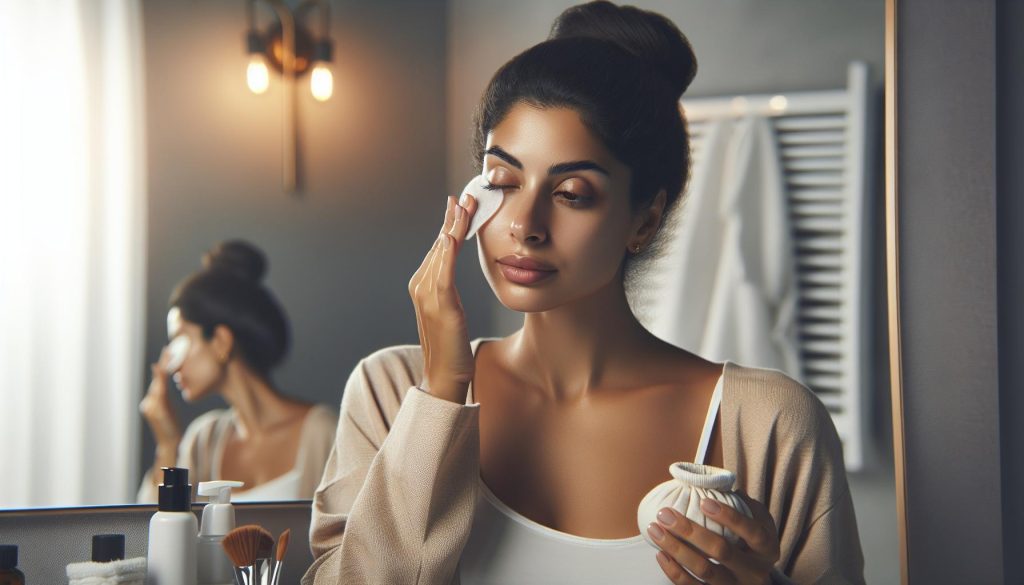
Applying a warm compress is one of the most accessible and beneficial treatments. You can create a warm compress by soaking a clean cloth in warm water, wringing it out, and then gently pressing it against the affected eyelid for 10 to 15 minutes, several times a day. This method helps to reduce swelling, eases pain, and promotes drainage of the stye. Remember to ensure that the water is warm but not hot enough to burn your skin.
Incorporating eyelid scrubs into your routine can also help maintain hygiene and prevent further blockages. Using commercially available eyelid scrub pads or a homemade mixture of diluted baby shampoo can effectively cleanse the eyelid area, removing excess oils and preventing the buildup of bacteria. Gently rubbing the eyelid with the soaked cotton pad can contribute to overall eyelid cleanliness, reducing the risk of stye recurrence.
Additionally, natural remedies like tea bags can provide comfort. Green or black tea bags have anti-inflammatory properties and can soothe the eye when applied warm. Simply steep a tea bag in hot water, allow it to cool until it’s warm (not hot), and then place it over the affected area for 5 to 10 minutes.
While at-home remedies can be quite effective, it’s crucial to practice patience. Healing might take a few days, and even if symptoms persist or worsen, seeking professional medical advice is always a good course of action. By combining these remedies with good hygiene practices, you can effectively manage your stye, thereby preventing it from becoming a recurring problem.
When to Seek Medical Attention for a Stye
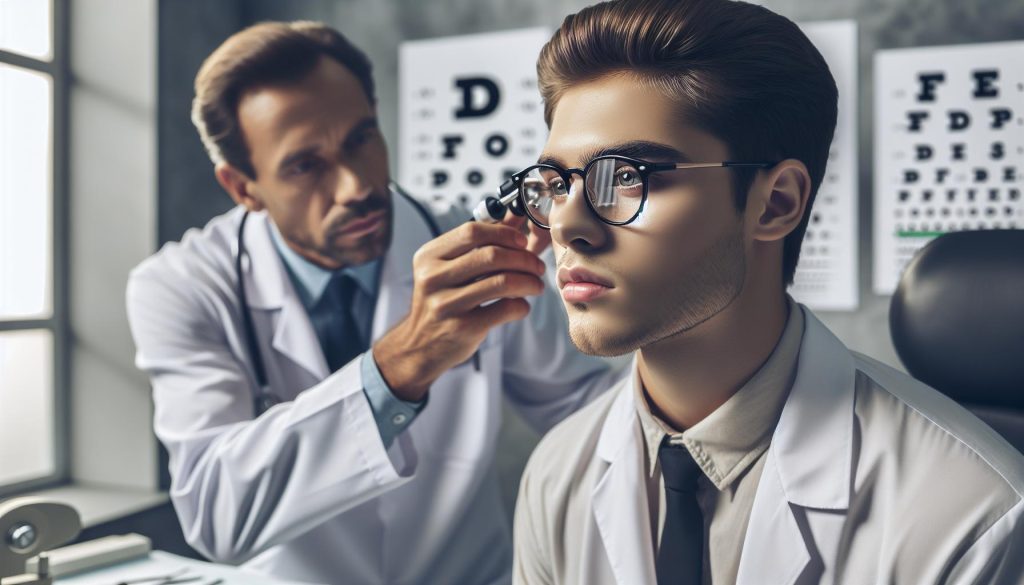
Not all styes are created equal, and while many resolve with home care, there are significant warning signs that should prompt a visit to a healthcare professional. If you find that the stye isn’t improving after a few days of at-home treatment, such as warm compresses, or if it becomes increasingly painful or swollen, it may be time to seek medical attention. It’s especially important if redness spreads beyond the eyelid or if you experience changes in your vision. These symptoms can indicate a more serious infection that requires prompt medical intervention.
Another critical moment to seek help is if the stye begins to drain excessively or if you notice pus or other unusual discharge. If you have recurrent styes, understanding the underlying causes is essential, as they can be linked to conditions such as blepharitis or other skin issues. A healthcare provider can assess your situation and potentially recommend further tests or treatments to address these concerns comprehensively.
Furthermore, if you experience any systemic symptoms, such as fever or an overall feeling of malaise, do not hesitate to consult a medical professional. While styes are typically benign, associated infections can lead to complications if left untreated. Being proactive about your health empowers you to maintain not just eye comfort but overall well-being.
Medical Treatments for Recurring Styes
Experiencing recurring styes can be not only uncomfortable but also concerning. If you find that these pesky bumps keep coming back, it’s essential to understand that there are effective medical treatments available to help manage and prevent them. Recurring styes often signal underlying conditions like blepharitis or meibomian gland dysfunction, and addressing these can lead to a more permanent solution.
One common medical intervention involves the use of prescription antibiotics, either in topical ointment form or oral medications, to eliminate any underlying bacterial infections. In more persistent cases, your healthcare provider might recommend corticosteroid injections to reduce inflammation around the affected area, which can help prevent new styes from forming. For severe, recurring cases, a minor surgical procedure may be necessary to drain the stye. This procedure is typically quick and performed in a doctor’s office, providing immediate relief.
Regular follow-ups with your healthcare provider are crucial if you’re prone to developing styes. Keeping track of when they occur and discussing any additional symptoms can help clinicians tailor treatment options to your needs. Additionally, consider inquiring about daily eyelid hygiene practices; these might include gentle cleansing regimens or the use of lid scrubs specifically designed to remove debris and oils that can contribute to the formation of styes.
Ultimately, staying proactive about your eye health and seeking medical advice when styes become a frequent annoyance can empower you to enjoy clearer vision and avoid the discomfort associated with this common condition. Remember, while styes can be a nuisance, they are rarely dangerous, and with the right care, you can significantly reduce their occurrence.
The Impact of Stress and Diet on Stye Development
Stress and dietary choices play a surprisingly significant role in the likelihood of developing styes. When your body is under stress, whether from work, personal life, or other sources, it can weaken your immune system. This makes it easier for bacteria to thrive, increasing the risk of conditions that could lead to styes, such as blepharitis or general eye infections. On the other hand, a healthy, balanced diet rich in vitamins and antioxidants can bolster your immune defenses and promote overall eye health.
Dietary Influences on Eye Health
A nutrient-poor diet low in essential vitamins and minerals may leave your eyes more susceptible to infections. Key nutrients that can aid in maintaining eyelid health include:
- Vitamin A: Vital for maintaining good vision and preventing dry eyes, which can contribute to stye formation.
- Omega-3 Fatty Acids: Found in fish like salmon, these help reduce inflammation and support overall eye health.
- Zinc: A crucial mineral that aids in immune function and supports skin health, reducing the risk of infections around the eyelids.
Incorporating foods high in these nutrients, such as leafy greens, nuts, and fatty fish, can significantly improve your eye health, potentially reducing the occurrence of styes.
Managing Stress for Healthy Eyes
Managing stress effectively is just as important as maintaining a healthy diet. Regular stress management techniques, such as mindfulness, meditation, or yoga, can enhance your overall well-being and strengthen your immune system. Here are a few actionable tips:
- Practice Deep Breathing: Take a few minutes each day to engage in deep breathing exercises to lower stress levels.
- Stay Active: Regular physical activity can significantly reduce stress and improve your mood.
- Set Boundaries: Learn to say no to additional commitments that may overload your schedule.
By prioritizing both dietary choices and stress management techniques, you can create a supportive environment for your overall eye health and potentially minimize the risk of developing uncomfortable styes. As a result, taking a holistic approach to your health not only enhances your well-being but also contributes to maintaining clarity and comfort in your vision.
Addressing the Confusion: Styes vs. Other Eye Conditions
It’s not uncommon for styes to be mistaken for other eye conditions, leading to confusion about their severity and treatment. While a stye is typically a benign bump that appears on the eyelid due to an infection or blockage of an oil gland, it can sometimes be mistaken for more serious issues, such as chalazia, blepharitis, or even eye infections like conjunctivitis. Understanding the distinctions among these conditions can empower you to seek the appropriate treatment and alleviate concerns about potential complications.
A stye generally presents as a red, painful bump at the edge of the eyelid, often filled with pus. It’s usually uncomfortable but doesn’t pose significant health risks if treated appropriately. In contrast, a chalazion, often confused with a stye, is characterized by a painless lump caused by a blocked oil gland. Unlike styes, chalazia can develop more gradually and may require medical intervention if they persist. Blepharitis, another condition to consider, involves inflammation of the eyelid margins and can be accompanied by crusty lashes and more chronic discomfort.
It’s also crucial to differentiate styes from conjunctivitis (pink eye), which is an inflammation of the conjunctiva that can make your eyes appear red and irritated, often accompanied by discharge. Conjunctivitis is typically viral or bacterial and may require antibiotic treatment if bacterial. If you notice changes in your vision, persistent redness, or increasing pain, it’s important to consult with a healthcare professional to rule out any serious conditions.
Understanding these differences not only clarifies the nature of your symptoms but also guides you in choosing the right treatment and when to seek professional help. Overall, while styes can be inconvenient and uncomfortable, they are usually not dangerous. However, recognizing when they differ from other conditions is essential for maintaining your eye health.
Stye Care: Dos and Don’ts for Quick Recovery
One of the most common inquiries surrounding styes is how best to care for them to ensure a swift recovery while minimizing discomfort. Proper stye care can drastically improve the recovery process and keep the area around your eyes healthy. Implementing certain dos and don’ts can make the difference between a smooth recovery and prolonged irritation.
Dos for Stye Care
- Apply Warm Compresses: Use a clean warm cloth to gently press on the stye for 10-15 minutes several times a day. This helps to soothe the area and can encourage drainage.
- Keep the Area Clean: Maintain hygiene by washing your eyelids with mild soap and water each day. This reduces the risk of infection and promotes healing.
- Stay Hydrated: Drinking plenty of water helps keep your skin hydrated and can improve overall health, which may help combat infections.
- Use Over-the-Counter Pain Relievers: If you’re experiencing discomfort, medications like ibuprofen or acetaminophen can help alleviate pain and reduce swelling.
Don’ts for Stye Care
- Avoid Squeezing the Stye: Popping or squeezing a stye can exacerbate the infection and lead to further complications.
- Do Not Wear Makeup: Avoid eye makeup until the stye has healed completely to prevent further irritation and infections.
- Refrain from Touching Your Eyes: Keeping your hands off your eyes minimizes the risk of spreading bacteria to the area, which can worsen the stye or lead to new ones.
- Do Not Use Contact Lenses: If you wear contacts, switch to glasses until the stye resolves to prevent irritation and further infection.
By following these straightforward dos and don’ts, you’ll enhance your chances of a quick and pain-free recovery from a stye. Remember, it’s always wise to consult a healthcare professional if you notice persistent symptoms or complications, ensuring that you maintain the long-term health and comfort of your eyes.
Long-Term Eye Health: Maintaining Clarity and Comfort
Maintaining long-term eye health is crucial for ensuring clarity and comfort in your vision, especially when coping with conditions like styes. Styes are common and usually harmless, but understanding how to care for your eyes can prevent recurrence and promote overall well-being. Regular eye care not only helps address minor irritations but also contributes significantly to your overall health.
To support your ocular health, start with a daily routine that incorporates a few simple habits. Regular eye exams are key; these allow a professional to catch any issues early on. Additionally, keeping your eyelids clean can help minimize the risk of developing styes. Gently cleanse your eyelids with a mild soap or an eyelid scrub to remove excess oil and debris. Staying hydrated also plays a role, as drinking sufficient water aids in maintaining healthy skin and tear production, helping to keep your eyes lubricated.
Moreover, incorporating a healthy diet rich in vitamins A, C, and E, as well as omega-3 fatty acids, will benefit your eye health. Foods like carrots, leafy greens, and fish can protect against dry eyes and contribute to clearer vision. Using protective eyewear when exposed to bright sunlight or hazardous environments is another essential step. Sunglasses with UV protection shield your eyes from harmful rays, while safety goggles can prevent injuries.
Finally, managing stress levels is crucial for maintaining clarity and comfort in your eyes. High-stress situations may exacerbate conditions like dry eye or trigger stye development. Consider incorporating stress-reduction techniques such as mindfulness, exercise, or yoga into your daily routine. By adopting these practices, you can foster an environment where your eyes remain healthy, ensuring clear and comfortable vision for years to come.
Frequently Asked Questions
Q: Can a stye cause blindness?
A: No, a stye does not typically cause blindness. While it can be painful and cause temporary vision disturbances, it rarely leads to serious complications affecting eyesight. Maintaining proper eye hygiene and seeking treatment can minimize risks. For more on potential health risks, see the section on serious health risks.
Q: What is the difference between a stye and a chalazion?
A: A stye is an infection of a sebaceous gland at the eyelash root, while a chalazion is a blocked oil gland causing a painless lump. Both conditions affect eye health, but treatment varies. Learn more about these distinctions in the article section discussing confusion between styes and other eye conditions.
Q: How can I tell if a stye is infected?
A: Signs of an infected stye include increased redness, swelling, pain, or yellow pus formation. If these symptoms worsen or persist, it’s crucial to seek medical care. Early intervention can prevent further complications. For care tips, refer to our stye care dos and don’ts.
Q: Can stress cause styes?
A: Yes, stress can weaken the immune system and make the body more susceptible to infections, including styes. Managing stress through relaxation techniques and self-care may reduce occurrences. For more on stress impact, refer to the section discussing stress and diet’s roles in stye development.
Q: Is it safe to use makeup with a stye?
A: No, it’s not advised to use makeup while you have a stye, as it can irritate the eye and worsen the infection. Practicing good hygiene and avoiding cosmetics during recovery will promote healing. For more on care, check the stye care dos and don’ts section.
Q: How do I prevent recurring styes?
A: To prevent recurring styes, maintain proper eyelid hygiene, avoid touching your eyes with dirty hands, and remove makeup before sleeping. Incorporating these habits can significantly reduce the risk of future styes. Additional prevention tips can be found in our article on preventing styes.
Q: Can styes be caused by allergies?
A: Yes, allergies can lead to stye formation by causing inflammation and blockage of oil glands. Managing allergies effectively may help minimize the risk of developing styes. Explore connections between styes and eye health in the related section of the article.
Q: What home remedies can help with a stye?
A: Warm compresses are effective at relieving discomfort and helping a stye drain naturally. Applying a clean, warm cloth for 10-15 minutes several times a day can promote healing. For more at-home remedies, check the article’s section on what works for treating styes.
Concluding Remarks
In summary, while a stye in your eye can be bothersome, the good news is that it is rarely life-threatening. Our exploration of common myths surrounding styes reveals that, with proper care and attention, you can effectively manage this condition. If you’re still feeling uncertain about symptoms or treatment options, consider checking out our detailed guides on eye care routines and effective home remedies.
Don’t forget to subscribe to our newsletter for the latest insights on women’s health and beauty. Join the conversation by sharing your experiences or questions in the comments below! For more related content, explore our articles on skincare routines and preventive care to keep your eyes and skin healthy. Remember, informed choices empower you to take control of your health.