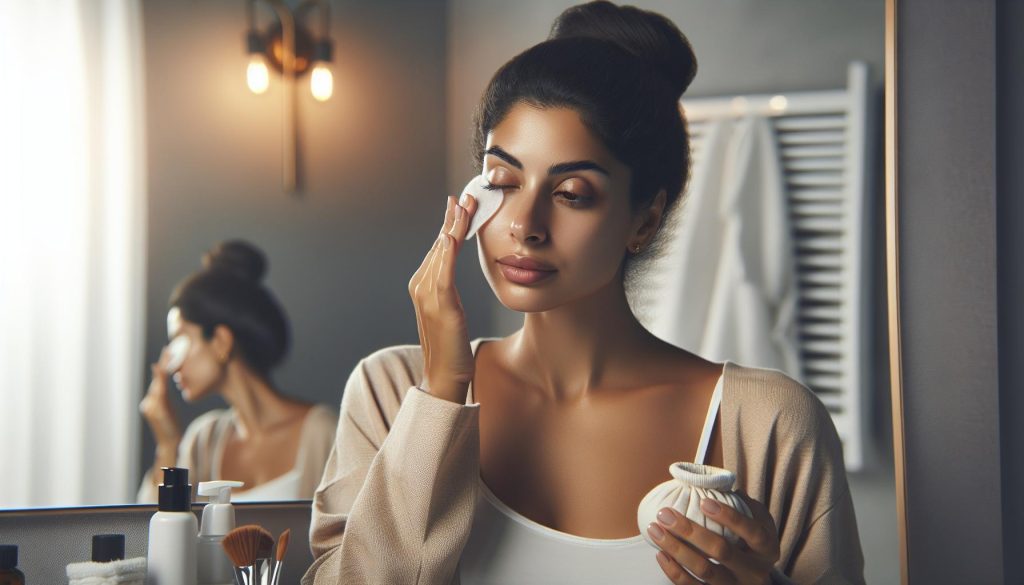
A stye, although often small, can bring significant discomfort and concern, especially when it appears right along your eyelash line. This common eyelid infection manifests as a painful red bump, frequently prompting questions about treatment options. Understanding how to effectively manage a stye can not only alleviate discomfort but also empower you with practical solutions to restore your eye health.
Many individuals face the frustration of dealing with a stye, which can disrupt daily activities and beauty routines. You might wonder about home remedies or when to seek medical advice. This action plan will guide you through effective strategies to soothe a stye, focusing on both preventive care and immediate remedies.
Join us as we explore what you can do if you encounter this nuisance, providing you with the knowledge and confidence to take control of your eye health and enhance your overall well-being.
Causes of Styes: Understanding Eye Irritations
Styes occur when the oil glands in the eyelids become blocked, often due to bacterial infections. This common eye irritation can arise from various factors, making it essential to understand the underlying causes. One prevalent trigger is the accumulation of bacteria, particularly Staphylococcus, which can thrive in the warm environment of the eyelid and lead to inflammation and infection. Other contributors to stye development include poor hygiene practices, such as not removing eye makeup or touching the eyes with unclean hands, which creates a pathway for bacteria to enter.
Additionally, certain skin conditions, like seborrheic dermatitis or acne, can predispose individuals to styes by causing irritation and clogging of the eyelid follicles. Environmental factors, such as exposure to dust, pollutants, or allergens, also play a significant role. Other lifestyle habits, such as stress and lack of adequate sleep, can contribute to weakened immune function, making it harder for your body to fight off infections.
For individuals with chronic conditions like diabetes, the risk of developing styes is higher, emphasizing the importance of managing overall health. By understanding these causes, you can take proactive steps towards prevention, as everyone’s eyes are susceptible to irritation and infection, and awareness is your first line of defense. Implementing good eye hygiene practices and minimizing risk factors can significantly reduce the likelihood of experiencing a painful stye.
Recognizing the Symptoms of a Stye
The discomfort of a stye can be alarming, especially when it’s accompanied by a visible bump on the eyelid that may impact your daily activities. Recognizing the symptoms early can help you take prompt action and alleviate the discomfort. Styes typically manifest as a red, swollen lump at the edge of the eyelid, resembling a pimple or boil. This localized inflammation can also be tender to the touch, making it painful to blink or wear makeup.
In addition to the visible swelling, other symptoms often include a gritty feeling in the eye, sensitivity to light, and watery eyes. You might also experience increased tearing or crusting at the eyelid margins, especially overnight. In some cases, a stye can present with mild discharge that may dry and form crusts along the eyelashes. If you’re experiencing any of these symptoms, it’s important to take action, as they may escalate if left untreated.
Being proactive is key. At times, styes can lead to further irritation, such as blepharitis, if the underlying causes are not addressed. Noise from everyday activities can seem more pronounced in your ears when you’re dealing with the discomfort of a stye. Understanding these symptoms enables you to differentiate between a stye and other eye issues, such as a chalazion, which can also cause similar swelling but usually isn’t painful.
Here are the common symptoms to watch for:
- Red, swollen lump on the eyelid
- Tenderness around the affected area
- Gritty or burning sensation in the eye
- Sensitivity to light and increased tearing
- Crusty or flaky eyelid margins
By recognizing these symptoms early, you can implement at-home remedies or seek professional help to manage your stye effectively and quickly return to your daily routine.
At-Home Remedies: Quick Solutions for Styes
An unexpected stye can disrupt your day, but there are effective at-home remedies that may help alleviate the discomfort and promote healing. One of the simplest yet most effective methods is to apply warm compresses to the affected area. Using a clean cloth soaked in warm water, gently press it against the eyelid for about 10-15 minutes several times a day. The warmth helps to soothe irritation, reduce swelling, and encourage drainage of any blocked glands, which can speed up the healing process.
In addition to warm compresses, keeping the eye area clean is vital. Gently wash your eyelids with mild soap or baby shampoo diluted with water to remove any debris or crust, which can prevent further irritation. This may also minimize the risk of spreading any bacteria. Another home remedy is massage; using a clean fingertip, gently massage the area around the stye in a circular motion. This can further help in promoting drainage and reducing discomfort.
It’s also essential to avoid touching or rubbing the stye, as this can lead to further irritation or introduce new bacteria. If you wear makeup, it’s best to refrain from using eye makeup until the stye has healed to avoid additional irritation. If you have contact lenses, consider switching to glasses temporarily to reduce pressure and avoid additional discomfort.
Remember, while at-home remedies can alleviate symptoms, patience is key. If symptoms persist or worsen, do not hesitate to consult with a healthcare professional for further guidance. Your eye health is paramount, and understanding how to support it with simple home care can make a world of difference.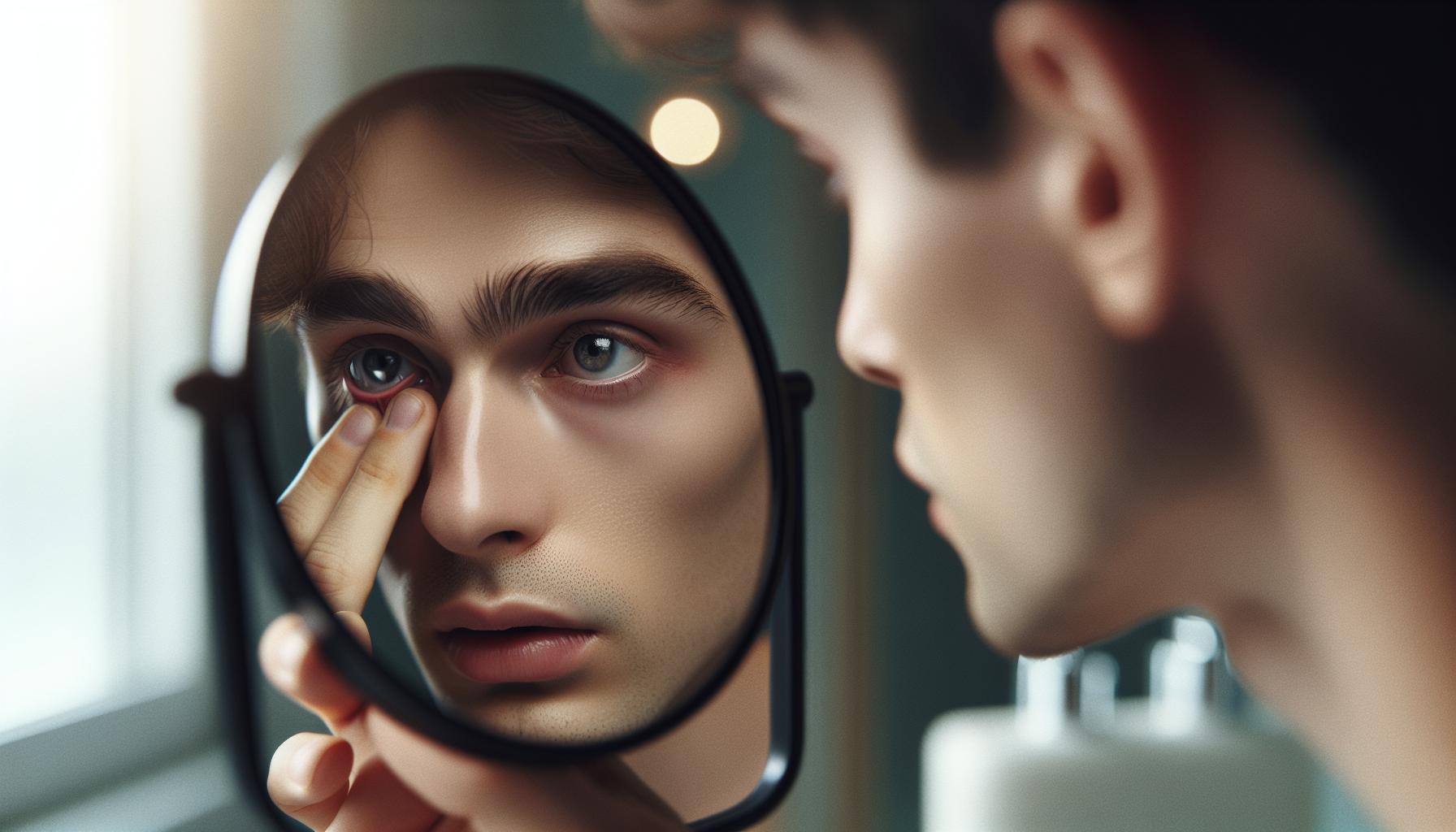
When to Seek Medical Attention for a Stye
If you find a painful red bump on your eyelid that doesn’t show signs of improvement after a few days, it might be time to seek professional medical attention. While most styes resolve on their own, there are specific scenarios where a visit to your healthcare provider is crucial. For example, if the stye becomes increasingly painful, swells significantly, or if you experience a fever, these could be signs of a more serious infection requiring prompt treatment.
Additionally, if the stye persists for more than a week despite at-home care, such as warm compresses or gentle cleansing, it’s advisable to consult an ophthalmologist. Persistent styes can sometimes indicate an underlying condition, such as blepharitis or a systemic infection, that would benefit from professional evaluation and treatment. Also, if your vision is affected in any way-blurriness, increased sensitivity to light, or the feeling of something in your eye-don’t hesitate to seek medical advice.
In some cases, your doctor may prescribe antibiotics to address infection, especially if there are other complications or if the stye progresses into a chalazion, which is a blocked oil gland that can become hardened. They can provide personalized recommendations based on your health history and the specifics of your case. When it comes to your health, particularly regarding something as sensitive as your eyes, it’s always better to err on the side of caution. A timely visit to your healthcare provider can prevent complications and ensure you receive the appropriate treatment for a swift recovery.
Effective Over-the-Counter Treatments for Styes
When a stye forms on your eyelid, it’s not just an unsightly inconvenience; it can be a painful and frustrating experience. While many styes resolve on their own, there are effective over-the-counter (OTC) treatments to speed up healing and alleviate discomfort. These treatments typically focus on reducing inflammation, combating infection, and providing soothing relief.
One reliable option is the use of warm compresses, which can be performed at home or with store-bought products. Soak a clean cloth in warm water, wring it out, and place it over the affected eyelid for about 10-15 minutes several times a day. This simple practice helps to unclog the blocked gland, promoting drainage and healing. For added convenience, consider disposable warm compress masks available at pharmacies, specifically designed for eye care.
Various OTC pain relievers can also be beneficial. Non-prescription medications like ibuprofen or acetaminophen can effectively manage pain associated with a stye. Follow the dosing instructions on the packaging to ensure safety and effectiveness. If the stye appears red and swollen, applying an anti-inflammatory topical gel (formulated for use around the eyes) may help reduce inflammation without significant side effects.
Lastly, remember that while it may be tempting to use makeup to cover the stye, it’s crucial to avoid eye cosmetics during this time as they can irritate the area further and lead to complications or prolonged healing. Instead, focus on maintaining cleanliness around the affected eye, using only gentle, fragrance-free cleansers. Your eyes will thank you for this bit of self-care by getting better faster!
Preventive Measures: How to Avoid Styes
To keep those pesky styes at bay, incorporating a few fundamental habits into your daily routine can make all the difference. Styes, caused by bacterial infections of the oil glands in the eyelids, can often be a product of poor hygiene or irritating conditions. By taking proactive steps, you can significantly reduce your chances of experiencing one.
Maintaining Eye Hygiene
One of the simplest yet most effective preventive measures is to practice good hygiene. Wash your face nightly with a gentle cleanser to remove makeup and impurities. Ensure that you also clean the eyelid area, using a cotton pad or soft cloth to gently wipe away any build-up of oils or debris. Regular cleaning helps prevent clogged glands that can lead to a stye.
Avoiding Eye Irritants
Be cautious with cosmetics, particularly eye makeup. Consider switching to hypoallergenic products and avoid sharing makeup with others. Remove makeup thoroughly before bedtime, as leaving it on overnight can increase the risk of irritation and infection. Additionally, steer clear of using expired products; they can harbor bacteria that might trigger an outbreak.
Additional Preventive Strategies
- Hands Off: Keep your hands away from your eyes. Touching them can transfer bacteria that lead to infection. Always wash your hands before applying any eye products or touching your face.
- Regular Eyewear Care: Clean your glasses and contact lenses regularly to prevent dirt and bacteria from coming into contact with your eyes.
- Manage Stress: Stress can affect your immune system and make you more susceptible to infections. Incorporating stress-relief practices like yoga or meditation can help boost your overall health.
By adopting these habits, you’re not merely minimizing the risk of styes; you’re also enhancing your overall eye health. Embrace these small changes, and your eyes will thank you for it, sparing you the discomfort and annoyance that styes bring.
Lifestyle Changes to Support Eye Health
Maintaining the health of your eyes goes beyond merely addressing immediate issues like styes; it encompasses a holistic approach that incorporates various lifestyle changes. Did you know that certain habits you practice daily could significantly impact your eye health? By implementing natural and healthy routines, you can create an environment where your eyes can thrive and reduce the risk of irritations, infections, and discomfort.
Adopting a balanced diet rich in eye-friendly nutrients is fundamental. Foods high in omega-3 fatty acids, such as salmon, walnuts, and flaxseeds, can aid in reducing inflammation and dryness, both of which contribute to eye issues. Additionally, incorporating plenty of leafy greens, carrots, and citrus fruits provides essential vitamins like A, C, and E, all known for their role in promoting eye health. Strengthening your immune system through dietary choices can make your body less susceptible to infections that cause styes.
Hydration is another crucial element that supports eye health. Drinking adequate water throughout the day ensures that your body, including your eyes, remains properly hydrated. This can help to maintain a healthy tear film, providing comfort and protecting against dryness and irritation. Environmental factors, such as air conditioning or prolonged screen time, can exacerbate dryness, making it essential to replenish fluids regularly.
Creating a routine that includes regular eye breaks, especially if you work at a computer or spend a lot of time on your phone, can significantly reduce strain. Following the 20-20-20 rule-looking at something 20 feet away for 20 seconds every 20 minutes-can help relieve tension and prevent issues like dry eyes. Moreover, ensuring proper lighting in your work environment can minimize glare and enhance your visual comfort.
Lastly, prioritize stress management techniques such as yoga, meditation, or light exercise. Chronic stress can negatively impact your immune system, making it easier for infections, including those leading to styes, to take hold. Finding joy in activities like nature walks or hobbies that promote relaxation can do wonders for both your mental and eye health. Embracing these lifestyle changes not only supports your eye health but also enriches your overall well-being, leading to brighter, healthier eyes for years to come.
Understanding the Difference: Styes vs. Chalazia
Eye irritations can be confusing, especially when it comes to distinguishing between a stye and a chalazion. While both conditions affect the eyelid and may appear similar, they have different causes and implications for treatment. Understanding these differences can empower you to take the right steps toward finding relief.
A stye, or hordeolum, is an acute infection of the oil glands located at the base of the eyelashes. It typically presents as a painful, red bump on the eyelid that can be tender to the touch. Styes usually occur quickly and can be accompanied by other symptoms such as swelling, redness, and a feeling of discomfort or irritation in the eye. They are often caused by bacteria that invade the glands, potentially due to poor hygiene or touching the eyes with unclean hands.
In contrast, a chalazion is a chronic condition that arises when one of the oil glands in the eyelid becomes blocked. It usually develops slowly and may start as a small, painless lump that can grow larger over time. Unlike a stye, a chalazion is not typically associated with an infection, which is why it may not be red or tender. Over time, a chalazion can press against the eyeball and lead to blurry vision or changes in eyelid position.
Recognizing the difference between these two conditions is crucial for effective treatment. For a stye, warm compresses applied to the affected area can help alleviate pain and encourage drainage. In cases of a chalazion, the approach might involve applying warm compresses as well, but if it persists, it may require medical intervention, such as corticosteroid injection or minor surgical procedures to remove the blockage.
It’s essential to consult with a healthcare professional if you notice persistent swelling or discomfort in your eyelid to determine the best course of action. By being informed about the differences between styes and chalazia, you can be proactive in seeking appropriate treatments and advocating for your eye health.
Natural Ingredients for Stye Relief
The discomfort of a stye can be an unwelcome interruption in daily life, but nature offers several ingredients that may provide relief and promote healing. While it’s important to remember that these natural remedies should complement, not replace, medical treatment, they can serve as gentle, supportive measures to alleviate symptoms and expedite recovery.
Common Natural Ingredients for Relief
- Warm Compresses: One of the simplest and most effective remedies is a warm compress. Soak a clean cloth in warm water and apply it to the affected eyelid for 10-15 minutes several times a day. The warmth helps to draw out the infection and can reduce swelling.
- Tea Bags: Used tea bags, particularly chamomile or black tea, can also serve as warm compresses. The tannins in tea have antibacterial and anti-inflammatory properties that may help soothe irritation and promote healing.
- Aloe Vera: Known for its soothing properties, aloe vera gel can be gently applied to the affected area. Its antimicrobial properties may help to fight the bacteria causing the stye.
- Curcumin (Turmeric): Curcumin, the active compound in turmeric, is touted for its anti-inflammatory and antibacterial effects. Mixing it with a little water to create a paste and applying it to the stye can help reduce inflammation. Just be cautious and avoid getting any in your eye.
Safety Practices and Precautions
While these natural remedies can be beneficial, it’s essential to practice safety. Always ensure your hands are clean before applying any remedy to your eye area. Avoid touching your eyes with unclean hands, and refrain from using makeup or contact lenses while experiencing a stye to prevent further irritation or infection. If any of these remedies cause discomfort or worsen your condition, discontinue use immediately.
Embracing these natural solutions alongside proper hygiene and care can empower you in your journey to relieve the discomfort of a stye. Listening to your body and seeking the advice of a healthcare professional when necessary ensures you’re taking effective steps for recovery.
Post-Stye Care: Tips for Recovery
Taking care of your eyes after experiencing a stye is crucial not only for healing but also for preventing future flare-ups. After the acute phase of the infection subsides, your eyelid may still feel sensitive or irritated. It’s important to give your eyelids the TLC they need to recover fully. Start by continuing to apply warm compresses for a few days to help alleviate any lingering swelling or discomfort. This can promote circulation and healing in the affected area.
Practice Good Hygiene
As you recover, maintaining strict hygiene is essential. Always wash your hands thoroughly before touching your face, especially your eyes. Avoid applying any new makeup to your eyes until you are completely healed to reduce the risk of introducing new bacteria. If you normally wear contact lenses, consider switching to glasses temporarily to allow your eyelids to breathe and recover without additional irritation.
Monitor Symptoms and Follow Up
Keep an eye on any changes in your symptoms. If redness, swelling, or pain persists longer than a week after the stye has broken or drained, consult a healthcare professional. They might want to check for underlying issues or prescribe a topical antibiotic to prevent further infection.
Gentle Eye Care Routine
Incorporate a gentle eye care routine as your stye heals. Use mild cleansers specifically formulated for the eye area to keep your eyelids clean without causing additional irritation. Be mindful of other eye products, ensuring that anything coming into contact with your eyes is clean and sanitized.
By following these tips and being mindful of your eye health, you can not only promote faster recovery but also instill long-term habits that support your eye health. Your eyes are precious, so give them the care they deserve!
The Role of Hygiene in Eye Care
Maintaining cleanliness around your eyes is essential for preventing and managing styes. Poor hygiene can lead to the accumulation of bacteria and excess oil on your eyelids, creating the perfect environment for infections to thrive. Did you know that simply washing your hands can significantly reduce the risk of transferring harmful germs to your eyes? Regular handwashing not only protects your eyesight but also enhances your overall health.
To bolster your eye hygiene routine, start by adopting the habit of washing your face twice daily with a gentle cleanser. Focus on the area around your eyes, as this will help remove any grime, makeup residues, or oils that can clog your eyelid glands. When cleansing, use soft motions to avoid irritation. While it’s tempting to use harsher scrubs for a deeper clean, these can do more harm than good by irritating sensitive skin. Instead, opt for products specifically formulated for eye care or those that are fragrance-free and hypoallergenic.
Daily Eye Hygiene Practices
To support optimal eye hygiene, consider incorporating the following practices into your routine:
- Hands Off: Keep your hands away from your eyes. Touching your eyes with dirty hands can introduce bacteria and lead to styes or other infections.
- Eye Products: Always ensure that any eye makeup, like mascara and eyeliner, is free from harmful ingredients. Replace eye makeup every three months to avoid bacterial buildup.
- Contact Lens Care: Follow proper care guidelines if you wear contacts. Always wash and dry your hands before handling lenses, and avoid sleeping in them to reduce irritation and infection risk.
One of the simplest yet most effective ways to prevent styes is to avoid sharing personal items such as towels, makeup brushes, and eye products. These items can harbor bacteria that lead to infections. Always use a clean towel to dry your face and ensure that your pillowcases are washed regularly to keep your sleeping environment free from irritants.
Your eyes are not just windows to your soul; they reflect your overall health. By embracing these hygiene habits, you’re not only reducing the chance of developing a stye but also nurturing long-term eye health. Keeping your eyelids clean helps ensure a better appearance and greater comfort, making it easier to enjoy everyday activities with confidence and ease.
Consulting a Specialist: What to Expect
When you find yourself struggling with a stye, it can be a frustrating experience, particularly if the bump is causing discomfort or affecting your vision. While many styes resolve on their own, consulting a specialist can provide you with clarity and relief. Your eye health is incredibly important, and knowing what to expect during a consultation can ease any anxiety you might have about seeking professional help.
During your visit to an eye care professional, the first step typically involves a thorough eye examination. The specialist will assess the stye visually and may inquire about your medical history to identify any underlying conditions that could contribute to frequent styes. Be prepared to answer questions about your symptoms, how long you have had the stye, and any previous issues with eye irritations. This information can greatly assist the doctor in diagnosing the problem and determining the best course of action.
If the stye is affecting your daily life or seems resistant to home treatments, your specialist may recommend specific treatments. Options can include topical antibiotics-especially if there is a bacterial infection-or the possibility of draining the stye if it has formed a significant abscess. In rare cases, oral antibiotics may be prescribed, particularly if the infection is extensive. It’s important to follow the treatment plan, and don’t hesitate to ask questions about why certain procedures are necessary or what the expected outcomes will be.
After your appointment, the specialist may provide you with specific aftercare instructions. These might include continued warm compresses to promote healing or guidance on how to maintain hygiene to prevent future occurrences. Understanding these steps is key to effective recovery and ensuring you feel empowered to manage your eye health going forward. Consulting an eye care professional not only addresses the immediate concern of a stye but also reinforces the importance of proactive eye care in your overall health routine.
Frequently Asked Questions
Q: What causes a stye to form on the eyelid?
A: A stye typically forms when a hair follicle at the base of an eyelash becomes infected with bacteria, leading to inflammation and the buildup of pus. Poor hygiene, streptococcal or staphylococcal bacteria, and conditions like blepharitis can increase the risk of developing a stye. For more on causes, see the article’s section on “Causes of Styes.”
Q: How long does it take for a stye to go away?
A: A stye usually resolves within one to two weeks without intervention. Applying warm compresses several times a day can accelerate healing. If symptoms persist beyond this period, consult a healthcare professional for further evaluation.
Q: Can I pop a stye to relieve pain?
A: No, popping a stye is not advisable as it can worsen the infection and lead to complications. It’s best to let the stye heal naturally, using warm compresses to alleviate discomfort. For home remedies, refer to the “At-Home Remedies” section of the article.
Q: Are there any foods that can help with stye recovery?
A: While no specific foods cure styes, maintaining a healthy diet rich in vitamins and antioxidants can support overall eye health. Foods high in vitamin A, such as carrots and leafy greens, may be beneficial. Explore “Lifestyle Changes to Support Eye Health” for more dietary tips.
Q: What can I expect during a consultation for a stye?
A: During a consultation, a healthcare provider will evaluate the stye and may recommend treatments like topical antibiotics or drainage if necessary. They’ll discuss your symptoms and medical history to determine the best care plan. For detailed insights, check the “Consulting a Specialist” section.
Q: Can stress contribute to the development of styes?
A: Yes, stress can weaken the immune system, making you more susceptible to infections, including styes. Managing stress through relaxation techniques and regular exercise can help maintain overall health and potentially reduce stye occurrences.
Q: Are styes contagious?
A: No, styes are not contagious. They result from bacterial infections that occur when oil glands become blocked. However, practicing good hygiene can help prevent the spread of bacteria that might lead to similar conditions.
Q: How can I prevent styes from forming?
A: To prevent styes, practice good eyelid hygiene, avoid touching your eyes with dirty hands, and remove makeup thoroughly at night. Regularly washing your face and eyelids can also help. For more preventive measures, see the article’s “Preventive Measures” section.
The Way Forward
In summary, addressing a stye involves a range of options from at-home remedies to when to seek professional help. Taking swift action not only eases discomfort but also promotes healing. Remember, proper eye care and hygiene play crucial roles. For more insights on maintaining healthy eyes, explore our articles on effective eye care routines and skincare tips to support your overall wellness.
Don’t hesitate to share your experiences or questions in the comments below; your curiosity could help others! If you’re looking to elevate your beauty routine, check out our guide on managing skincare concerns or subscribe to our newsletter for the latest tips and product recommendations. Your health matters, and we’re here to empower you every step of the way!