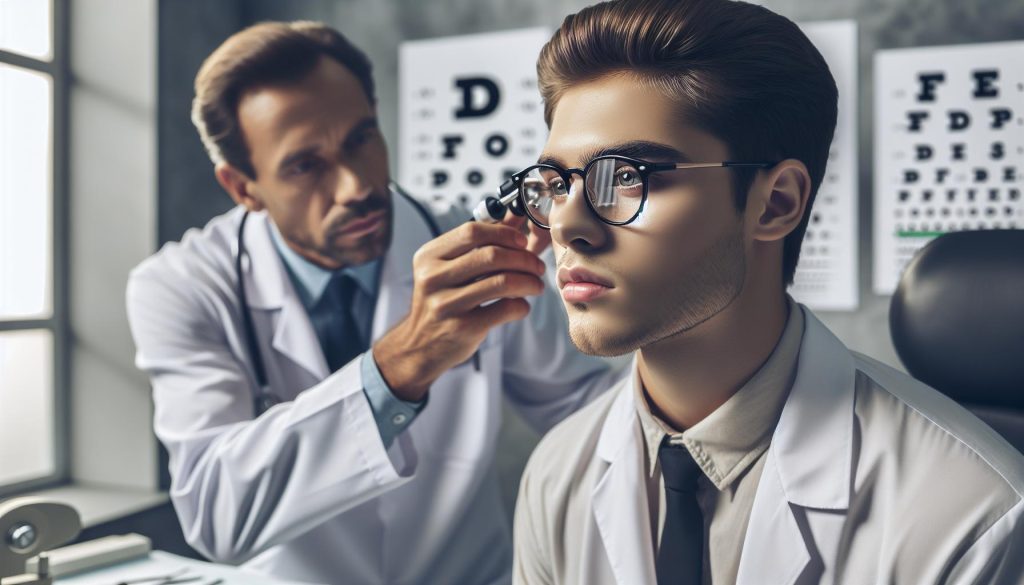
Did you know that a stye can develop on the upper eyelid, just as easily as on the lower one? These small, painful bumps are often caused by bacterial infections and can be quite bothersome. Many might wonder about the locations and causes of these pesky nuisances-especially when they affect our appearance and comfort.
Understanding where styes can appear, particularly above the eye, is important for prevention, early treatment, and maintaining eye health. Whether you’re experiencing discomfort or simply want to know more about how to care for your eyes, this article will guide you through the facts on upper lid styes. We’ll explore causes, symptoms, and proactive steps you can take, ensuring you’ll feel empowered to manage your eye health with confidence.
Can Upper Lid Styes Really Occur?
A common misconception is that styes can only occur on the lower eyelid, but in reality, they can quite frequently develop on the upper lid as well. A stye, medically known as a hordeolum, is an inflammation of the eyelid’s oil glands, usually caused by a bacterial infection. Many people experience the sudden onset of a red, painful lump that can appear deceptively small yet often feels larger than it is. When a stye forms on the upper eyelid, it may cause discomfort or a sensation of heaviness in that area, potentially impacting your vision depending on its size and location.
The occurrence of upper lid styes is facilitated by the same risk factors that apply to those on the lower lid. Poor hygiene, touching the eyes with dirty hands, and using expired cosmetics can all increase the likelihood of developing a stye. Additionally, individuals with certain skin conditions, like acne or rosacea, may find themselves more susceptible. Addressing these factors with good eye hygiene and careful cosmetic use can significantly reduce your risk of having a stye manifest on your upper lid.
Despite their somewhat alarming presentation, upper lid styes are typically manageable and self-limiting. Most resolve on their own within a week or so. However, understanding that they can occur above the eye is crucial for effective self-care. It allows you to identify potential issues early and adopt preventive measures, such as warm compresses, or seek medical advice if the stye does not improve after a few days. Awareness and proactive eye care can go a long way in managing eye health effectively.
Signs and Symptoms of an Upper Lid Stye
The development of a stye on the upper lid can be a distressing experience for many, often marked by various signs and symptoms that can affect your daily life. One of the most common manifestations is a red, swollen bump at the lash line, which may appear similar to a pimple. This localized swelling can feel tender or painful, especially when touched or if the eye is squinted, potentially causing discomfort when blinking.
As the stye progresses, additional symptoms may arise. You might notice increased tearing or a sensation of grittiness in the eye, which can be quite irritating. In some cases, the eyelid may feel heavy, or there may be a noticeable sensitivity to light. If the stye becomes more pronounced, it might also obstruct vision, particularly if it is located in the central area of the upper lid.
Recognizing these indicators early is crucial. While styes are generally self-limiting and resolve without medical intervention, addressing the early symptoms can help expedite healing. If you observe a combination of these signs-especially if accompanied by fever or widespread redness-it’s essential to consult a healthcare professional to rule out other conditions and ensure appropriate care. Taking action at the first signs can facilitate quicker recovery and restore comfort to your daily routines.
If you suffer from frequent styes, consider adopting a routine that emphasizes eye hygiene, including regularly cleaning your eyelids and avoiding touching your eyes with unwashed hands. Keeping your makeup brushes clean and avoiding the use of expired cosmetics can also play an integral role in preventing the recurrence of styes in the future.
Causes: What Triggers Upper Lid Styes?
Developing a stye on the upper lid can be frustrating and painful, often stemming from several common triggers. A stye is typically caused by an infection of the glands located at the base of the eyelashes or within the eyelid. This infection results from bacteria, most commonly *Staphylococcus aureus*, a bacterium that naturally inhabits the skin. When these bacteria invade the glands, inflammation and swelling occur, leading to the uncomfortable bump associated with styes.
Key factors that can trigger upper lid styes include:
- Poor hygiene: Not cleaning your eyelids adequately can contribute to the buildup of oils and debris, which can clog the glands and foster bacterial growth.
- Touching the eyes: Frequently touching or rubbing your eyes with unwashed hands introduces bacteria, increasing the likelihood of infection.
- Using expired or contaminated cosmetics: Expired makeup or brushes can harbor bacteria that may end up in your eyes, leading to styes.
- Chronic skin conditions: Certain conditions, such as rosacea or seborrheic dermatitis, can increase the risk of developing styes by affecting the skin’s barrier function.
- Stress and fatigue: During times of high stress or fatigue, the immune system may become compromised, decreasing your body’s ability to fight off infections effectively.
Maintaining proper eye hygiene is crucial to preventing styes. Simple practices such as washing your face regularly, gently cleaning your eyelids with warm water or eyelid scrubs, and avoiding eye contact with unwashed hands can go a long way. It’s also wise to be mindful of makeup application-choosing high-quality, non-irritating products and replacing them frequently can help safeguard against infections. If certain underlying skin conditions are contributing to frequent styes, consulting a healthcare professional for tailored prevention strategies can further enhance your eye health and well-being.
Differentiating Styes from Other Eye Issues
A stye on the upper lid can sometimes look similar to other eye-related issues, making it crucial to distinguish between them effectively. Recognizing the unique signs of a stye compared to other conditions can help you address the issue quickly and appropriately.
When you’re dealing with a stye, you’ll likely notice a red, swollen bump on the edge of your eyelid that is tender to the touch. This bump, or lump, is often accompanied by tearing, increased sensitivity to light, and discomfort while blinking. Behaviors such as gradually increasing pain or the presence of pus or crust around the eyelid can also help confirm that you’re dealing with a stye. In contrast, a chalazion, which also occurs on the eyelid but is generally not painful and arises from a blocked oil gland, presents as a firm, painless lump farther from the eyelash margin. It can grow relatively slowly and may not exhibit the intense redness typical of a stye.
Another condition to consider is blepharitis, characterized by inflammation of the eyelid margins. If you have blepharitis, you might notice flaky skin, an oily crust at the lash line, and itching or burning sensations. However, unlike styes, blepharitis tends to affect the entire eyelid and may not present as a specific, painful bump.
If you’re experiencing a sudden onset of a bump, eye redness, or pain, closely monitor the symptoms. Should they progress beyond the typical duration of a stye, or if you observe significant vision changes, seeking professional advice will be beneficial. Employing proper hygiene practices and avoiding touching your eyes can aid in reducing the likelihood of these issues, fostering healthier eyelids and reducing distress from eye ailments.
At-Home Remedies for Upper Lid Styes
Dealing with a stye on your upper eyelid can be uncomfortable, but you’ll be relieved to know that there are several effective at-home remedies to help alleviate symptoms and promote healing. One of the most popular and accessible remedies is using a warm compress. Simply soak a clean washcloth in warm water, wring it out, and gently place it on the affected eyelid for 5-10 minutes, several times a day. This helps to reduce swelling and encourages the stye to drain, speeding up recovery.
Another helpful option is good eyelid hygiene. Keeping the area clean can prevent further irritation. You can use diluted baby shampoo or a gentle eye cleanser designed specifically for eyelids. Apply a small amount to a cotton pad, and gently wipe along the eyelid margins. This not only cleans any debris but also helps reduce inflammation.
Aloe vera gel, known for its soothing properties, can also be a great ally. Applying some fresh aloe vera gel directly onto the stye can provide relief from discomfort and promote healing due to its antibacterial and anti-inflammatory qualities. Additionally, turmeric is a natural antimicrobial agent. You can make a paste by mixing turmeric powder with a bit of water and applying it carefully around the affected area. Just be cautious to avoid getting it in your eyes.
Maintaining hydration is also crucial for recovery. Drink plenty of fluids and consider incorporating foods rich in vitamins A and C into your diet to support your immune system and skin health. If you notice the stye worsening or experiencing increased pain, consult a healthcare professional for further assistance. Taking action early with these remedies can make all the difference in your comfort and recovery.
When to Seek Medical Attention for Styes
Experiencing discomfort from a stye on your upper lid can be concerning, especially when you’re unsure if it’s a simple irritation or something requiring further attention. It’s vital to listen to your body and recognize the signs that suggest professional medical help may be necessary. If your stye persists without signs of improvement after a few days of at-home care, or if it grows in size or becomes increasingly painful, it’s time to consult with a healthcare professional.
Another crucial indicator for seeking medical attention is the presence of recurrent styes. If you find yourself frequently dealing with styes, it may suggest an underlying issue that warrants investigation. Conditions like blepharitis, which involves inflammation of the eyelids, or other skin infections could be at play. Taking a proactive approach by discussing these occurrences with a doctor can help identify the root cause and establish an effective treatment plan.
If you notice additional symptoms accompanying the stye, such as elevated fever, significant swelling around the eyes, or vision changes, do not hesitate to reach out for medical assistance. These could be signs of a more serious infection or a complication that needs to be addressed promptly. Protecting your eye health is essential, so if uncertainties arise, always err on the side of caution and consult a healthcare provider.
Ultimately, while many styes can be treated effectively at home, being vigilant about changes and recognizing when to seek professional advice can facilitate a smoother recovery and safeguard your overall eye health. Remember, your well-being comes first, so don’t hesitate to ask for help when in doubt.
Prevention Tips for Avoiding Upper Lid Styes
Maintaining optimal eye health is essential, especially when it comes to avoiding irritations like upper lid styes. One common misconception is that styes can’t be prevented; however, with a few mindful practices, you can significantly reduce your risk. For starters, keeping your eyelids clean is crucial. Gently washing your eyelids with a mild cleanser or eyelid scrub can help remove excess oil and debris, minimizing the chance of clogged glands.
Another effective strategy is to avoid touching your eyes. Our hands carry bacteria and oils that can easily transfer to your eyelids. Always wash your hands thoroughly before applying or removing eye makeup, and consider using makeup specifically designed for sensitive eyes. Also, remember to remove eye makeup every night to prevent build-up and irritation that can lead to styes. When using eye products, ensure they are not expired, as old products can harbor harmful bacteria.
Maintain a Healthy Lifestyle
Staying hydrated and eating a balanced diet contributes to overall skin health, including the skin around your eyes. Incorporate foods rich in vitamins A, C, and E, as well as omega-3 fatty acids, to promote healthy skin and reduce inflammation. Stress management is equally important; high-stress levels can trigger skin conditions, making you more prone to styes. Techniques such as yoga, meditation, or even regular exercise can improve your overall well-being and skin vitality.
Lastly, if you’re prone to styes, consider incorporating warm compresses into your routine. Applying a warm, damp cloth to your eyes can help keep the oil glands functioning properly, preventing blockages that lead to styes. It’s a simple yet powerful technique that can enhance eye health and serve as a soothing break from daily stress.
By taking these proactive steps, you can empower yourself to maintain eye health and reduce the frequency of discomforting styes. Remember, your eyes deserve the best care, and establishing these habits can make all the difference in your overall health journey.
Understanding the Healing Process of a Stye
While experiencing an upper lid stye can be uncomfortable and frustrating, understanding the healing process can provide comfort and assurance. Typically, a stye evolves through several stages. Initially, what feels like a small bump may form on your eyelid, often accompanied by redness and tenderness. This is the body’s response to clogged oil glands or infection, prompting white blood cells to rush to the area to fight off the infection, leading to localized swelling.
During the healing period, your stye may present with increased discomfort as it fills with pus. However, it’s essential to remember that this is a natural response as your body works to resolve the issue. Most styes resolve on their own within a week or so, often coming to a head and draining spontaneously. If it does not, it might remain for weeks, sometimes causing persistence in discomfort.
To facilitate healing, applying warm compresses several times a day can be incredibly beneficial. The warmth helps to unclog oil ducts and encourages drainage, making the healing process faster. Simply soak a clean cloth in warm water, wring it out, and gently place it against your closed eyelid for about 10-15 minutes. Just remember to keep the compress clean and avoid any pressure that could worsen irritation.
In addition to warm compresses, maintaining proper hygiene is crucial. Gently cleansing your eyelids with baby shampoo or an eyelid scrub can help keep the area clean and minimize further irritation. If symptoms persist beyond a week or worsen significantly, consult with a healthcare professional, as they can prescribe topical antibiotics or recommend other treatments if necessary.
Ultimately, while styes can be bothersome, a proactive approach and understanding of the body’s healing process can empower you to manage them effectively. Staying informed about your eye health not only aids in prevention but also ensures a smoother path to recovery when issues arise.
Top Treatments: Professional Options for Styes
The discomfort of an upper lid stye can be more than a mere nuisance; it can interfere with your daily life and self-confidence. When conservative at-home methods, such as warm compresses, do not provide relief, it’s vital to explore professional treatment options that can expedite healing and alleviate discomfort. A visit to your healthcare provider is crucial if the stye persists, worsens, or is frequently recurring.
Consultation and Diagnosis
Your healthcare professional will begin with a thorough examination of the stye and may ask about your symptoms and medical history. This step is essential, as differentiating a stye from other eyelid conditions, such as chalazia or blepharitis, can influence treatment decisions. Understanding the exact nature of your eye issue ensures that you receive targeted care.
Treatment Options
Several treatment avenues may be recommended, depending on the severity of the stye:
- Topical Antibiotics: If your stye is caused by a bacterial infection, your doctor may prescribe topical antibiotic ointments to help fight the infection. It’s essential to apply these medications as directed to promote healing.
- Oral Antibiotics: In cases of severe infection or if the infection spreads, oral antibiotics may be necessary. These can help manage more extensive bacterial infections and prevent complications.
- Drainage Procedures: If a stye has developed a significant amount of pus or has not improved with conservative treatment, your doctor may perform a simple drainage procedure. This involves making a small incision to allow the stye to drain, providing relief from pressure and discomfort.
- Corticosteroid Injections: For particularly stubborn styes, a corticosteroid injection may be administered. This helps to reduce inflammation and can expedite the healing process.
- Laser therapy: In some cases, lasers may be utilized to help resolve chronic styes that haven’t responded to other treatments. This technique is less common but effective in certain scenarios.
While professional treatments are beneficial, integrating them with proper eye hygiene practices will enhance recovery and minimize the likelihood of future styes. It’s imperative to follow your doctor’s guidance and maintain a consistent routine for eyelid care.
Finally, if you frequently suffer from styes, discussing preventive measures with your healthcare provider can be invaluable. Strategies may include managing underlying conditions such as blepharitis, using appropriate skincare products, and adjusting your makeup routine to ensure you’re not exacerbating the problem. Investing in your eye health through professional help and preventative practices paves the way for healthier, more comfortable eyes in the long run.
Frequently Asked Questions About Upper Lid Styes
A common concern for many is whether upper lid styes can occur, and the answer is yes. These small, painful bumps can develop on the inside or outside of the eyelid, often as a result of bacterial infection, blocked oil glands, or irritation. Styes are characterized by redness, swelling, and tenderness, which can be alarming for someone experiencing one for the first time. Understanding more about styes can help demystify this common issue and empower individuals to handle it more effectively.
One frequent question is what symptoms to look for with an upper lid stye. The primary indicators include a localized swelling on the eyelid, a feeling of warmth at the site, and discomfort or pain. In more severe cases, you might notice pus or a crusty appearance at the bump. It’s essential to differentiate a stye from other eyelid conditions, such as chalazia or other forms of bumps, which may require different treatment strategies. If the bump doesn’t respond to home care or seems to be getting worse, it’s advisable to consult with a healthcare provider.
For those wondering about the healing process, styes typically resolve on their own within one to two weeks. However, incorporating warm compresses several times a day can significantly expedite healing. This simple yet effective remedy promotes drainage and reduces inflammation. Additionally, good hygiene practices, such as washing your hands before touching your face and avoiding cosmetics until the stye has healed, can prevent further irritation or complications.
Finally, many often ask how to prevent the recurrence of upper lid styes. Maintaining clean eyelids through regular washing with mild soap or eyelid cleansers is crucial. If you have a history of frequent styes, discussing this with your healthcare provider can lead to targeted advice on managing any underlying conditions, such as blepharitis, and selecting appropriate skin and eye care products. By being proactive, you can minimize the chances of experiencing bothersome styes in the future.
Frequently Asked Questions
Q: Can you get a stye above your eye?
A: Yes, styes can occur on the upper eyelid. They are typically caused by clogged oil glands or bacterial infection, leading to a painful swelling that can develop above the lashes. Proper eyelid hygiene and avoiding eye makeup can help reduce the risk.
Q: What are the symptoms of a stye on the upper eyelid?
A: Symptoms of an upper eyelid stye include redness, swelling, tenderness, and pain at the site. You may also experience tearing and sensitivity to light. Monitoring these symptoms is vital for effective treatment and determining if medical attention is needed.
Q: How can I differentiate between a stye and a chalazion?
A: While both can appear as lumps on the eyelid, a stye is typically painful and red, while a chalazion is usually painless and may develop more slowly. If you are unsure, consult with a healthcare professional for accurate diagnosis and treatment options.
Q: Are there any specific treatments for upper lid styes?
A: Treatments for upper lid styes often include warm compresses to promote drainage and over-the-counter pain relievers. If the stye persists or worsens, a doctor may prescribe antibiotics or suggest drainage options. Always consult a healthcare professional when unsure.
Q: How long does it usually take for a stye on the upper eyelid to heal?
A: A stye on the upper eyelid typically takes about one week to heal. However, using warm compresses and maintaining good eyelid hygiene can speed up recovery. Persistent or worsening symptoms should be assessed by a healthcare provider.
Q: Can I wear makeup with a stye on my upper eyelid?
A: It’s best to avoid wearing makeup on or near a stye as it can irritate the area and introduce bacteria, possibly worsening the condition. Allowing the affected area to heal is crucial for effective recovery.
Q: What can I do to prevent styes on my upper eyelid?
A: To prevent styes, maintain proper eyelid hygiene, avoid touching your eyes with dirty hands, and regularly clean makeup brushes. Additionally, removing makeup before bed and using hypoallergenic products can also help reduce the risk.
Q: When should I see a doctor for a stye on my upper eyelid?
A: Seek medical attention if your stye does not improve after a week, is extremely painful, shows signs of infection (such as fever or pus), or affects your vision. Early intervention can prevent complications and facilitate quicker healing.
Key Takeaways
As we explored, styes can indeed develop above your eye, specifically on the upper lid, causing discomfort and irritation. It’s essential to understand the treatment options available, from warm compresses to over-the-counter remedies, which can effective relief. Don’t let concerns about eye health hold you back-take proactive steps today!
For further insights on maintaining optimal eye health, check out our articles on effective eye care routines and natural remedies for common eye issues. If you’re looking for personalized advice, consider scheduling a consultation with your eye care professional. Remember, your health and beauty are interconnected, so explore our skincare tips to enhance your routine. Engage with us-share your experiences or questions in the comments below, and stay tuned for more empowering content on women’s health and beauty.