Did you know that styes, those painful bumps on the eyelid, are more common than you might think? Understanding how they form and the risk factors involved is crucial for maintaining your eye health. A stye occurs when oil glands become blocked, often leading to swelling and discomfort that can affect your daily life.
Identifying individual risk factors is essential, as some people are more prone to this condition than others. Factors like poor hygiene, skin conditions, and even certain makeup habits can increase your chances of developing a stye. By recognizing these risks, you empower yourself to take proactive steps toward prevention and care. So, let’s dive deeper into the world of styes and discover how you can protect your eyes and enhance your beauty routine effectively.
Understanding Styes: What You Need to Know
A stye, often mistaken for a simple blemish, is actually an infection that occurs in the oil glands of your eyelid, leading to a painful, red swelling. Most people will experience a stye at least once in their lifetime, making it a common concern among individuals of all ages. Understanding how a stye develops is crucial for prevention and effective management.
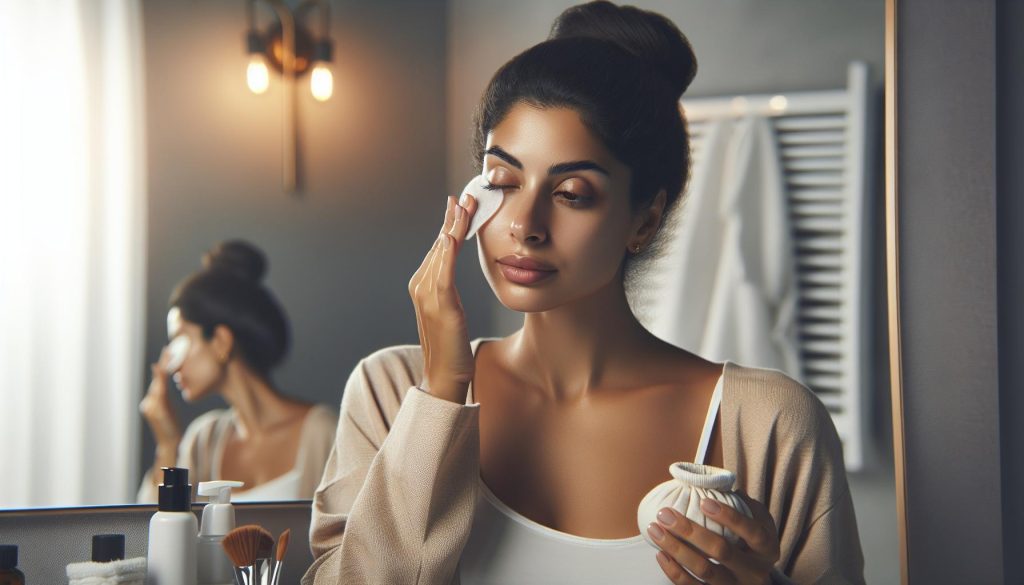
Several factors contribute to the formation of styes. Poor eyelid hygiene can lead to the accumulation of bacteria and debris, increasing the likelihood of infection. It’s important to keep your eyelids clean; regularly washing your face and removing makeup thoroughly can be a simple yet effective step in maintaining eye health. For those who wear contact lenses, ensuring that they are clean and properly stored plays a vital role in preventing irritation and infections that can cause styes.
Stress can also significantly impact your overall eye health, potentially leading to conditions that promote stye development. When under stress, your body may be more susceptible to infections due to a weakened immune system, making it essential to manage stress through relaxation techniques, exercise, or mindfulness practices. Additionally, hormonal fluctuations may influence susceptibility, especially in women during menstrual cycles or pregnancy, where changes in hormone levels can contribute to skin oiliness and clogged glands.
Understanding the risks associated with styes equips you with the knowledge to take proactive measures. By establishing a consistent eyelid care routine, recognizing your specific risk factors, and managing stress effectively, you can reduce your chances of experiencing this common yet annoying eye condition.
Common Causes of Styes in the Eye
A stye can appear suddenly, often emerging when you least expect it, and is a common condition that can be quite bothersome. Understanding what typically causes these infections of the eyelid can empower you to take action and prevent their occurrence. Styes typically arise due to a blockage or infection of the oil glands located along the eyelid margin. When these glands, known as meibomian glands, become clogged with oil, dirt, or bacteria, it sets the stage for infection, leading to the painful bump associated with a stye.
Several factors contribute to the development of styes, including poor eyelid hygiene and skin conditions. Failing to adequately clean your eyelids can lead to the buildup of debris, providing an ideal environment for bacteria to flourish. Regularly washing your face and using gentle products designed for sensitive eye areas can significantly reduce the risk. Another culprit is conditions like blepharitis, an inflammation of the eyelid that can obstruct the oil glands and promote stye formation. If you experience chronic eyelid inflammation, consider consulting with a healthcare professional for tailored advice.
In addition to hygiene, certain habits can elevate your risk of developing styes. For instance, touching your eyes with dirty hands or using old makeup can introduce harmful bacteria to your eyelids. If you wear contact lenses, maintaining proper hygiene is critical; this includes washing your hands before handling lenses and ensuring your lenses and their storage cases are clean. Make sure to replace your eye makeup regularly, as expired products can harbor bacteria that may contribute to eyelid infections.
Managing underlying health conditions is crucial as well. Conditions such as diabetes or those that weaken the immune system can increase susceptibility to infections, including styes. If you notice a pattern of frequent styes, it may be worth discussing with your doctor whether any underlying health issues could be influencing this trend. Recognizing these causes allows you to take practical steps to maintain eye health and reduce the likelihood of developing styes. By meeting these challenges head-on, you can minimize discomfort and enjoy clearer, healthier eyes.
Key Individual Risk Factors for Developing Styes
While styes can feel like minor annoyances, understanding the individual risk factors can provide valuable insights into prevention and management. Key contributors include poor eyelid hygiene, existing skin conditions, and lifestyle choices that may open the door for bacterial growth. Practicing diligent eyelid care is paramount; regularly washing your face and ensuring that makeup brushes and applicators are kept clean can significantly reduce bacterial presence around the eyes.
Another risk factor is having skin conditions such as seborrheic dermatitis or acne, which can clog the oil glands and promote stye formation. Those who are prone to these conditions should take special care to maintain a proper skincare routine that includes gentle cleansing and appropriate topical treatments. For instance, using non-comedogenic skincare products can help keep pores clear and prevent oil gland blockage.
Stress can also exacerbate skin conditions and reduce the immune system’s ability to fight off infections, potentially increasing the risk of developing styes. Engaging in stress-reducing activities, such as yoga or mindfulness exercises, can play a significant role in your overall eye health as well as your general well-being. Furthermore, individuals with chronic medical conditions, such as diabetes or autoimmune diseases, may also find themselves at a heightened risk for styes due to compromised immune responses.
One easy way to lower the risk is by being mindful of habits, such as avoiding touching the eyes with unwashed hands and refraining from the use of expired eye cosmetics. Following these guidelines can help you maintain both healthy eyelids and beautiful eyes, allowing you to focus on enjoying each day without the discomfort of a stye.
How Poor Hygiene Can Lead to Styes
Maintaining good hygiene is crucial not only for overall health but also for the health of your eyes. Poor hygiene can significantly contribute to the development of styes, which are painful lumps that form due to bacterial infections in the oil glands of the eyelids. These infections often arise from a buildup of bacteria on the eyelid and surrounding areas. Factors such as touching the eyes with unwashed hands, failing to remove makeup before bed, or not regularly cleaning eyelash tools can introduce harmful bacteria, increasing the risk of stye formation.
To reduce the likelihood of developing a stye, it is essential to establish a solid eye and skincare routine. Start by washing your face daily with a gentle cleanser, focusing on the eyelid area to eliminate dirt, oil, and bacteria. Consider using eyelid scrubs or warm compresses to cleanse the eyelids further, especially if you wear makeup regularly or have oily skin. Using clean tools is equally important, as dirty makeup brushes, eyelash curlers, and applicators can harbor bacteria. Remember to clean these tools frequently and avoid sharing them with others.
The importance of removing makeup before sleep cannot be overstated. Leaving makeup on overnight can clog pores and oil glands, creating an environment for bacteria to thrive. Prioritizing the removal of eye makeup is essential; opt for makeup removers that are gentle on the skin and specifically formulated for eye use. This not only protects against stye formation but also contributes to healthier, clearer skin around the eyes.
To empower yourself in your eye care journey, remember to wash your hands regularly and avoid touching your face, particularly your eyes. If you wear contact lenses, follow proper lens hygiene to prevent potential infections. By taking these proactive steps, you’ll not only enjoy clearer, healthier eyes but also boost your confidence in your beauty routine.
The Impact of Stress on Eye Health
Experiencing stress is not just a mental hurdle; it can also physically manifest in various ways, including its impact on eye health. Stress has been linked to a decrease in the body’s immune response, making individuals more susceptible to infections-including styes. These small, painful bumps occur when bacteria infect the oil glands around the eyelids, and when you’re under stress, the body’s ability to combat such infections can be compromised.
Understanding how stress affects your body can empower you to take action. When you’re stressed, you may neglect your skincare and eye care routines, such as failing to remove makeup or skipping hygiene practices. This negligence can lead to a buildup of bacteria on your skin, significantly raising the risk of developing a stye. Furthermore, stress can also trigger habits like rubbing your eyes, which can introduce more bacteria to the delicate eye area. Thus, managing stress is not only crucial for overall well-being but also a vital strategy in maintaining eye health.
To counteract the effects of stress on your eye health, consider integrating stress-reducing practices into your daily routine. Regular exercise, mindfulness practices such as meditation or yoga, and ensuring adequate sleep can all help manage stress levels. When you feel more balanced, it’s easier to stick to your skincare routines and practice good eye hygiene. Remember to take breaks from screens and practice the 20-20-20 rule-every 20 minutes, look at something 20 feet away for at least 20 seconds-to reduce eye strain, which can be exacerbated by stress.
Additionally, maintaining a nutritious diet rich in omega-3 fatty acids, antioxidants, and hydration can bolster your immune system and support eye health. Foods like fish, nuts, leafy greens, and berries can provide the necessary nutrients to keep your eyes healthy and help manage stress. By taking proactive steps to address both stress and hygiene, you enhance your resilience against styes, ensuring that your eyes remain clear and healthy.
Identifying Underlying Health Conditions Related to Styes
Certain underlying health conditions can elevate the likelihood of developing styes, indicating that eye health is often intertwined with our overall well-being. For instance, individuals with chronic skin conditions, such as seborrheic dermatitis or acne, may experience more frequent styes due to the increased oil production and skin irritation associated with these ailments. When the oil glands become blocked or inflamed, they create an ideal environment for bacteria to thrive, leading to infections.
Moreover, diabetes is another significant risk factor for styes. This condition can impair the immune response, making it harder for the body to fend off bacterial infections. If you have diabetes, maintaining strict blood sugar control through diet, exercise, and medication can help reduce your risk of skin infections, including styes. Another important connection is with the autoimmune system; conditions like Sjögren’s syndrome or lupus can affect the health of your eyes and skin, heightening the chances of inflammation and infection around the eyelids.
Additionally, hormonal fluctuations during menstrual cycles, pregnancy, or menopause can alter oil production in the skin, potentially leading to a higher incidence of styes. It’s essential to monitor your body’s responses during these times. If you are noticing a pattern of recurring styes, consulting with a healthcare professional could provide insights into whether a hormonal imbalance is at play or if you should explore deeper connections to existing health issues.
Taking a comprehensive approach to your health-both physical and mental-will serve you well. Keeping track of any other unusual symptoms or health changes can be essential in identifying and addressing any underlying conditions that might predispose you to developing styes. Remember, preventative care and early intervention can promote eye health and minimize the likelihood of infections. Regular check-ups and maintaining an open dialogue with your healthcare provider about any concerns will equip you with the knowledge needed to take charge of your eye health.
The Role of Allergies in Stye Formation
Allergies can play a surprisingly significant role in the formation of styes, which are painful, red bumps that occur near the eyelid margins due to blocked oil glands. When allergens like pollen, dust mites, or pet dander come into contact with your eyes, they can trigger an inflammatory response. This reaction may lead to increased rubbing or scratching of the eyes, creating an opportunity for bacteria to invade and set the stage for infections that cause styes.
In addition to direct irritation, allergic reactions may lead to more severe itching, swelling, and inflammation around the eyelids, which can compromise the integrity of the skin and disrupt its natural barrier. When the skin is compromised, it becomes easier for oil and debris to clog the meibomian glands-responsible for lubrication-worsening the potential for developing a stye.
To minimize the risk of styes related to allergies, consider adopting practices such as maintaining a clean living environment and using air purifiers to reduce airborne allergens. Regularly washing your bedding in hot water, using hypoallergenic pillowcases, and avoiding heavy eye makeup during allergy season can also help reduce irritation. Should you suspect that allergies are the culprit behind your recurring styes, consult with a healthcare professional for tailored advice, which may include antihistamines or prescription eye drops to manage symptoms effectively.
Maintaining good eye hygiene is equally essential. Gently cleaning your eyelashes and eyelids with a moderate cleanser, or a saline solution, can help remove allergens and debris without aggravating the area, promoting an overall healthier environment for your eyes. By being proactive about your eye care and addressing allergy-related irritations, you can help protect your eyes from stye formation and ensure long-term health.
Age and Gender: Do They Influence Stye Risk?
Age and gender can significantly influence one’s risk of developing styes, a common eyelid infection that manifests as painful, red bumps along the eyelash line. Research and clinical observations suggest that certain demographics face higher susceptibility to these irritating growths primarily due to physiological and hormonal factors.
As individuals age, particularly those over 50, the skin around the eyes tends to become thinner and less resilient. This change can lead to a decline in the skin’s barrier function, making it easier for bacteria to enter and cause infections like styes. Additionally, older adults are more prone to chronic conditions such as diabetes, which can also increase the likelihood of experiencing styes due to compromised immune responses that are less effective at fighting off infections.
Gender plays a notable role as well, influenced largely by hormonal variations. Women, especially during hormonal fluctuations related to menstruation, pregnancy, or menopause, may experience more oil production in their skin, which can contribute to clogged glands in the eyelids. Moreover, women often utilize a wider range of eye makeup products, increasing the risk of contamination and irritation if proper hygiene practices are not maintained. Regularly switching out old makeup products and cleaning brushes can help mitigate this risk.
Incorporating a few simple practices into your routine can significantly reduce the risk of developing styes:
- Maintain eye hygiene: Regularly clean your eyelid and lash line with a gentle cleanser, especially after wearing makeup.
- Limit eye makeup use: Minimize the use of heavy cosmetics around the eye during hot weather or allergy seasons.
- Manage underlying health issues: If you have chronic conditions like diabetes, work with your healthcare provider to manage your health status effectively.
- Stay hydrated and eat a balanced diet: A well-nourished body supports overall skin health.
By understanding how age and gender influence stye risk, you can take proactive steps to minimize the chances of developing these uncomfortable infections, ultimately promoting long-term eye health.
Preventive Measures: Reducing Your Risk of Styes
Taking proactive steps to prevent styes can make a significant difference in your eye health. Simple changes to your daily routine can protect you from the discomfort and irritation styes bring. Since styes are typically caused by blocked glands in the eyelids due to bacteria, focusing on hygiene and skincare practices can be highly effective.
Start with maintaining a clean eyelid. Regularly wash your eyelids and the area around your eyes with a mild cleanser or baby shampoo. Gently scrub the eyelid margins to remove any debris, oils, and makeup remnants that may accumulate and cause blockages. This practice not only reduces the risk of styes but also supports overall eye hygiene.
Next, consider your use of makeup. While cosmetics can enhance your appearance, they can also pose risks if not used correctly. Limit the use of eye makeup during particularly hot or allergy-prone days, as increased perspiration can contribute to clogged glands. Always remove makeup before going to bed, and avoid sharing makeup products to prevent bacterial transfer. Regularly replace old makeup and makeup brushes to minimize the risk of contamination.
Ensure that you’re working on any underlying health issues as well. Chronic conditions like diabetes can increase your likelihood of developing styes, so it’s essential to follow your healthcare provider’s advice for managing your overall health. Staying hydrated and consuming a balanced diet rich in vitamins A, C, and E can support your skin’s resilience and help maintain the integrity of your skin barrier.
By implementing these preventive measures, you’re not only safeguarding against styes but also promoting a holistic approach to your eye health. Your eyes deserve the best care, and with these simple habits, you can enjoy clearer, healthier eyelids.
Home Remedies to Alleviate Stye Symptoms
A stye, while often uncomfortable and unsightly, can usually be treated effectively at home. Many individuals find that simple, restorative methods can significantly alleviate the irritation and pain associated with styes. Integrating these remedies into your routine can help you manage symptoms and promote healing, empowering you with practical tools for eye health.
Start with a warm compress; this classic remedy works wonders by increasing blood circulation to the eyelid, which helps bring the stye to a head and encourages drainage. To create a warm compress, soak a clean washcloth in warm (not hot) water, wring it out, and gently place it over the affected eye for 10 to 15 minutes, repeating this process several times a day. Make sure to use a fresh cloth each time to avoid any risk of infection.
Another effective home treatment includes gentle eyelid massage. After applying the warm compress, use a clean finger to delicately massage the area surrounding the stye. This can help relieve discomfort and aid in the natural drainage of the stye, further accelerating the healing process. It is essential to ensure your hands are clean before touching your face to minimize the introduction of additional bacteria.
In addition to these methods, consider natural anti-inflammatory agents like chamomile, which can be applied topically. Brew a chamomile tea bag in hot water, cool it down, and then place the moist tea bag on the closed eye for about 10 minutes. Chamomile’s soothing properties can help reduce swelling and discomfort, providing a pleasant relief.
Lastly, be mindful of your hygiene and skincare routines. Frequent handwashing, avoiding touching your eyes, and refraining from using eye makeup until the stye heals can greatly assist in recovery. By employing these simple yet effective remedies, you can tackle stye symptoms head-on and support your eye health with greater confidence.
When to Seek Professional Help for Styes
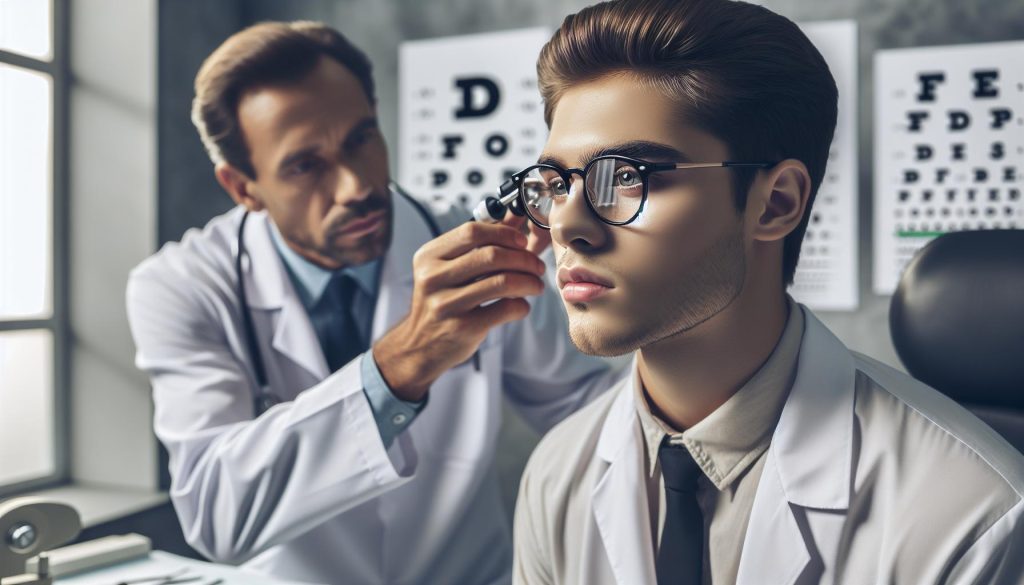
Recognizing when to seek professional help for a stye is crucial in ensuring that your eye health remains uncompromised and any potential complications are addressed early. While many styes can be effectively managed at home, there are specific signs that should prompt you to consult a healthcare professional. If the stye persists for more than a week despite home treatment, or if it worsens instead of improves, it may be time to get expert advice. Persistent swelling, increased pain, or spreading redness around the eye can signify a more significant infection requiring medical intervention.
Additionally, if you experience vision changes, such as blurred vision or increased sensitivity to light, seeking help is imperative. These symptoms can indicate a more serious underlying issue, and prompt evaluation by an eye care specialist is essential. Women who have recurring styes or those with underlying health conditions, such as diabetes, should also be proactive in seeking medical advice, as these factors can complicate recovery and may require targeted treatment.
When visiting your healthcare provider, be prepared to discuss your symptoms and any home remedies you’ve tried. This information can help them determine the best course of action, which might include prescribing antibiotic ointments or medications to alleviate inflammation and infection. In some cases, a simple procedure to drain the stye may be necessary, which can provide immediate relief and reduce the risk of future occurrences. Always prioritize your eye health by staying informed about these indicators and taking swift action when necessary; your eyes deserve the best care possible.
Long-Term Eye Care: Maintaining Eye Health
Maintaining optimal eye health is essential not just for aesthetics but for your overall well-being. The eyes, being sensitive organs, require diligent care, especially since many eye issues, including styes, can arise from neglect or stress. Prioritizing good practices in your daily routine can significantly lower the risk of developing styes and other eye-related conditions.
Here are some key strategies to keep your eyes healthy:
Daily Hygiene
Ensuring cleanliness around the eyes is paramount. Wash your face daily with a gentle cleanser, being careful to avoid harsh soaps. Use a soft washcloth to remove makeup, and never sleep with makeup on, as this can clog the glands near the eyelids. Avoid touching your eyes with unwashed hands, which introduces bacteria that can lead to infections.
Mindful Beauty Choices
Opt for hypoallergenic cosmetic products wherever possible. Makeup can harbor bacteria, especially if it’s old or contaminated. Replace your eye cosmetics every three months, and avoid sharing them. This helps in minimizing the risk of infections that can lead to styes.
Regular Eye Care
Incorporate regular eye check-ups into your health routine. An eye care professional can help detect any changes or issues before they escalate. They can provide tips on maintaining your eye health and adjust corrective lenses as needed, optimizing your visual experience.
Stress Management
Stress can significantly impact your health, including eye health. Engaging in relaxation techniques such as yoga, meditation, or deep-breathing exercises can help mitigate this. A balanced lifestyle that includes proper nutrition, hydration, and adequate sleep fosters resilience against stress, contributing to healthier eyes.
In addition to these practices, consider including foods rich in vitamins A, C, and E, as well as omega-3 fatty acids, in your diet. These nutrients support eye health and can protect against some common eye problems.
By making these adjustments in your daily life and fostering a conscious approach to eye care, you can substantially lower the risk of stye development and enhance your overall eye health. Remember, consistency is key; small daily habits can lead to significant long-term benefits.
Frequently Asked Questions
Q: What individual behaviors increase the risk of developing a stye?
A: Individual behaviors such as touching the eyes with unwashed hands, sharing makeup, or using contaminated eye products can raise the risk of developing a stye. Maintaining good hygiene is crucial in reducing this risk.
Q: How can chronic health conditions contribute to stye formation?
A: Chronic health conditions, such as diabetes or skin disorders like rosacea, can compromise your immune system and create an environment conducive to bacteria, increasing the likelihood of developing a stye.
Q: Does stress play a role in stye development?
A: Yes, stress can affect the immune system, making you more susceptible to infections, including styes. Managing stress through relaxation techniques can help reduce your overall risk.
Q: Are certain make-up products linked to stye formation?
A: Yes, using old or contaminated makeup products, especially eye makeup, can introduce harmful bacteria to the eye area, increasing the likelihood of stye development. Regularly replacing these products is recommended.
Q: How does eyelid hygiene affect the likelihood of getting a stye?
A: Poor eyelid hygiene can lead to the buildup of oil and bacteria along the eyelash line, heightening the risk of stye formation. Regular cleansing can help mitigate this risk.
Q: Can allergies contribute to the risk of developing a stye?
A: Yes, allergies can cause inflammation of the eyelids, creating an environment that is more prone to bacterial infections, including styes. Proper allergy management is beneficial for eye health.
Q: Is there a genetic component to developing styes?
A: While no specific genetic link has been established, individuals with a family history of styes or related conditions may be more prone to developing them due to shared lifestyle habits or hygiene practices.
Q: How does age affect the risk of developing styes?
A: Age can influence the risk of styes, as older adults may experience changes in eyelid oil gland function, making them more vulnerable. Maintaining good eyelid hygiene is essential at any age to reduce risk.
The Way Forward
In conclusion, understanding the individual risk factors for styes can empower you to take proactive steps in your eye care routine. Remember, maintaining good hygiene and managing stress are vital for prevention. If you’re seeking more insights, check out our articles on effective eye care practices and natural remedies for common eye issues. Don’t let concerns linger-take charge of your eye health today!
For ongoing support, consider subscribing to our newsletter for expert tips on skincare and health, or explore our product recommendations that promote eye comfort and wellness. We’re here to guide you through your health journey, so share your thoughts or questions in the comments below-your engagement matters to us! By expanding your knowledge with our resources, you’re not just minimizing risks; you’re enhancing your overall well-being.