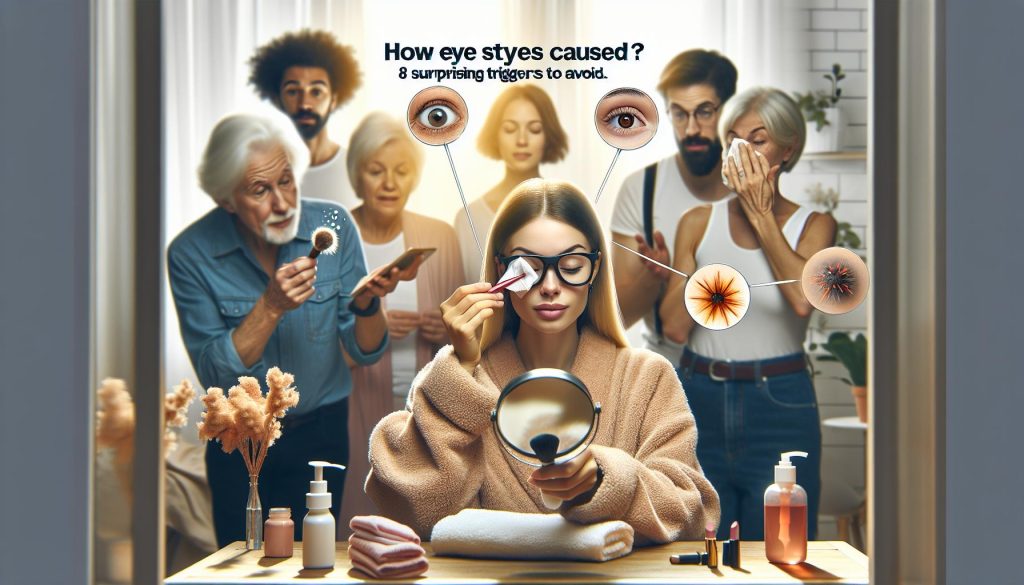
Did you know that a simple bump on your eyelid, known as a stye, can be more than just a minor annoyance? These common nuisances can arise from surprising triggers often overlooked in our daily routines. Understanding how styes develop is essential not only for your eye health but also for your overall well-being.
Many women find themselves frustrated by the discomfort and unsightly appearance of styes, which can interfere with their vision and beauty routines. By recognizing the eight unexpected causes of these pesky pimples, you can take proactive steps to avoid them. This knowledge empowers you to maintain healthier eyes, ensuring that your day-to-day activities remain uninterrupted.
Join us as we explore the surprising triggers behind eye styes and discover effective strategies to keep your eyes clear and comfortable. Your journey to better eye health starts here!
How Eye Styes Form: Understanding the Basics
The formation of eye styes is often linked to the blockage of glands located around the eyelashes, leading to infection and swelling. This clogging can occur when oily substances, dead skin cells, or bacteria accumulate in the openings of these glands. When a gland becomes obstructed, it creates an environment ripe for bacteria to thrive, eventually resulting in the characteristic painful, red bump that many recognize as a stye.
In particular, two types of glands are commonly involved: the meibomian glands and the glands of Zeis. The meibomian glands, situated inside the eyelid, produce oil that prevents tears from evaporating. When they become clogged, it leads to a stye that appears inside the eyelid. Conversely, the glands of Zeis, which also reside near the eyelash base, secrete oily substances to protect the eyelashes and lids. Blockage here can lead to the formation of a stye on the outer edge of the eyelid.
Understanding how these conditions arise can empower you to implement preventive measures. Simple actions, such as maintaining good eyelid hygiene – like gentle cleanses with warm water – can help keep the glands free from blockages. Additionally, ensuring that makeup brushes and products are clean and avoiding the sharing of eye makeup can significantly reduce your risk of developing styes.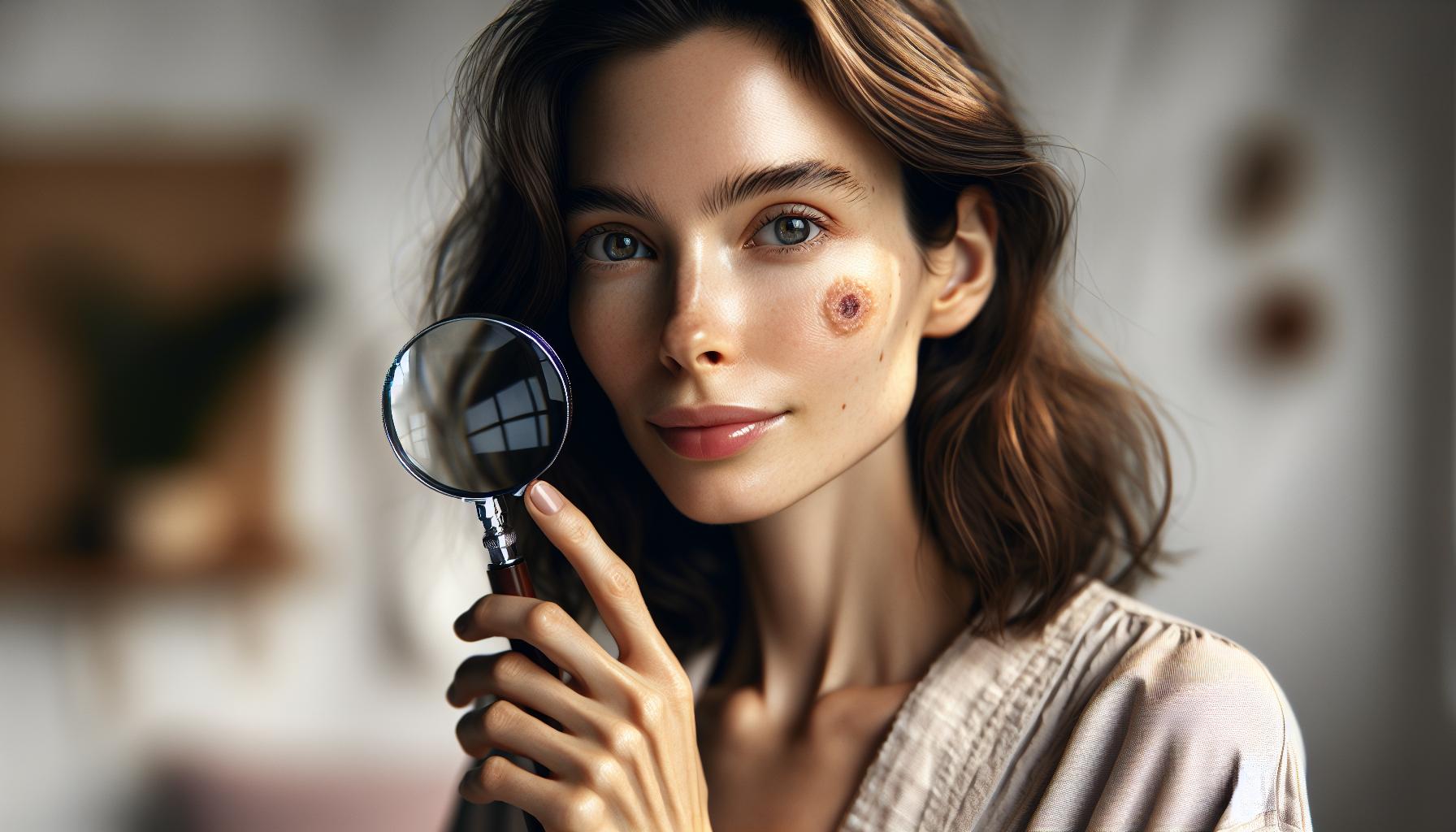
Common Causes of Eye Styes to Avoid
The presence of an eye stye can be more than just an inconvenience; it often signifies underlying habits and choices that might be detrimental to your eye health. Although styes are common and usually harmless, understanding the common triggers that contribute to their formation can empower you to take proactive steps towards prevention.
One of the most prevalent causes of styes is poor hygiene. Failing to remove makeup properly, especially eye makeup, can lead to bacteria accumulation and clogged glands. Regularly cleaning your brushes and avoiding the sharing of makeup with others can minimize this risk significantly. Additionally, neglecting to wash your hands before touching your eyes can introduce harmful bacteria. Always make it a practice to clean your hands thoroughly to safeguard against infections.
Humidity and excessive rubbing of the eyes also play a crucial role in stye formation. Prolonged exposure to dry environments can irritate your eyes, prompting you to rub them more frequently. This behavior can cause tiny abrasions that lead to infection. Consider using a humidifier in dry settings and keep your hands away from your face as much as possible.
Another major factor to consider is skincare routines that may not be eye-friendly. Many lotions and creams contain heavy oils and fragrances that can irritate the eyelid area. It’s best to choose products that are labeled as non-comedogenic, which means they won’t clog pores. If you’re unsure, test new products on a small skin area before applying them near your eyes.
Finally, hormonal changes during menstruation or pregnancy can increase the likelihood of developing styes due to fluctuations in oil production in your glands. Keeping a balanced diet that includes antioxidants and omega-3 fatty acids can help support overall skin health and mitigate these changes. By being mindful of these common causes, you can take steps to protect your eye health and reduce the risk of styes making an unwelcome appearance.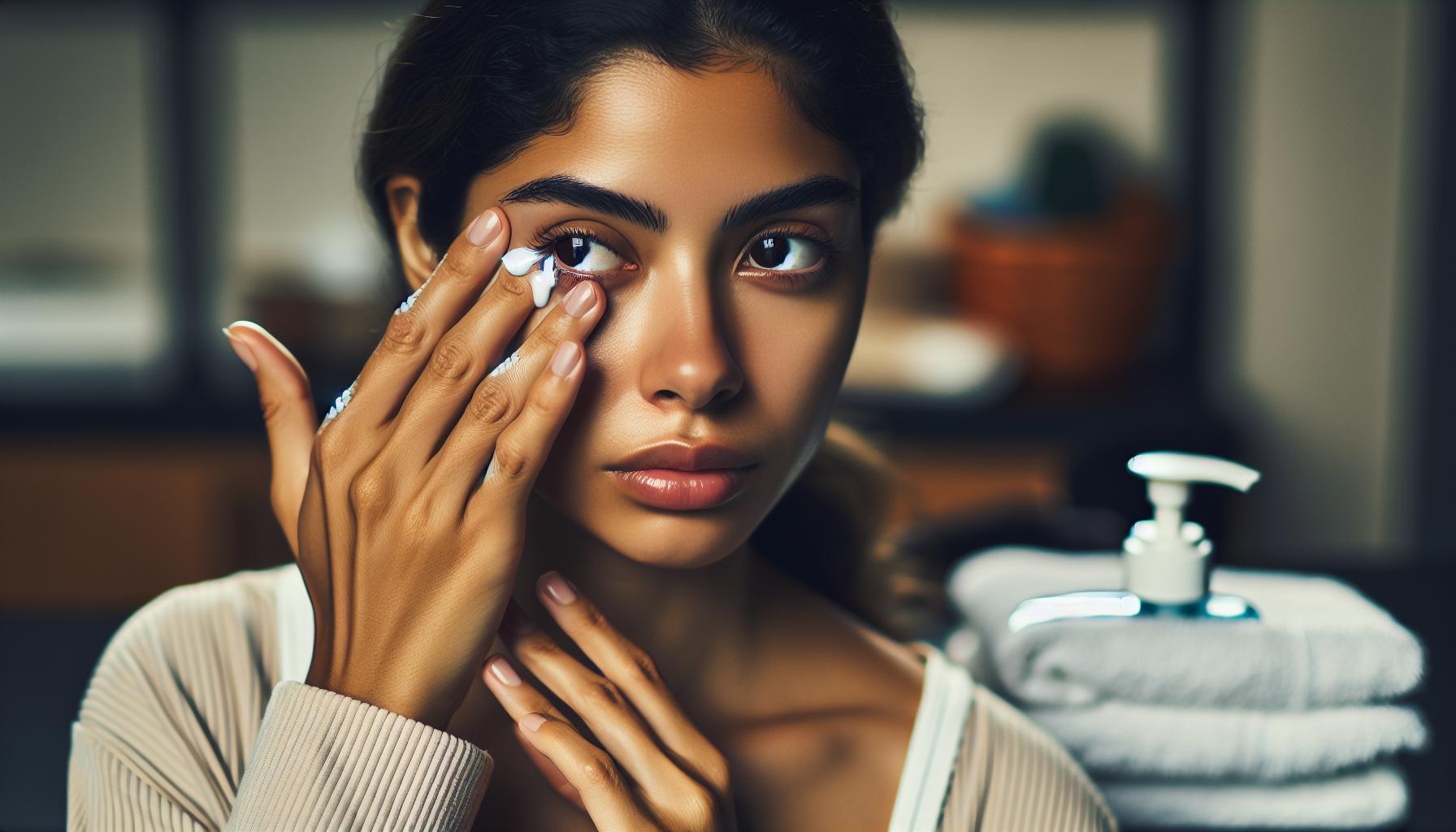
Surprising Triggers: What You Didn’t Know
A surprising number of factors can lead to the formation of eye styes, beyond the typical culprits like poor hygiene or makeup mishaps. While many are aware of basic triggers, several unexpected elements may also contribute to this common eyelid irritation. For instance, wearing contact lenses incorrectly, such as not cleaning them properly or leaving them in for too long, can introduce bacteria that cause infection, leading to styes. Ensuring proper lens hygiene and following the recommended wear schedule can significantly lower your risk.
Another less-discussed element is environmental factors. Exposure to pollutants, smoke, or allergens can create irritation around the eyes, which may prompt people to rub them more frequently. This behavior not only aggravates the eyelid but can also lead to microscopic abrasions that invite bacterial infection. Consider seeking fresh air in nature over urban settings when you can, and always wash your hands before touching your face.
Dietary choices also come into play, and some people may be surprised to learn that certain food sensitivities can trigger inflammation, which may manifest as styes. Foods high in sugar or excessively processed ingredients can lead to hormonal imbalances and skin issues that may increase oil production and clog glands. Maintaining a balanced diet rich in whole foods, coupled with hydration, can support overall eye health and help prevent styes from developing.
Additionally, emotional stress plays a hidden yet potent role in eye health. Stress can lead to hormonal changes that affect oil production in the glands around your eyes, increasing the risk of styes. To combat stress, explore relaxation techniques such as yoga or meditation, which can enhance not just your mental well-being but also your eye health. By addressing these surprising triggers, you can proactively work towards maintaining clear and healthy eyes.
The Link Between Hygiene and Eye Styes
Maintaining optimal hygiene around your eyes is crucial to preventing the uncomfortable and unsightly development of eye styes. These painful bumps result from blocked oil glands, often exacerbated by bacteria that thrive in less-than-clean environments. Did you know that even minor lapses in eye care can make a significant difference? Simple daily routines and mindful habits can help keep your eyelids clear and reduce the risk of infection.
A key aspect of personal hygiene is regular cleaning of the eyelid area. It’s essential to gently wash your face daily with a mild cleanser, focusing on the eyelids without scrubbing too harshly. This can remove surface dirt, bacteria, and excess oil that may contribute to blocked glands. Regularly changing your pillowcases and towels can also diminish bacterial build-up, which could otherwise come into contact with your eyes during sleep or face washing.
Additionally, be cautious about makeup usage. Always remove eye makeup before bed to prevent its remnants from clogging your pores and glands. Opt for hypoallergenic products when possible to minimize the risk of allergic reactions that can lead to irritation. Using disposable applicators and brushes instead of reusing them can further reduce bacterial contamination.
Hands off! Avoid touching your eyes or rubbing them, as this introduces bacteria from your hands to a sensitive area. If you wear contact lenses, ensure they are handled with clean hands and stored properly to prevent any irritation or infections leading to styes. Practicing simple hand hygiene-like washing your hands with soap and water before touching your face-forms a formidable barrier against germs that cause styes.
Adopting these simple hygiene practices not only promotes eye health but empowers you to take control of your well-being. By prioritizing cleanliness, you can treat your eyes with the care they deserve, reducing the risk of irritation and styes effectively.
Dietary Factors That May Contribute
A balanced diet plays a crucial role in overall health, including eye health. Some dietary choices can influence the likelihood of developing eye styes by impacting sebaceous gland function and immune response. Consuming a diet high in processed foods and sugar can lead to inflammation in the body, potentially exacerbating skin issues, including blockages in oil glands that can result in styes.
To promote better eye health and minimize the risk of styes, consider incorporating the following dietary elements:
- Omega-3 Fatty Acids: Found in fatty fish like salmon and mackerel, omega-3s help reduce inflammation and promote healthy skin and oil gland function.
- Antioxidant-Rich Foods: Fruits and vegetables packed with vitamins A, C, and E can strengthen your immune system and protect skin health. Focus on consuming berries, spinach, and carrots.
- Fiber: A high-fiber diet can aid digestion and reduce systemic inflammation, which may indirectly benefit skin health. Include whole grains, beans, and legumes in your meals.
- Hydration: Staying well-hydrated keeps skin supple and helps maintain optimal oil production. Aim for at least 8 glasses of water daily.
Additionally, monitoring your intake of certain foods can help identify potential triggers. Dairy products and gluten have been noted to cause inflammation in some individuals, leading to skin issues. If you suspect these might be affecting you, consider reducing their consumption and observing any changes in your skin and eye health.
Making mindful dietary adjustments can empower you to not only support your eye health but also enhance your overall well-being. By focusing on nutrient-rich foods and paying attention to how your body responds to different items, you take a proactive step in avoiding eye styes and promoting lasting health.
Stress and Its Role in Eye Health
Feeling overwhelmed or anxious can have a profound impact on your overall health, and this extends to your eyes as well. Stress doesn’t just heighten your emotional state; it can also influence physical health, opening the door to various conditions, including eye styes. When your body responds to stress, it triggers an inflammatory response that could lead to an imbalance in your skin’s oil production and the function of your sebaceous glands-key players in maintaining eye health.
When the sebaceous glands become overactive or blocked due to stress, the chances of developing styes increase significantly. Skipped meals, poor sleep, and habitual rubbing of your eyes can exacerbate this issue, creating an environment in which styes thrive. Incorporating relaxation techniques such as meditation, yoga, or deep-breathing exercises into your daily routine can help mitigate stress levels, promoting not only emotional well-being but also enhancing your eye health.
Practical Steps to Manage Stress
Understanding that stress management is essential for maintaining eye health can empower you to take proactive measures. Consider these actionable tips:
- Establish a Routine: A consistent daily schedule can provide structure and reduce feelings of chaos.
- Engage in Physical Activity: Regular exercise releases endorphins, which can naturally alleviate stress and enhance mood.
- Mindfulness Practices: Techniques such as mindfulness meditation can help ground you, allowing for better emotional control.
- Limit Screen Time: High screen exposure can contribute to eye strain and frustration, so take regular breaks, especially during stressful periods.
By integrating these strategies into your life, you can help protect not only your eyes but your overall health as well. Recognizing the link between stress and eye conditions enables you to prioritize mental wellness, ultimately leading to a healthier lifestyle and radiantly bright eyes.
Topical Products: Risks for Eye Styes
Using topical products can often be a double-edged sword when it comes to eye health. While many beauty and skincare items are designed to enhance our appearance, they can inadvertently contribute to the formation of styes, small yet painful bumps that arise from blocked glands on the eyelids. One of the most common culprits in this scenario is eye makeup and skincare products that contain heavy oils or allergens. For instance, certain mascaras, eyeliners, and facial moisturizers might clog the meibomian glands, leading to inflammation and the development of styes.
To minimize the risk associated with these products, it’s essential to check the ingredient list carefully. Look for non-comedogenic products, which are formulated specifically to avoid blocking pores. Additionally, consider avoiding makeup that contains fragrances or irritants that could provoke an allergic reaction. Always opt for products that are labeled as hypoallergenic or designed for sensitive skin. Moreover, remember that old makeup can harborage bacteria; therefore, it is crucial to replace your products regularly and avoid sharing makeup to reduce infection risk.
Another important consideration is the application method of these products. Using dirty brushes or applicators can introduce bacteria into the delicate eye area, heightening the likelihood of styes. Cleaning your brushes and tools regularly-at least once a week-can significantly reduce this risk. When applying topical products near your eyes, always wash your hands beforehand, ensuring that you are not transferring any unwanted dirt or oil to that sensitive area.
Lastly, during stressful periods when your body is more susceptible to skin issues, it may be wise to simplify your beauty routine. Consider opting for fewer products and prioritizing gentle formulations that support rather than irritate, ensuring your eye health remains the top priority. By being mindful of the ingredients and application methods, you can navigate the world of topical products while minimizing the risks associated with eye styes.
Navigating Eye Allergies to Prevent Styes
Understanding how eye allergies can exacerbate the likelihood of developing styes is vital for maintaining optimal eye health. Allergies often lead to inflammation of the eyelids, which can obstruct the meibomian glands-responsible for producing the oil that keeps our tears stable. When these glands become blocked, styes can occur, causing discomfort and irritation. Recognizing and managing potential allergens in your environment and personal care routine is a crucial step in prevention.
Common triggers include seasonal allergens like pollen and pet dander, as well as irritants found in pollution or smoke. To minimize your exposure, consider the following practical strategies:
- Limit Outdoor Activities: During high pollen seasons, staying indoors can reduce exposure. Keeping windows closed and using air purifiers can also help.
- Wash Your Hands Frequently: Regular handwashing can prevent transferring allergens to your eyes, especially if you’ve touched your face or pet.
- Identify Cosmetic Allergens: Many eye makeup products contain potential irritants. Opt for hypoallergenic or fragrance-free formulas and consider patch testing new products before full application.
- Consult an Allergist: If you suspect specific allergies are triggering your symptoms, a professional can help identify them and suggest appropriate treatments.
Lifestyle adjustments also play an essential role in managing eye health. Regularly cleaning your home to reduce dust and allergens, along with maintaining a balanced diet rich in omega-3 fatty acids, can support the health of your eyes. Foods such as salmon, walnuts, and flaxseeds have been linked to improved tear production and reduced inflammation. Staying properly hydrated will also support overall eye moisture, potentially lowering the risk of irritation and styes.
Engaging in soothing routines, like warm compresses, can ease irritated eyes during allergy season. Adding chamomile tea bags or warm, damp cloths to your eye-care regimen can provide relief, helping to calm inflammation around the eyelids. By being proactive in managing allergic reactions and employing effective prevention strategies, you can take significant steps toward minimizing the likelihood of developing styes and maintaining healthy, comfortable eyes.
Essential Hygiene Practices for Prevention
Maintaining a diligent hygiene routine is crucial for preventing eye styes, as these uncomfortable bumps can arise from bacteria and oil buildup around the eyelids. A few simple practices can significantly reduce your risk of developing styes while promoting overall eye health. One of the essential steps is to keep your hands clean since they often come into contact with your face and eyes. Make it a habit to wash your hands frequently with soap and water-especially before applying or removing makeup or touching your face-in order to minimize the transfer of harmful bacteria.
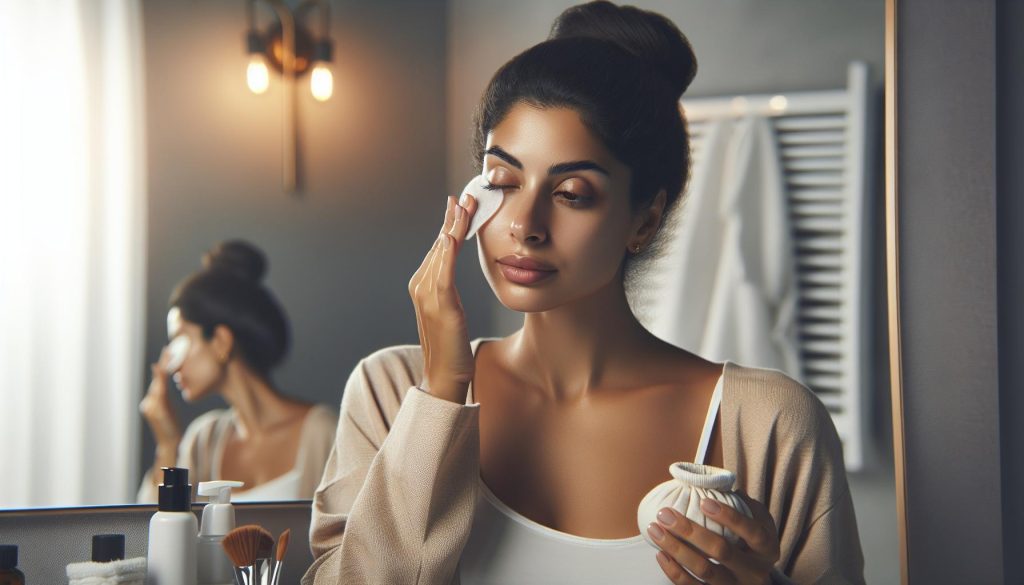
Another critical practice is to remove eye makeup thoroughly each night. Many women enjoy using mascara, eyeliner, and eyeshadow, but failing to clean these products off properly can lead to blocked glands. Use gentle makeup removers that are designed for the sensitive eye area. Avoid harsh wipes or cleansers that can irritate the skin and further exacerbate the chances of developing infection. Additionally, consider washing your eyelids with a mild soap or a specialized eyelid scrub to eliminate excess oils and crusts that may accumulate throughout the day.
Keeping your personal items, like towels and pillowcases, clean is also vital. Wash these regularly in hot water to minimize the risk of transferring bacteria to your eyes. Changing pillowcases frequently can reduce exposure to oils and allergens that accumulate from skin contact. Another handy tip is to avoid sharing personal items like eye makeup, contact lenses, or even towels with others, as this can easily spread bacteria.
Finally, be mindful of the products you use on your eyes and face. Opt for hypoallergenic and fragrance-free cosmetics to minimize irritation and allergic reactions that can lead to inflammation. If you bring new products into your routine, consider performing a patch test to check for adverse reactions before full application. By incorporating these essential hygiene practices, not only can you reduce the occurrence of styes, but you can also foster healthier eyes overall.
When to Seek Medical Attention for Styes
While most eye styes are harmless and may go away on their own, there are certain signs and symptoms that signal when it’s time to seek medical attention. Understanding these can help you manage your eye health effectively and avoid potential complications.
If you notice a stye that doesn’t improve within a few days or starts to worsen, it’s advisable to consult a healthcare professional. Additionally, if you experience persistent pain, swelling, or redness that extends beyond the eyelid, these may indicate a more serious infection that requires intervention. In some cases, if the stye begins to affect your vision or if you find it increasingly uncomfortable, do not hesitate to reach out for help.
Moreover, if you have recurring styes, it is essential to discuss this with your doctor, as it could point to underlying conditions such as blepharitis (inflammation of the eyelid) or other health issues. It’s also crucial to seek prompt medical advice if you develop a fever accompanying the stye, which can suggest that the infection has spread.
Remember, timely medical attention not only alleviates discomfort but ensures you can continue to enjoy healthy and clear vision. Your eyes are vital to your overall health and well-being, and being proactive about any changes or discomfort you experience is key.
Natural Remedies for Soothing Symptoms
Finding relief from uncomfortable eye styes is essential, especially when they disrupt your daily activities. Fortunately, there are several natural remedies that can help soothe the symptoms and promote healing. Here are some effective strategies to consider:
Warm Compresses
Applying a warm compress to the affected area is one of the most effective and straightforward remedies. The heat helps to unclog blocked glands and encourages drainage. To create a warm compress, soak a clean cloth in warm water (make sure it’s not too hot), wring it out, and place it over your closed eyelid for about 10-15 minutes. Repeat this process several times a day for optimal results.
Tea Bags
Using tea bags as a compress can provide additional soothing benefits. Chamomile and green tea bags are particularly great options due to their anti-inflammatory properties. Steep a tea bag in hot water for a few minutes, let it cool slightly, then place it over your eyelid for about 10-15 minutes. This method not only soothes the stye but also provides antioxidants which may help in reducing inflammation.
Essential Oils
Certain essential oils can offer relief when diluted properly. Tea tree oil, known for its antibacterial properties, can be mixed with a carrier oil, such as coconut oil, and carefully applied around (but not directly into) the stye. Always perform a patch test first to check for allergies, and never apply undiluted essential oils to sensitive areas.
Proper Hydration and Diet
Maintaining proper hydration and incorporating anti-inflammatory foods into your diet can also aid in recovery. Drink plenty of water to keep your body hydrated and focus on foods rich in omega-3 fatty acids, such as flaxseeds, walnuts, and fatty fish. These nutrients can help reduce inflammation and promote overall eye health.
Good Hygiene Practices
Lastly, maintaining good hygiene is crucial. Avoid touching your eyes with unwashed hands and gently cleanse your eyelids daily using a mild soap or eyelid scrub to reduce the risk of styes. Keeping your makeup tools clean and avoiding sharing cosmetics can also prevent future occurrences.
By integrating these natural remedies into your routine, you can help soothe the discomfort associated with eye styes while also promoting healing. Always remember to listen to your body and consult a healthcare professional if symptoms persist or worsen.
Lifestyle Changes for Better Eye Health
Making small lifestyle changes can significantly impact your eye health and reduce the risk of developing eye styes. Understanding these changes empowers women to take proactive steps in maintaining eye hygiene and overall wellness. For instance, did you know that managing stress effectively can reduce the likelihood of congestion in the eyelid glands, which often leads to styes? Stress management techniques such as yoga, meditation, or even simple breathing exercises can alleviate the tension that affects your body, including your eyes.
Emphasizing proper hydration and a balanced diet plays a vital role in skin and eye health as well. Staying adequately hydrated helps maintain the moisture balance in your body, which is crucial for your eyes. Incorporate omega-3 fatty acids into your meals by choosing foods like flaxseeds, walnuts, and salmon. These nutrient-dense options not only benefit your overall health but also contribute to reducing inflammation, making your eyes less susceptible to infections like styes.
Another pivotal aspect involves vigilant hygiene practices. Regularly wash your hands and avoid touching your eyes, particularly if your hands are unclean. Consider using a gentle eyelid scrub or a mild cleanser to keep your eyelids clean. This prevents the buildup of bacteria and oils that could lead to blockages in the glands. If you wear eye makeup, make it a habit to remove it thoroughly before sleeping and to regularly clean your makeup brushes to minimize contamination.
Lastly, pay attention to your allergy triggers. If you suffer from allergies, work on managing them effectively to avoid itchy and inflamed eyes, which can predispose you to styes. Consider using hypoallergenic products and maintaining a clean environment to reduce exposure to dust and pollen. By integrating these lifestyle changes, you not only foster better eye health but also enhance your overall well-being, contributing to a more vibrant and healthier life.
Q&A
Q: What are the early signs of an eye stye?
A: Early signs of an eye stye include localized redness, swelling on the eyelid, and tenderness. You may also notice a small bump forming, which can feel warm or tender to the touch. Prompt attention can prevent further discomfort and complications, so monitor these symptoms closely.
Q: Can makeup products trigger eye styes?
A: Yes, certain makeup products can trigger eye styes, especially when they are old or contaminated. It’s essential to replace makeup regularly and avoid sharing it. Always remove makeup before bed to minimize the risk of bacterial growth near your eyes.
Q: How long do eye styes usually last?
A: Most eye styes last for about 5 to 7 days. They often resolve on their own, but applying warm compresses can expedite healing and alleviate discomfort. If symptoms persist beyond a week or worsen, consult a healthcare professional.
Q: Are there specific foods that can trigger eye styes?
A: While no specific foods are directly linked to eye styes, diets high in processed foods and sugars may contribute to overall inflammation in the body, potentially increasing the risk. Focus on a balanced diet rich in fruits, vegetables, and whole grains for optimal eye health.
Q: How can stress lead to eye styes?
A: Stress can weaken the immune system, making it easier for bacteria to cause infections like eye styes. Managing stress through relaxation techniques, such as meditation or exercise, can support better overall health and reduce the likelihood of styes.
Q: Are eye styes contagious?
A: Eye styes themselves are not contagious, but the bacteria that cause them can spread through direct contact. It’s important to practice good hygiene, wash your hands frequently, and avoid touching your eyes to prevent bacterial infections.
Q: What environmental factors contribute to eye styes?
A: Environmental factors such as dust, pollen, and smoke can irritate the eyes and contribute to inflammation, making you more susceptible to styes. Keeping your environment clean and using air filters can help minimize exposure to these allergens.
Q: When should I seek medical attention for an eye stye?
A: Seek medical attention if your eye stye doesn’t improve after a week, becomes increasingly painful, or affects your vision. A healthcare professional can provide tailored treatment or prescribe medications to resolve the issue.
In Retrospect
Avoiding the surprising triggers of eye styes is crucial for maintaining healthy eyes and comfort in your daily life. Remember, your eye care routine plays an essential role in preventing these pesky bumps. If you found this information helpful, explore our guide on “Essential Eye Care Tips” and “Top Skincare Routines for Healthy Eyes” for even more insights.
Don’t let eye styes hold you back-act now! Implement these tips today for a brighter, clearer future. Have questions? Join the conversation by leaving a comment below or share your experiences. We’re here to support your journey to optimal eye health. For regular updates, consider signing up for our newsletter, packed with invaluable advice and the latest trends in women’s health and beauty! Your informed choices can make all the difference.